
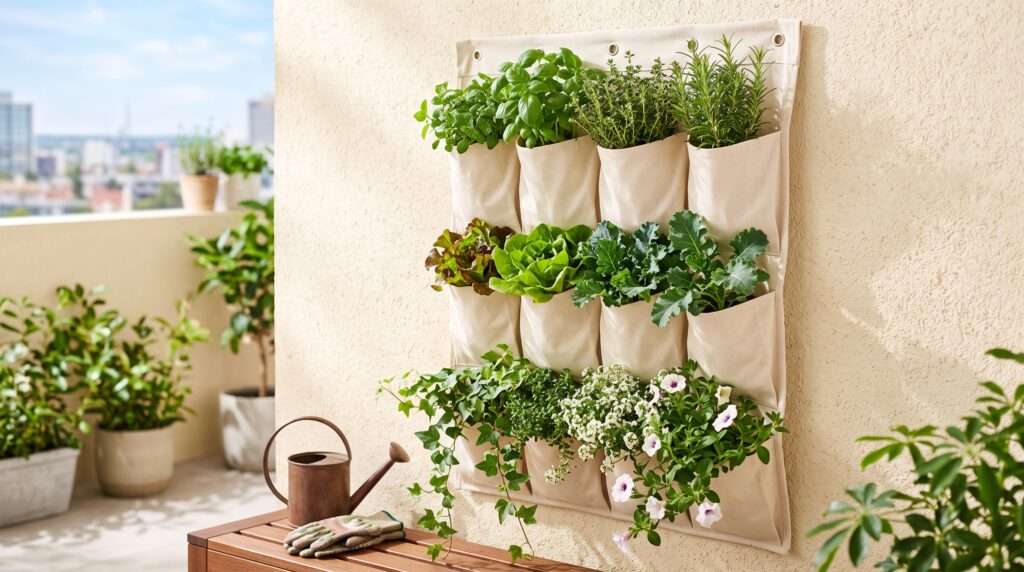
Are you staring at an empty balcony wall, wishing for a lush oasis? Urban living often means sacrificing yard space, but vertical gardening solves this beautifully. By utilizing vertical air space, you can transform bare walls into vibrant, living ecosystems. Building a DIY pocket garden using fabric shoe organizers is one of the most cost-effective and space-saving methods to cultivate greenery, whether you are growing culinary herbs or vibrant trailing ornamentals.
Why Fabric Beats Plastic for Root Health 🪱
Choosing the right material is critical for long-term plant vitality. Avoid clear plastic organizers; they trap heat and drown roots. Instead, heavy-duty canvas or felt organizers are essential for structural and biological success.
-
Breathability: Fabric allows oxygen to reach the root zone, preventing anaerobic conditions and root rot.
-
Natural Drainage: Canvas naturally wicks away excess moisture without the need to cut large, messy drainage holes.
-
Microbiome Support: Proper aeration maintains the delicate soil food web, keeping beneficial microbes active even in small volumes of potting mix.
Expert Tip: Mix coconut coir and generous amounts of perlite into your high-quality compost. This lightweight blend prevents the pockets from sagging off the wall while retaining just enough moisture to support excellent soil health.

Building Your Living Wall 🪜🌱
Assembly is straightforward but requires careful planning to manage water and weight.
-
Prep the Canvas: Reinforce the top hanging grommets with sturdy zip ties or heavy-duty carabiners to handle the immense weight of wet soil.
-
Protect the Wall: Hang a thick plastic shower curtain liner directly behind the organizer to prevent moisture damage to your home’s exterior or drywall.
-
Strategic Planting: Gravity dictates water flow. Place drought-tolerant plants (like rosemary or thyme) in the top rows, and moisture-loving plants (like mint or ferns) in the bottom pockets to catch the runoff.

Maximizing Visual Appeal 📸
A thriving vertical garden isn’t just practical; it is a striking aesthetic feature. To ensure your new garden looks incredibly vibrant and layered in photographs and video content, focus on texture and contrast.
-
Plant fast-growing trailing vines like Golden Pothos, Creeping Jenny, or Sweet Alyssum at the outer edges to naturally drape over and hide the fabric backing.
-
Group plants with contrasting foliage colors (such as deep purple coleus next to bright green neon pothos) to create eye-catching, dynamic patterns.
Are you thinking about documenting the assembly and planting process to share as a step-by-step visual guide with your audience?
The Best Plants to Grow in Shallow Pockets 🍓🌼
The secret to a thriving vertical garden lies in selecting the right plant species. A standard shoe organizer pocket holds about one to two cups of soil. Therefore, deep-rooted vegetables are out of the question, but shallow-rooted, compact varieties will absolutely flourish in this environment.
Culinary Herbs & Edible Greens 🥗
Imagine stepping out onto your balcony and snipping fresh greens for dinner directly from your living wall. For a functional, edible pocket garden, focus on these top performers:
-
Cut-and-Come-Again Lettuces: Varieties like mesclun mix, butterhead, and arugula thrive in shallow soil and provide a continuous harvest.
-
Aromatic Herbs: Basil, cilantro, parsley, and chives are excellent choices. Plant mint in its own isolated pockets, as its aggressive runners can easily take over neighboring plants.
-
Compact Strawberries: Alpine strawberries are perfect for vertical spaces. They don’t produce long runners, keeping them neatly confined to their individual pouches while yielding sweet, bite-sized fruit.
Trailing Florals & Ornamentals 🌸
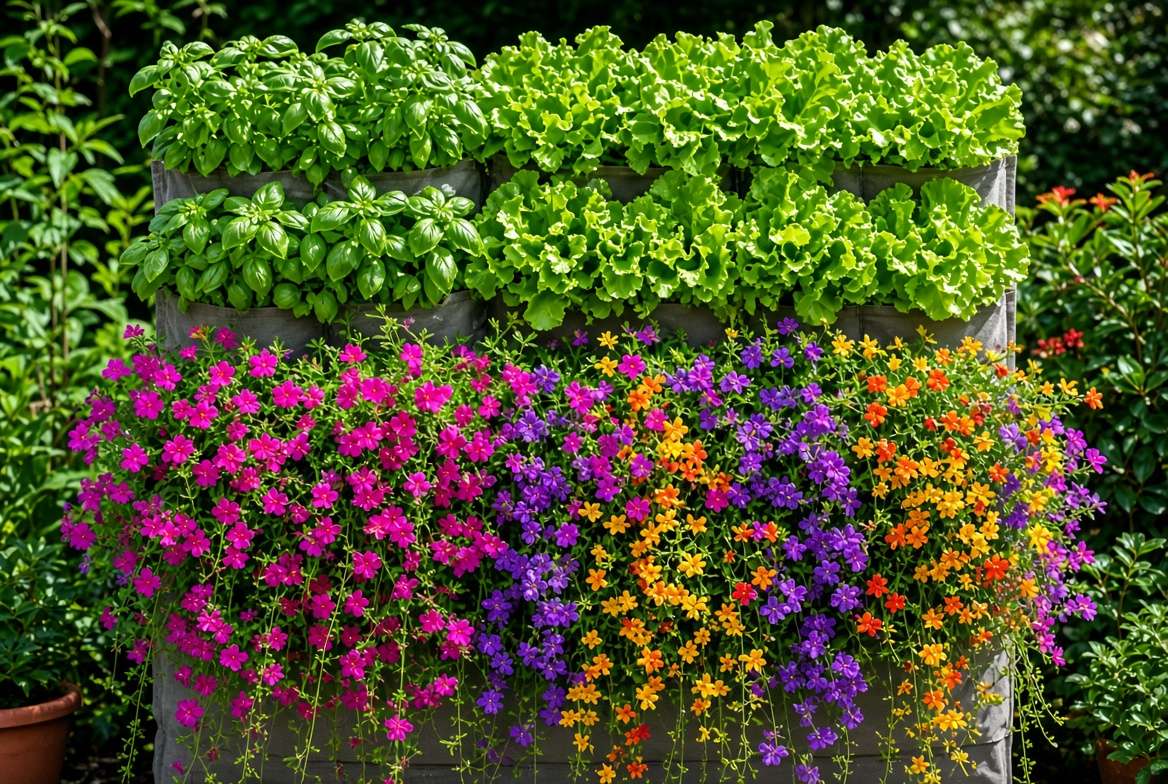
If your goal is to create a stunning, eye-catching feature wall, trailing plants are your best friends. They spill over the edges, hiding the fabric and creating a seamless cascade of greenery.
-
Flowering Beauties: Sweet Alyssum, trailing Lobelia, and Nasturtiums (which are also edible!) add vibrant pops of color and attract beneficial pollinators to your urban space.
-
Foliage Favorites: English Ivy, creeping Jenny, and various types of Philodendron offer gorgeous textures and tolerate the restricted root space beautifully.
Plants to Avoid 🚫
To prevent disappointment and wasted effort, strictly avoid planting:
-
Root Vegetables: Carrots, potatoes, and radishes need deep, loose soil to develop properly.
-
Heavy Feeders & Large Fruiting Plants: Tomatoes, peppers, and eggplants require massive amounts of nutrients and root space. A shoe organizer pocket will instantly stunt their growth and lead to blossom end rot.
-
Top-Heavy Plants: Tall plants like sunflowers or large brassicas (broccoli, cabbage) will cause the pockets to sag and potentially rip the fabric.
Pro Tips for Pocket Garden Maintenance & Soil Health 💧🔬
Managing a vertical garden requires a slightly different approach than traditional raised beds. Because the soil volume is so small, environmental changes happen rapidly. Mastering your maintenance routine is what separates a short-lived project from a thriving, long-term living wall.
Mastering the Watering Routine 🚿
The number one challenge with fabric shoe organizer gardens is that they dry out incredibly fast. Fabric is porous, and gravity naturally pulls moisture downward.
-
The Top-Down Method: Always water the top rows thoroughly and let gravity pull the excess moisture down to the lower pockets.
-
Micro-Drip Systems: For the ultimate low-maintenance setup, run a 1/4-inch drip irrigation line along the top of the organizer with a micro-emitter in each top pocket. Hook it up to a simple hose timer, and your garden will practically water itself.
-
Mulching: Add a tiny pinch of sphagnum peat moss or fine bark mulch to the top of each pocket. This acts as a barrier, reducing surface evaporation on hot, sunny days.

Long-Term Nutrient Management & Plant Diagnostics 🧪
In a closed, tiny ecosystem, soil health is paramount. Nutrients leach out every time you water, meaning your potting mix will deplete its food reserves within a matter of weeks. Staying proactive with soil health and early plant diagnostics will keep your foliage lush.
-
Liquid Gold: Incorporate a diluted organic liquid fertilizer (like fish emulsion or kelp extract) into your watering routine every two weeks.
-
Compost Tea: Brew a batch of aerated compost tea once a month. This introduces beneficial nematodes and bacteria back into the pockets, supercharging the soil food web and improving nutrient uptake.
-
Early Diagnostics: Keep a close eye on your leaves. If the lower foliage starts turning a pale, sickly yellow, your plants are likely suffering from nitrogen deficiency due to nutrient leaching. If the tips of the leaves turn brown and crispy, the pockets are drying out too much between waterings. Adjust your liquid feeding and watering schedules at the first sign of these symptoms.
Frequently Asked Questions (FAQs) 🙋♀️❓
Can I leave my fabric shoe organizer garden outside in the winter? ❄️ It depends on your climate and the plants you chose. Perennial herbs can survive mild winters, but the pockets offer zero insulation against freezing temperatures. If you live in a cold zone, treat your pocket garden as an annual project, or carefully unhook it and bring it indoors to a sunny window before the first frost.
How long will a canvas shoe organizer last before rotting? ⏳ A high-quality, heavy-duty canvas organizer can last 2 to 3 growing seasons outdoors. Over time, UV rays and constant moisture will degrade the fibers. To extend its life, empty the pockets at the end of the season, wash the fabric with a mild vinegar solution, and store it dry during the winter.
Is it safe to grow food in a regular shoe organizer? 🥗 This is a crucial question. If you are growing edibles, look for unbleached, untreated cotton canvas, or organizers made from recycled, BPA-free PET felt (often sold specifically as vertical planters). Avoid cheap, chemically treated organizers, as those dyes and flame retardants can leach into the soil.
How do I prevent the wall behind my garden from getting water damage? 🏠 Never hang a porous fabric planter directly against drywall, untreated wood, or brick without a moisture barrier. Zip-tie a heavy-duty plastic shower curtain liner or a sheet of corrugated plastic to the back of the organizer before hanging it.
Conclusion: Ready to Grow Upwards? 🚀🌻
Creating a DIY pocket garden using fabric shoe organizers is proof that you don’t need a sprawling backyard or a massive budget to experience the joy of gardening. By focusing on high-quality soil health, selecting the right shallow-rooted plants, and maintaining a consistent watering schedule, you can turn any sunny vertical space into a flourishing green sanctuary.
It’s time to look at those empty walls not as limitations, but as blank canvases waiting for a splash of life. Grab an organizer, mix up some nutrient-rich soil, and start planting!
Have you decided what you’ll be planting in your new vertical garden? Pin this guide for later, and be sure to share a photo of your blooming living wall with us! 📌💚











