

Living in a concrete jungle offers undeniable excitement, but it often comes with a distinct lack of green space. When your outdoor sanctuary is limited to a cramped apartment balcony or a sunny living room wall, traditional potted plants can quickly eat up precious floor and counter real estate. If you are yearning for a touch of nature without sacrificing your square footage, the solution is looking up. Creating a succulent wall in an urban environment is the perfect way to transform a blank, lifeless vertical surface into a stunning, living piece of art. 🌿✨
In this comprehensive guide, we will explore exactly how to design, build, and maintain a thriving vertical succulent garden. Whether you are dealing with reflective city heat or shady apartment corners, this skyscraper-level guide covers everything from structural framing and advanced soil health management to the precise watering techniques required for gravity-defying plants. Let’s dig in! 🧤
Why Succulents are the Ultimate Urban Space-Savers 🪴
Urban gardening requires a highly strategic approach. You cannot simply mount any houseplant on a wall and expect it to flourish. Succulents, however, are biologically engineered to thrive in the exact conditions that make vertical apartment gardening so challenging.
Shallow Root Systems 🌱 Unlike deep-rooted tropicals or indoor trees, succulents have surprisingly shallow root systems. In their natural arid habitats, their roots spread wide just below the soil surface to quickly catch brief, sparse rainfall. This biological trait makes them uniquely suited for the narrow confines of a vertical frame, requiring as little as two to three inches of soil depth to remain securely anchored and vibrantly healthy.
Drought Tolerance for the Busy City Dweller 💧 City life is fast-paced, and watering schedules often fall by the wayside. Succulents store water in their fleshy leaves, stems, and roots, acting as their own reservoirs. This built-in drought tolerance means that even if you leave for a long weekend, your living wall won’t immediately suffer. Furthermore, vertical setups naturally drain faster than traditional pots, making drought-resistant, rot-averse plants a structural necessity.
Microclimate Adaptability 🏙️ Balconies and high-rise windows often create intense, localized microclimates. Heat reflects off glass skyscrapers, concrete floors, and brick facades, drastically raising the ambient temperature. Succulents—particularly varieties native to harsh, sun-baked environments—are remarkably resilient to these urban heat islands, easily shrugging off conditions that would scorch delicate ferns or calatheas.

Essential Materials for Your Vertical Garden 🛠️
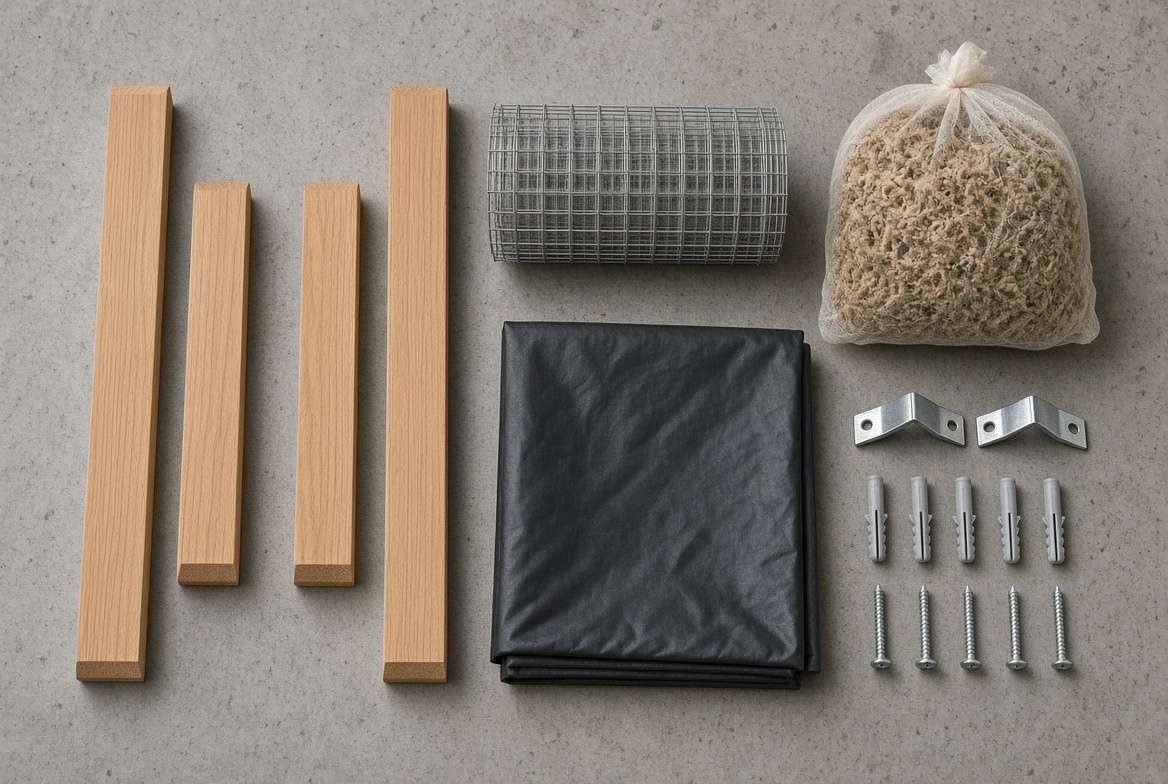
Constructing a living wall is part horticulture, part carpentry. Ensuring you have the right structural components is vital for both the health of the plant care ecosystem and the integrity of your apartment walls. Here is what you need to build a secure, lasting foundation:
-
Frame & Backing: You can purchase pre-made shadow boxes specifically designed for vertical gardens, upcycle treated pallets for a rustic look, or build a custom cedar frame. Cedar is highly recommended for DIY builds due to its natural rot resistance.
-
Waterproof Moisture Barrier: This is non-negotiable for indoor urban environments. A heavy-duty pond liner or thick plastic sheeting must strictly line the inside back and inner sides of your frame to prevent moisture from seeping into your drywall, plaster, or paint. 🛡️
-
Wire Mesh (Hardware Cloth): A galvanized wire mesh grid (usually 1/2-inch to 1-inch squares) acts as the structural support system, preventing the soil and plants from falling out when the heavy frame is hung vertically.
-
Sphagnum Moss: A layer of long-fibered, hydrated sphagnum moss placed just behind the wire mesh helps hold the soil mixture in place, acts as a moisture sponge, and adds a beautiful, finished look to the gaps between plants.
-
Heavy-Duty Mounting Hardware: A watered succulent frame can easily weigh upwards of 20 to 30 pounds. Use French cleats or heavy-duty masonry anchors depending on whether you are mounting into drywall studs or exposed balcony brick. 🔩
The Secret to Vertical Success: Soil Health Management 🪨
When creating a vertical garden, the medium you choose dictates the longevity of the entire project. Standard indoor potting soil is a recipe for disaster in a wall-mounted frame. It retains too much water (leading to deadly root rot), becomes excessively heavy, and eventually compacts, choking those delicate shallow root systems.
Formulating the Perfect Well-Draining Mix
To achieve optimal soil health, you must prioritize aeration and rapid drainage while keeping the overall weight manageable. A professional-grade vertical succulent mix should feel gritty, loose, and lightweight.
-
The Organic Base: Start with a high-quality organic cactus or succulent mix, representing only about 40% of the total volume.
-
The Aerators: Mix in abundant pumice, perlite, and coarse horticultural sand (the remaining 60% of the volume). These inorganic materials create vital macro-pores in the soil structure, allowing oxygen to reach the roots and water to flow freely downward.
Preventing Nutrient Runoff 📉
Gravity is the natural enemy of soil nutrition in vertical spaces. Every time you water, essential nutrients are slowly flushed downward and out of the frame. To combat this, you must incorporate slow-release organic inputs during your initial mix. Earthworm castings are an exceptional addition; they provide a gentle, sustained dose of micronutrients and beneficial microbes without the risk of chemical fertilizer burn. Additionally, mixing in a small amount of horticultural charcoal can help absorb impurities and keep the soil “sweet” and healthy over years of growth.
Step-by-Step: Assembling Your Living Art 🏗️
With your materials gathered and soil properly mixed for ultimate health, it’s time for the physical assembly. This process requires patience but yields incredibly rewarding results.
Step 1: Prepping the Frame and Substrate
Begin by securely attaching the waterproof backing to the rear of your frame. Fill the frame completely with your specialized soil mix, pressing it down firmly to eliminate any large, empty air pockets. Once filled, lay your moistened sphagnum moss evenly over the soil, and tightly secure the wire mesh over the top, stapling or nailing it firmly to the wooden edges of the frame.
Step 2: The Art of Arrangement (Thrillers, Fillers, and Spillers) 🎨
Before planting a single stem, lay your unpotted succulents out on a table to design your composition.
-
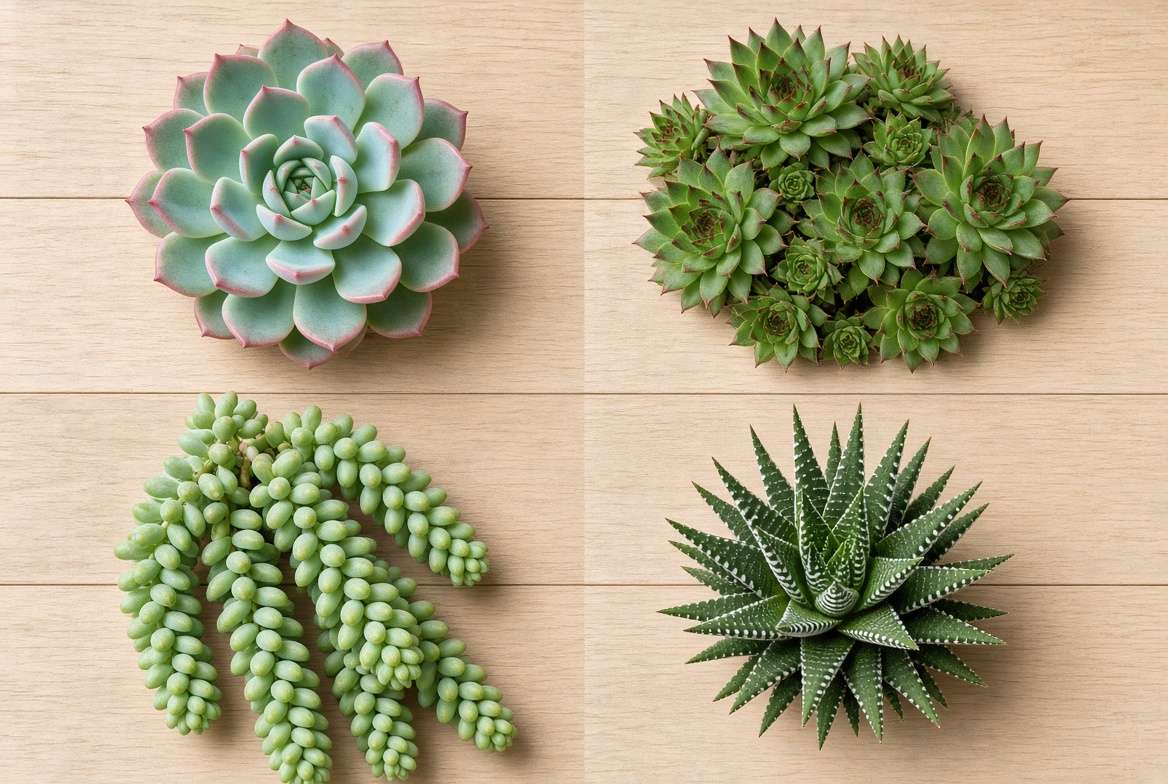
Thrillers: Start with your largest, most eye-catching rosettes (like vibrant Echeverias or striking Aeoniums). Place these slightly off-center to create dynamic visual interest and draw the eye.
-
Fillers: Use smaller, clustering succulents (like Sempervivum or Haworthia) to weave around the thrillers, creating lush, dense textures that hide the mesh.
-
Spillers: Plant trailing varieties near the very bottom edge of the frame so they can cascade elegantly over the side, softening the hard wooden lines.
Step 3: Planting and Securing 🥢
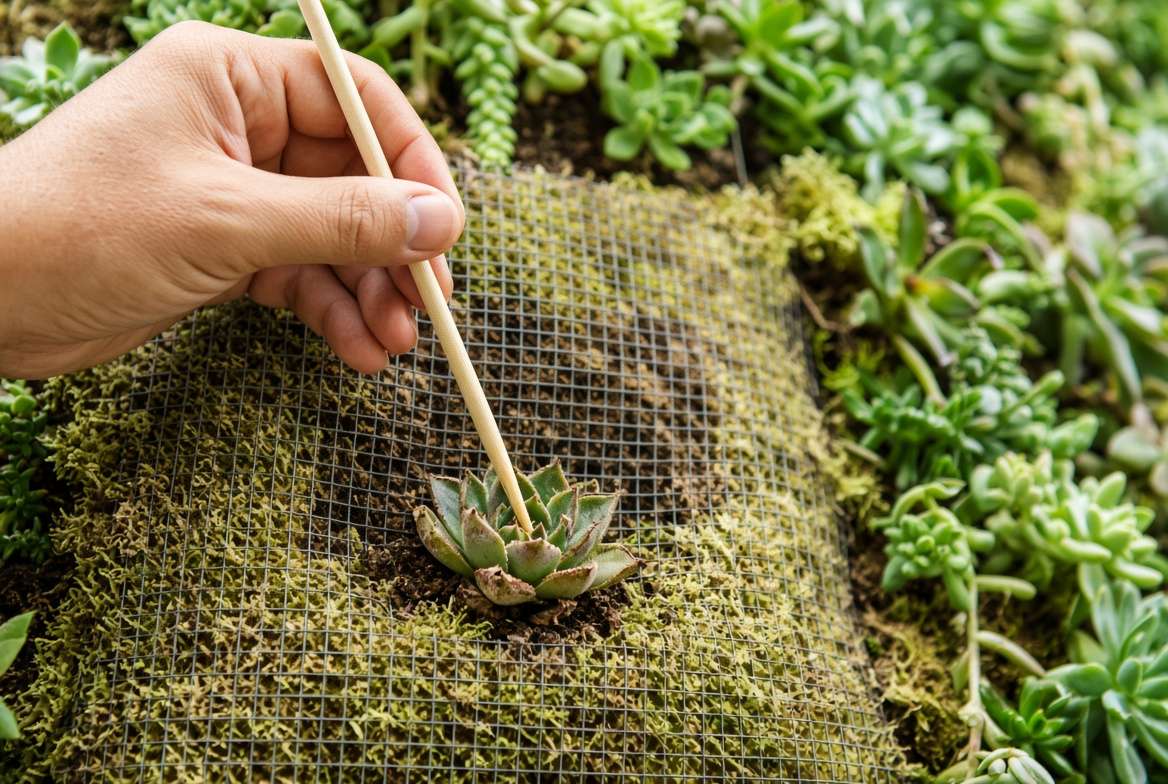
Once your design is finalized, the delicate work of planting begins. Using a dibber, a sturdy pencil, or a wooden chopstick, carefully poke a hole through the sphagnum moss and wire mesh, creating a small pocket in the soil mix below. If you are using rooted succulents, gently tease the root ball apart so it can squeeze through the wire grid without snapping.
For a tighter fit and easier planting, many professionals prefer using succulent cuttings rather than fully rooted plants. Simply snip the stem, let it callous over for a few days to prevent rot, and slide the bare stem into the hole. Over time, it will root directly into your soil health matrix. If a plant feels a bit wobbly, use U-shaped floral pins to tack the stem gently to the moss until the roots take over.
Step 4: The Crucial Flat-Laying Period 🛌
Expert Insight 🔬: This is the most common point of failure for beginner vertical gardeners. Once planted, you might be tempted to immediately hang your masterpiece on the wall. Do not do this.
You must leave the frame lying flat in a bright, warm location for a minimum of 4 to 8 weeks. Gravity is relentless; if you hang it too soon, the unanchored roots will slip out, and the plants will tumble to the floor. During this flat-laying period, the succulents will undergo phototropism (turning their heads upward toward the light) and, most importantly, send deep anchoring roots into the wire and soil, binding the entire ecosystem together into a solid, gravity-defying mat.
Plant Selection: The Best Succulents for Vertical Growth 🌿
In an urban environment, natural light is often obstructed by neighboring skyscrapers or deep balcony overhangs. Choosing the right species based on your specific lighting conditions is paramount. Below is a quick-reference guide to the most reliable performers for vertical plant care:
| Plant Variety 🌸 | Design Role 🎨 | Urban Light Requirements ☀️ | Growth Habit |
| Echeveria | Thriller (Focal Point) | Bright, direct light (South/West facing) | Forms tight, colorful rosettes. Prone to stretching if light is too low. |
| Sempervivum (Hens & Chicks) | Filler (Spreading) | Highly adaptable, tolerates temperature swings | Produces abundant offsets (“chicks”) that rapidly fill empty gaps. |
| Sedum (Burro’s Tail) | Spiller (Trailing) | Bright, indirect light | Cascades beautifully. Very fragile leaves; plant at the bottom. |
| Haworthia & Gasteria | Filler (Texture) | Tolerates lower light (East/North windows) | Deep green with striking white stripes or spots. Excellent for darker apartments. |
| Crassula (Jade variants) | Thriller / Filler | Bright, indirect light | Woody stems provide structural integrity to the arrangement. |
Long-Term Care & Plant Diagnostics 🩺
Maintaining a succulent wall in a city apartment requires a different approach than traditional tree care or ground-level gardening. Here is how to keep your vertical oasis thriving year after year.
Watering Without the Mess 🚿
Watering a living wall while it is hanging indoors is risky and often leads to water-stained drywall. The most effective method is the “soak and dry” technique.
-
Take the frame off the wall and lay it flat outdoors on a balcony or in your bathtub.
-
Slowly water the moss and soil using a narrow-spout watering can or a targeted squeeze bottle until the medium is thoroughly saturated.
-
Allow the frame to sit flat for a few hours so the roots can drink, then prop it up at a slight angle to let all excess water drain away completely.
-
Only re-hang the frame when it is no longer dripping. You will typically only need to do this every 2 to 4 weeks, depending on your apartment’s humidity and temperature.
For massive, permanent outdoor balcony walls, installing a micro-drip irrigation system along the top edge of the frame is a professional-grade upgrade that saves immense time and effort.
Troubleshooting Common Urban Plant Ailments 🔍
Being a subject matter expert means knowing how to diagnose problems before they become fatal.
-
Overwatering vs. Underwatering: Succulents communicate clearly. If leaves are turning mushy, yellow, and translucent, the soil is retaining too much water—a sign of impending root rot. If the leaves are shriveled, wrinkled, and dry, they are utilizing their internal water reserves and need a deep soak.
-
Etiolation (Stretching): When skyscrapers block your sun, succulents will rapidly elongate, stretching their stems in a desperate search for light. If your rosettes start looking like tall, sparse ladders, you are dealing with etiolation. To solve this in a dark apartment, integrate aesthetic, full-spectrum LED grow lights into your surrounding decor to supplement natural rays.
-
Urban Pests: High-rise living doesn’t grant immunity from pests. Wind easily carries spider mites and mealybugs from neighboring balconies. Inspect the tight crevices of your rosettes regularly. If you spot cottony white masses (mealybugs) or fine webbing (spider mites), immediately treat the foliage with a targeted spray of 70% isopropyl alcohol or neem oil. 🐞
Documenting and Sharing Your Living Masterpiece 📸
A beautifully crafted vertical garden is incredibly visually appealing and serves as excellent content for digital creators and gardening enthusiasts.
Capturing the Best Angles
Lighting is everything. To highlight the rich colors and complex textures of your succulent wall, photograph it during “golden hour” (just after sunrise or right before sunset) when the urban light is soft and diffused. Focus on macro shots of the intricate rosette patterns juxtaposed against the raw, industrial background of city brick or concrete.
Optimizing for Pinterest and YouTube 📱
If you are sharing your urban gardening journey online, presentation matters.
-
Pinterest: Vertical alignment is king. Take tall, high-resolution portrait shots of the entire wall to create highly pinnable graphics. Add clear, readable text overlays like “DIY Space-Saving Urban Garden” to drive traffic.
-
YouTube Thumbnails: When filming a build tutorial, use a high-contrast thumbnail. Stand next to the finished wall holding a beautiful Echeveria, ensuring the vibrant greens pop against the background. This establishes immediate visual authority and entices viewers to click and learn your E-E-A-T backed methods.

Frequently Asked Questions (FAQs) ❓
How heavy does a 2×2 foot succulent wall get?
A freshly watered 24″ x 24″ frame packed with soil and plants can easily weigh between 30 and 40 pounds. Always mount into wall studs or use heavy-duty drywall anchors rated for at least 50 pounds to ensure safety.
Can I leave my succulent wall outside on my balcony during winter?
It depends entirely on your climate zone and plant selection. While Sempervivum and some Sedums are frost-hardy and can survive freezing temperatures, most tender succulents (like Echeveria and Crassula) will turn to mush if exposed to frost. In most cities with cold winters, you must bring the frame indoors.
How long do vertical succulent gardens live?
With proper soil health management, adequate light, and correct watering, a succulent wall can thrive for 3 to 5 years before requiring a major overhaul.
Do I need to repot my vertical garden eventually?
Yes. Over several years, plants will outgrow their space, and the organic matter in the soil will break down. You can prolong the lifespan by selectively taking cuttings (pruning) to control growth and top-dressing the moss with liquid worm tea for nutrients. Eventually, you will want to take it down, refresh the substrate, and replant for a renewed look.
Conclusion: Transforming Your Urban Space 💚
Creating a succulent wall in an urban environment is far more than just a clever space-saving hack; it is a profound way to reconnect with nature amidst the concrete and chaos of city living. By understanding the unique microclimates of your apartment, prioritizing exceptional soil health, and executing proper structural mounting, you can cultivate a gravity-defying masterpiece that lasts for years.
You don’t need a sprawling backyard to become a master gardener. Start small—perhaps with a modest 8×10 picture frame—and master the flat-laying and watering techniques. Before you know it, you will be scaling up, turning your blank urban walls into a breathtaking vertical oasis. Happy planting! 🌱🏢











