
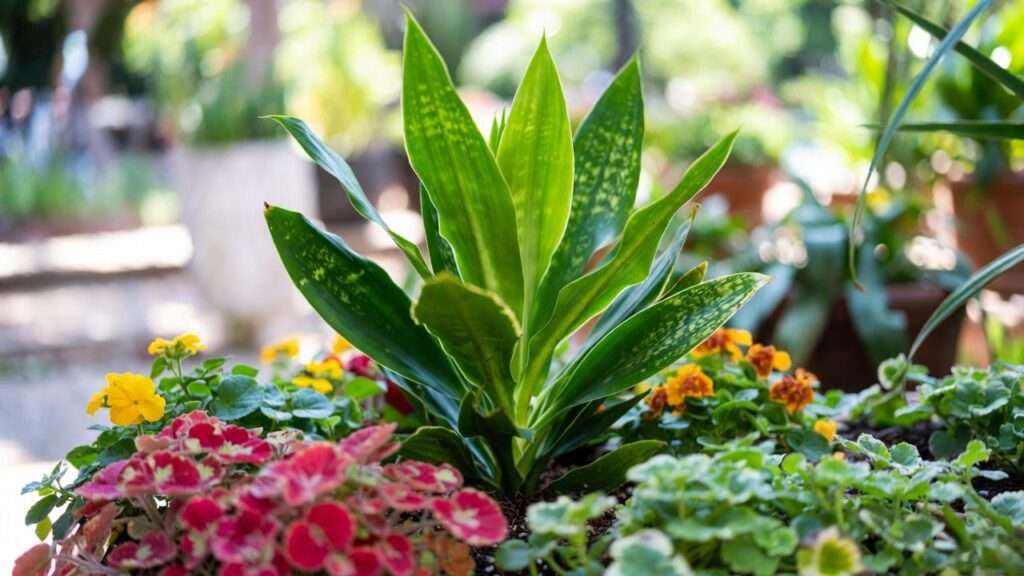
Imagine stepping into your garden or onto your patio and being greeted by a stunning vertical accent that adds drama and texture to your containers—a tall, sword-like foliage plant that stands proudly amid colorful blooms, effortlessly elevating the entire design. That’s the magic of the dracaena spike plant (Dracaena indivisa), a versatile favorite among gardeners and indoor plant enthusiasts alike. Whether you’re battling leggy growth in mixed pots, struggling with winter survival in colder climates, or simply wanting lush, healthy spikes that thrive year after year, this ultimate guide has you covered. With the right care, your dracaena spike plant can become a low-maintenance star in both outdoor containers and indoor spaces, providing that coveted “thriller” element in thriller-filler-spiller designs. Let’s dive into everything you need to know for vibrant, thriving plants! 🏡✨
What Is the Dracaena Spike Plant? A Quick Overview 🌱
The dracaena spike plant, botanically known as Dracaena indivisa (often sold simply as “Spikes”), is a striking foliage plant prized for its upright, sword-shaped leaves that create bold vertical interest. Native to tropical regions but incredibly adaptable, it’s commonly used as an annual in cooler climates and can transition to a perennial houseplant with proper overwintering.
Botanical Background and Common Names
Part of the Asparagaceae family, this plant is sometimes confused with Cordyline species due to similar appearance, but true dracaena spikes are Dracaena indivisa. Common names include “spike plant,” “dracaena spikes,” or simply “spikes.” It’s not a true grass but mimics one with its arching, narrow leaves emerging from a central rosette.
Popular Varieties and Their Unique Features
While the classic green Dracaena indivisa is the most common—with solid emerald leaves reaching 2-3 feet tall—some cultivars offer subtle variations. Look for Proven Accents® Spikes from Proven Winners, known for robust growth and heat tolerance. Variegated options are rarer in spikes compared to other dracaenas, but the standard green form provides timeless contrast in arrangements.
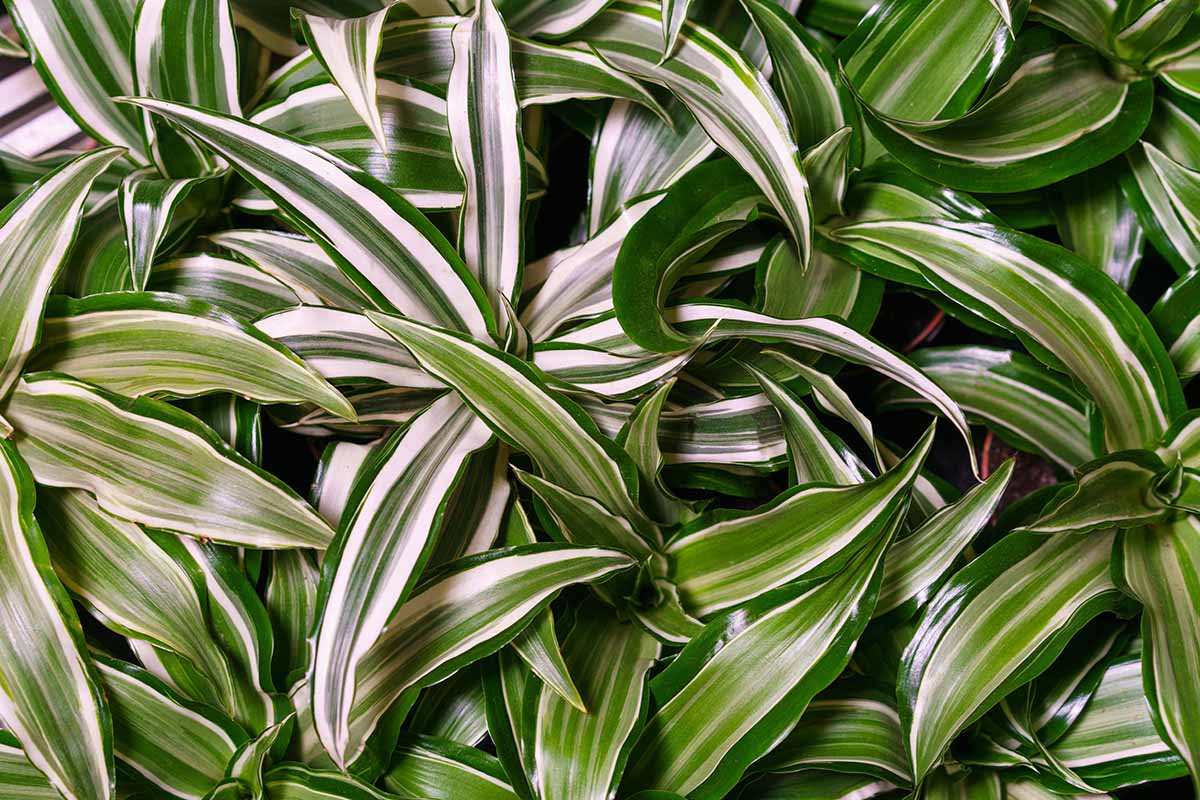
(Close-up of lush Dracaena spike plant leaves, showcasing their sword-like shape and vibrant green color.)
Why It’s Perfect for Containers, Gardens, and Indoor Spaces
Dracaena spikes excel as the “thriller” in container gardens, adding height (up to 3 feet outdoors) and texture without overwhelming companions. They’re drought-tolerant once established, adaptable to various light levels, and transition seamlessly indoors for year-round enjoyment. Plus, they’re air-purifying, making them ideal houseplants!
Ideal Growing Conditions for Dracaena Spike Plants ☀️💧
Getting the basics right is key to preventing common issues like brown tips or stunted growth.
Light Requirements: From Full Sun to Shade Tolerance
Outdoors, dracaena spikes thrive in full sun to partial shade—ideal for 4-6 hours of direct morning sun. Too much intense afternoon sun can scorch leaves, while deep shade slows growth. Indoors, bright indirect light near a window works best; they tolerate low light but grow slower.

(Dracaena spike plant thriving as a thriller in a vibrant container garden.)
Temperature and Hardiness Zones (Including Cold Tolerance Insights)
Hardy in USDA Zones 9-11 outdoors year-round, spikes are treated as annuals elsewhere. They prefer 60-80°F (15-27°C) and suffer below 50°F (10°C). In Zone 7-8, some gardeners report success with protection, but most overwinter indoors.
Humidity Preferences for Optimal Growth
Average household humidity (40-50%) is fine, but dry air causes brown tips. Mist leaves or use a pebble tray indoors, especially in winter.
Soil, Planting, and Potting Essentials 🪴
Good drainage is non-negotiable to avoid root rot.
Best Soil Mix for Drainage and Nutrition
Use well-draining potting mix—commercial blends for containers or houseplants work great. Amend with perlite or vermiculite for extra drainage. Avoid heavy garden soil.
How to Plant in Containers (Thriller-Filler-Spiller Tips)
As the thriller, center the spike in large pots. Plant at the same depth as its nursery container, spacing fillers and spillers around it. Popular combos include petunias, sweet potato vine, and geraniums.
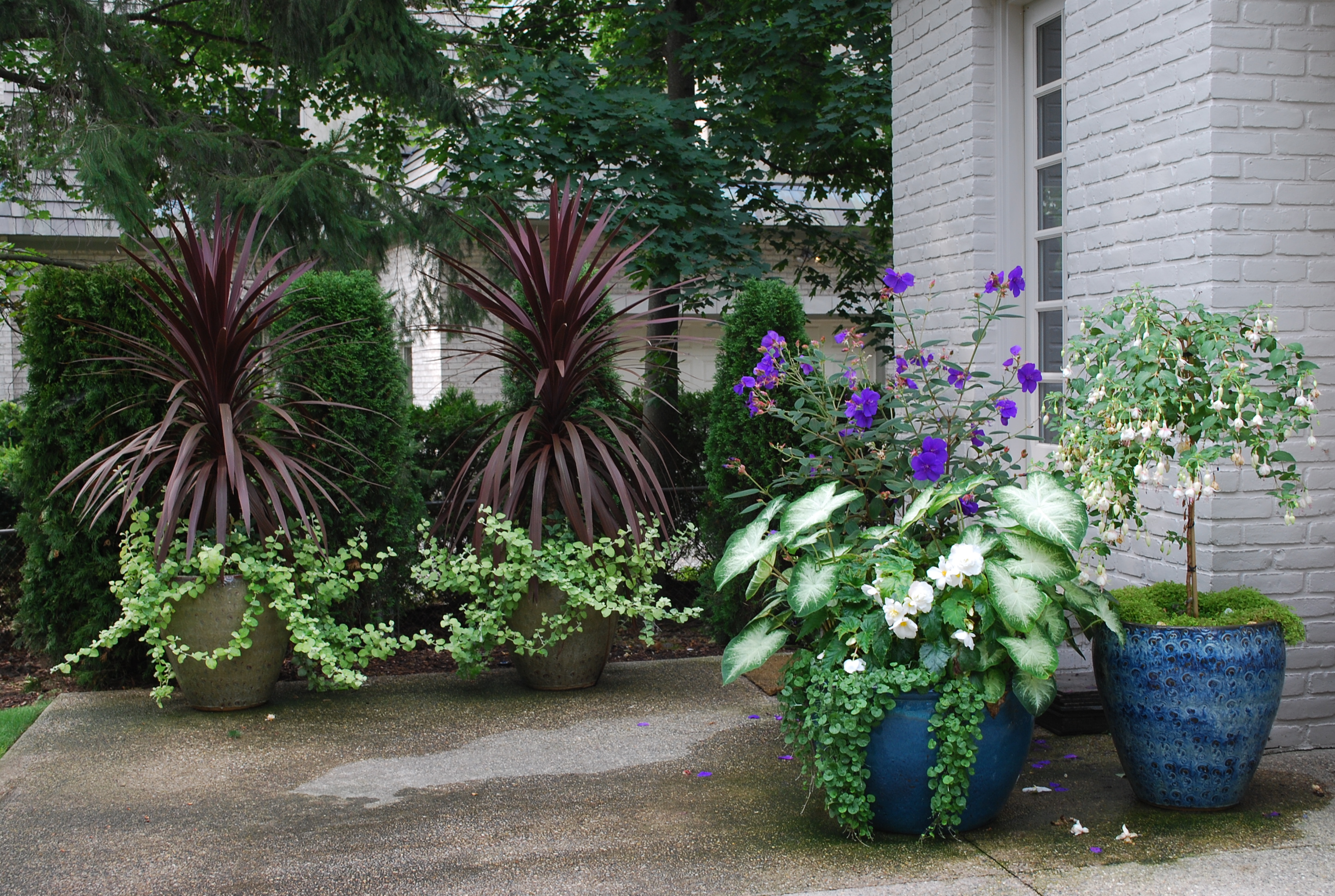
(Stunning mixed container featuring dracaena spike with colorful companions.)
Planting in Garden Beds: Spacing and Companions
Space 18-24 inches apart in beds for airflow. Pair with low-growing annuals like impatiens or begonias for contrast.
Repotting Guide: When and How to Do It Right
Repot every 2-3 years or when roots fill the pot. Spring is best—gently loosen roots and upgrade to a pot 2 inches larger.
Watering Your Dracaena Spike Plant Properly 🚰
Overwatering is the #1 killer—spikes are drought-tolerant!
How Often to Water Outdoors vs. Indoors
Outdoors in containers: Water when top 2 inches of soil dry (weekly in heat). Indoors: Every 10-14 days, less in winter. Always check soil first.
Signs of Overwatering and Underwatering
Overwatering: Yellow leaves, soggy soil, root rot. Underwatering: Droopy, crispy tips.
Expert Tips for Drought Tolerance and Consistent Moisture
Use mulch in beds to retain moisture. In mixed containers, spikes handle drier conditions better than thirsty companions.
Fertilizing for Vibrant, Healthy Growth 🌱💪
Fertilizing is often overlooked with dracaena spike plants, but the right nutrients can make the difference between a good plant and a spectacular one—especially in containers where soil depletes quickly.
Recommended Fertilizers and Schedules
Use a balanced, water-soluble fertilizer (like 10-10-10 or 20-20-20) diluted to half strength. Feed every 4-6 weeks during the growing season (spring through summer). Slow-release granular options work well for outdoor containers, applied at planting time.
Feeding in Mixed Containers vs. Solo Pots
In mixed arrangements, spikes compete with heavy feeders like petunias, so opt for consistent liquid feeds. Solo pots need less frequent fertilizing—every 6-8 weeks suffices.
Avoiding Common Fertilizer Mistakes
Over-fertilizing causes salt buildup and brown leaf tips. Always water thoroughly after feeding, and skip fertilizer in fall/winter when growth slows.
Pruning and Maintenance: Keeping Your Spike Looking Sharp ✂️
Dracaena spikes are low-maintenance, but occasional pruning keeps them tidy and encourages fuller growth.
When and How to Prune for Bushier Growth
Prune in early spring or after flowering companions fade. Cut the central rosette back by 1/3 to encourage side shoots (often called “candles”). Use clean, sharp shears.
Removing Dead or Damaged Leaves
Pull or snip yellow/brown lower leaves at the base—they naturally shed as the plant grows taller.
Encouraging New Shoots and “Candles”
After pruning, new growth emerges from the crown. Consistent light and moderate fertilizer promote multiple spikes for a bushier look.
Propagation: Multiply Your Dracaena Spikes Easily 🍼
One of the joys of growing dracaena spike plants is how easily they propagate—perfect for expanding your collection or sharing with friends.
Step-by-Step Stem Cutting Propagation in Soil
- Cut a 4-6 inch healthy stem tip in spring.
- Remove lower leaves.
- Dip in rooting hormone (optional).
- Plant in moist potting mix.
- Cover with a plastic bag for humidity; roots form in 4-6 weeks.
:max_bytes(150000):strip_icc()/GettyImages-13668060601-9c8da0a063c540289a2ae2af66d8eaaf.jpg)
(Step-by-step visual of dracaena stem cuttings rooting in soil.)
Water Rooting Method for Beginners
Place cuttings in a jar of water, changing weekly. Roots appear in 3-5 weeks; pot up once 2 inches long.
Division Techniques for Mature Plants
For large specimens, divide the root ball in spring. Each section with leaves and roots becomes a new plant.
Tips for Success and Rooting Timeline
Warmth (70-80°F) and indirect light speed rooting. Success rates are high—over 90% with proper care.
Overwintering Dracaena Spike Plants: From Annual to Perennial ❄️🏠
In colder zones, don’t treat spikes as disposable annuals—overwinter them to enjoy bigger, better plants next year.
Bringing Indoors: Light, Temperature, and Care Adjustments
Move indoors before first frost. Place in bright indirect light, keep above 55°F, and reduce watering/fertilizing. They adapt well as houseplants.
:max_bytes(150000):strip_icc()/grow-dracaena-marginata-indoors-1902749-2-983c52a2805144d899408949969a5728.jpg)
Digging Up and Storing Roots in Cold Climates
In extreme cold, dig up, trim foliage, and store bare roots in peat moss at 40-50°F (like cannas).
Real Gardener Experiences: Surviving Zone 5 and Beyond
Many in Zones 6-7 successfully overwinter indoors or in garages. With protection (mulch/heavy covering), some report survival in Zone 5!
Transitioning Back Outdoors in Spring
Harden off gradually in shade, then full sun. New growth explodes once warm.
Common Problems and Solutions: Troubleshooting Your Spike Plant 🐛🔍
Even tough plants face issues—here’s how to diagnose and fix them quickly.
Pests: Spider Mites, Mealybugs, and Scale
Dry air invites spider mites (fine webbing); mealybugs appear as cottony masses.
Treat with insecticidal soap or neem oil weekly until clear.
Diseases: Leaf Spot, Root Rot, and Fusarium
Fungal issues from overwatering. Prevent with good drainage; treat with fungicide if needed.
Environmental Issues: Brown Tips, Yellowing Leaves, and Fluoride Sensitivity
Tap water fluoride causes tip burn—use distilled or rainwater. Yellow leaves often signal overwatering.
Toxicity Warning: Pet and Child Safety
Mildly toxic if ingested (causes vomiting)—keep out of reach of pets and kids. 🐶🐱
Creative Design Ideas: Using Dracaena Spikes in Your Space 🎨
The true beauty of the dracaena spike plant shines in creative arrangements—its architectural form adds instant sophistication to any setting.
Stunning Container Combinations (With Photos/Ideas)
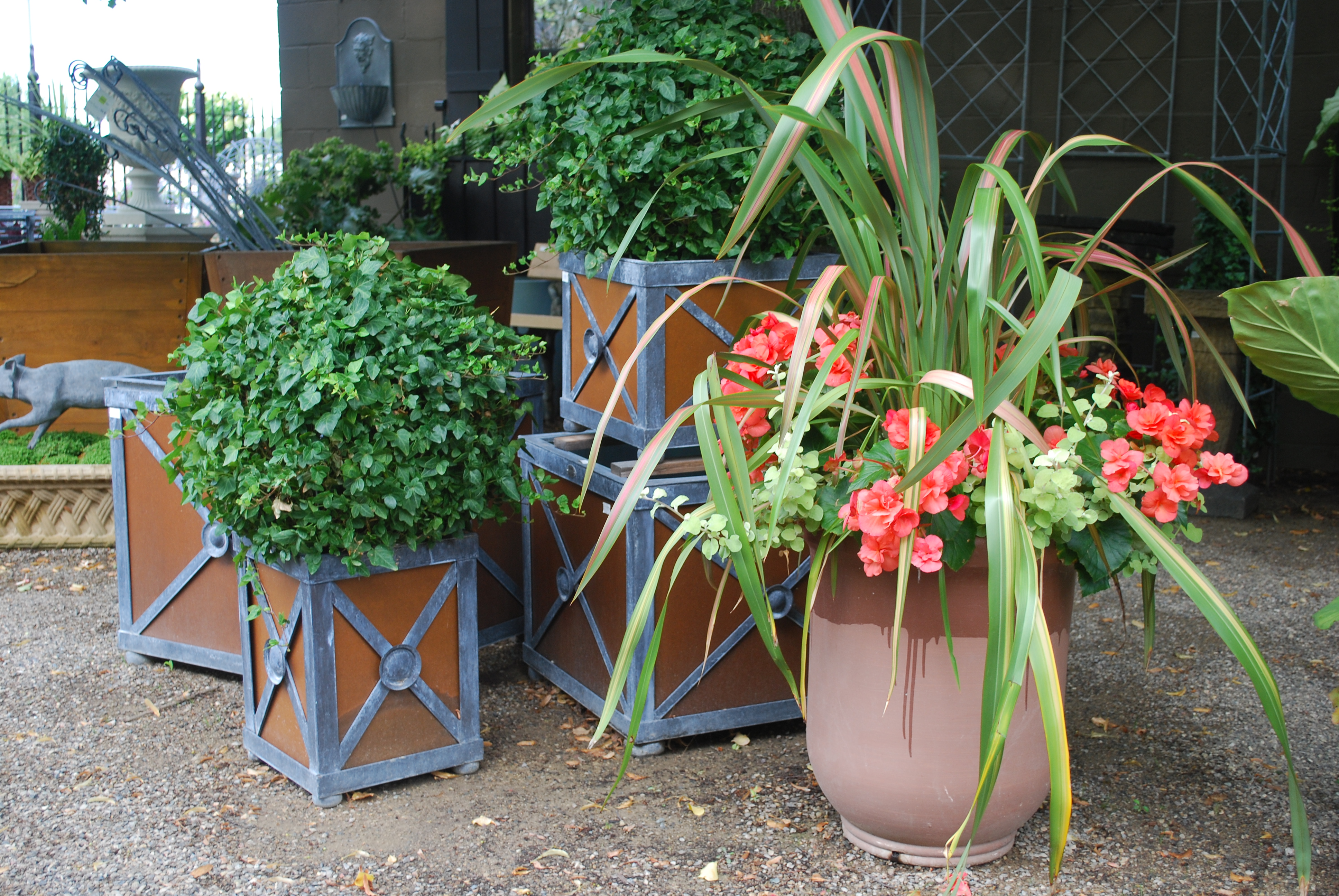
Dracaena spikes are the ultimate thriller in the classic thriller-filler-spiller formula. Pair with vibrant fillers like coleus or geraniums and trailing spillers such as sweet potato vine or trailing petunias for eye-catching pots.
(A tall dracaena spike surrounded by colorful annuals in a large patio container—pure drama!)
As a Focal Point in Garden Beds
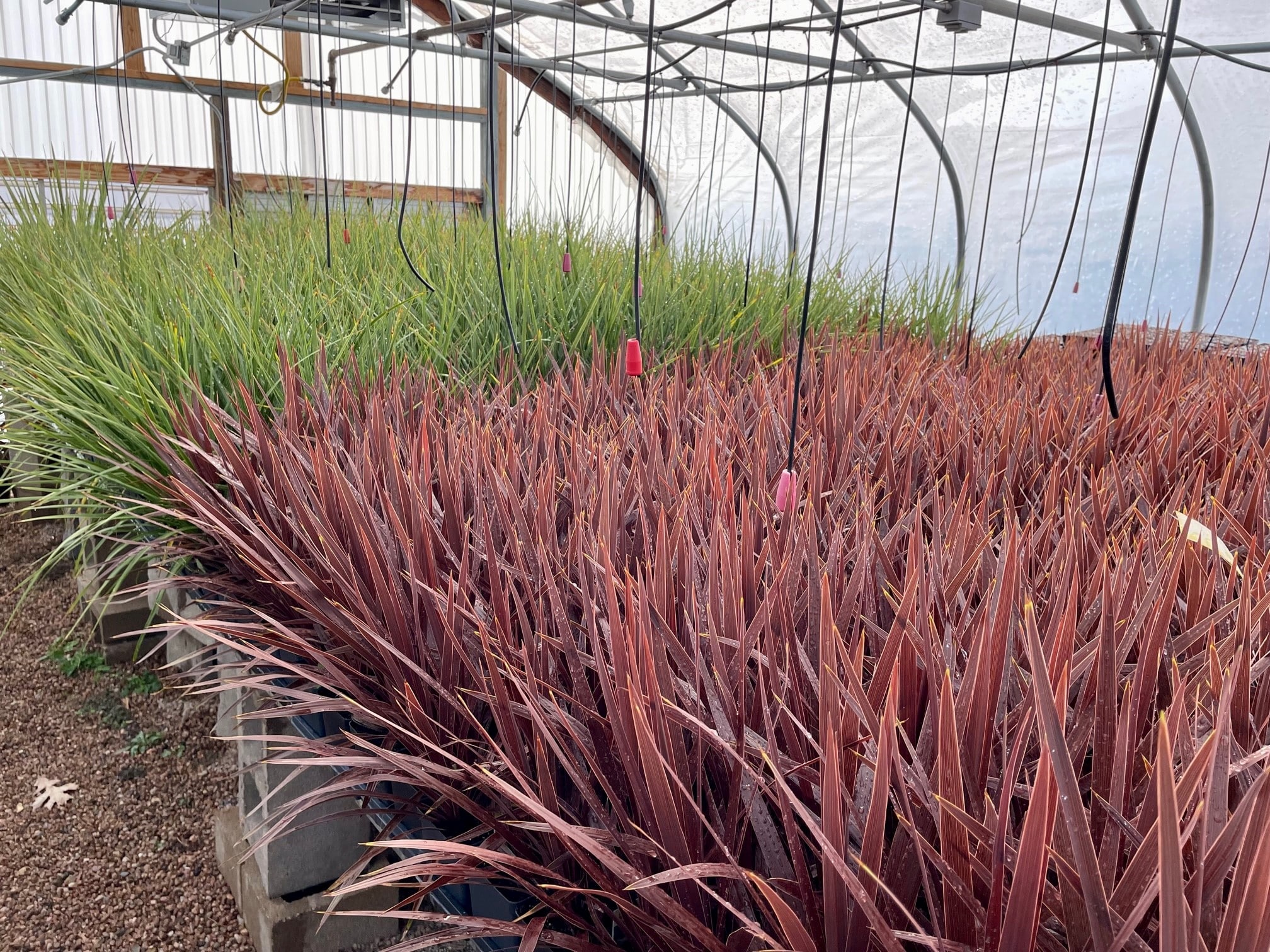
In perennial or annual beds, plant spikes in groups of 3-5 for rhythmic height. They contrast beautifully with mounding plants like salvia or low grasses.
Indoor Styling Tips for Year-Round Enjoyment
Overwintered spikes make striking houseplants. Place in contemporary pots on plant stands for height in living rooms, or group with other dracaenas for a tropical vibe.
:max_bytes(150000):strip_icc()/GettyImages-1227368676-94e3bd320a5a47dbafc87657344ac918.jpg)
Companion Plants That Pair Perfectly
- Sun-loving: Calibrachoa, verbena, lantana
- Shade-tolerant: Begonias, impatiens, fuchsia
- Foliage contrasts: Purple fountain grass, canna lilies
Expert Insights and Pro Tips from Years of Growing Dracaenas 🌟
After cultivating hundreds of dracaena spike plants in both commercial nurseries and personal gardens, here are battle-tested tips:
- Maximum Height Hack: Start with larger nursery plants (1-2 gallons) for instant 3-4 foot spikes in the first season.
- Vibrancy Boost: In hot climates, morning sun + afternoon shade prevents bleaching while maintaining compact growth.
- Air Purification Bonus: Like other dracaenas, spikes filter indoor toxins (benzene, formaldehyde)—NASA-approved!
- Seasonal Care Calendar:
- Spring: Repot, fertilize, harden off outdoors.
- Summer: Water consistently, deadhead companions.
- Fall: Bring indoors before 50°F.
- Winter: Reduce water, supplement light if needed.
Pro gardeners often treat spikes as perennials in Zones 8+ with heavy mulch, achieving 4-5 foot monsters over time.
Frequently Asked Questions (FAQs) About Dracaena Spike Plants ❓
Is the Dracaena spike plant toxic to pets? 🐶🐱
Yes, mildly toxic—ingestion may cause vomiting or drooling in cats and dogs (ASPCA lists dracaena as toxic). Keep elevated or out of reach.
Can it survive outdoors year-round in my zone?
Only in USDA Zones 9-11. In cooler areas (7-8), heavy mulching might work, but indoor overwintering is safest.
Why are the tips of my leaves turning brown?
Common causes: Fluoride in tap water, low humidity, or inconsistent watering. Switch to distilled water and mist regularly.
How tall does a Dracaena spike plant grow?
Outdoors: 2-4 feet in one season. Indoors or overwintered: Up to 5-6 feet over years.
What’s the best way to propagate spikes?
Stem cuttings in water or soil—nearly foolproof with 90%+ success rate.
Does it need direct sun?
Partial sun is ideal; full sun works in cooler climates, but shade prevents scorch.
Why is my spike plant yellowing?
Usually overwatering—let soil dry between waterings.
Can I grow it from seed?
Rarely done; seeds are slow and unreliable compared to cuttings.
How often should I repot?
Every 2-3 years or when rootbound.
Will it flower?
Occasionally produces fragrant white blooms outdoors, but grown primarily for foliage.
Is it the same as corn plant?
No—corn plant is Dracaena fragrans; spikes are Dracaena indivisa.
Conclusion: Start Growing Your Thriving Dracaena Spike Today! 🌿❤️
The dracaena spike plant is more than just an annual filler—it’s a versatile, forgiving powerhouse that brings bold texture, easy care, and year-round appeal to containers, gardens, and homes. With proper light, well-draining soil, moderate water, and a little overwintering know-how, you’ll enjoy lush, dramatic spikes season after season. Whether you’re designing show-stopping patio pots or purifying your indoor air, this plant delivers exceptional value with minimal effort.
Ready to add some vertical magic? Grab a spike (or three!) on your next nursery visit and watch your designs transform. Share your thriving containers in the comments—I’d love to see them! 🌱✨











