
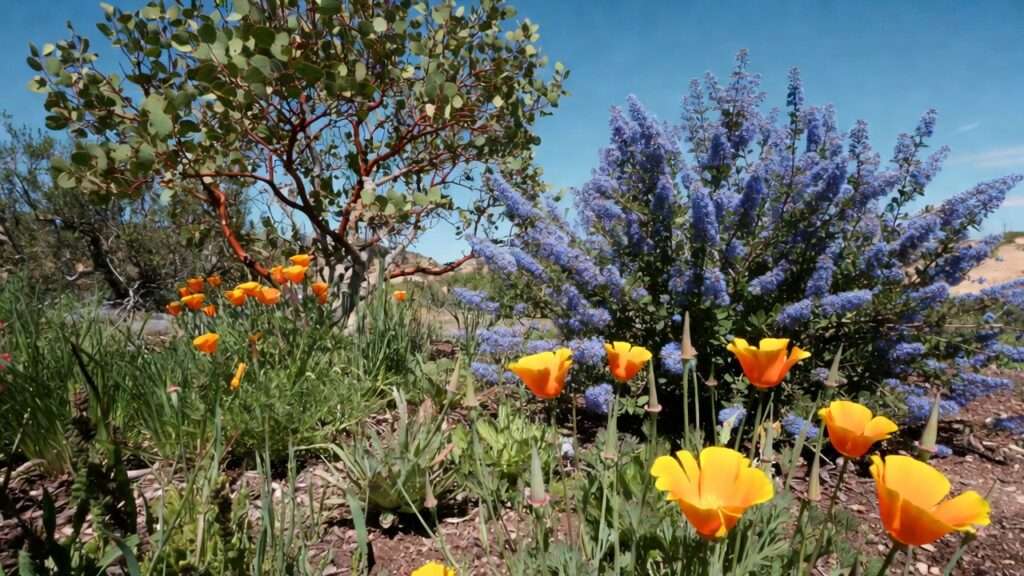
California’s ongoing droughts, rising water bills, and strict watering restrictions have left many gardeners wondering: How can I keep my yard beautiful without wasting water? The good news? You don’t have to choose between a lush garden and conservation. By switching to drought-tolerant plants for California gardens — especially native ones — you can create stunning, low-maintenance landscapes that thrive on minimal irrigation, support local wildlife, and slash your outdoor water use dramatically. 🌸
Native plants evolved right here in California’s Mediterranean climate of wet winters and long, dry summers. Once established (usually after 1–2 years of careful watering), many require little to no supplemental water beyond rainfall. According to the California Department of Water Resources and resources like Calscape (from the California Native Plant Society), native plant gardens can save up to 60–85% on irrigation compared to traditional lawns or exotic landscapes. That’s hundreds of gallons — and dollars — saved annually, while boosting biodiversity with pollinators like bees, butterflies, and hummingbirds. 🐝🦋
In this comprehensive guide, I’ll share my top native picks as a horticulturist focused on sustainable California gardening. We’ll cover why these plants work so well, detailed recommendations by category, design tips, planting/care instructions, common pitfalls, and more. Whether you’re replacing a thirsty lawn, xeriscaping a slope, or just adding eco-friendly flair, these drought-tolerant native plants for California gardens deliver year-round beauty with minimal effort. Let’s turn your yard into a resilient, vibrant oasis! ✨
Understanding Drought Tolerance in California Gardens: What “Low-Water” Really Means 💦
“Drought-tolerant” doesn’t mean “zero water forever.” It means plants that survive and thrive with far less supplemental irrigation once their deep roots are established.
California’s diverse climate zones play a huge role:
- Coastal (mild, foggy, Zones 9–10): Cooler summers, more fog moisture.
- Inland valleys/Central (hot summers, Zones 8–9): Intense heat, colder winters.
- Mountain/Sierra (colder, Zones 5–8): Snow and elevation challenges.
- Desert influences (extreme dry, hot): Ultra-tough species needed.
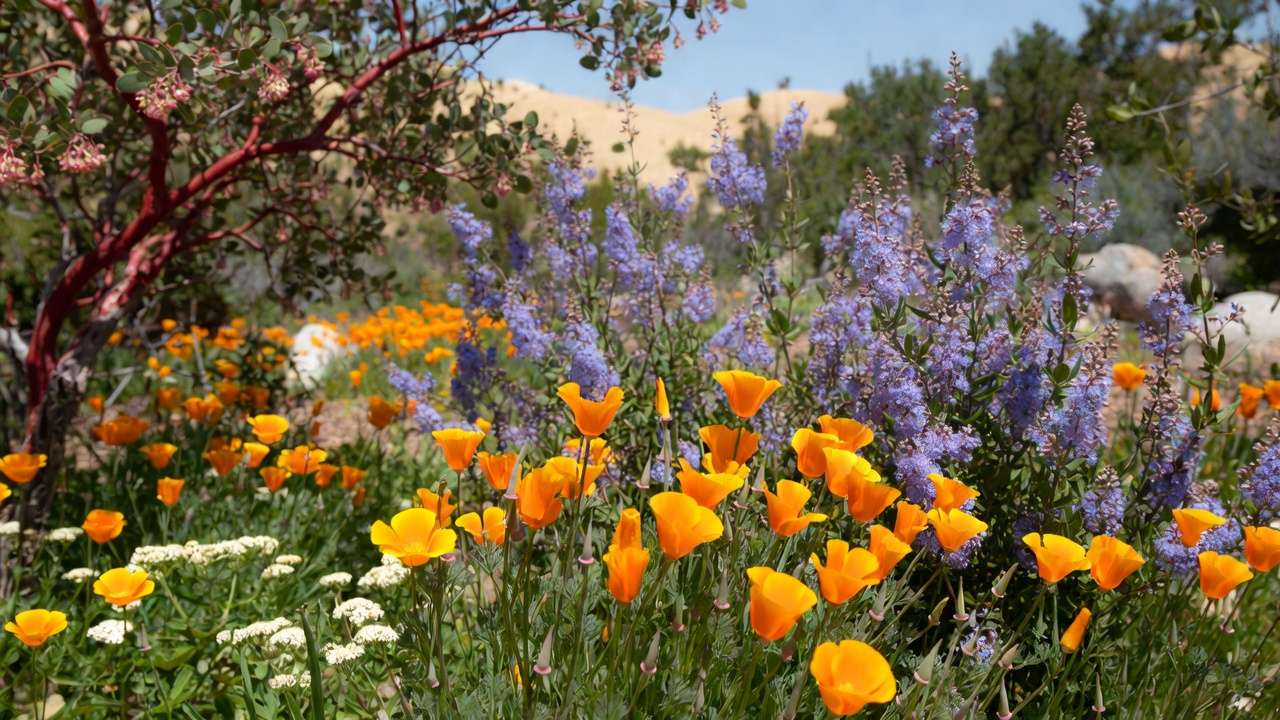
Natives excel because they’ve adapted over millennia to these conditions. Xeriscaping (low-water design) and hydrozoning (grouping plants by water needs) amplify savings.
Myth Buster: No, natives don’t need “no water at all” — most appreciate deep, infrequent watering during establishment (fall planting is ideal for natural rains to help roots). After that? Often just occasional deep soaks in extreme dry spells. Compare:
| Feature | Traditional Lawn | Native Drought-Tolerant Garden |
|---|---|---|
| Annual Water Use | High (40–60% of residential irrigation) | 60–85% less |
| Maintenance | Weekly mowing, fertilizing, pesticides | Low — prune occasionally |
| Wildlife Support | Minimal | High (pollinators, birds) |
| Cost Over Time | High bills + upkeep | Lower bills + resilience |
Sources: UC ANR, Calscape, CNPS. Ready to dive into the stars of the show? 🌟
Top Benefits of Choosing Native Drought-Tolerant Plants for Your California Garden 🐝🌱
Going native isn’t just about saving water — it’s a win-win for your wallet, the planet, and your sanity:
- Massive Water Savings — Native gardens use 60–80% less water than conventional ones (Calscape data). One real example: Homeowners replacing 2,300 sq ft of lawn with natives saved ~79,000 gallons/year and cut usage by 58%!
- Pollinator & Wildlife Haven — Nectar-rich blooms feed bees, butterflies, hummingbirds, and birds. Narrowleaf Milkweed supports monarch caterpillars — essential amid declining populations.
- Low Maintenance & Pest Resistance — Adapted to local soils/pests, they rarely need chemicals or frequent care.
- Soil & Erosion Control — Deep roots prevent runoff, improve soil health, and stabilize slopes (great for fire-prone areas).
- Year-Round Beauty — Evergreen foliage, colorful blooms, interesting bark/textures — think red manzanita stems glowing in winter sun! 🔥
- Climate Resilience — Better withstand heat waves, droughts, and even some fire (many chaparral species).
These aren’t just “survivors” — they’re ecological superstars that make your garden healthier and more beautiful. 🌼
The Best Drought-Tolerant Native Plants for California Gardens: Our Top Picks 🌸
Here are standout natives, grouped by type. All are highly drought-tolerant once established, California natives, and widely recommended by CNPS, Calscape, and UC resources. (Pro tip: Check Calscape.org for your exact zip code compatibility!)
Groundcovers & Perennials (Low-Growing Beauties for Easy Coverage) 🌼
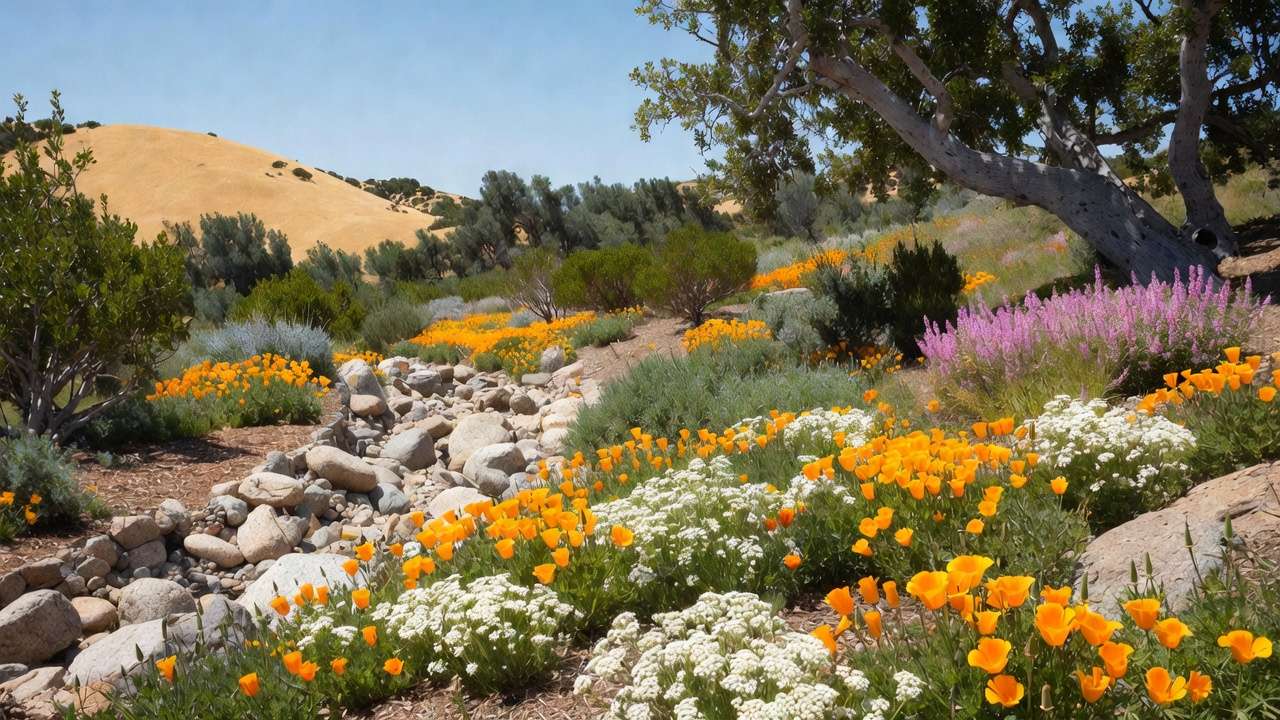
- California Poppy (Eschscholzia californica) — The state flower! Brilliant orange cups bloom spring–summer, self-seeds happily. Height: 1–2 ft. Full sun. Extremely low water. Pollinator favorite. Plant in fall for best show. 🌞
- Yarrow (Achillea millefolium) — Ferny gray-green leaves, flat white/pink/yellow flower clusters. Tough as nails, deer-resistant. Height: 1–3 ft. Blooms summer. Attracts beneficial insects.
- Coyote Mint (Monardella villosa) — Fragrant minty leaves, purple pom-pom blooms. Bee magnet! Height: 1–2 ft. Full sun/part shade.
- Seaside Daisy (Erigeron glaucus ‘Wayne Roderick’) — Coastal champ with lavender-pink daisies nearly year-round. Height: 1 ft. Excellent for edges.
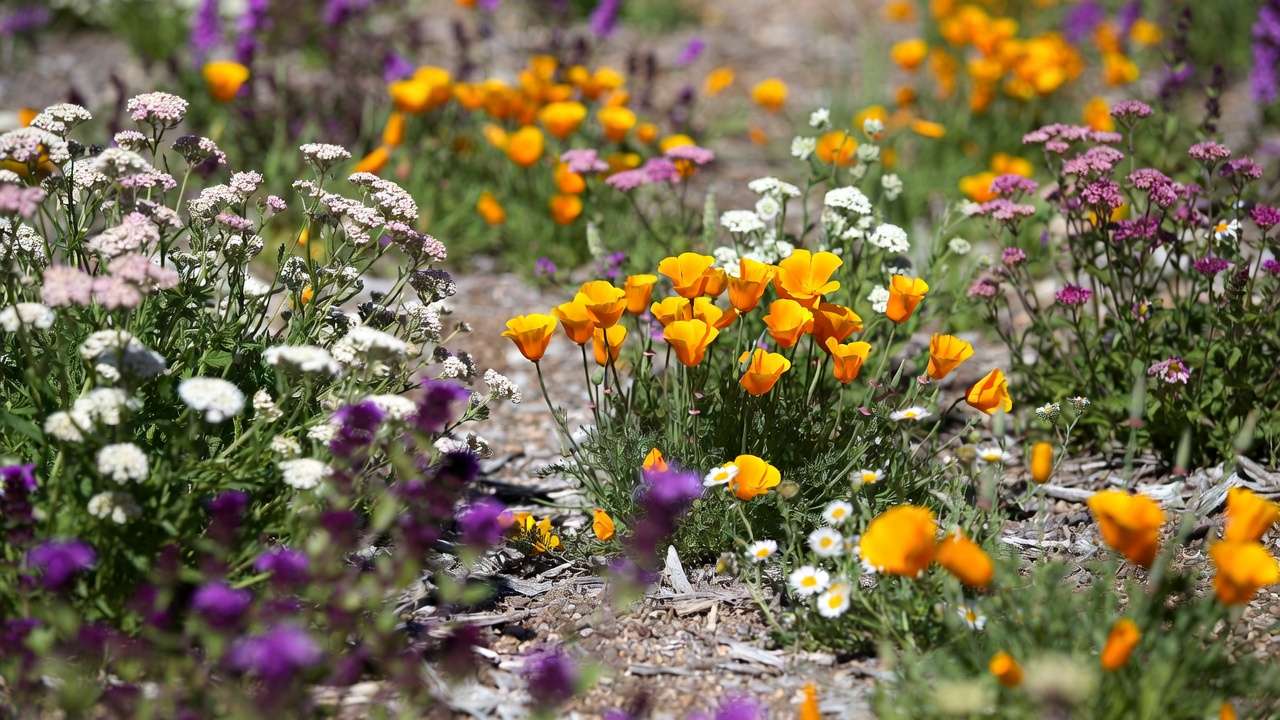
(These spread to cover bare soil, suppress weeds, and need almost no summer water once rooted.)
Shrubs & Subshrubs (Structure and Color All Year) 🪴
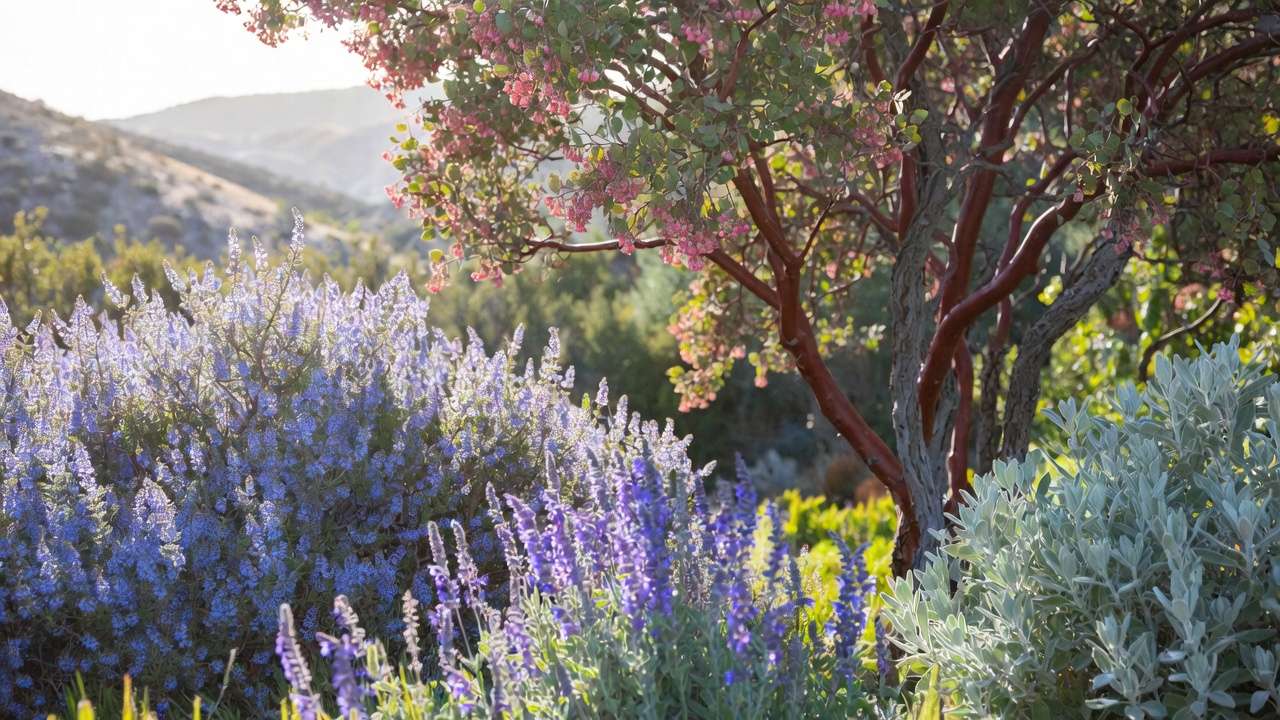
- California Lilac / Ceanothus (e.g., ‘Concha’, ‘Diamond Heights’) — Explosive blue-purple spring blooms, evergreen. Height: 2–10 ft depending on variety. Ultra-drought hardy, great for hedges.
- Manzanita (Arctostaphylos spp., e.g., ‘Sentinel’, ‘Howard McMinn’) — Stunning red bark, pink/white bell flowers in winter/spring. Height: 4–15 ft. One of the toughest natives — loves poor soil.
- Cleveland Sage / Purple Sage (Salvia clevelandii) — Aromatic gray leaves, vivid purple spikes summer. Height: 3–5 ft. Hummingbird heaven.
- White Sage (Salvia apiana) — Silvery-white foliage, tall white blooms. Iconic, medicinal history. Height: 3–5 ft.
(These provide backbone, privacy, and fire-resistant qualities in many cases.)
Flowers & Perennials for Pollinator Power 🌺
- Hummingbird Sage (Salvia spathacea) — Magenta tubular blooms spring–fall. Loves shade/part sun. Height: 1–3 ft. Hummingbirds go wild!
- Matilija Poppy (Romneya coulteri) — Huge “fried egg” white/yellow flowers. Dramatic but spreads — contain it! Height: 6–10 ft.
- Narrowleaf Milkweed (Asclepias fascicularis) — Essential for monarch butterflies. Pink clusters summer. Height: 2–4 ft.
- Buckwheat (Eriogonum spp.) — Endless tiny blooms in whites/pinks, fall color. Height varies. Pollinator superstar.
Trees & Larger Specimens (For Shade and Focal Points) 🌳
- Western Redbud (Cercis occidentalis) — Heart-shaped leaves, vivid pink spring blooms. Height: 10–20 ft. Deciduous interest.
- Coast Live Oak (Quercus agrifolia) — Majestic evergreen icon. Provide mulch ring, avoid overwatering. Height: 20–70 ft.
- California Buckeye (Aesculus californica) — Unique candle-like blooms, chestnut nuts. Deciduous, summer dormant.
For each plant, match to your zone/sun/soil via Calscape. Fall planting maximizes success! 🍂
How to Design a Stunning Low-Water Native Garden in California 🏡
Creating a beautiful, functional drought-tolerant garden starts with thoughtful planning. Here’s a step-by-step expert approach that delivers maximum impact with minimal water.
-
Site Assessment – Know Your Yard’s Personality Walk your space and note:
- Sun exposure (full sun 6+ hours, part sun, shade)
- Soil type (sandy, clay, loam — natives prefer well-drained, lean soil)
- Slope/drainage (erosion risk?)
- Microclimates (hot reflected walls, cool shady corners)
- Existing features (trees to keep, paths, seating) Use free tools like Calscape’s Plant Selector or Sunset’s climate zone map to match plants precisely.
-
Hydrozoning – Group Plants by Water Needs The golden rule of xeriscaping: Place thirstiest plants together near the house (Zone 1), moderately drought-tolerant farther out (Zone 2), and ultra-low-water natives at the edges (Zone 3). This lets you water efficiently with drip lines or soaker hoses only where needed.
-
Layering for Visual Interest & Function Build in vertical layers like nature does:
- Tall trees for shade and structure (Coast Live Oak, Western Redbud)
- Medium shrubs for backbone and screening (Ceanothus, Manzanita, Cleveland Sage)
- Perennials & flowers for color pops (California Poppy, Hummingbird Sage, Narrowleaf Milkweed)
- Groundcovers to suppress weeds and retain moisture (Yarrow, Seaside Daisy, Coyote Mint)
Example layouts:
- Pollinator Meadow – Mix Buckwheat, Yarrow, Coyote Mint, California Poppy, and Milkweed in drifts for a wild, buzzing paradise.
- Mediterranean Courtyard – Ceanothus hedge, White Sage accents, Manzanita focal point, groundcover understory.
- Slope Stabilization – Deep-rooted shrubs (Manzanita, Toyon) + groundcovers to hold soil and resist fire spread.
-
Mulching Magic Apply 2–4 inches of coarse organic mulch (bark, wood chips, gravel for desert styles) after planting. Mulch:
- Retains soil moisture
- Suppresses weeds
- Moderates soil temperature
- Looks tidy and professional
Keep mulch 2–3 inches away from plant stems to prevent rot.
-
Hardscaping & Pathways Use permeable pavers, decomposed granite, or stepping stones to reduce irrigated area. Add a dry creek bed with boulders for drainage and drama. 🌊
Planting and Care Guide: Get Your Natives Thriving 🌱
Follow these steps for the highest success rate — natives are tough, but they need the right start.
- Best Planting Time Fall (October–December) or early winter is ideal. Cooler temps + winter rains help roots establish before summer heat arrives. Spring planting works but requires more careful watering.
- Soil Preparation Natives dislike rich, amended soil. Lightly loosen top 12–18 inches, remove weeds, and mix in a little compost only if soil is extremely poor. Avoid heavy fertilizers — they promote weak, thirsty growth.
- Planting Technique Dig a hole twice as wide as the root ball but no deeper. Set plant so crown is level with soil. Backfill, firm gently, and water deeply to settle soil. Create a small berm around the base to direct water to roots.
- Watering Schedule Year 1: Deep water (to 12–18 inches) every 7–14 days in summer, less in winter. Year 2: Reduce frequency — every 2–4 weeks. Year 3+: Most need only occasional deep soaks during extreme heat/drought. Use a moisture meter or finger test to avoid overwatering.
- Pruning & Maintenance
- Prune lightly after bloom to shape (never shear Ceanothus or Manzanita into balls!).
- Deadhead spent flowers on perennials to encourage rebloom.
- Fertilizer? Almost never needed — if anything, a light application of low-nitrogen organic in early spring.
- Seasonal Checklist
- Fall: Plant, mulch, water deeply
- Winter: Minimal care; enjoy rain
- Spring: Prune lightly, enjoy blooms
- Summer: Monitor for stress, deep water only as needed
Common Mistakes to Avoid When Growing Drought-Tolerant Natives 🚫
Even experienced gardeners slip up — here are the top pitfalls and how to dodge them:
- Overwatering After Establishment — The #1 killer. Soggy roots = rot. Once established, err on the dry side.
- Planting in the Wrong Spot — Full-sun lovers in shade, or coastal plants inland. Always check Calscape for zone match.
- Skipping the Establishment Phase — Don’t assume “drought-tolerant” means ignore watering the first 1–2 years.
- Over-fertilizing or Over-amending Soil — Leads to leggy, weak growth that needs more water.
- Planting Too Deep or Too Shallow — Crown should be at soil level.
- Shearing Shrubs — Ruins natural shape and flowering (Ceanothus and Manzanita especially hate this).
Avoid these and your garden will thrive for decades! 🌟
Expert Insights & Real-World Success Stories 📖
From years working with California native landscapes and conversations with CNPS chapter leaders and UC Master Gardeners:
“The biggest mindset shift is realizing that natives don’t need coddling — they need the right placement and patience during establishment. After that, they practically garden themselves.” — Dr. Ellen Zagory, former Director of Public Programs, UC Davis Arboretum
Real example: A Pasadena homeowner replaced 2,300 sq ft of lawn with a native garden featuring Manzanita, Ceanothus, California Poppy, Yarrow, and Milkweed. Result: Water use dropped 58%, saving ~79,000 gallons/year, plus a yard full of hummingbirds and butterflies — and no more weekend mowing!
Frequently Asked Questions (FAQs) ❓
Are these plants deer-resistant? Many are (Yarrow, Salvias, Coyote Mint, Manzanita), but deer will nibble young growth. Use temporary netting or deer repellents during establishment.
Can I mix natives with non-natives? Yes — group by water needs. Mediterranean plants like lavender, rosemary, and gaura pair beautifully with natives.
How much water exactly after year 2? Depends on your zone and summer heat, but often 1 deep watering (to 18 inches) every 3–6 weeks in peak summer is plenty for most.
Where can I buy these native plants in California? Local native plant nurseries, CNPS plant sales, Theodore Payne Foundation, Tree of Life Nursery, Las Pilitas Nursery, or search Calscape’s “Nurseries Near You” tool.
Which are the most fire-resistant options? Manzanita, Ceanothus, Toyon, and many Salvias have good fire resistance when properly spaced and maintained (remove dead material).
Conclusion: Transform Your California Garden Today — Beautiful, Sustainable, and Water-Smart! 🌟
California’s climate challenges are real, but so is the incredible beauty and resilience of our native plants. By choosing drought-tolerant plants for California gardens — favorites like California Poppy, Manzanita, Ceanothus, Hummingbird Sage, Narrowleaf Milkweed, and more — you can craft a landscape that’s not only gorgeous year-round but also kinder to your water bill, local wildlife, and the planet.
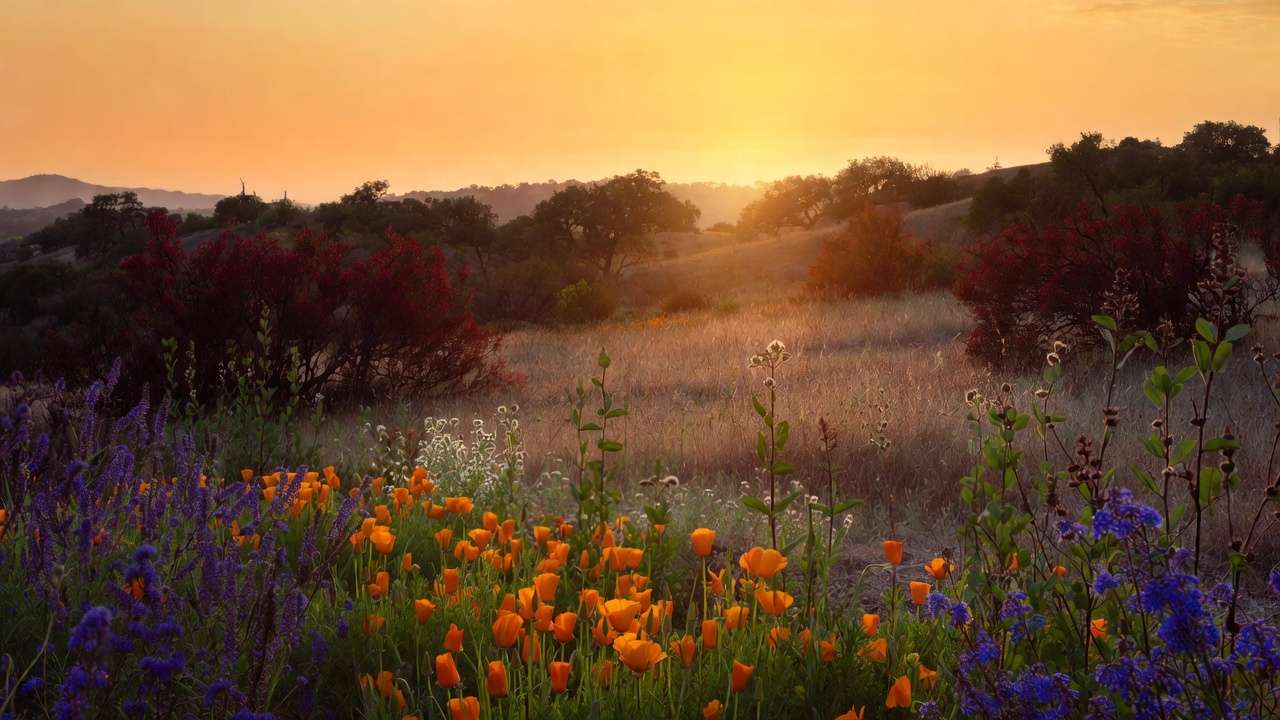
Start small: Replace one lawn patch, add a few pollinator-friendly perennials, or plant a single Manzanita as a focal point. Visit Calscape.org, attend a local CNPS sale, or consult your county’s Master Gardener program for personalized advice.
Your garden can be a living example of resilience in a changing climate — and it starts with these extraordinary native picks. Happy planting! 💚🌸











