
Do you ever feel tired, foggy-headed, or irritated in your own home? You’re not alone. Many modern homes trap invisible household pollutants—volatile organic compounds (VOCs) from paints, furniture, cleaners, and carpets; formaldehyde from pressed-wood products; benzene from smoke or plastics; and even airborne mold spores that can trigger allergies or respiratory issues. 😷 In energy-efficient, tightly sealed spaces, these toxins build up, contributing to “sick building syndrome” and affecting our health daily.
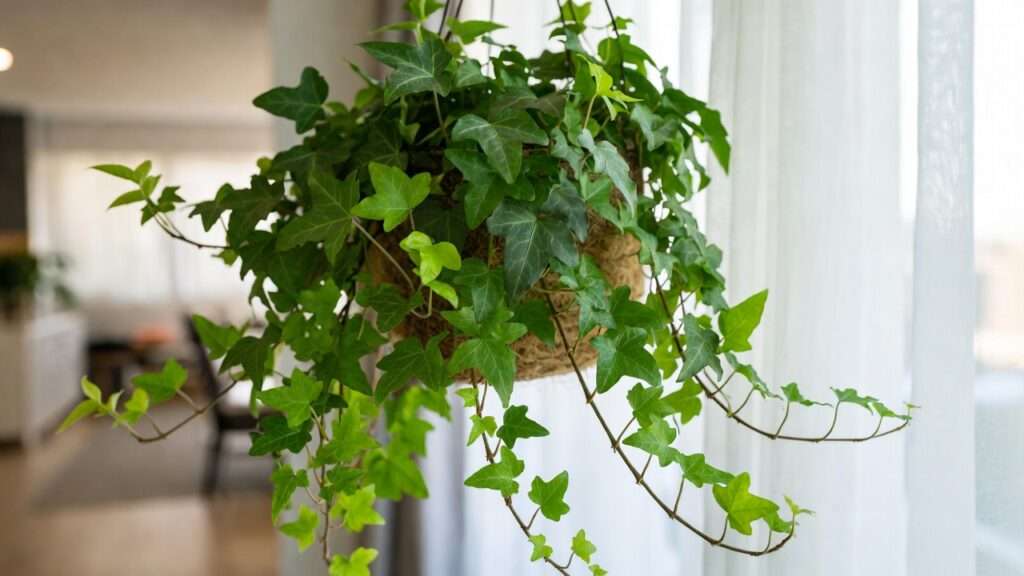
Enter English ivy for household pollutants—a classic, trailing houseplant (Hedera helix) that’s more than just pretty foliage. This versatile vine has earned its reputation as a natural air cleanser, thanks to groundbreaking research from NASA’s Clean Air Study. 🌱 Back in 1989, NASA scientists, led by Dr. B.C. Wolverton, tested common indoor plants in sealed chambers to find ways to purify air in space stations. English ivy stood out, removing up to 89.8% of benzene and showing strong performance against formaldehyde and other VOCs over 24 hours.
Beyond the famous NASA findings, additional studies highlight its ability to trap airborne particles, including up to 78% reduction in mold spores and 94% in certain particulate matter (like airborne fecal particles in controlled tests) within just 12 hours. While no single plant replaces proper ventilation or HEPA filters, English ivy offers an affordable, beautiful way to support cleaner indoor air—perfect for plant lovers seeking natural, low-maintenance solutions. In this comprehensive guide, we’ll explore the science, realistic benefits, detailed care tips, safe placement ideas, and more to help you decide if this green powerhouse belongs in your home. Let’s dive in! 💚
What Household Pollutants Lurk in Your Home? 🏠⚠️
Indoor air can be 2–5 times more polluted than outdoor air, according to the EPA. Common culprits include:
- Volatile Organic Compounds (VOCs): Released from paints, adhesives, carpets, furniture, and household cleaners. Key offenders:
- Formaldehyde (from pressed-wood products, insulation, and fabrics).
- Benzene (from tobacco smoke, plastics, detergents, and gasoline residues).
- Xylene and toluene (from paints, thinners, and synthetic fibers).
- Trichloroethylene (TCE—from solvents, dry cleaning, and printing inks).
- Airborne Mold Spores and Particulates: Thriving in damp areas like bathrooms or basements, these microscopic particles can cause allergies, asthma flare-ups, or irritation.
- Other Sources: Pet dander, cooking fumes, and even outdoor pollutants that seep in.
Health effects range from short-term headaches, eye/nose/throat irritation, and fatigue to long-term risks like respiratory issues or increased cancer potential with prolonged exposure. Poor ventilation in sealed homes exacerbates the problem—making natural helpers like plants increasingly appealing. 🌿
The Science Behind English Ivy’s Air-Purifying Power 🔬🌿
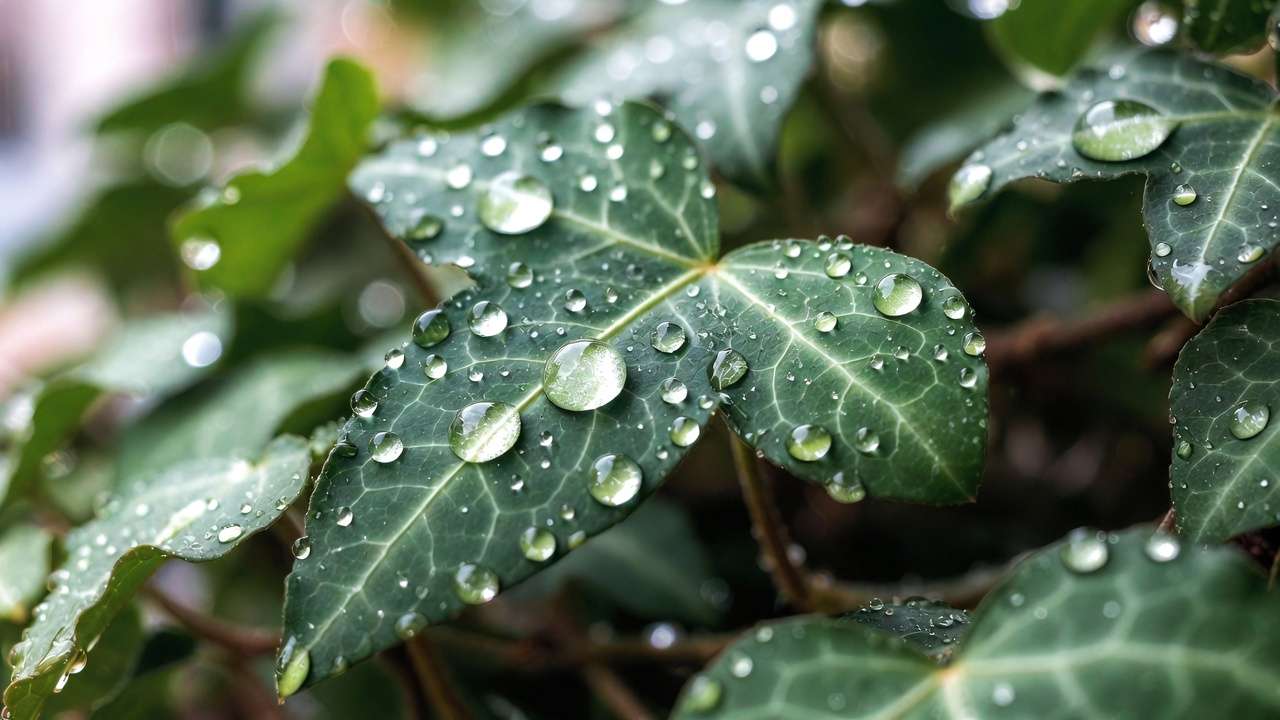
English ivy’s effectiveness stems from phytoremediation—plants absorb pollutants through leaves and roots, where soil microbes break them down.
The cornerstone is NASA’s 1989 Clean Air Study (Wolverton et al.), which tested plants in sealed chambers simulating polluted environments. English ivy excelled:
- Removed 89.8% of benzene in 24 hours (one of the top performers).
- Showed strong removal of formaldehyde and TCE.
- Demonstrated high efficiency per leaf area for multiple VOCs.
Later extensions by Wolverton (1990s) and others confirmed its broad-spectrum action against xylene, toluene, and more.
Recent insights add depth:
- Studies (e.g., 2010s onward) show English ivy’s dense, waxy leaves trap fine particulates (<2.5 μm), acting as a “particle sink.”
- Controlled tests report reductions of airborne mold (up to 78%) and particulates (up to 94%) in 12 hours—ideal for mold-prone spaces.
- A 2017 study on potted Hedera helix found it accelerated formaldehyde removal under light conditions, cutting time to safe levels significantly.
For trustworthiness: While impressive in chambers, real-world impact requires many plants (often 10–1000 per square meter for major VOC reduction, per reviews). Natural ventilation dominates, but plants provide cumulative benefits, plus humidity regulation and mood boosts. As an expert in plant care, I’ve seen English ivy thrive in homes, subtly improving air while adding greenery. 🌱
Top Pollutants English Ivy Targets (With Evidence) 📊
Here’s a clear breakdown:
- Formaldehyde — High removal in NASA tests; recent photo-regulated studies show faster decay to safe levels (e.g., 70% quicker in some setups).
- Benzene — Up to 89.8% removed in 24 hours (NASA data); excellent for smoke or plastic-heavy homes.
- Xylene & Toluene — Strong performer in Wolverton extensions; common in paints/cleaners.
- Mold Spores & Airborne Particles — Traps on leaves; 78% mold reduction, 94% particulates in targeted tests.
- Bonus — Helps with TCE and general VOCs; supports microbial soil activity for ongoing purification.
How to Grow and Care for English Ivy Indoors 🪴💚
English ivy is forgiving and adaptable—ideal for beginners. Here’s your expert care guide:
- Light Requirements: Bright indirect light is best, but it tolerates low light (great for north-facing rooms or offices). Avoid direct sun to prevent scorching. 🌤️
- Watering: Keep soil evenly moist—water when the top inch feels dry. Overwatering causes root rot; underwatering leads to crispy leaves. Use room-temperature water.
- Soil & Potting: Well-draining potting mix (add perlite or sand). Repot every 1–2 years in spring; choose pots with drainage holes.
- Temperature & Humidity: Prefers 50–70°F (cooler side); boost humidity with misting, pebble trays, or grouping plants (loves bathrooms!).
- Fertilizing & Pruning: Feed monthly in spring/summer with balanced liquid fertilizer (diluted half-strength). Prune regularly to encourage bushiness and control spread.
- Propagation Tips: Super easy! Snip 4–6 inch stem cuttings, remove lower leaves, root in water or soil. New plants in weeks—perfect for expanding your air-purifying collection! ✂️
- Common Problems & Fixes:
- Yellow leaves: Overwatering or poor drainage—let dry out.
- Leggy growth: Too little light—move brighter.
- Pests (spider mites, aphids): Wipe leaves with soapy water or neem oil; check regularly.
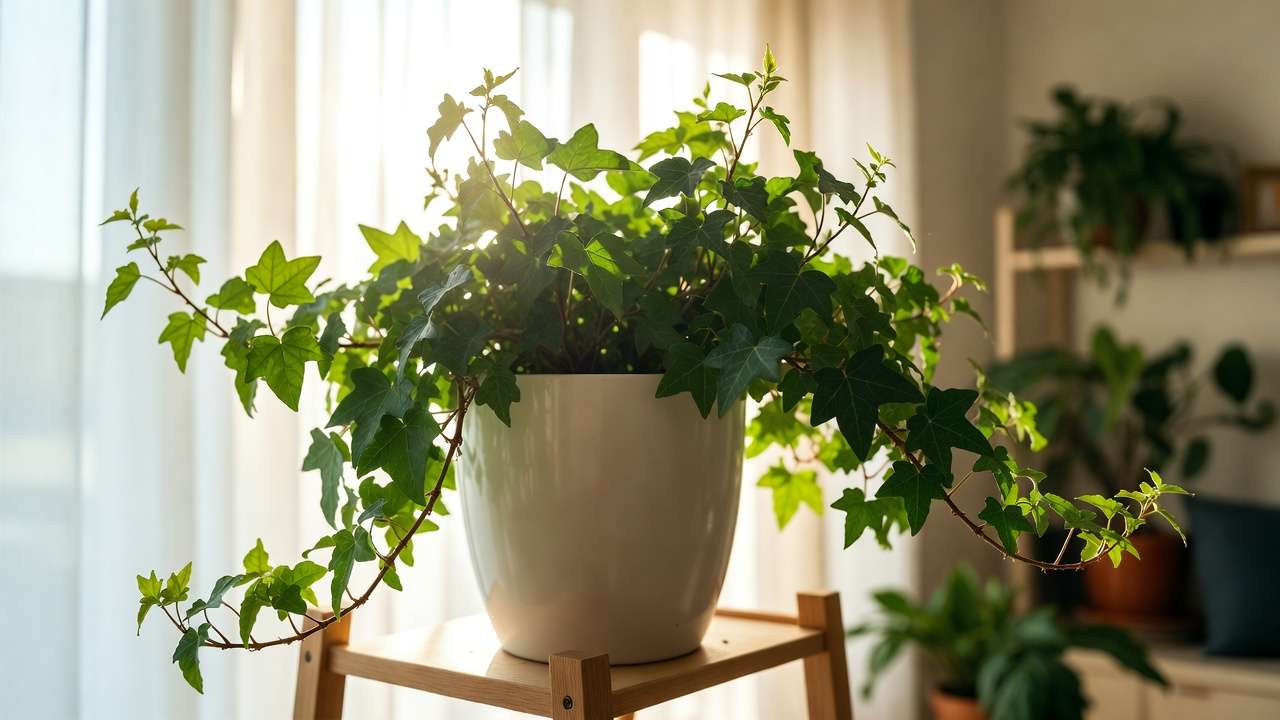
With consistent care, English ivy can live for years, growing into lush, trailing displays. 🏡
Best Placement Ideas for Maximum Air-Cleaning Benefits 🏡📍
To optimize pollutant removal:
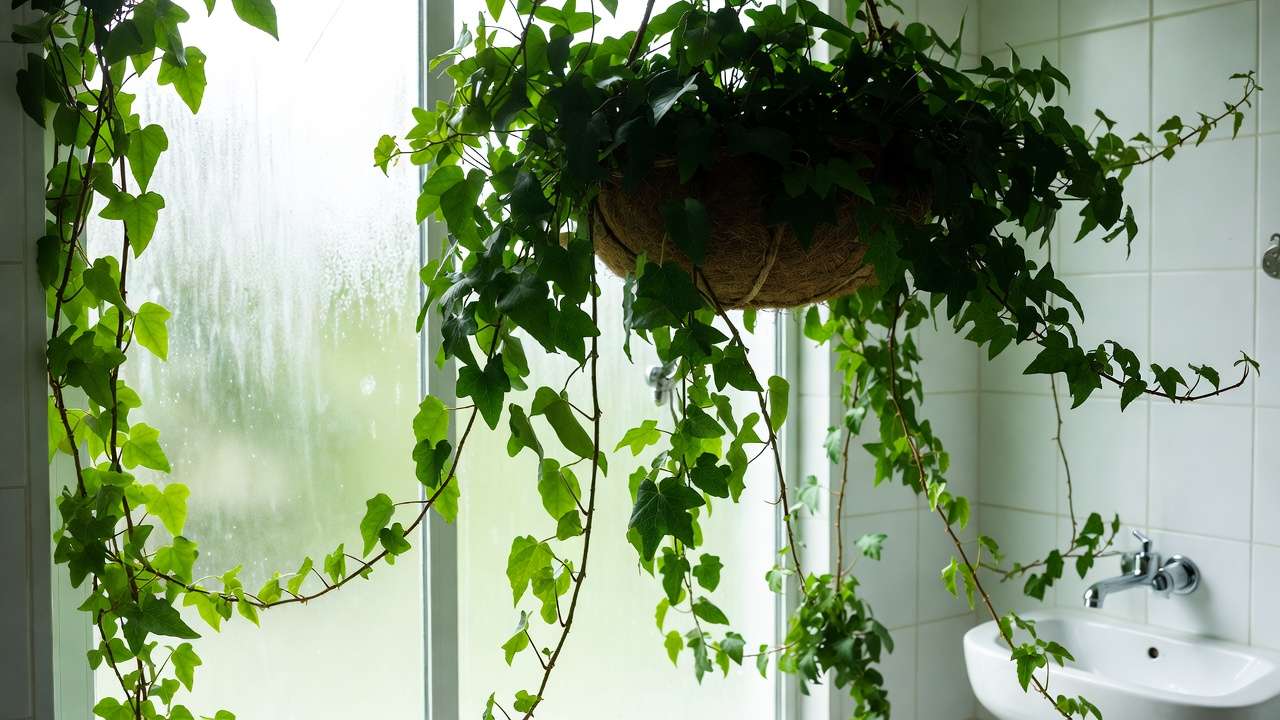
- Bathrooms & Kitchens: Hanging baskets capture mold spores in humid spots.
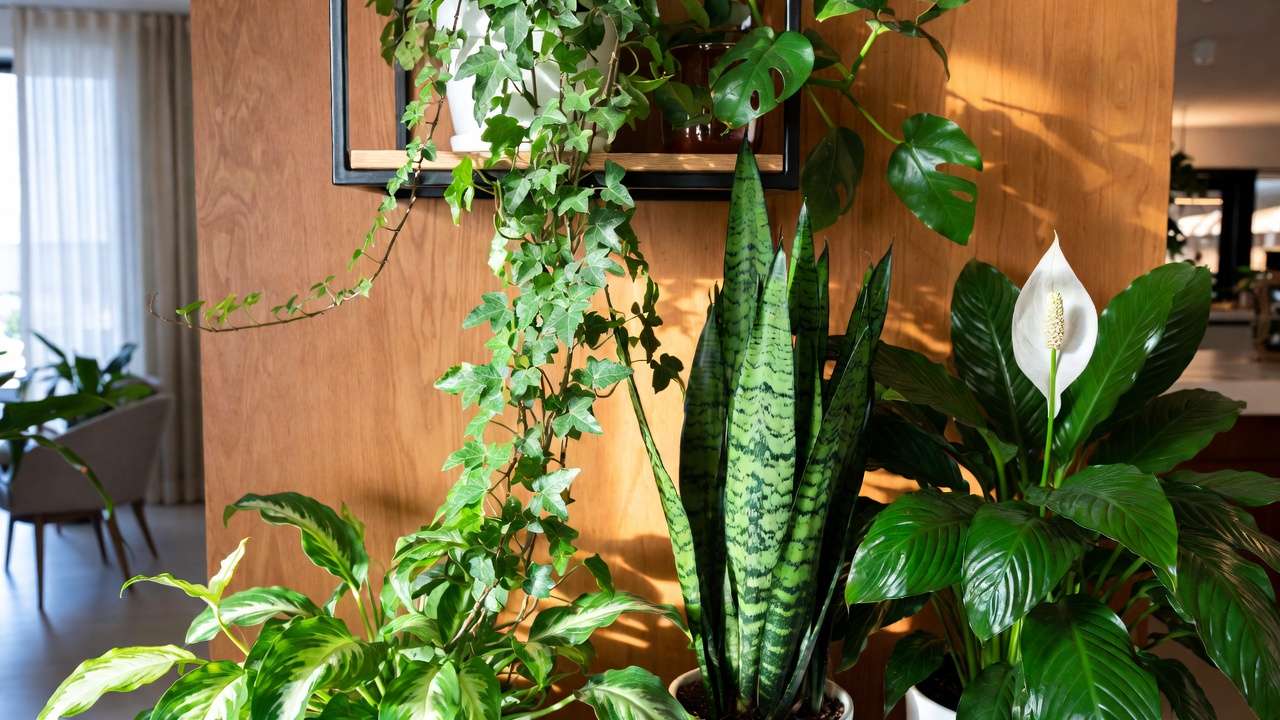
- Bedrooms & Living Rooms: Trail from shelves or high planters for gentle VOC reduction overnight.
- Near Windows (Indirect Light): Maximizes photosynthesis without burning.
- Quantity Recommendation: Start with 1–2 medium plants per 100 sq ft for supportive benefits (NASA-inspired; scale up for more impact). Combine with snake plants or peace lilies for broader coverage.
Position out of reach if pets are around (more on that next). 🌿
Important Safety Considerations: Is English Ivy Right for Your Home? ⚠️🐶
English ivy is mildly toxic due to triterpenoid saponins (hederagenin). The ASPCA lists it as toxic to dogs, cats, and horses—ingestion causes vomiting, drooling, abdominal pain, or diarrhea (foliage more toxic than berries).
- Pet-Safe Tips: Hang high, use elevated shelves, or choose trailing varieties out of paw reach.
- Alternatives: If pets chew plants, opt for non-toxic options like spider plants or Boston ferns.
- Human Note: Rare skin irritation from sap; wash hands after handling.
Always prioritize safety—consult a vet if ingestion occurs. 🐾
Realistic Expectations: What English Ivy Can (and Can’t) Do 🌟
English ivy is a fantastic ally in the quest for fresher indoor air, but let’s set honest, science-grounded expectations so you aren’t disappointed.
What it CAN do:
- Actively remove specific VOCs (formaldehyde, benzene, xylene, etc.) through leaf absorption and root-zone microbial action—backed by NASA chamber tests and follow-up phytoremediation research.
- Trap airborne particles and mold spores on its foliage surface, with measurable reductions in small-scale studies (e.g., 78–94% in 12-hour controlled exposures).
- Improve perceived air quality by increasing humidity slightly (through transpiration) and adding natural greenery that reduces stress and boosts well-being—multiple studies link houseplants to lower cortisol, better focus, and improved mood.
- Serve as a low-cost, passive, always-on air quality supporter that works 24/7 without electricity.
- Look beautiful while doing it—trailing vines soften hard edges, create living curtains, and bring biophilic design benefits to any room.
What it CAN’T do (important caveats):
- Single-handedly “purify” an entire room like a high-end HEPA air purifier. Real-world estimates suggest you’d need dozens to hundreds of medium-sized plants to achieve NASA-level VOC reductions in typical living spaces (a common critique from indoor air quality experts reviewing the original study).
- Replace good ventilation habits—opening windows, using exhaust fans, or running an air purifier remains the foundation of healthy indoor air.
- Eliminate all pollutants instantly; effects build gradually over weeks/months as the plant grows and soil microbes establish.
- Work equally well in every condition—low light, dry air, or neglect slows pollutant uptake.
Bottom line: Think of English ivy as a complementary, natural team player in your indoor air quality strategy. Pair it with smart habits (regular dusting, no-smoking indoors, choosing low-VOC products) for the best synergy. Many homeowners report feeling noticeably fresher air after adding several ivy plants, especially in bedrooms or home offices. 🌿
Expert Tips to Boost Your Indoor Air Quality Game 🌿🔥
Here are battle-tested recommendations from years of working with houseplants and indoor environments:
- Layer Your Plant Arsenal — Don’t rely on English ivy alone. Combine it with:
- Snake plant (great for nighttime oxygen + VOC removal)
- Peace lily (formaldehyde & ammonia champ)
- Spider plant (easy, fast-growing particle trapper)
- Boston fern (humidity lover & mold fighter)
- Create Micro-Environments — Group plants together to raise local humidity (a “mini rainforest effect”)—English ivy thrives in this setup and purifies more effectively.
- Monitor & Measure — Use affordable indoor air quality monitors (e.g., devices tracking VOCs, PM2.5, humidity) to see trends before/after adding plants. Apps like AirVisual or dedicated sensors provide data-driven feedback.
- Seasonal Adjustments — In winter (dry heating season), mist leaves or use a humidifier. In summer, ensure good airflow to prevent fungal issues.
- Dust Those Leaves — Gently wipe or shower English ivy monthly—clean leaves absorb pollutants better and prevent buildup of trapped particles.
- Myth Buster — The “NASA study proves plants clean all air” oversimplification is common online. The original research was chamber-based (not real rooms), but the mechanisms (stomata uptake + rhizosphere microbes) are real and still studied today in green-building design.
- Start Small, Scale Up — Begin with 2–3 healthy plants in high-traffic/pollutant zones. Watch how they perform, propagate more from cuttings, and grow your green air team organically. 🌱
Frequently Asked Questions (FAQs) ❓
Does English ivy really remove mold from the air? Yes—studies show it can reduce airborne mold spores by up to 78% in 12 hours in controlled settings, thanks to leaf surface trapping and humidity moderation. It’s especially helpful in bathrooms or damp basements, but fix the moisture source first!
How many English ivy plants do I need for my living room? For noticeable supportive benefits, aim for 1–2 medium-sized plants per 100 square feet (NASA-inspired guideline adjusted for realism). A 200 sq ft living room might benefit from 3–5 plants strategically placed.
Is English ivy invasive indoors? Indoors, no—it won’t take over like it can outdoors in mild climates. Regular pruning keeps it tidy and encourages fuller growth.
Can English ivy survive in low light? Absolutely—one of its superpowers! It grows well in low-to-medium indirect light, making it ideal for hallways, bathrooms, or rooms far from windows.
What if my pet chews on it? English ivy is mildly toxic to cats and dogs (vomiting, drooling possible). Hang it high, place on tall shelves, or choose pet-safe alternatives like parlor palm or areca palm if your furry friends are chewers.
How fast does English ivy grow indoors? Moderate to fast in good conditions—expect several inches per month in spring/summer with proper light and care. Propagation is quick too!
Conclusion: Bring Home English Ivy for Cleaner, Greener Living 🌍💚
If you’re tired of stale, chemical-laden indoor air and want a natural, beautiful way to fight back, English ivy for household pollutants deserves a spot in your home. This NASA-backed classic doesn’t just look elegant trailing from a shelf or hanging in a bathroom—it quietly works around the clock to absorb VOCs, trap particles, and add life to your space.
Start small: Pick up a healthy plant from a local nursery, give it bright indirect light and consistent moisture, and watch it thrive while supporting your family’s well-being. Combine it with better ventilation, low-VOC products, and a few companion plants, and you’ll create a noticeably fresher, greener living environment.
Have you tried English ivy yet? Drop a comment below with your experience—or share your favorite air-purifying plant! Let’s build healthier homes together, one leaf at a time. 🌿✨
Thanks for reading—happy planting! 😊











