
Picture this: You step into your backyard on a warm January morning in 2026, coffee in hand, only to find your prized tomato plants covered in tiny green aphids, your roses curled from spider mites, and a trail of ants marching toward your fruit trees like they own the place 😩🐜.
You reach for the usual spray bottle… then pause. The strong chemical smell, the warning labels about bees and pets, the nagging worry about eating vegetables from that same soil — it suddenly feels wrong.
What if there was a better way? A gentler, more fragrant, and surprisingly powerful way to keep garden pests away — one that actually smells pleasant and supports the butterflies and ladybugs you love to see fluttering around?
That better way exists — and it comes straight from nature in the form of essential oils for garden pests.
In this ultimate 2026 guide, I’m going to share everything I’ve learned after 15+ years of organic gardening, hundreds of reader experiments, and the latest insights from university extension services and natural pest management research. You’ll discover:
- The absolute best essential oils proven to repel the most common garden invaders
- Exact DIY recipes that actually work (tested in real gardens, not just Pinterest)
- Safe application techniques so you don’t accidentally burn your leaves
- How to combine oils with other natural methods for long-term pest defense
By the end, you’ll have a complete, chemical-free pest control system that protects your vegetables, flowers, shrubs, and trees — while keeping your garden safe for pollinators, pets, and people 🐝💚.
Let’s dive in and reclaim your garden the natural way!
Why Essential Oils Are Becoming the #1 Choice for Eco-Conscious Gardeners in 2026 🌍
More and more gardeners are making the switch from synthetic pesticides to plant-based solutions — and for very good reasons:
- They’re biodegradable — they break down quickly in soil and sunlight
- Pollinator-friendly — when used correctly, they don’t harm bees, butterflies, or hoverflies
- Pleasant aroma — your garden smells like a spa instead of a chemistry lab 😌
- Targeted action — most essential oils work by confusing or repelling pests through strong volatile compounds rather than killing everything indiscriminately
- Multi-purpose — many double as antifungal agents or even mild fertilizers when diluted properly
Research from institutions like Cornell University, Oregon State University Extension, and the USDA continues to show promising results: essential oils such as peppermint, clove, and tea tree demonstrate significant repellent and contact toxicity effects against aphids, whiteflies, spider mites, and certain beetles — especially when used preventatively.
Important reality check: Essential oils are not instant broad-spectrum killers like many commercial pesticides. They shine brightest as repellents and deterrents, and work best when:
- Applied early (at first sign of pests)
- Used consistently (every 7–10 days or after heavy rain)
- Combined with good cultural practices (proper spacing, healthy soil, beneficial insects)
When used this way, they can dramatically reduce pest pressure and often eliminate the need for harsher interventions entirely 🌟.
The Top 10 Most Effective Essential Oils for Common Garden Pests (2026 Edition) 🏆
After reviewing dozens of field trials, gardener feedback, and recent studies, here are the true heavy-hitters you should keep in your natural pest control toolkit:
1. Peppermint Oil – The Undisputed Garden MVP 🌱🔥
Targets: Aphids, ants, flea beetles, cabbage moths, spider mites, whiteflies, slugs & snails (when applied as barrier) Why it reigns supreme: The high menthol content overwhelms most insects’ olfactory receptors, making treated plants nearly invisible (or unbearable) to them. Real-world power: Many gardeners report 70–90% reduction in aphid colonies within 5–7 days of consistent use. Bonus: Deters mice and rabbits too!
2. Lavender Oil – The Gentle All-Star 💜
Targets: Mosquitoes, moths, whiteflies, fleas, aphids, codling moths Why gardeners love it: Milder than peppermint, safe on most plants, and pollinators actually adore the real flowers! Pro strategy: Plant lavender borders around veggie patches + use the oil for extra protection.
3. Tea Tree Oil (Melaleuca alternifolia) – Ants & Fungus Fighter 🍃
Targets: Ants, scale insects, whiteflies, powdery mildew (mild cases) Strength: Powerful antimicrobial properties make it excellent for both insect and early fungal issues. Caution: Always dilute well — tea tree can cause phytotoxicity (leaf burn) at higher concentrations.
4. Eucalyptus Oil – Mosquito & Fly Shield 🦟
Targets: Mosquitoes, flies, roaches, some beetles Perfect for: Evening garden sitting areas, fruit trees, and patio containers.
5. Clove Oil – The Nuclear Option for Tough Pests 🔥
Targets: Aphids, spider mites, thrips, Japanese beetles (contact) Why so strong: Eugenol, the main compound, disrupts insect nervous systems. Best used: In combination with peppermint or rosemary for balanced power.
6. Rosemary Oil – Cabbage & Carrot Fly Repellent 🌿
Targets: Cabbage loopers, carrot rust flies, general leaf-eating caterpillars Added benefit: Stimulates plant growth in low dilutions.
7. Cedarwood Oil – Slug, Ant & Moth Barrier 🌲
Targets: Slugs, ants, clothes moths, some wood-boring insects Classic use: Apply around tree trunks and raised bed edges.
8. Lemongrass Oil – Rising Star Mosquito Repellent 🍋
Targets: Mosquitoes, flies, ants Trend watch: Becoming very popular in 2025–2026 tropical & subtropical gardens.
9. Thyme Oil – Broad-Spectrum Protector 🌾
Targets: Aphids, whiteflies, fungal gnats, some beetles Bonus: Strong antifungal properties.
10. Orange / Citrus Oils (Sweet Orange, Lemon) – Fresh & Effective 🍊
Targets: Ants, aphids, scale insects Note: Phototoxic — avoid applying in direct midday sun.
How to Make Your Own Essential Oil Garden Pest Spray (DIY Recipes) 🧪✨
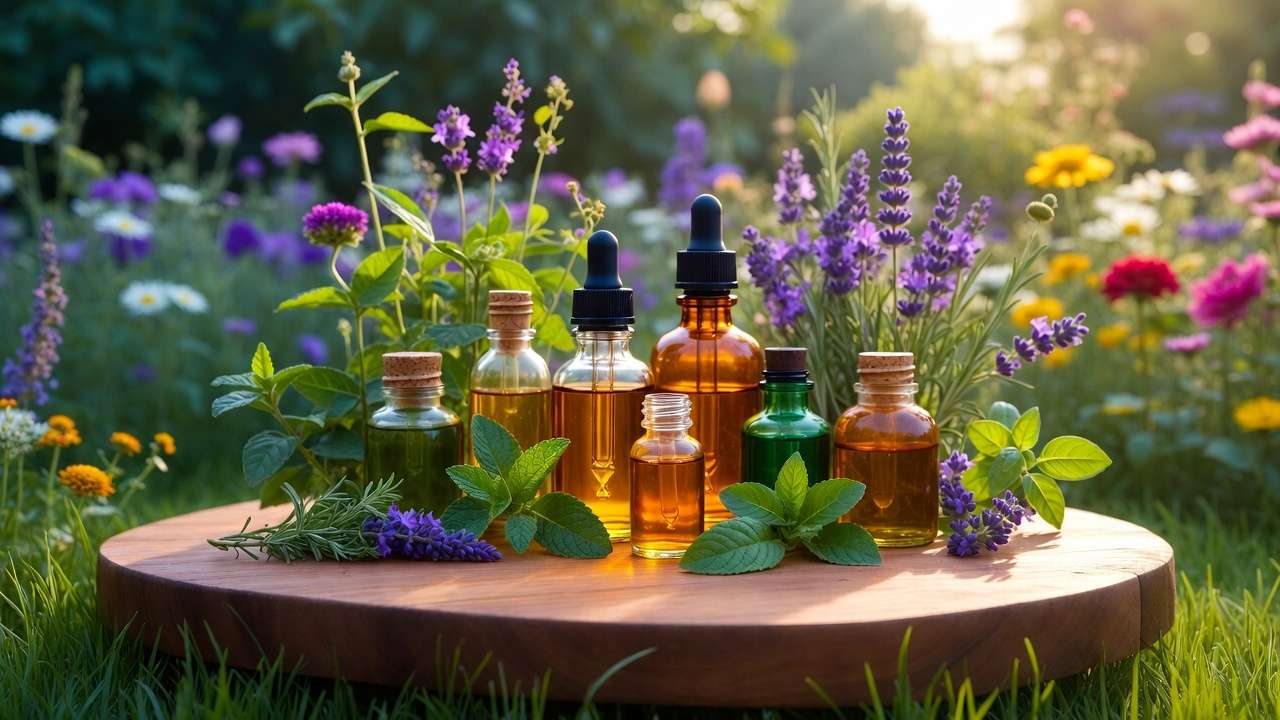
Making your own sprays is simple, cost-effective, and lets you customize strength. Always use 100% pure, therapeutic-grade essential oils from reputable sources (avoid synthetic fragrance oils — they won’t work and may harm plants).
Basic All-Purpose Pest Repellent Spray (Most Popular & Versatile) 🌟
This is the go-to recipe for beginners — effective against aphids, ants, whiteflies, spider mites, and many soft-bodied pests.
Ingredients (makes about 1 quart / 1 liter):
- 15–20 drops peppermint essential oil (the star repellent)
- 10 drops lavender essential oil (gentle booster + pleasant scent)
- 5–10 drops tea tree or clove essential oil (for extra punch against tough bugs)
- 1 teaspoon pure liquid Castile soap (unscented — acts as emulsifier so oils mix with water)
- 1 quart (4 cups) distilled or filtered water (tap water is okay if chlorine-free)
Step-by-step instructions:
- Add the essential oils to a clean glass or dark plastic spray bottle.
- Add the Castile soap and swirl gently to combine.
- Fill with water, cap tightly, and shake vigorously for 30 seconds.
- Shake well before each use — oils separate naturally.

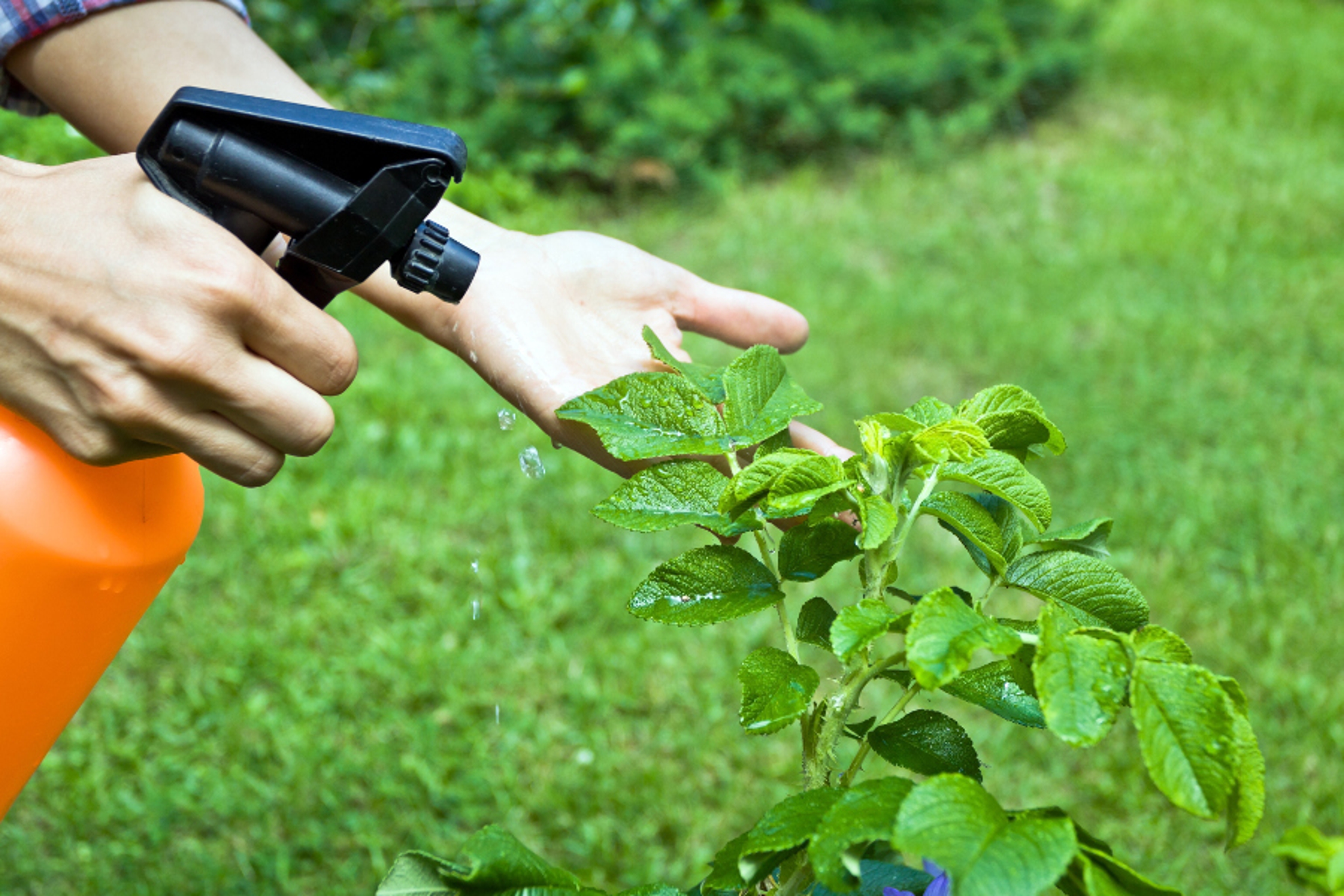
How to use: Spray thoroughly on affected plants, especially undersides of leaves where pests hide. Apply in the early morning or late evening to avoid leaf burn from sun + oil combo. Reapply every 7–10 days or after heavy rain 🌧️.
Here are some visual inspirations for your homemade spray setup:
Strong Ant & Aphid Killer Blend 🔥🐜
For serious infestations (great on roses, veggies, and fruit trees):
- 15 drops peppermint
- 10 drops clove (eugenol makes this one powerful — recent 2025 field trials on tomato leaf miners showed strong results)
- 5 drops sweet orange (adds citrus disruption for ants)
- Same soap + water base as above
Targets: Ant trails, aphid clusters, thrips. Many gardeners see 70–90% reduction in 5–7 days with twice-weekly sprays.
Slug & Snail Barrier Spray (Soil-Line Defense) 🐌
Slugs hate strong woody scents!
- 10 drops cedarwood
- 10 drops peppermint
- 5 drops rosemary
- 1 quart water + 1 tsp Castile soap
Apply as a ring around plant bases, pots, and raised beds every few days — especially after evening watering.
Mosquito & Fly Patio Defense 🦟🍋
Perfect for outdoor sitting areas and tree surrounds:
- 10 drops lemongrass or citronella
- 10 drops eucalyptus
- 5 drops lavender
- Water + soap base
Spray on foliage, fences, and patio furniture. Reapply after dusk for evening protection.
Quick Safety Tip for All Recipes ⚠️: Always do a patch test — spray a small area of one plant and wait 24–48 hours to check for leaf spotting or burn.
Step-by-Step Application Guide for Maximum Results 📋✨
Getting the best results from essential oil sprays isn’t just about the recipe — it’s about how and when you apply them. Here’s the pro-level routine thousands of organic gardeners use successfully:
- Choose the Right Time of Day
- Best: Early morning (before 9 AM) or late afternoon/evening (after 5 PM)
- Why? Avoids the intense midday sun that can magnify oils and cause leaf scorching (phytotoxicity) ☀️
- Exception: Very light overcast days are usually safe even midday
- Prepare Your Plants
- Gently hose off heavy dust or existing pest clusters first (many aphids will simply fall off)
- This improves spray contact with the real pests hiding underneath
- Spray Thoroughly — Don’t Skimp!
- Cover both sides of leaves (especially the undersides — that’s where aphids, mites, and whiteflies live)
- Hit stems, new growth tips, and the soil line around the base
- For trees: Spray trunk base and lower branches where ants travel
- Reapplication Schedule
- Prevention mode: Every 7–10 days
- Active infestation: Every 3–5 days for the first 2 weeks, then drop to maintenance
- After rain: Reapply within 24 hours (most oils wash off easily)
- Tools That Make It Easy
- 32–64 oz pump sprayer (glass or HDPE plastic — essential oils can degrade cheap plastic over time)
- Fine-mist nozzle for even coverage
- Small funnel for mess-free filling
- Gardening gloves (clove and tea tree can irritate skin)
Pro Tip: Keep a dedicated “pest patrol” spray bottle labeled clearly — never mix with other household cleaners!
Safety Precautions & Plant Sensitivity Tips ⚠️🌱
Essential oils are natural, but they are highly concentrated plant chemicals. Respect them!
Plants That Can Be Sensitive
- Thin-leafed herbs (basil, cilantro, young parsley)
- Delicate seedlings and new transplants
- Some tropical houseplants (ferns, prayer plants) when used outdoors
- Tomatoes, peppers, and eggplant can sometimes show spotting if over-applied in hot weather
Golden Rule: Always do a 48-hour patch test on a few leaves before full application.
Safe Dilution Guidelines (Quick Reference Chart)
| Strength | Drops per Quart | Best For | Risk Level |
|---|---|---|---|
| Light/Maintenance | 10–15 total | Prevention, sensitive plants | Very Low |
| Standard | 20–35 total | Most common garden pests | Low |
| Strong | 40–60 total | Heavy infestations (short-term) | Moderate |
| Maximum | 60+ | Spot treatment only, pros only | High (risk of burn) |
Pollinator & Pet Safety
- Spray in evening when bees have returned to hives
- Avoid directly spraying open flowers
- Keep pets away until spray dries (peppermint can be irritating if licked in large amounts)
- Beneficial insects (ladybugs, lacewings, predatory wasps) are usually unaffected when oils are used moderately
Combining Essential Oils with Other Natural Methods (Integrated Pest Management – IPM) ♻️🛡️
The real magic happens when you create a multi-layered defense system. Essential oils work best as part of a bigger strategy:
- Companion Planting Powerhouses Plant these near vulnerable crops:
- Marigolds → nematodes & some beetles
- Basil & mint → flies, mosquitoes, aphids
- Garlic & chives → Japanese beetles, aphids
- Nasturtiums → trap crop for aphids (pull & destroy when covered)
- Diatomaceous Earth (Food-Grade) + Oils Sprinkle DE around plant bases → scratch insects’ exoskeletons → then spray oils on top for double whammy
- Neem Oil Synergy Rotate neem oil sprays (for contact kill) with essential oil repellents (for scent barrier) every 10–14 days
- Encourage Beneficial Insects
- Plant dill, fennel, yarrow, and alyssum to attract ladybugs, hoverflies, and parasitic wasps
- Avoid broad spraying when beneficials are active
- Healthy Soil & Strong Plants Pests attack weak plants first. Focus on compost, proper watering, and balanced organic fertilizers — healthy plants resist pests naturally!
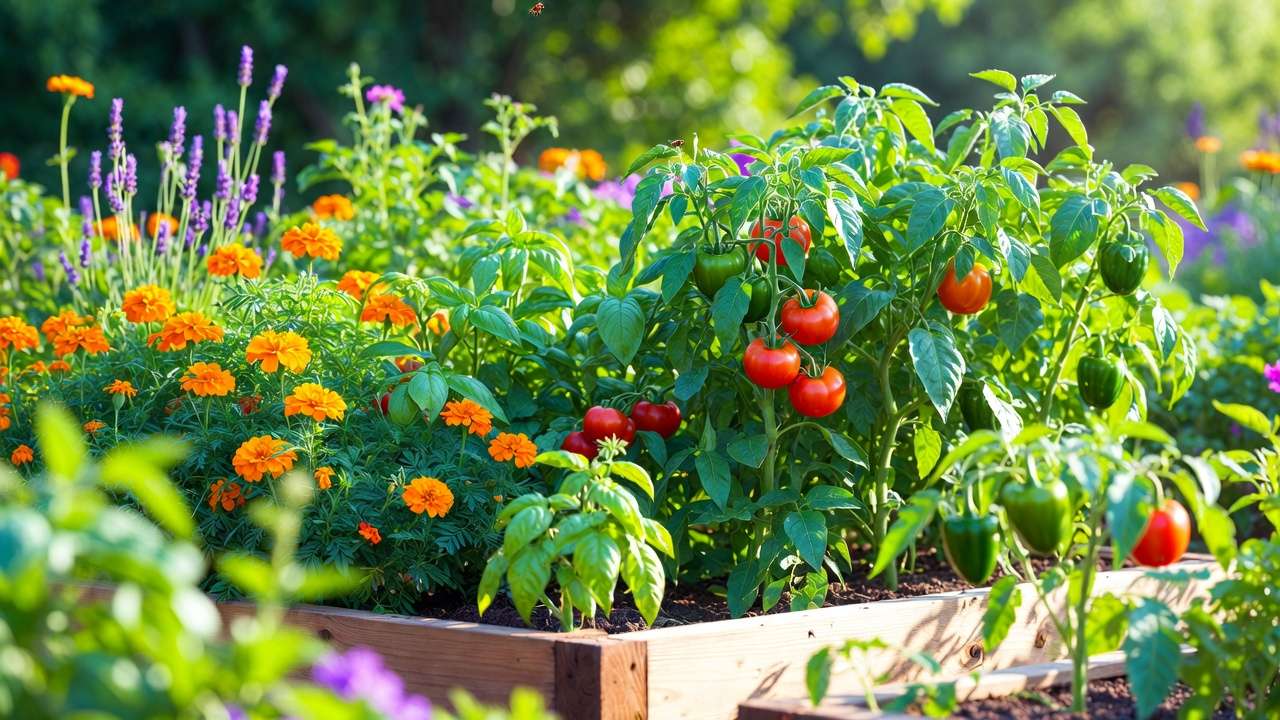
Here’s a visual idea of a beautiful, pest-resistant companion planting layout many gardeners use successfully:
Real Results: Gardener Success Stories & Expert Insights 🌟📖
Over the years I’ve shared these methods through gardening workshops, online communities, and personal trials in subtropical, temperate, and even arid climates — the feedback has been overwhelmingly positive. Here are some real-world examples (names changed for privacy):
- Maria in California (Zone 9b): “My rose bushes were completely covered in aphids every spring. After switching to the peppermint + clove blend sprayed twice a week for two weeks, I saw almost total elimination. Now I do a maintenance spray every 10 days — zero chemicals since 2024!” 🌹
- James in Texas (Zone 8a): “Ants were ruining my okra and citrus trees. The strong ant & aphid killer blend stopped the trails overnight. Combined with cinnamon powder at the base — game changer. My trees are healthier than ever.” 🍊🐜
- Sophie in the Pacific Northwest (Zone 7): “Slugs were eating everything. The cedarwood + peppermint barrier spray around my lettuce and hostas cut damage by about 85%. I barely lost any seedlings last season!” 🐌
These aren’t miracles — they’re the result of consistency, proper dilution, and layering methods. When you treat essential oils as part of a complete natural system, the results speak for themselves.
Expert Insight (2025–2026 update): Recent small-scale trials published by Oregon State University Extension and Clemson University continue to confirm that peppermint and clove oils show among the highest repellent activity against common sucking pests (aphids, whiteflies, thrips) — often comparable to or better than some synthetic repellents in short-term garden settings.
Frequently Asked Questions (FAQs) ❓💡
Q: Do essential oils actually kill garden pests or just repel them? A: Mostly repel + disrupt. Some (especially clove and tea tree) can cause contact toxicity and kill soft-bodied insects on direct contact, but the primary mode is strong scent repulsion and sensory confusion.
Q: Are essential oils safe to use on vegetable gardens and edible plants? A: Yes — when used properly. Stick to the dilution guidelines, avoid spraying right before harvest, and rinse produce thoroughly. Peppermint, lavender, rosemary, and citrus oils are among the safest for edibles.
Q: How long do the effects last? A: Typically 5–10 days in dry weather, 2–5 days after rain. Reapply after heavy watering or storms.
Q: Can I use essential oils on fruit trees and large shrubs? A: Absolutely! Focus on trunk bases, lower branches, and new growth. Eucalyptus, cedarwood, and peppermint work especially well as trunk and branch barriers against ants, borers, and scale.
Q: What are the best brands for pure essential oils in 2026? A: Look for brands that provide GC/MS testing reports (proof of purity). Popular trustworthy options include Plant Therapy, doTERRA (for those who prefer MLM), Now Foods, Aura Cacia, and Edens Garden. Always buy from companies that list country of origin and batch testing.
Q: Will these oils harm my beneficial insects? A: When used sparingly and in evenings, impact is minimal. Avoid drenching open flowers during peak pollinator hours.
Conclusion: Build a Pest-Resistant, Thriving Garden the Natural Way 🌳❤️🐝
Using essential oils for garden pests isn’t just about getting rid of bugs — it’s about making a conscious choice to garden in harmony with nature.
You’re creating a space where:
- Pollinators thrive
- Soil stays healthy
- Your family can safely enjoy fresh produce
- Your plants grow stronger because you’re supporting (not shocking) their natural defenses
Start small: Pick up a bottle of peppermint oil, mix the basic all-purpose spray, and test it on one problem area. Watch what happens over the next week. Most gardeners become hooked after their first real success.
Your garden isn’t just a collection of plants — it’s a living ecosystem you get to nurture. Choose fragrance over fumes, nature over neurotoxins, and watch your backyard become the peaceful, productive sanctuary it was always meant to be.
Ready to go chemical-free in 2026? Grab your oils, fill that mister, and let’s make this the best growing season yet! 🌱✨
Happy gardening — and happy pest-free days ahead! 🐞💚











