
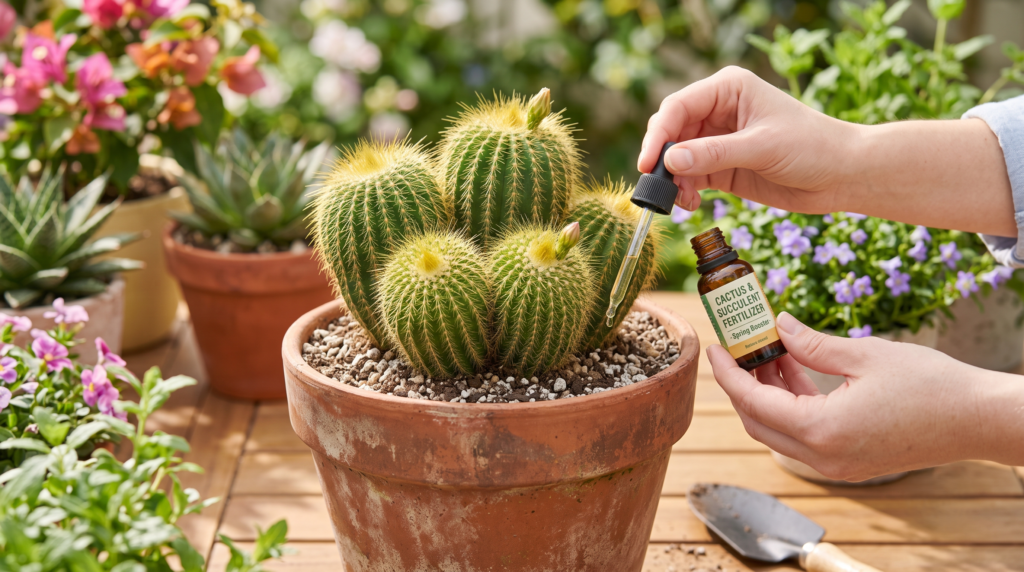
Picture this: the days are finally getting longer, the frost has thawed, and your prized desert dwellers are waking up from their long winter slumber. You notice a vibrant, bright green hue at the crown of your favorite succulent and maybe even the tiny, fuzzy beginnings of a flower bud. It’s an exciting time, but it also signals a critical transition in your plant care routine. If you want to support this explosive new growth, mastering the art of fertilizing cactus in spring is absolutely essential. However, feeding these resilient yet sensitive plants comes with a major caveat: do it wrong, and you risk devastating root burn.
As someone who has spent years cultivating diverse arid species, testing soil health, and managing desert plants through multiple growing seasons, I’ve seen firsthand the damage caused by over-eager feeding. Cacti don’t process nutrients like standard tropical houseplants. They require a precise, gentle approach that mimics the fleeting rains of their natural environment. In this comprehensive guide, we are going to dive deep into the science and practical steps of nourishing your plants safely. Whether you’re growing a sprawling San Pedro outdoors or curating an indoor windowsill collection, you’ll learn exactly how to fuel vibrant growth, encourage spectacular blooms, and keep those delicate root systems safe. ☀️
Understanding the Spring Growth Cycle 📈
To effectively feed any plant, you first need to understand its biological rhythms. Cacti evolved in harsh environments where resources are scarce, and seasonal changes heavily dictate their survival strategies.
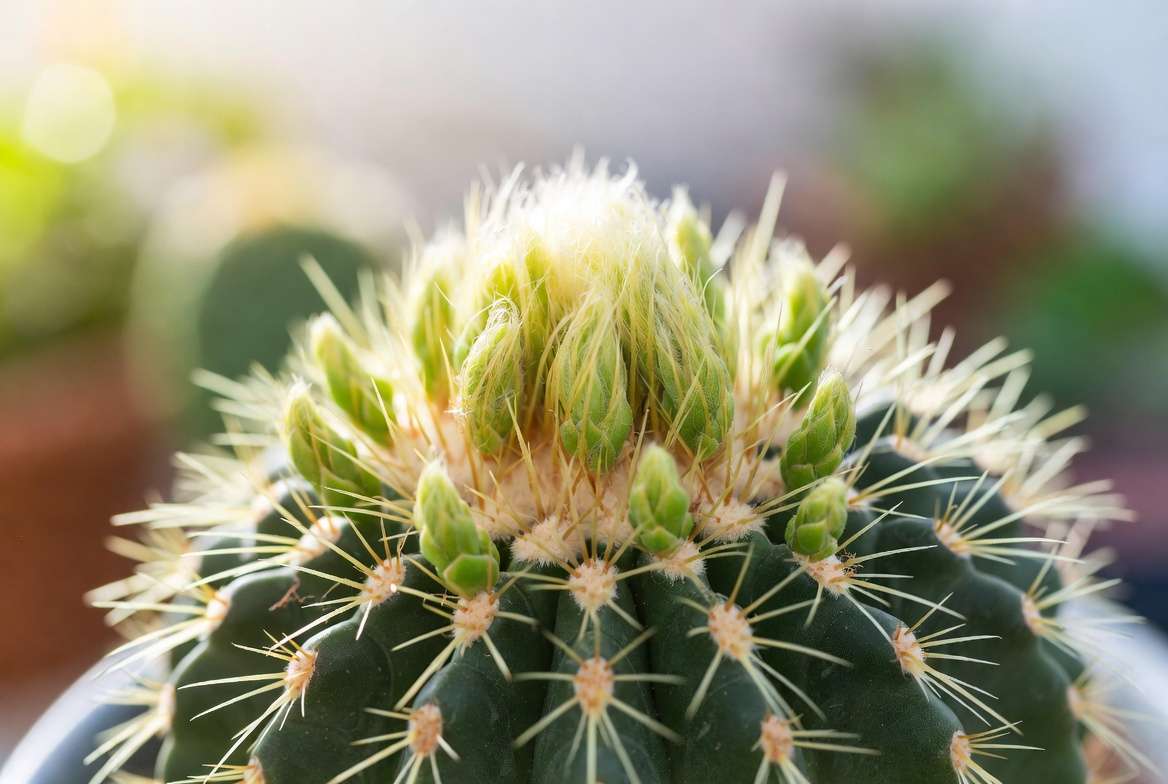
The Physiology of Spring Awakening 🕰️ During the winter months, most cacti enter a state of dormancy. Their metabolic rates drop drastically, and they cease active growth to conserve energy and survive colder temperatures and lower light levels. As spring approaches, environmental triggers—specifically increased daylight hours and warmer ambient temperatures—signal the cactus’s internal clock that it’s time to wake up. This awakening shifts the plant’s physiology. The stomata (tiny pores on the surface used for gas exchange) become more active, and the roots begin to eagerly seek out moisture and nutrients to kickstart photosynthesis at a much higher capacity.
Why Energy Reserves Matter Right Now ⚡ Coming out of dormancy takes a massive toll on a cactus’s stored energy. Producing new areoles, extending their stems, and developing thick, healthy spines require significant nutritional support. If a cactus attempts this spring growth spurt without adequate fuel in the soil, it may produce weak, etiolated (stretched and pale) growth, or it may simply lack the energy required to flower. Providing the right nutrients at the exact right time replenishes these reserves, ensuring robust, disease-resistant development.
Visual Cues: When to Start Feeding 👁️ One of the biggest mistakes plant parents make is feeding by the calendar instead of listening to the plant. Never fertilize a cactus that is still fully dormant. Feeding before the plant is actively pulling water and nutrients leaves fertilizer salts sitting stagnant in the substrate, drastically increasing the risk of chemical root burn.
Look for these undeniable signs of active growth:
-
Bright Green Apices: The very top center (apex) of the cactus will take on a lighter, brighter, and fresher green color compared to the older, more weathered growth below.
-
New Spine Formation: You will see fresh, often brightly colored (red, yellow, or stark white) spines emerging from the areoles.
-
Plumping Up: After their first light spring watering, the ribs of the cactus will visibly expand and look significantly less shrivelled.
-
Budding: Tiny, fuzzy nodes appearing along the ribs or at the crown are clear indicators that the plant is mobilizing energy for flowers.
Creator Tip: Documenting these subtle spring changes with close-up macro photography is highly engaging! Snapping high-quality, up-close photos of fresh spine growth or fuzzy buds makes for excellent, click-worthy YouTube thumbnails or beautiful, shareable pins for your gardening Pinterest boards. 📸
Soil Health: The Foundation of Safe Fertilization 🪨
Before you even think about reaching for the fertilizer bottle, you must evaluate the home where your cactus’s roots live: the soil. Applying high-quality nutrients to a poor, suffocating substrate is a waste of money and a recipe for disaster.
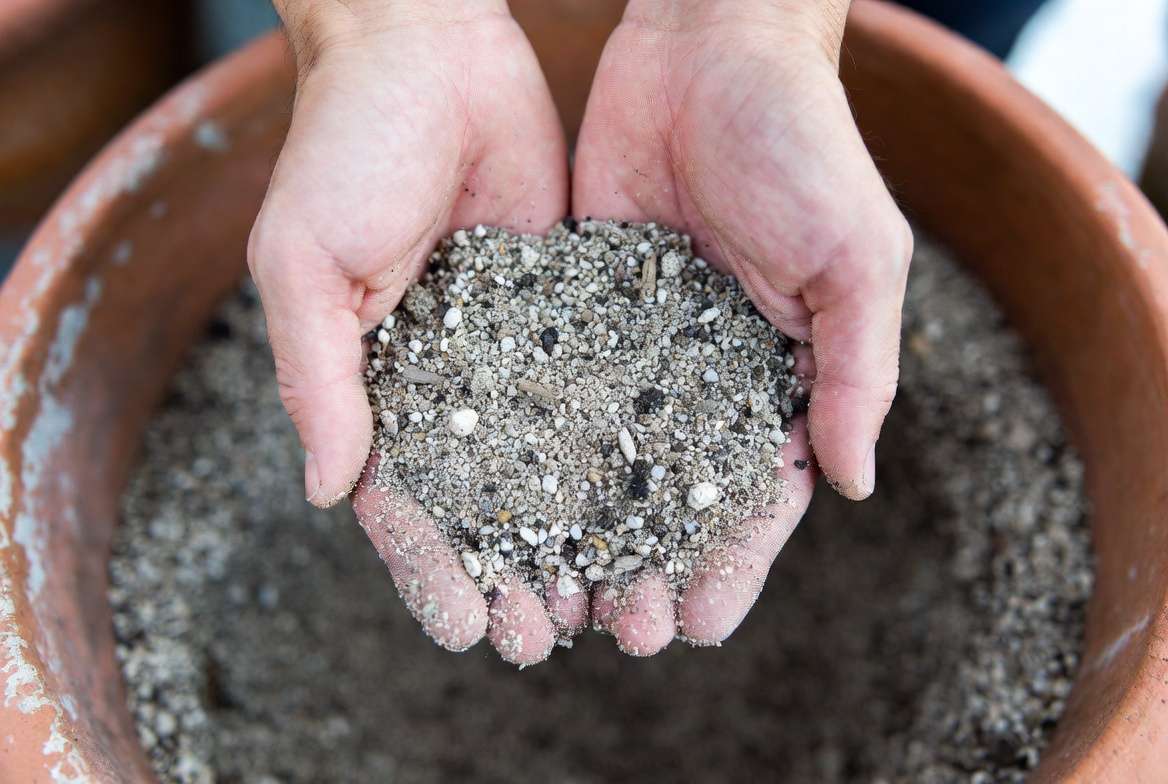
The Role of a Fast-Draining Mix 🏜️ Standard indoor potting soil is the mortal enemy of the desert cactus. It is formulated to retain moisture, usually heavily amended with peat moss or coir. When you add liquid fertilizer to a moisture-retaining soil, the nutrients and mineral salts become trapped in the damp earth. For a cactus, this means prolonged exposure to damp, highly concentrated chemical conditions—the exact environment that causes root burn and subsequent root rot.
A gritty, fast-draining mix composed of materials like pumice, perlite, crushed granite, coarse sand, and a very minimal amount of organic matter allows water and fertilizer to flow rapidly past the roots. The roots can snatch what they need in the moment, and the excess washes away harmlessly out the bottom of the pot.
The Soil Microbiome in Arid Environments 🦠 While we often think of desert soil as dead or barren, a healthy cactus substrate is teeming with microscopic life. Beneficial microbes, mycorrhizal fungi, and bacteria form a symbiotic relationship with your plant’s roots. These microscopic allies break down complex organic fertilizers (like worm castings or kelp extract) into bio-available elements that the roots can easily absorb. Using harsh, highly concentrated synthetic fertilizers can actually scorch and kill this delicate soil web. Cultivating a healthy, living soil environment is crucial for long-term plant vitality.
Flushing Old Salts: The Spring Cleanse 🚿 If your cactus has been in the same pot for more than a year, there is a high probability that mineral salts from tap water and previous feedings have built up in the substrate. Before introducing new spring nutrients, give your plant a “spring cleanse.”
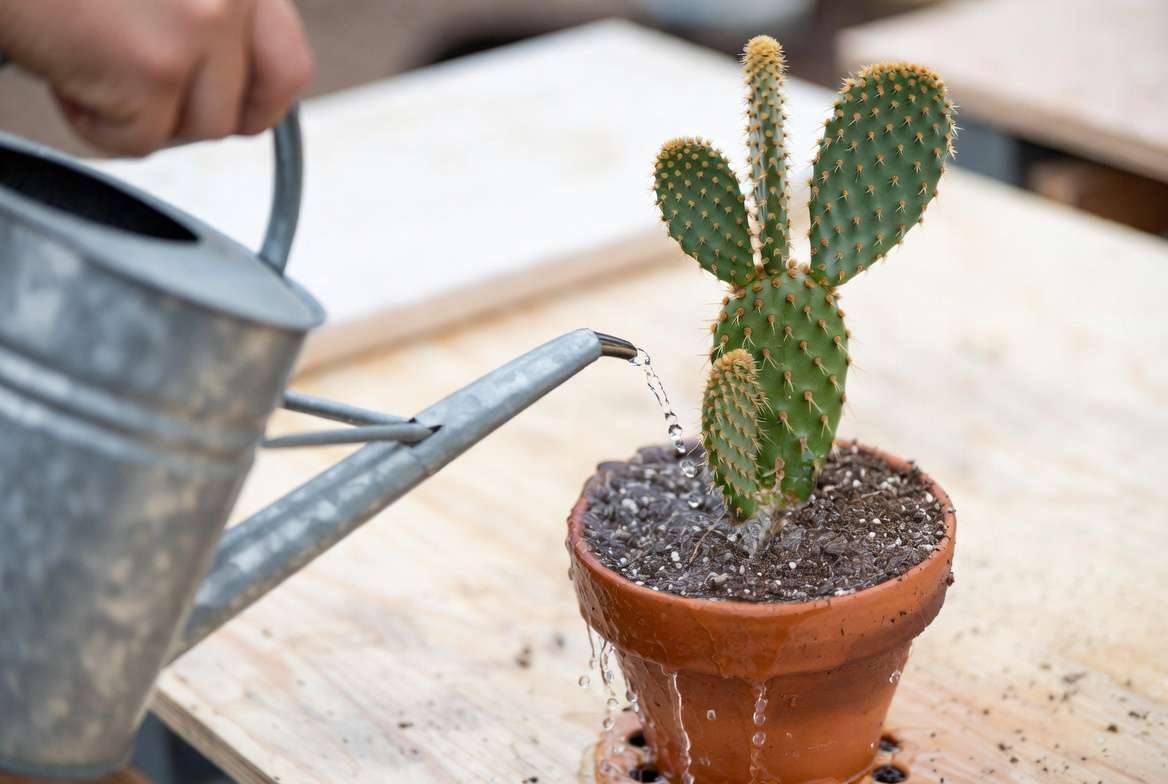
Take your cactus to a sink or outdoor hose and flush the soil heavily with plain, room-temperature water. Allow the water to pour completely through the drainage holes for two to three minutes. This heavy leaching process dissolves and washes away toxic salt accumulations, giving you a clean slate for the upcoming feeding season. Let the soil dry out significantly before applying any actual fertilizer.
Choosing the Right Fertilizer for Cacti 🧪
Once you’ve ensured your soil is healthy and well-flushed, it’s time to select your plant food. Not all fertilizers are created equal, and grabbing a generic houseplant formula off the shelf is one of the fastest ways to damage your arid plants.
Decoding NPK Ratios for Desert Dwellers 🔢
Every commercial fertilizer features three prominent numbers on its label representing the N-P-K ratio: Nitrogen (N), Phosphorus (P), and Potassium (K). These macronutrients govern different aspects of plant development:
-
Nitrogen (N): Promotes lush, green foliage and rapid stem growth.
-
Phosphorus (P): Stimulates robust root systems, bud development, and flowering.
-
Potassium (K): Enhances overall cellular strength, disease resistance, and helps the plant regulate its water intake.
For leafy tropical houseplants, a high-nitrogen fertilizer (like a 10-10-10 or 24-8-16) is fantastic. For cacti, high nitrogen is disastrous. Too much nitrogen causes cacti to grow rapidly but weakly, resulting in stretched, pale, and bloated tissues that are highly susceptible to splitting, pests, and rot. Instead, you need a formula where the Nitrogen is significantly lower than the Phosphorus and Potassium.
Organic vs. Synthetic: What’s Best for Your Collection? 🌱
-
Liquid Synthetics: These are readily available and highly concentrated. The major benefit is fast absorption; the nutrients are immediately bio-available to the roots. The downside? They carry the highest risk of chemical root burn if mixed improperly, and they do nothing to improve long-term soil structure.
-
Organic Options: Natural amendments like worm castings, liquid kelp extract, or fish emulsion release nutrients slowly as the soil microbes break them down. They are incredibly gentle, carrying almost zero risk of root burn, and they actively improve the soil microbiome. The trade-off is a slower visible response in the plant.
For the safest and most effective spring feeding, many experts recommend an organic liquid succulent and cactus fertilizer, or a highly diluted specialized synthetic blend.
Optimal Fertilizer Ratios for Cacti
| Nutrient Ratio (N-P-K) | Best Use Case | Risk of Root Burn |
| 1-7-6 (Cactus Specific) | Ideal for triggering vibrant blooms and reinforcing root strength. | Low |
| 5-10-5 (Diluted) | Good for supporting overall spring growth spurts in larger species. | Medium |
| 10-10-10 (Balanced) | Not recommended; excessive nitrogen leads to weak, etiolated growth. | High |
Step-by-Step: How to Fertilize Cactus in Spring 💧
The method of application is just as important as the product you choose. Follow this professional regimen to ensure maximum nutrient uptake without shocking your plant.
1. Hydrate First (The Golden Rule) 🚰
Never, ever apply fertilizer to bone-dry cactus soil. Dry roots are incredibly sensitive and prone to chemical shock. One to two days before you plan to fertilize, give your cactus a thorough watering with plain water. This primes the root system, plumping up the tissue and preparing the cells to safely absorb the incoming nutrient solution.
2. Dilute the Mixture 🥄
Even if you purchased a “cactus-specific” fertilizer, it is always best practice to err on the side of caution. As a general rule, mix your liquid fertilizer at one-quarter to one-half of the manufacturer’s recommended strength. Cacti are light feeders; less is always more.
3. Apply Evenly to the Soil 🪴
Using a narrow-spout watering can, pour the diluted nutrient solution slowly and evenly across the entire surface of the soil. Avoid splashing the fleshy green stem (cladode) or getting fertilizer trapped in the hairy areoles, as sitting fertilizer can cause superficial cosmetic burns or encourage fungal growth on the plant’s epidermis.
4. Allow for Complete Drainage 🕳️
Let the pot drain freely over a sink or outdoor basin. If your cactus sits inside a decorative cachepot or saucer, ensure you empty it completely after 10 to 15 minutes. Allowing a desert plant to sit in a pool of fertilizer runoff is a guaranteed path to root suffocation and salt burn.
5. Set a Consistent Feeding Schedule 📅
During the active spring and early summer growing season, a feeding schedule of once every 4 to 8 weeks is generally sufficient, depending on the size and species of the plant.
The Danger Zone: Preventing and Treating Root Burn 🔥
Despite our best efforts, accidents happen. Understanding the mechanics of root burn can help you catch it early and potentially save a stressed plant.
What is Root Burn? 🥀
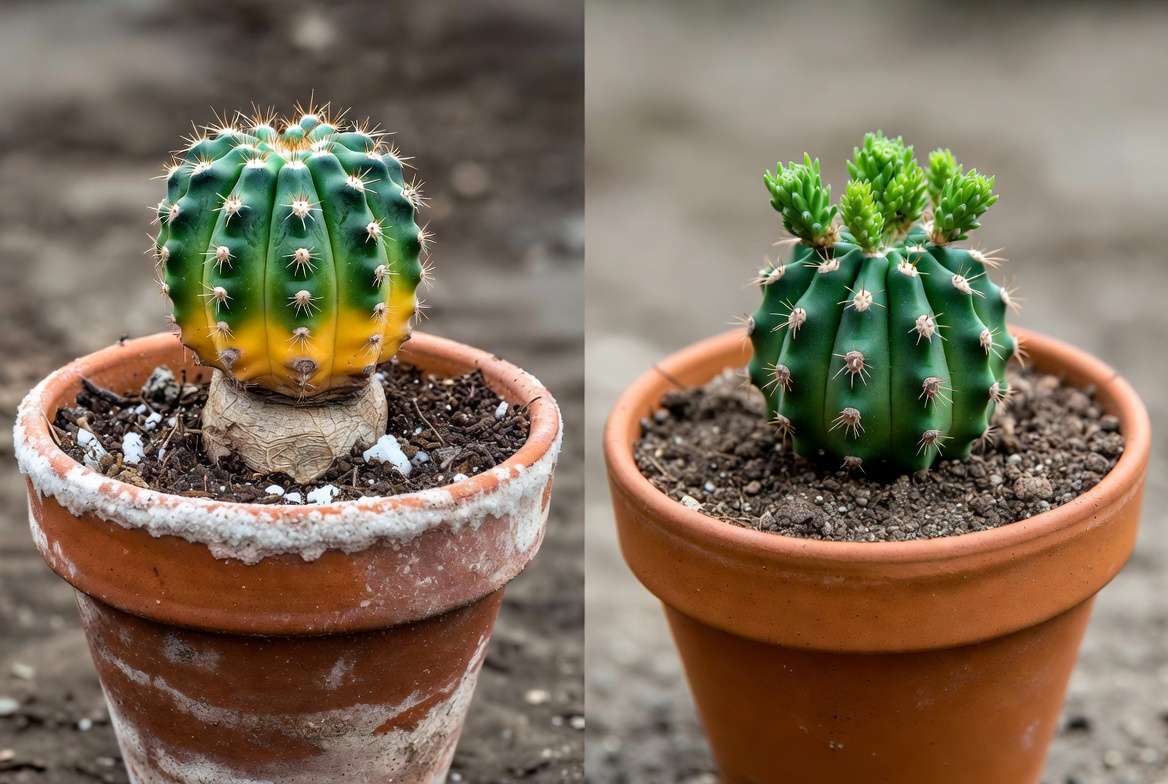
Root burn is essentially a state of severe dehydration caused by chemical (osmotic) stress. When too much fertilizer is applied, salt concentrations in the soil become higher than the moisture inside the plant’s roots. Instead of the roots absorbing water, the heavy salt concentration actually draws moisture out of the root tissue. The roots dehydrate, shrivel, and die off, leaving the plant unable to drink.
Spotting the Symptoms 🔍
Because the damage happens below the soil, root burn often mimics the symptoms of underwatering. Keep an eye out for:
-
Sudden yellowing or browning starting at the very base of the cactus near the soil line.
-
The plant looking persistently shriveled or deflated, even a few days after watering.
-
A sudden and complete halt to the fresh spring growth you were just admiring.
-
A white crusty buildup of mineral salts on the surface of the soil or the rim of terracotta pots.
Emergency Interventions: How to Save Your Plant 🚑
If you suspect fertilizer burn, you must act quickly to remove the chemical stressor:
-
Heavy Leaching: Immediately flush the soil with large volumes of pure, distilled, or rainwater to wash the excess salts away.
-
Emergency Repotting: If flushing doesn’t improve the plant’s condition within a week, unpot it entirely. Brush away all the old, contaminated soil. Inspect the roots—trim away any that are mushy, blackened, or papery and dead.
-
Healing Time: Allow the bare roots to air dry in a shaded spot for a few days to callous over any cuts, then repot into fresh, completely dry, gritty cactus mix. Withhold fertilizer for the rest of the year.
Pro Tips for Encouraging Spectacular Spring Blooms 🌸
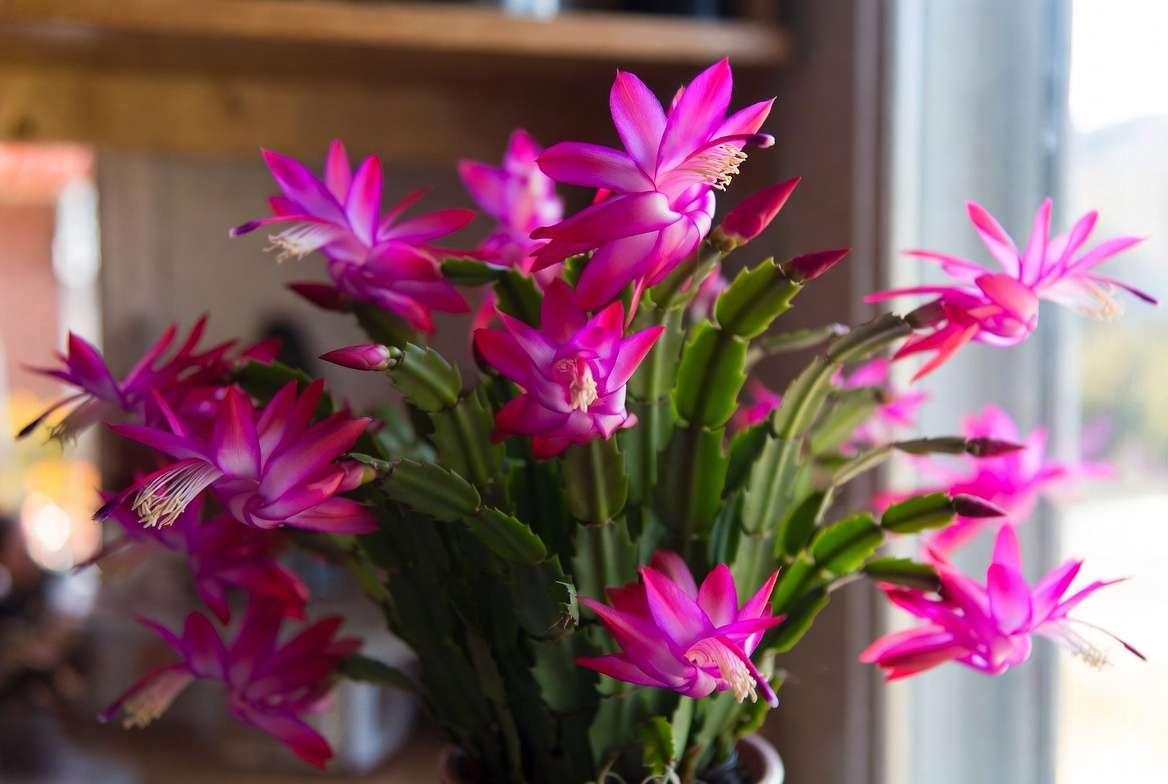
Fueling growth is wonderful, but witnessing a cactus produce its dazzling, often oversized, neon-colored flowers is the ultimate reward for any grower.
The Phosphorous Factor ✨
If your cactus is mature enough to flower but stubbornly refuses year after year, it might be lacking phosphorus. Switching to a bloom-boosting fertilizer (like the 1-7-6 ratio mentioned earlier) in early spring provides the specific nutritional building blocks required for bud formation.
Harnessing Temperature Fluctuations 🌡️
Many desert cacti rely on distinct diurnal temperature shifts to initiate blooming. They need the contrast of warm, sunny spring days followed by significantly cooler nights (dropping by 15-20°F or 8-11°C). If you keep your cacti indoors in a constantly climate-controlled room, they may never feel the environmental trigger to flower. Crack a window at night during the spring to give them that essential chill!
Uncompromised Light Exposure ☀️
No amount of expertly applied fertilizer can compensate for inadequate light. Cacti are solar-powered machines. During the spring growth spurt, they require absolute maximum light exposure—ideally 6 to 8 hours of direct sunlight. If growing indoors, place them in your brightest, unobstructed south-facing window, or invest in a high-quality full-spectrum LED grow light.
Frequently Asked Questions (FAQs) ❓
How often should I be fertilizing cactus in spring?
For most indoor and potted cacti, a highly diluted feeding once a month or every 6 weeks during the active spring and summer growing season is perfect. Stop fertilizing entirely by late summer to allow the new growth to harden off before winter dormancy.
Can I use standard houseplant fertilizer on my succulents and cacti?
It is highly discouraged. Standard houseplant formulas are far too high in nitrogen. If it is your absolute only option, dilute it to 1/8th or 1/10th of the recommended strength to prevent stretching and weak cellular walls.
Should I fertilize a newly repotted cactus?
No. When you repot a cactus, microscopic root hairs are inevitably damaged. Applying fertilizer to open wounds can cause severe rot. Wait at least 4 to 6 weeks after repotting before introducing any liquid fertilizer, and remember that fresh potting mix often already contains baseline nutrients.
Do indoor cacti need as much fertilizer as outdoor cacti?
No, indoor cacti generally grow much slower due to lower light intensities compared to their outdoor counterparts. Consequently, they require less frequent feeding. Always adjust your fertilizing schedule based on the plant’s actual growth rate and environmental conditions.
Conclusion: Setting Up for Summer Success 🌻
Learning the nuances of fertilizing cactus in spring is a game-changer for your desert garden. By recognizing the visual cues of dormancy breaking, prioritizing a gritty, fast-draining soil, and applying a low-nitrogen, highly diluted nutrient solution, you are setting your plants up for incredible success.
Remember, the goal is to fuel growth without burning roots. Take your time, hydrate before you feed, and always respect the slow, resilient nature of these remarkable plants. When you finally see those brilliant new spines hardening off and those spectacular, vibrant blooms opening in the summer sun, you’ll know your careful spring preparations were entirely worth the effort.
Now it’s your turn! Are your desert plants showing signs of waking up? Share your favorite cactus care tips or drop a photo of your new spring growth in the comments below. And don’t forget to save our optimal fertilizer ratio chart to your gardening boards for easy reference all season long! Happy growing! 🌵💖











