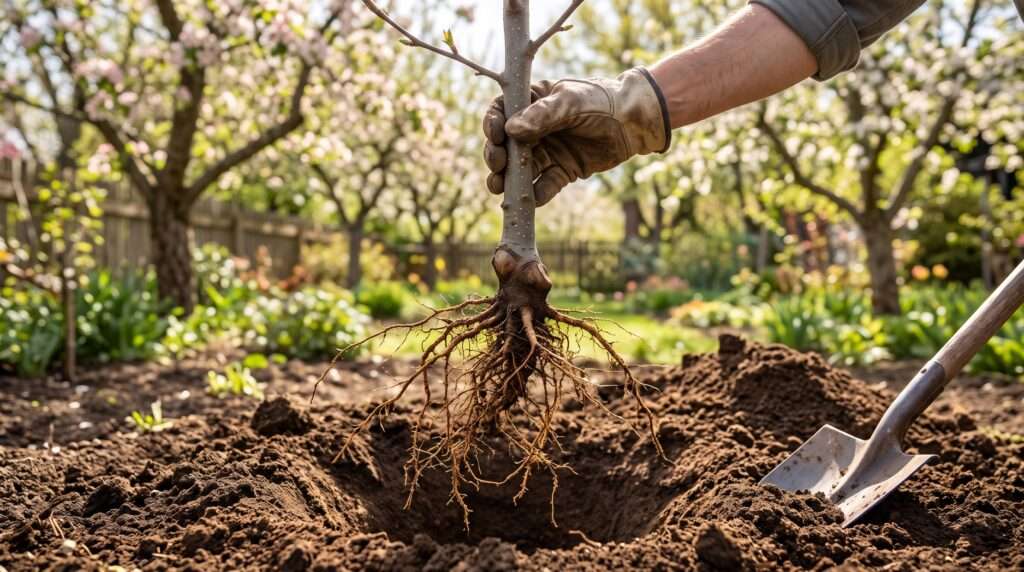
Planting a fruit tree is a profound investment of time, money, and hope, yet nearly 50% of backyard orchards fail within their first five years simply because growers ignore what is happening underground. Buying a tree based solely on the fruit variety without considering the root system leads to overgrown canopies, poor fruit yield, disease susceptibility, or tree death in incompatible soils. The solution is straightforward but often overlooked: understanding how to select the perfect fruit tree bare root rootstock ensures your tree flawlessly matches your yard’s unique soil profile, spatial constraints, and microclimate. This comprehensive guide will decode nursery rootstock codes, highlight the distinct advantages of bare root planting, and help you choose the ultimate underground foundation for heavy harvests and long-term horticultural health. 🌱
Decoding the Basics: What is a Fruit Tree Bare Root Rootstock? 🔍
To master backyard orcharding, you must first understand that almost all commercially available fruit trees are actually two distinct plants surgically joined together. This age-old horticultural practice is known as grafting, and it is the secret behind predictable, high-yielding fruit trees.

The Anatomy of a Grafted Tree (Scion vs. Rootstock) 🌿
A grafted fruit tree consists of two main components:
-
The Scion: This is the top portion of the tree, usually a single branch or bud grafted onto the lower half. The scion dictates the genetic blueprint of the fruit you will eat (for example, a Honeycrisp apple, a Bing cherry, or an Elberta peach).
-
The Rootstock: This is the lower portion of the tree, encompassing the root system and the lower few inches of the trunk. The rootstock does not determine the fruit variety, but it dictates almost everything else: the tree’s ultimate size, its nutrient uptake efficiency, its cold hardiness, and its resistance to soil-borne pathogens.
Expert Insight 💡: By utilizing grafting, horticulturists marry the culinary perfection of the scion with the rugged, disease-resistant, and size-controlling genetics of the rootstock. You get the best of both worlds in a single, resilient organism.
Why “Bare Root” is the Gold Standard for Planting 🥇
When shopping for fruit trees, you will encounter two primary options: potted trees sitting in soil, and bare root trees. A bare root tree is dug up from the nursery field during its winter dormancy, shaken free of all soil, and shipped with its roots exposed. While a pot of dirt might look more comforting to a beginner, bare root is the undeniable gold standard for several E-E-A-T backed reasons:
-
Zero Root Girdling: Trees grown in plastic nursery pots often develop circling roots. Once planted in the ground, these girdling roots act like a slow-motion noose, eventually strangling the tree as it matures. Bare root trees possess natural, outward-radiating root architectures.
-
Immediate Native Soil Adaptation: Potted trees are planted in fluffy, artificial potting mixes. When transplanted into heavy backyard dirt, the roots often refuse to leave the comfortable potting mix, creating a “teacup effect” where water pools and drowns the tree. Bare root trees interface directly with your native soil from day one, forcing immediate adaptation.
-
Superior Rootstock Selection: Nurseries offer their widest, most specialized variety of rootstocks during the bare root season (late winter to early spring).
-
Cost and Ease: Shipping dirt is expensive. Bare root trees are highly cost-effective, lighter to handle, and exceptionally easy to position perfectly in a planting hole.
4 Critical Reasons Rootstock Selection Determines Your Success 🌳
The rootstock you select is the invisible engine of your orchard. Ignoring it is akin to buying a high-performance sports car and putting it on bicycle tires. Here is why your rootstock choice makes or breaks your harvest.
1. Size Control, Vigor, and Precocity (Dwarf, Semi-Dwarf, or Standard) 📏
In the wild, an apple tree wants to grow 30 to 40 feet tall. In a modern backyard, a tree that size is dangerous to prune, impossible to spray effectively, and requires a massive ladder for harvesting. Rootstocks organically restrict the flow of water and nutrients to the scion, effectively dwarfing the tree.
-
Extreme Dwarf (Under 8 feet): Perfect for high-density planting, pots, and small urban yards. They require permanent staking because their root systems are inherently brittle.
-
Semi-Dwarf (10 to 16 feet): The sweet spot for most home gardeners. They are freestanding, relatively easy to harvest with a small step ladder, and produce high yields.
-
Standard (20+ feet): Massive, deeply anchored, and incredibly long-lived (often surviving over 100 years). They take much longer to produce their first fruit but are highly resilient.
Horticultural Note: Dwarfing rootstocks induce “precocity,” meaning the tree will begin bearing fruit much earlier in its life cycle—often within 2 to 3 years of planting, compared to 5 to 7 years for a standard rootstock.

2. Soil Adaptation and Drainage Tolerance 💧
Soil is not a monolith. Your backyard may consist of heavy, compacted clay that holds water for days, or sandy loam that drains instantly. Fruit trees require oxygen at the root level; if water displaces that oxygen, the roots suffocate.
-
Wet, Heavy Soils: Certain rootstocks (like Citation for stone fruits) have evolved to tolerate “wet feet” and heavy clay without succumbing to rot.
-
Dry, Sandy Soils: Vigorous, deep-rooting stocks (like MM.111 for apples) can aggressively mine for water and nutrients in poor, drought-prone soils. Matching the rootstock to your percolation rate is non-negotiable.
3. Pest and Disease Resistance 🦠
The soil biome is teeming with microscopic threats. Selecting a resistant rootstock is the most effective organic pest control method available to a gardener.
-
Soil-Borne Pathogens: Diseases like Phytophthora (crown and root rot) devastate susceptible trees in wet soils. Specific rootstocks are bred for genetic immunity to these fungi.
-
Insects and Nematodes: The Woolly Apple Aphid attacks roots, stunting growth and creating galls. Rootstocks like the MM (Malling-Merton) series were specifically bred in the UK to resist this exact pest. In sandy southern soils, root-knot nematodes are a major threat to peach trees, making nematode-resistant rootstocks like Nemaguard absolutely essential.
4. Cold Hardiness and Climate Compatibility ❄️
While the scion dictates the “chill hours” required to set fruit, the rootstock dictates whether the tree’s vascular system will survive a harsh winter freeze. A cold-sensitive rootstock will die in a Zone 4 winter, killing the entire tree, regardless of how hardy the scion variety is. Conversely, some rootstocks are bred to delay spring blooming, protecting the blossoms from late, devastating frosts.
The Skyscraper Cheat Sheet: Common Rootstocks by Fruit Type 📋
Understanding the alphanumeric codes nurseries use for rootstocks can feel like learning a foreign language. Here is a comprehensive breakdown of the industry-standard bare root rootstocks you will encounter, categorized by fruit type.
Apple Tree Rootstocks 🍏
Apples have the most advanced and widely standardized rootstock systems in the world, largely developed by research stations in the UK (Malling) and Russia (Budagovsky).
-
M.27 (Extreme Dwarf): Keeps the tree remarkably small (4-6 feet). Incredible precocity (fruits almost immediately). However, the root system is extremely weak. It requires a permanent stake or trellis, rich soil, and supplemental irrigation. Ideal for pots.
-
M.9 (Dwarf): The industry standard for commercial high-density orchards. Trees reach 8-10 feet. It produces massive, high-quality fruit very early in its lifespan but is highly susceptible to fire blight and requires permanent structural support.
-
M.7 (Semi-Dwarf): The most popular choice for the backyard grower. Reaches 12-16 feet and is typically freestanding. It adapts well to various soil types, survives harsh winters, and recovers quickly from diseases. It does have a slight tendency to produce root suckers.
-
MM.106 (Semi-Dwarf/Vigorous): Excellent for well-draining soils and produces a sturdy, highly productive 14-18 foot tree. It is highly resistant to the woolly apple aphid but extremely susceptible to collar rot; never plant MM.106 in heavy, poorly draining clay.
-
MM.111 (Semi-Standard): The ultimate survivor. Trees reach about 80% of a standard size (18-22 feet). It establishes a massive, deep root system that tolerates drought, poor soils, and heavy clay. It does not need staking but takes longer to come into full bearing.
-
B.118 (Standard): A Russian rootstock designed for extreme cold hardiness. It produces a full-sized, deeply anchored tree that thrives in the harshest winter climates (down to USDA Zone 3).

Stone Fruit Rootstocks (Peaches, Plums, Cherries, Apricots) 🍑
Stone fruits are notoriously fussy about soil drainage. Selecting the right foundation prevents early tree death from fungal cankers and rots.
-
Citation (Peaches, Plums, Apricots): A hybrid rootstock that is highly favored for home orchards. It dwarfs trees to about 12-16 feet, induces early fruiting, and crucially, tolerates heavy, wet soils better than almost any other stone fruit rootstock. It also induces early winter dormancy, protecting the tree from sudden autumn freezes.
-
Lovell (Peaches, Plums): The classic, reliable standard rootstock for peaches. It provides a vigorous, full-sized tree with a long lifespan. However, it demands excellent drainage and will quickly succumb to root rot in soggy clay. It offers good cold hardiness.
-
Nemaguard (Peaches, Nectarines): Essential for growers in the American South and regions with sandy soils where root-knot nematodes are endemic. It produces a vigorous, standard-sized tree but lacks extreme cold hardiness.
-
Mazzard (Cherries): The traditional standard rootstock for sweet cherries. Produces a massive tree (up to 40 feet) with deep, well-anchored roots that tolerate heavy soils fairly well. However, it can take 6-8 years to produce a meaningful harvest.
-
Gisela Series (e.g., Gisela 5, Gisela 6 for Cherries): A revolutionary dwarfing rootstock for cherries. Gisela 5 keeps the tree under 10 feet and brings sweet cherries into production in just 2-3 years. They require excellent soil nutrition, consistent watering, and often benefit from staking.
Pear Rootstocks 🍐
Pears are naturally massive, long-lived trees. Controlling their size and protecting them from their greatest nemesis—fire blight—are the primary goals of pear rootstocks.
-
Quince A & C (Dwarf): Pears are often grafted onto Quince roots to achieve a manageable dwarf size (10-12 feet). They bring the tree into production much faster. However, many pear varieties are not directly compatible with Quince and require an “interstem” (a middle grafting piece). Quince roots are also less cold-hardy.
-
OHxF Series (Old Home x Farmingdale – e.g., OHxF 87, OHxF 97): The modern gold standard for pears. These rootstocks are highly resistant to fire blight, tolerate a wide range of soils, and offer excellent winter hardiness. OHxF 87 is a highly productive semi-dwarf, while OHxF 97 produces a vigorous, nearly standard-sized tree.
Step-by-Step: How to Select the Perfect Rootstock for Your Yard 🗺️
Choosing a tree from a nursery catalog based on a beautiful photo is a common amateur mistake. Professional orchardists and successful home growers know that site assessment must always precede tree selection. Here is the exact methodology you should use to ensure your fruit tree bare root rootstock is perfectly matched to your property.
Step 1: Measure Your Space and Sunlight ☀️
Before you even look at rootstock codes, grab a tape measure. A standard apple tree can easily spread 20 feet wide. If you plant that 5 feet from a property line or a fence, you are guaranteeing a future nightmare of aggressive pruning, neighbor disputes, and fungal issues due to poor airflow.
-
Actionable Tip: Always calculate for the mature tree width, not just the height. If you only have an 8-foot wide footprint bathed in full sun (at least 6-8 hours a day), you are strictly limited to an extreme dwarf rootstock (like M.27) or an espalier setup. If you have 15 feet of space, a semi-dwarf (like M.7 or OHxF 87) is your ideal target.

Step 2: Perform a Simple At-Home Soil Percolation Test 💧
Fruit tree roots need to breathe. If you plant a peach tree on Lovell rootstock in a bathtub of heavy clay, it will drown in its first spring. To determine your soil drainage, perform a percolation test:
-
Dig a hole 12 inches deep and 12 inches wide in your intended planting spot.
-
Fill the hole completely to the top with water and let it drain completely (this saturates the surrounding soil).
-
Fill the hole to the top a second time and measure how long it takes to drain.
-
The Results: If the water drains at a rate of 1 to 3 inches per hour, you have excellent loam and can plant nearly any rootstock. If it takes longer than 24 hours to drain, you have heavy clay. You must either mound your planting area or select highly water-tolerant rootstocks like Citation (for stone fruits) or MM.111 (for apples).
Step 3: Check Your Local Agricultural Extension Office 🏛️
This is a critical E-E-A-T step that separates successful growers from frustrated beginners. Your microclimate harbors specific, localized soil pests and diseases.
-
Expert Action: Call or visit the website of your local university agricultural extension. Ask them what the primary soil-borne diseases are for fruit trees in your specific county. If they warn you about root-knot nematodes (common in sandy Southern soils), you instantly know you must seek out a nematode-resistant rootstock like Nemaguard. If they warn you about crown gall (prevalent in the Pacific Northwest), you will need to prioritize resistant foundations.
Pro Tips for Planting and Establishing Bare Root Trees 🛠️
Once you have meticulously selected your ideal rootstock, bringing the tree onto your property and putting it in the ground requires a specific set of techniques to guarantee survival. Bare root trees look like lifeless, dead sticks when they arrive, but they are very much alive and simply waiting for the right triggers to break dormancy.
The Crucial Pre-Planting Soak 🪣
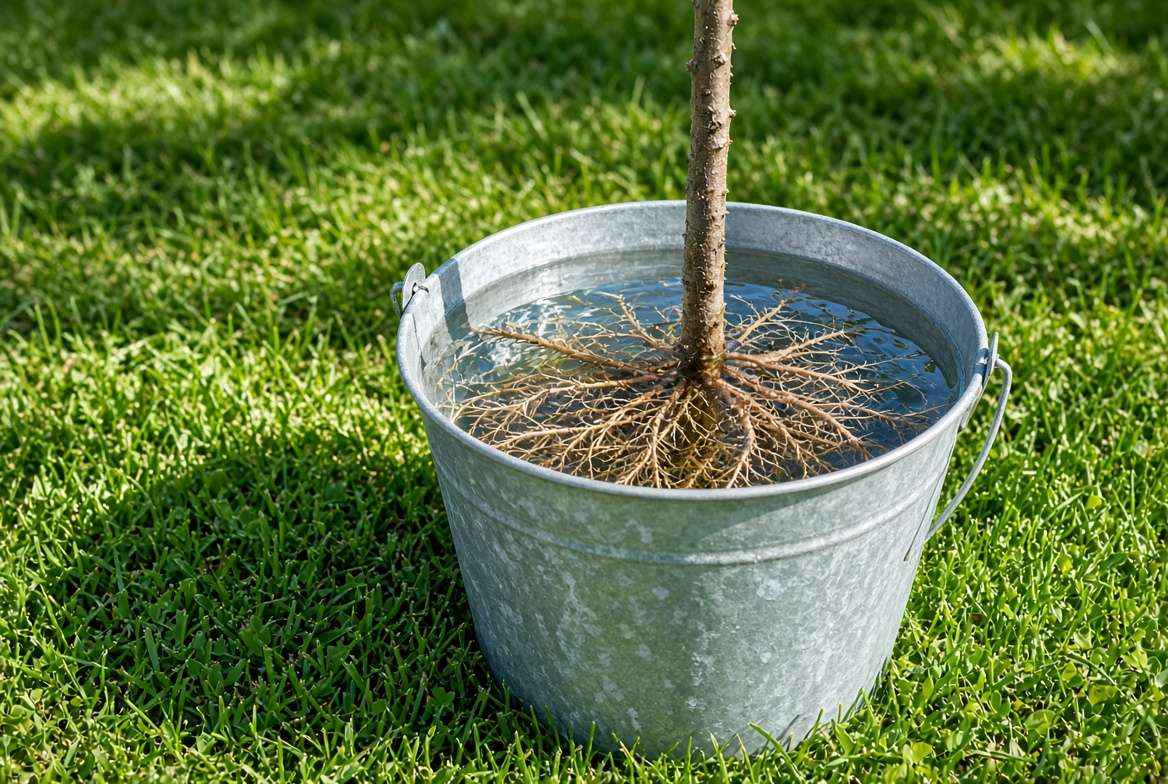
When your bare root tree arrives, its roots will be packed in damp sawdust, shredded paper, or peat moss to keep them barely hydrated during transit. Before they touch the soil, they need a major drink.
-
The Rule: Submerge the entire root system in a bucket of clean water for 12 to 24 hours (but no longer, or they will suffocate). This plumps up the desiccated tissue, signals the vascular system that spring has arrived, and gives the tree a massive head start on establishing feeder roots.
Positioning the Graft Union ⚠️
The single most devastating mistake home gardeners make is planting their trees too deeply. If you look closely at the lower trunk of your tree, you will see a swollen, scarred “dog leg” bump. This is the graft union, where the scion was fused to the rootstock.
-
The Warning: The graft union must remain 2 to 3 inches above the final soil line. If you bury the graft union, the scion wood above it will detect the dark, moist soil and send out its own aggressive roots. Once the scion roots establish themselves, they completely bypass the rootstock. Your carefully chosen dwarfing tree will suddenly transform into a massive, 30-foot giant, nullifying all the benefits of your rootstock selection.
Staking and First-Year Pruning ✂️
Root architecture dictates structural stability.
-
Staking Requirements: Highly dwarfing rootstocks (like M.9 for apples or Gisela 5 for cherries) achieve their small stature because their root systems are naturally brittle and inefficient. They do not grow deep anchor roots. These trees require a permanent heavy-duty stake or wire trellis for their entire lives, otherwise, they will blow over in a strong storm once loaded with heavy fruit.
-
The Scaffold Cut: It feels painful, but when you plant a bare root whip, you must execute a “heading cut” by snipping off the top of the tree just above a healthy bud, usually at knee to waist height (around 28-36 inches from the ground). This forces the tree to push energy into establishing its roots and developing low, strong lateral branches that you can easily reach.
Frequently Asked Questions (FAQs) 💬
Can you plant a fruit tree bare root rootstock in the fall, or only in spring? 🍂
In USDA Hardiness Zones 7 and above (where winters are mild and the ground does not freeze solid), late fall or early winter planting is highly recommended. It allows the roots to establish all winter long. In Zones 6 and below, bare root trees should be planted in early spring, as soon as the soil is workable but before the tree breaks dormancy.
Do I need to buy two trees with the same rootstock for pollination? 🐝
No. Pollination is entirely dependent on the scion (the top fruit variety), not the rootstock. For example, if you need a Fuji apple to pollinate a Gala apple, they simply need to have overlapping spring bloom times. One could be on a dwarf M.27 rootstock and the other on a vigorous MM.111 rootstock; the bees do not care what is happening underground as long as the flowers are open simultaneously.
How long does a bare root tree take to produce fruit compared to a potted tree? ⏱️
Ironically, bare root trees often overtake potted trees in growth and fruit production within 2 to 3 years. Because a potted tree often suffers from transplant shock and girdled roots, it spends years trying to fix its root architecture. A well-selected bare root tree on a precocious dwarfing rootstock will rapidly establish a healthy, sprawling root network in the native soil and can begin bearing small crops in its second or third leaf (year).
What happens if the rootstock sends up its own branches (suckers)? 🚫
Occasionally, a rootstock will try to reproduce itself by sending up fast-growing shoots from the base of the trunk or out of the soil nearby. These are called suckers. Because the rootstock is a different genetic variety (often a crabapple or a wild, bitter plum), any fruit produced by these suckers will be inedible. More importantly, suckers act like parasites, aggressively stealing water and nutrients from your grafted fruit variety. You must prune them off flush with the trunk or pull them out at the root level the moment you see them.
Selecting the right foundation dictates the lifespan, yield, and overall resilience of your backyard orchard. By taking the time to match your unique soil conditions, space limitations, and regional climate to the exact specifications of the rootstock, you completely remove the guesswork from fruit growing. Instead of fighting nature, you partner with it, setting your trees up for decades of heavy, delicious harvests and effortless horticultural success. 🌳🍎