
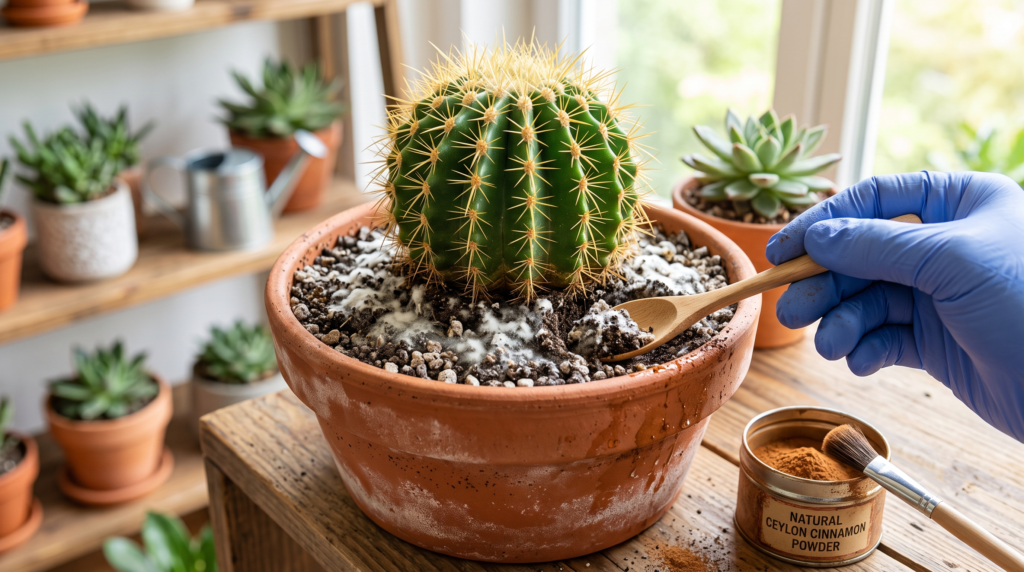
It is a moment every indoor plant enthusiast dreads. You walk over to check on your beloved prickly pear, saguaro, or prized succulent, eager to see if it has pushed out any new growth. But instead of healthy green skin and dry dirt, you are greeted by a terrifying sight: a layer of fuzzy white mold, strange yellow mushrooms, or a gray crust taking over the topsoil. Panic sets in. Is your plant doomed? 😱
Take a deep breath. Finding fungal infections in cactus soil is a massive red flag, but it is rarely a death sentence if you act quickly. This fungal growth is simply nature’s way of telling you that your plant’s environment is dangerously out of balance. Cacti are desert dwellers, built to thrive in harsh, bone-dry conditions. When soil stays wet for too long, opportunistic spores move in.
In this comprehensive guide, we will break down exactly how to identify soil mold, why it happens, and how to safely eradicate it. More importantly, we will share expert-backed prevention strategies and the ultimate anti-fungal soil recipe so you never have to deal with fuzzy soil invaders again. Let’s save your plant! 🌵✨
What Do Fungal Infections in Cactus Soil Look Like? 🍄
Before we start treating the problem, we need to correctly identify the enemy. Not all soil anomalies are fungi, and misdiagnosing the issue can lead to improper care. Soil mold and fungus can manifest in several different ways, depending on the specific spores present in your home or potting mix.
Common Visual Signs of Soil Fungus
-
White Fuzz (Mycelium): This is by far the most common type of fungal infection you will see. It often looks like spun cotton candy, a delicate spiderweb, or powdered sugar sprinkled directly on the surface of the soil. It tends to cluster around the base of the cactus or near the edges of the pot.
-
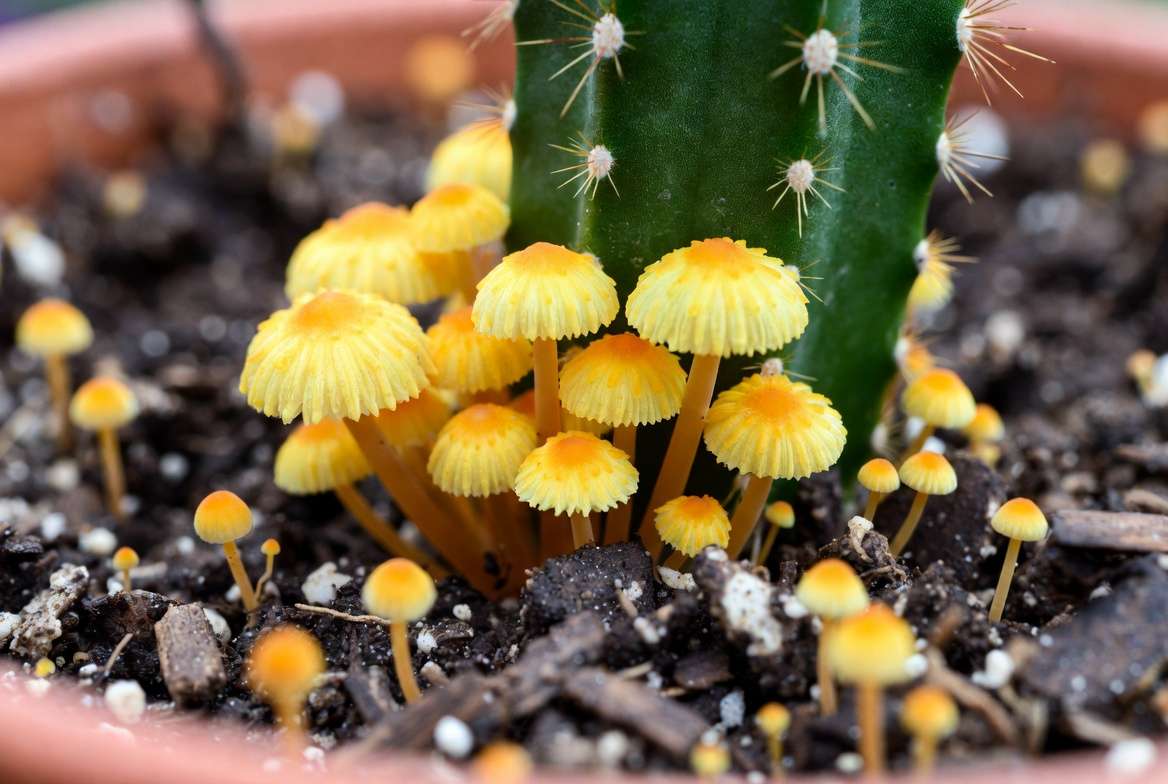
Yellow Mushrooms (Leucocoprinus birnbaumii): Don’t be surprised if bright yellow, fragile little mushrooms suddenly sprout in your cactus pot! This specific fungus is incredibly common in commercial potting soils and thrives in warm, humid, and overly wet conditions.
-
Musty, Swampy Odors: Healthy cactus dirt should smell like, well, dry earth. If you lean in close and detect a damp, swampy, or rotting wood smell, you have an active fungal colony breaking down organic matter beneath the surface.
-
Hard, Crusty Patches: Sometimes fungus presents as a grayish, dense crust on top of the soil. However, note that a white crust can also just be harmless mineral buildup (calcium and magnesium) from using hard tap water. Fungus usually feels soft and powdery, while mineral buildup is hard and brittle.
Soil Mold vs. Cactus Root Rot: Knowing the Difference
The biggest fear plant parents have is confusing harmless surface mold with fatal root rot. While they are both caused by excess moisture, they require completely different levels of intervention. Here is how to tell them apart:
| Feature | Soil Fungus / Surface Mold 🦠 | Cactus Root Rot 🥀 |
| Location | Only on the surface of the soil or creeping up the sides of a damp terracotta pot. | Below the soil line, aggressively attacking the root system and base of the stem. |
| Plant Appearance | The cactus looks firm, plump, green, and completely healthy. | The cactus is mushy to the touch, turning yellow or black, leaning over, or shriveling. |
| Urgency Level | Moderate: You need to correct the environmental conditions before rot sets in. | Critical: Requires immediate surgical intervention (cutting away rotted tissue) to save the plant. |
Why is Fungus Growing in Your Cactus Pot? 🌧️
Fungal spores are microscopic and literally everywhere—floating in the air of your home, resting on your clothes, and dormant in bags of potting soil. They only activate and grow into visible colonies when the environmental conditions are perfectly tailored to their needs. If you have fungal infections in cactus soil, one (or all) of the following factors is to blame.
-
Overwatering (The #1 Culprit): Cacti naturally live in arid, desert environments. Their root systems are designed to gulp up infrequent rainfalls and then dry out completely. If you are watering your cactus on a strict weekly schedule without checking if the soil is dry, you are creating a swamp. Fungus cannot survive without sustained moisture.
-
Poor Drainage: If your cactus is planted in a cute ceramic mug or a decorative pot without drainage holes at the bottom, the water has nowhere to go. It pools at the bottom of the pot, keeping the soil perpetually damp and turning it into a fungal breeding ground.
-
Lack of Airflow: Outdoors, wind breezes help evaporate moisture from the topsoil. Indoors, stagnant air prevents the soil from drying out efficiently. If your cactus is tucked away in a humid, still corner of the room, mold is highly likely to develop.
-
Highly Organic, Contaminated Potting Mix: Many commercial “cactus soils” found at big box stores are actually terrible for desert plants. They are packed with peat moss, coconut coir, and composted bark. These organic materials hold onto water like a sponge. Worse, saprophytic fungi feed specifically on this decaying organic matter.

Are Fungal Infections Dangerous to Your Cactus? 🩺
Here is the good news: the white fuzz or yellow mushrooms you see are almost certainly saprophytic fungi. Saprophytes are organisms that feed exclusively on dead and decaying organic matter. They are munching on the wood chips and peat moss in your soil, not the living tissue of your healthy cactus. Directly, this mold will not kill your plant.
Here is the bad news: the presence of surface mold is a blaring siren warning you that your soil is way too wet. While the mold itself is harmless to the plant, the soggy environment allowing the mold to thrive is highly toxic to cactus roots. If you ignore the mold, cactus root rot is practically guaranteed to follow. Root rot is a pathogenic disease that will melt your cactus from the inside out.
Therefore, you must treat the fungal infection not just to make the pot look pretty again, but to correct the deadly environment before your plant suffers irreversible damage.
Step-by-Step Guide: How to Treat Fungal Infections in Cactus Soil 🛠️
Ready to evict the fuzzy invaders? Follow these expert steps to clean up your soil and restore a healthy balance to your plant’s ecosystem. (Pro Tip: If you have a mold allergy or asthma, you may want to wear a mask and gloves during this process to avoid inhaling spores!) 😷
Step 1: Assess and Isolate 🕵️♀️
As soon as you spot mold, immediately move the affected cactus away from your other indoor plants. Fungal spores can easily travel on air currents generated by fans, air conditioners, or open windows. Isolating the plant ensures the infection doesn’t spread to your entire succulent collection.
Step 2: The “Scrape and Aerate” Method (For Minor Mold)
If you caught the mold early and it is only a light dusting on the top layer of the dirt, you do not need to repot the entire plant.
-
Take a sterile spoon and gently scrape off the top 1 to 2 inches of the infected soil. Throw this contaminated dirt straight into the outdoor trash.
-
Take a wooden chopstick and gently poke a few holes deep into the remaining soil to aerate the root zone and encourage oxygen flow.
-
Replace the missing soil with a sterile, inorganic top dressing. Pumice, gravel, or coarse horticultural sand are excellent choices because they dry rapidly and provide no organic food for fungi to consume.
Step 3: Complete Soil Replacement (For Severe Infections)
If the mold is thick, smells terrible, or yellow mushrooms have completely colonized the pot, a full soil intervention is required.
-
Gently unpot your cactus (use thick gardening gloves or wrap the cactus in a towel to protect your hands from spines).
-
Massage the root ball to knock away as much of the contaminated, soggy soil as possible. If the roots are white or tan and firm, you are safe! If they are black and mushy, you will need to trim them away with sterile scissors.
-
Wash the original pot thoroughly with hot soapy water, followed by a wipe-down with a 10% bleach solution or white vinegar to kill any lingering spores clinging to the sides.
-
Repot the cactus using a completely fresh, dry, fast-draining soil mix (see our recipe below!).

Step 4: Safe, Natural Antifungal Treatments 🌿
To ensure the mold doesn’t bounce back, you can use these safe, household treatments to naturally suppress fungal growth:
-
Cinnamon Powder: Ceylon cinnamon is a fantastic, natural fungicide. Simply sprinkle a light layer of ground cinnamon directly over the surface of the topsoil. It attacks the spores and smells great!
-
Neem Oil Soil Drench: If you are dealing with a stubborn infection, mix 1 teaspoon of pure, cold-pressed Neem oil and 1/2 teaspoon of mild dish soap into a quart of warm water. Use this mixture the next time the plant is ready to be watered. It will safely eliminate spores without burning the roots.
-
Hydrogen Peroxide Mix: Hydrogen peroxide is highly effective at killing fungus and oxygenating soggy soil. Mix 1 part 3% hydrogen peroxide with 3 parts water. Spray it onto the topsoil or pour a small amount over the surface. You will hear it fizzing as it destroys the mold cells!
The Perfect Anti-Fungal Cactus Soil Recipe 🪨
The easiest way to permanently defeat fungal infections in cactus soil is to upgrade your potting mix. As mentioned, most commercial cactus soils retain too much moisture. By mixing your own, you can create a fast-draining, inorganic substrate that starves fungus of both water and food.
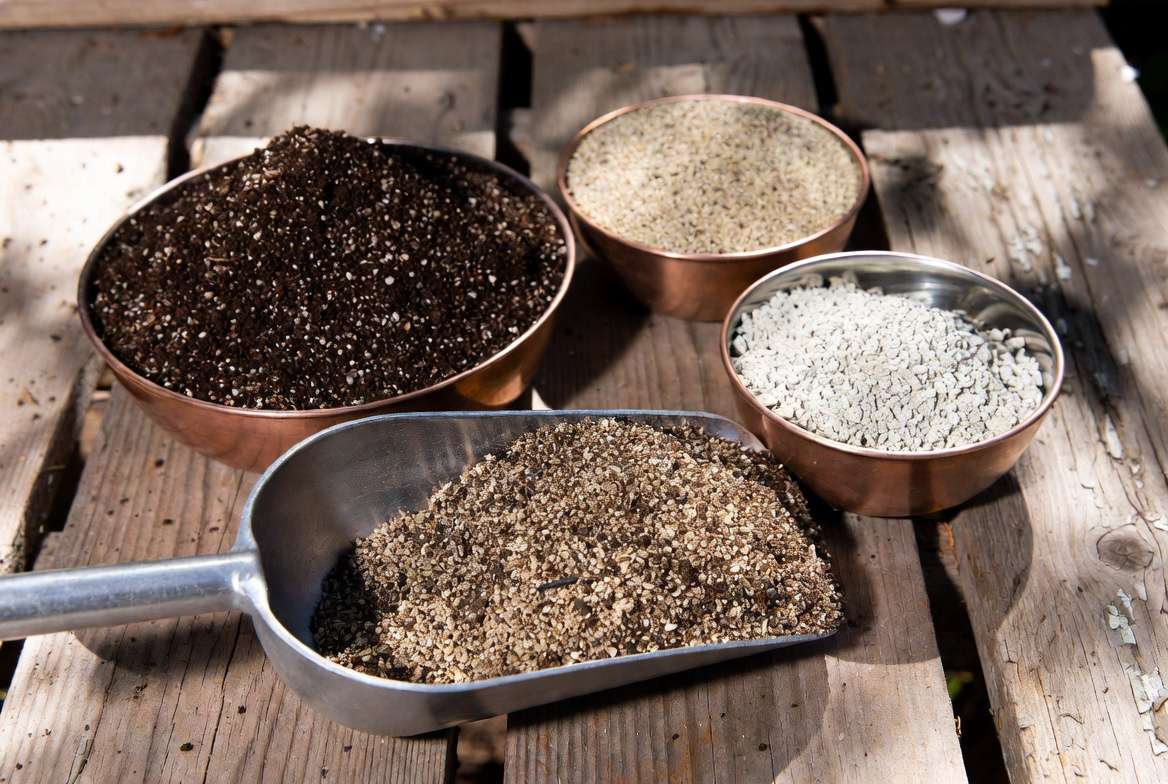
The Expert DIY Cactus Mix:
-
1 Part High-Quality Organic Potting Soil: (This provides just enough nutrients for the plant).
-
1 Part Coarse Horticultural Sand or Poultry Grit: (This improves drainage and prevents soil compaction).
-
1 Part Pumice or Perlite: (These porous volcanic rocks create massive air pockets in the soil, ensuring rapid evaporation).
Long-Term Prevention: Keeping Your Cactus Fungus-Free ☀️
Treating the mold is only half the battle; maintaining a fungus-free environment is where true plant mastery comes in. Follow these golden rules of cactus care to keep your prickly friends happy and your soil perfectly dry.
-
Mastering the “Soak and Dry” Method: Never water a cactus on a calendar schedule (e.g., “every Sunday”). Instead, water only when the soil is 100% bone-dry all the way to the bottom of the pot. When it is time, soak the soil thoroughly until water runs out the drainage hole, then leave it entirely alone until it is completely dry again.
-
Embrace Bottom Watering: Bottom watering is a game-changer for fungal prevention. Place your cactus pot (which must have drainage holes) into a basin filled with a few inches of water. Let the soil wick the moisture up from the bottom for 20-30 minutes. This method allows the roots to drink while leaving the top inch of topsoil completely dry, making it physically impossible for surface mold to grow.
-
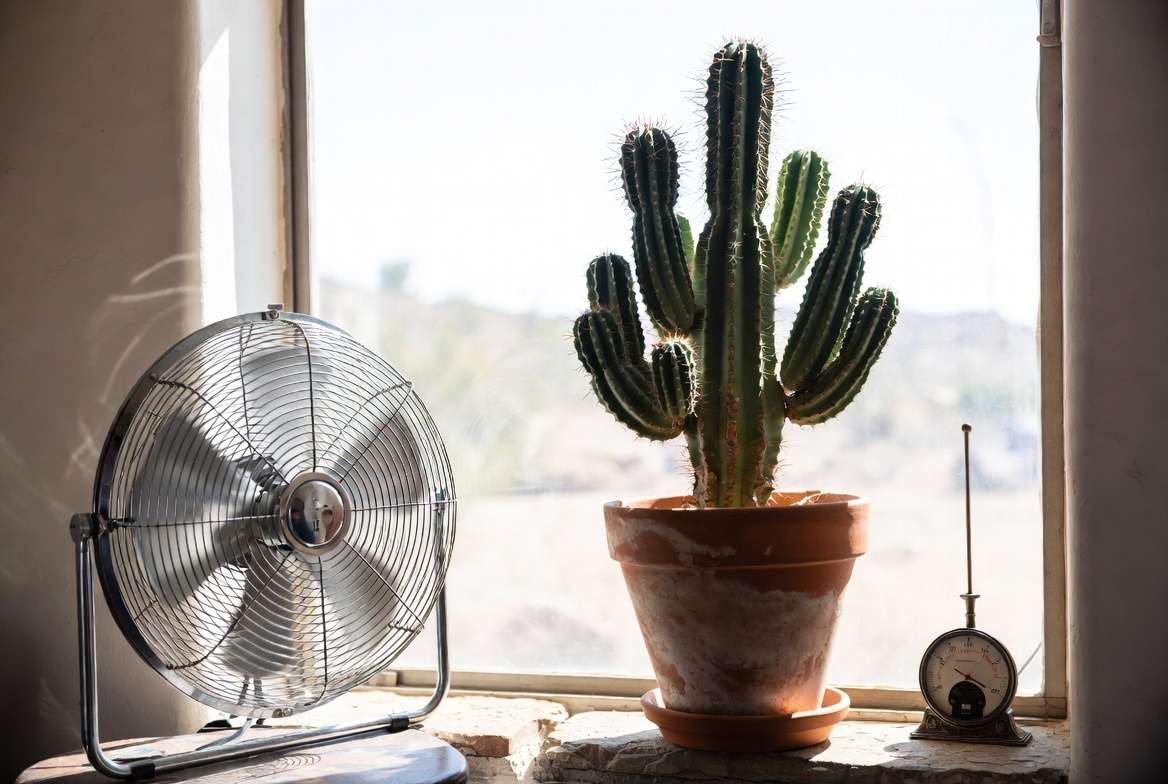
Maximize Light and Air Circulation: Fungi hate the sun and wind. Ensure your cactus is sitting in the brightest, sunniest window available (South or West facing is ideal). To mimic the breezy desert, consider running a small ceiling fan or oscillating room fan nearby. Moving air pulls moisture out of the topsoil rapidly, stopping spores in their tracks.
-
Always Use Pots with Drainage: Never plant a cactus in a vessel without a hole in the bottom. Terracotta pots are the absolute best choice for desert plants; the porous clay breathes, pulling excess moisture out of the soil and evaporating it into the air.
Frequently Asked Questions (FAQs) ❓
Can I just ignore white mold on my cactus soil?
No. While the white mold won’t eat your living cactus, it is a glaring indicator that the soil is retaining too much moisture. If left ignored, that moisture will inevitably lead to deadly root rot. Treat the mold as a helpful early warning system!
Will baking soda kill fungus in plant soil?
Technically, yes. A light dusting of baking soda can alter the pH of the soil surface and inhibit fungal growth. However, experts do not recommend this for potted plants. Baking soda contains high levels of sodium, which can accumulate in the confined space of a pot and cause severe root burn to your cactus. Stick to cinnamon or hydrogen peroxide instead.
Can I save my cactus if the mold has spread to the plant itself?
If you see mushy, moldy, or black patches on the actual green stem of the cactus, you are no longer dealing with soil mold; you are dealing with stem rot. This is critical. You must immediately unpot the plant, use a sterilized knife to cut away all the rotting tissue until only healthy green flesh remains, let the wound callous over for a week in a dry place, and then attempt to reroot the healthy cutting in dry pumice.
Conclusion 🌵💚
Discovering fungal infections in cactus soil can be a stressful experience, but it also serves as an invaluable learning opportunity for plant parents. Remember, the fuzzy mold or yellow mushrooms are just a symptom of a larger environmental issue: too much water and not enough airflow.
By taking swift action—scraping away the mold, improving your soil drainage, upgrading to terracotta pots, and mastering the “soak and dry” watering method—you will easily banish the fungus for good. Your soil will stay crisp and clean, and your cactus will thank you by living a long, healthy, and rot-free life.
Have you ever battled the dreaded yellow mushrooms or white fuzz in your succulent pots? You have the knowledge now to defeat it entirely! Happy planting! ☀️🏜️











