
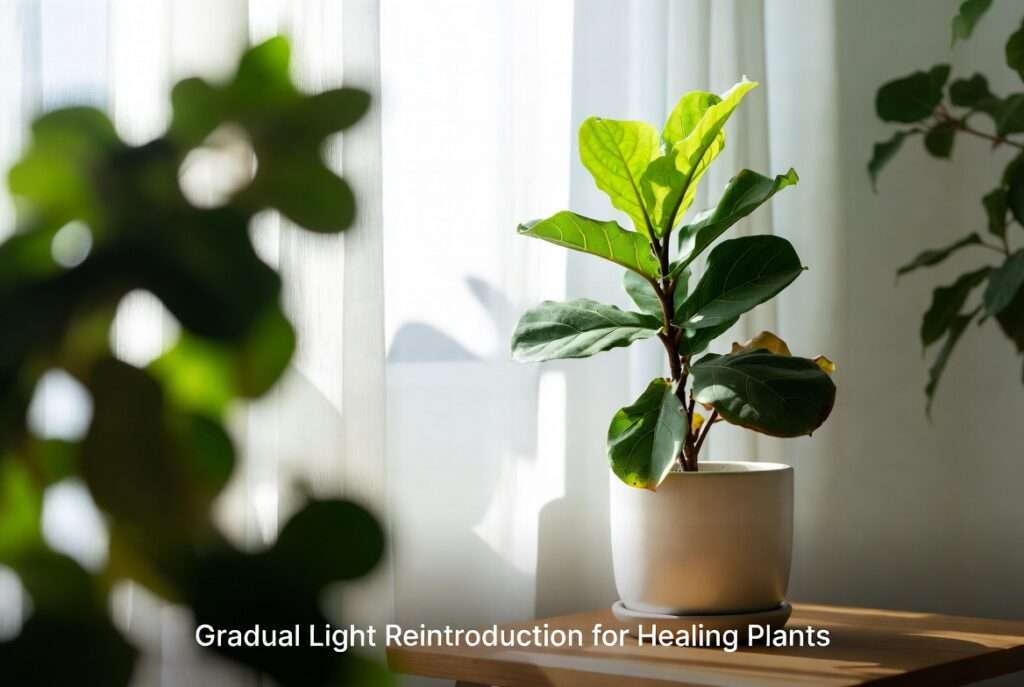
Imagine this: Your once-vibrant Monstera or beloved Fiddle Leaf Fig has just survived a rough patch — maybe transplant shock, a bout with pests, recovery from winter dormancy in low light, or even mild sunburn. The new growth is timid, the leaves look a bit pale, and you’re eager to move it into brighter spots so it can thrive again. But one wrong move with sudden strong light, and those delicate recovering leaves scorch, wilt, or drop, setting your plant back weeks or months. 💔
Gradual light reintroduction for healing plants is the gentle, science-backed process that prevents this heartbreak and helps your green friends bounce back stronger. As a plant care enthusiast with years of hands-on experience helping hundreds of stressed houseplants, garden transplants, and even young trees recover, I’ve seen firsthand how patience and a structured approach turn “sad” plants into lush, healthy beauties.
In this comprehensive guide, you’ll discover exactly why healing plants are extra sensitive to light changes, the clear signs your plant is ready (or needs more time), a customizable 7–21 day step-by-step protocol, plant-specific tips, supporting care strategies, troubleshooting advice, and expert insights to make the process foolproof. Whether you’re dealing with indoor tropicals, succulents, ferns, or outdoor garden plants, this method minimizes stress, supports photosynthetic recovery, and promotes vibrant new growth. Let’s give your healing plant the safe, successful comeback it deserves! 🪴💚
Why Healing Plants Need Gradual Light Reintroduction 🌞🔬
Healing plants — those recovering from transplant shock, pest damage, disease, neglect, overwintering in dark corners, or previous light stress — have compromised systems. Their roots may still be re-establishing, chlorophyll levels can be low, and their photosynthetic machinery is working overtime to repair damage. Suddenly exposing them to bright direct sunlight overwhelms these delicate processes, leading to photo-oxidative stress and visible damage.
Understanding Plant Stress and Light Sensitivity Common triggers include:
- Transplant shock: Roots are disturbed, reducing water and nutrient uptake while leaves still expect previous light levels.
- Pest or disease recovery: Foliage is weakened, with fewer healthy cells for photosynthesis.
- Overwintering or low-light storage: Plants produce “shade leaves” with larger light-harvesting antennae but thinner cuticles, making them vulnerable to intense light.
- Sunburn reversal or nursery transition: Previous damage means the plant needs time to rebuild protective pigments and structures.
Rushing light exposure in these cases often causes more harm than good.
The Science Behind Light Acclimation Plants acclimate to light through photosynthetic acclimation — a complex process involving adjustments in chlorophyll content, photosystem II (PSII) efficiency, non-photochemical quenching (NPQ) to dissipate excess energy as heat, and changes in leaf thickness and anatomy over days to weeks.
When light intensity jumps too quickly, excess energy generates reactive oxygen species (ROS) that damage chloroplasts and proteins. Gradual reintroduction allows the plant to upregulate protective mechanisms, optimize electron transport, and develop sun-adapted leaves with higher photosynthetic capacity. Studies on light stress show that slow changes enable better gene expression for acclimation, preventing long-term setbacks.
Risks of Rushing Light Exposure
- Leaf scorch (brown crispy patches)
- Wilting or curling despite moist soil
- Excessive leaf drop
- Stalled or leggy new growth
- In severe cases, root stress or plant decline
A simple comparison: Sudden light is like sending a recovering athlete straight into a marathon — exhaustion and injury are likely. Gradual light reintroduction is the smart training program that builds strength safely. 🌿
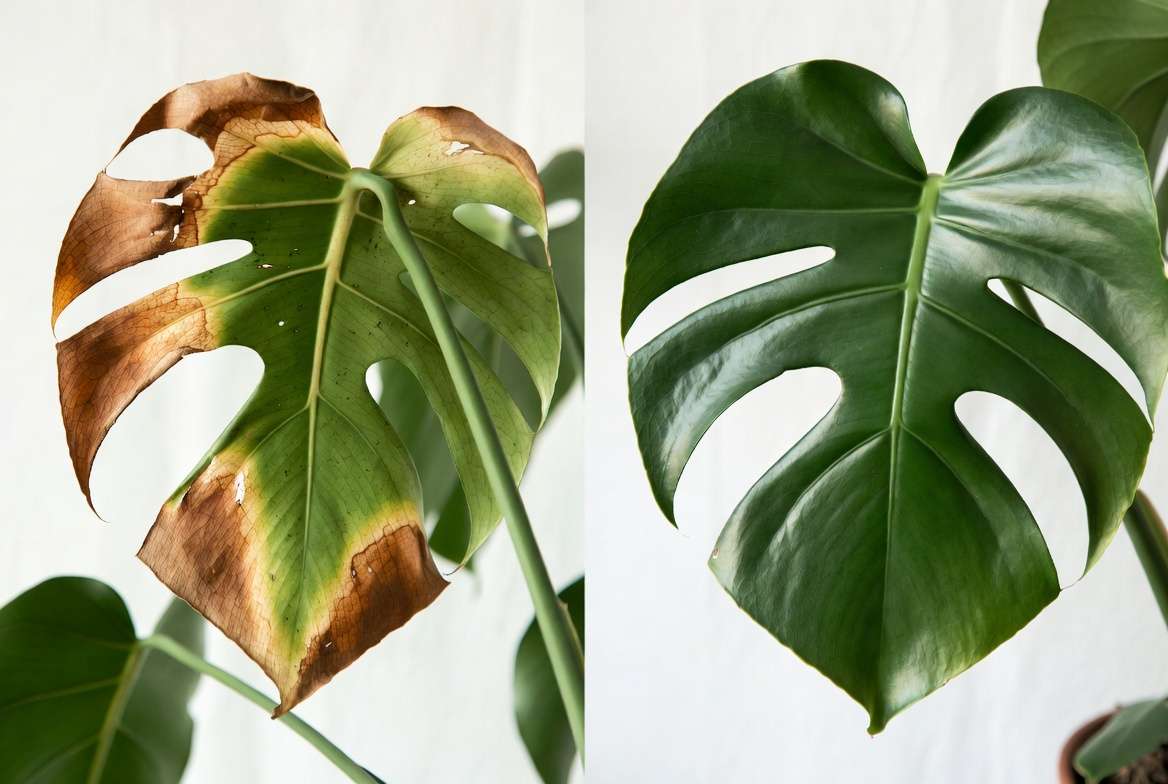
(Suggested image: Side-by-side comparison — “Sudden Light Damage vs. Gradual Acclimation Success” with a scorched leaf next to a healthy recovering plant. Alt text: “Example of plant sunburn versus successful gradual light reintroduction for healing plants”)
Signs Your Plant Is Ready (or Not Ready) for Light Reintroduction ✅⚠️
Before starting any light ramp-up, assess your plant’s recovery status. Jumping in too early can undo progress.
Positive Recovery Signs 🌱
- New leaf or shoot growth emerging (even small and pale at first)
- Leaves feeling firm with good turgor (not soft or floppy)
- Stable response to watering — soil dries at a normal rate without prolonged wilting
- Healthy root tips visible if you’ve recently checked or repotted (white or light-colored, not mushy/black)
- Overall plant posture improving over the past 7–14 days
Warning Signs to Wait Longer ⚠️
- Heavy or continued leaf drop
- Severe wilting that doesn’t recover overnight
- Soft, blackened, or smelly roots (indicating rot)
- Active pest infestation or disease spots spreading
- Very pale or translucent new growth with no chlorophyll development
Quick Readiness Checklist Table:
| Indicator | Ready (Go Ahead) | Not Ready (Wait) |
|---|---|---|
| New Growth | Emerging steadily | None or very weak |
| Leaf Firmness | Turgid and upright | Soft, drooping |
| Water Response | Recovers quickly | Wilts fast after watering |
| Roots (if checked) | Firm, light-colored | Mushy, dark, or rotten |
| Overall Vigor | Improving daily | Declining or stagnant |
If most checks are positive, you’re good to begin. Otherwise, focus first on stabilizing humidity, temperature (ideally 65–75°F / 18–24°C), and consistent moisture.
Step-by-Step Guide to Gradual Light Reintroduction ⏳🛠️
This is the heart of the process — a flexible 7–21 day protocol (extendable for very stressed plants). Always monitor daily and adjust based on your plant’s response. Use a light meter app or simple observation: bright indirect light feels comfortable to read by without glare.
Preparation Before Starting 🛠️
- Choose a stable location (east-facing window ideal for gentle morning light; avoid harsh south/west initially).
- Gather tools: sheer curtains, movable plant stand, timer for consistency, optional grow light for controlled supplemental lighting.
- Measure baseline: Note current light levels and plant condition (take photos!).
- Ensure supporting care is in place (more on this later).
The 7–21 Day Gradual Protocol Days 1–3: Low Indirect / Filtered Light Only Place your healing plant in a north-facing spot or behind sheer curtains in an east window. Aim for 100–300 foot-candles or very bright shade. Keep exposure consistent for 12–14 hours. This allows the plant to stabilize without shock. Water when the top inch of soil feels dry, and maintain 60–70% humidity if possible. Expected response: Minimal stress, possible slight perking up. 🪴
Days 4–7: Transition to Bright Indirect Light Move to a brighter east or diffused south window. Increase intensity gradually — filtered morning sun for short periods if tolerated. Duration: Start with 4–6 hours of brighter conditions. Watch for any yellowing or curling; if seen, move back slightly. Many plants show early signs of happier photosynthesis here, like deeper green tones.

Days 8–14: Introduce Short Periods of Gentle Direct Light Add 30–60 minutes of gentle direct morning sun (before 10 AM). Increase by 15–30 minutes every 1–2 days if no stress appears. Rotate the plant regularly for even exposure. This phase builds tolerance and encourages stronger new growth. For sensitive species, use a shade cloth (30–50% reduction) during peak hours.
Days 15+: Reach Target Light Conditions Once the plant handles the above confidently, move toward its ideal light (bright indirect for most tropicals, or more direct for succulents). Continue monitoring for 1–2 weeks. Full acclimation can take 3–4 weeks total for severely healing plants.
Variations for Different Scenarios
- Post-transplant shock: Extend each phase by 3–5 days; prioritize root recovery first.
- Overwintered/dark-stored plants: Start extra slow — they have shade-adapted leaves that burn easily.
- Sunburned plants: Keep in very filtered light longer; damaged tissue won’t “heal” but new growth will be stronger.
- Seedlings or propagated cuttings: Even gentler ramp-up over 3–4 weeks.
Daily & Weekly Monitoring Checkpoints 📊
- Morning inspection: Leaf color, droop, or spots?
- Evening check: Any wilting from the day’s exposure?
- Weekly: Measure new growth length, note soil moisture patterns.
- Adjustment rule: Any sign of stress (scorch, drop) → immediately reduce light by one phase and hold for 3–5 days.
Here’s a sample Timeline Table for a typical tropical houseplant:
| Phase | Days | Light Type & Duration | Expected Response | Actions if Stress Appears |
|---|---|---|---|---|
| Phase 1 | 1–3 | Low indirect (north window) | Stabilization, minimal change | Maintain current spot |
| Phase 2 | 4–7 | Bright indirect, 12+ hours | Greener tones, firmer leaves | Add sheer curtain |
| Phase 3 | 8–14 | +30–90 min gentle direct morning | New growth emerging stronger | Reduce direct time, increase humidity |
| Phase 4 | 15+ | Target conditions for species | Vigorous growth, robust foliage | Fine-tune rotation |
(Suggested image: Infographic timeline showing the 4 phases with plant icons progressing from pale to vibrant. Alt text: “Step-by-step gradual light reintroduction timeline for healing plants”)
Plant-Specific Considerations 🌿☀️
Not all plants acclimate the same way. Tailor the protocol to their natural preferences:
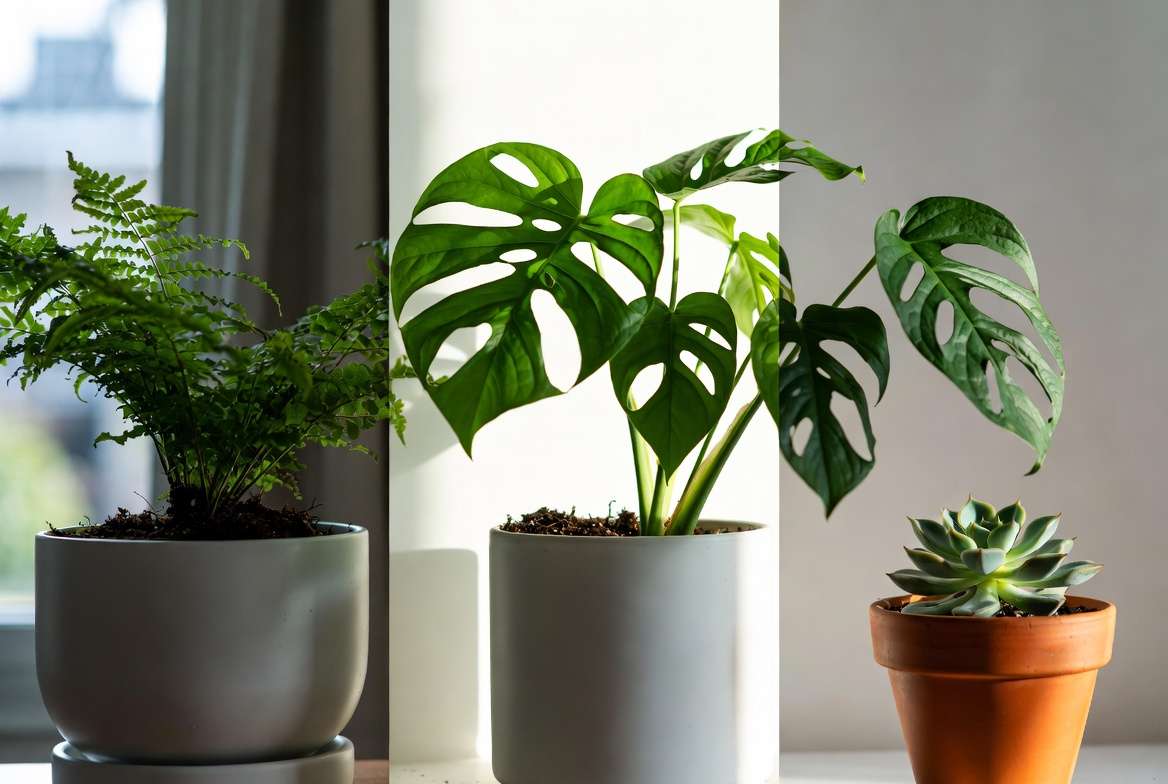
- Low-light lovers (Ferns, Peace Lily, Snake Plant, ZZ Plant): More forgiving. They tolerate slower ramp-ups and may stay happy in bright indirect long-term. Extend early phases if leaves are thin.
- Sun-loving or high-light plants (Succulents, Fiddle Leaf Fig, Monstera, Citrus, most outdoor garden plants): Need careful introduction to direct light but reward with compact growth and color once adapted. Fiddle leaf figs, for example, do best with bright indirect initially and gradual morning sun; sudden exposure often causes brown edges.
- Special cases:
- Post-transplant trees/shrubs: Use shade cloth outdoors and harden off over weeks.
- Tissue culture or fresh cuttings: Extremely delicate — start under grow lights at low intensity.
- Succulents vs. tropicals: Succulents can handle more direct light earlier but still risk etiolation if too slow.
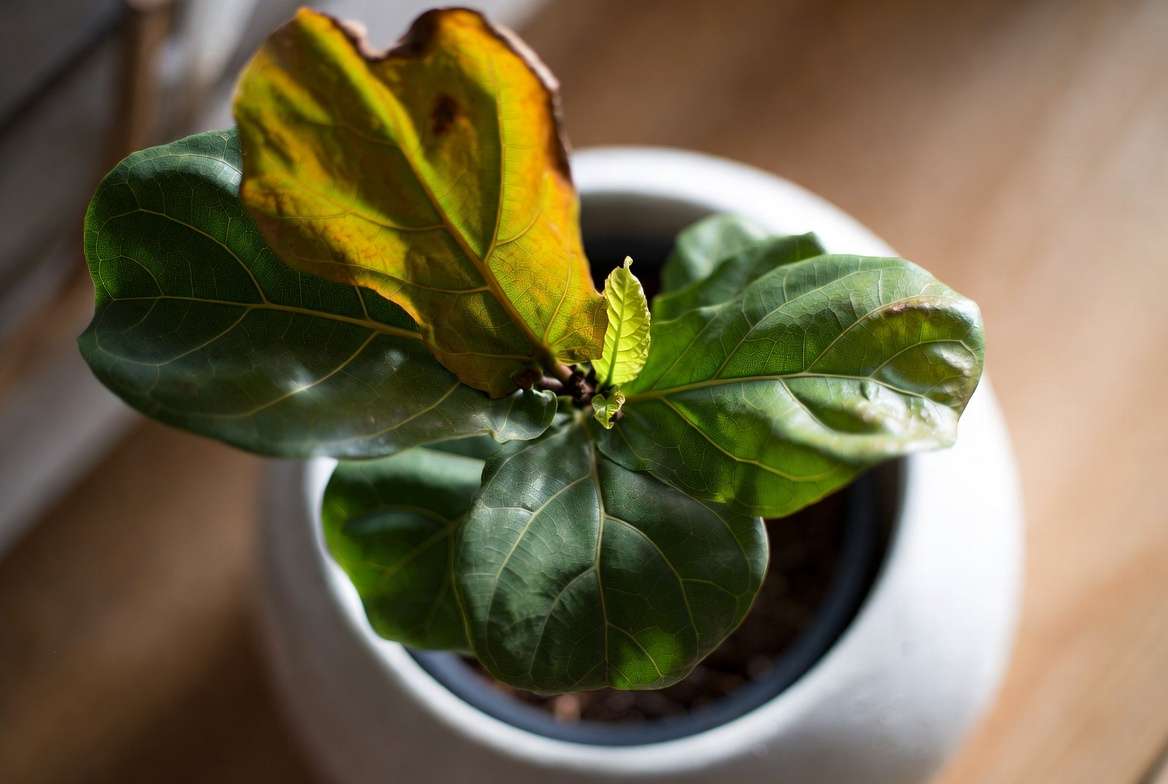
Real-world example: A recovering Fiddle Leaf Fig that spent winter in a dim corner showed leaf drop initially. Following this 18-day protocol with morning filtered light, it pushed out three strong new leaves within a month — no scorch!
Supporting Care During Light Reintroduction 💧
Light is only one piece. Balanced support accelerates safe recovery.
Watering, Humidity & Temperature Best Practices
- Water thoroughly but only when the top 1–2 inches of soil are dry (use finger test or moisture meter).
- Avoid overwatering — stressed roots are prone to rot.
- Maintain 50–70% humidity with a pebble tray, humidifier, or grouping plants.
- Keep temperatures steady (avoid drafts or heat vents).
Soil, Fertilizing & Pruning Use well-draining, aerated soil mixes. Hold off on fertilizer until new growth is consistent (usually after Phase 2), then use a diluted balanced or nitrogen-light formula every 2–4 weeks. Prune only dead or severely damaged leaves with clean shears to redirect energy.
Using Grow Lights as a Safe Bridge 🌟 If natural light is inconsistent, full-spectrum LED grow lights are excellent for controlled acclimation. Start at lower intensity (100–200 µmol/m²/s) and 12-hour cycles, gradually increasing distance or output. They’re particularly useful in winter or for precise management.
Common Mistakes to Avoid ❌
- Moving too fast between phases
- Placing in hot afternoon direct sun too soon
- Ignoring humidity (dry air worsens light stress)
- Over-fertilizing during weak recovery
Expert Tips & Advanced Techniques for Faster, Safer Recovery ✨
- Rotate plants every few days for even light distribution.
- Use temporary 30–50% shade cloth or sheer curtains as “training wheels.”
- Consider diluted seaweed extract or beneficial root microbes to support overall vigor during transition.
- For outdoor transitions, harden off in a shaded spot under a tree first.
- Long-term prevention: Match plants to their ideal light from the start and acclimate proactively during seasonal moves.
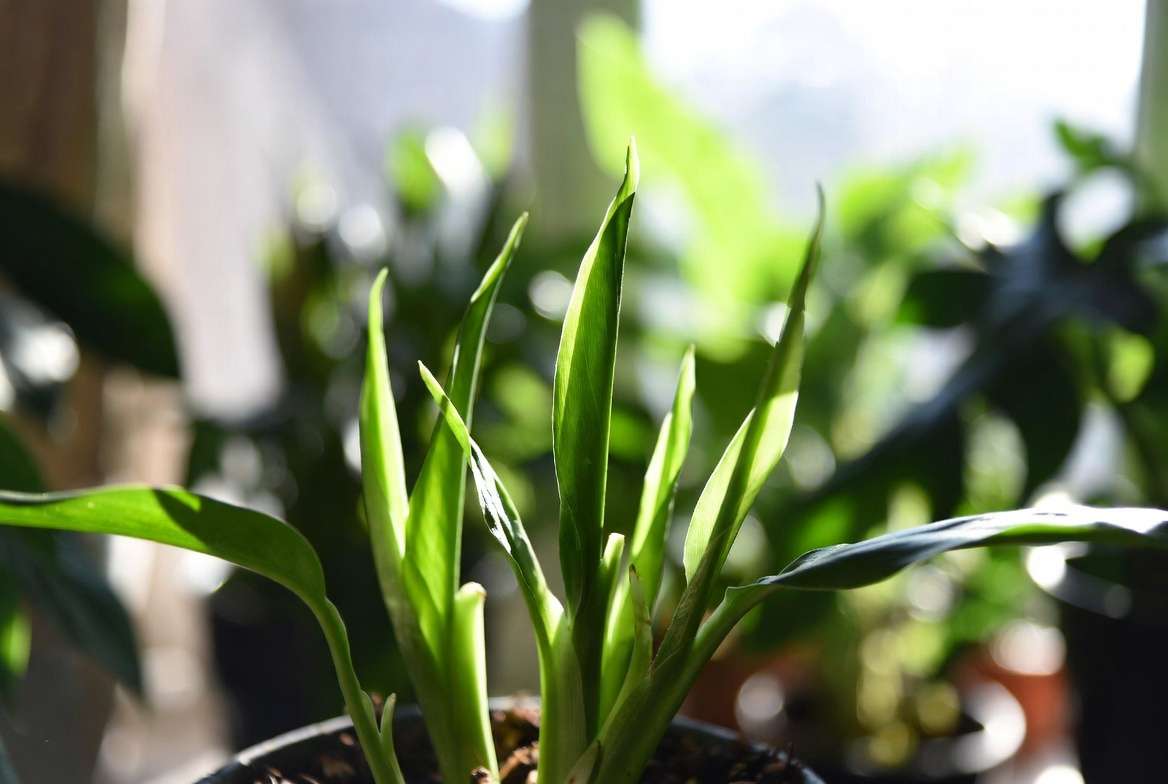
Pro insight: Consistency beats intensity. Small daily improvements compound into remarkable recovery.
Troubleshooting: What If Things Go Wrong? 🛠️
- Leaf scorch appears: Move to lower light immediately, increase humidity, and trim affected areas. New leaves should be healthier.
- Leggy or pale new growth: Increase light gradually — the plant is stretching for more.
- Wilting despite moisture: Check roots for rot or reduce light temporarily (high light increases transpiration).
- No progress after 3 weeks: Reassess basics (water, temp, pests) and consider repotting if roots are circling.
Most issues resolve with a step back and patience.
Frequently Asked Questions (FAQs)
How long does gradual light reintroduction take for healing plants? Typically 7–21 days, but very stressed plants may need 4–6 weeks. Always let your plant’s response guide the pace.
Can I use artificial grow lights for reintroduction? Yes! They offer precise control and are ideal when natural light fluctuates. Start low and ramp up intensity slowly.
What if my plant gets sunburned during the process? Don’t panic — trim damaged leaves, dial light back one phase, boost humidity and consistent care. The plant will produce better-adapted foliage next.
Is gradual light reintroduction different for succulents vs. tropicals? Yes. Succulents often tolerate more direct light earlier once stable, while tropicals like Monsteras and figs prefer longer bright indirect phases to avoid scorch.
How do I measure light levels at home without fancy tools? Observe: Bright indirect allows reading comfortably without squinting. Use free phone light meter apps for more accuracy (aim for 200–800+ foot-candles depending on phase and plant).
Conclusion
Gradual light reintroduction for healing plants isn’t just a technique — it’s an act of thoughtful care that respects your plant’s natural ability to adapt and recover. By following this step-by-step approach, providing consistent supporting care, and listening closely to your plant’s signals, you can transform stressed, recovering specimens into thriving, beautiful additions to your home or garden.
Patience truly pays off. Many plant parents report their “rescued” plants becoming even more resilient after proper acclimation. Your healing plant has already shown strength by surviving its challenges — now give it the gentle light transition it needs to shine again. 🌿💚
Share your own recovery stories or photos in the comments! For more expert plant care and tree care advice, explore our guides on transplant shock recovery, best soils for indoor plants, and seasonal care tips.











