
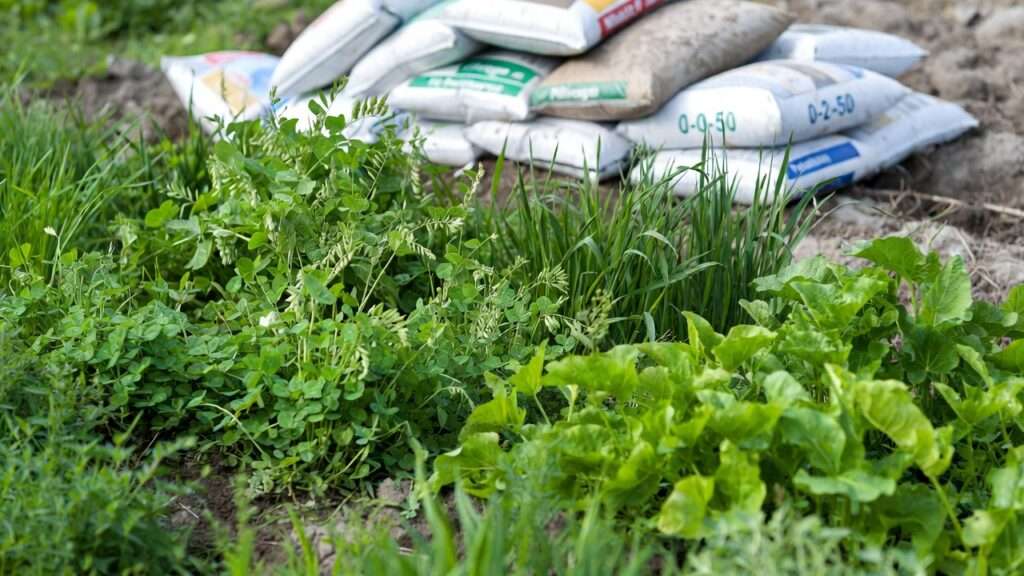
Have you ever poured on a bag of synthetic fertilizer, watched your plants perk up almost overnight, only to see the soil turn hard and cracked a season later? 😩 Or perhaps you’ve tried growing cover crops as green manure, hoping for that rich, dark earth everyone raves about, but wondered if it’s really worth the extra time and effort compared to the quick results from a chemical boost.
If you’re a home gardener tending to vegetables, flowers, or especially fruit trees and ornamentals, you’re not alone in this dilemma. The choice between green manure vs. synthetic fertilizers is one of the most common debates in plant care today. Many struggle with poor soil health, inconsistent plant growth, nutrient deficiencies in trees, or concerns about environmental impact and long-term sustainability.
In this in-depth guide, we’ll break it all down with evidence-based insights from soil science, real-world gardening experiences, and practical recommendations tailored to backyard gardens and tree care. By the end, you’ll have a clear path to healthier plants, thriving soil, and a strategy that fits your time, budget, and goals. Let’s uncover which approach truly builds the foundation your garden deserves! 🍃
What Is Green Manure? Understanding This Natural Soil Booster 🌿
Green manure is a simple yet powerful technique: you grow specific plants (cover crops) primarily to till or incorporate them back into the soil while they’re still green and full of life. This adds massive amounts of organic matter, improves soil biology, and naturally recycles nutrients.
Unlike regular compost or animal manure, green manure crops are grown right in your garden beds or around trees for the express purpose of “feeding” the soil ecosystem. Legumes such as clover, vetch, and peas partner with beneficial rhizobia bacteria in their roots to fix atmospheric nitrogen — converting it into plant-available forms. Non-legumes like rye or buckwheat excel at adding bulk organic matter, suppressing weeds, and preventing erosion.
Key benefits include:
- Building soil structure for better water retention and root penetration 🌧️
- Feeding soil microbes that break down nutrients and fight diseases
- Reducing erosion and nutrient leaching during off-seasons
In home gardens and tree care, green manure acts as a living mulch or understory crop, especially useful under fruit trees where bare soil can lead to compaction and poor water infiltration.
What Are Synthetic Fertilizers? The Quick-Fix Option ⚡
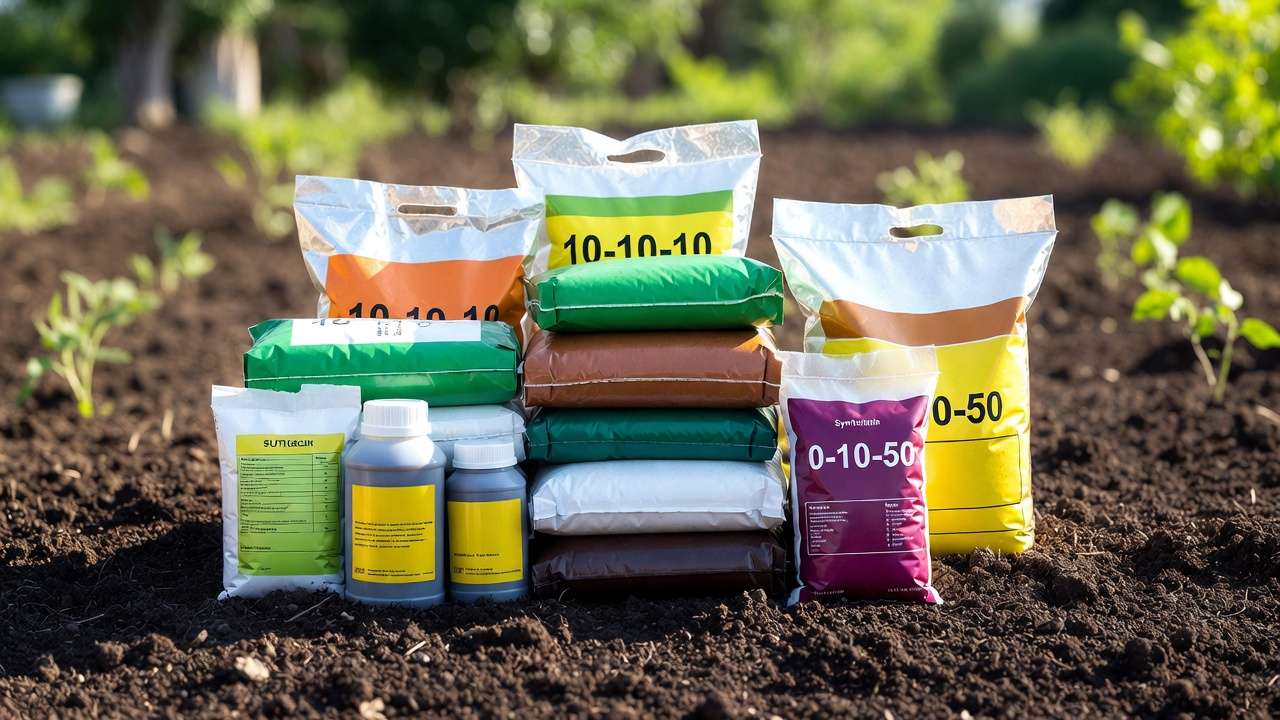
Synthetic fertilizers are lab-made products, typically delivering precise ratios of nitrogen (N), phosphorus (P), and potassium (K) — the famous NPK numbers on the bag. Common forms include granular urea, ammonium nitrate, liquid feeds, or slow-release spikes.
They work by dissolving quickly in water, making nutrients immediately available for plant roots to absorb. This is why you often see fast greening and vigorous growth after application — perfect for correcting visible deficiencies, boosting young trees, or pushing potted plants during peak season.
Many gardeners rely on them because results are predictable and fast, especially in nutrient-poor or compacted soils where plants need an immediate kickstart.
Head-to-Head Comparison: Green Manure vs. Synthetic Fertilizers 📊
To decide what’s best for your plants and soil, let’s compare them across the factors that matter most in home gardening and tree care.
Nutrient Delivery and Availability
Green manure releases nutrients slowly as plant material decomposes, powered by soil microbes. This provides a steady, balanced supply over weeks to months — ideal for long-term tree health and preventing nutrient burn. Legumes like hairy vetch or crimson clover can contribute 50–150 lbs of nitrogen per acre (roughly 1–3 lbs per 100 sq ft in home gardens), depending on biomass and conditions.
Synthetic fertilizers deliver nutrients instantly. A 10-10-10 granular might give plants a rapid N boost for quick leaf-out in spring, but excess can leach away before roots use it all.
Impact on Soil Health and Structure
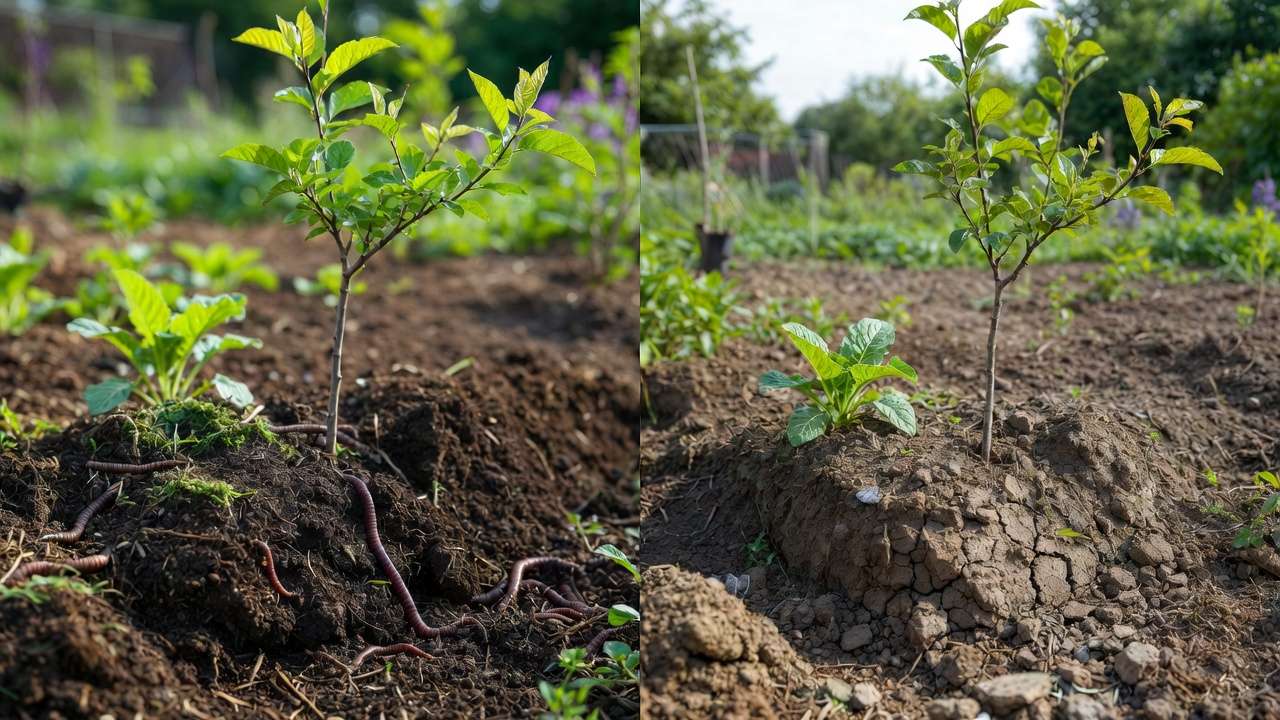
This is where green manure shines brightest. Incorporating cover crops increases organic matter dramatically — often by 0.5–2% per season with good management. This improves soil tilth, water-holding capacity (up to 20,000 gallons more per acre-inch of organic matter added), aeration, and microbial diversity. Over time, your soil becomes “alive,” with earthworms, fungi, and bacteria thriving, leading to better drought resistance and fewer diseases in plants and trees. 🌍
Synthetic fertilizers feed plants directly but do little for soil biology. Repeated use can reduce microbial activity, compact soil, and deplete organic matter, creating dependency on more applications each year. Long-term, this often leads to harder, less resilient soil.
Environmental and Sustainability Considerations ♻️
Green manure is a win for the planet: it sequesters carbon, reduces erosion, prevents nutrient runoff into waterways, and cuts reliance on fossil-fuel-intensive synthetic production (which emits significant greenhouse gases). Cover crops and green manures can lower nitrous oxide emissions and support pollinators with their flowers.
Synthetic fertilizers carry higher risks — nutrient leaching causes algal blooms and water pollution, while manufacturing contributes to CO₂ emissions. Overuse amplifies these issues, though careful, soil-tested application minimizes harm.
Cost, Convenience, and Long-Term Value 💰
Green manure seeds are inexpensive (often $10–30 for enough to cover a small garden or tree understory). The “cost” is mainly time for sowing, growth, and incorporation. But the payoff is huge: healthier soil means fewer fertilizer purchases over years and reduced water/irrigation needs.
Synthetics are cheap upfront and super convenient — no waiting for crops to grow. However, recurring costs add up, especially as soil degrades and you need more to achieve the same results.
Speed of Results and Plant Performance
For trees especially — think young fruit trees recovering from transplant shock or ornamentals showing yellow leaves from nitrogen deficiency — synthetic fertilizers often provide that visible turnaround in 1–2 weeks. Leaves green up, new growth appears, and the tree looks revitalized quickly.
Green manure, however, plays the long game. After one full season of a good cover crop (e.g., crimson clover under apples or pears), many gardeners notice deeper root systems, better fruit quality, fewer pest issues, and trees that handle drought and heat stress far better the following year. The difference becomes most obvious after 2–3 years of consistent use. Patience pays off with noticeably more vigorous, disease-resistant plants overall. 🌳
Best Green Manure Crops for Home Gardens and Tree Care 🌼
Not all cover crops are created equal. Here are the most practical, effective choices for backyard settings, including around trees where you want minimal root disturbance.
- Legumes for Nitrogen Fixation
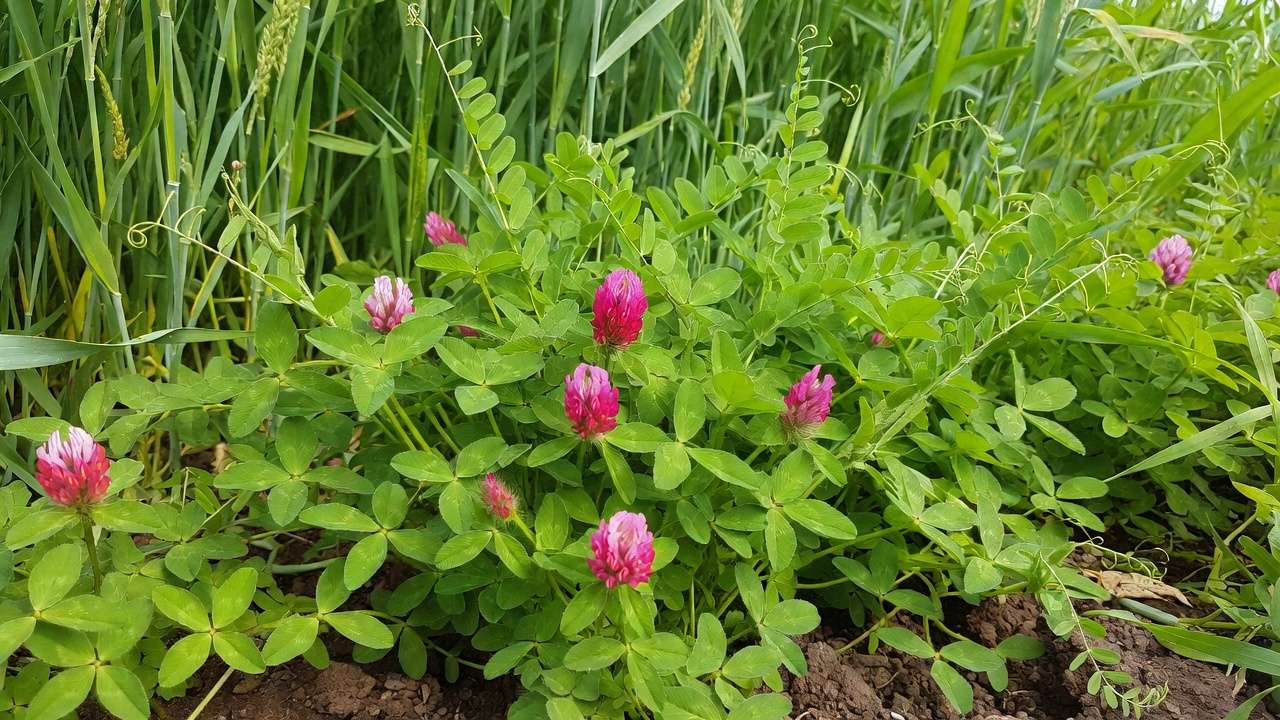
- Crimson Clover — Hardy, beautiful red flowers attract pollinators, fixes 80–120 lbs N/acre. Excellent living mulch under fruit trees (mow or roll instead of tilling).
- Hairy Vetch — Cold-tolerant winter annual, fixes up to 150 lbs N/acre. Great for spring incorporation before planting warm-season crops or around dormant trees.
- Field Peas / Austrian Winter Peas — Fast-growing, edible pods as bonus, good nitrogen (70–100 lbs/acre) and biomass.
- Non-Legume Biomass Builders
- Winter Rye — Grows fast even in cold weather, massive root system breaks up compaction, excellent erosion control. Chop and drop or till in early spring.
- Buckwheat — Quick (ready in 30–45 days), smothers weeds, attracts beneficial insects. Ideal for summer gaps in vegetable beds.
- Oats — Winter-kills in many climates, easy to manage, adds good organic matter without becoming weedy.
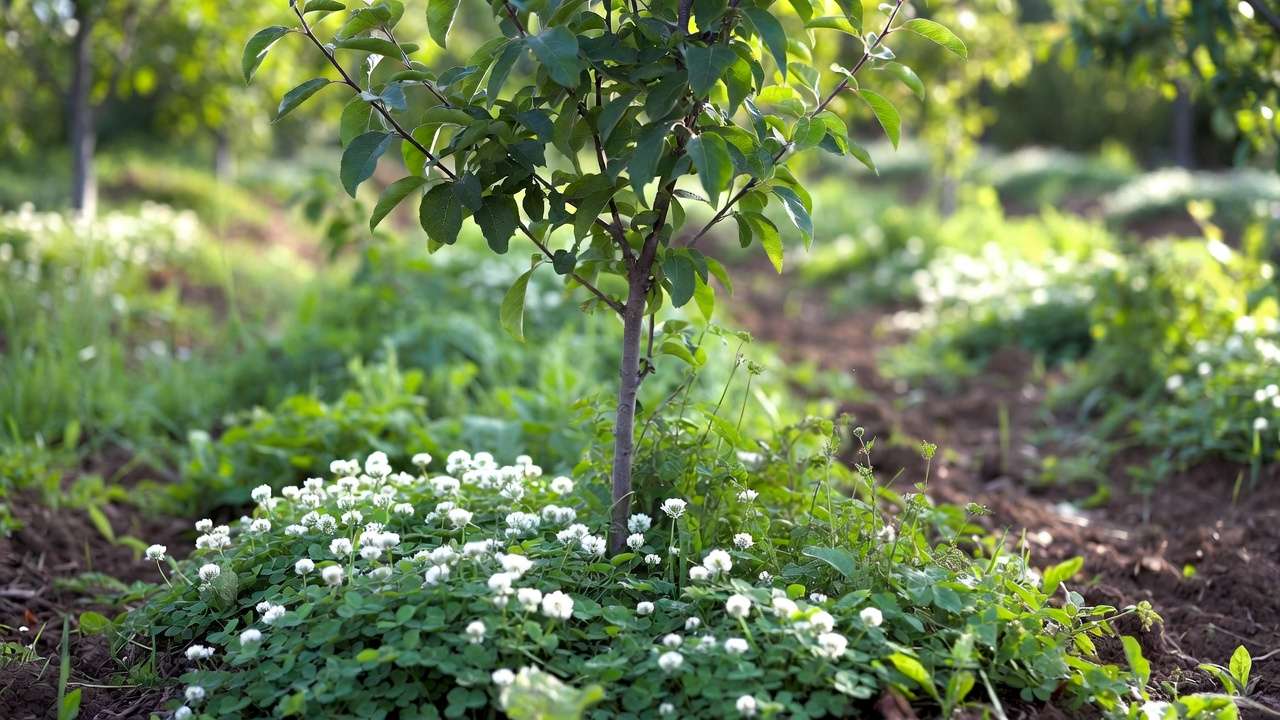
- Tree-Specific Recommendations For orchards or backyard fruit/nut trees, choose low-growing perennials or easy-to-manage annuals: white Dutch clover (perennial, nitrogen-fixing, tolerates mowing), subterranean clover, or a mix of clover + rye. These create a living mulch that conserves moisture, suppresses grass competition, and slowly feeds the tree roots year-round without competing aggressively for water.
Pro tip: Always match the crop to your climate zone and season. In tropical/subtropical areas like parts of Bangladesh, fast-growing options like sunn hemp, cowpea, or sesbania work brilliantly.
How to Successfully Use Green Manure in Your Garden and Around Trees 🧑🌾
Here’s a beginner-friendly, step-by-step process that thousands of home gardeners use successfully.
- Soil Test First — Know your starting point (pH, major nutrients). Green manures work best when soil isn’t severely imbalanced.
- Timing and Sowing
- Spring: Sow buckwheat or peas after last frost.
- Fall: Plant rye, vetch, or clover 4–8 weeks before first hard freeze for overwintering.
- Broadcast seeds evenly (use a handful per square meter), rake lightly, and water gently.
- Growth and Management
- Keep soil moist during germination.
- Mow or cut at flowering (before seed set) to maximize nutrient content and prevent self-seeding weeds.
- Incorporation Methods
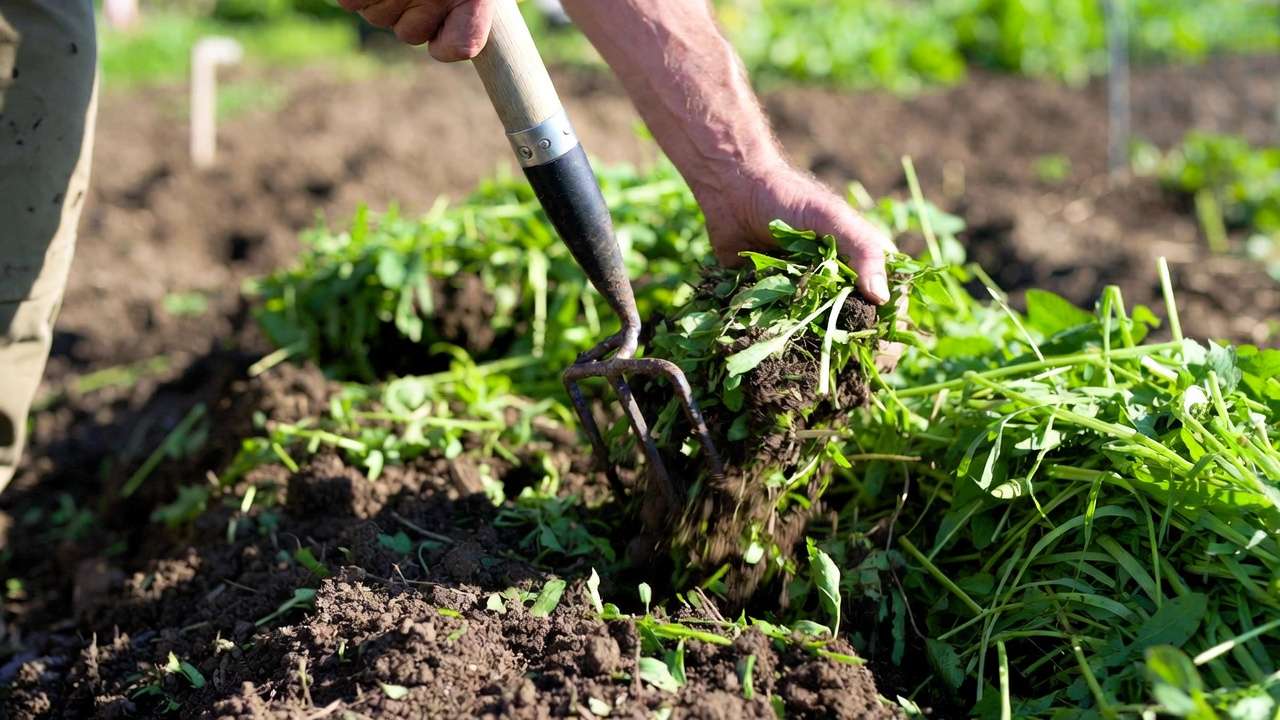
- Traditional: Dig or till into top 6–8 inches (best for vegetable beds).
- No-Till / Chop-and-Drop: Cut at ground level and leave as mulch — perfect around tree trunks to avoid root damage.
- Let decomposition happen 2–4 weeks before planting.
- Tree Care Integration Sow in a 3–6 ft radius around the drip line (avoid direct trunk contact). Mow periodically to keep low. This “understory cover” dramatically improves soil moisture and nutrient cycling for fruit trees.
Expect visible soil improvement (darker color, crumbly texture, more earthworms) within one season — and major plant health gains by year two or three.
When and How to Use Synthetic Fertilizers Effectively (If You Choose To) ⚖️
Synthetics aren’t evil — they’re tools. Use them smartly in these scenarios:
- Correcting acute deficiencies (e.g., iron chlorosis in citrus or young trees — foliar sprays work fast).
- Giving transplants or container plants a quick boost.
- Supporting heavy feeders during peak growth (tomatoes, roses, young fruit trees).
Best Practices
- Always do a soil test first — avoid blind applications.
- Use half-strength doses initially to prevent burn.
- Water deeply after applying granular types.
- Opt for slow-release formulations to mimic natural release patterns.
- Never apply to dry soil or during heat waves.
Hybrid Approach: Combining Green Manure and Synthetic Fertilizers for Optimal Results 🌱⚡
Many experienced gardeners and small-scale orchardists now use a blended strategy — and research backs it up. Build soil biology and organic matter with green manures (70–80% of your fertility program), then use targeted synthetic applications only when plants show clear signs of hunger or during establishment phases.
Real-World Example A home orchardist in a similar warm-humid climate might:
- Sow crimson clover + rye mix under trees every fall.
- Mow in spring and let clippings feed the soil.
- Apply a light balanced slow-release fertilizer (e.g., 10-10-10) only to newly planted trees or during heavy fruit set years.
Result: Soil organic matter rises steadily, synthetic needs drop by 50–70% over 3–5 years, trees produce better-quality fruit with fewer pest problems.
This hybrid method gives you the best of both worlds: sustainability + speed when needed.
Common Mistakes to Avoid with Both Options ❌
- Relying 100% on synthetics year after year → leads to “dead” soil and increasing input costs.
- Planting green manure too late → misses winter erosion protection and nitrogen gains.
- Tilling too deeply around trees → damages feeder roots.
- Skipping soil tests → wasting money on unneeded nutrients.
- Letting green manure go to seed → creates weed headaches next season.
FAQs: Green Manure vs. Synthetic Fertilizers ❓
Is green manure really better for fruit trees long-term? Yes — studies and orchard trials show improved soil structure, water retention, and micronutrient cycling lead to healthier root systems and more consistent yields over 5–10 years.
How much nitrogen does clover add compared to synthetic? Crimson or white clover can fix 50–150 kg N/ha (roughly equivalent to 1–3 kg per 100 m² in home gardens), released slowly. Synthetic urea (46-0-0) gives instant but short-lived N.
Can I use both in the same season? Absolutely. Many do: green manure as the base, light synthetic top-ups only if tissue/soil tests show need.
What’s the easiest green manure for beginners? Crimson clover or buckwheat — fast, forgiving, and low-maintenance.











