
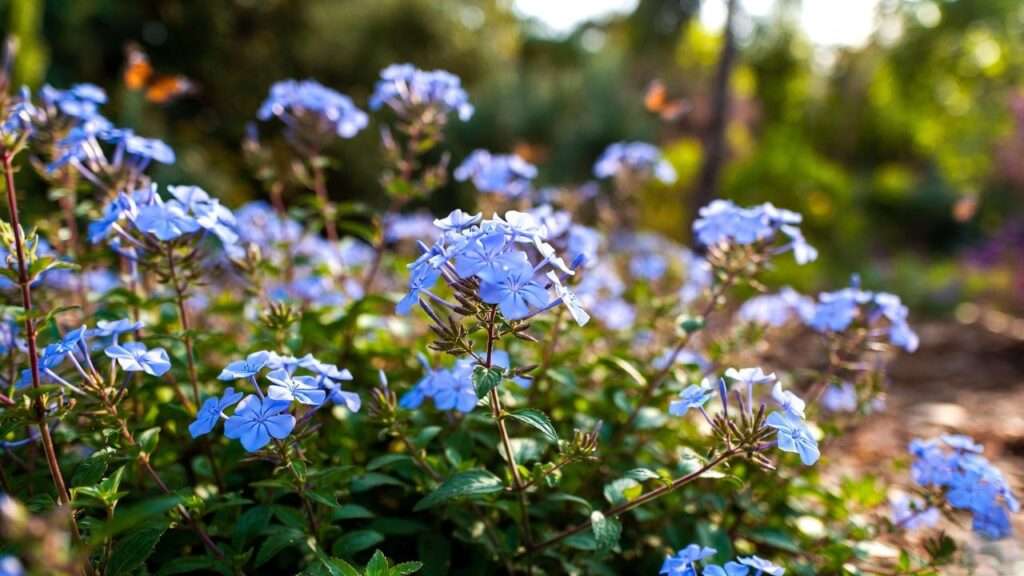
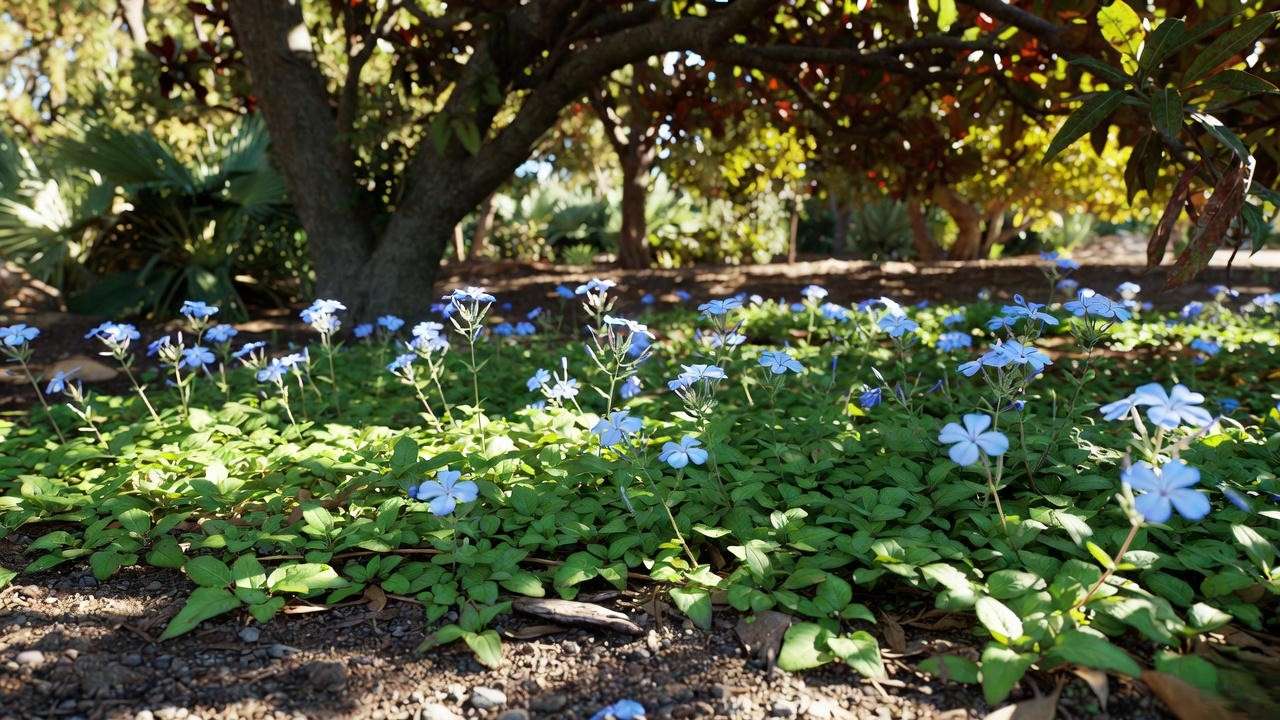
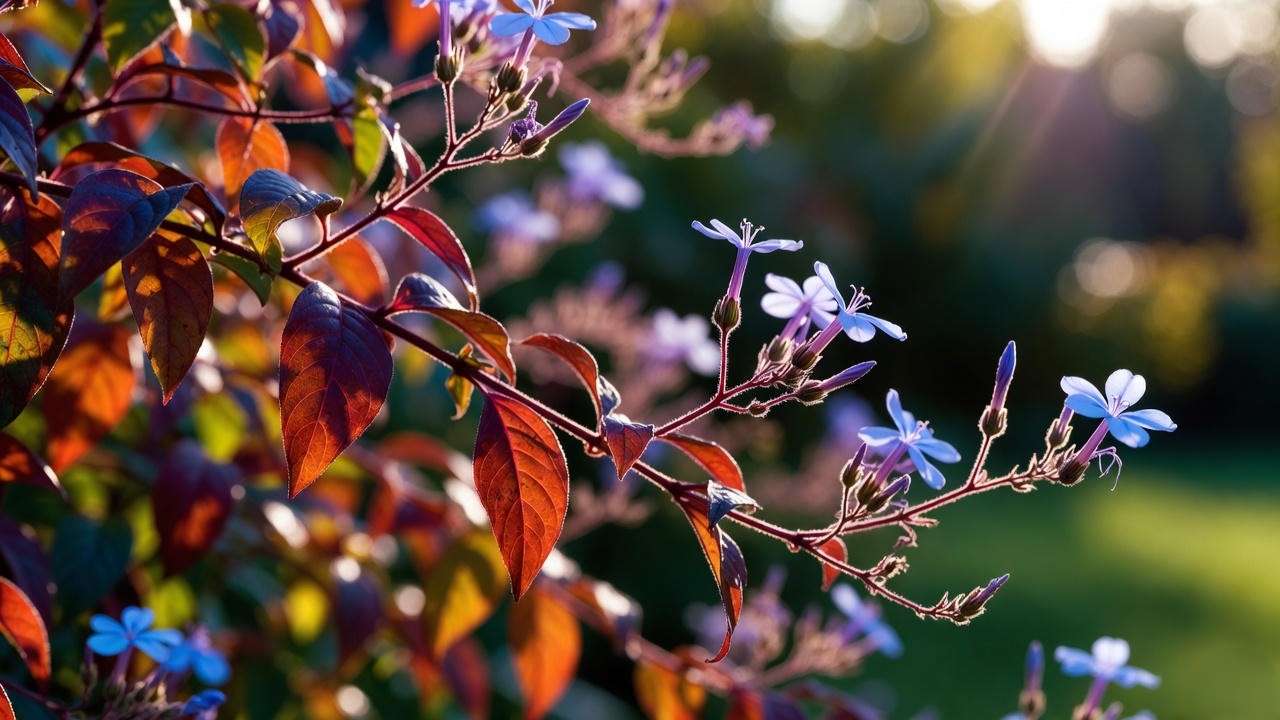
Imagine walking into your garden in late August when everything else is looking tired… and suddenly being hit with an electric carpet of the truest, most intense cobalt-blue flowers you’ve ever seen. That’s the magic of the hardy plumbago plant (Ceratostigma plumbaginoides), a tough-as-nails perennial that saves its best show for when the rest of the garden is winding down. Also known as dwarf plumbago, leadwort, or perennial plumbago, this unsung hero delivers weeks of brilliant blue blooms from midsummer until frost, followed by foliage that turns a blazing bronze-red that rivals burning bush in autumn glory. Best of all? It laughs at drought, deer, poor soil, and dry shade — places where most plants throw in the towel. 🌟
If you’ve ever struggled to find a reliable, low-maintenance groundcover that actually looks spectacular in late summer and fall, you’re in exactly the right place. This ultimate guide leaves no stone unturned, drawing from decades of hands-on horticultural experience and the latest university extension research. Let’s turn you into a hardy plumbago expert today! 🌱
What Is the Hardy Plumbago Plant? 🧐
Botanical Overview and Key Characteristics 📊
Ceratostigma plumbaginoides belongs to the Plumbaginaceae family (yes, same family as sea lavender and statice). Native to the rocky foothills of western China, it has evolved to survive tough conditions — which explains why it’s such a superstar in modern gardens.
- Height & Spread: 6–12 inches tall, spreading 18–36 inches (or more) via underground rhizomes
- Growth Habit: Herbaceous perennial with wiry, slightly reddish stems and glossy, obovate green leaves
- Flowers: Five-petaled, phlox-like clusters of pure gentian-blue (a rare true blue in the plant world!) from July–October 🌼
- Fall Color: Leaves turn brilliant bronze, burgundy, and fiery red — one of the best autumn displays of any perennial 🍁
- Hardiness: USDA Zones 5–9 (fully root-hardy to -20°F/-29°C with mulch in zone 5)
- Lifespan: Easily 20+ years with virtually zero care once established
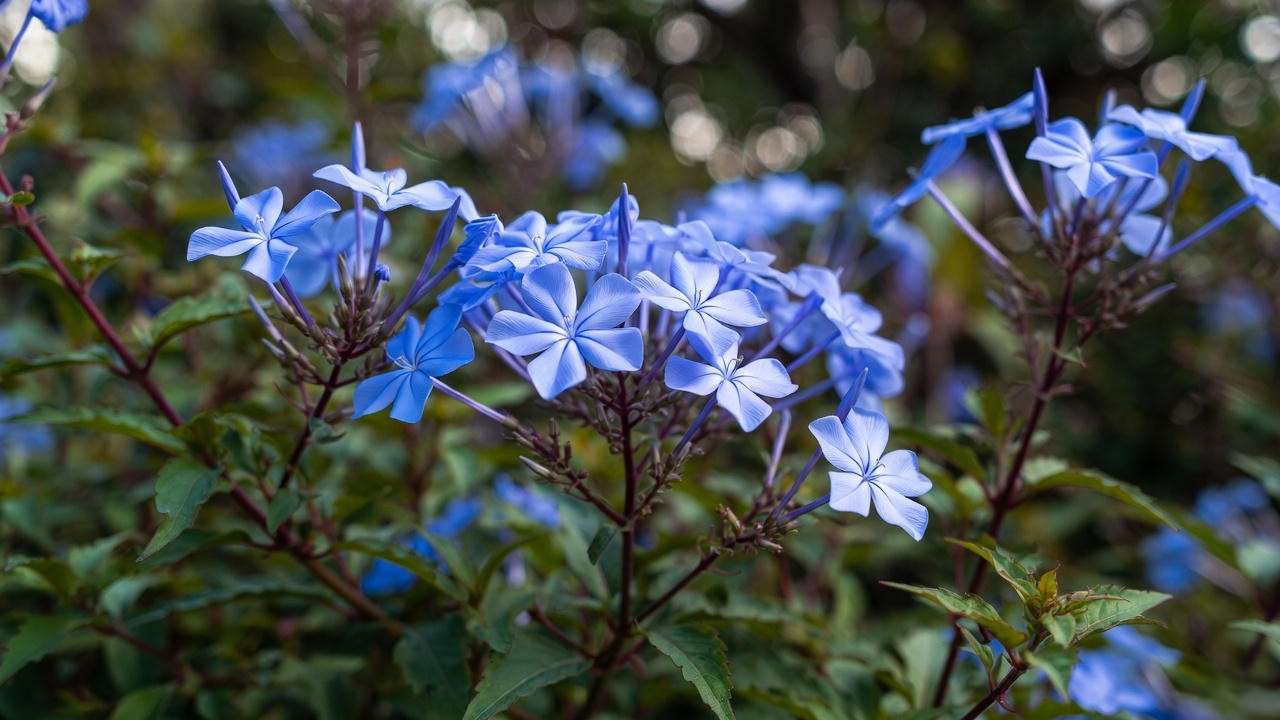
Hardy Plumbago vs. Cape Plumbago: Clearing the Confusion Once and For All ⚠️
Every year gardeners accidentally buy the wrong plant because the names are similar. Here’s the definitive breakdown:
| Feature | Hardy Plumbago (C. plumbaginoides) | Cape Plumbago (P. auriculata) |
|---|---|---|
| Hardiness | Zones 5–9 | Zones 8b–11 |
| Growth Habit | Low spreading groundcover | Large shrub/vine (6–10 ft) |
| Flower Color | Intense true blue | Sky-blue to pale blue |
| Winter Behavior | Dies to ground, regrows in spring | Evergreen or semi-evergreen |
| Cold Tolerance | Survives -20°F | Killed below 25°F |
Bottom line: If you garden north of zone 8, the hardy plumbago plant is the one you want. Cape plumbago is beautiful, but it won’t survive your winters without heroic protection. ❄️
Benefits of Growing Hardy Plumbago: Why It’s a Gardener’s Best Friend 🌺
This plant checks so many boxes it almost feels unfair:
- Drought-Tolerant Superstar 💧 Once established (usually after the first season), it thrives on neglect and natural rainfall in most regions.
- Deer & Rabbit Resistant 🦌🐰 The slightly rough foliage and mild sap deter browsing almost completely.
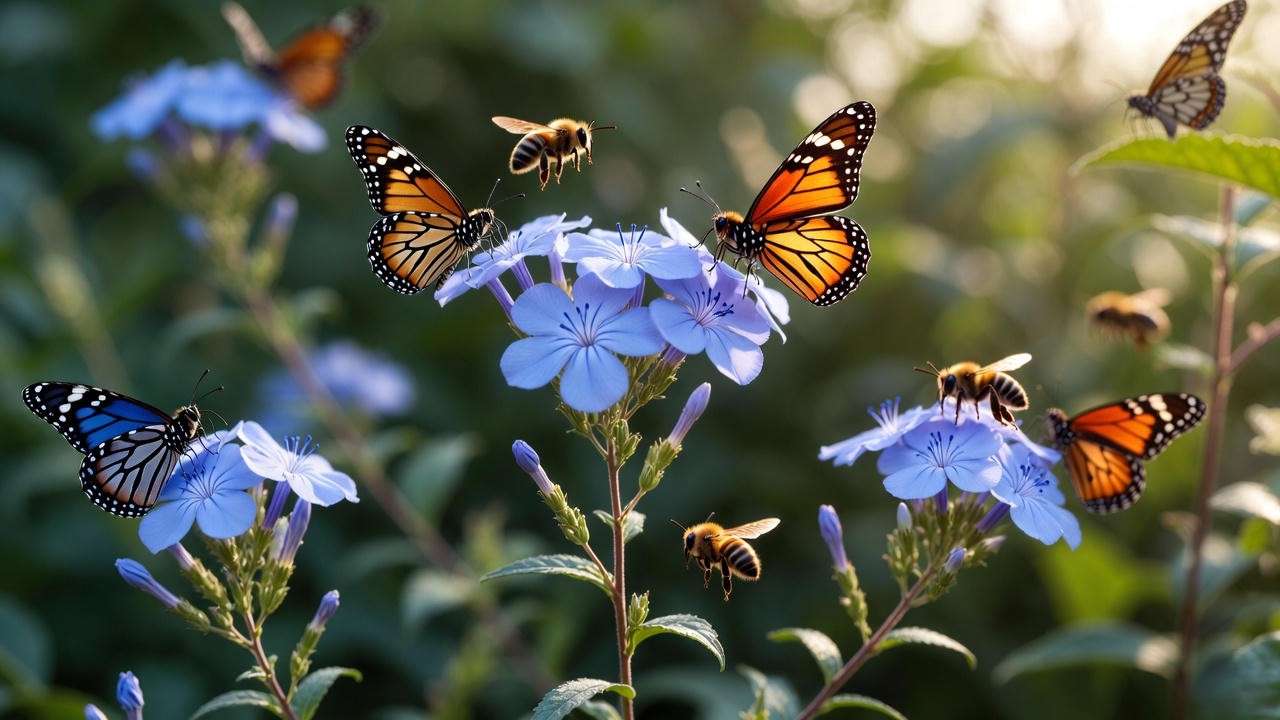
- Pollinator Magnet 🦋🐝 Late-season nectar source when little else is blooming — butterflies and bees go nuts for it.
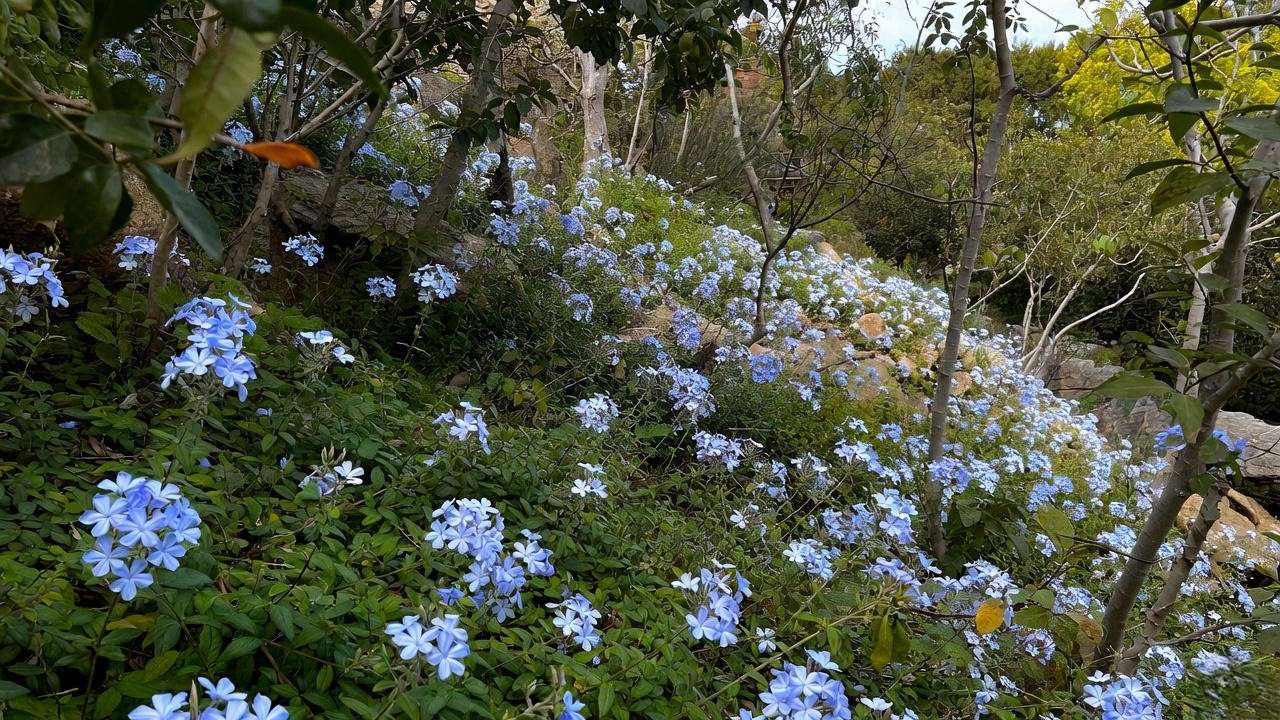
- Erosion Control Champion ⛰️ Dense rhizomatous roots hold soil on slopes better than many native grasses.
- Dry Shade Solution 🌳 One of the few perennials that actually performs under mature trees where grass fails.
- Virtually Pest- and Disease-Free 🛡️ No serious insect pests. Powdery mildew only in extremely humid, shaded, airless spots (rare).
- Multi-Season Interest Summer flowers + fall color + attractive winter seed heads = interest 8 months of the year.
Real-world experience: I’ve planted it under black walnuts (juglone central), on baking-hot south-facing banks, and in root-filled shade beneath maples — it flourished everywhere.
Planting Hardy Plumbago: Set It Up for Decades of Success 🌱
Best Time to Plant ⏰
- Spring (after last frost) — gives roots all season to establish
- Early Fall (6–8 weeks before first frost) — cooler temps reduce transplant stress Avoid midsummer planting in hot climates unless you can baby it with daily watering.
Site Selection and Soil Preparation 🏡
Light Requirements ☀️
- Full sun = maximum flowers and richest fall color
- Part shade (4–6 hours) = still excellent
- Light shade/dry shade = fewer blooms but reliable groundcover performance
Pro observation: In zone 8–9, afternoon shade prevents leaf scorch during 100°F+ heat waves.
Soil Requirements 🪴 Hardy plumbago isn’t fussy, but it hates wet feet.
- Drainage: Excellent (key to winter survival)
- Texture: Tolerates heavy clay if amended, loves average loam, thrives in sandy or rocky soil
- pH: 6.0–7.5 (slightly acidic to neutral)
- Fertility: Low to moderate — too-rich soil leads to floppy growth and fewer flowers
Amendment recipe for tough spots: Mix 30% compost + 10% expanded shale or grit into native soil for perfect drainage and nutrition balance.
Step-by-Step Planting Instructions 📝
- Space 12–18 inches apart for quick fill-in (24 inches if you’re patient)
- Dig hole twice as wide as root ball, same depth
- Tease roots if pot-bound
- Backfill, water deeply, and mulch 1–2 inches (keep mulch away from stems)
- Mark the spot! — it’s a late emerger and you’ll forget where you planted by May 😅
Expert Hack: Plant among spring bulbs. Daffodil and tulip foliage dies back ugly in June — hardy plumbago pops up right on cue and hides the mess perfectly.
Hardy Plumbago Care Essentials: Keep It Thriving with Almost No Effort 🛠️
Once established, this is one of the lowest-maintenance perennials you’ll ever grow. Here’s everything you need to know to keep your hardy plumbago plant looking its absolute best year after year.
Watering Guidelines 💦
- First season: Water deeply once or twice a week (about 1 inch) until roots are established.
- Established plants: Rely on rainfall. Only supplemental water during prolonged drought (2+ weeks without rain).
- Rule of thumb: Water deeply, then let the top 2–3 inches of soil dry out completely. Overwatering is the #1 cause of weak, leggy growth and root rot.
Real-world tip from my own garden: In the hot, dry summers of zone 7, I only water my plumbago patches during 3-week heat waves — and they still bloom like crazy.
Fertilizing Tips 🌿
Hardy plumbago is a lean-lover. Too much nitrogen causes lush foliage at the expense of flowers.
- Recommended approach: Skip fertilizer entirely in average or poor soils.
- If you must feed: Apply a light dose of balanced slow-release organic fertilizer (e.g., 10-10-10 or compost) in early spring as growth emerges.
- Never use high-nitrogen lawn fertilizer — it turns your plumbago into a floppy green mess.
Pruning and Maintenance ✂️
- Late winter/early spring: Cut or mow back all dead stems to 1–2 inches above ground before new growth starts. (It’s completely dormant until late April/May in most zones.)
- No deadheading required — spent flowers drop cleanly and new buds keep coming.
- Controlling spread: If it starts creeping too far, simply dig out unwanted rhizomes with a spade in spring or fall. The roots are shallow and easy to pull.
Pro tip: Use a string trimmer set low in early spring — it’s the fastest way to tidy large patches.
Winter Care in Colder Zones ❄️
Hardy plumbago is root-hardy to zone 5, but a little protection goes a long way in exposed sites:
- Apply 2–3 inches of shredded bark or pine needles after the ground freezes.
- Remove mulch in early spring so new shoots aren’t smothered.
- In zone 5, plants often die back to the ground and return reliably — don’t panic if nothing shows up until late May!
Propagation: Multiply Your Hardy Plumbago for Free 🔄
One of the best things about this perennial is how easily it spreads and how simple it is to share with friends.
Division (The Easiest & Fastest Method) 🪓
- When: Early spring just as growth emerges, or early fall
- How: Dig up a clump, shake off soil, and slice the rhizomatous root ball into sections with a sharp spade or knife. Each piece with roots and buds will grow.
- Replant immediately and water well. New divisions often bloom the same year!
Softwood Cuttings 🌿
- Take 4–6 inch non-flowering stem tips in June or July.
- Strip lower leaves, dip in rooting hormone (optional), and stick into moist potting mix.
- Keep in bright, indirect light and high humidity — roots form in 4–6 weeks.
- Bonus: Cuttings root faster with bottom heat (75–80°F).
Seed Starting (For the Patient Gardener) 🌱
- Fresh seed germinates best with 6–8 weeks cold stratification.
- Sow indoors in late winter; transplant outdoors after last frost.
- Plants grown from seed may take 2–3 years to bloom fully.
Expert note: Most gardeners never bother with seeds or cuttings — the plant spreads naturally via rhizomes, so division is usually all you need.
Common Problems and Solutions (They’re Rare, But Here’s What to Watch For) ⚠️
Hardy plumbago is remarkably trouble-free, but here are the few issues that occasionally pop up:
- Powdery Mildew (rare): Appears in humid, shady, poorly ventilated spots. Solution: Improve air circulation, avoid overhead watering, or use a sulfur-based fungicide if needed.
- Leaf Scorch in hot, dry summers: Afternoon shade or extra water during heat waves prevents it.
- Mild Skin Irritation: The sap can cause temporary itching in sensitive people — wear gloves when handling.
- Too Much Spread? Not invasive in the true sense, but it can be vigorous. Control by edging beds with metal or plastic barriers sunk 6–8 inches deep.
Design Ideas: Where Hardy Plumbago Shines in the Landscape 🎨
As a Groundcover 🪨
- Under mature trees or shrubs where grass won’t grow
- On dry, sunny slopes for erosion control
- Along pathways or driveway edges — it tolerates light foot traffic
In Perennial Borders and Rock Gardens ⛰️
- Front-of-border edging for a neat, low look
- Cascading over retaining walls or rock garden steps
- Mixed with late-blooming companions like asters, Russian sage, and sedum
Companion Planting Ideas 👥
- Spring bulbs (tulips, daffodils, alliums) — hides dying foliage
- Ornamental grasses (switchgrass, little bluestem) for texture contrast
- Late-season stars: Aster ‘Raydon’s Favorite’, Sedum ‘Autumn Joy’, and blue-flowered Caryopteris
- Under roses or hydrangeas for weed suppression and color pop
Container Growing 🪴
- Use as a “spiller” in large mixed pots — its trailing habit softens edges beautifully
- Combine with drought-tolerant annuals like calibrachoa or portulaca
Expert Tips for Maximum Blooms and Fall Color 🔥
- Sun is king — the more direct sun, the deeper the blue flowers and the more intense the fall color.
- Divide every 4–5 years to rejuvenate older patches and keep them blooming heavily.
- Leave the seed heads — they add subtle winter interest and attract birds.
- In hot climates — give it a little afternoon shade to prevent leaf burn and prolong bloom time.
- Enjoy the bronze-red autumn display — it’s one of the last perennials to turn color, often lasting into November!
Frequently Asked Questions (FAQs) ❓
Q: When does hardy plumbago bloom? A: Typically mid-summer through fall — often until the first hard frost in many zones! 🌼
Q: Is it invasive? A: No — it spreads steadily but is easy to control and is not listed as invasive in any U.S. state.
Q: Why is my plant so late to emerge? A: Completely normal! It’s one of the latest perennials to wake up (late April–May in most areas). Be patient.
Q: Can it grow in full shade? A: It survives dry shade, but you’ll get fewer flowers. At least 4–6 hours of sun is ideal for best performance.
Q: Is hardy plumbago deer-resistant? A: Yes — almost never browsed, making it perfect for deer-heavy areas. 🦌
Q: How fast does it spread? A: In ideal conditions, a single plant can cover 2–3 square feet in the first year and continue expanding.
Conclusion: Bring True Blue Magic to Your Garden Today! ✨
The hardy plumbago plant is the ultimate low-fuss, high-impact perennial. It delivers weeks of rare true-blue flowers when most gardens are fading, followed by one of the most spectacular bronze-red fall displays you’ll ever see — all while asking for almost nothing in return. Whether you need a drought-tolerant groundcover, erosion control, dry-shade solution, or simply crave late-season color that turns heads, this tough little plant delivers.











