Imagine a landscape tree that gives you delicate, snow-white spring blossoms, dense cooling shade in the summer, fiery orange foliage in autumn, and a striking silhouette dotted with bright red fruits all winter. Finding a low-maintenance, drought-tolerant species that thrives in poor urban soils while also providing tangible yields can feel impossible. But there is a solution. If you are looking to elevate your landscape, planting a hawthorn berry tree is one of the smartest, most rewarding investments you can make for your property.
As a horticultural expert who has evaluated resilient landscape trees across diverse climates—from the humid soils of USDA Zone 7 in the South to the cold, challenging terrains of Zone 4—I can confidently say that the Crataegus genus is vastly underutilized. Many homeowners struggle with delicate fruit trees that require endless spraying and coddling. A hawthorn, on the other hand, is a survivor.
In this comprehensive guide, we will walk step-by-step through everything you need to know about selecting, planting, maintaining, and harvesting your hawthorn tree, ensuring a lifetime of beauty and utility.
II. Why Plant a Hawthorn Berry Tree? (The Tri-Fold Benefits) 🌟
Most trees serve a single purpose: they are either strictly ornamental, solely fruit-bearing, or purely for shade. The hawthorn effortlessly accomplishes all three while remaining incredibly resilient.
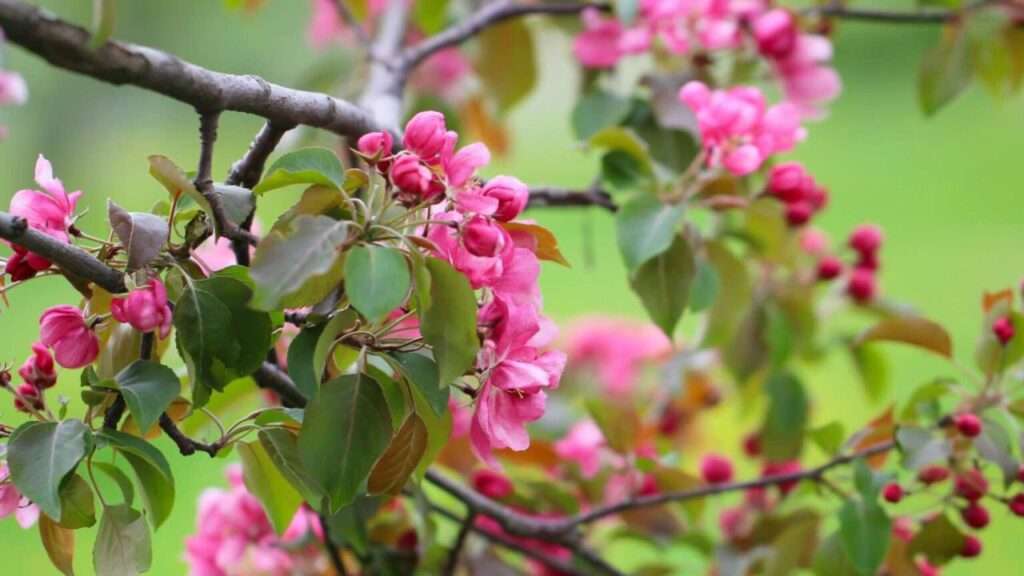
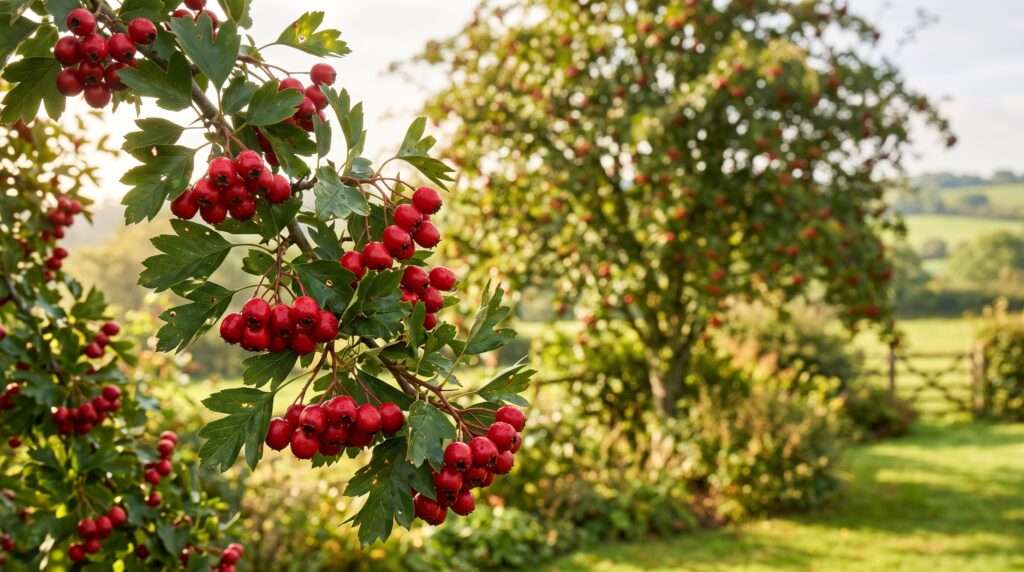
Year-Round Ornamental Value 🌸 The visual progression of a hawthorn tree is a masterclass in four-season landscaping. In mid-to-late spring, the canopy explodes into flat-topped clusters of five-petaled flowers (corymbs), ranging from creamy white to deep pink, depending on the cultivar. By summer, its deeply lobed, dark green leaves provide excellent dappled shade. As temperatures drop, the foliage ignites into brilliant shades of scarlet, orange, and purple. Even in the dead of winter, the tree’s intricate, zigzagging branch structure and clinging red berries offer striking architectural interest against the snow.
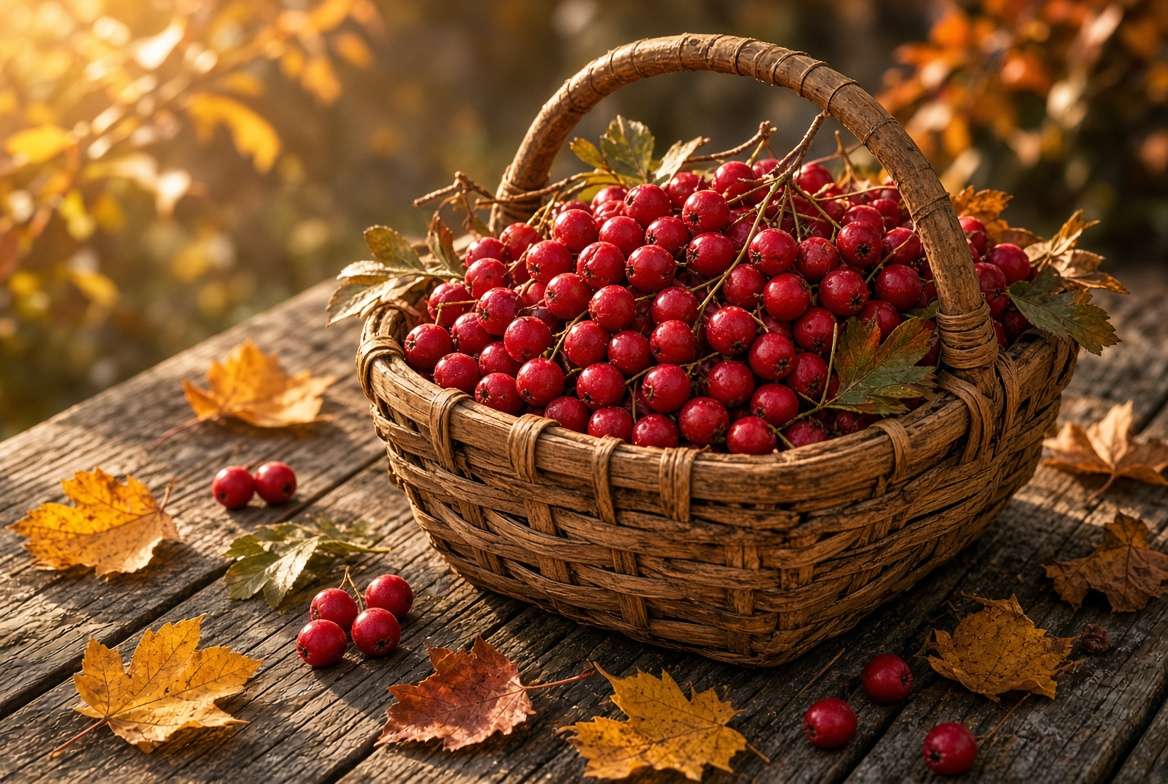
Medicinal and Culinary Bounties (The “Haws”) ☕ For centuries, herbalists have revered hawthorn berries (traditionally called “haws”) for their remarkable health properties. Modern herbal medicine often utilizes hawthorn extracts for cardiovascular support, citing its high concentration of antioxidants and flavonoids. (Disclaimer: Always consult with a qualified healthcare professional before using any plant medicinally.)
In the kitchen, the berries are a hidden gem. Because they are naturally high in pectin, haws are perfect for crafting thick, tart jellies, preserves, and rich seasonal syrups. Dried hawthorn berries can also be steeped into a comforting, earthy tea during the winter months.
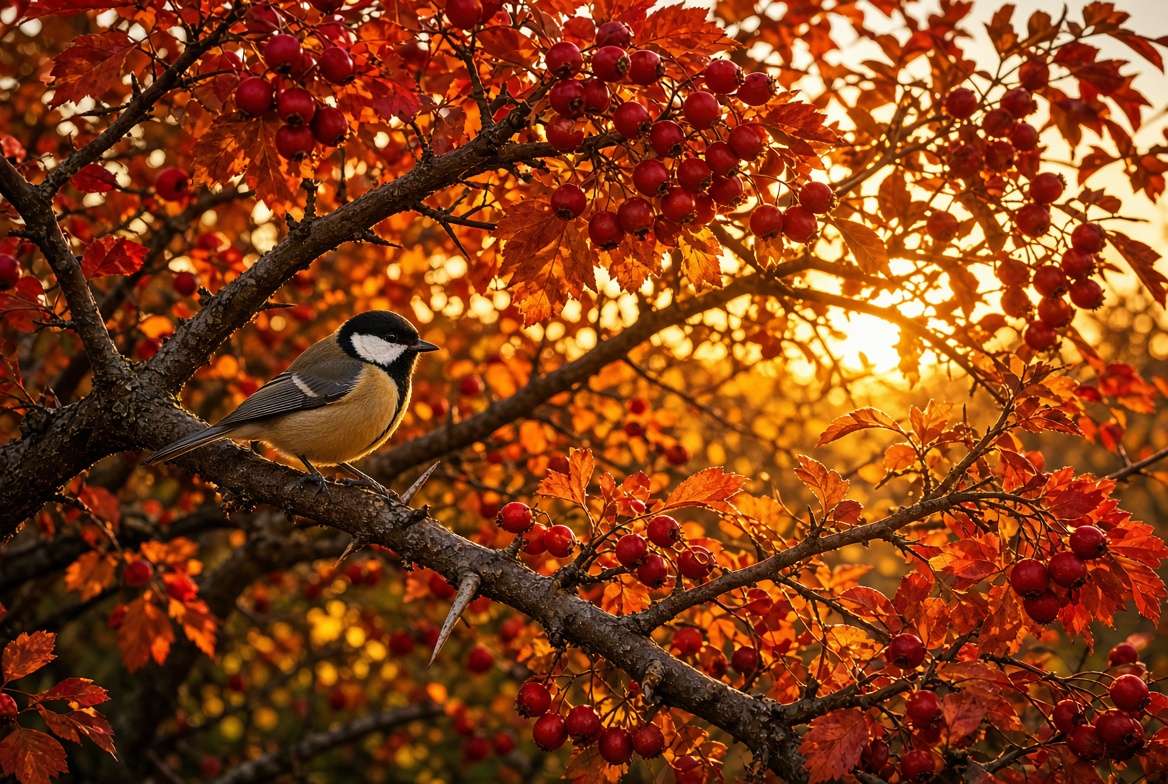
A Magnet for Pollinators and Wildlife 🐦 If you want to build an eco-friendly garden, this tree is indispensable. The dense, thorny canopy provides vital nesting protection for small songbirds, keeping them safe from neighborhood predators. Furthermore, the late-season berries act as a crucial emergency food source for cedar waxwings, robins, and mockingbirds when other winter forage has been depleted.
III. Choosing the Right Hawthorn Species for Your Region 🗺️
Expert Insight: Not all hawthorns are created equal. In my experience, matching the specific cultivar to your local soil type and hardiness zone is the absolute most critical step in preventing disease and ensuring vigorous growth.
With hundreds of species in the Crataegus genus, selecting the right tree can be overwhelming. Here are the three most reliable performers for home landscapes:
Crataegus monogyna (Common Hawthorn) 🌿
-
Best For: Traditional hedgerows, wildlife gardens, and temperate climates (USDA Zones 4-8).
-
Profile: Native to Europe, this is the classic hedgerow plant. It is highly adaptable to poor soils and pollution. It produces single white flowers and deep red berries. It takes well to aggressive pruning, making it ideal if you want to cultivate a dense, impenetrable living fence.
Crataegus phaenopyrum (Washington Hawthorn) 🍁
-
Best For: Specimen planting, brilliant fall color, and high disease resistance (USDA Zones 4-8).
-
Profile: If you want a standalone showstopper, the Washington hawthorn is tough to beat. It is uniquely resistant to many of the fungal diseases that plague other varieties. It features some of the brightest autumn foliage in the genus, transitioning from rich green to a fiery orange-red, followed by an abundance of glossy, bright red berries that persist well into winter.

Crataegus viridis ‘Winter King’ (Green Hawthorn) 👑
-
Best For: Urban landscaping, residential lawns, and striking winter aesthetics (USDA Zones 4-7).
-
Profile: The ‘Winter King’ cultivar is a favorite among landscape architects. It features a striking, silvery exfoliating bark that looks gorgeous in the winter sun. It also produces larger fruits than the Washington hawthorn and has significantly fewer thorns, making it much easier to maintain if you have children or pets playing in the yard.
IV. How to Plant Your Hawthorn Berry Tree: Step-by-Step 🌱
Proper planting sets the foundation for your tree’s entire lifespan. Rushing this process can lead to stunted growth and susceptibility to pests.
When to Plant: Timing is Everything 🗓️ The absolute best time for planting hawthorn trees is during their dormancy. Aim for early spring (as soon as the ground is workable but before the buds break) or mid-autumn. Fall planting is highly recommended for zones 6 and 7, as the warm soil encourages root establishment while the cool air prevents the tree from expending energy on new foliage.
Selecting the Perfect Location ☀️
-
Light: Hawthorns demand full sun to thrive. Choose a site that receives a minimum of 6 to 8 hours of direct, unfiltered sunlight daily. While they can tolerate partial shade, a lack of sun will drastically reduce both your flower blooms and your berry harvest.
-
Spacing: While they start small, a mature hawthorn can reach a height and spread of 20 to 30 feet. Plant them at least 15 feet away from the foundation of your home, and ensure they have adequate room to stretch their canopy without crowding neighboring trees.
Soil Requirements and Preparation 🪱 Hawthorns are famously unfussy about soil pH, easily tolerating both alkaline and acidic conditions. They also perform admirably in heavy clay soils where other ornamental trees drown. However, they absolutely require proper drainage. Before planting, perform a simple percolation test: dig a hole 12 inches deep, fill it with water, and ensure it drains completely within an hour. If water pools, you must amend the site with compost or choose a slightly elevated planting berm to prevent root rot.
The Planting Process 💧
-
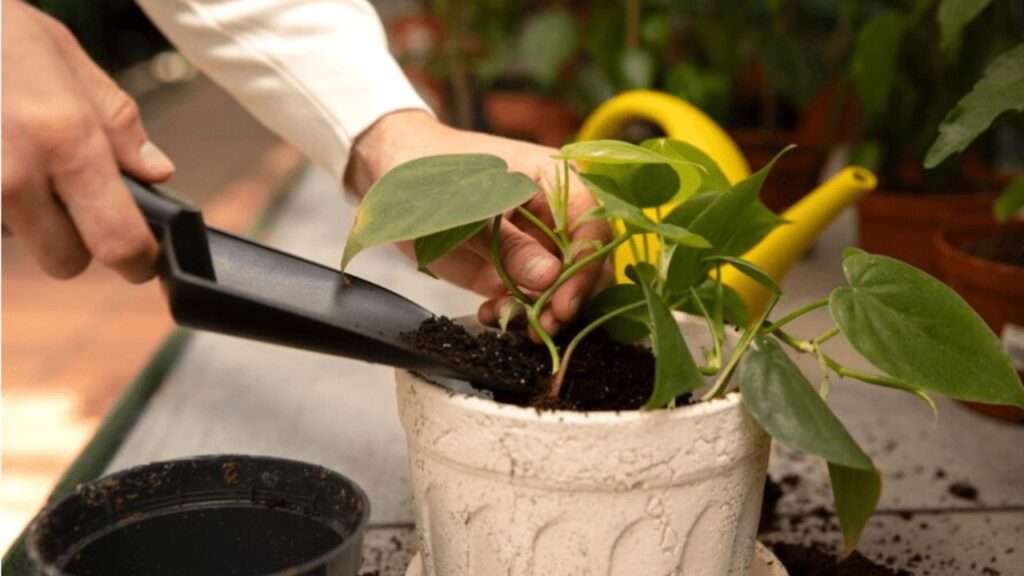
Dig the Hole: Dig a hole that is twice as wide as the tree’s root ball, but exactly the same depth. Planting a tree too deep is the leading cause of tree failure. The trunk flare (where the trunk widens at the base) must sit slightly above the soil line.
-
Prep the Roots: If you are planting a container-grown tree, gently tease the roots apart with your fingers to prevent them from girdling (circling) as they grow.
-
Backfill and Water: Place the tree in the hole and backfill it with the native soil. Avoid dumping rich potting soil into the hole, as this discourages the roots from expanding into the surrounding yard. Water deeply when the hole is halfway full to eliminate air pockets, then finish backfilling.
-
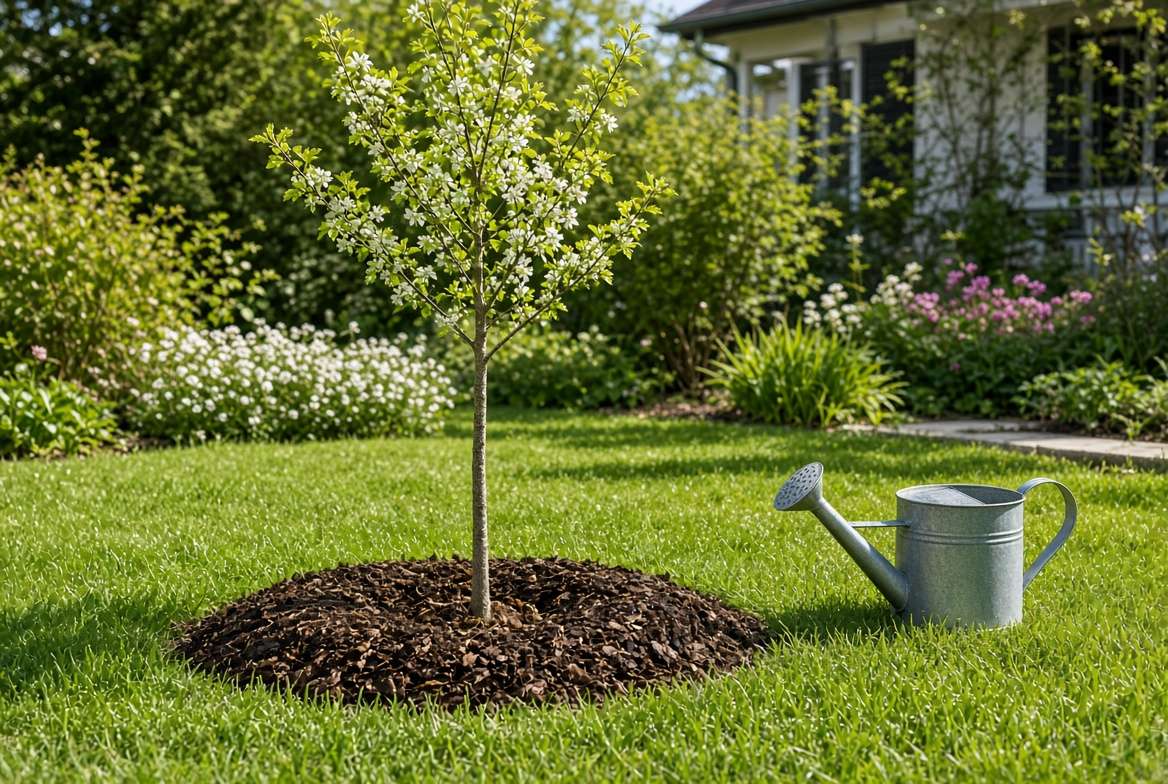
Mulch: Apply a 2-to-3-inch layer of organic mulch (like hardwood chips) around the base of the tree to retain moisture and regulate soil temperature. Keep the mulch pulled a few inches away from the actual trunk to prevent bark rot.
V. Essential Hawthorn Tree Care & Maintenance ✂️
Once your hawthorn berry tree is securely planted, the journey toward a thriving, fruit-bearing canopy begins. While Crataegus species are famously rugged, providing intentional care during their first few years will dictate their long-term health and harvest yield.
Watering for Establishment vs. Maturity 🚿 The most critical period for any newly transplanted tree is the first two years. During this establishment phase, your hawthorn needs consistent moisture to build a robust, deep root system.
-
Years 1-2: Water deeply once a week, providing about 10 to 15 gallons of water per session. A slow trickle from a garden hose or a specialized tree watering bag works best. The goal is to saturate the root zone without leaving the soil waterlogged.
-
Maturity: Once established, hawthorns are remarkably drought-tolerant. You will generally only need to provide supplemental water during severe, prolonged summer droughts. In most temperate regions, natural rainfall is entirely sufficient.
Fertilization: When and What to Feed 🍂 A common mistake among well-meaning gardeners is over-fertilizing landscape trees. Hawthorns rarely need heavy feeding, and pumping them full of high-nitrogen synthetic fertilizers will actually trigger rapid, weak branch growth that is highly susceptible to pests and diseases like fire blight. If a soil test indicates a severe nutrient deficiency, apply a balanced, slow-release organic fertilizer (such as an arbor-specific blend) in early spring just before new growth emerges. Otherwise, simply replenishing the organic compost or hardwood mulch around the base of the tree annually will provide all the slow-drip nutrients your tree requires.
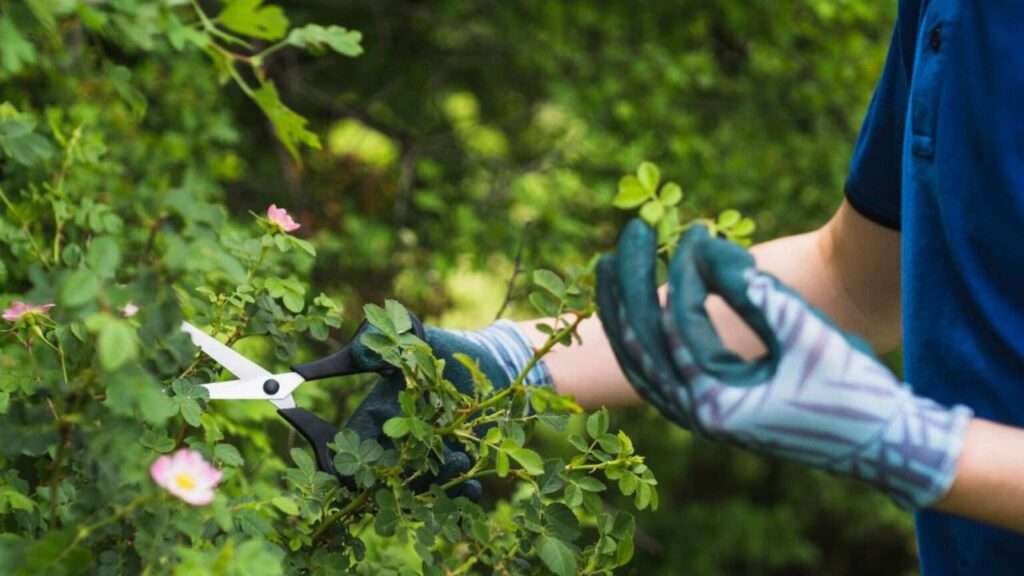
Pruning Techniques for Health and Shape 🪚Safety First: Before you approach a hawthorn with pruning shears, invest in heavy-duty leather gauntlet gloves and protective eyewear. Hawthorn thorns can grow between 1 to 3 inches long and are sharp enough to easily pierce standard gardening gloves.
The best time to prune is late winter or early spring while the tree is still entirely dormant. Follow these expert pruning steps:
-
Remove the 3 D’s: Cut away any Dead, Damaged, or Diseased wood.
-
Open the Canopy: Hawthorns can grow incredibly dense. Remove any branches that are rubbing against one another or crossing through the center of the tree. A dense canopy traps moisture, which breeds fungal infections. Sunlight and wind must be able to pass freely through the branches.
-
Remove Suckers: Prune away any basal shoots (suckers) growing vertically from the base of the trunk, as these sap vital energy from the main canopy.

VI. Managing Common Hawthorn Pests and Diseases (Proactive Care) 🐛
Pro Tip: Good canopy airflow and proper site selection eliminate 80% of hawthorn health issues. A tree planted in full sun with well-draining soil is naturally equipped to fight off most invaders.
While hardy, hawthorns are members of the Rosaceae (rose) family, meaning they are susceptible to a few specific ailments.
Conquering Cedar-Hawthorn Rust 🍄 This is a fascinating, albeit frustrating, fungal disease that requires two host plants to survive: a juniper (often eastern red cedar) and a hawthorn or apple tree. In damp spring weather, the fungus releases spores from the juniper that blow onto the hawthorn.
-
Symptoms: Bright yellow-to-orange, rust-like spots on the upper surfaces of the leaves, eventually leading to premature leaf drop.
-
Treatment: If your region is prone to rust, preventative copper-based fungicides or sulfur sprays applied just as the buds begin to swell in spring are highly effective. Avoid planting hawthorns within a few hundred yards of wild junipers if possible.
Preventing Fire Blight 🔥 Fire blight is a destructive bacterial disease that causes branches to look as though they have been scorched by a blowtorch, with leaves curling into a “shepherd’s crook” shape.
-
Treatment: There is no cure for fire blight, only management. The moment you spot infected branches, prune them out immediately. Cut at least 8 to 12 inches below the visible damage into healthy wood. Crucial: You must sterilize your pruning shears with rubbing alcohol or a 10% bleach solution between every single cut to avoid spreading the bacteria yourself.
Managing Aphids and Lace Bugs 🐞 Occasionally, sap-sucking insects like aphids or lace bugs will colonize the undersides of the leaves, causing the foliage to look stippled or yellowed. Avoid broad-spectrum chemical pesticides, as they will kill the beneficial pollinators drawn to your tree. Instead, blast the foliage with a strong jet of water from the hose to dislodge them, or apply organic horticultural oils like neem oil during the cooler evening hours.
VII. Harvesting and Using Hawthorn Berries (Haws) 🍒
If you have planted your tree for its culinary or medicinal yields, late autumn is the season you’ve been waiting for.
When to Harvest for Maximum Sweetness ⏱️ Hawthorn berries typically ripen between late September and November. While they turn red early in the fall, do not rush to pick them. The insider secret to the best haws is to wait until immediately after the first light frost. The cold temperatures trigger a process called “bletting,” which breaks down the cell walls and converts starches into sugars, resulting in a softer, sweeter, and more palatable berry.
Safe Harvesting Techniques 🧤 Because of the formidable thorns, picking berries one by one can be treacherous. The safest, most efficient harvesting technique is to lay a clean tarp on the ground beneath the canopy. Using a sturdy stick or broom handle, gently tap and shake the fruit-bearing branches. The fully ripe berries will easily drop onto the tarp, keeping your hands safely away from the thorns.
Preparation and Storage 🧊 Once collected, wash the berries thoroughly in a colander.
-
Critical Safety Warning: Hawthorn flesh is safe, tart, and nutritious, but the seeds contain amygdalin, a compound that converts to cyanide during digestion (exactly like apple seeds). Never consume raw, crushed, or blended hawthorn seeds.
-
When making jellies or syrups, boil the whole berries and mash them through a fine-mesh sieve or food mill to safely extract the pulp and strain out all seeds. If you are drying the berries for winter teas, you can dry them whole using a dehydrator, as steeping whole dried berries does not release the toxins from the intact seeds.
VIII. Frequently Asked Questions (FAQs) ❓
How fast does a hawthorn berry tree grow? Hawthorns have a moderate growth rate, typically adding 1 to 2 feet of new growth per year depending on soil quality and sunlight. They generally reach their mature height of 20 to 30 feet within 15 to 20 years.
Do I need to plant two hawthorn trees to get berries? No. The vast majority of Crataegus species are self-fertile, meaning a single tree contains both male and female flower parts and will pollinate itself. However, planting a second hawthorn nearby can increase cross-pollination via bees, often resulting in a heavier, more bountiful berry yield.
Are hawthorn berries safe to eat raw? The flesh of the berry is entirely safe to eat raw and has a tart, tangy flavor reminiscent of an overripe apple. However, the seeds are mildly toxic and must be spit out or removed prior to eating or processing.
Are hawthorn tree roots invasive? Generally, no. Hawthorns develop a deep, structural taproot rather than a sprawling, shallow root system. They are considered safe to plant relatively close to sidewalks, driveways, or patios without the risk of lifting concrete or invading plumbing lines, provided they have adequate space for their mature canopy.
IX. Conclusion: A Legacy Tree for Your Landscape 🌅
The hawthorn berry tree is a testament to the idea that a landscape can be beautiful, purposeful, and resilient all at once. By choosing the right cultivar for your climate and following these straightforward guidelines for planting, pruning, and harvesting, you are establishing a legacy tree.
It will stand as a beacon of crisp white blossoms in the spring, a sanctuary for songbirds in the summer, a blaze of fiery foliage in the fall, and a source of warming, health-boosting teas in the darkest days of winter.
Are you ready to transform your landscape? Check your USDA hardiness zone today and reach out to your local nursery to reserve a bare-root hawthorn for the upcoming planting season. And if you already have a hawthorn thriving in your yard, we’d love to hear from you! Share your favorite hawthorn jelly recipes, pruning tips, or wildlife sightings in the comments below.