Most trees fade into the background when the mid-July heatwaves hit, but that is exactly when one particular showstopper steps into the spotlight. If you are looking for a vibrant, resilient centerpiece for your yard, planting a Crape Myrtle Watermelon is your ultimate solution.
As an arboriculture and plant care specialist, I have consulted with countless homeowners who purchase this striking, bright pink tree expecting a summer masterpiece, only to be met with lackluster blooms, weak spindly branches, or the dreaded black “sooty mold.” The truth is, while Lagerstroemia indica (the Crape Myrtle) is famously tough, achieving those explosive, canopy-covering blooms requires more than just digging a hole and walking away.
This comprehensive skyscraper guide breaks down the exact horticultural science and actionable landscape strategies you need to cultivate a thriving Watermelon Crape Myrtle. From selecting the perfect microclimate in your yard to executing the exact pruning techniques that promote healthy growth, let’s unlock the full potential of your summer landscape. ✨
What Makes the “Watermelon” Crape Myrtle Unique? 🌸
The Crape Myrtle family boasts dozens of popular cultivars, ranging from the pure white ‘Natchez’ to the coral-pink ‘Tuscarora’. However, the Watermelon variety holds a special place in landscape design due to its unmistakable, deeply saturated color and robust growth habit.

Distinctive Color and Bark Profile 🎨
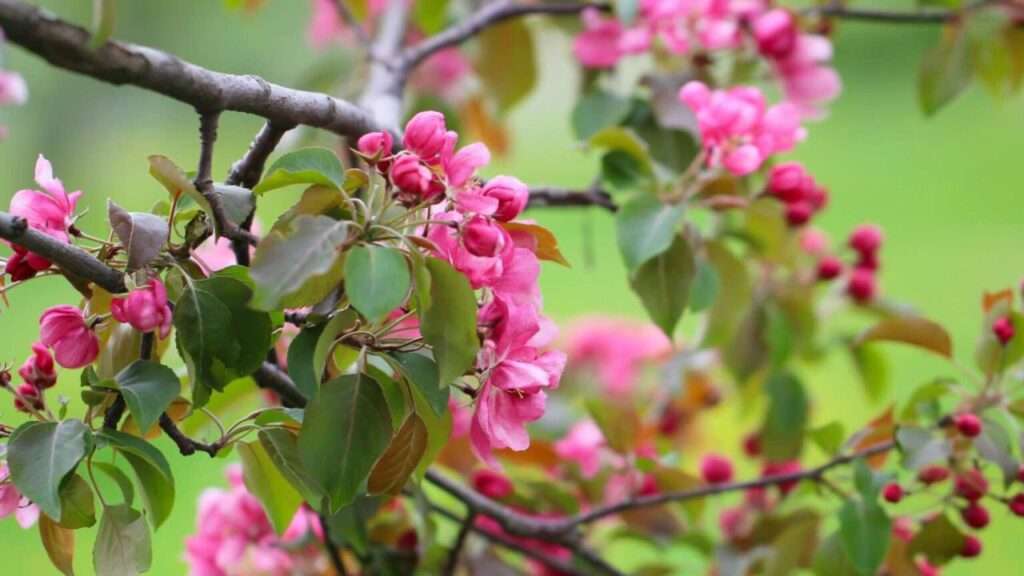
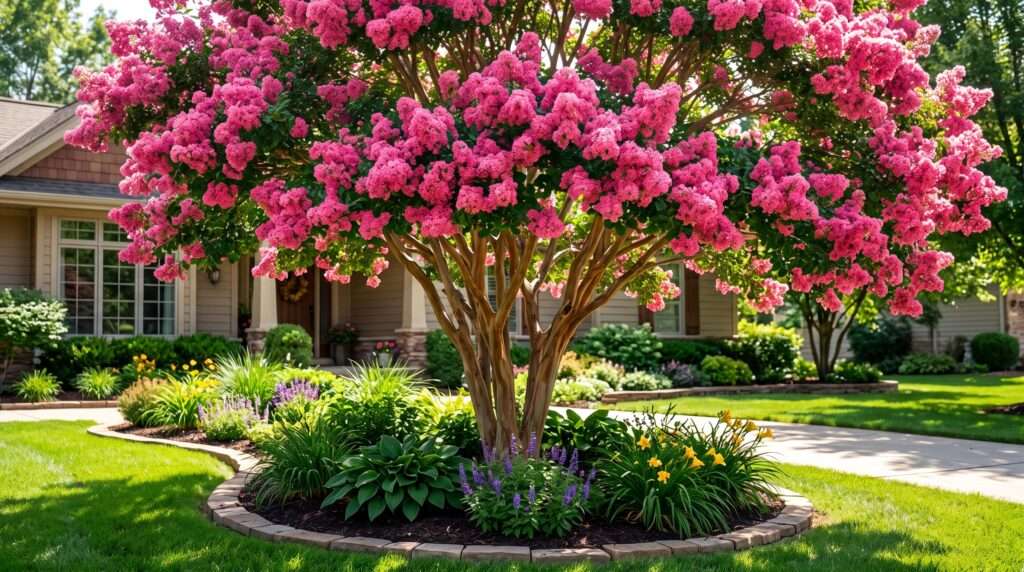
The most defining feature of this cultivar is, unsurprisingly, its color. The crinkled, crepe-paper-like flowers bloom in dense, heavy clusters (called panicles) that are a vivid, luminous pinkish-red—perfectly mimicking the inside of a ripe summer watermelon. This intense pigmentation doesn’t wash out in the harsh August sun, providing a spectacular contrast against its glossy, dark green foliage.
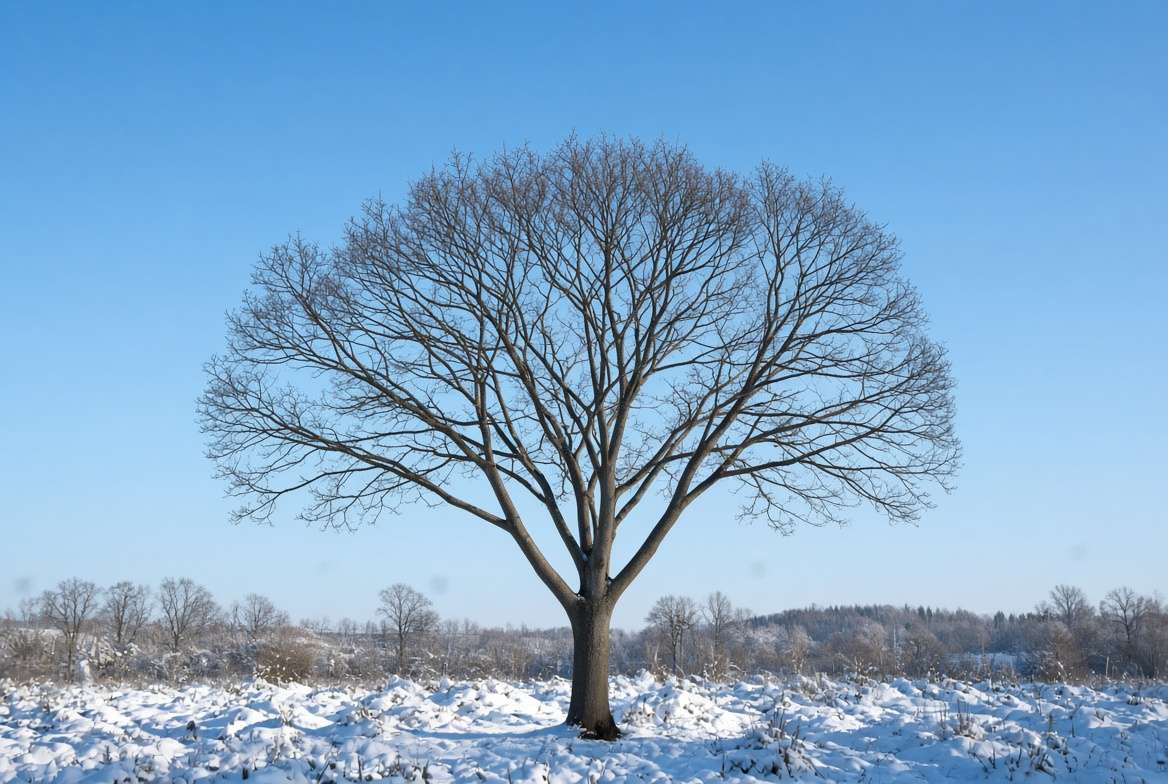
But the visual interest doesn’t stop when autumn arrives. As a deciduous tree, it drops its leaves in winter to reveal its architectural trunk. The smooth, exfoliating bark peels away naturally to display gorgeous, mottled patches of cinnamon, pale gray, and light tan. This ensures your yard retains striking structural beauty even in the dead of winter. 🍂
Growth Habit and Size Expectations 📏
When planning your landscape architecture, spacing is everything. The Watermelon Crape Myrtle is categorized as a medium-to-large cultivar.
-
Mature Height: 20 to 25 feet tall.
-
Mature Spread (Width): 10 to 15 feet wide.
-
Canopy Shape: It naturally develops an elegant, upright, vase-like shape, making it ideal as an understory tree or a standalone focal point.
-
Climate Adaptability: It thrives in USDA Hardiness Zones 6 through 9, showing exceptional heat and drought tolerance once its root system is fully established.
The Secret to Explosive Blooms: Sun, Soil, and Site Selection ☀️
The foundation of a spectacularly blooming tree is laid before you even pick up a shovel. Crape Myrtles are incredibly communicative plants; if they aren’t getting what they need from their environment, they simply refuse to flower.
Why “Full Sun” Means Full Sun 🌞
The golden rule of Crape Myrtle care is sunlight. To trigger the massive bud development required for a heavy summer bloom, this tree requires a minimum of 6 to 8 hours of direct, unfiltered sunlight every single day.
Planting your tree in partial shade is the number one reason for poor flowering. Without sufficient solar energy, the tree cannot photosynthesize enough carbohydrates to support heavy inflorescences (flower clusters). Furthermore, morning sunlight is particularly critical; it rapidly dries the overnight dew from the leaves, which is your first line of defense against fungal diseases like powdery mildew.
Soil Testing and Preparation 🌍
While Watermelon Crape Myrtles are remarkably adaptable to poor soils, they have strict requirements when it comes to drainage and pH levels.
-
The Ideal pH: They prefer slightly acidic soil, ideally sitting between 5.0 and 6.5. If your soil is too alkaline, the tree may suffer from chlorosis (yellowing leaves with green veins) because it cannot properly absorb iron and other vital micronutrients.
-
Mastering Drainage in Heavy Clay: If you live in a region with dense, heavy clay soil (common in Zones 7 and 8), poor drainage can drown the root system and cause root rot.
-
Expert Fix: Do not simply fill the planting hole with gravel—this creates a “bathtub effect” where water pools at the roots. Instead, amend the native soil excavated from the hole with 20-30% organic compost or finely aged pine bark. This improves percolation while encouraging the roots to push outward into the native landscape.
-
Step-by-Step Planting Guide for Long-Term Vigor 🌱
The day you plant your Crape Myrtle Watermelon dictates its structural health for decades to come. Many landscape failures can be traced back to a single mistake made on day one. Here is how the professionals ensure rapid root establishment and long-term vigor.
Timing Your Planting 🗓️
While you can technically plant container-grown Crape Myrtles at any time of year, late fall and early spring are the optimal planting windows.
-
Fall Planting (The Expert Choice): Planting in autumn allows the tree to focus all its energy on expanding its root system into the warm soil without the stress of supporting foliage or flowers in the scorching summer heat.
-
Spring Planting: If you choose spring, plant as soon as the soil is workable and all danger of frost has passed. You will need to be much more vigilant about watering during its first summer.

Digging and Root Ball Preparation 🕳️
Planting a tree too deep is a fatal arboricultural error. The trunk must taper naturally into the roots—this transition zone is called the root flare.
-
Identify the Root Flare: Pull back any soil on the top of the nursery pot until you see where the topmost roots extend from the trunk. This flare must sit at or slightly above the final soil grade.
-
Width Over Depth: Dig your hole two to three times wider than the nursery pot, but exactly the same depth as the root ball. Crape Myrtle roots grow horizontally through the topsoil; they need loose, uncompacted earth around them to spread rapidly.
-
Eliminate Air Pockets: Backfill the hole halfway with your soil mix, water it in thoroughly to settle the soil and remove air pockets, then finish backfilling.
Mulching Mistakes to Avoid 🍂
Mulch regulates soil temperature and retains moisture, but improper application is a tree killer.
-
Avoid the Mulch Volcano: Never pile mulch up against the trunk of the tree. This traps moisture against the bark, encouraging crown rot and providing a cozy hiding spot for rodents and pests.
-
The Doughnut Method: Apply a 2-to-3-inch layer of high-quality organic mulch (like shredded hardwood or pine straw) in a wide circle around the tree, leaving a 3-inch gap of bare soil directly around the base of the trunk.
Watering and Fertilizing: Fueling the “Watermelon” Color 💧
The lush, watermelon-pink panicles require fuel. Proper hydration and specific nutrient ratios are the secret to pushing your tree to produce maximum blooms.
First-Year Establishment Watering 🚿
During its first 12 months in the ground, your Watermelon Crape Myrtle is highly vulnerable to drought. The goal is to encourage a deep, robust root system.
-
Water deeply and slowly (using a trickling hose or a gator bag) once or twice a week, depending on rainfall and heat.
-
Light, shallow surface watering is detrimental—it trains the roots to stay near the surface, leaving the tree susceptible to drought and wind damage.
Drought Tolerance in Mature Trees 🐪
Once established (after 2 to 3 years), the Lagerstroemia family is famously drought-tolerant. In most climates, a mature Watermelon Crape Myrtle will thrive on natural rainfall alone. Only during extreme, prolonged dry spells should you need to provide supplemental deep watering.
The Ideal Bloom-Boosting Fertilizer Routine 🧪
A common mistake eager gardeners make is over-fertilizing with heavy nitrogen lawn food. Nitrogen fuels vegetative growth. If you pump your Crape Myrtle full of nitrogen, you will get a giant, leafy, green tree with zero pink flowers.
-
The Phosphorus Push: To encourage explosive blooming, use a slow-release, high-phosphorus fertilizer. Look for N-P-K ratios like 8-8-8, 10-20-10, or a specialized “Bloom Booster” formula.
-
Timing: Apply the fertilizer lightly just as new growth begins to emerge in early spring (usually late March to April, depending on your Zone). Do not fertilize late in the summer, as this pushes new, tender growth that will be instantly killed off by the first winter frost.
Pruning 101: Stop the “Crape Murder” ✂️
If there is one topic that unites all horticulturists, it is the eradication of “Crape Murder.” Proper pruning is essential for the health and aesthetic of your Watermelon Crape Myrtle.
What is Crape Murder and Why is it Harmful? 🚫
“Crape Murder” refers to the severe, flat-top chopping (pollarding or knuckling) of Crape Myrtle trunks in the winter. Some landscaping crews do this to control size, but it is highly destructive.
-
It creates ugly, swollen knuckles on the beautiful bark.
-
It forces the tree to push out weak, spindly, whip-like shoots in a panic response.
-
When these weak shoots finally produce heavy watermelon-pink blooms, the branches simply snap and droop under the weight, ruining the tree’s natural vase shape.
The Right Way to Prune a Crape Myrtle Watermelon 🌳
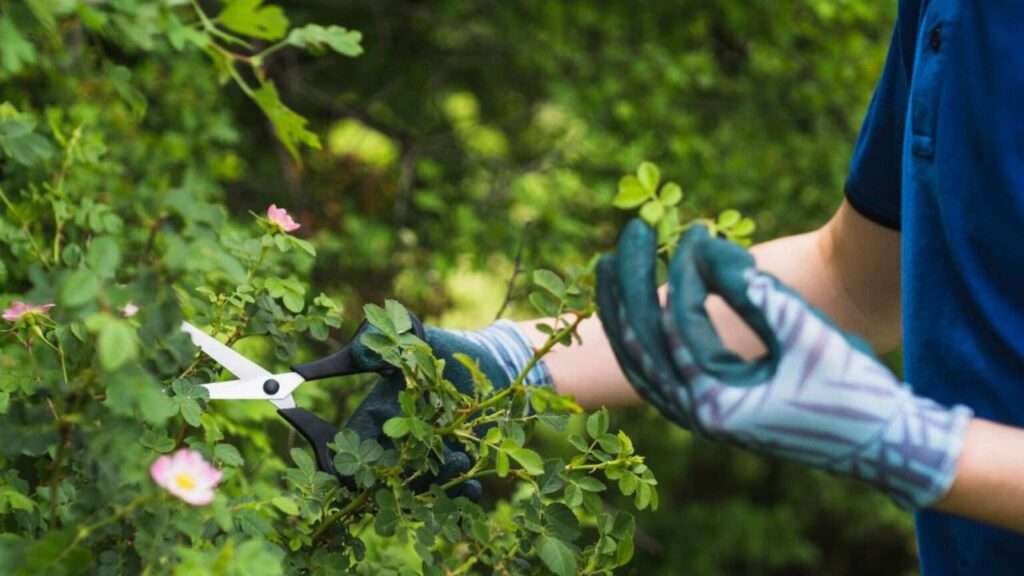
Crape Myrtles bloom on new wood (current season’s growth). Therefore, the best time to prune is late winter or early spring while the tree is still completely dormant.
The 4-Step Professional Pruning Method:
-
Remove the Suckers: Cut away any basal shoots growing from the very bottom of the trunk or out of the root system.
-
Clear the Dead Wood: Remove any dead, diseased, or crossing branches that rub against each other.
-
Thin the Canopy: Selectively thin out the inner branches. You want a bird to be able to fly straight through the canopy. This promotes airflow, which prevents fungal diseases.
-
The “Pencil Rule”: Remove thin, twiggy growth that is smaller in diameter than a standard #2 pencil. These weak twigs cannot support heavy summer flower clusters anyway.
Common Pests and Diseases (And Natural Solutions) 🐛
Even the resilient Crape Myrtle Watermelon faces a few seasonal enemies. Early identification and organic interventions are key to keeping your foliage pristine.
Crape Myrtle Aphids and Sooty Mold 🐜
If you notice the leaves of your tree turning black and sticky, you don’t have a fungus problem—you have a bug problem.
-
The Cause: Crape Myrtle Aphids suck the sap from the leaves and excrete a sticky substance called “honeydew.” A harmless but ugly black fungus called sooty mold then grows on top of this honeydew.
-
The Solution: Do not spray fungicides. Treat the aphids. Blast the foliage with a strong jet of water to knock them off. For severe infestations, apply organic Neem oil or insecticidal soap in the early evening. Alternatively, introduce beneficial predators like Ladybugs or Green Lacewings to your garden.
Powdery Mildew Prevention 💨
Powdery mildew looks like a dusting of white flour on the leaves and flower buds. It thrives in humid, stagnant air with cool nights and warm days.
-
Prevention: The best cure is prevention. Planting your tree in full sun and properly thinning the canopy (as outlined in our pruning section) guarantees the airflow and sunlight necessary to keep powdery mildew spores from germinating.
Crape Myrtle Bark Scale (CMBS) 🦠
A relatively new pest spreading across the Southern and Eastern US, CMBS appears as white, felt-like bumps covering the beautiful bark. If squeezed, they bleed a pinkish fluid.
-
Treatment: For small trees, physically scrub the trunk with a soft brush and a mild dish soap solution. For larger infestations, a systemic soil drench applied in early spring by a certified arborist is highly effective.
Stunning Landscaping Ideas for the Watermelon Variety 🏡
Integrating this vibrant cultivar into your yard can dramatically elevate your home’s curb appeal. Here is how landscape designers utilize the Crape Myrtle Watermelon.
Standalone Specimen Trees 🎯
Because of its multi-season interest—spring foliage, summer blooms, and winter bark—it makes a phenomenal standalone specimen tree. Plant it in the center of a circular driveway, or place it at the corner of your front yard to anchor your landscape design.
Privacy Screens and Property Lines 🌳🌳🌳
Looking for a softer, more colorful alternative to a traditional fence? Plant a row of Watermelon Crape Myrtles 8 to 10 feet apart along your property line. As their canopies mature and intertwine, they create a stunning, blooming privacy hedge that screens out neighbors during the outdoor summer season.
Companion Plants that Pop 🌼
To make the bright pinkish-red flowers truly pop, underplant your tree with complementary colors and textures:
-
Yellows and Whites: Coreopsis, Stella de Oro Daylilies, or Sweet Alyssum create a striking, cheerful contrast.
-
Evergreens: Low-growing evergreens like Boxwood or Dwarf Yaupon Holly hide the bare base of the tree during winter and provide a lush green backdrop for the bright summer blooms.

Expert FAQ: Your Crape Myrtle Watermelon Questions Answered ❓
Why isn’t my Crape Myrtle blooming? The most common culprits are insufficient sunlight (less than 6 hours), over-fertilization with nitrogen (encouraging leaves over flowers), or aggressive “crape murder” pruning that has weakened the tree’s energy reserves.
Are Crape Myrtle roots invasive? No. Crape Myrtles have non-destructive, fibrous root systems. They are generally safe to plant near sidewalks, driveways, and foundations, provided you account for the mature width of the canopy so branches don’t scrape your roof.
Can I grow a Watermelon Crape Myrtle in a container? Yes, but with caveats. You will need a massive container (half-whiskey barrel size) to accommodate the roots. Keep in mind that potted trees are more susceptible to winter freezing, so if you live in Zone 6, you may need to wrap the pot or move it into an unheated garage during deep freezes.
Do they lose their leaves in winter? Yes. Crape Myrtles are deciduous. They drop their leaves in late autumn (often with a beautiful display of orange and red fall color) and remain bare until very late spring. Do not panic if yours is the last tree in your yard to leaf out in May—they are naturally late bloomers!
Conclusion: A Legacy of Vibrant Summer Color 🌅
Adding a Crape Myrtle Watermelon to your landscape is an investment in decades of unparalleled summer beauty. While many ornamental trees demand constant pampering, this resilient cultivar simply asks for the basics: a sunny location, well-draining soil, and proper, respectful pruning.
By avoiding the pitfalls of “crape murder” and heavy nitrogen fertilizers, you empower your tree to do what it does best—produce an explosive, canopy-bending display of gorgeous, watermelon-pink flowers year after year.
Ready to transform your yard this season? Inspect your landscape today for that perfect full-sun spot, get your soil tested, and prepare to be the envy of your neighborhood come July.
Have you successfully grown a Watermelon cultivar in your yard? Do you have questions about a specific pest on your tree’s bark? Leave a comment below, and let’s keep your landscape blooming! 🌺