
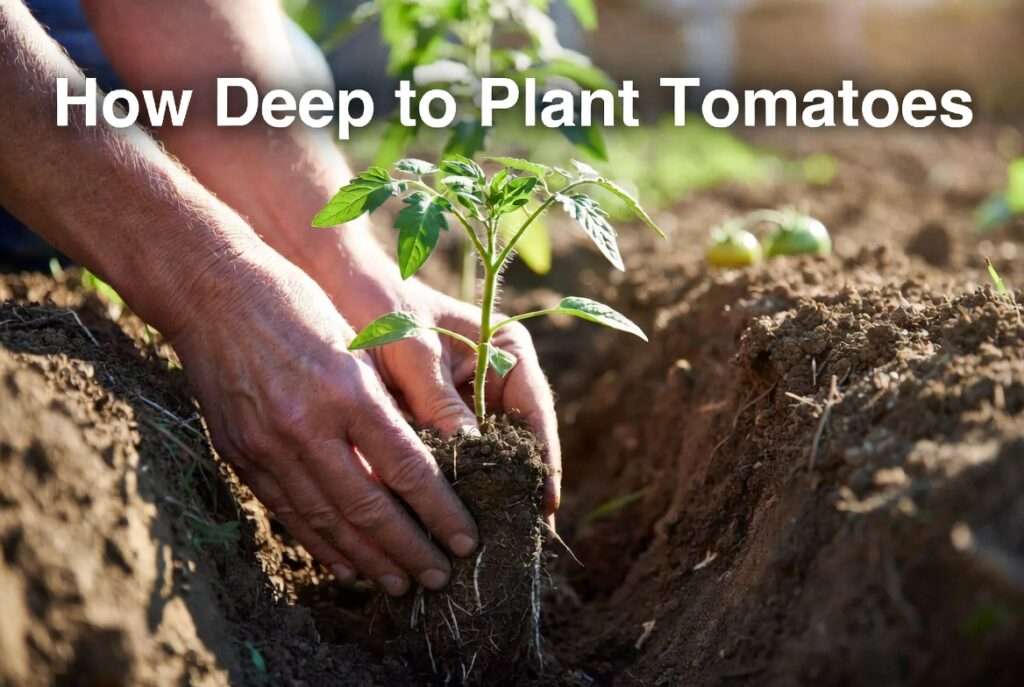
Have you ever carefully tended your tomato seedlings only to end up with weak plants, poor fruit production, or even plants that topple over once heavy fruits appear? The secret often lies in one simple but frequently overlooked step: how deep to plant tomatoes.
Getting the planting depth right can transform your garden from average to extraordinary. Unlike most vegetables, tomatoes have a remarkable ability to grow roots along their stems. When planted deeply, they develop robust root systems that deliver better nutrition, stronger anchorage, and impressive yields. Many gardeners who follow this technique report up to 30-50% higher harvests compared to shallow planting.
In this ultimate guide, we’ll explore exactly how deep to plant tomatoes for optimal results, whether you’re growing in raised beds, containers, or traditional garden rows. You’ll discover proven techniques, common mistakes to avoid, expert aftercare tips, and troubleshooting advice that will help you grow healthier, more productive tomato plants this season. Let’s dig deep into the secrets of tomato success! 🌿
Why Planting Depth Matters More for Tomatoes Than Other Vegetables 🍅
Tomatoes are unique in the vegetable garden because they are biologically programmed to produce adventitious roots — roots that can sprout anywhere along the buried portion of the stem. This adaptation comes from their wild ancestors in South America, where heavy rains and loose soil often buried parts of the plant.
When you plant tomatoes shallowly, like most other crops, you miss out on this natural advantage. Shallow-planted tomatoes often develop weak root systems, making them more vulnerable to drought, wind, pests, and diseases. On the other hand, proper deep planting encourages a massive, vigorous root network that supports lush foliage and abundant fruit production.
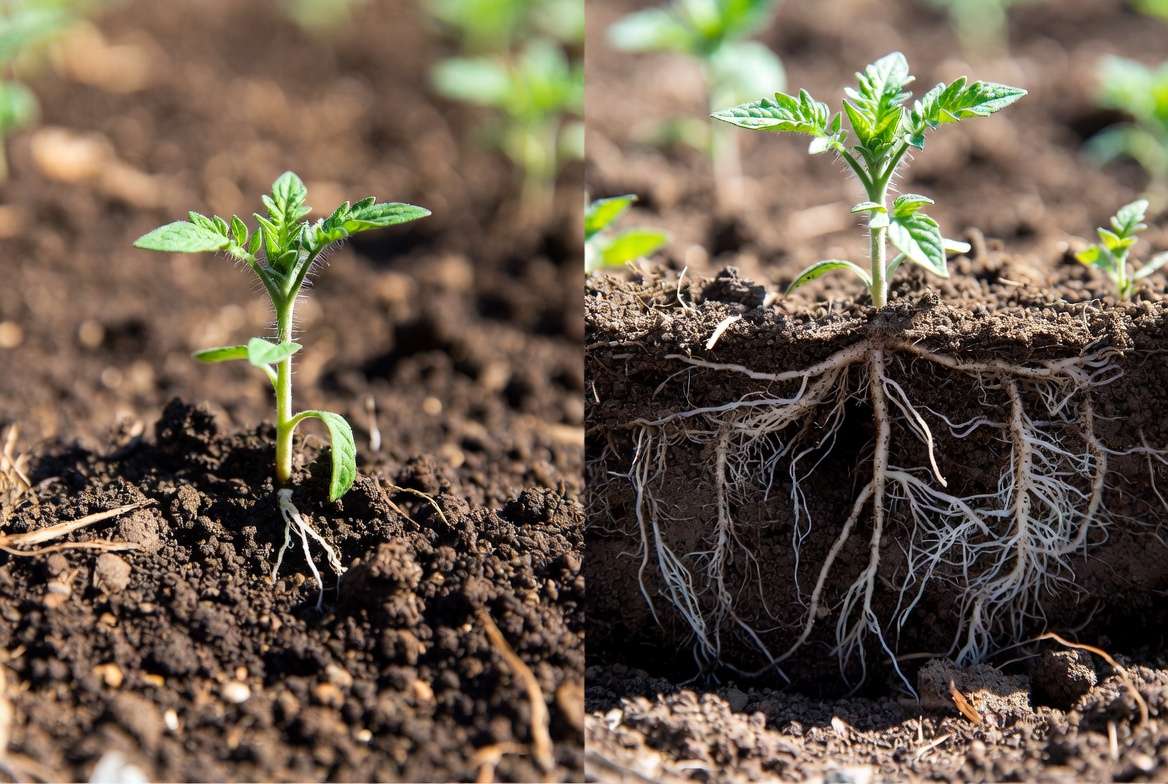
Key Benefits of Proper Tomato Planting Depth:
- Stronger Root System — More roots mean better access to water and nutrients even during dry spells.
- Improved Drought Resistance — Deep roots reach moisture deeper in the soil.
- Better Anchorage — Plants stay upright even when loaded with heavy clusters of ripening tomatoes.
- Reduced Disease Risk — Lower leaves are buried, minimizing soil splash that spreads fungal diseases like early blight.
- Higher Yields — Healthier plants produce more flowers and fruits.
Studies from university extension services, such as those from Cornell University and the University of California, consistently show that deeper planting leads to significantly healthier transplants and bigger harvests.
Shallow vs Deep Planting Comparison:
- Shallow (2-3 inches): Weaker plants, more staking needed, lower yield.
- Deep (6-12+ inches or 2/3 of stem): Stronger plants, natural support, higher productivity.
This difference becomes especially noticeable in hot climates or during heavy fruiting periods. 🌞
How Deep to Plant Tomatoes – The Golden Rule
So, exactly how deep to plant tomatoes?
The golden rule is to bury approximately two-thirds (2/3) of the stem underground. For a typical 6-10 inch tall seedling, this usually means planting 6 to 12 inches deep, leaving only the top leaves and growing tip above the soil.
Recommended Depth by Tomato Type:
Determinate (Bush) Tomatoes These compact varieties (like Roma or Celebrity) need slightly less depth — usually 6-8 inches. Their shorter stature means they don’t require as much root support as vining types. 🍅
Indeterminate (Vining) Tomatoes Popular varieties like Beefsteak, Brandywine, or Cherry tomatoes benefit from deeper planting, often 8-14 inches. Their vigorous growth and heavy fruit load demand a massive root system for stability.
Cherry & Grape Tomatoes These prolific producers can be planted quite deeply (up to 10-12 inches) as they tend to be more forgiving and productive even in challenging conditions.
Heirloom Varieties Many heirlooms grow tall and leggy. Take advantage of this by burying as much of the long stem as possible — sometimes even laying the plant horizontally in a trench.
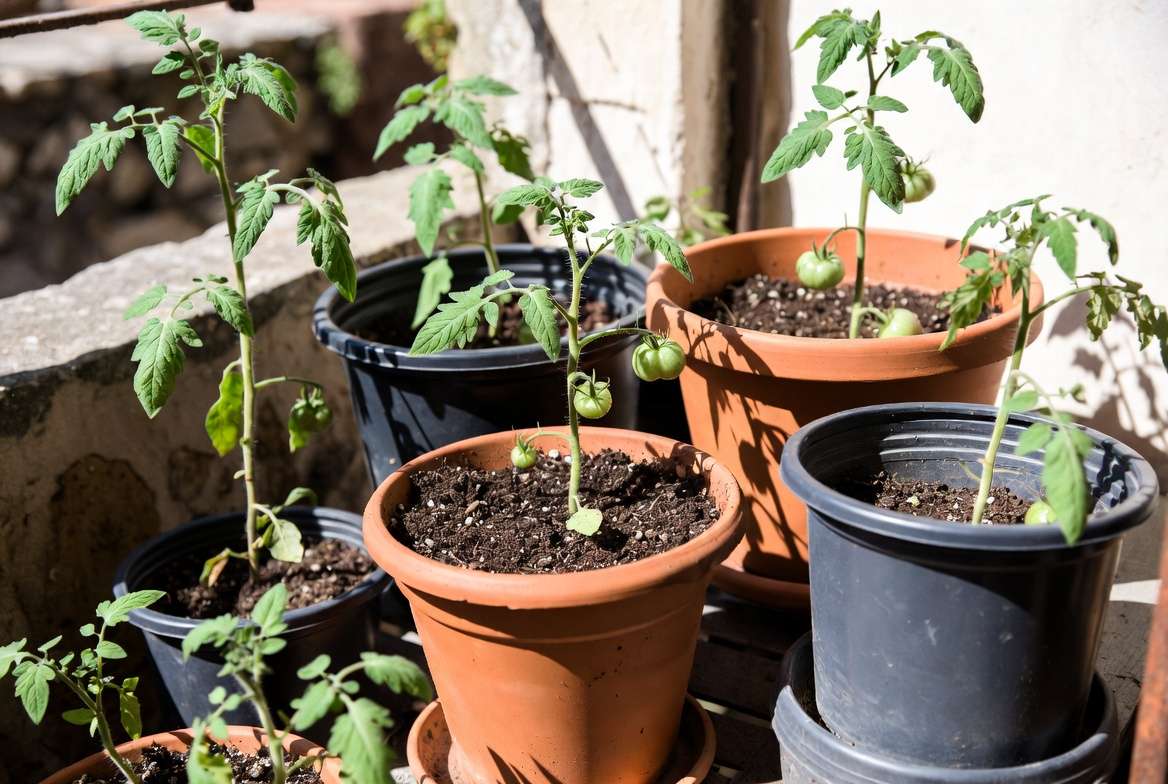
Container Planting Depth In pots, aim to fill the container so that only 4-6 inches of stem remains above soil. Use large containers (at least 5-10 gallons) for best results.
Pro Tip: If your seedlings are very leggy (tall and spindly), don’t worry! This is actually perfect for deep planting. Simply bury the long, weak stem — it will quickly develop strong roots.
A simple rule of thumb: If your tomato plant is 12 inches tall, plant it so only the top 4 inches remain above ground.
Step-by-Step Guide: How to Plant Tomatoes at the Right Depth
Now that you understand the “why” and the “how deep,” let’s walk through the exact process. This method has been refined over years of hands-on experience and backed by recommendations from leading agricultural universities.
H3: Preparing Your Soil and Site Start with well-draining, nutrient-rich soil. Tomatoes thrive in slightly acidic soil with a pH between 6.0 and 6.8. Work in plenty of organic matter like compost or aged manure to improve structure and fertility.
Choose a sunny location that receives at least 6–8 hours of direct sunlight daily. Space plants 18–36 inches apart depending on variety — indeterminate types need more room. 🌞
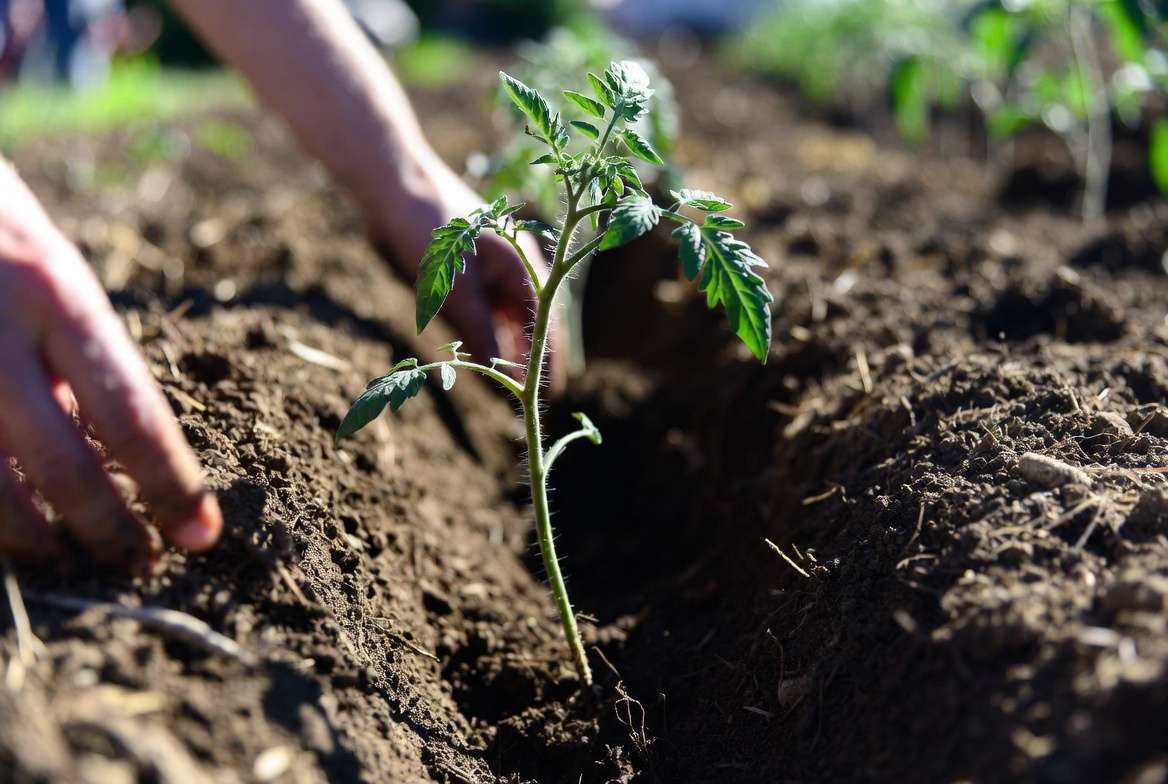
H3: Choosing Healthy Seedlings or Starts Select sturdy seedlings with thick stems and deep green leaves. Avoid plants that are already flowering heavily or show signs of stress. Leggy seedlings are actually ideal for deep planting!
H3: The Deep Planting Technique There are two popular methods:
- Vertical Method (most common for garden beds)
- Dig a hole deep enough to bury 2/3 of the stem.
- Gently remove the seedling from its pot.
- Pinch off the lower leaves along the stem that will be buried.
- Place the plant in the hole vertically and backfill with soil, firming it gently around the base.
- Water deeply immediately after planting.
- Trench Method (best for very leggy transplants)
- Dig a long, shallow trench about 6–8 inches deep.
- Lay the tomato plant horizontally, with the root ball at one end.
- Bend the stem gently upward so the top leaves stand vertically.
- Cover the stem with soil, leaving only the top 4–6 inches exposed.
- This method encourages even more root development along the entire buried stem.
H3: Pro Tips for Best Results
- Always remove lower leaves before planting to prevent disease.
- Add a handful of bone meal or organic fertilizer at the bottom of the hole to boost root growth.
- Water with a diluted kelp or seaweed solution to reduce transplant shock.
- Plant in the late afternoon or on a cloudy day to minimize stress.
H3: Planting in Containers and Raised Beds For containers, choose pots at least 12–18 inches deep. Fill with high-quality potting mix and plant deeply so only the top portion shows. Raised beds offer excellent drainage — follow the same depth guidelines as in-ground planting but ensure beds are at least 12 inches tall. 🪴
Factors That Influence Optimal Planting Depth
The perfect depth isn’t one-size-fits-all. Several important factors should guide your decision:
- Climate and Growing Zone: In hotter regions (like USDA zones 8–11), plant slightly deeper for better drought resistance. In cooler climates (zones 4–6), avoid planting too deep if soil warms slowly.
- Soil Quality and Drainage: Heavy clay soils may need shallower planting to prevent root rot, while sandy soils benefit from deeper placement.
- Tomato Variety Specifics: Compact determinate types need less depth than sprawling indeterminate ones.
- Transplant Size: Larger, older seedlings can handle deeper planting than tiny starts.
- Regional Weather Patterns: Areas with frequent strong winds require deeper planting for better anchorage.
Adjusting for these factors separates good gardeners from great ones. 🌍
Common Mistakes Gardeners Make with Tomato Planting Depth ❌
Even experienced gardeners sometimes get this wrong. Here are the most frequent errors:
- Planting Too Shallow: The #1 mistake. This leads to weak roots, constant staking needs, and lower yields.
- Planting Too Deep: Burying the growing tip or damaging the stem can suffocate the plant. Always keep at least 4 inches of top growth above soil.
- Burying Too Many Leaves: Leaving leaves underground can invite rot in wet conditions.
- Ignoring Soil Temperature: Planting too early in cold soil stresses roots regardless of depth. Wait until soil reaches 60°F (15°C).
- Wrong Timing: Transplanting during peak summer heat increases failure rates.
Avoiding these pitfalls will dramatically improve your success rate.
Aftercare for Deep-Planted Tomatoes – Maximize Your Harvest
Once your tomatoes are in the ground at the correct depth, proper aftercare makes all the difference between a good harvest and an outstanding one. Deep planting gives your plants a strong foundation — now it’s time to support that root system.
Watering Best Practices Water deeply but infrequently — aim for 1–2 inches of water per week. Deep roots can access moisture better, so allow the top 2–3 inches of soil to dry out between waterings. This encourages roots to grow downward. Early morning watering reduces fungal issues. 💧
Mulching Techniques Apply 2–3 inches of organic mulch (straw, shredded leaves, or grass clippings) around the base of the plant. Mulch retains moisture, regulates soil temperature, and prevents soil from splashing onto stems. Keep mulch a couple of inches away from the stem to avoid rot.
Support Systems Even with deep planting, most tomatoes need support:
- Use sturdy stakes or cages right at planting time.
- For indeterminate varieties, try the Florida Weave trellising method for excellent airflow.
- Heavy fruit loads on deep-rooted plants stay upright much better.
Fertilization Schedule Start with phosphorus-rich fertilizer at planting for root development. Switch to balanced fertilizer after 3–4 weeks, then move to potassium-heavy formulas once flowering begins. Side-dress with compost tea every 2–3 weeks. Deep roots absorb nutrients more efficiently, reducing the need for frequent feeding.
Pruning Tips Remove suckers on indeterminate tomatoes to focus energy on fruit production. Good airflow from proper pruning also reduces disease pressure on deep-planted tomatoes. ✂️
Troubleshooting Common Problems After Deep Planting
Even with perfect depth, issues can arise. Here’s how proper planting depth helps prevent and solve them:
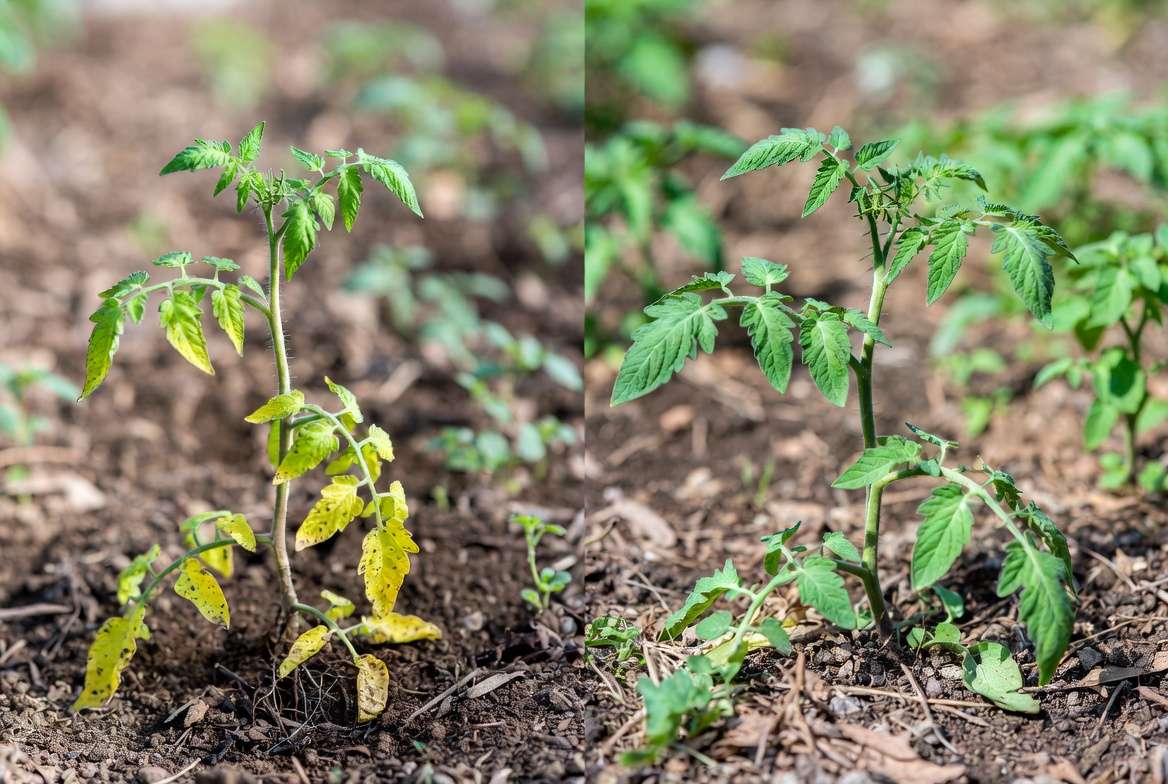
- Yellow Leaves: Often due to nitrogen deficiency or overwatering. Deep roots usually recover faster once balanced.
- Leggy Plants: Rarely an issue after deep planting — the buried stem quickly strengthens.
- Blossom End Rot: Calcium uptake improves with strong roots. Add crushed eggshells or gypsum if needed.
- Fruit Splitting: Inconsistent watering is the main culprit. Deep roots help maintain steadier moisture levels.
- Slow Growth: Could be cold soil or transplant shock. Deep planting generally speeds establishment after the initial adjustment.
Proper tomato planting depth significantly reduces many common problems by creating resilient, self-supporting plants. Monitor weekly and adjust care as needed.
Expert Tips & Advanced Techniques for Bigger Harvests 🌟
As a gardener with over 12 years of experience growing tomatoes in various conditions, here are my proven advanced strategies:
- Companion Planting: Grow basil, marigolds, or nasturtiums near tomatoes. These companions deter pests and enhance flavor.
- Organic Amendments: Mix worm castings or mycorrhizal fungi into the planting hole. These boost root colonization dramatically.
- Season Extension: In cooler areas, use wall-o-water protectors for early deep planting. In hot climates, plant deeper and use shade cloth during peak summer.
- Succession Planting: Stagger deep plantings every 2–3 weeks for continuous harvest.
- Root Zone Heating: In raised beds, consider soil warming cables for earlier deep planting in spring.
Master gardeners and extension services like those from Texas A&M and Penn State recommend these techniques alongside deep planting for maximum productivity. Many report harvesting 20–50+ pounds per plant using these combined methods. 🎉
Frequently Asked Questions (FAQs)
How deep to plant tomatoes in pots? In containers, bury about half to two-thirds of the stem, leaving 4–6 inches above soil. Use pots with excellent drainage.
Can you plant tomatoes too deep? Yes. Never bury the growing tip. Keep at least 3–4 inches of foliage above ground to ensure proper photosynthesis.
Should I plant tomatoes deeper than other vegetables? Absolutely. Most vegetables are planted at soil level, but tomatoes benefit from deep planting due to their ability to form adventitious roots.
What if my tomato seedlings are very leggy? Perfect! Lay them in a trench or plant deeply. The long stem will become a strong root base.
Does planting depth affect tomato flavor or size? Yes — healthier, deeper-rooted plants often produce sweeter, larger fruits due to better nutrient uptake.
Best time to plant tomatoes? After the last frost when soil temperature consistently stays above 60°F (15°C).
Can I plant tomatoes from cuttings using the deep method? Yes! Tomato cuttings root extremely well when planted deeply. This is an excellent way to propagate favorite varieties.
Conclusion
Mastering how deep to plant tomatoes is one of the smartest moves any gardener can make. By burying two-thirds of the stem, you unlock the plant’s natural ability to develop a powerful root system that leads to stronger, more resilient plants and significantly bigger harvests. 🌱🍅
Whether you’re a beginner or seasoned grower, this technique delivers reliable results across different varieties, climates, and growing methods. Take the time to plant correctly this season — your future self (and your dinner table) will thank you.
Ready to grow your best tomatoes ever? Try the deep planting method in your garden and watch the difference. Share your results in the comments below — I love hearing success stories from fellow gardeners!
For more expert plant care advice, check out our guides on “Best Tomato Varieties for Beginners” and “How to Prune Tomatoes for Maximum Yield.”
Happy gardening! 🌿











