
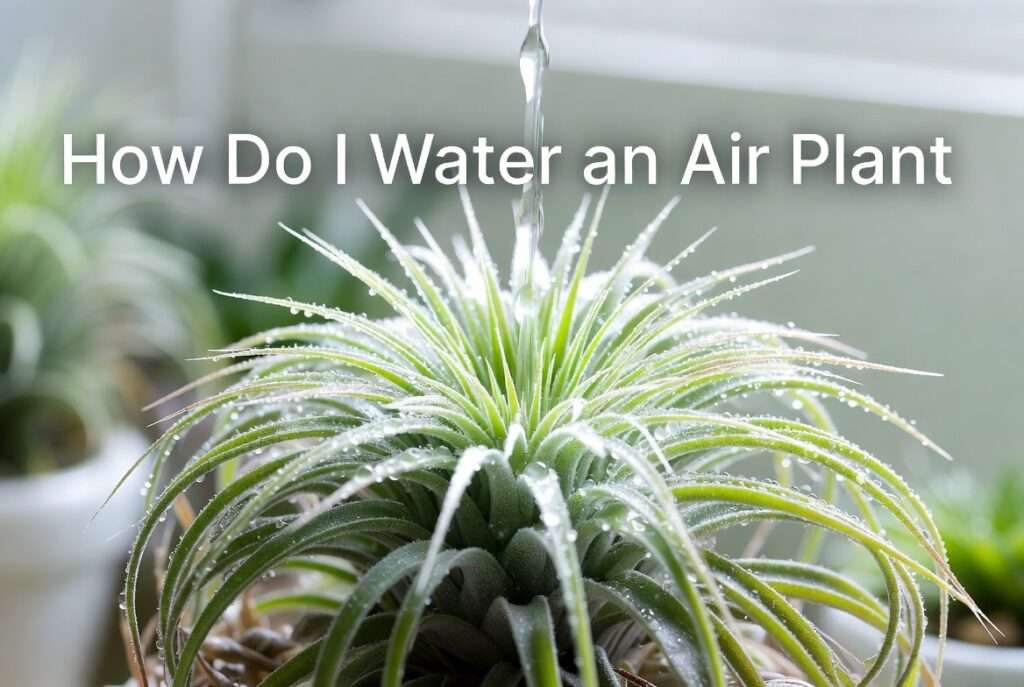
You just brought home a beautiful air plant and it looks absolutely magical hanging in your living room — but now you’re wondering, how do I water an air plant without soil? 😟 Don’t worry, you’re not alone. Thousands of new plant parents face this exact question every month.
Air plants (Tillandsia) are fascinating, low-maintenance wonders of nature that don’t need traditional soil to thrive. However, proper watering is the single most important factor that determines whether your air plant stays vibrant and healthy or slowly declines.
In this comprehensive guide, I’ll walk you through everything you need to know about watering air plants the right way. With over 12 years of hands-on experience growing and caring for hundreds of Tillandsia species, I’ve learned what truly works in real home environments. You’ll discover the best soaking and misting techniques, how often to water based on your climate, common mistakes to avoid, and expert tips to keep your air plants thriving for years. 🌿
Whether you’re a complete beginner or looking to level up your care routine, this guide is designed to solve your biggest air plant watering challenges and turn you into a confident Tillandsia parent.
Understanding Air Plants – Why They’re Different 🌬️
Air plants are unlike any other houseplant you’ve cared for. They belong to the Bromeliad family and are epiphytes — meaning in nature they grow on trees, rocks, or other surfaces without rooting into soil. Instead of traditional roots for absorbing water, they use specialized leaf structures called trichomes.
What Makes Air Plants Unique?
Unlike regular potted plants, air plants get almost all their moisture and nutrients directly through their leaves. Their roots are primarily for anchoring them to surfaces. This unique adaptation allows them to survive in harsh environments, but it also makes correct watering technique essential.
How Air Plants Absorb Water and Nutrients
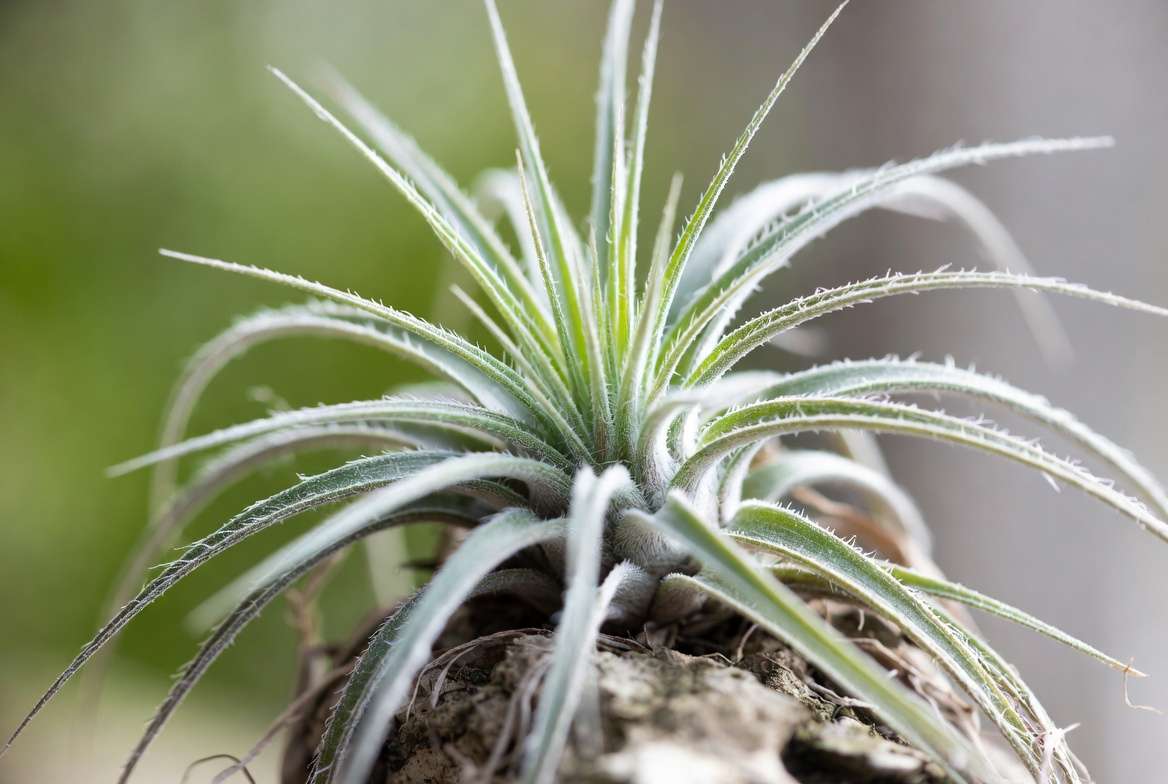
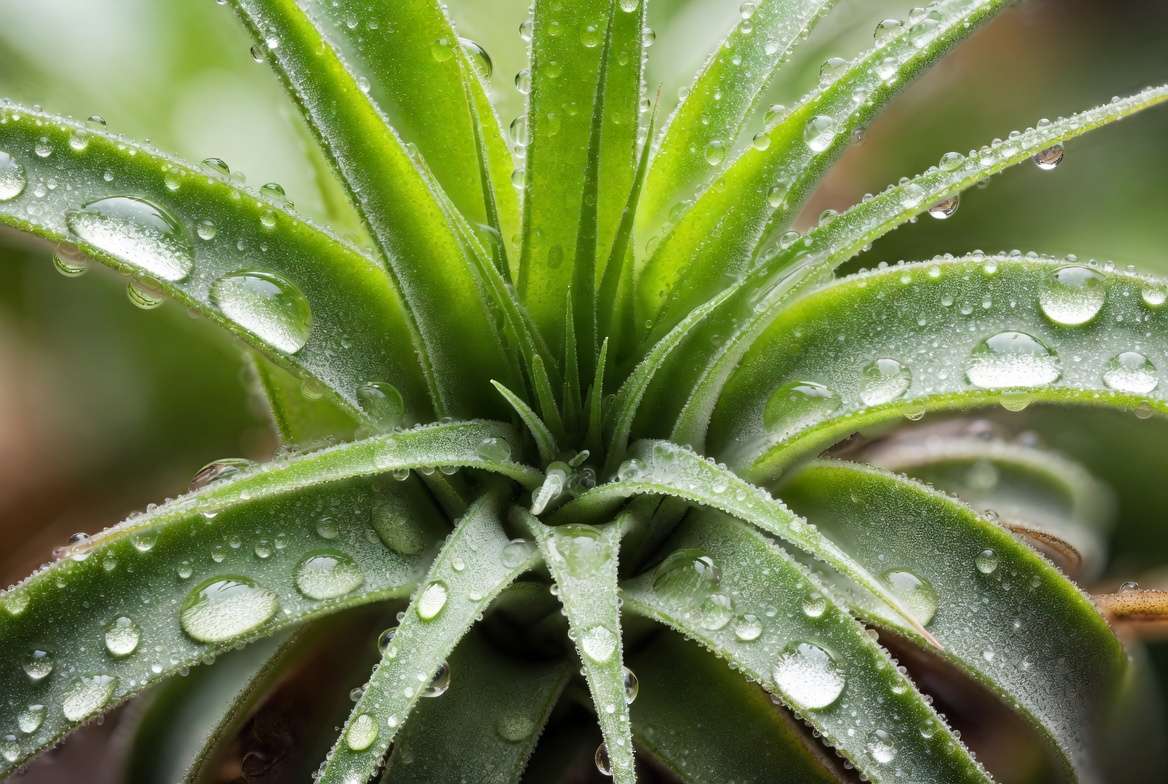
The silvery or fuzzy coating you see on many air plants is made of trichomes — tiny scales that act like sponges. When you water your air plant properly, these trichomes open up and soak in moisture. After watering, they close as the plant uses the water, which is why thorough drying is so important.
Popular Air Plant Varieties and Their Watering Needs
Not all air plants are the same! They generally fall into two categories:
- Mesic Air Plants (e.g., Tillandsia ionantha, Tillandsia fuchsii): These prefer more frequent watering and higher humidity. They often have smoother, greener leaves.
- Xeric Air Plants (e.g., Tillandsia xerographica, Tillandsia tectorum): These are more drought-tolerant with thicker trichomes and prefer less frequent but deeper watering.
Understanding which type you have is the first step to successful care. 💡
How Often Should You Water an Air Plant?
This is one of the most common questions I receive. The answer? It depends on your environment.
General Watering Frequency Guidelines
- Beginner Rule: Soak your air plant 1–2 times per week for 20–30 minutes.
- Low Humidity / Dry Climates (like indoor heating in winter): Water 2–3 times per week.
- High Humidity Areas: Once a week may be sufficient.
Factors That Affect Watering Schedule
Several environmental factors play a big role:
- Humidity levels: Higher humidity = less frequent watering
- Temperature: Warmer rooms increase evaporation
- Airflow: Good circulation helps plants dry faster and prevents rot
- Light: Brighter indirect light may require more frequent watering
- Display method: Mounted plants dry faster than those in enclosed terrariums
Seasonal Adjustments
- Summer: Increase watering frequency as heat and AC dry the air
- Winter: Reduce slightly but monitor closely due to indoor heating
- Rainy Season: You can sometimes rely more on natural humidity
Pro Tip: Create a simple watering calendar based on your local climate. In Bangladesh’s humid conditions, most air plants do wonderfully with weekly soaks plus occasional misting. 🌧️
The Best Way to Water an Air Plant – Step-by-Step Guide 💦
Here’s the exact method I recommend for most people:
Step 1: Choose the Right Water Type
Best options, ranked:
- Rainwater (ideal)
- Filtered or distilled water
- Tap water left out overnight (to let chlorine evaporate)
- Avoid softened water (contains salts)
Step 2: The Soaking Method (Most Effective Technique)
- Fill a clean bowl or sink with room-temperature water.
- Submerge your air plant completely for 20–30 minutes.
- Gently shake off excess water.
- Place upside down on a towel to dry.
Step 3: The Misting Method (When & How to Use It)
Misting works well as a supplement but not as the only method. Use a fine-mist spray bottle 2–3 times per week between soaks, focusing on the leaves. Great for quick hydration in dry weather! ✨
Step 4: Proper Drying Technique (The Most Important Step)
This is where many people go wrong. After watering:
- Always let your air plant dry completely within 4 hours.
- Place it upside down in a well-ventilated area with good airflow.
- Never leave water pooling in the center of the plant (this causes rot).
Visual Tip: Imagine giving your air plant a refreshing shower followed by a gentle blow-dry! 💨
Common Watering Mistakes and How to Avoid Them ❌
Even experienced plant lovers make these errors:
Overwatering vs. Underwatering – Signs & Solutions
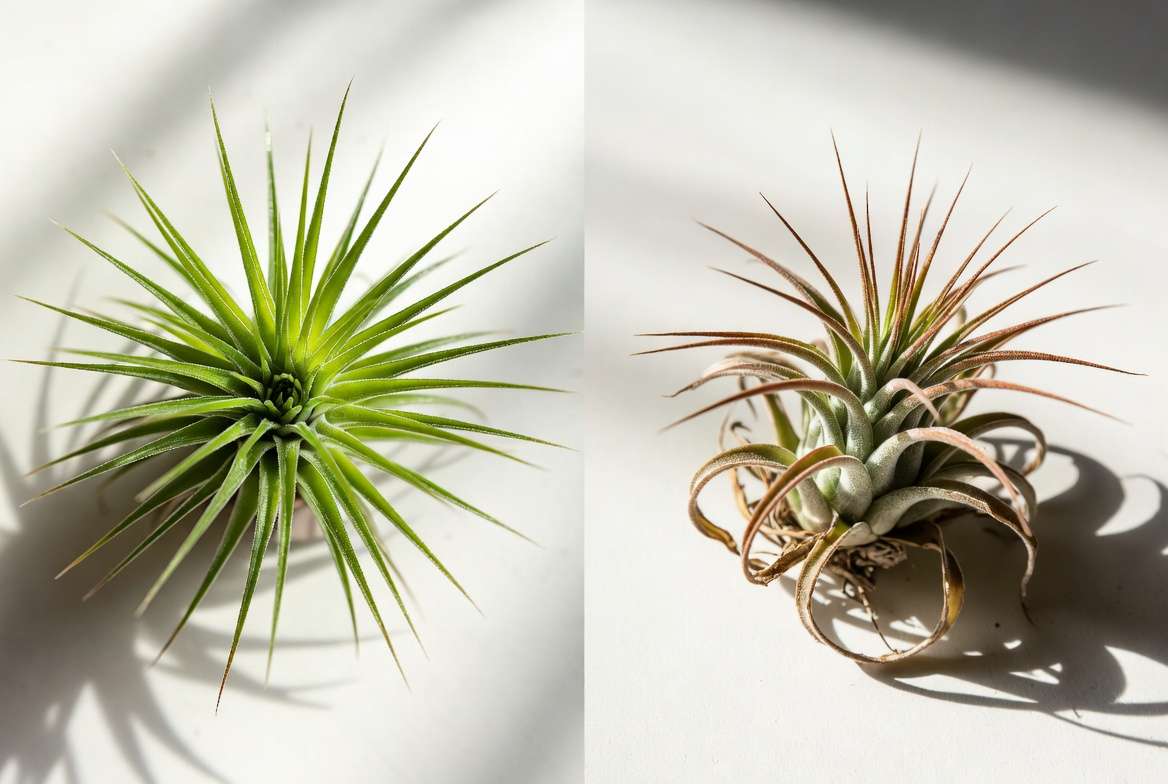
- Overwatering signs: Black or mushy base, foul smell, leaves falling off easily.
- Underwatering signs: Curled or crispy leaves, dull color, very dry appearance.
Why Your Air Plant is Turning Brown at the Tips
Usually a sign of dehydration or poor water quality. Increase soaking time and switch to better water.
The “Rot” Problem
Rot is the #1 killer of air plants. It almost always comes from water sitting too long in the base or insufficient drying time. Prevention is simple: thorough drying + good airflow.
Signs Your Air Plant is Happy (or Needs Help) 🌟
After mastering the watering technique, learning to “read” your air plant is the next essential skill. Healthy air plants show clear signs of proper hydration and care.
Healthy Indicators After Watering
- Bright, vibrant color (greens look richer, silvers look shinier)
- Open, relaxed leaves instead of tightly curled
- New growth or “pups” appearing at the base
- Firm but flexible leaves when gently touched
- A slight “plump” feeling after soaking
A well-watered Tillandsia almost seems to glow with life! 🌟
Warning Signs and Quick Fixes
- Crispy or brown leaf tips: Usually underwatering. Increase soak time to 30–45 minutes and mist more frequently.
- Soft, black, or mushy base: Overwatering or poor drying. Remove damaged leaves carefully and improve airflow.
- Leaves falling off easily: Could be a combination of dehydration stress or root issues (though roots are minimal).
- Dull, grayish appearance: Needs more consistent moisture and possibly better light.
How to Read Your Plant’s Mood
Observe your air plant daily for the first few weeks. Many enthusiasts keep a small care journal noting watering dates and plant response. This simple habit dramatically improves success rates and builds confidence in air plant care.
Advanced Watering Tips for Thriving Air Plants ✨
Once you’ve nailed the basics, these pro techniques will take your Tillandsia collection to the next level.
Mounting & Display Methods That Affect Watering
- Mounted or hanging plants: Dry faster — may need soaking twice weekly.
- Terrariums or glass enclosures: Reduce watering frequency but ensure excellent ventilation.
- Wire or wooden displays: Allow maximum airflow, which is ideal for preventing rot.
Fertilizing While Watering (Best Fertilizers & Schedule)
Air plants benefit from gentle feeding. Use a bromeliad-specific or air plant fertilizer diluted to ¼ strength. Add it to your soaking water once every 2–4 weeks during the growing season (spring through fall). This provides essential nutrients that plain water alone cannot deliver. My personal favorite is a balanced, water-soluble formula designed for epiphytes.
Watering Air Plants in Terrariums, Glass Globes & Arrangements
Enclosed displays require extra attention. Mist lightly instead of full soaking, and always remove the plant for thorough drying every 7–10 days. Never let water accumulate at the bottom of glass containers.
Species-Specific Watering Guides (Top 10 Popular Varieties)
Here’s a quick reference table:
| Air Plant Variety | Type | Soaking Frequency | Special Notes |
|---|---|---|---|
| Tillandsia ionantha | Mesic | 2x per week | Loves frequent misting |
| Tillandsia xerographica | Xeric | 1x per week | Very drought tolerant |
| Tillandsia fuchsii | Mesic | 2x per week | Delicate — gentle handling |
| Tillandsia tectorum | Xeric | 1x every 10 days | Fuzzy trichomes need deep soak |
| Tillandsia bulbosa | Mesic | 2x per week | Unique bulb base — shake well |
| Tillandsia capitata | Mesic | 1–2x per week | Beautiful color when hydrated |
| Tillandsia stricta | Mesic | 2x per week | Fast grower with proper care |
| Tillandsia harrisiae | Xeric | 1x per week | Thrives in brighter light |
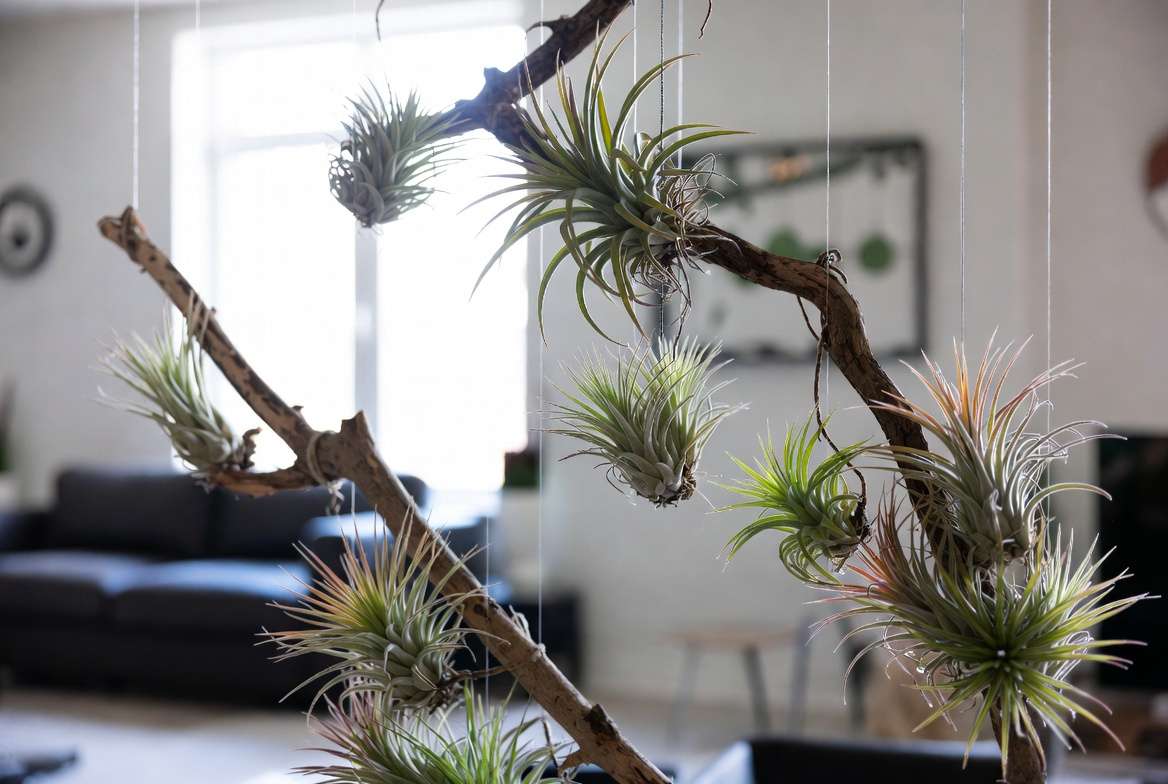
Weekly Spa Day Routine 💆♀️: Every Sunday, give your collection a full soak, gentle shake, and fresh air time. Many collectors report better blooming and pup production with this consistent rhythm.
Beyond Watering – Complete Air Plant Care for Long-Term Success
Watering is crucial, but great air plant care involves several interconnected elements.
Ideal Light, Temperature & Air Circulation
- Light: Bright indirect light (east or west windows are perfect). Avoid direct scorching sun.
- Temperature: 50–90°F (10–32°C) is ideal. Protect from cold drafts.
- Airflow: Essential! A gentle fan or open windows help replicate their natural breezy habitat.
Best Places to Display Air Plants at Home
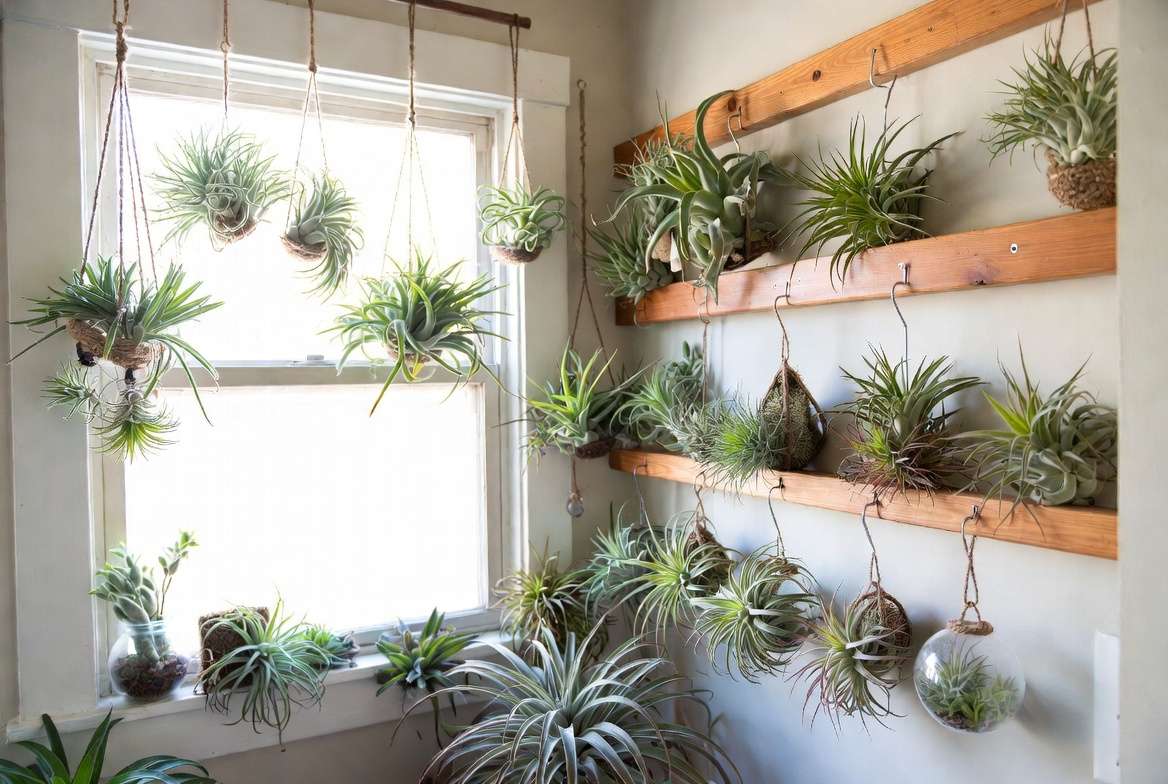
Bathrooms (natural humidity), near kitchen windows, hanging near air conditioners (with monitoring), or in creative wall displays. In humid regions like Bangladesh, they often thrive near windows with good ventilation.
Propagation Techniques (Pups & Pups Care)
When your air plant produces pups (baby plants), continue the same watering routine. Once pups reach ⅓ the size of the mother plant, you can separate them gently. Water pups more frequently as they establish themselves.
Common Pests & Diseases Related to Watering Issues
Mealybugs and scale can appear if plants stay too wet. Treat early with neem oil or insecticidal soap. Proper drying after watering prevents most fungal issues.
Troubleshooting Guide – Your Air Plant Problems Solved
Quick Checklist:
- Plant turning brown? → Increase soaking time + better water quality
- Rot at base? → Cut away damaged parts, dry thoroughly, reduce watering
- No new growth? → Check light + add fertilizer to water
- Leaves curling tightly? → More frequent hydration needed
- White powdery look? → Normal trichomes — just needs consistent care
Most air plant problems are reversible if caught early. With patience and the right technique, even “rescued” plants can bounce back beautifully.
Frequently Asked Questions (FAQs) ❓
How do I water an air plant without a sink? Use a large bowl or spray bottle for misting + partial submersion. Many people use their shower for occasional deep cleans.
Can I use tap water for air plants? Yes, if left out overnight. Rainwater or filtered is better for long-term health.
How long should I soak my air plant? 20–30 minutes is perfect for most varieties. Xeric types can handle longer soaks.
Do air plants need soil? No! They are true epiphytes and prefer no soil at all.
Why is my air plant dying after watering? Most likely insufficient drying time. Always ensure complete drying within 4 hours.
Can air plants survive without watering? For short periods yes, but they won’t thrive. Consistent care is key to longevity (many live 5–10+ years with good habits).
Conclusion
Mastering how to water an air plant is the foundation of successful Tillandsia care. By following the step-by-step soaking method, paying attention to drying, adjusting for your environment, and avoiding common mistakes, you’ll enjoy healthy, beautiful air plants that may even reward you with colorful blooms and adorable pups.
Remember: Every air plant is unique. Observe, adjust, and enjoy the process. With the techniques shared in this guide, you now have expert-level knowledge to keep your air plants thriving for years to come. 🌱💚
Start your weekly watering routine this week and watch the transformation. If you have questions or success stories, feel free to share them in the comments below — I love hearing from fellow plant enthusiasts!
Happy watering and happy growing! ✨











