
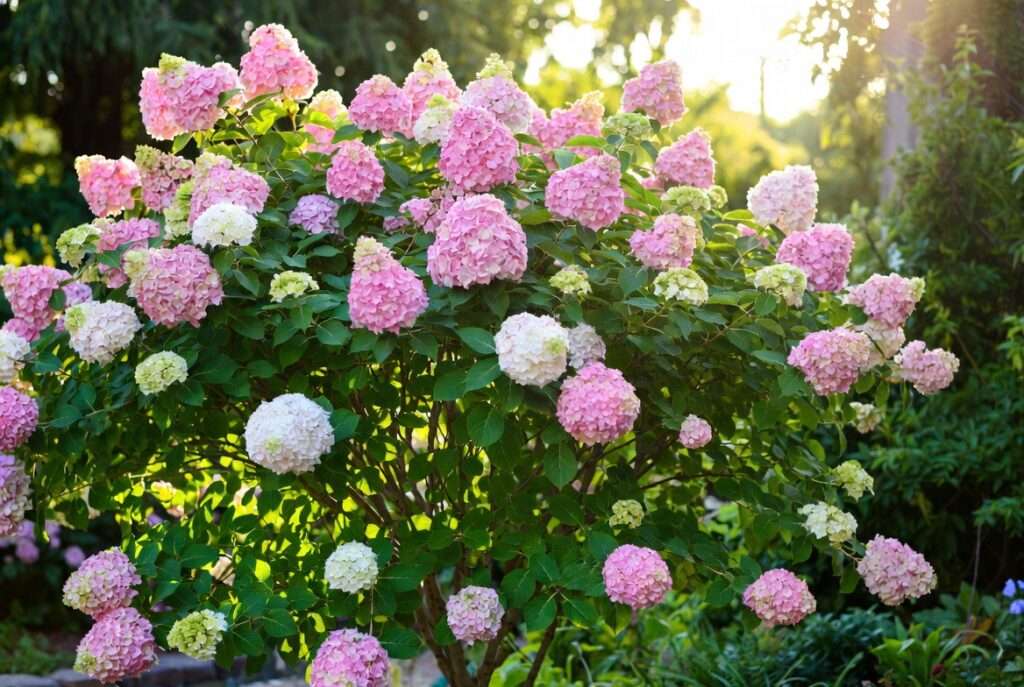
Imagine stepping into your backyard on a warm summer morning and being greeted by a graceful hydrangea tree crowned with massive, colorful flower clusters that shimmer in the sunlight. The sight is nothing short of magical — and entirely achievable with the right knowledge. If you’ve searched for “hydrangea tree,” you’re likely dreaming of this exact scene but unsure how to make it reality. Many gardeners start with a beautiful nursery plant only to struggle with blooms, shape, or winter survival.
As a certified horticulturist with over 15 years of hands-on experience growing ornamental trees and shrubs in diverse climates, I’ve helped hundreds of homeowners transform ordinary yards into stunning garden showcases using hydrangea trees. This comprehensive guide distills everything you need to know about hydrangea tree care — from selecting the perfect variety to advanced pruning techniques and troubleshooting common issues. Whether you’re a beginner or seasoned gardener, you’ll walk away with practical, proven strategies to grow a healthy, long-blooming hydrangea tree that becomes the centerpiece of your landscape. Let’s grow something extraordinary together! 🌱✨
What Is a Hydrangea Tree? Understanding the Basics 🧐
A hydrangea tree is not a naturally occurring dwarf tree species but rather a specially trained or grafted form of certain hydrangea varieties, most commonly Hydrangea paniculata (panicle hydrangea). Unlike traditional hydrangea shrubs that spread wide and low, tree-form hydrangeas feature a single main trunk with a rounded or umbrella-shaped canopy of flowers and foliage.
Key Differences Between Hydrangea Shrubs and Trees While most hydrangeas (such as bigleaf or oakleaf types) grow as multi-stemmed bushes, tree forms are pruned and trained to develop one strong central leader. This creates dramatic vertical interest perfect for smaller gardens, patios, and entryways. Panicle hydrangeas are the most reliable for tree form because they bloom on new wood, flower reliably, and tolerate pruning well.
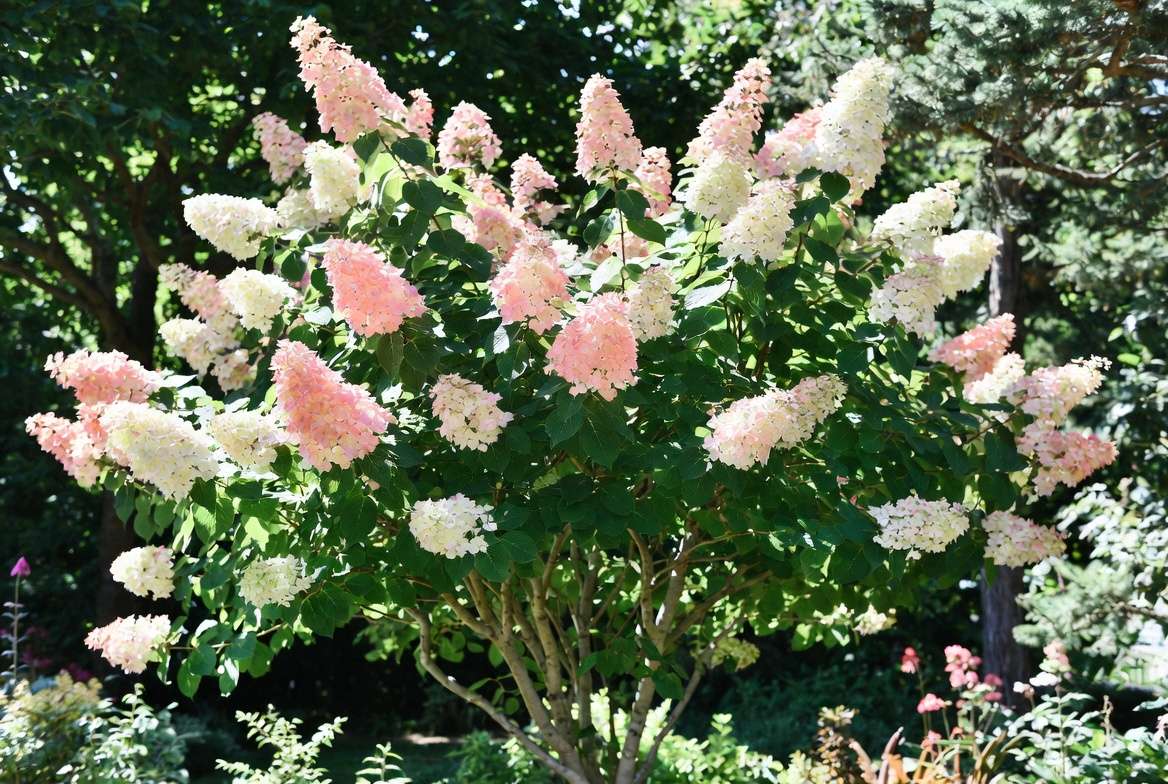
Popular Hydrangea Tree Varieties
- ‘Limelight’ — Famous for lime-green flowers that age to pink and burgundy. Grows 6–8 feet as a tree.
- ‘Quick Fire’ — Earliest bloomer with flowers turning deep pink-red. Excellent for shorter seasons.
- ‘Little Lime’ or ‘Pinky Winky’ — Compact options ideal for containers or small spaces.
- ‘Phantom’ — Produces some of the largest flower panicles available.
These varieties thrive in USDA zones 3–9, making them versatile across much of North America. In my experience, choosing the right cultivar for your climate is the first major step toward success.
Choosing the Right Hydrangea Tree for Your Garden 🌍
Success with hydrangea tree care begins long before planting. Matching the plant to your specific conditions prevents disappointment later.
Climate and Hardiness Zones Hydrangea paniculata tree forms are remarkably cold-hardy. Most varieties survive temperatures down to -30°F (-34°C). However, in hotter southern zones (8–9), provide afternoon shade to prevent leaf scorch.
Sunlight Requirements Hydrangea trees perform best with full sun to partial shade (at least 4–6 hours of direct sunlight). Morning sun with afternoon protection yields the strongest stems and most vibrant blooms. Too much shade results in leggy growth and fewer flowers.
Space and Mature Size Expect a mature hydrangea tree to reach 6–15 feet tall and 4–8 feet wide depending on variety and pruning. Allow adequate room for the canopy to develop without crowding other plants.
Pro Tip for Buying Healthy Stock 💡: Look for plants with a straight central trunk, no signs of girdling roots, and vibrant green leaves. Avoid specimens with obvious pest damage or wilting. Reputable local nurseries often offer better acclimated plants than big-box stores.
How to Plant a Hydrangea Tree Correctly 📍
Proper planting sets the foundation for years of healthy growth. The best time to plant is early spring or fall when temperatures are mild and rainfall supports root establishment.
Step-by-Step Planting Guide
- Choose the Site — Well-drained location with proper sun exposure.
- Dig the Hole — Twice as wide as the root ball but no deeper than the root crown.
- Prepare the Soil — Mix native soil with 30–40% high-quality compost. Hydrangeas prefer slightly acidic soil (pH 5.5–6.5).
- Position the Tree — Place so the top of the root ball sits level with the surrounding soil. Gently spread roots.
- Backfill and Water — Fill halfway, water thoroughly to remove air pockets, then finish filling.
- Apply Mulch — 2–3 inches of organic mulch in a donut shape around the base (keep away from the trunk).
- Stake if Needed — Young trees benefit from temporary staking until established.
Soil Preparation Secrets Poor drainage is the leading cause of failure. If your soil is heavy clay, consider raised beds or amending generously with perlite and compost. A soil test from your local extension office provides precise recommendations — a practice I always recommend to my clients.
Common Planting Mistakes to Avoid
- Planting too deep (leads to root rot)
- Over-fertilizing at planting time
- Neglecting to water deeply during the first growing season
Essential Hydrangea Tree Care Routine 🌿
Consistent care is what separates struggling plants from spectacular ones. Here’s your complete maintenance blueprint.
Watering Needs 💧 Newly planted hydrangea trees need consistent moisture — about 1–2 inches of water per week, including rainfall. Deep, infrequent watering encourages strong root systems. Once established (usually after the first year), they become more drought tolerant but still appreciate supplemental water during dry spells or intense heat. Use a soaker hose or drip irrigation to keep foliage dry and reduce disease risk.
Soil Requirements and Mulching Maintain even soil moisture without sogginess. A 2–4 inch layer of shredded bark or leaf mulch conserves moisture, suppresses weeds, and slowly feeds the soil as it breaks down. Refresh mulch annually.
Fertilizing for Maximum Blooms 🌸 Feed in early spring with a balanced, slow-release fertilizer (e.g., 10-10-10) or one formulated for flowering shrubs. Avoid high-nitrogen fertilizers that promote leaves at the expense of flowers. In midsummer, a light application of compost tea or organic bloom booster enhances flower production. Over-fertilizing is a common mistake I see — less is often more with hydrangeas.
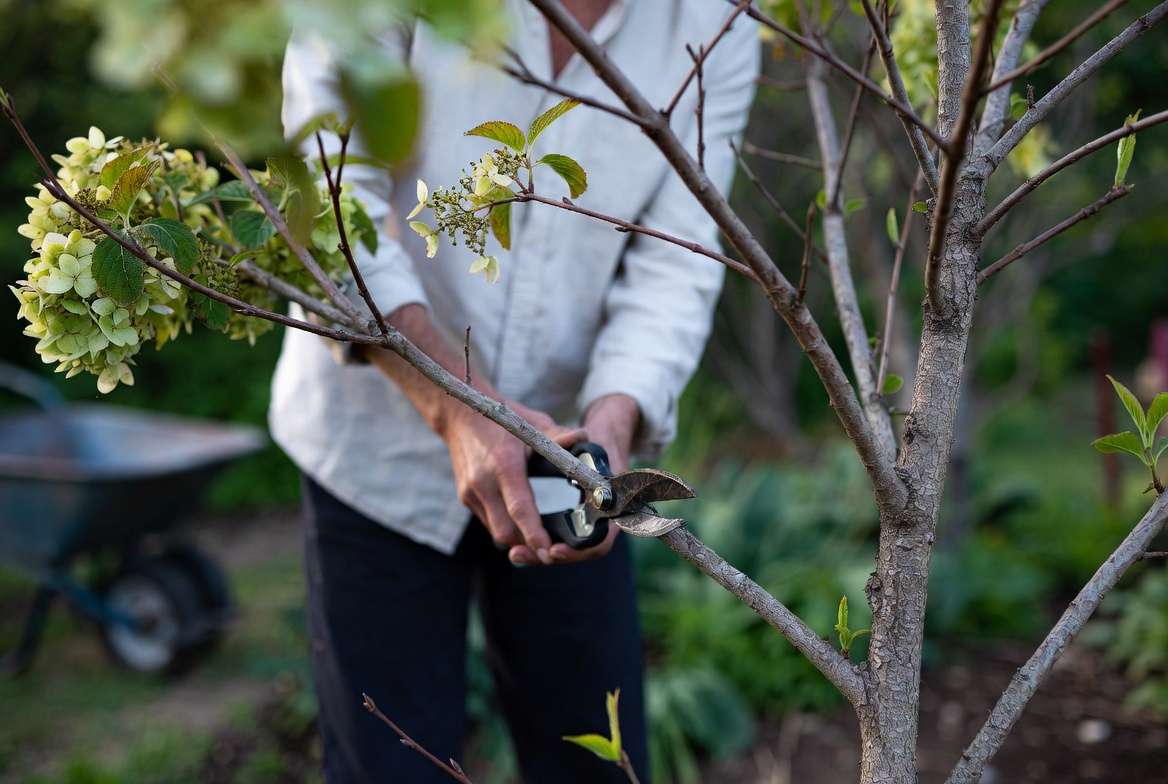
Pruning Techniques for Shape and Flowering ✂️ Pruning is essential for maintaining the classic tree shape. Prune in late winter or early spring before new growth emerges. Remove any competing stems to keep the single trunk dominant. Cut back the canopy by about one-third to encourage bushier growth and larger blooms. Remove dead, damaged, or crossing branches anytime.
For older trees, rejuvenation pruning (cutting back harder every few years) keeps plants vigorous. Always use sharp, clean bypass pruners to make clean cuts.
Sunlight and Temperature Management In hotter regions, provide light afternoon shade. Apply anti-transpirant sprays before extreme heat or cold snaps for added protection.
Advanced Care Tips for Thriving Blooms All Season Long ✨
Supporting Heavy Blooms Large panicles can weigh down branches. Use discreet bamboo stakes or grow-through supports in early summer.
Winter Protection In colder zones, wrap young trunks with burlap or tree wrap to prevent sunscald. Mulch heavily around the base for root insulation.
Container-Grown Hydrangea Trees Perfect for patios! Use large containers (at least 20–25 gallons) with excellent drainage. Container plants need more frequent watering and winter protection — move to a sheltered spot or unheated garage.
Companion Planting Ideas Pair with boxwood, daylilies, Russian sage, or hostas for beautiful contrast. These combinations create layered, pollinator-friendly gardens.
Common Hydrangea Tree Problems and How to Fix Them 🛠️
Even the healthiest plants encounter issues. Early detection is key.
Pests
- Aphids and spider mites: Spray with strong water stream or use insecticidal soap.
- Japanese beetles: Hand-pick in early morning.
Diseases
- Powdery mildew: Improve air circulation and avoid overhead watering.
- Leaf spot: Remove affected leaves and apply fungicide if severe.
- Root rot: Usually caused by poor drainage — improve soil and reduce watering.
Diagnosis Quick Reference
- Yellow leaves + poor growth → Possible nutrient deficiency or overwatering
- No blooms → Too much shade, improper pruning timing, or young plant
- Wilting despite moist soil → Root issues or vascular disease
I recommend keeping a garden journal to track conditions and spot patterns early — a habit that has saved many of my clients’ prized trees.
Propagation Methods for Hydrangea Trees 🌱
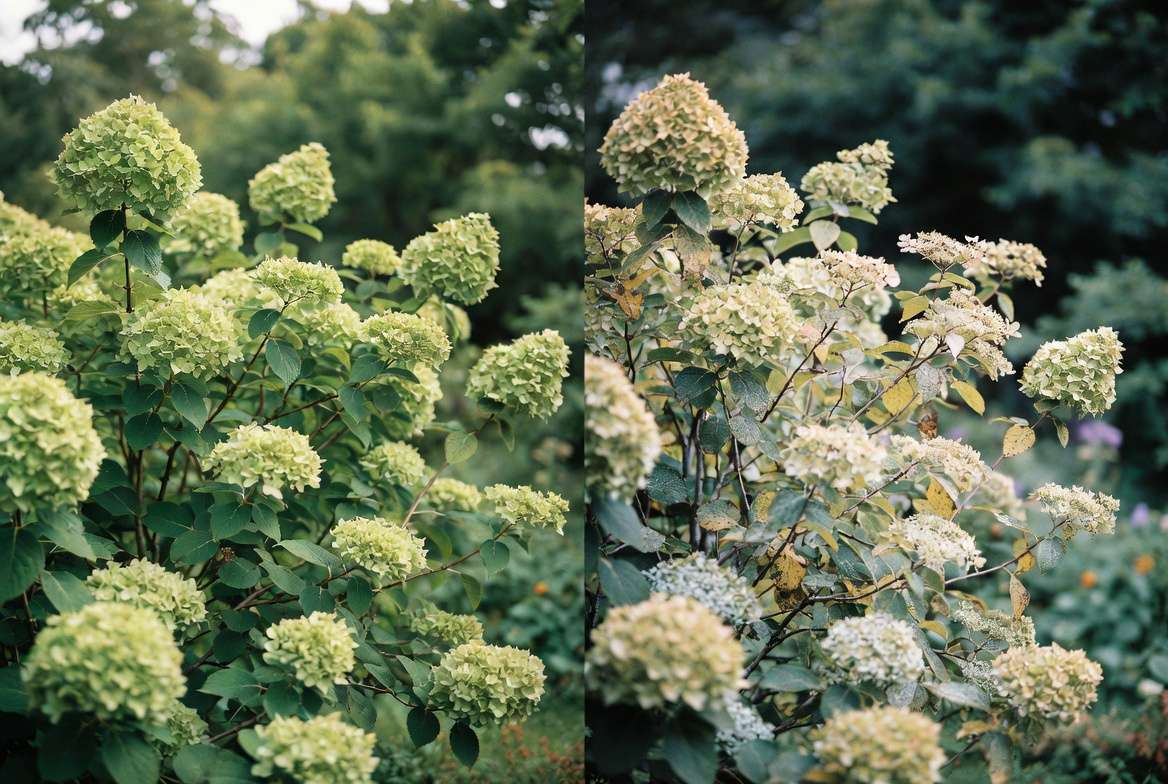
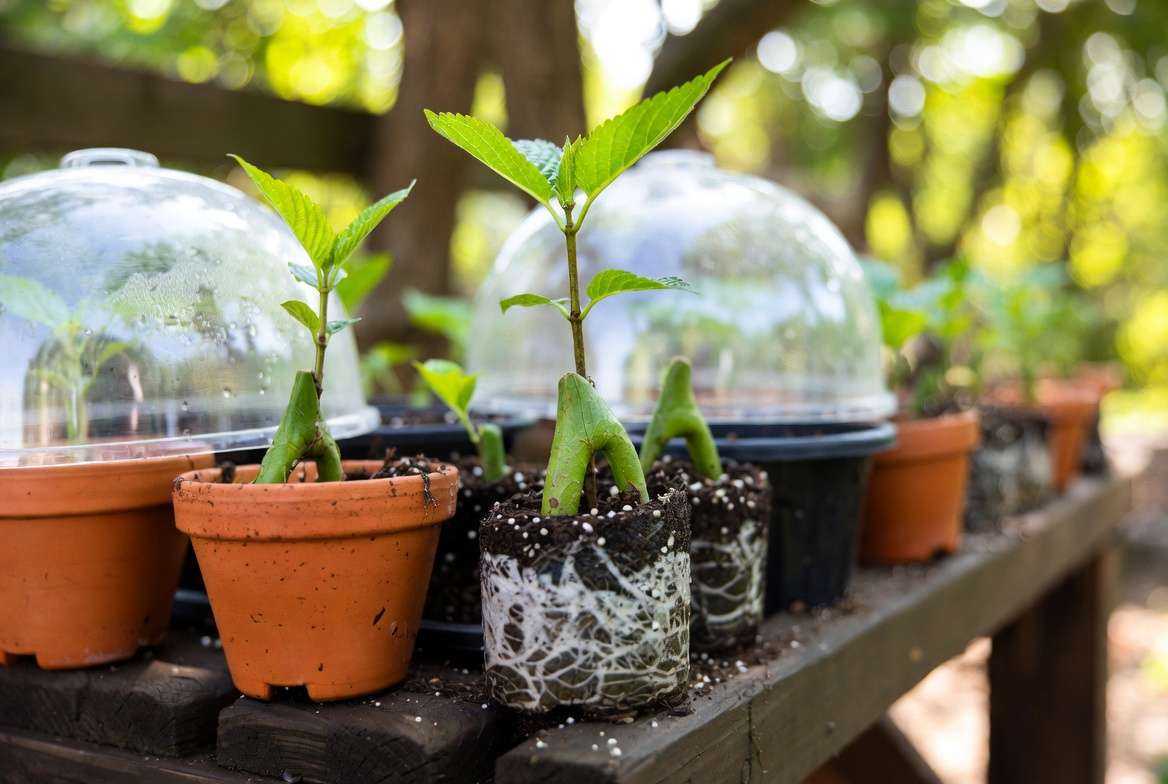
One of the most rewarding aspects of hydrangea tree care is propagating your own plants. Not only does this save money, but it also lets you expand your garden with genetically identical clones of your favorite performer.
Softwood Cuttings (Early Summer) Take 4–6 inch cuttings from healthy, non-flowering new growth in the morning when the plant is well-hydrated. Remove lower leaves, dip the cut end in rooting hormone, and place in a moist, well-draining rooting mix (50/50 perlite and peat). Cover with a plastic bag or dome to maintain humidity. Place in bright indirect light. Roots typically form in 3–4 weeks. Success rate with this method is often 70–85% when conditions are ideal.
Hardwood Cuttings (Late Fall/Winter) Take pencil-thick cuttings after leaves drop. Store them in a cool, moist medium over winter or stick them directly in the ground in a protected nursery bed. This method works well for patient gardeners.
Layering Technique Bend a low flexible branch to the ground, wound the underside slightly, and bury it while keeping the tip exposed. Secure with a landscape pin. Once rooted (usually next season), sever from the parent plant. This is the easiest method for home gardeners and has a very high success rate.
Expert Insight: Always take cuttings from vigorous, disease-free trees. Label each propagation clearly with variety and date. In my years of nursery work, I’ve found that maintaining bottom heat (around 70–75°F) dramatically improves rooting percentages.
Seasonal Care Calendar for Hydrangea Trees 📅
A well-organized seasonal schedule makes hydrangea tree care effortless and highly effective.
Spring
- Prune before buds break
- Apply slow-release fertilizer
- Refresh mulch layer
- Monitor for new pest activity
Summer
- Deep water during dry periods
- Deadhead spent blooms to encourage continued flowering (optional for panicle types)
- Support heavy flower heads
- Watch for powdery mildew in humid conditions
Fall
- Reduce watering as growth slows
- Collect seeds if desired (though cuttings are preferred)
- Final mulch application for winter protection
- Clean up fallen debris to reduce overwintering pests
Winter
- Protect young trunks from sunscald and rodent damage
- Avoid pruning in freezing weather
- Plan next season’s improvements while enjoying the structural beauty of bare branches
Following this calendar has helped my clients maintain vibrant, reliable bloomers year after year.
Landscaping Ideas: Showcasing Your Hydrangea Tree 🌺
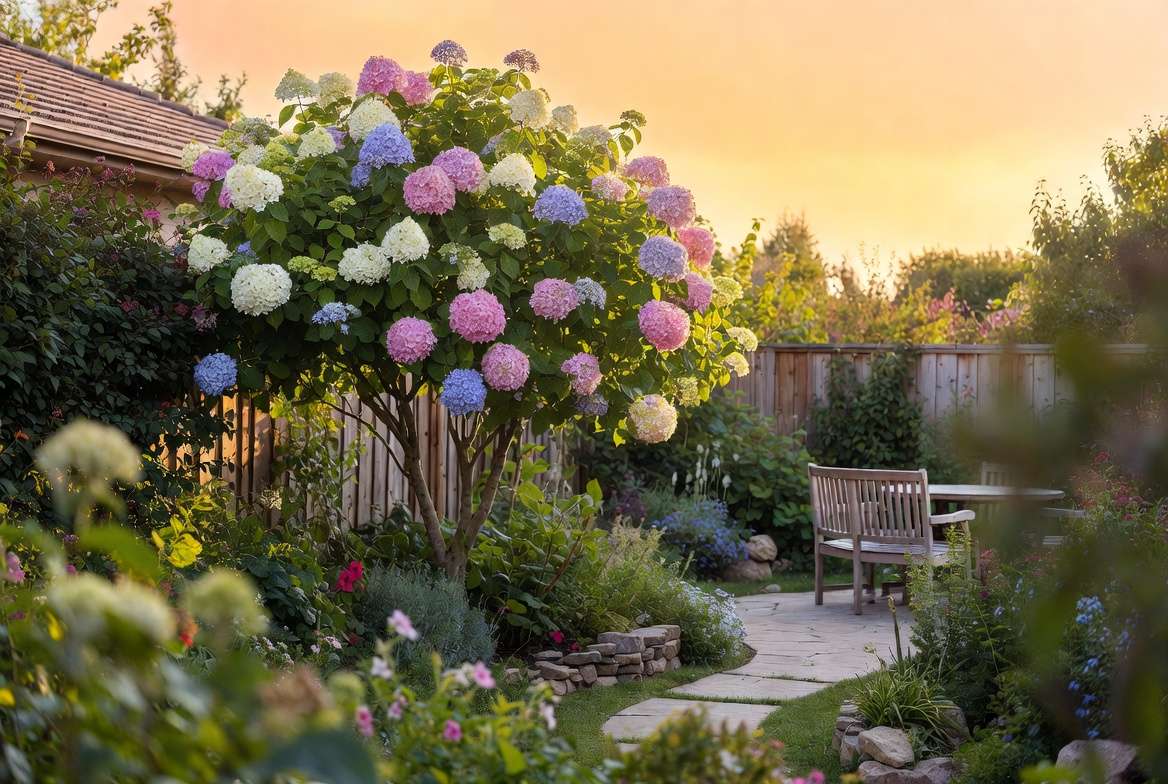
A well-placed hydrangea tree instantly elevates any garden design. Use it as a focal point near patios, at the corner of garden beds, or along pathways. Underplant with low-growing perennials like coral bells, Japanese forest grass, or creeping thyme for beautiful textural contrast.
For dramatic effect, plant in groups of three (odd numbers are most visually pleasing) with varying bloom colors. White-flowering varieties pair elegantly with dark evergreens, while pink and lime tones pop against deep purple foliage plants.
In modern landscapes, try a single specimen in a large container on a deck or flanking a formal entrance. Cottage gardens benefit from more naturalistic placement mixed with roses, lavender, and daisies. Pollinators adore the late-season blooms, making these trees excellent for wildlife-friendly yards.
Frequently Asked Questions (FAQs) ❓
Can you turn a regular hydrangea shrub into a tree? Yes! With careful pruning over 2–3 seasons, many panicle hydrangea shrubs can be trained into tree form. Select the strongest central stem and gradually remove lower growth.
Why isn’t my hydrangea tree blooming? Common causes include insufficient sunlight, pruning at the wrong time (removing flower buds), excessive nitrogen fertilizer, or young age. Panicle types usually bloom reliably once established.
How tall does a hydrangea tree get? Most stay between 6–12 feet tall with proper pruning, making them perfect for residential landscapes.
Are hydrangea trees toxic to pets? Hydrangeas contain compounds that can cause mild gastrointestinal upset if ingested. Keep them out of reach of curious puppies and kittens.
What’s the best fertilizer for hydrangea trees? A balanced slow-release formula in spring plus occasional organic amendments works best. Avoid high-nitrogen lawn fertilizers.
How do I make hydrangea tree flowers change color? Unlike bigleaf hydrangeas, panicle varieties don’t change color based on soil pH. Their natural progression from white/green to pink is influenced by variety and temperature.
Can hydrangea trees grow in containers long-term? Yes, with large pots, excellent drainage, and winter protection in colder climates.
Conclusion
Growing and caring for a beautiful hydrangea tree is one of the most satisfying projects for any home gardener. By following this detailed guide — from proper planting and consistent care to smart pruning and problem-solving — you’ll enjoy abundant, show-stopping blooms for many seasons to come.
Remember, every expert gardener started with that first tree. Your hydrangea tree journey begins with one thoughtful planting and continues with attentive, loving care.
Share your progress and photos in the comments below — I love seeing readers’ success stories! For more expert tree and plant care advice, explore our other guides on flowering trees, pruning techniques, and seasonal garden maintenance.
Happy gardening! 🌸🌳💚











