
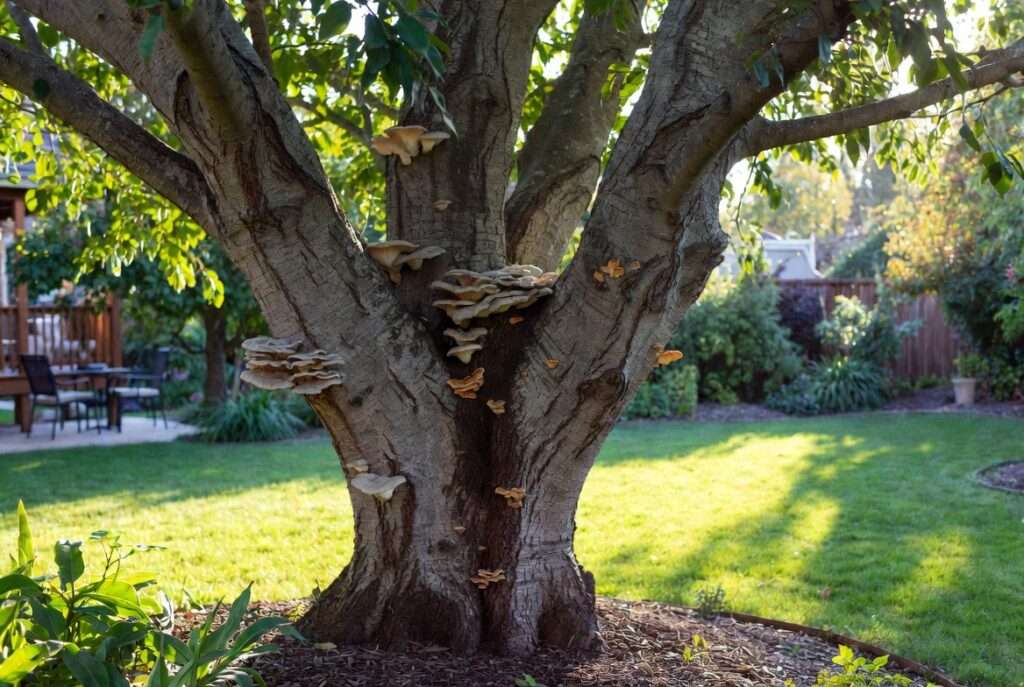
Imagine stepping into your backyard on a crisp morning only to spot clusters of mysterious fungi sprouting from the trunk of your favorite shade tree. Are they harming your precious plant? Should you remove them immediately? Or could they actually be helping your garden ecosystem? If you’ve ever wondered about mushrooms that grow on trees, you’re not alone. Thousands of homeowners and plant enthusiasts search for answers every month when they notice these intriguing growths.
As a horticulturist with over 15 years of experience in tree care and urban forestry, I’ve helped countless gardeners understand the complex relationship between trees and fungi. Mushrooms that grow on trees are far more nuanced than most people realize — some signal serious decay, while others are beneficial decomposers or even gourmet edibles. This comprehensive guide will equip you with expert knowledge to confidently identify, assess, and manage these fungi while keeping your trees healthy and vibrant. 🌱
Whether you’re dealing with a sudden appearance of shelf-like conks or discovering clusters of oyster mushrooms, this article covers everything you need. Let’s dive deep into the fascinating world of tree-dwelling mushrooms and transform concern into confident tree care.
What Are Mushrooms That Grow on Trees?
Mushrooms that grow on trees are the fruiting bodies of various fungal species that have evolved to thrive on woody tissue. Unlike common lawn mushrooms, these fungi have specialized relationships with living or dead trees.
Understanding Fungi vs. Mushrooms Fungi are the broader kingdom — a vast network of mycelium (thread-like structures) that live mostly hidden. The “mushroom” we see is simply the reproductive structure, much like an apple on a tree. Many mushrooms that grow on trees belong to the Basidiomycota group, producing spores that spread through wind, insects, or rain. 🍄
How Mushrooms Grow on Trees (Biology & Life Cycle) Fungal spores land on wounds, cracks, or stressed bark. When conditions are right — moisture, warmth, and organic matter — they germinate and form mycelium that penetrates the wood. This process can take months or even years before visible mushrooms appear. Saprophytic fungi break down dead wood, while parasitic types attack living tissue.
Why Trees Attract Fungi – Natural Processes Explained Trees naturally develop fungi as part of the forest ecosystem. Fallen branches, pruning cuts, storm damage, and aging provide entry points. In healthy forests, this is nature’s recycling system. In our backyards, however, it often raises alarm because we want our ornamental and fruit trees to remain strong for decades.
Understanding this biology is the first step toward better tree care and reduced anxiety when you spot mushrooms that grow on trees in your landscape.
Common Types of Mushrooms That Grow on Trees – Identification Guide 🔍
Accurate identification is crucial for proper tree management. Here’s a detailed breakdown of the most common types you’ll encounter:
Edible & Beneficial Species
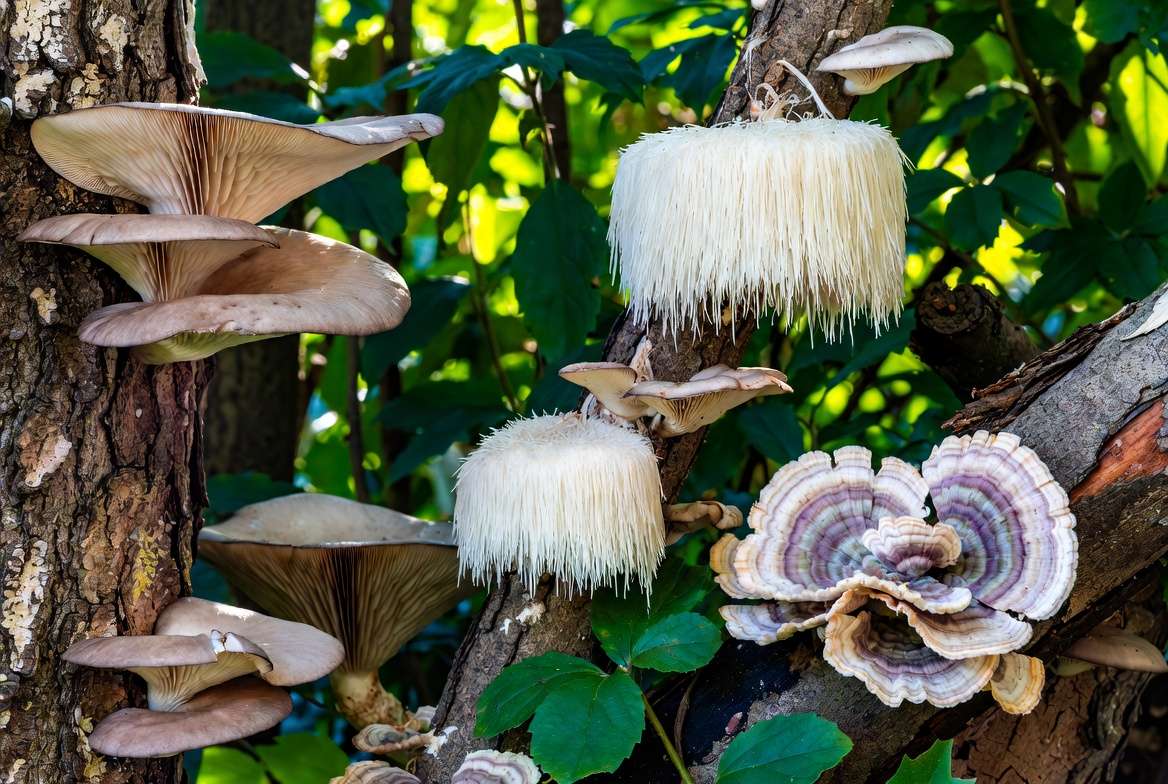
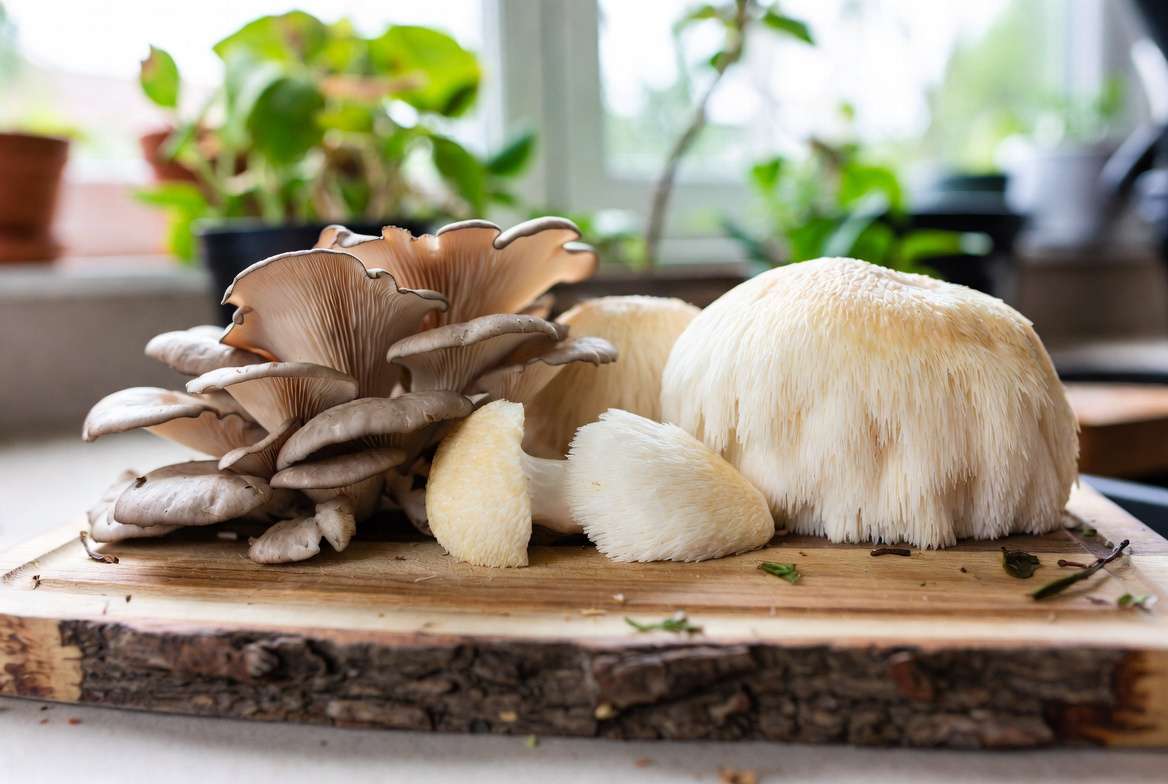
- Oyster Mushrooms (Pleurotus ostreatus): These beautiful, fan-shaped caps often grow in overlapping clusters on dying or dead hardwood trees. They’re prized in kitchens worldwide and act as aggressive decomposers.
- Lion’s Mane (Hericium erinaceus): Distinctive white, shaggy “teeth” resembling a lion’s mane. Known for potential cognitive health benefits and commonly found on beech, oak, and maple trees. 🦁
Medicinal Mushrooms on Trees
- Reishi (Ganoderma lucidum): Glossy, reddish-brown shelf fungi. Revered in traditional medicine for immune support.
- Turkey Tail (Trametes versicolor): Beautiful multicolored bands. Research suggests strong immune-modulating properties. These are classic examples of beneficial mushrooms that grow on trees.
Saprophytic Mushrooms (Decomposers) These fungi focus on dead wood and play a vital ecological role by recycling nutrients back into the soil. Examples include various ink caps and puffballs that occasionally colonize stumps and fallen logs.
Parasitic & Potentially Harmful Types
- Honey Fungus (Armillaria spp.): One of the most destructive. Look for honey-colored mushrooms and black “shoestring” rhizomorphs at the base of trees. This species can spread rapidly and kill stressed trees. ⚠️
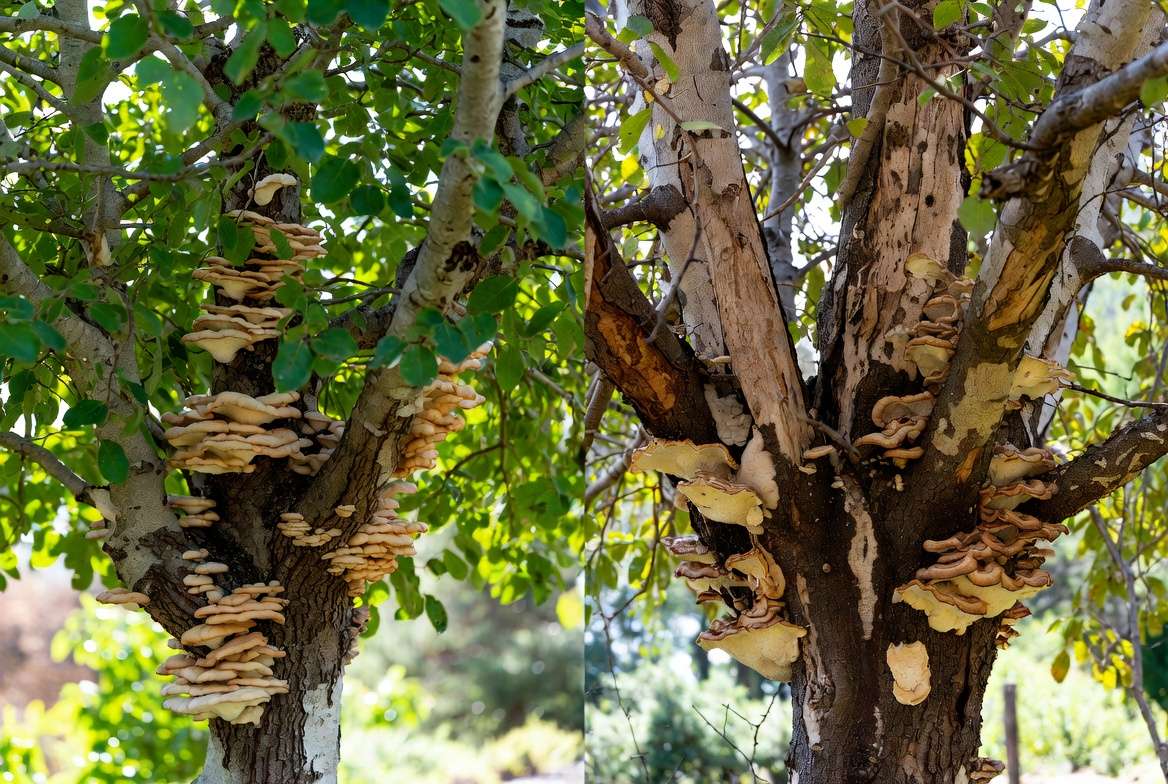
- Bracket/Shelf Fungi (Polypores): Hard, woody conks that indicate internal decay. Artist’s Conk (Ganoderma applanatum) is common and leaves a brown spore print when scratched.
Seasonal Occurrence & Host Trees Most mushrooms that grow on trees appear in late summer through autumn after rain. Oaks, maples, cherries, and fruit trees are frequent hosts. Use a simple field guide or reliable apps like iNaturalist for confirmation.
Are Mushrooms That Grow on Trees Good or Bad for Your Trees? ⚖️
This is the most common question I receive from concerned gardeners. The answer isn’t black and white.
The Benefits – Nature’s Cleanup Crew 🌿 Many mushrooms that grow on trees are beneficial. Saprophytic species break down dead tissue, returning nutrients to the soil and supporting beneficial microbes. They enhance biodiversity by providing food and habitat for insects, birds, and small mammals. In a balanced garden, these fungi contribute to long-term soil health and ecosystem resilience.
When Mushrooms Signal Tree Problems Certain fungi indicate underlying stress or decay. Large clusters of honey fungus or extensive bracket fungi often mean significant internal rot. This can compromise structural integrity, making trees more susceptible to falling in storms. Early detection through regular inspections can save valuable trees.
Expert Insight: How to Read the “Mushroom Message” on Your Tree As an arborist, I always advise looking at the whole picture. A few oyster mushrooms on a dead branch? Usually harmless. Sudden heavy growth on a previously healthy trunk? Time to investigate root health, watering practices, or soil compaction.
Step-by-Step Identification Process for Home Gardeners 🧪
- Observe Safely – Never taste unknown mushrooms. Take clear photos from multiple angles.
- Note Key Features – Cap shape, color, attachment to tree, spore print color, and growth habit.
- Check the Host Tree – Healthy or declining? Living wood or dead?
- Use Technology – Mushroom identification apps combined with local extension service resources.
- Consult Professionals – For valuable or large trees, hire a certified arborist.
Safety first: Some mushrooms that grow on trees have toxic look-alikes. When in doubt, leave them alone and enjoy them visually.
Tools You’ll Find Helpful
- Hand lens or magnifying glass
- Moisture meter for soil and bark
- Pruning shears for safe sample collection
- Notebook or phone app for documentation
Tree Care Tips for Managing Mushrooms That Grow on Trees 🛠️
When to Leave Them Alone (And Why) Many fungi are part of a healthy ecosystem. Removing beneficial mushrooms that grow on trees can actually disrupt natural processes. Focus on overall tree vitality instead.
Safe Removal Methods for Problematic Fungi
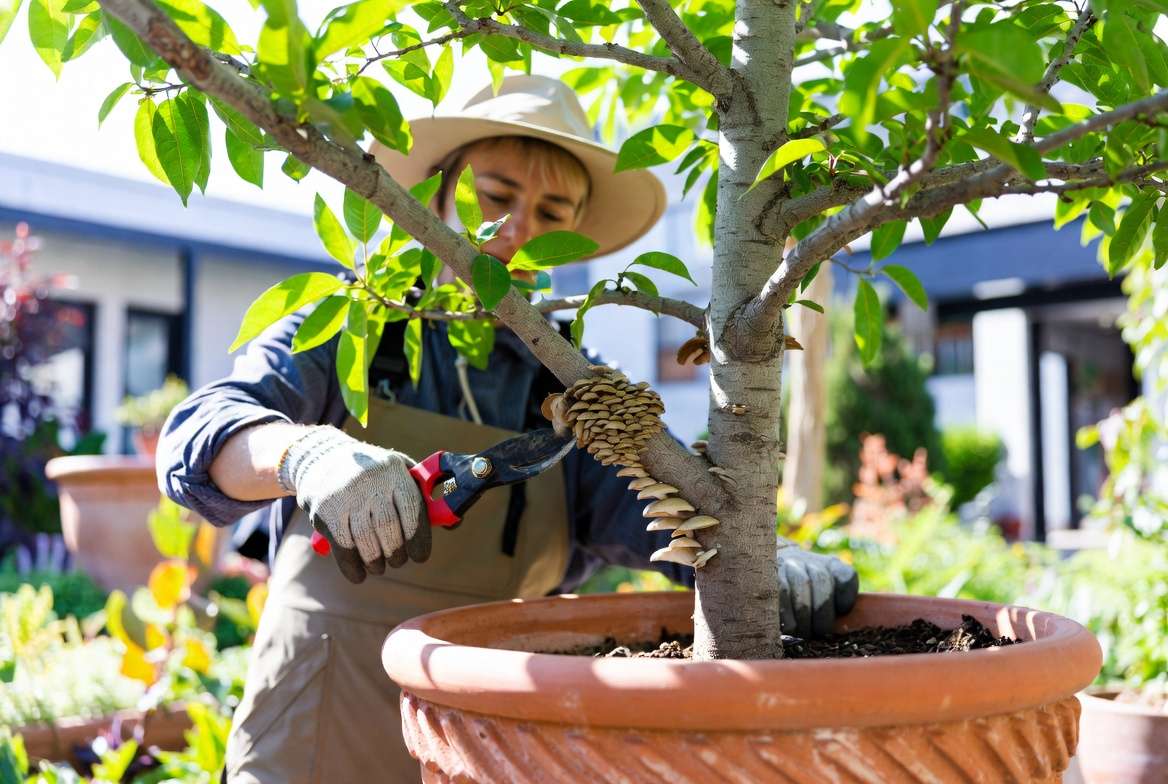
- Manually remove visible fruiting bodies with a sharp knife or saw.
- Improve air circulation and sunlight around the tree base.
- Avoid chemical fungicides unless absolutely necessary — they often harm beneficial soil life.
Improving Tree Health to Reduce Unwanted Growth
- Proper Watering: Deep, infrequent watering encourages strong root systems.
- Mulching: Apply 2–4 inches of organic mulch, keeping it away from the trunk.
- Pruning: Remove dead or crossing branches during dormant season.
- Soil Testing: Ensure balanced nutrients and pH appropriate for your tree species.
Organic & Eco-Friendly Treatment Options Compost tea applications, beneficial mycorrhizal inoculants, and strategic companion planting can strengthen trees naturally against problematic fungi.
Real-Life Case Study Last season, a client had bracket fungi on their mature oak. Through targeted pruning, improved drainage, and fertilization, the tree stabilized and new healthy growth appeared despite the presence of some mushrooms that grow on trees.
Prevention Strategies – Keep Your Trees Healthy and Mushroom-Free (When Needed) 🛡️
Prevention is always better than cure when it comes to managing unwanted mushrooms that grow on trees. A proactive approach focused on tree vitality dramatically reduces the likelihood of problematic fungal growth.
Best Planting and Site Selection Practices Choose the right tree for your climate and soil conditions. Avoid planting susceptible species in overly shaded, poorly drained areas. Proper spacing allows better airflow, reducing humidity that favors fungal development. When installing new trees, ensure the root flare sits slightly above soil level to prevent moisture buildup around the trunk.
Regular Tree Maintenance Routine
- Inspect trees seasonally for wounds, cracks, or signs of stress.
- Prune correctly using clean tools to minimize entry points for spores.
- Water at the base, ideally in the morning, to keep foliage and trunk dry.
- Fertilize based on soil test results rather than on a calendar schedule.
Monitoring for Early Signs of Stress Look for yellowing leaves, reduced growth, dieback, or unusual bark changes. Catching issues early often prevents the need to deal with extensive mushrooms that grow on trees later. Consider installing a simple soil moisture monitoring system for valuable specimen trees.
Long-term Tips for Urban and Backyard Tree Care In urban environments, protect trees from construction damage and compaction. Mulch rings, proper irrigation during droughts, and avoiding lawn mower damage to roots all contribute to stronger trees that naturally resist excessive fungal colonization.
Edible and Medicinal Mushrooms That Grow on Trees – Harvesting Safely 🍽️
Many mushrooms that grow on trees are not only safe but highly desirable for foragers and health enthusiasts.
Safe Foraging Guidelines
- Only harvest from trees you know haven’t been sprayed with chemicals.
- Use multiple identification resources and consult local mycological societies.
- Start with easy-to-identify species like oysters and lion’s mane.
- Leave some mushrooms behind to support the ecosystem and spore dispersal.
Delicious Recipes Oyster mushrooms sauté beautifully with garlic and herbs. Lion’s Mane can be prepared like seafood, making excellent “crab” cakes. Always cook wild mushrooms thoroughly.
Health Benefits and Disclaimers Turkey Tail and Reishi have been studied for immune support and anti-inflammatory properties. However, they are not substitutes for medical treatment. Consult healthcare providers before using medicinal mushrooms, especially if you have health conditions or take medications.
Legal and Ethical Considerations Respect property boundaries and local foraging regulations. Never harvest from protected lands or trees in public parks without permission.
Myths vs. Facts About Mushrooms on Trees ❌✅
Myth: All mushrooms that grow on trees will eventually kill the tree. Fact: Many are saprophytic and only decompose dead wood. They indicate rather than cause decline.
Myth: You should immediately remove every mushroom you see. Fact: Removing fruiting bodies doesn’t eliminate the mycelium. Focus on tree health instead.
Myth: Tree mushrooms are always poisonous. Fact: Several species are prized edibles and medicinals when correctly identified.
Myth: Fungi only appear on “old” trees. Fact: Young, stressed trees can also host mushrooms that grow on trees, especially after injury.
Frequently Asked Questions (FAQs) ❓
Are mushrooms on trees dangerous to pets or children? Most are not toxic through touch, but many are poisonous if ingested. Keep children and pets away from unknown fungi and teach them not to touch or taste wild mushrooms.
Can I eat mushrooms growing on my tree? Only if you are 100% certain of the identification and the tree hasn’t been treated with chemicals. When in doubt, do not consume.
How do I stop mushrooms from growing on my tree? Improve growing conditions, address wounds promptly, and maintain overall tree health. Complete elimination isn’t always possible or desirable.
What’s the difference between mushrooms and conks? Mushrooms usually have stems and caps, while conks (bracket fungi) are often hard and shelf-like. Both are fruiting bodies of different fungal species.
Do mushrooms that grow on trees spread to other plants? Some, like honey fungus, can spread through roots. Most are host-specific or limited to dead wood.
Should I use fungicide on my tree? Generally not recommended. Fungicides can disrupt beneficial soil biology and rarely reach the root of the problem.
Why do mushrooms appear after rain? Moisture triggers fruiting in established mycelium. It’s a natural response rather than sudden infection.
Can mushrooms on trees attract pests? Yes, some draw insects that further stress the tree. However, they also support beneficial wildlife.
How long do mushrooms that grow on trees last? Some last only a few days, while woody conks can persist for years.
When should I call a professional arborist? If you notice large conks, structural cracks, or decline in a large or valuable tree.
Conclusion
Mushrooms that grow on trees are a natural and often beneficial part of our gardens and landscapes. By learning to identify them accurately, understanding their ecological roles, and focusing on holistic tree care, you can transform potential worry into informed appreciation.
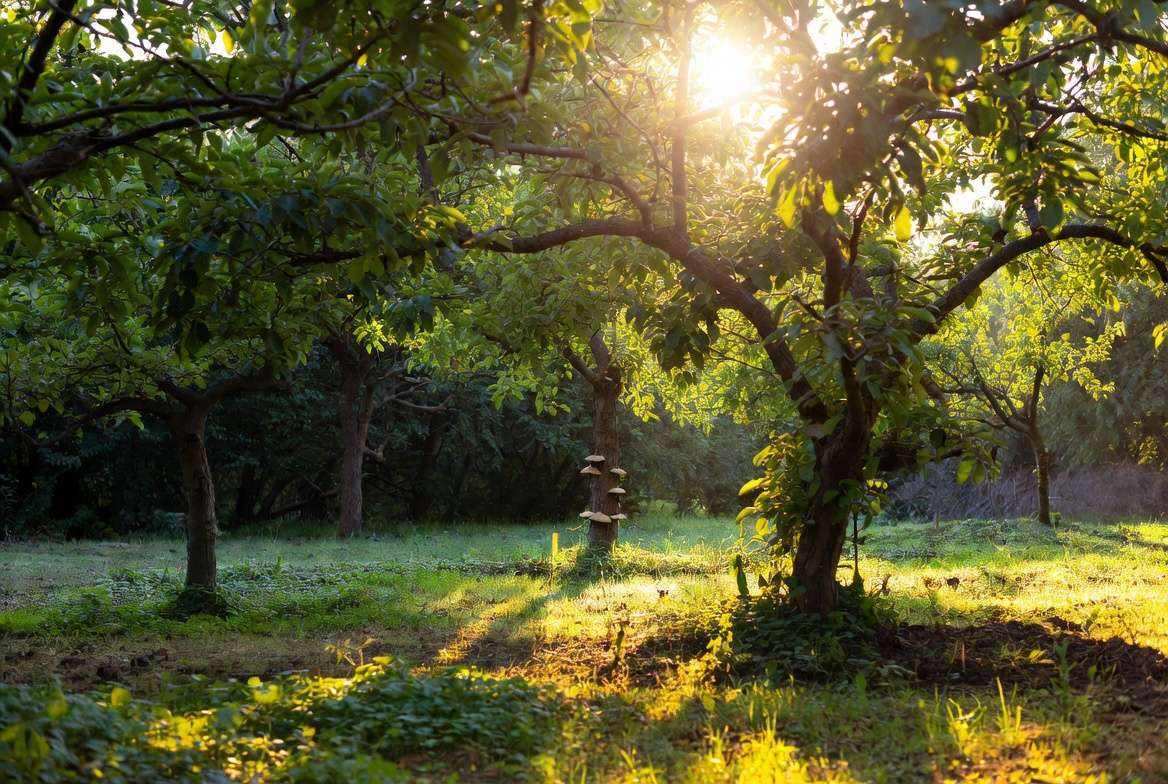
Remember: a few mushrooms don’t necessarily mean disaster. They often tell the story of your tree’s current health and the ecosystem services happening right in your backyard. Prioritize prevention through proper planting, watering, and maintenance, and you’ll enjoy stronger, more resilient trees for years to come.
Thank you for reading this comprehensive guide. If you’ve found mushrooms on your trees, feel free to share photos or descriptions in the comments — I’m happy to offer general guidance. For personalized advice, consult a local certified arborist.
Stay curious, keep growing, and nurture the incredible living world around you! 🌳🍄🌱











