
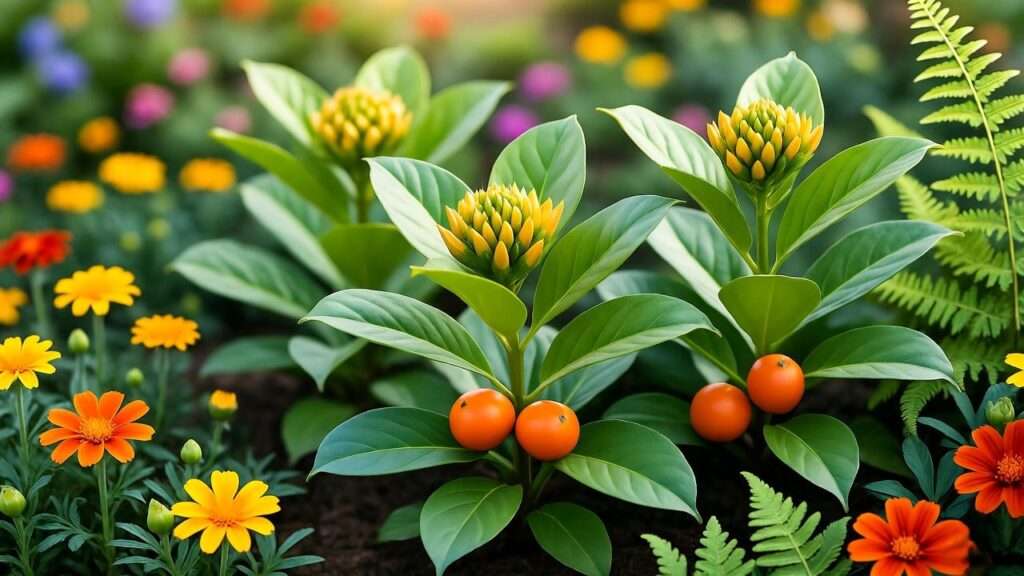
Imagine transforming your garden with a plant steeped in cultural history and exotic beauty! Growing ibogaine plant seeds offers plant enthusiasts a unique opportunity to cultivate Tabernanthe iboga, a tropical shrub native to Central and West Africa. Known for its glossy leaves and vibrant heritage, this plant is a rewarding addition to any garden. Whether you’re a seasoned gardener or a curious beginner, this comprehensive guide will walk you through every step of growing ibogaine plant seeds, from preparation to long-term care. Backed by expert insights from botanists and growers, you’ll learn how to nurture healthy plants responsibly and create a thriving, biodiverse garden. 🌍
In this article, we’ll cover everything you need to know to grow ibogaine successfully, including legal considerations, seed preparation, planting techniques, and troubleshooting tips. By the end, you’ll feel confident cultivating this remarkable plant while respecting its cultural and ecological significance. Let’s dive in! 🧑🌾
Understanding the Ibogaine Plant: Origins and Significance 🌍
What is the Ibogaine Plant? 🌱
Tabernanthe iboga is a perennial shrub native to the rainforests of Gabon, Cameroon, and the Congo Basin. This tropical plant, which thrives in warm, humid environments, features glossy dark green leaves, small yellow flowers, and orange fruit that contain its prized seeds. Ibogaine plant seeds are the starting point for growing this unique species, which holds deep cultural significance in African traditions, particularly among the Bwiti people of Gabon, who use it in spiritual ceremonies.
According to Dr. Amara Toure, an ethnobotanist specializing in African flora, “Tabernanthe iboga is not just a plant; it’s a bridge between culture, ecology, and history.” Its growing popularity among exotic plant enthusiasts has sparked interest in sustainable cultivation, making it a fascinating addition to home gardens. 🌿
Why Grow Ibogaine Plant Seeds? 🌟
Cultivating ibogaine plant seeds offers multiple benefits:
- Ornamental Appeal: Its lush foliage and compact growth make it a stunning addition to tropical or exotic gardens.
- Cultural Connection: Growing ibogaine connects you to centuries-old traditions and promotes awareness of its heritage.
- Biodiversity: Adding ibogaine to your garden supports tropical plant conservation and ecological diversity.
- Educational Value: It’s a fantastic project for ethnobotany enthusiasts eager to learn about rare plants.
For gardeners seeking a meaningful and visually striking plant, ibogaine is a perfect choice. However, responsible cultivation is key, given its cultural and legal nuances.
Preparing to Grow Ibogaine Plant Seeds: What You Need to Know 🛠️
Legal and Ethical Considerations ⚖️
Before growing ibogaine plant seeds, it’s critical to understand the legal landscape. In some countries, such as the United States, ibogaine is classified as a controlled substance due to its psychoactive properties, though growing the plant for ornamental purposes may be permitted in certain regions. Always check local regulations to ensure compliance. For example, in the U.S., consult the DEA’s guidelines, while in the EU, refer to national drug laws.
Ethically, source seeds from reputable suppliers committed to sustainable harvesting. Avoid contributing to overharvesting in native regions, which can harm ecosystems. Responsible cultivation respects both the plant’s heritage and its environmental impact. 🌏
Choosing High-Quality Ibogaine Plant Seeds 🌾
The success of your ibogaine garden starts with quality seeds. Look for:
- Freshness: Seeds should be plump, firm, and recently harvested (within 6–12 months).
- Reputable Suppliers: Purchase from trusted nurseries or ethnobotanical specialists with transparent sourcing practices.
- Viability: Test a small batch by soaking seeds in water; viable seeds often sink, while non-viable ones float.
Pro Tip: Avoid seeds from unverified online marketplaces, as they may be old or mislabeled, leading to poor germination rates. Instead, opt for suppliers certified by botanical organizations. 🌱
Essential Tools and Supplies 🧰
To grow ibogaine plant seeds, gather these essentials:
- Pots or Seed Trays: Use 4–6-inch pots with drainage holes.
- Soil Mix: A well-draining blend of loamy soil, perlite, and sand (2:1:1 ratio).
- Grow Lights: Full-spectrum LED lights for indoor cultivation.
- Humidity Dome: To maintain 60–80% humidity.
- Thermometer/Hygrometer: To monitor temperature (75–85°F or 24–29°C) and humidity.
- Watering Can: With a fine spout for gentle watering.
Investing in quality supplies ensures your seeds have the best start. A tropical environment is crucial, as ibogaine thrives in conditions mimicking its native rainforest habitat.
Step-by-Step Guide to Growing Ibogaine Plant Seeds 🌱
Step 1: Seed Preparation and Scarification 🔪
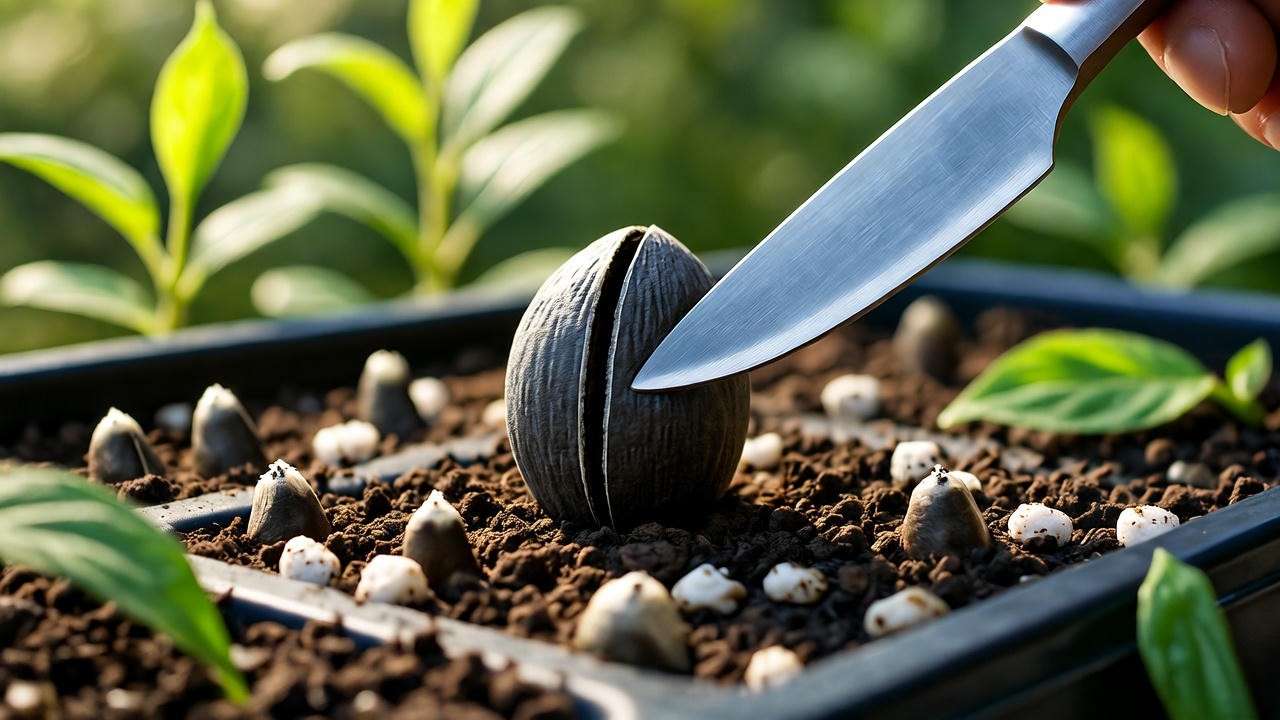
Ibogaine plant seeds have a hard outer coat that can inhibit germination. Scarification—mechanically or chemically breaking this coat—is essential. Here’s how:
- Soak the Seeds: Place seeds in lukewarm water for 24–48 hours to soften the coat.
- Nick the Seed: Use a clean knife or sandpaper to gently nick the seed coat, avoiding damage to the embryo.
- Rinse and Soak Again: Soak nicked seeds in water for another 12 hours to encourage germination.
This process mimics natural weathering, boosting germination rates from 20% to over 70%, according to tropical plant studies. 🌿
Step 2: Planting the Seeds 🕳️
Once prepared, plant your seeds:
- Depth: Sow seeds ¼–½ inch deep in your soil mix.
- Spacing: Space seeds 2–3 inches apart in trays or use individual pots.
- Moisture: Water lightly to keep soil moist but not soggy.
- Environment: Place pots in a warm (75–85°F), humid (60–80%) area, ideally under a humidity dome.
Covering the pots with a clear plastic dome or bag helps retain moisture, mimicking a tropical microclimate. Check daily to ensure the soil doesn’t dry out.
Step 3: Germination and Early Care 🌞
Germination typically takes 2–6 weeks, depending on seed quality and conditions. During this phase:
- Maintain Warmth: Use a heat mat if temperatures drop below 75°F.
- Provide Light: Ensure 12–16 hours of bright, indirect light daily (natural or grow lights).
- Monitor Moisture: Mist the soil lightly if it begins to dry.
Avoid overwatering, as soggy soil can cause seed rot. Once seedlings emerge (with their first true leaves), remove the humidity dome gradually to acclimate them.
Step 4: Transplanting Seedlings 🌿
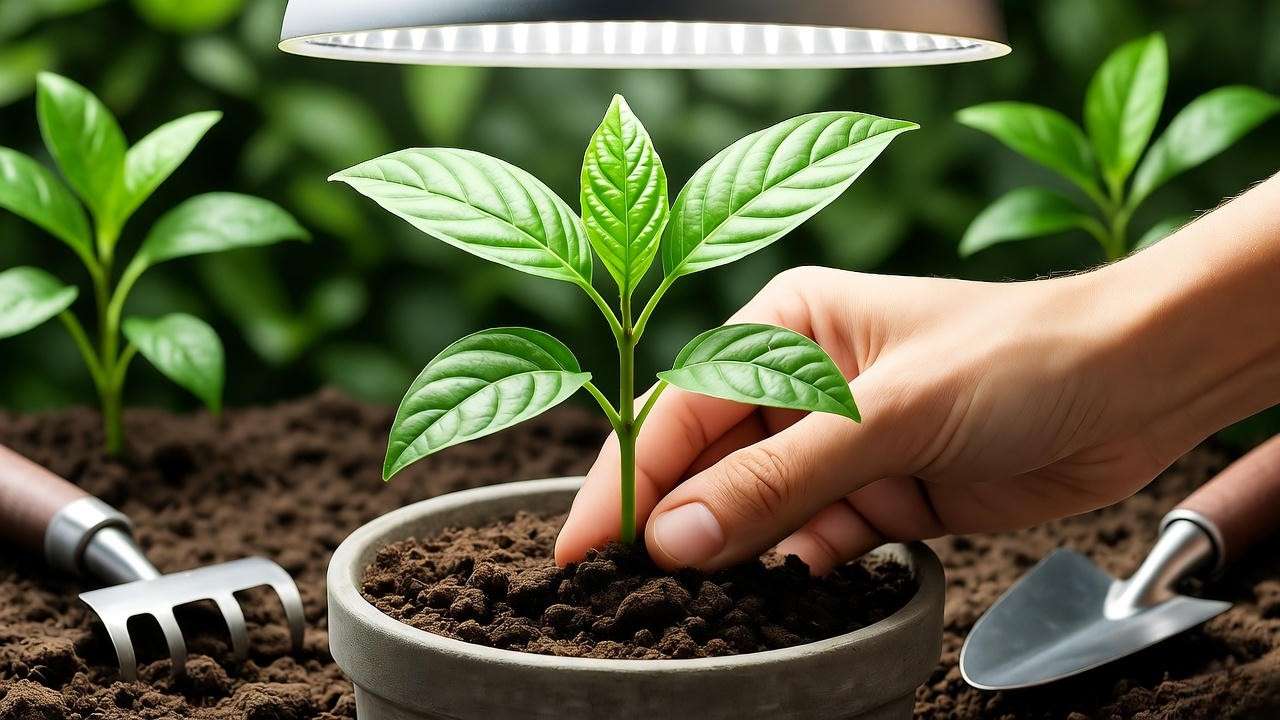
When seedlings reach 3–4 inches tall (usually 6–8 weeks after germination), transplant them:
- Choose a Pot: Use a 1-gallon pot with drainage holes.
- Soil: Refresh with a nutrient-rich, well-draining mix.
- Transplant Carefully: Gently lift seedlings, preserving the root ball, and plant at the same depth.
- Fertilize: Apply a balanced, slow-release fertilizer (e.g., 10-10-10) to support growth.
Expert Tip: Water thoroughly after transplanting and place in partial shade for 1–2 weeks to reduce transplant shock. 🌱
Caring for Your Ibogaine Plants: Long-Term Success 🌳
Watering and Humidity Needs 💧
Ibogaine plants thrive in consistently moist but not waterlogged soil. Water when the top inch of soil feels dry, typically every 3–5 days. Maintain 60–80% humidity using:
- Misting: Lightly mist leaves daily.
- Pebble Trays: Place pots on trays filled with water and pebbles.
- Humidifiers: Ideal for indoor setups.
Overwatering can lead to root rot, while underwatering causes wilting. Check soil moisture with a finger test or moisture meter to stay on track.
Light and Temperature Requirements ☀️
Ibogaine plants need:
- Light: Bright, indirect light or partial shade (4–6 hours daily). Avoid harsh direct sunlight, which can scorch leaves.
- Temperature: Keep between 75–85°F (24–29°C). Protect from temperatures below 60°F (15°C).
For indoor growers, full-spectrum grow lights (6500K) mimic natural conditions. Rotate pots weekly to ensure even light exposure.
Pruning and Maintenance ✂️
Regular pruning encourages bushy growth:
- Trim Leggy Stems: Cut back to a node to promote branching.
- Remove Dead Leaves: Keeps the plant healthy and pest-free.
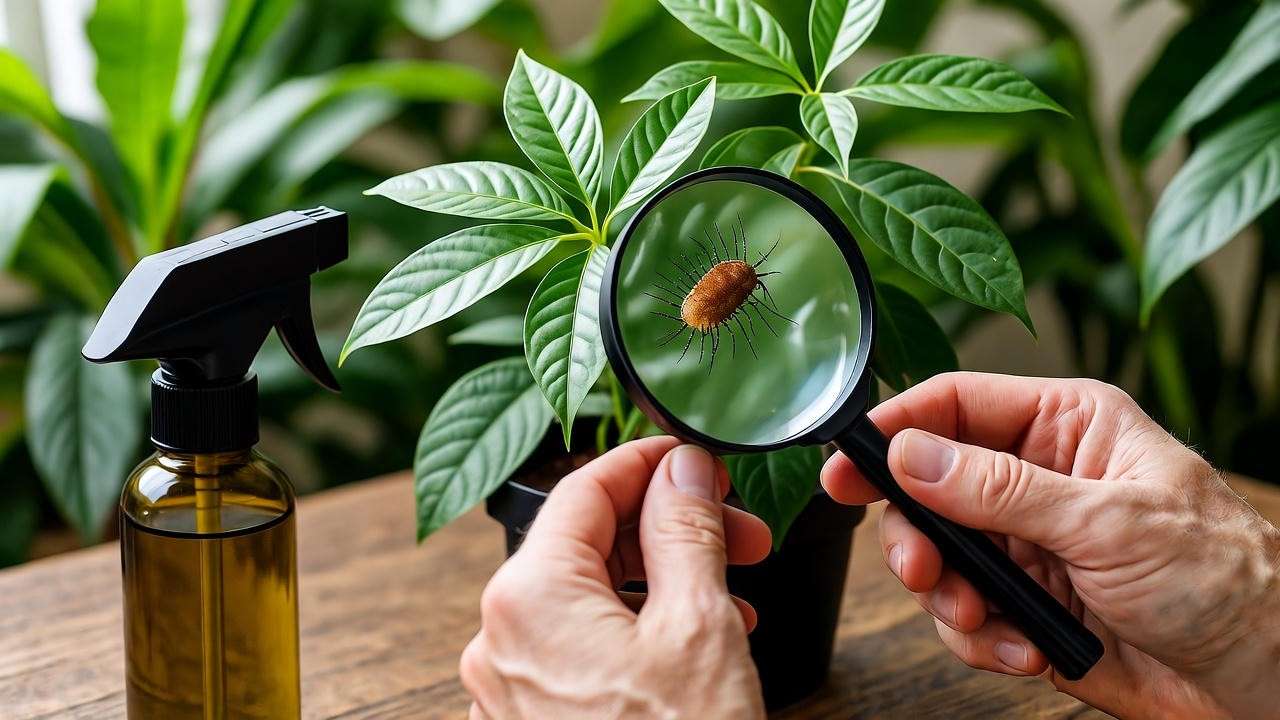
- Inspect for Pests: Watch for spider mites or aphids, common in humid environments.
Pro Tip: Use organic neem oil spray weekly to prevent pests without harming the plant. 🐞
Soil and Fertilization 🧪
Feed ibogaine plants every 4–6 weeks during the growing season (spring/summer) with a nitrogen-rich fertilizer (e.g., 20-10-10). In fall/winter, reduce to every 8–12 weeks. Refresh soil annually to prevent nutrient depletion, using a mix of compost, perlite, and loamy soil. Ensure proper drainage to avoid root issues.
Troubleshooting Common Issues with Ibogaine Plants 🚨
Poor Germination Rates 😞
Low germination rates are a common challenge when growing ibogaine plant seeds. Several factors can contribute:
- Old or Non-Viable Seeds: Seeds older than 12–18 months lose viability. Always source fresh seeds from trusted suppliers.
- Improper Scarification: If the seed coat isn’t adequately nicked or soaked, germination may fail.
- Suboptimal Conditions: Temperatures below 75°F (24°C) or low humidity can hinder sprouting.
Solutions:
- Re-scarify seeds if initial attempts fail, ensuring a deeper nick without damaging the embryo.
- Use a heat mat to maintain consistent warmth (75–85°F).
- Test seed viability by soaking a batch in water; discard floaters and plant sinkers.
- Case Study: A grower in Florida reported a 90% germination rate after soaking seeds for 48 hours and using a heat mat, compared to 30% without these steps.
Yellowing Leaves or Stunted Growth 🥀
Yellowing leaves or slow growth often signal environmental or nutrient issues:
- Nutrient Deficiency: Lack of nitrogen or potassium can cause yellowing. Apply a balanced fertilizer (10-10-10) every 4–6 weeks.
- Overwatering: Soggy soil leads to root rot, causing wilting or yellow leaves. Ensure proper drainage and reduce watering frequency.
- Insufficient Light: Too little light stunts growth. Move plants to a brighter spot or supplement with grow lights.
Diagnostics and Remedies:
- Check soil moisture with a meter; aim for consistent moisture without waterlogging.
- Test soil pH (ideal: 6.0–6.5) and amend with compost if too acidic or alkaline.
- Increase light exposure gradually to avoid shock.
- Example: A UK gardener revived a struggling ibogaine plant by switching to a well-draining soil mix and adding a grow light for 14 hours daily.
Pests and Diseases 🐛
Ibogaine plants in humid environments can attract pests like spider mites, aphids, or whiteflies. Fungal infections, such as powdery mildew, may also occur.
- Pest Control: Spray neem oil (diluted 1 tsp per quart of water) weekly to deter pests. Introduce beneficial insects like ladybugs for organic control.
- Fungal Prevention: Ensure good air circulation by spacing plants adequately and avoiding overhead watering. Treat early fungal signs with a baking soda solution (1 tbsp per gallon of water).
Regularly inspect leaves for webbing, sticky residue, or discoloration. Early intervention prevents infestations from spreading.
Advanced Tips for Thriving Ibogaine Plants 🌟
Propagating Ibogaine Plants 🌱
Once your ibogaine plants are established, propagation allows you to expand your garden:
- Seed Propagation: Follow the same scarification and planting steps outlined earlier.
- Stem Cuttings: Take 4–6-inch cuttings from healthy stems, remove lower leaves, and dip in rooting hormone. Plant in a moist, well-draining mix and maintain high humidity.
- Success Tips: Use a rooting hormone with IBA (indole-3-butyric acid) and keep cuttings at 75–80°F (24–27°C) for 4–8 weeks until roots form.
Expert Insight: Dr. Lena Okoye, a tropical plant specialist, notes, “Cuttings can be more reliable than seeds for consistent growth, especially for indoor gardeners.”
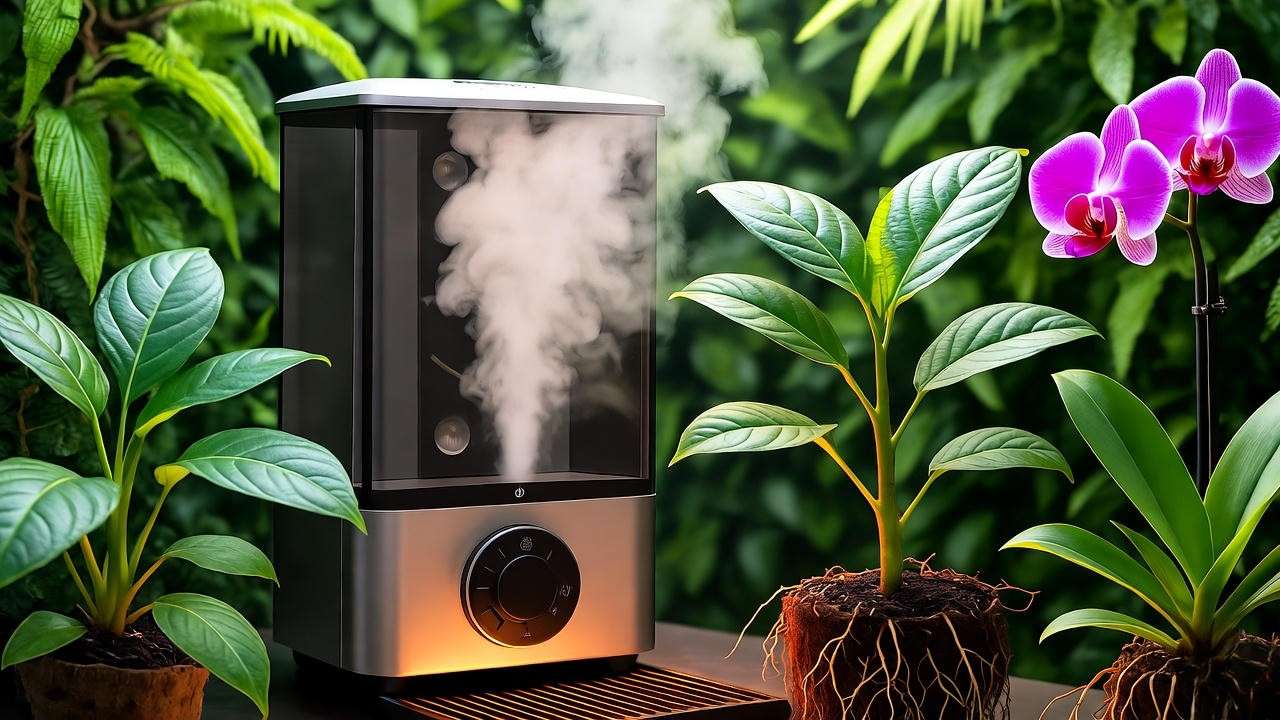
Creating a Tropical Microclimate 🏝️
Ibogaine thrives in conditions mimicking its native rainforest habitat. To create a microclimate:
- Humidifiers: Use a cool-mist humidifier to maintain 60–80% humidity indoors.
- Thermostats: Install a thermostat-controlled heat mat for consistent soil warmth.
- Greenhouse Setup: For outdoor growers in non-tropical climates, a small greenhouse with ventilation and shade cloth replicates ideal conditions.
Pro Tip: Group ibogaine with other humidity-loving plants (e.g., ferns, orchids) to naturally boost ambient moisture.
Companion Planting for Ibogaine 🌼
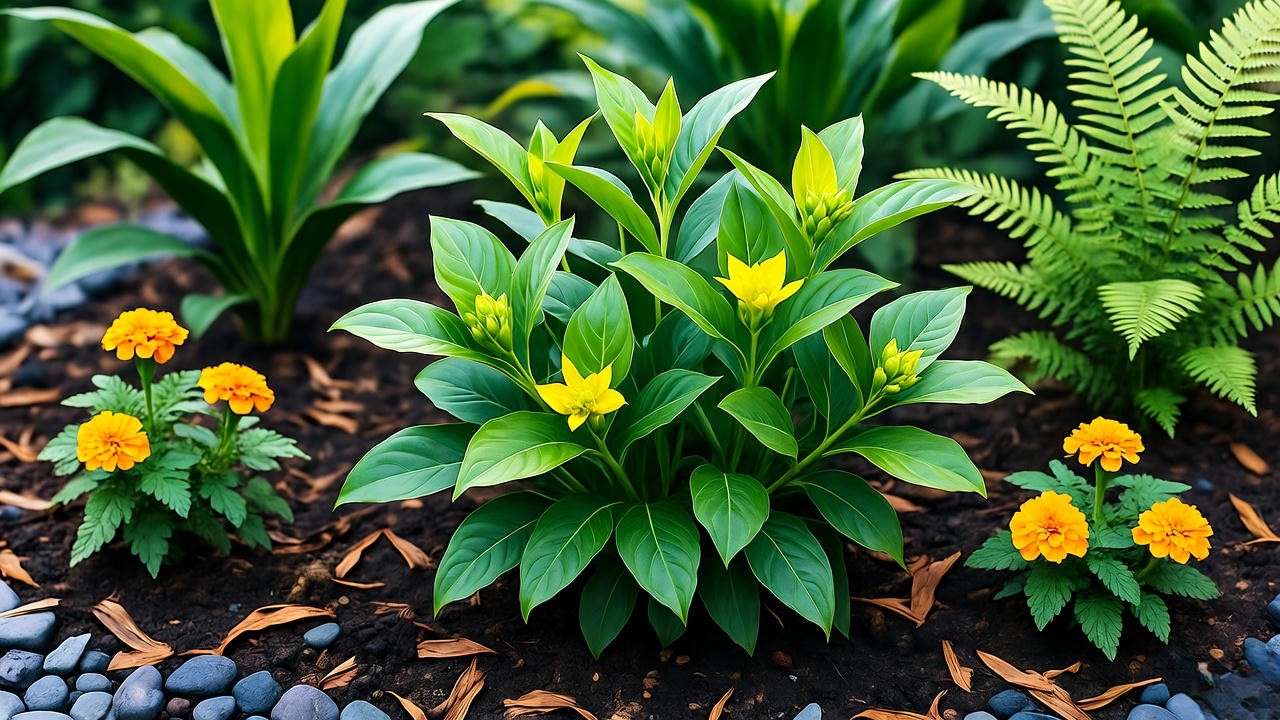
Companion planting enhances ibogaine’s growth and garden aesthetics:
- Marigolds: Repel aphids and attract pollinators.
- Lemongrass: Deters pests and complements ibogaine’s tropical vibe.
- Ferns: Create a lush, rainforest-like understory that retains humidity.
Design a garden bed with ibogaine as the centerpiece, surrounded by these companions, to create a vibrant, biodiverse display. Avoid plants that compete for nutrients, like fast-growing vines.
Cultural and Environmental Impact of Growing Ibogaine 🌍
Growing ibogaine plant seeds responsibly goes beyond gardening—it’s a way to honor the plant’s cultural and ecological legacy. In Gabon, Tabernanthe iboga is central to Bwiti spiritual practices, symbolizing connection to ancestors and the natural world. By cultivating it ethically, you contribute to preserving this heritage.
Environmentally, ibogaine supports biodiversity by introducing a rare tropical species to your garden. Sustainable practices, like using organic fertilizers and avoiding chemical pesticides, align with conservation goals. Home growers can also advocate for protecting ibogaine’s native habitats, which face threats from deforestation.
Call to Action: Join local or online ethnobotany communities to share knowledge and promote responsible cultivation. Your efforts can help ensure ibogaine’s legacy endures for future generations. 🌿
FAQs About Growing Ibogaine Plant Seeds ❓
Q1: How long does it take for ibogaine plant seeds to germinate? A: Germination typically takes 2–6 weeks under optimal conditions (75–85°F, 60–80% humidity). Scarification and fresh seeds improve success rates.
Q2: Can I grow ibogaine plants indoors year-round? A: Yes, with proper care. Use grow lights, a humidifier, and a warm environment to mimic tropical conditions. Ensure good air circulation to prevent fungal issues.
Q3: Are ibogaine plants safe to grow in my region? A: Check local laws, as ibogaine is regulated in some countries. For ornamental purposes, growing is often permitted, but confirm with authorities.
Q4: What are the best fertilizers for ibogaine plants? A: Use a balanced, slow-release fertilizer (10-10-10) or nitrogen-rich formula (20-10-10) during the growing season, applied every 4–6 weeks.
Q5: How do I know if my ibogaine seeds are viable? A: Soak seeds in water for 24 hours. Viable seeds typically sink, while non-viable ones float. Source fresh seeds for best results.
Conclusion: Cultivate Your Ibogaine Garden with Confidence 🌿
Growing ibogaine plant seeds is a rewarding journey that blends horticultural skill with cultural appreciation. From scarifying seeds to nurturing mature plants, this guide has equipped you with expert-backed steps to succeed. Key takeaways include:
- Prepare seeds with scarification and plant in well-draining soil.
- Maintain a warm, humid environment for germination and growth.
- Troubleshoot issues like poor germination or pests with targeted solutions.
- Embrace ethical cultivation to honor ibogaine’s heritage.
Whether you’re adding ibogaine to a tropical garden or cultivating it indoors, you’re contributing to a vibrant, biodiverse future. Share your ibogaine growing journey in the comments below or join our gardening community for more tips! 🌱 Let’s grow together!











