
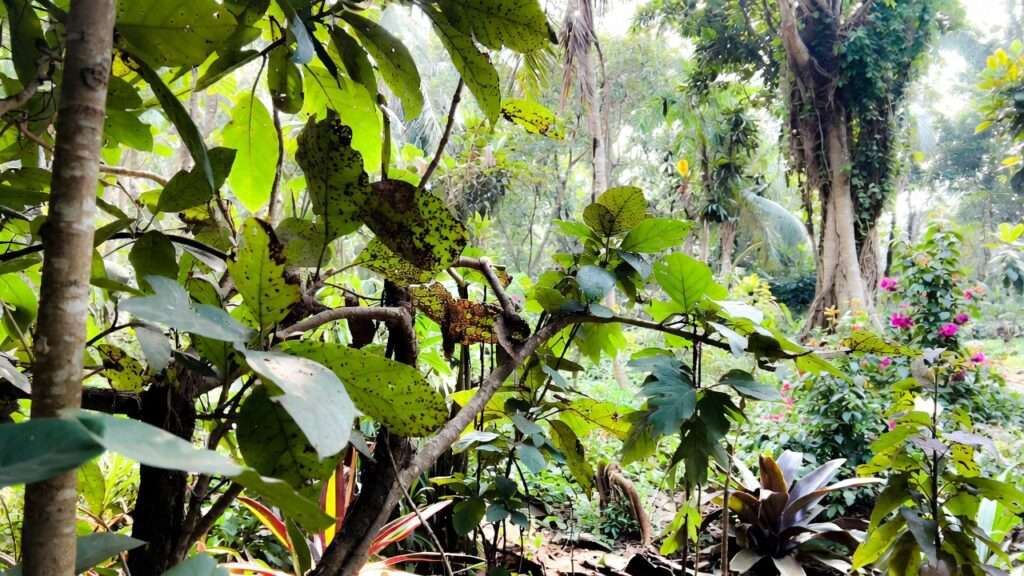
Imagine stepping into your garden at dawn in the humid air of Barisal Division, only to discover your beloved rose bushes dusted with a ghostly white powder, your tomato plants sporting ugly dark spots, or the majestic mango tree in your yard dropping leaves prematurely. 😔 These heartbreaking scenes are all too common signs of fungal infections — silent, opportunistic invaders that thrive in our warm, moist tropical climate and can quickly turn a thriving garden into a battleground.
Fungal diseases rank among the top threats to home gardens and landscapes worldwide, causing reduced yields, weakened structures, aesthetic ruin, and even plant death if ignored. But here’s the empowering truth: most fungal infections in plants and trees are identifiable early and treatable with the right knowledge and eco-friendly approaches. In this in-depth, expert-level guide, we’ll cover identifying and treating fungal infections from the first subtle clues to long-term prevention strategies tailored for gardeners in humid regions like Bangladesh. Drawing from university extension research, arborist best practices, and real-world experience, you’ll gain practical tools to protect your plants, boost resilience, and enjoy lush, disease-free gardens year-round. Let’s turn the tide and reclaim your green oasis! 🌱💚
Why Fungal Infections Are a Common Threat in Home Gardens and Landscapes
Fungi are everywhere — in soil, air, and water — but they explode into problems under specific conditions. In areas like Phuljhuri, Barisal, with high humidity (often 80-90%+), frequent rains, and warm temperatures (25-35°C), fungal spores germinate rapidly on wet leaves and penetrate plant tissues. Poor air circulation from overcrowding, overhead watering, and compacted or poorly drained soil create the perfect storm 🌧️.
The consequences go beyond looks: fungal pathogens sap energy, block nutrient uptake, reduce photosynthesis, and weaken plants against pests or drought. In vegetables, yields can drop 20-50%; in trees, chronic infections lead to dieback, structural failure, or shortened lifespan. Young seedlings and stressed plants (from transplant shock or nutrient imbalance) are hit hardest.
Prevention truly outperforms cure — building healthy soil, choosing resistant varieties, and maintaining good habits can eliminate 80% of issues before they start, as emphasized by sources like university extensions and IPM guidelines.
Understanding Fungal Infections: Signs vs. Symptoms
To identify fungal infections accurately, distinguish between signs (direct evidence of the fungus) and symptoms (the plant’s reaction):
- Signs 🔍: Visible fungal structures like white powdery coating (powdery mildew), orange pustules (rust), fuzzy gray mold (Botrytis), mushrooms or conks at the base (root rots), or black fruiting bodies.
- Symptoms: Wilting, yellowing (chlorosis), leaf spots, blights, defoliation, stunted growth, cankers, or dieback.
Many confuse fungal issues with bacterial (slimy, foul-smelling) or viral (mottled patterns) problems, or abiotic stress (nutrient deficiency, drought). Quick table for reference:
| Issue Type | Key Clue | Example |
|---|---|---|
| Fungal | Powdery/spotty growth, spores | Powdery mildew, rust |
| Bacterial | Oozy lesions, foul odor | Bacterial wilt |
| Viral | Mottling, distortion | Mosaic virus |
| Abiotic | Uniform yellowing, no spots | Overwatering, pH imbalance |
Early detection via weekly inspections saves plants!

(Above: Classic white powdery coating of powdery mildew on rose leaves — a common sight in humid gardens 🌫️)
How to Spot Fungal Infections Early: Inspection Checklist
Catch problems before they spread with this simple routine:
- Weekly Walkthrough: Early morning when dew highlights issues, or after rain. Use good light and a magnifying glass for tiny spores.
- What to Check:
- Leaves (top & underside): Spots, powdery/fuzzy growth, yellow halos, curling.
- Stems/Trunks: Discoloration, cankers, oozing, brackets/conks.
- Roots/Base: Wilting despite moisture, soft/mushy roots, mushrooms 🍄.
- Fruit/Flowers: Mold, rot, deformities.
- Pro Tip: Photograph changes over time for patterns. In humid climates, focus on shaded, dense areas where moisture lingers.
Regular checks + good record-keeping turn guesswork into confidence.
Common Fungal Diseases in Garden Plants
Here are the most prevalent culprits in home gardens, especially in tropical/subtropical zones:
Powdery Mildew 🌫️
White or gray powdery film on leaves, stems, buds — distorts new growth, reduces vigor.
Common hosts: Roses, cucumbers, squash, pumpkins, lilacs, mango young leaves.
Triggers: High humidity + moderate temps (20-25°C), poor airflow. Spreads via wind.
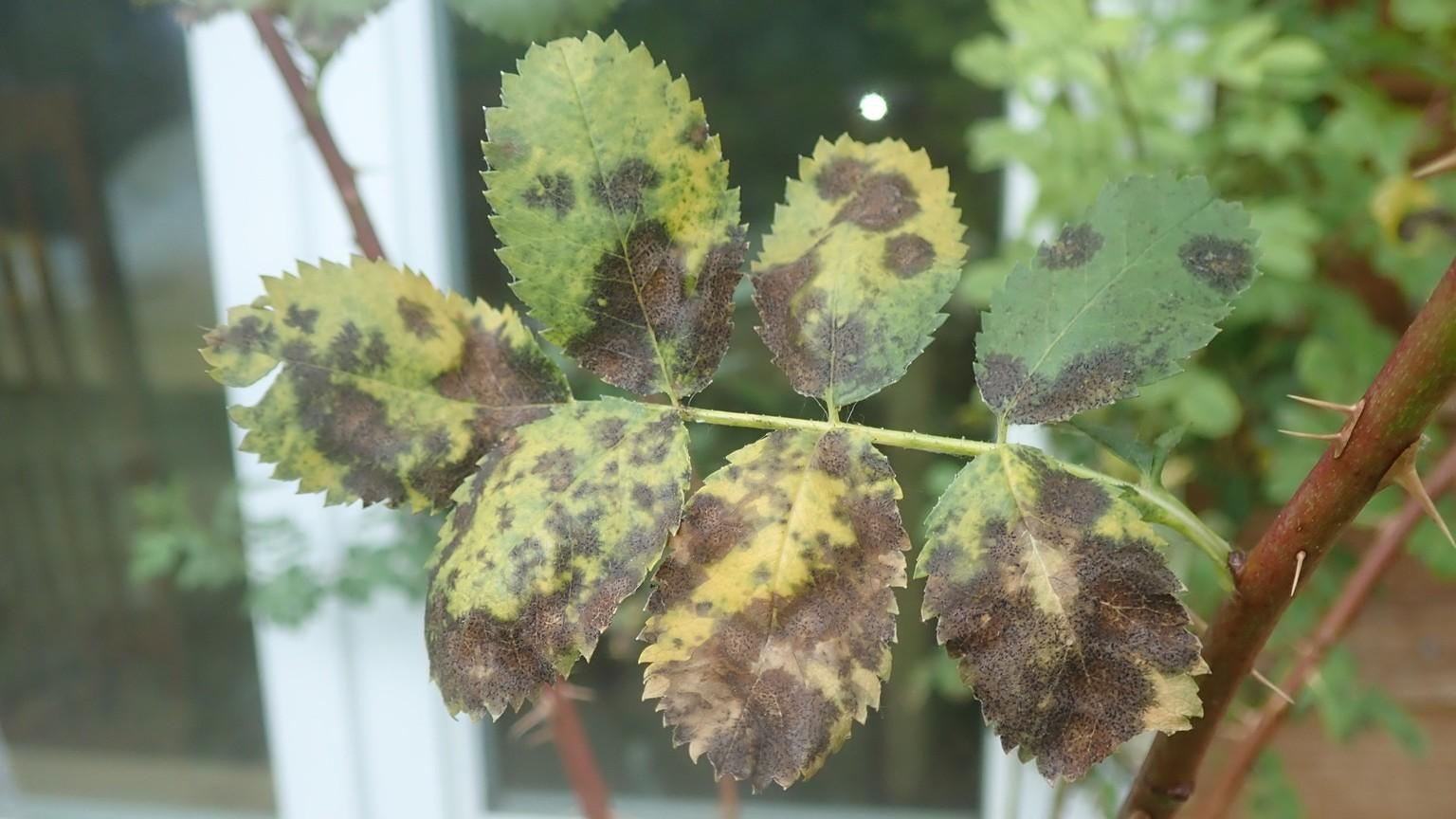
(Above: Black spot on rose leaves — note the dark spots with yellow halos, leading to defoliation)
Black Spot
Circular black spots with fringed edges and yellow halos on upper leaf surfaces; leaves yellow and drop.
Primarily attacks roses — thrives in wet, warm conditions; spores splash from soil.
Rust Diseases
Orange, yellow, or rust-colored pustules on leaf undersides; defoliation in severe cases.
Example: Cedar-apple rust (needs juniper alternate host) on apples/crabapples.
%20(1).JPG?ver=aQw2Mh7uuODOZaEUPXP_IQ%3D%3D)
(Above: Orange spots of cedar-apple rust on apple leaves)
Leaf Spots & Blights (e.g., Septoria, Anthracnose)
Tan/brown spots, often with concentric rings or shot-hole appearance; blights cause large dead areas.
Hits tomatoes, peppers, beans, cucurbits, and shade trees like sycamore/oak.
Downy Mildew
Fuzzy purple/gray growth on leaf undersides; yellow patches above.
Common on grapes, cucurbits, basil in humid weather.
Botrytis Blight (Gray Mold) ❄️
Fuzzy gray mold on flowers, fruits, stems — especially after cool, wet periods.
Affects strawberries, roses, vegetables.
Common Fungal Diseases in Trees & Woody Plants 🌳🍂
Trees face unique fungal challenges, often more serious due to their longevity and size. In humid regions like Barisal Division, root rots and leaf diseases are especially prevalent during the monsoon season.
Anthracnose
Irregular brown to black leaf spots, often along veins, leading to blotchy appearance, leaf curling, twig dieback, and premature leaf drop.
Common on sycamore, oak, maple, ash, and some fruit trees like mango in wet springs.
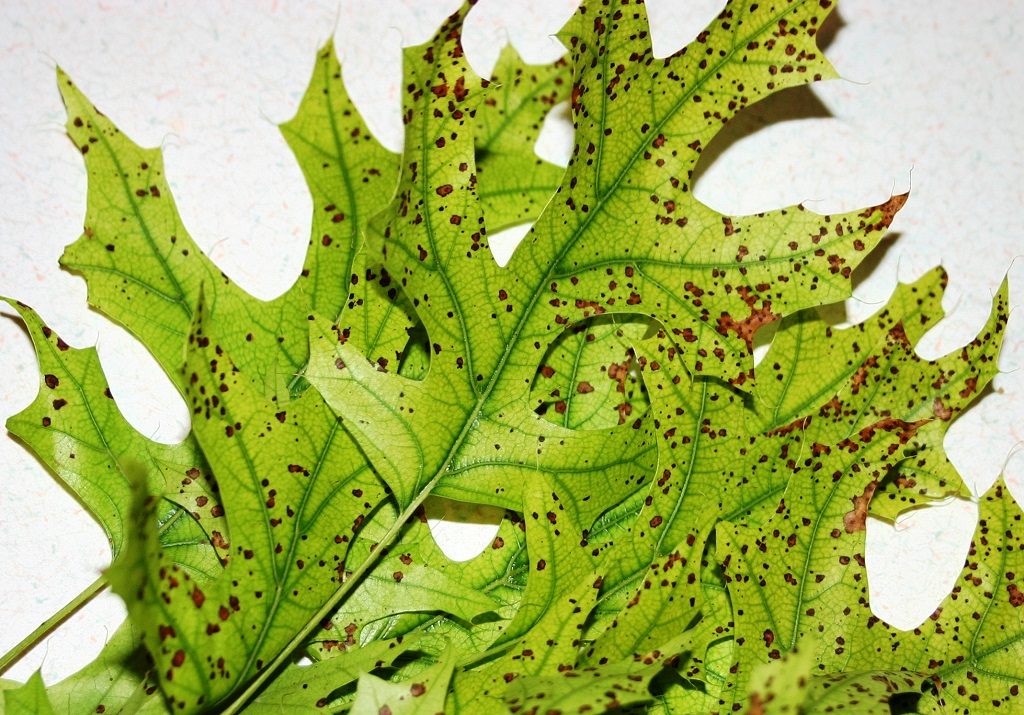
(Above: Anthracnose on oak and maple leaves — note the dark, irregular spots and blighted areas typical in wet conditions)
Verticillium Wilt
One-sided or sectorial wilting of branches, yellowing then browning leaves (often starting low), vascular streaking (brown discoloration in wood when cut).
Affects maples, tomatoes, strawberries, but also shade trees like elm, ash, and some tropical species. Soil-borne, persists for years.

(Above: Classic one-sided wilting and yellowing from Verticillium wilt on a tree canopy)
Root Rots (e.g., Phytophthora, Armillaria)
Wilting despite adequate soil moisture, sparse canopy, small/off-color leaves, eventual dieback. Mushrooms or fungal mats at base in Armillaria cases; black, stringy roots in severe rot.
Phytophthora loves poorly drained soil; Armillaria (honey fungus) spreads via black shoestring-like rhizomorphs. Both deadly to stressed trees.
.jpeg?ver=xvuXIuYjoMqEyg2Bsf6b4g%3D%3D)
(Above: Honey-colored mushrooms of Armillaria root rot clustered at the tree base — a telltale sign)
Wood Decay Fungi (Heart Rot, Bracket Fungi) 🍄
Bracket-like or shelf-like conks (fruiting bodies) on trunk or branches, soft/rotten wood inside, hollow sounds when tapped, lean or cracks.
Common decay fungi include Ganoderma, Phellinus; often enter through wounds or old branch stubs. Structural hazard in mature trees.
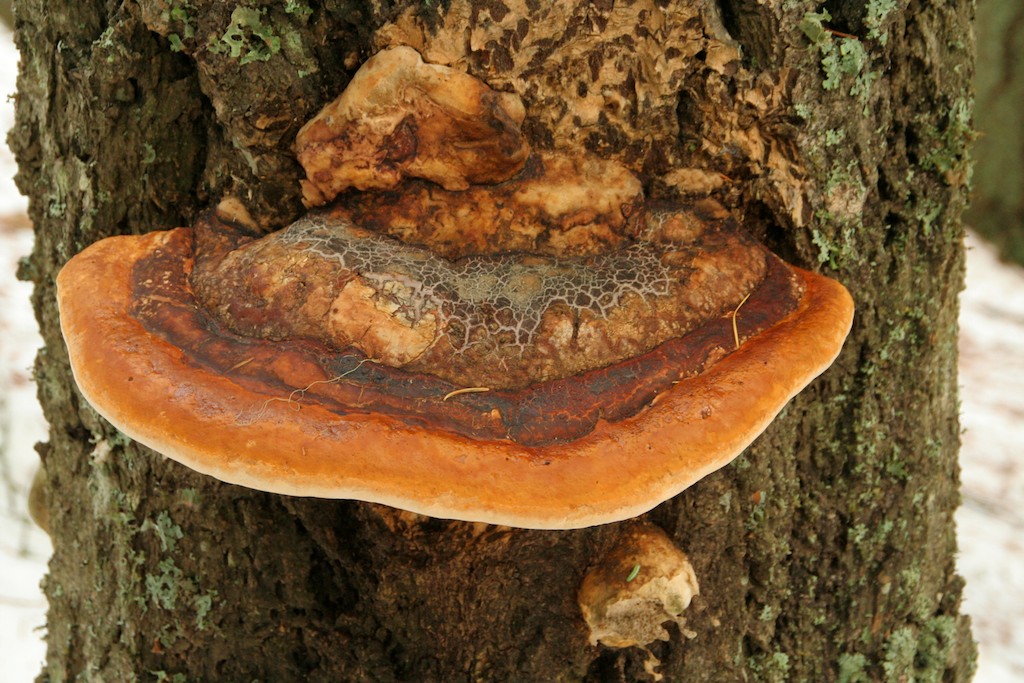
(Above: Large bracket fungi conks growing on tree trunks — indication of internal wood decay)
Needle Cast & Blights (e.g., on pines, spruces, firs)
Needles turn brown/reddish from base to tip, often with black fruiting bodies; premature needle drop, thinning canopy.
Rhizosphaera and Stigmina needle cast common in conifers during cool, wet springs.

(Above: Brown, cast needles on pine branches from needle cast disease)
Diagnosis Tips: Is It Really Fungal?
Accurate identification prevents wrong treatments. Rule out:
- Environmental stress (drought → uniform wilting; overwatering → yellow lower leaves)
- Nutrient deficiencies (e.g., nitrogen = pale green; iron = yellow young leaves with green veins)
- Pests (chewing, webbing, insects visible)
Cut a branch and look for vascular streaking (Verticillium), or dig to check roots. Send samples to your local agriculture extension office or plant clinic in Bangladesh (e.g., BARI or university labs) for lab confirmation — especially valuable for trees. Smartphone apps like PlantSnap or PictureThis help with initial guesses, but aren’t foolproof 📱.
Integrated Treatment Strategies: Step-by-Step
Effective treatment of fungal infections combines multiple tactics (IPM — Integrated Pest Management) for best results and minimal environmental impact.
1. Cultural Controls – Your First Line of Defense (Often 80% of Success!)
- Improve air circulation: Prune for open canopy, space plants properly ✂️
- Water wisely: Early morning, at soil level (drip/soaker hoses), avoid wetting foliage
- Sanitation: Rake and destroy (burn or bag) infected leaves/twigs — never compost diseased material
- Soil & site management: Ensure good drainage, avoid wounding bark, mulch 5-10 cm deep (keep away from trunk)
- Crop rotation & companions: Rotate veggies annually; plant marigolds or garlic near susceptible crops
These steps disrupt fungal life cycles dramatically in humid climates.
2. Natural & Organic Remedies 🌿
- Neem oil: Broad-spectrum, preventive spray (mix 1-2 tsp neem + 1 tsp soap per liter water)
- Baking soda solution: 1 tbsp baking soda + 1 tsp horticultural oil/soap per liter — great for powdery mildew
- Milk spray: 1:9 milk:water — weekly for powdery mildew (proteins/antimicrobials help)
- Biofungicides: Products with Bacillus subtilis, Trichoderma, or Serenade — apply preventively
- Timing: Best as prevention or at first sign; repeat every 7-14 days after rain
These are safe, eco-friendly, and widely used by organic gardeners.
3. Chemical Fungicides – When & How to Use Safely
While cultural and organic methods should always come first, fungicides become necessary for moderate to severe infections, especially when rapid control is needed to save high-value plants or trees.
Key principles (updated 2025–2026 best practices):
- Preventive vs. curative: Most modern fungicides work best preventively or at the very earliest symptoms.
- Rotate modes of action: Always switch between FRAC groups (Fungicide Resistance Action Committee codes) to prevent resistance — e.g., alternate between Group 3 (DMI), Group 11 (QoI), and biofungicides.
- Safe, lower-risk options widely available in Bangladesh markets:
- Mancozeb (protectant, multi-site) – excellent for leaf spots, downy mildew
- Chlorothalonil – broad-spectrum for many foliar diseases
- Copper-based (Bordeaux mixture, copper oxychloride) – organic-approved, good for bacterial + fungal issues
- Systemic options like propiconazole, tebuconazole (for rusts, powdery mildew)
- Application tips: Spray early morning or late afternoon, full coverage (both leaf sides), add sticker/spreader if needed, follow label rates strictly, observe pre-harvest intervals (PHI) for edibles.
- Safety first: Wear gloves, mask, long sleeves; keep children/pets away during application; never mix incompatible products.
In humid climates like Phuljhuri, re-apply after heavy rain (most protectants wash off).
4. Advanced Treatments for Trees
Large trees often require professional intervention:
- Trunk injections: Systemic fungicides (e.g., propiconazole, thiabendazole) injected directly into vascular tissue for Dutch elm disease, oak wilt, or anthracnose control.
- Soil drenches: For root rots (e.g., phosphorous acid products like Agri-Fos).
- Wound dressing: Avoid most sealants — let callus form naturally; use only on fresh pruning cuts in high-risk seasons if recommended by an arborist.
- Professional help: Consult certified arborists or Bangladesh Agricultural Research Institute (BARI) experts when you see conks, extensive dieback, or structural concerns. Early action can save valuable shade or fruit trees.
Prevention: Building a Fungus-Resistant Garden Long-Term
The best treatment is never needing one. Here’s your seasonal roadmap tailored for Bangladesh’s climate:
- Plant selection: Choose resistant cultivars — e.g., ‘Knock Out’ roses (black spot tolerant), disease-resistant tomato varieties (e.g., ‘Roma VF’, ‘Celebrity’), rust-resistant crabapples. Buy certified disease-free stock.
- Spring prep: Prune dormant trees/shrubs to open canopy; apply dormant oil + copper spray on susceptible species.
- Summer monitoring: Weekly checks, morning watering, mulch to conserve moisture and suppress splash.
- Fall cleanup: Remove all fallen diseased leaves (critical for overwintering spores); avoid heavy nitrogen late in season.
- Soil & nutrition: Maintain pH 6.0–7.0 for most plants; balanced slow-release fertilizer; improve drainage in clay-heavy Barisal soils.
- Microclimate management: Increase airflow with strategic pruning; avoid overcrowding; use shade cloth during intense heat to reduce stress.
These habits dramatically reduce fungal pressure year after year.
Case Studies & Real-Life Examples
- Rose Garden Black Spot Takeover A home gardener in Barisal noticed black spots in early monsoon. Immediate removal of affected leaves, weekly neem + baking soda sprays, improved spacing, and morning drip irrigation turned the garden around in 4–6 weeks with almost full recovery by next bloom cycle.
- Tomato Patch Early Blight Crisis Septoria/early blight hit hard after heavy rains. Cultural fixes (staking, mulching, crop rotation planned) + copper sprays every 10 days saved 70% of the crop; next season resistant varieties prevented recurrence.
- Mango Tree Anthracnose Management Young mango tree showed leaf blight and fruit drop. Pruning infected twigs, copper sprays during flowering/fruit set, and better airflow (thinning dense canopy) reduced losses from 80% to under 10% the following year.
Expert Insights & Pro Tips from Arborists
- Most common gardener mistake: Overhead watering late in the day → leaves stay wet overnight → fungal paradise.
- When to call a pro: Any tree >10 cm trunk diameter showing conks, extensive dieback, lean, or sudden wilting. DIY root rot treatments rarely succeed on mature trees.
- Emerging trends (2026): Greater adoption of biological controls — Trichoderma harzianum soil amendments, Bacillus-based foliar sprays, and RNA-interference fungicides in research stages.
Frequently Asked Questions (FAQs)
Can fungal infections spread to humans or pets? Almost never from garden plants. A few (e.g., histoplasmosis from bird droppings on decayed wood) are soil-related risks, but proper hygiene prevents issues.
Are there any foolproof home remedies? No single remedy is 100% foolproof, but combining baking soda/milk/neem preventively + sanitation is highly effective for mild cases of powdery mildew and black spot.
How long does treatment take to work? Preventive sprays show results in 7–14 days; curative treatments may take 2–4 weeks for visible improvement, depending on severity and weather.
What if my tree has wood decay — is it doomed? Not always. If decay is limited and the tree is structurally sound, compartmentalization can contain it. Professional assessment is essential for safety.
Best fungicides for organic gardening? Copper-based, sulfur, neem oil, biofungicides (Serenade, Actinovate), and potassium bicarbonate products offer solid organic protection.
Conclusion: Take Action Today for a Thriving Garden Tomorrow
Fungal infections don’t have to be the end of your gardening dreams. By learning to identify fungal infections early, applying smart treatment strategies, and building preventive habits suited to our humid Bangladeshi climate, you can protect your plants and trees effectively and sustainably.
Start with one small change this week — perhaps a morning inspection or switching to soil-level watering — and watch your garden respond with healthier leaves, brighter blooms, and bigger harvests. Your green space is worth the effort! 🌳🥭🌹
Have you battled a stubborn fungal disease in your garden? Share your experience or ask questions in the comments — I’d love to help fellow gardeners in Barisal and beyond! 👇💚











