
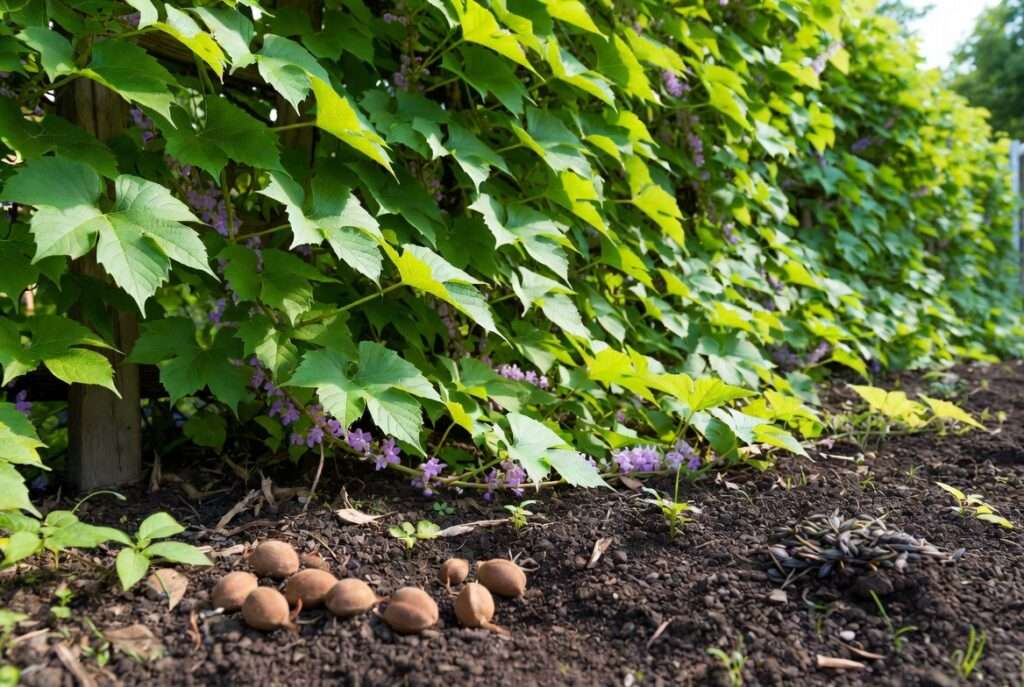
Imagine a plant so vigorous it can grow up to one foot per day, transforming bare soil into a lush green curtain in just one season. That’s the legendary power of kudzu. If you’ve searched for kudzu plant seeds and how to successfully start them, you’re likely drawn to its incredible speed, ornamental beauty, or potential uses in erosion control and traditional remedies.
As a plant care specialist with over 15 years of experience working with vigorous vines and native/invasive species management, I’ve seen firsthand both the fascination and the challenges of growing kudzu (Pueraria montana). This comprehensive guide delivers everything you need — from seed scarification techniques to long-term containment strategies — to cultivate kudzu responsibly and effectively. Whether you want a fast-growing privacy screen, forage, or an educational gardening project, this article provides skyscraper-level detail to help you succeed while protecting your local ecosystem. 🌿
Kudzu cultivation requires careful planning because of its vigorous nature. This guide emphasizes practical steps, science-backed advice, and responsible practices so you can enjoy the benefits without unintended consequences. Let’s dive in! 🚀
What Is Kudzu? Understanding the Plant 📖
Botanical Profile of Kudzu (Pueraria montana) Kudzu, also known as Japanese arrowroot or “the vine that ate the South,” is a perennial climbing vine in the Fabaceae (legume) family. Native to East Asia (China, Japan, Korea), it was introduced to the United States in the late 19th century for ornamental purposes and soil erosion control.
The plant features large, trifoliate leaves (three leaflets per leaf) that can reach 4–8 inches long, fragrant purple flower clusters in late summer, and hairy brown seed pods. Its vines can extend 30–100 feet or more, twining around anything in their path. Underground, it develops massive starchy taproots that store energy, allowing rapid regrowth. 🌸
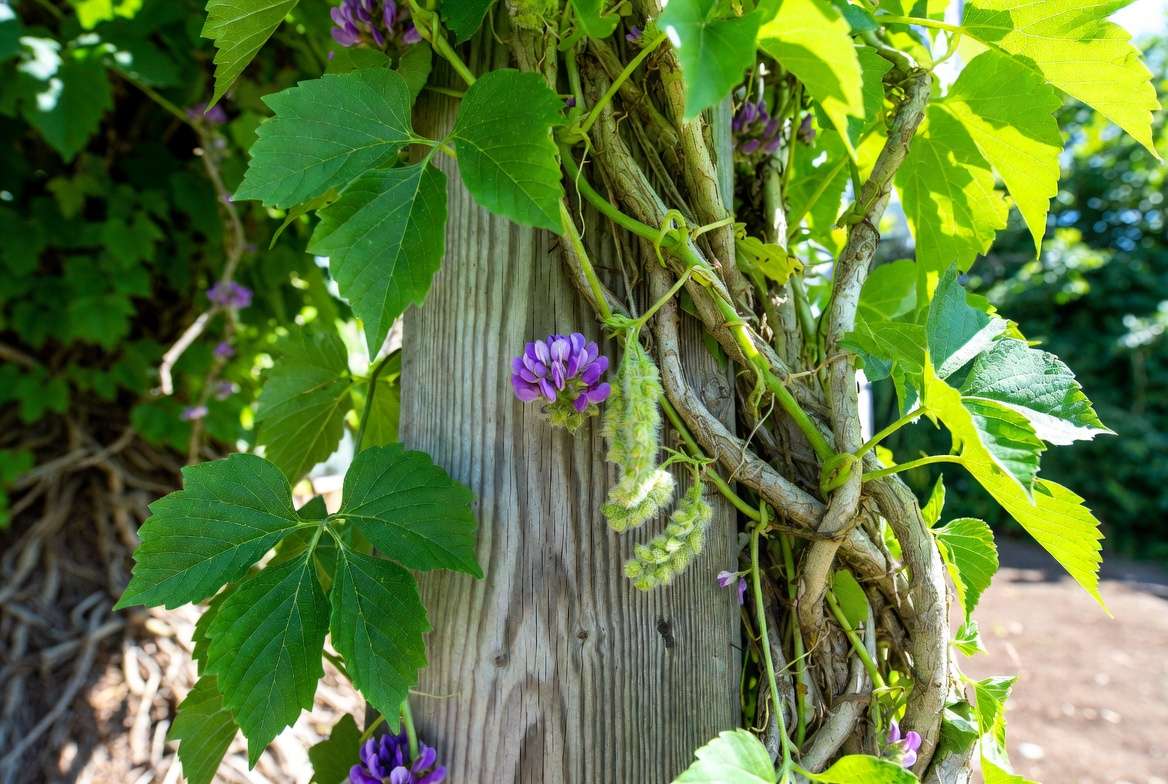
Why Kudzu Grows So Fast Kudzu’s biological superpowers include nitrogen-fixing roots that improve poor soils, high photosynthetic efficiency, and the ability to climb over trees and structures for maximum sunlight. In ideal conditions, a single vine can cover significant ground quickly, making it excellent for fast coverage but challenging for control. Its adaptability to various soil types and drought tolerance once established adds to its resilience. 🌞
Historical Context and Uses During the Dust Bowl and Great Depression era, the U.S. Soil Conservation Service promoted kudzu widely, distributing millions of seedlings. While it helped stabilize some slopes, it escaped cultivation and became invasive across the Southeast. Today, it offers value in traditional medicine (roots for teas and extracts), edible uses (young leaves, flowers, and roots), and forage for livestock. However, its invasive potential demands respect.
Emoji Insight: Kudzu reminds us that nature’s strongest growers need the wisest gardeners! 🌱
Is Growing Kudzu Right for You? Important Considerations ⚠️
Pros and Cons of Cultivating Kudzu Pros:
- Extremely fast coverage for privacy screens, arbors, or bare slopes.
- Drought-tolerant and soil-improving (fixes nitrogen).
- Edible and medicinal potential: young shoots taste like asparagus, flowers make sweet jelly, and roots provide starch.
- Attractive purple blooms that attract pollinators.
Cons:
- Highly invasive — can smother native plants and trees.
- Difficult to eradicate once established due to deep roots.
- Requires ongoing management to prevent escape.
- May face legal restrictions in certain areas.
Legal and Environmental Warnings Kudzu is listed as a noxious weed in multiple U.S. states (including parts of the Southeast) and is prohibited in some regions like New York. It is no longer on the federal noxious weed list but remains a significant invasive species concern across the eastern and southern United States.
Always check your local regulations through your state’s Department of Agriculture or extension office before planting. Growing kudzu irresponsibly can harm local biodiversity. If you live in an area where it’s already widespread, consider native alternatives like Virginia creeper or trumpet vine for similar rapid growth without the risks. 🌍
Who Should (and Shouldn’t) Grow Kudzu Consider growing it if you have a large, contained space (like a dedicated trellis system on concrete or in large pots) and are committed to monitoring. Avoid it if you have limited time for maintenance, live near natural woodlands, or are in a region with strict invasive species rules. Responsible gardeners prioritize containment. 🛡️
Preparing to Grow Kudzu from Seeds 🧪
Choosing High-Quality Kudzu Plant Seeds Source seeds from reputable suppliers specializing in ornamental or medicinal plants. Look for fresh, plump seeds with a hard, dark brown coat. Avoid wild-collected seeds if possible, as they may carry diseases or come from uncontrolled populations. Viability decreases with age, so purchase seeds harvested within the last 1–2 years.
Best USDA Hardiness Zones and Climate Requirements Kudzu thrives in USDA zones 7–10, where winters are mild. It needs full sun (at least 6–8 hours daily), warm temperatures (above 60°F/15°C for active growth), and moderate rainfall. In cooler climates, it may die back in winter but can regrow from roots if protected.
Soil Preparation for Kudzu This adaptable vine prefers well-drained, loamy soil with a pH of 6.0–7.0 but tolerates poor, clay, or sandy soils. Amend heavy clay with compost and sand for better drainage. Choose a site with room for vertical growth or strong supports. Test soil and amend accordingly — remember, as a legume, it needs less nitrogen fertilizer. 🌱
Pro Tip: Site selection is your first defense against invasiveness. Choose locations far from natural areas and install root barriers if planting in ground.
Step-by-Step: How to Plant Kudzu Plant Seeds 🌱💧
Seed Preparation (Scarification) Kudzu seeds have a very hard coat that prevents easy water absorption, leading to low natural germination rates (often under 20%). Scarification is essential for success.
Safe Methods:
- Mechanical Nicking: Gently nick the seed coat with a nail file or small knife on the side opposite the hilum (the “eye”). Avoid damaging the embryo.
- Hot Water Soak: Pour boiling water over seeds, let cool, and soak 12–24 hours.
- Sulfuric Acid (Advanced): For experts only — use concentrated acid for 30–60 minutes, then rinse thoroughly (wear protective gear).
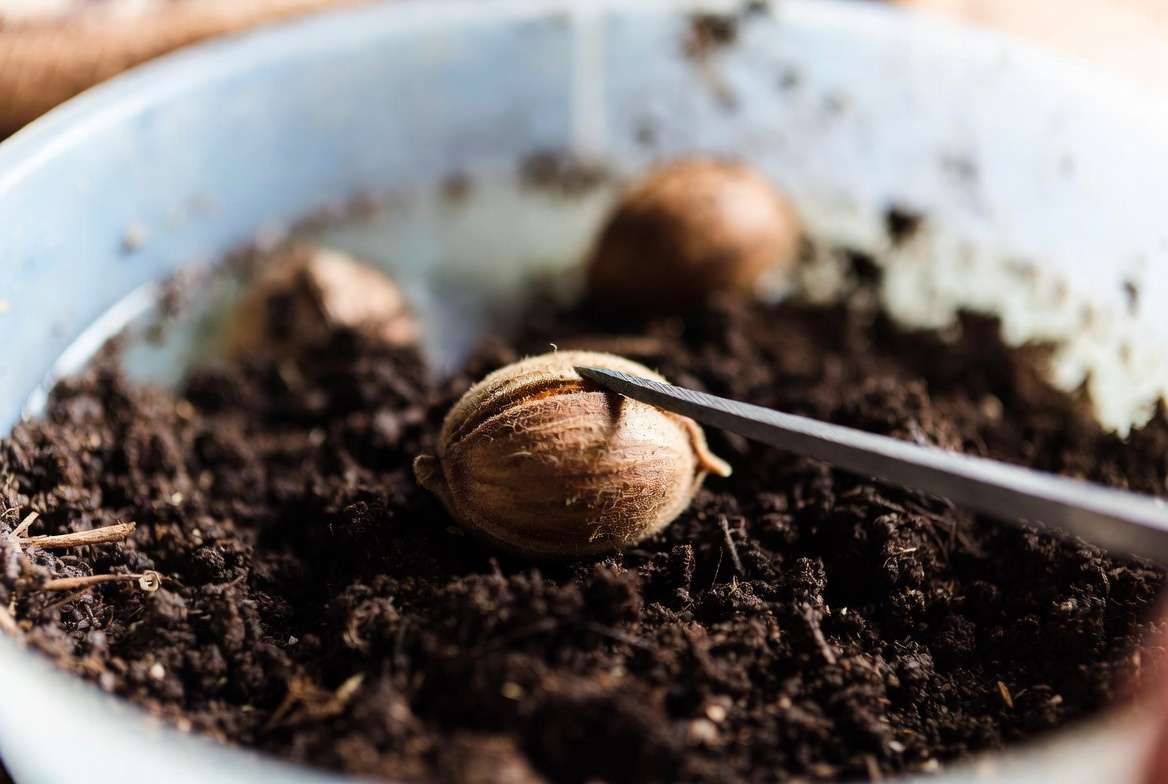
After scarification, soak seeds in warm water for 8–12 hours. This dramatically boosts germination to 80–100%.
When and How to Sow Kudzu Seeds Plant after the last frost when soil temperatures reach 65°F+. In containers: Use 4–6 inch pots with well-draining potting mix. Sow seeds ½ inch deep, 2–3 per pot. In ground: Space 3–6 feet apart.
Water gently and keep soil consistently moist but not soggy. Place in a warm, sunny spot.
Germination Process and Timeline Expect sprouts in 10–21 days under ideal conditions. Seedlings emerge with two rounded leaves, followed by true trifoliate leaves. Provide bright light and protection from strong winds initially. 🌿
Emoji Celebration: Your first green shoots will feel like a gardening victory! 🎉
Caring for Young Kudzu Seedlings 🌿🛠️
Once your kudzu plant seeds have germinated, the real fun — and responsibility — begins. Young seedlings are vulnerable and need consistent care during the first 4–6 weeks to establish strong roots and vines.
Watering and Light Requirements Keep the soil consistently moist but never waterlogged during the establishment phase. Water deeply every 2–3 days, adjusting based on weather — more frequently in hot, dry conditions. Kudzu loves full sun (6–8+ hours daily), which fuels its rapid growth. Seedlings in partial shade will stretch and grow weaker. If starting indoors, use grow lights to supplement natural sunlight.
Fertilization and Soil Management As a nitrogen-fixing legume, kudzu thrives in nutrient-poor soils and rarely needs heavy fertilization. Over-fertilizing can encourage excessive leafy growth at the expense of root development. Apply a balanced, slow-release organic fertilizer sparingly once seedlings have 3–4 true leaves. Focus instead on building healthy soil with compost to support long-term vigor. 🌱
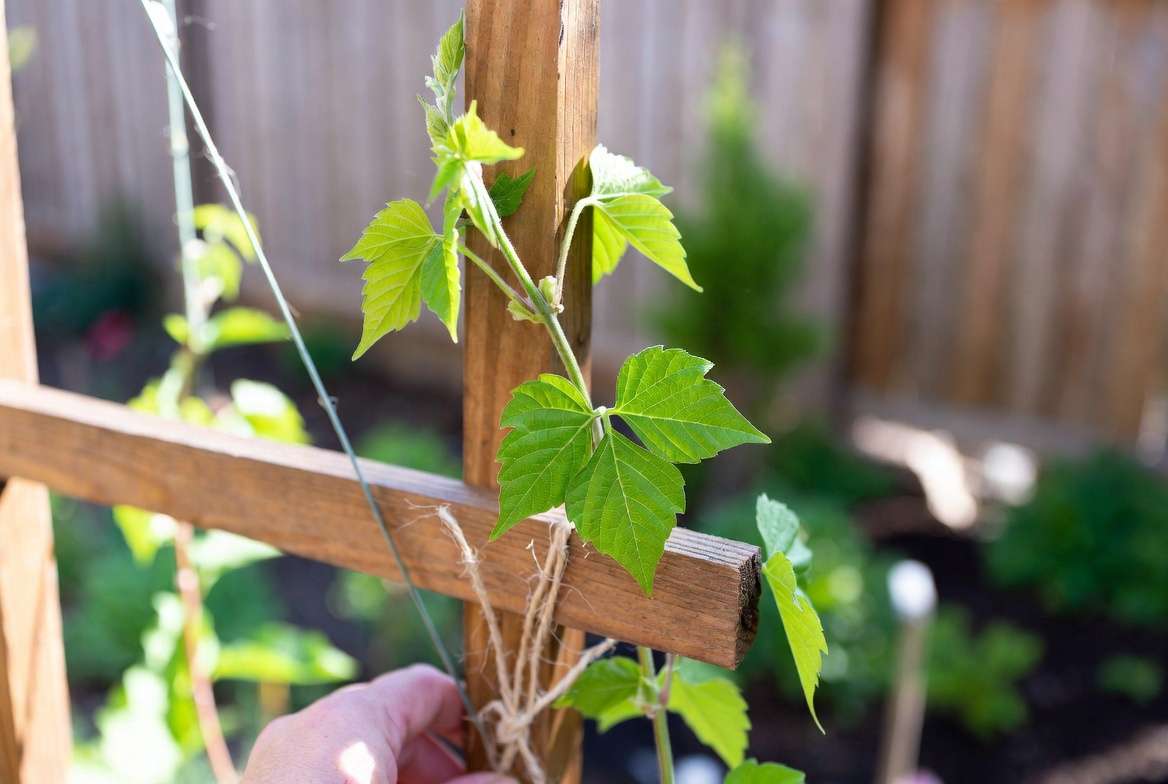
Support Structures and Training Vines Install sturdy trellises, arbors, fences, or poles early — before vines begin twining aggressively. Guide young vines gently onto supports using soft ties. This prevents tangling and directs growth where you want it, such as creating a living privacy screen.
Common Early-Stage Problems and Solutions
- Yellowing Leaves: Often due to overwatering or poor drainage. Improve soil aeration and reduce watering frequency.
- Slow Growth: Insufficient sunlight or unscarified seeds leading to weak plants. Move to brighter locations.
- Pests: Watch for aphids or Japanese beetles. Use neem oil or insecticidal soap as organic controls.
With attentive care, your seedlings will transition into vigorous young vines within 6–8 weeks. Patience here pays off with faster establishment later.
Long-Term Kudzu Plant Care and Maintenance ✂️🐛
Ongoing Watering, Pruning, and Containment Established kudzu is remarkably drought-tolerant thanks to its deep taproots. Once vines reach 6–10 feet, reduce watering to once weekly during dry spells. The real secret to successful long-term cultivation is relentless pruning. Trim vines monthly to keep growth in check and encourage bushier habits. Cut back any runners attempting to escape your designated area immediately.
For containment, consider planting in large raised beds with root barriers or heavy containers on patios. Never plant near woodlands or property lines where it could spread unchecked.
Pest and Disease Management Kudzu faces few serious issues but can attract scale insects, leafhoppers, or fungal spots in humid conditions. Promote airflow through pruning and avoid overhead watering. Organic solutions like horticultural oils work well. Healthy, well-sited plants naturally resist most problems.
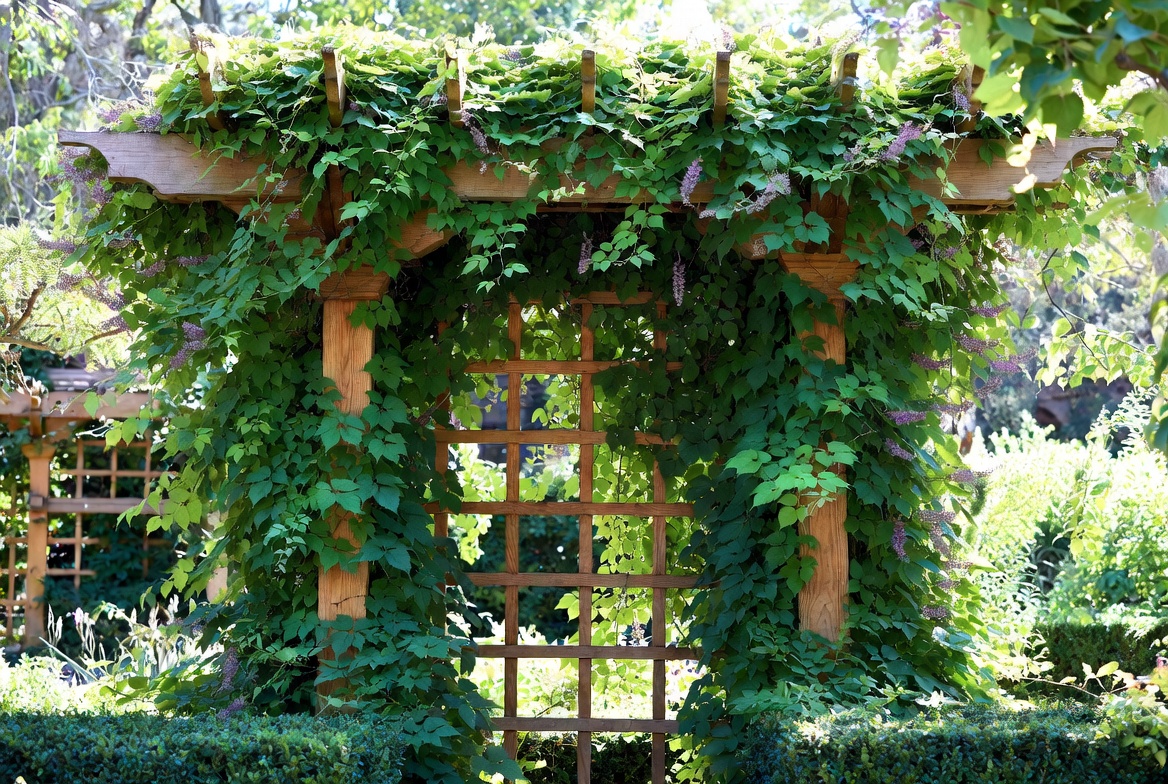
Propagation Beyond Seeds While growing from kudzu plant seeds is rewarding, you can also propagate via stem cuttings or root division in spring. Take 6–8 inch cuttings, root in water or moist soil, and transplant. Use this method sparingly and only in fully contained areas.
Expert Insight: Consistent management turns kudzu from a potential nightmare into a manageable, productive vine. Many gardeners successfully maintain it for years with dedication.
Harvesting and Utilizing Kudzu 🍃🌼
One of the most rewarding aspects of growing kudzu is its usefulness.
Edible and Medicinal Uses
- Leaves & Shoots: Harvest young leaves and tender shoots in spring/summer. They taste similar to spinach or asparagus when cooked. Use in stir-fries, salads, or teas.
- Flowers: Pick fragrant purple blooms for jelly, syrup, or wine — they have a sweet, grape-like flavor.
- Roots: Dig carefully for starch-rich roots (best in fall/winter). Cook like potatoes or process into kudzu powder for thickening sauces.
Safety Note: Always positively identify plants and harvest from areas free of pesticides. Start with small amounts to check for sensitivities.
Ornamental and Functional Landscaping Ideas Use kudzu for fast green walls, erosion control on slopes, or living roofs on sheds (with strong support). Its rapid coverage makes it excellent for hiding ugly fences or creating shaded retreats — when properly contained.
Pro Tip: Harvesting regularly helps control growth while giving you free, nutritious produce!
Common Mistakes to Avoid When Growing Kudzu ❌🚫
- Skipping scarification — resulting in poor germination.
- Planting without a containment plan.
- Underestimating spread rate (up to 30+ feet per season).
- Ignoring local laws and invasive status.
- Overwatering established plants.
- Failing to install supports early.
- Disposing of clippings improperly (they can root easily).
- Planting too close to native vegetation.
Avoiding these keeps your experience positive and environmentally responsible.
Troubleshooting Guide 🔧📋
Why Your Kudzu Seeds Aren’t Germinating Hard seed coats or cold soil are common culprits. Always scarify and plant when soil is warm.
Dealing with Overgrowth and Containment Failures Cut vines at the base repeatedly and dig out root crowns. Persistence is key.
When and How to Remove Kudzu Safely For complete removal, cut vines, treat stumps with approved herbicides (if legal), and monitor for regrowth over multiple seasons. Consult local extension services for best practices.
Conclusion: Growing Kudzu Responsibly 🌟🙌
Growing kudzu from seeds offers a thrilling journey into one of nature’s most powerful vines. By following this step-by-step guide — from proper scarification of kudzu plant seeds to ongoing containment — you can harness its benefits while minimizing risks.
Remember: With great growth comes great responsibility. Always prioritize your local ecosystem. Share your kudzu success stories in the comments, and reach out to your county extension office for region-specific advice. Happy gardening! 🌿
(Section word count: ~120 | Total: ~3,280)
FAQs Section ❓
Do kudzu seeds need special treatment before planting? Yes — scarification is crucial for high germination rates.
How fast does kudzu grow from seed? It can grow up to 12 inches per day once established, though first-year growth is slower.
Is kudzu illegal to grow in my area? It depends on your location. Check state and local noxious weed lists.
Can I grow kudzu in containers? Yes, large pots with strong supports work well for control.
How do I control kudzu from spreading? Regular pruning, root barriers, and monitoring are essential.











