
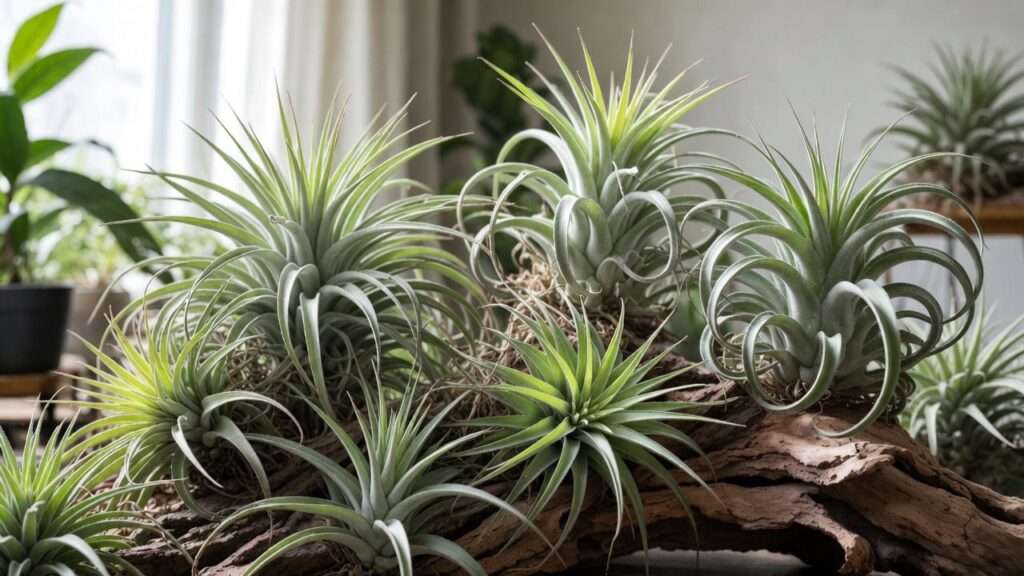
Imagine walking into a room and being greeted by a majestic, silvery rosette that spans nearly three feet across—leaves gracefully curling like ocean waves, no soil or pot in sight. That’s the magic of large air plants (Tillandsia species). These breathtaking epiphytes are the undisputed queens of the air plant world, turning ordinary walls, shelves, and corners into living art installations with almost zero maintenance. 🌸
Whether you’re a longtime plant enthusiast tired of small, everyday Tillandsias or a beginner ready to make a bold statement, this ultimate guide will walk you through everything you need to know. We’ll cover the best large air plant varieties, expert-level care secrets, troubleshooting tips, and creative display ideas that will make your home (or office) the envy of every plant lover. By the end, you’ll feel confident bringing home your own show-stopping specimen—and keeping it thriving for years. Ready to discover why large air plants are the most rewarding plants you’ll ever own? Let’s dive in! 🪴
What Makes Large Air Plants Different from Small Ones? 🌱
While all air plants (Tillandsia spp.) absorb water and nutrients through their leaves rather than roots, large air plants stand out in several exciting ways:
- Impressive Size & Presence — Most mature at 12–36+ inches wide or tall, compared to the 2–6 inch “mini” varieties like Tillandsia ionantha or fuchsii.
- Slower, More Dramatic Growth — Large species often take 5–10 years to reach full size, but the payoff is a sculptural, architectural beauty that small plants simply can’t match.
- Xeric vs. Mesic Traits — The majority of large Tillandsias are xeric (dry-loving) types with thick, fuzzy trichomes that store water and reflect intense light—perfect for lower-humidity homes.
- Fewer Pups, Bigger Offspring — Instead of producing dozens of tiny pups, large plants usually give you 1–5 robust babies that grow into impressive specimens themselves.
- Display Power — Small air plants hide in tiny globes; large ones demand attention as wall art, hanging sculptures, or tabletop centerpieces.
Expert Insight (from 20+ years of growing Tillandsia): Once you master the care of a large xerographica or streptophylla, you’ll never go back to tiny plants. Their forgiving nature and jaw-dropping beauty make them the ultimate “gateway” to serious air plant collecting! 👑
Top 10 Large Air Plant Varieties for Beginners and Collectors
Here are the most popular and rewarding large Tillandsia species, ranked by ease of care and visual impact. Each one is widely available from reputable growers and perfect for both beginners and seasoned collectors.
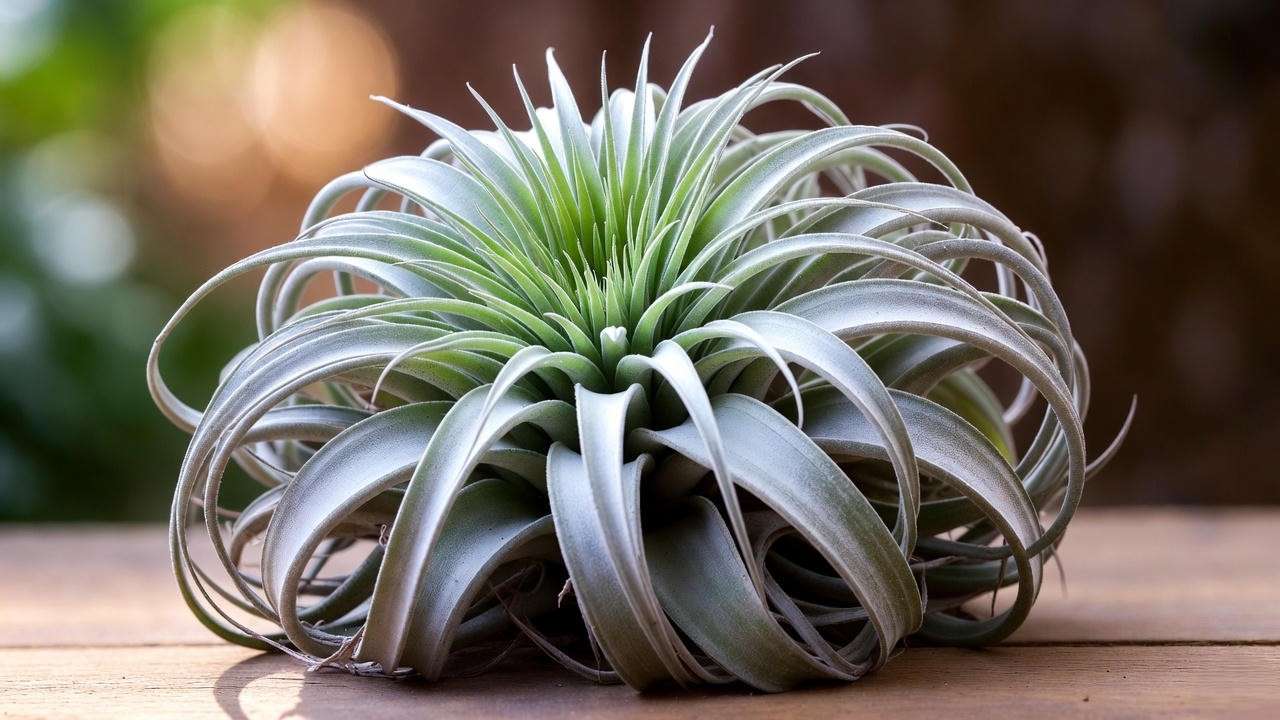
- Tillandsia xerographica – The Queen of Air Plants 👑 The undisputed royalty. Silvery-gray, broad leaves form a perfect rosette that can reach 3 feet across. Extremely drought-tolerant and forgiving—ideal for first-time large-air-plant owners.

- Tillandsia streptophylla – The Octopus Plant 🐙 Thick, curly, twisted leaves and a bulbous base. Grows 18–24 inches and blushes deep pink when blooming. A true conversation starter.
- Tillandsia duratii (Giant Duratii) Long, spiraling leaves that can stretch 3+ feet. Perfect for dramatic hanging displays.
- Tillandsia fasciculata (Giant Juncea) Tall, spiky, sword-like leaves up to 2–3 feet high. Bold and architectural.
- Tillandsia tectorum Ecuador Covered in fuzzy white trichomes, giving a snowy, snowball appearance. One of the most drought-tolerant varieties.
- Tillandsia capitata (Large forms) Soft, silvery rosettes that turn peach, red, or purple when blooming.
- Tillandsia concolor Stiff, upright leaves with a clean, modern look. Great for minimalist interiors.
- Tillandsia harrisii (Large) Soft, silvery, gently curving leaves—elegant and understated.
- Tillandsia butzii (Large forms) Slender, tentacle-like leaves that add texture to mixed displays.
- Tillandsia ionantha gigantea A jumbo version of the popular Ionantha—up to 12 inches wide with vibrant red or green color.
The Complete Care Guide for Large Air Plants 💧☀️🌬️
Despite their size, large air plants are surprisingly easy to care for once you understand their slightly different needs compared to small varieties.
Light Requirements ☀️
Bright, indirect light is essential. East- or west-facing windows are ideal. They can handle some morning or late-afternoon sun, but avoid harsh midday rays that can scorch leaves. In lower-light homes, supplement with grow lights (12–14 hours daily).
Watering & Humidity 💧
- Xeric types (xerographica, tectorum, streptophylla, etc.): Soak for 2–4 hours every 1–3 weeks, or mist 2–3 times per week.
- Mesic types (fewer large varieties): More frequent misting or shorter soaks. Always shake off excess water and let dry completely within 4 hours to prevent rot. Use rainwater, distilled, or filtered water—tap water with high minerals can leave unsightly deposits.
Pro Tip: Larger plants hold more water in their leaves, so observe the leaves: tightly curled means they’re thirsty; open and relaxed means they’re happy! 🌿
Air Circulation & Temperature 🌬️
Excellent airflow is non-negotiable. Ideal range: 50–90°F (10–32°C). Protect from frost and cold drafts. Outdoors in USDA zones 9–11, they thrive as summer annuals or year-round plants.
Fertilizing & Blooming 🌸
Use a diluted bromeliad or orchid fertilizer (1/4 strength) once a month during the growing season (spring–summer). Blooms are spectacular—often pink, purple, or red—and can last weeks. After blooming, the mother plant will produce pups and gradually fade over 1–3 years.
Propagation & Pups 🐣
Gently twist or cut pups when they reach ⅓–½ the size of the parent. Large plants usually produce fewer but much bigger pups, making propagation a rewarding long-term project.
Common Problems & Troubleshooting Table
| Problem | Likely Cause | Solution |
|---|---|---|
| Brown, crispy leaf tips | Underwatering or low humidity | Increase soaking frequency and mist more often |
| Black, mushy base | Rot from overwatering/poor drying | Trim affected areas, improve airflow, and reduce watering |
| Fading or pale color | Insufficient light | Move to a brighter spot or add grow lights |
| Mealybugs or scale | Low humidity, poor circulation | Rinse thoroughly, treat with insecticidal soap, and increase airflow |
| Leaves flattening | Too much direct sun | Relocate to indirect light; provide shade during peak hours |
Stunning Display Ideas for Large Air Plants 🖼️
Large air plants deserve to be the star of the show! Here are the most popular and eye-catching ways to display them:
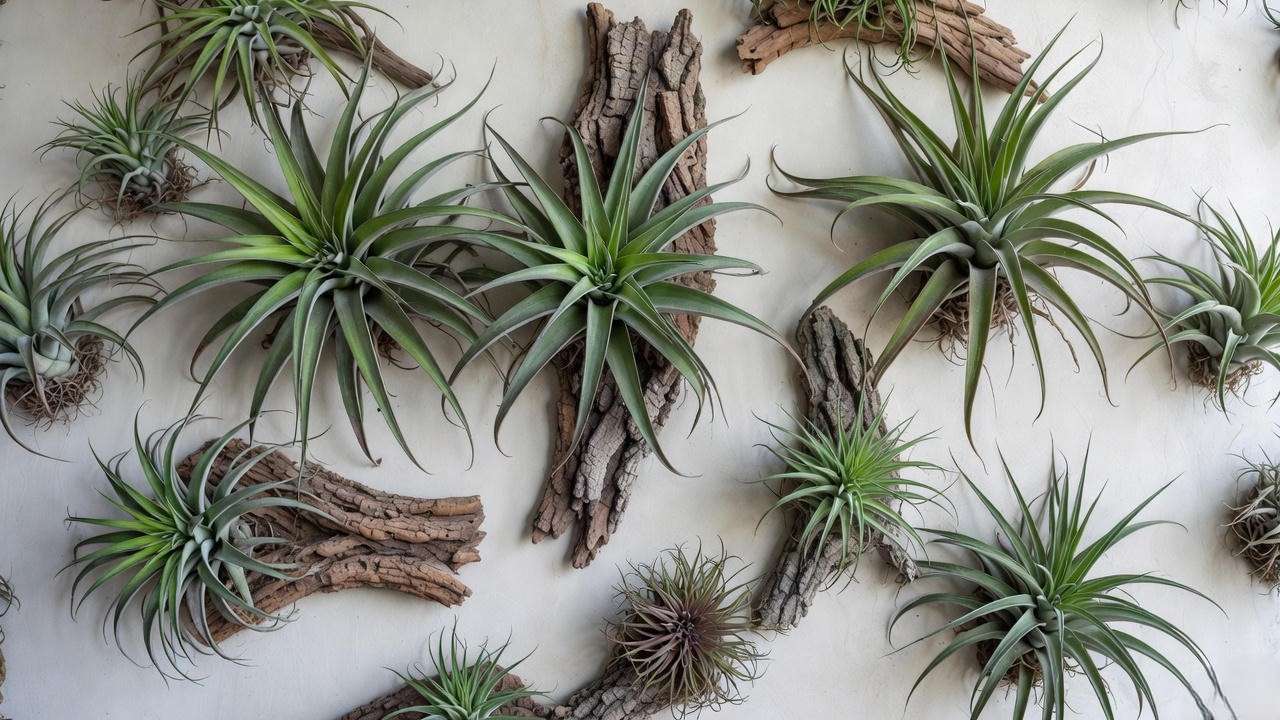
- Wall-Mounted Masterpieces Mount on cork bark, driftwood, or decorative wood plaques for a living gallery wall.
- Driftwood & Grapevine Creations Natural wood enhances the desert-oasis vibe and provides excellent airflow.
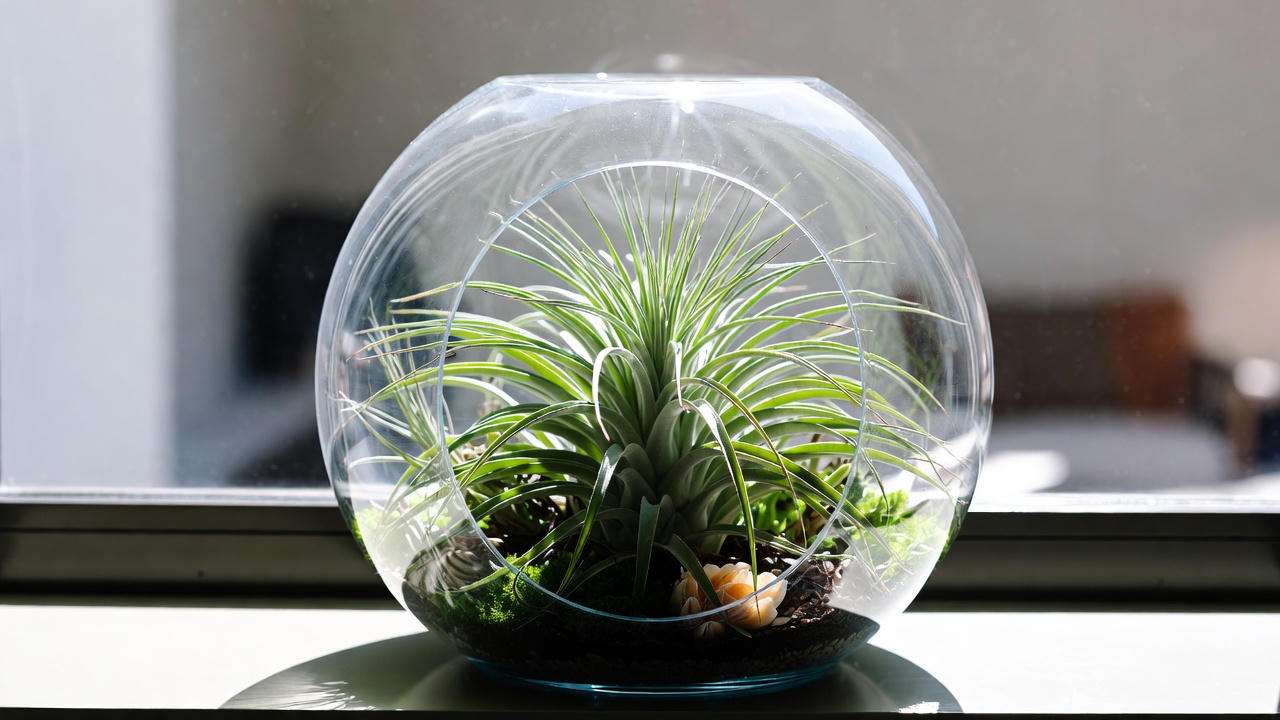
- Open Terrariums & Glass Globes Use large, open vessels with moss or shells for texture—never fully enclosed!
- Hanging & Ceiling Displays Suspend from ceiling hooks or macramé for a floating garden effect.
Frequently Asked Questions (FAQs) ❓
Q: How long do large air plants live? A: 5–15+ years. They bloom once (usually after 5–10 years) and produce pups before gradually dying, but the pups continue the cycle.
Q: Can large air plants go outside? A: Yes! In USDA zones 9–11 they thrive year-round. Elsewhere, enjoy them outdoors during summer and bring them in before frost.
Q: Do they need soil? A: Never! They are true epiphytes and absorb everything through their leaves.
Q: Where can I buy large, healthy air plants? A: Trusted online sources include Air Plant Shop, Air Plant Design Studio, Tropiflora, and local specialty nurseries. Avoid big-box stores where plants are often stressed.
Final Thoughts 🌟
Large air plants aren’t just houseplants—they’re living sculptures that bring texture, drama, and a touch of the exotic to any space. With the right light, watering routine, and creative display, your xerographica, streptophylla, or duratii will thrive and become the centerpiece of your home.
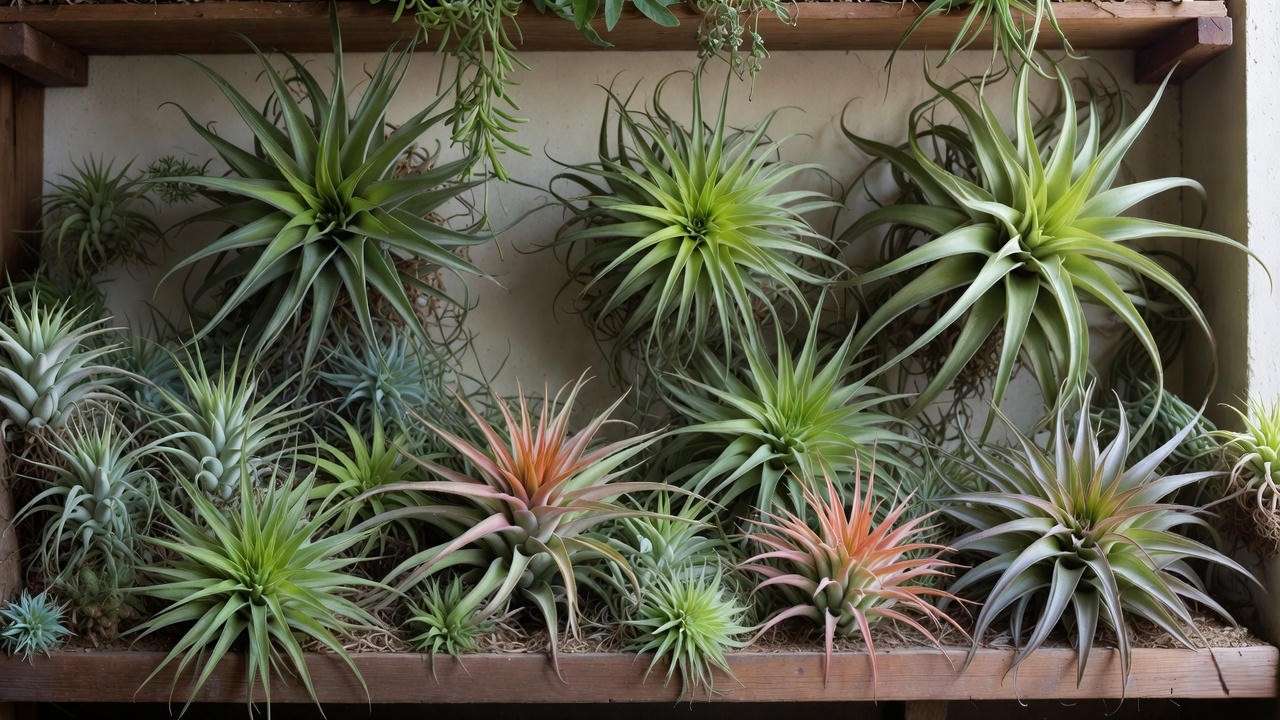
Ready to add a majestic queen or curly octopus to your collection? Your home (and your Instagram feed) will thank you! Happy growing! 🌿✨
This guide is based on more than 20 years of hands-on experience growing Tillandsia to trophy size, working with thousands of plant enthusiasts, and testing care methods in real-world homes across climates.











