
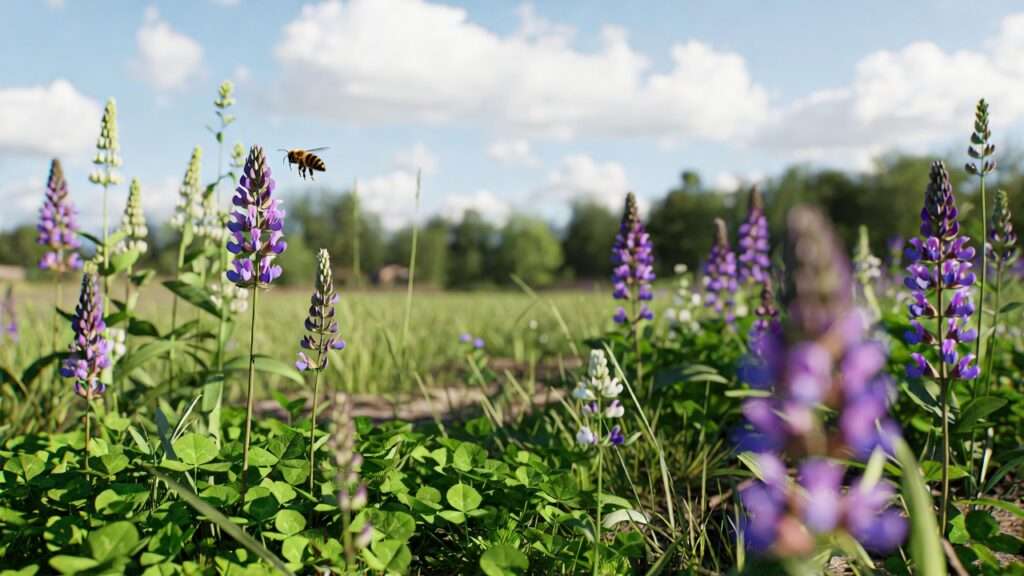
Imagine slashing your water bill by 50–70%, saying goodbye to endless weekend mowing, and transforming your yard into a vibrant, buzzing ecosystem alive with bees, butterflies, and birds — all while boosting your home’s curb appeal and feeling great about your environmental impact! 🐝🌸 If you’re an eco-conscious homeowner tired of the high-maintenance, resource-guzzling traditional lawn, you’re not alone. The no-mow movement is growing, and for good reason.
Traditional grass lawns dominate many landscapes, but they come with a heavy cost. In the United States, residential outdoor water use — mostly for irrigating lawns — accounts for nearly 8–9 billion gallons per day, according to EPA estimates, representing about 30% of total household water consumption (and up to 60% in arid areas). Lawns also demand frequent mowing (using gas-powered equipment that emits pollutants), chemical fertilizers, and pesticides that run off into waterways, harming aquatic life and contributing to soil degradation. As monocultures, they provide almost no habitat for pollinators or wildlife, turning backyards into green deserts.
Lawn alternatives for eco-conscious homeowners offer a smarter path: sustainable landscaping choices like native plants, groundcovers, clover, meadows, and xeriscaping that drastically cut water use, eliminate or minimize mowing, reduce chemical needs, sequester carbon, and actively support biodiversity. These options restore local ecosystems by providing nectar, pollen, shelter, and food for pollinators, birds, and beneficial insects — helping reverse habitat loss that’s threatening species worldwide.
In this comprehensive guide, we’ll explore the best alternatives, backed by insights from sources like the NRDC, EPA, National Wildlife Federation, and extension services. You’ll get practical pros/cons, regional tips, step-by-step conversion advice, real success stories, and expert insights to make the switch rewarding and achievable. Whether you’re in a drought-prone area or just want a more nature-friendly yard, these changes deliver real savings, beauty, and planetary benefits. Let’s dive in! 💚
Why Ditch the Traditional Lawn? The Environmental & Practical Case 📉
The case against conventional turf is compelling — both ecologically and practically.
- Water Waste & Drought Reality 💧: A typical American lawn can require 1–2 inches of water per week in summer, equating to hundreds of gallons per day for an average yard. Nationwide, landscape irrigation wastes up to 50% through evaporation, wind, and runoff due to inefficient systems. Alternatives like native plants or xeriscaping often need little to no supplemental water once established, saving 50–75% or more.
- Chemical Runoff & Soil Health Impact ☣️: Lawns receive heavy applications of synthetic fertilizers and pesticides, leading to nutrient pollution in rivers and lakes. Native-based alternatives thrive without these inputs, improving soil structure, increasing organic matter, and preventing erosion with deep root systems.
- Biodiversity Loss 🦋: Monoculture grass supports few species. Replacing it with diverse natives can boost pollinator populations dramatically — studies show landscapes with 50–70% native plants provide far better habitat for bees, butterflies, birds, and more, as they offer specialized pollen, nectar, and host plants.
- Time, Money, & Carbon Footprint ⏰: Weekly mowing burns fuel (Americans use millions of gallons of gas yearly on lawns) and takes hours. No-mow or low-mow options free up time and reduce emissions.
- Rising Trend 🌍: The shift to sustainable yards aligns with climate resilience — drought-tolerant plants handle extreme weather better, and biodiverse landscapes cool neighborhoods and manage stormwater.
Quick comparison:
| Aspect | Traditional Lawn | Eco-Alternatives (e.g., Native Meadow/Clover) |
|---|---|---|
| Annual Water Use | High (hundreds of gallons/sq ft) | Low (50–75% less) |
| Maintenance Hours/Year | 40+ (mowing, fertilizing) | 5–10 (occasional weeding) |
| Wildlife Support | Minimal | High (pollinators, birds) |
| Carbon Footprint | Higher (mower emissions) | Lower (no mowing, sequestration) |
Switching isn’t just trendy — it’s a practical step toward a healthier planet and easier living.
Top Lawn Alternatives for Eco-Conscious Homeowners 🌱
Here are proven, beautiful options tailored for sustainability. Each includes pros/cons, best uses, installation basics, maintenance, and wildlife perks.
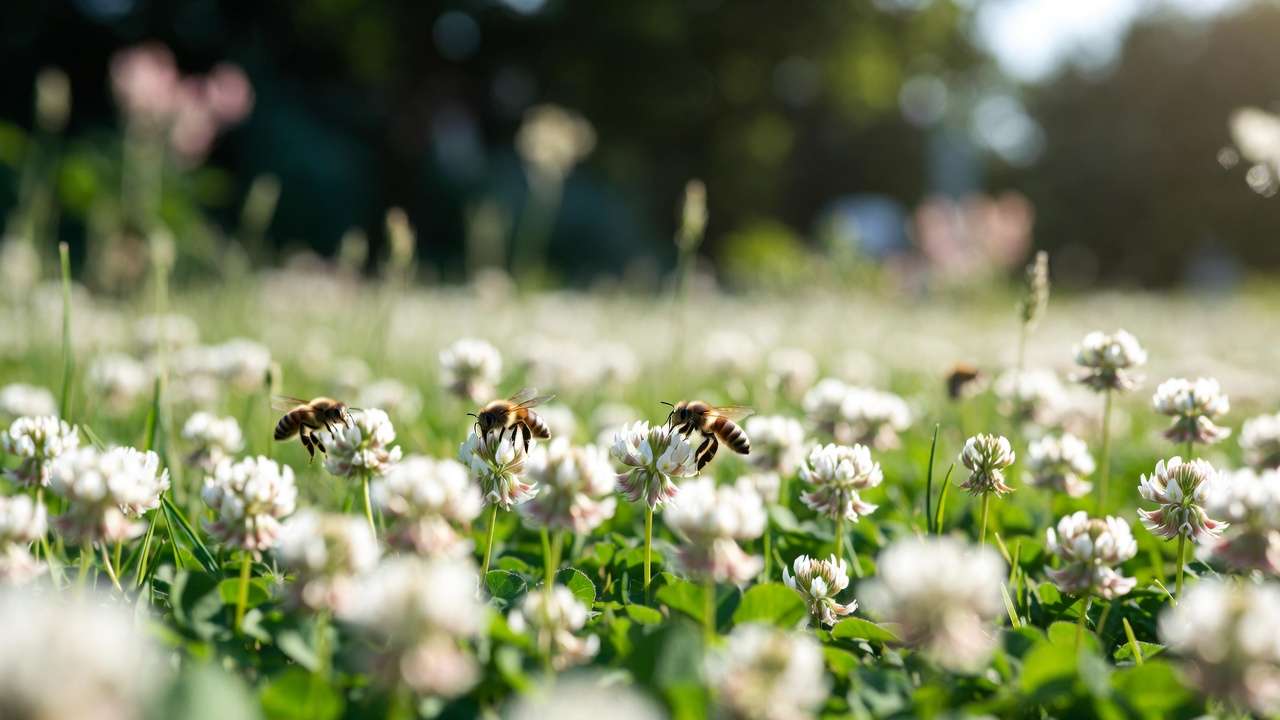
White Clover or Microclover Lawns ☘️ White clover (Trifolium repens) or its low-growing microclover variety forms a lush, green carpet that’s nitrogen-fixing (naturally fertilizes soil), drought-tolerant once established, and highly walkable. It stays short (3–6 inches) and blooms with tiny white flowers that bees adore.
- Pros: Low water (up to 50% savings), no mowing needed (or rare), crowds out weeds, supports pollinators massively.
- Cons: Can spread aggressively; may brown in extreme heat without occasional water.
- Best for: Sunny to partial shade lawns with moderate foot traffic; overseed existing grass for gradual transition.
- Installation: Mix 5–10% clover seed with grass or broadcast over thinned lawn in spring/fall; water lightly until established (2–4 weeks).
- Maintenance: Mow 1–2x/year if desired; minimal weeding.
- Wildlife perks: Excellent nectar source for bees/butterflies; attracts beneficial insects. Real example: Many homeowners report 30–50% water bill drops after overseeding.
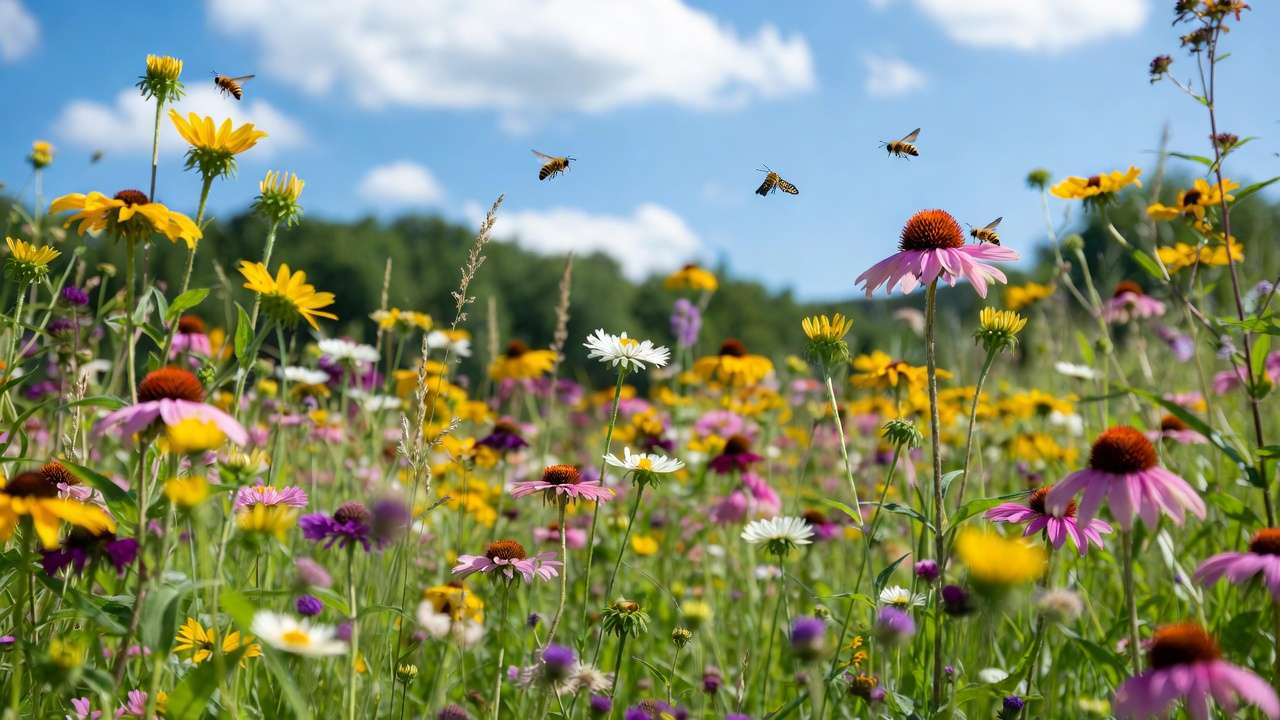
Native Plant Meadows & Wildflower Mixes 🌼 A meadow mixes native wildflowers, grasses, and perennials for seasonal color explosions — think purple coneflowers, black-eyed Susans, and little bluestem.
- Pros: High biodiversity boost, low water once established, stunning visuals year-round.
- Cons: Takes 2–3 years for full coverage; initial weeding needed; can look “messy” in winter (but provides habitat!).
- Best for: Larger areas, sunny spots; regional seed mixes (e.g., via local native plant societies).
- Installation: Remove turf via sheet mulching (cardboard + mulch), sow seeds in fall for spring germination.
- Maintenance: Mow once/year in late winter to suppress weeds.
- Wildlife perks: Supports dozens of pollinator species; birds love seeds. Studies show native-heavy yards host 3–4x more caterpillars/birds.
Groundcovers & Low-Growing Perennials 🌿 Options like creeping thyme, sedges (Carex), Ajuga, or moss create no-mow carpets.
- Pros: Erosion control on slopes, shade/sun varieties, aromatic (thyme!).
- Cons: Some less walkable; moss needs consistent moisture/shade.
- Best for: Problem areas (shade under trees, slopes).
- Installation: Plant plugs 6–12 inches apart; mulch to suppress weeds.
- Maintenance: Occasional trimming.
- Wildlife perks: Thyme attracts bees; sedges shelter insects.
Native Grasses & Ornamental Turf Blends 🌾 Buffalo grass (Buchloe dactyloides), fine fescues (like red fescue or hard fescue), or Pennsylvania sedge (Carex pensylvanica) mimic traditional grass but with superior resilience. These bunch-forming or mat-forming natives require far less input.
- Pros: Drought-tolerant (water savings of 50–70% once established), mow infrequently (0–2 times/year), natural appearance, deep roots improve soil.
- Cons: Slower to establish (1–2 years for full density); may go dormant in extreme heat/drought (brown but revives with rain).
- Best for: Sunny, dry areas wanting a “lawn-like” look; low-traffic zones. Regional favorites: Buffalo grass in Midwest/Plains, fine fescues in cooler northern climates, sedges in shade or wetter spots.
- Installation: Seed in spring/fall or plant plugs/sod; prepare soil with light compost.
- Maintenance: Occasional edging; no fertilizers needed.
- Wildlife perks: Provides cover for insects and small mammals; supports native pollinators when allowed to flower occasionally.
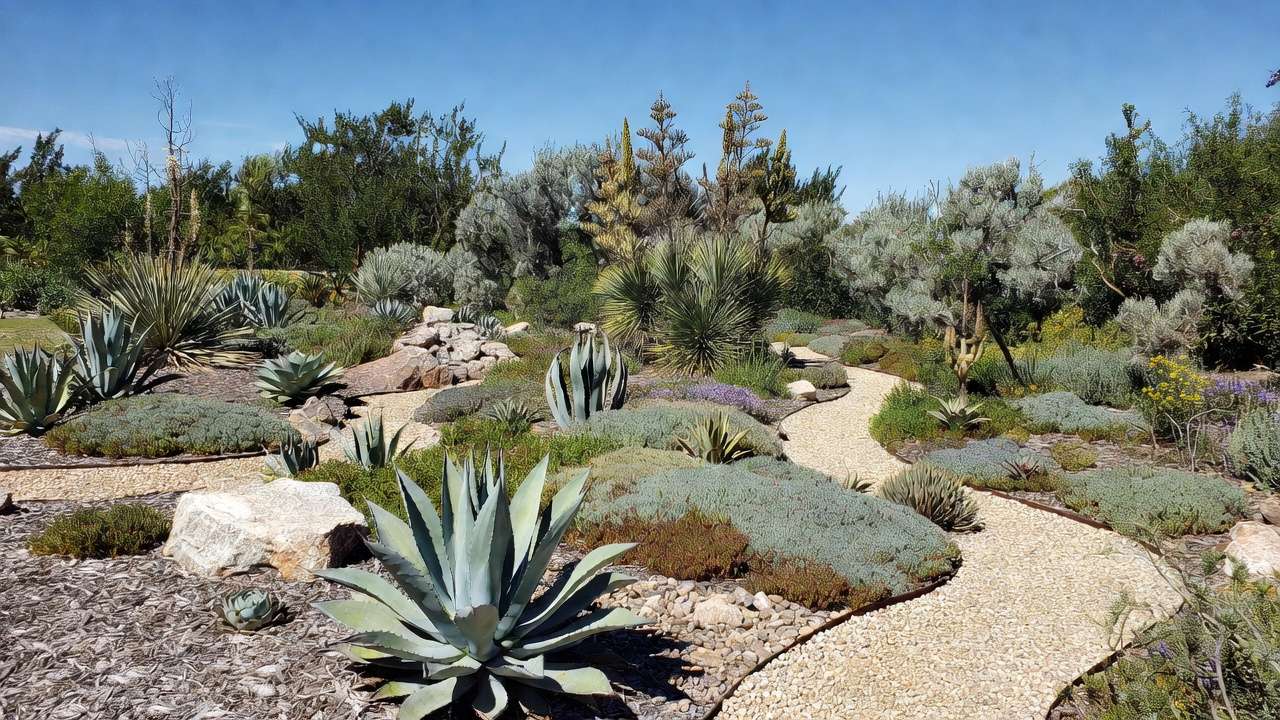
Xeriscaping with Succulents, Rocks & Mulch 🪴 Xeriscaping emphasizes drought-tolerant plants, mulch, rocks, and efficient design to minimize water — ideal for arid or water-restricted regions.
- Pros: Near-zero supplemental water after establishment, modern aesthetic, low maintenance, erosion control.
- Cons: Less “soft” feel; initial cost for hardscaping; not ideal for high-traffic play areas.
- Best for: Dry climates (Southwest, California); combine with natives like agave, yucca, or sedum.
- Installation: Remove turf, add gravel/rock base, plant drought-adapted species, mulch heavily (3–4 inches organic or inorganic).
- Maintenance: Weed occasionally; prune sparingly.
- Wildlife perks: Native succulents attract specialized pollinators; rocks provide basking spots for lizards.
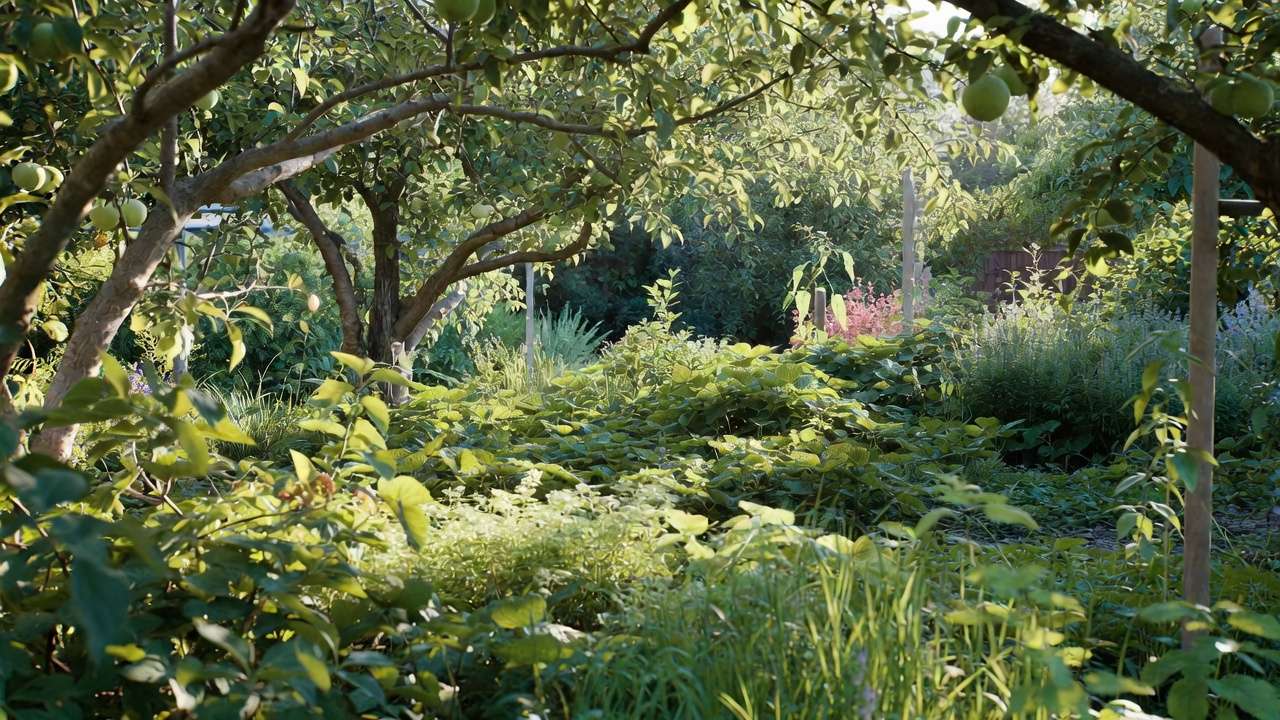
Edible Landscapes & Food Forests 🍓 Layer fruit trees, berry bushes, herbs, and perennials for beauty + harvest — a permaculture approach.
- Pros: Produces food, supports pollinators/birds, multi-functional.
- Cons: Takes time to mature; some plants need protection from pests.
- Best for: Sunny yards with space for layers (canopy trees to groundcover).
- Installation: Plan guilds (e.g., apple tree + comfrey + strawberries); start with sheet mulching.
- Maintenance: Prune trees, harvest, minimal watering.
- Wildlife perks: Berries for birds, flowers for bees; boosts local food webs.
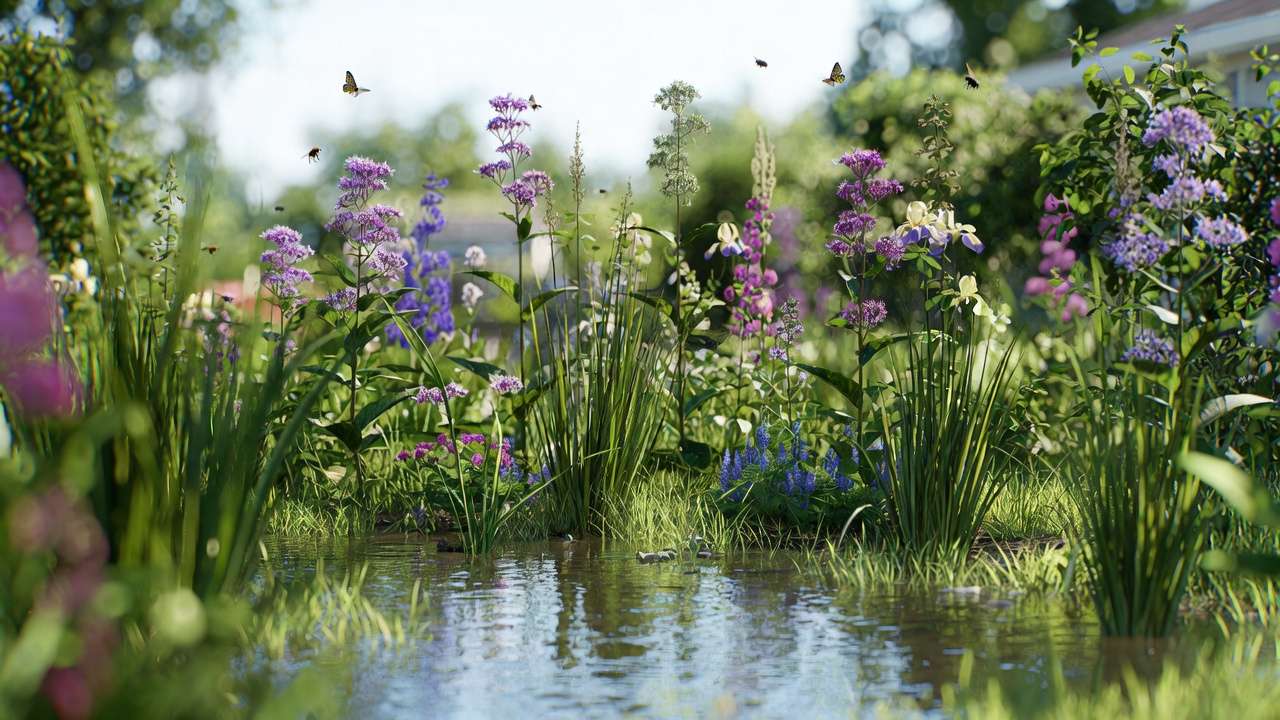
Rain Gardens & Pollinator Patches 💧 Depressions planted with natives to capture runoff, plus dedicated flowering areas.
- Pros: Manages stormwater, filters pollutants, vibrant blooms.
- Cons: Needs proper siting to avoid flooding structures.
- Best for: Low-lying or wet areas; sunny pollinator corridors.
- Installation: Dig shallow basin, amend with compost, plant natives like joe-pye weed, swamp milkweed.
- Maintenance: Occasional cleanout.
- Wildlife perks: Attracts butterflies, bees, amphibians.
Moss Lawns & Fern Gardens (for shady spots) 🌿 In low-light areas, moss or ferns create lush, velvety green without sun-loving grass.
- Pros: Zero mowing, evergreen in mild climates, serene aesthetic.
- Cons: Prefers consistent moisture/shade; foot traffic limited.
- Best for: Wooded or north-facing yards.
- Installation: Clear debris, spread moss fragments or plant ferns.
- Maintenance: Mist occasionally; remove leaves.
- Wildlife perks: Habitat for insects, amphibians.
These options — drawn from extension services, native plant societies, and real homeowner experiences — offer flexibility for any yard size or climate.
How to Choose the Right Alternative for Your Yard 🗺️
Selecting the best fit starts with site assessment:
- Sun/Shade: Full sun → meadows, clover, native grasses; partial/full shade → moss, ferns, sedges.
- Soil Type: Test pH and drainage (kits from local extensions). Clay? Add compost. Sandy? Mulch heavily.
- Climate Zone: Use USDA hardiness zones or local native plant databases (e.g., Lady Bird Johnson Wildflower Center). Drought-prone? Prioritize xeriscaping/natives.
- Foot Traffic: High (kids/pets) → clover, microclover, buffalo grass; low → meadows, groundcovers.
- Goals: Max pollinators? Native meadows. Food? Edible layers. Water savings? Xeriscaping.
Hybrid ideas: Clover base with meadow patches for play + beauty. Use checklists: Map water zones, note wildlife sightings, consult local native plant nurseries.
Step-by-Step Guide to Converting Your Lawn 🛠️
Converting is straightforward with the eco-friendly sheet mulching method (no heavy digging, suppresses weeds naturally).
Phase 1: Planning & Removal
- Map your design (sketch beds, paths).
- Mow lawn short. Remove large weeds by hand.
- Edge beds with metal/plastic barriers if bordering remaining grass.
- Sheet mulch: Lay cardboard/newspaper (overlap 6–8 inches, wet down), cover with 4–6 inches compost + mulch (wood chips or leaf mold). Avoid plastic barriers — they harm soil life.
Phase 2: Soil Prep & Amendments
- After 2–3 months (cardboard decomposes), add compost (2–4 inches) for nutrients/microbes. No-till to preserve soil structure.
- Test soil; amend lightly if needed (natives prefer lean soil).
Phase 3: Planting/Installation
- Plant larger items first (trees/shrubs), then perennials/groundcovers, finally seeds.
- Space appropriately; water deeply but infrequently to encourage roots.
- For clover: Overseed thinned grass areas.
Phase 4: Early Care & Long-Term
- Water new plants weekly first month, taper off.
- Mulch annually.
- Monitor weeds (pull early).
- Common pitfalls: Overwatering (causes rot), planting too densely (competition). Fix: Adjust irrigation, thin as needed.
This process can take 1–3 years for full beauty, but benefits start immediately.
Maintenance & Long-Term Success Tips 📅
- Watering Smartly: Deep, infrequent (1 inch every 7–10 days early on); use rain barrels.
- Organic Weed/Pest Control: Mulch suppresses; hand-pull; encourage beneficials with diversity.
- Seasonal Calendar: Spring — plant/seed; summer — monitor water; fall — mulch/seed; winter — leave seed heads for birds.
- Track Wildlife: Use apps like iNaturalist to log pollinators — rewarding motivation! 🦋
Real-Life Success Stories & Expert Insights 🌟
Homeowners worldwide share inspiring transformations. One California family removed turf via rebate programs, installing native plants — water use dropped 70%, and butterfly sightings soared. A Midwest homeowner overseeded with microclover: “No more mowing, greener in drought, bees everywhere!” Before/after photos often show weedy lawns turning into vibrant meadows.
Experts like those from the National Wildlife Federation note native yards support 3–4x more species. Arborists emphasize tree integration for shade/carbon benefits. As a plant care specialist, I’ve seen these shifts create resilient, low-effort landscapes that thrive long-term.
Frequently Asked Questions (FAQs) ❓
Is clover walkable for kids/pets? Yes — especially microclover; durable and soft.
How much water can I save? 50–79% typical, per studies; xeriscaping/native plants often near zero supplemental.
Are these alternatives invasive? Choose region-appropriate natives — avoid non-natives like English ivy.
Can I convert gradually? Absolutely — start with borders or small patches.
Best starter for beginners? Microclover overseed — easy, forgiving, quick results.
Will it look messy? Natural looks evolve; meadows “messy” in winter but provide habitat — embrace the wild beauty!
Do I need chemicals? No — natives thrive organically.
And more — these cover common concerns for confident starts.
Conclusion 🌍💚
Switching to lawn alternatives for eco-conscious homeowners isn’t just about ditching grass — it’s reclaiming your yard as a thriving, water-wise, wildlife-supporting haven. You’ll save time/money, cut emissions, and contribute to biodiversity in a meaningful way. Start small: Try clover in one area or a pollinator patch. Consult local extensions for region-specific plants. Your yard can be beautiful and beneficial — the planet (and your future self) will thank you! Share your progress in comments — we’d love to hear your story. Happy planting! 🚀🌱











