
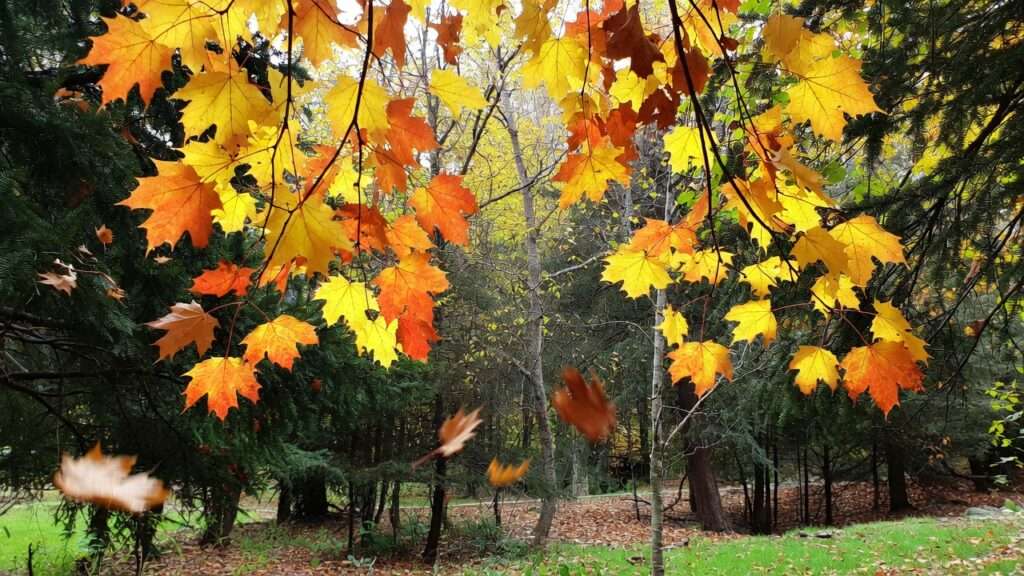
Have you ever glanced at your beloved backyard oak or cherished indoor ficus and spotted a sudden shower of leaves when everything should be thriving? 😟 One moment the canopy is full and vibrant, the next you’re raking up piles—and your mind races: Is my tree in trouble? Is this the beginning of the end?
You’re not alone. Many plant lovers and homeowners face this exact worry every season. The truth is, leaf drop timing is one of the most reliable signals your plants send about their health and environment. It can mean everything is perfectly normal… or it could flag stress, pests, disease, or care tweaks needed right away.
In this expert guide, we’ll break down exactly what different timings reveal—from classic seasonal shedding to unexpected early or late drop. Drawing from horticultural science, arborist observations, and real-world patterns, you’ll learn to read these cues like a pro. By the end, you’ll know when to relax, when to act, and how to keep your trees and plants thriving for years. Let’s decode the leaves together! 🌱✨
What Is Leaf Drop (Abscission) and Why Do Plants Do It? 🔍
Leaf drop, scientifically called abscission, isn’t accidental—it’s a clever survival mechanism. Plants form a specialized layer of cells at the leaf’s base (the abscission zone) that seals off the leaf from the stem, allowing it to detach cleanly.
This process serves key purposes:
- Resource conservation during tough times, like cold winters or dry spells ❄️💧
- Redirecting energy to roots, new growth, fruits, or storage for future seasons
- Triggered by environmental cues: shorter day length (photoperiod), temperature drops, hormone shifts (auxin decreases, ethylene rises), or internal signals
Normal abscission keeps plants efficient and long-lived. When timing goes off-script, though, it often points to stress disrupting these natural cues.
Understanding this helps separate “no big deal” from “time to investigate” — and that’s the heart of smart plant care! 🌳
Normal Leaf Drop Timing: When It’s Just Nature Doing Its Thing 🍁
Most shedding follows predictable cycles tied to plant type, species, and local climate. If your drop matches these patterns and leaves look healthy (no spots, wilting, or odd colors beforehand), breathe easy—it’s biology at work! ✅
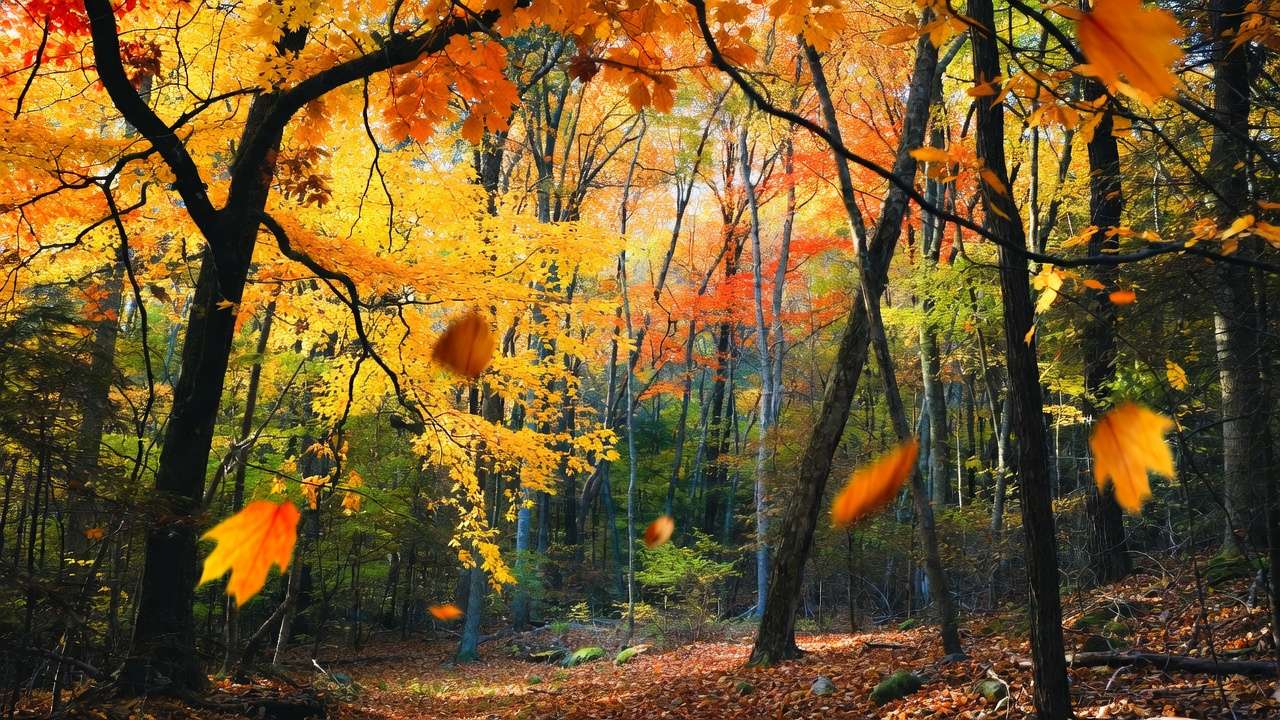
Deciduous Trees and Shrubs (Classic Fall Drop)
Deciduous plants shed all leaves annually to survive winter dormancy.
- Timing: Typically late September to November in the Northern Hemisphere, triggered by shortening days (photoperiod) and cooler nights breaking down chlorophyll
- What it looks like: Leaves turn vibrant yellow, orange, red (thanks to carotenoids and anthocyanins revealed as green chlorophyll fades), then drop cleanly
- Examples: Maples (Acer spp.), oaks (Quercus spp.), birches, dogwoods, apples, and many fruit trees
- Why it’s normal: Prepares for cold by conserving water/energy; nutrients recycle back into branches/roots. Fall color peaks vary yearly with weather—warm falls delay it, cool snaps speed it up 🌈
Evergreen and Conifer Needle Drop
Evergreens aren’t truly “ever-green”—they renew foliage gradually.
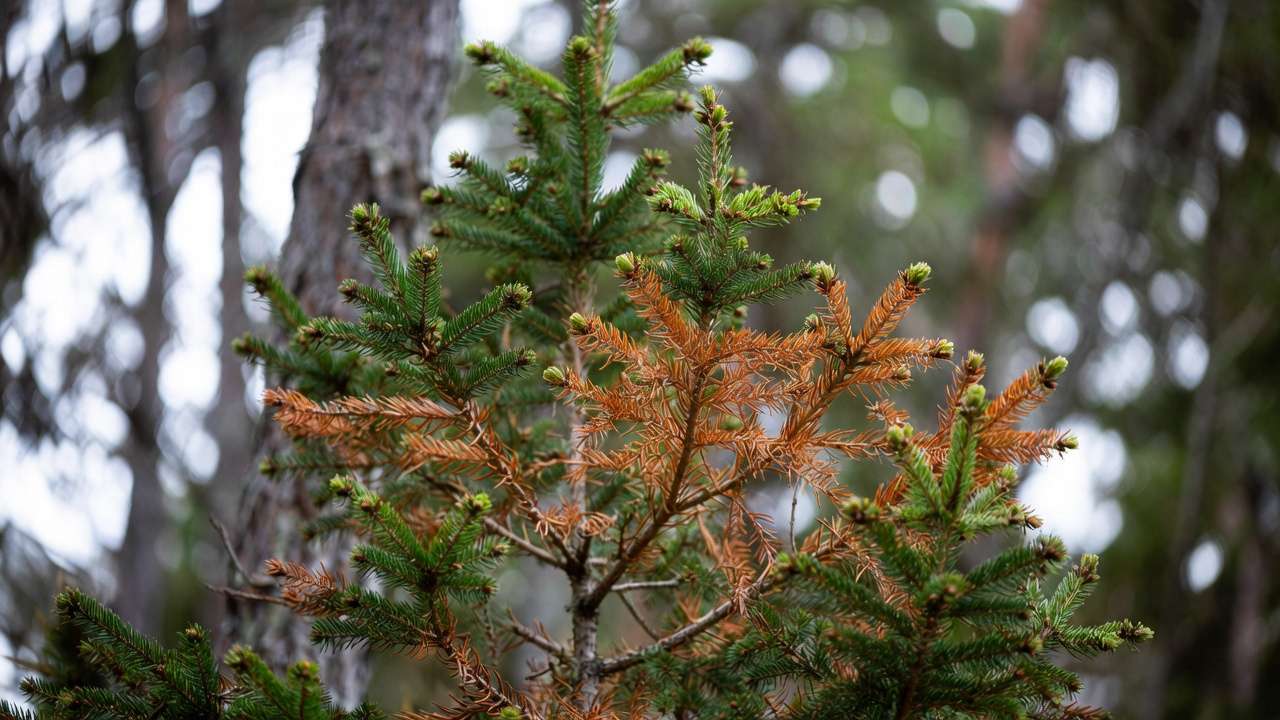
- Timing: Often fall or spring; older (2–5-year-old) interior needles yellow and shed while new growth continues
- Examples: Pines drop older needles annually, spruces/firs shed sporadically, hollies/magnolias lose a few older leaves
- What it means: Healthy renewal—outer canopy stays green, interior thins naturally 🌲
Species-Specific Variations
Some plants blur lines:
- “Tardily deciduous” like live oaks (Quercus virginiana) or certain tropicals drop old leaves in spring after new growth emerges
- Houseplants (e.g., ficus, rubber plants) naturally shed lower/older leaves during active growth or seasonal shifts
- In dry climates, some “deciduous” species drop during drought, not just cold
Pro Tip 🌟 Track your local patterns! Note dates and weather—your plants’ “normal” may shift slightly with microclimates or changing seasons.
If your timing aligns and no other symptoms appear, celebrate—your plant is following its evolutionary playbook perfectly!
Early Leaf Drop: What It Usually Signals (and When to Worry) ⚠️
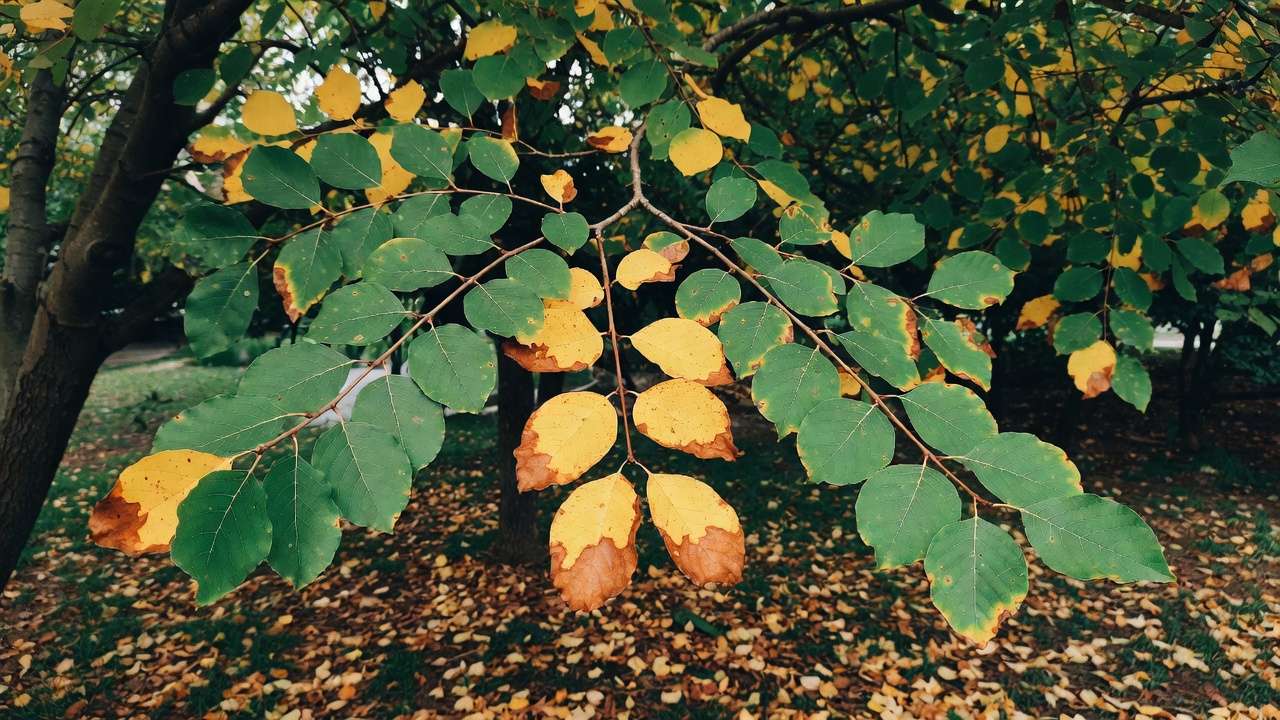
Leaves falling weeks/months ahead? This alarms most people—and for good reason. Early shedding (spring/summer/midsummer) often means the plant is sacrificing foliage to survive stress.
Common Causes of Early Shedding
- Drought or Water Stress 💧: Trees drop leaves to reduce transpiration and conserve moisture. Leaves often curl/brown at edges first
- Overwatering / Poor Drainage / Root Rot 🌧️: Saturated soils deprive roots of oxygen, leading to yellowing from base upward and drop
- Extreme Weather Events 🌡️: Heatwaves, sudden cold snaps, floods, high winds, or late frosts shock plants
- Transplant Shock 🏡: Newly planted trees/plants drop leaves while roots establish
- Pests & Diseases 🐛🦠: Aphids, scale, borers, fungal spots (e.g., anthracnose, apple scab), bacterial issues, or wilt diseases cause targeted/widespread drop
- Nutrient Imbalances: Deficiencies (e.g., nitrogen, iron) or excesses (e.g., over-fertilizing) disrupt uptake
- Other Stressors: Soil compaction, girdling roots, herbicide drift, or construction damage
Patterns to Watch
- Midsummer drop (e.g., August in temperate zones) → Often drought/heat or root issues
- Sudden mass drop → Acute stress (e.g., flash flood or extreme heat)
- Interior vs. exterior → Interior normal in some evergreens; full canopy early = concern
- Green leaves dropping → Often shock or pests (vs. yellowing normal senescence)
Expert Insight 🌟 Early drop isn’t always fatal—many trees rebound fully if the stressor resolves quickly. But repeated early drops year after year weaken reserves, making plants vulnerable to pests/disease and reducing lifespan.
Act fast: Inspect roots, adjust watering, treat pests organically if spotted!
Late Leaf Drop: Why Leaves Hang On Longer Than Expected 🍃
Delayed shedding is subtler but still informative.
Common Reasons
- Mild/warm autumns or extended growing seasons delay dormancy signals (photoperiod + temperature)
- Excessive nitrogen fertilizer promotes prolonged growth
- Vigorous, healthy trees retain leaves longer
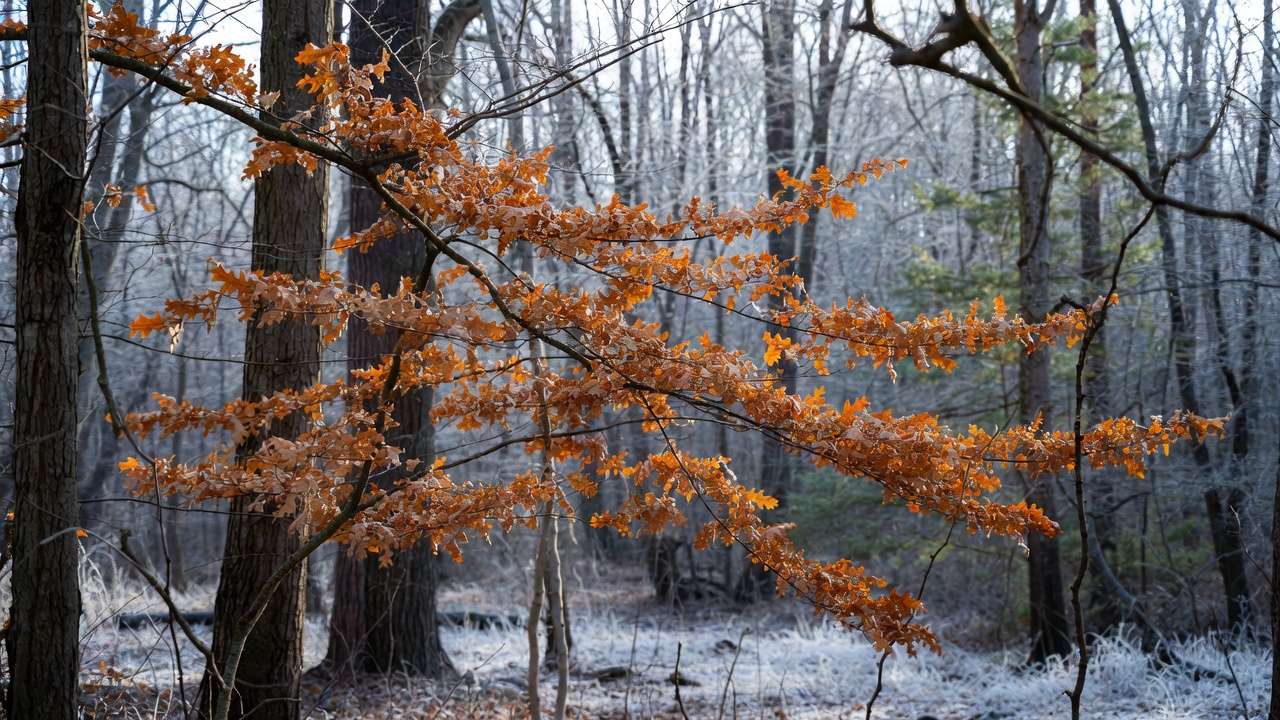
- Natural marcescence (leaf retention) in species like oaks, beeches, hornbeams—dry leaves stay attached through winter, dropping in spring as new buds push them off
- Climate shifts (warmer trends) push timings later
When It’s a Problem
- Green/brown leaves persisting into deep winter → Possible vascular issues, disease, or nutrient imbalance blocking abscission
- Isolated branches holding leaves → Stem injury (borers, mechanical damage)
Climate Note 🌍 Rising global temperatures and erratic weather are shifting patterns—some trees now drop later or erratically. Track your region to spot anomalies!
How to Diagnose Leaf Drop Timing in Your Own Plants 🕵️♂️
Use this practical checklist:
- ID the plant — Know its normal cycle (deciduous? evergreen? species-specific?)
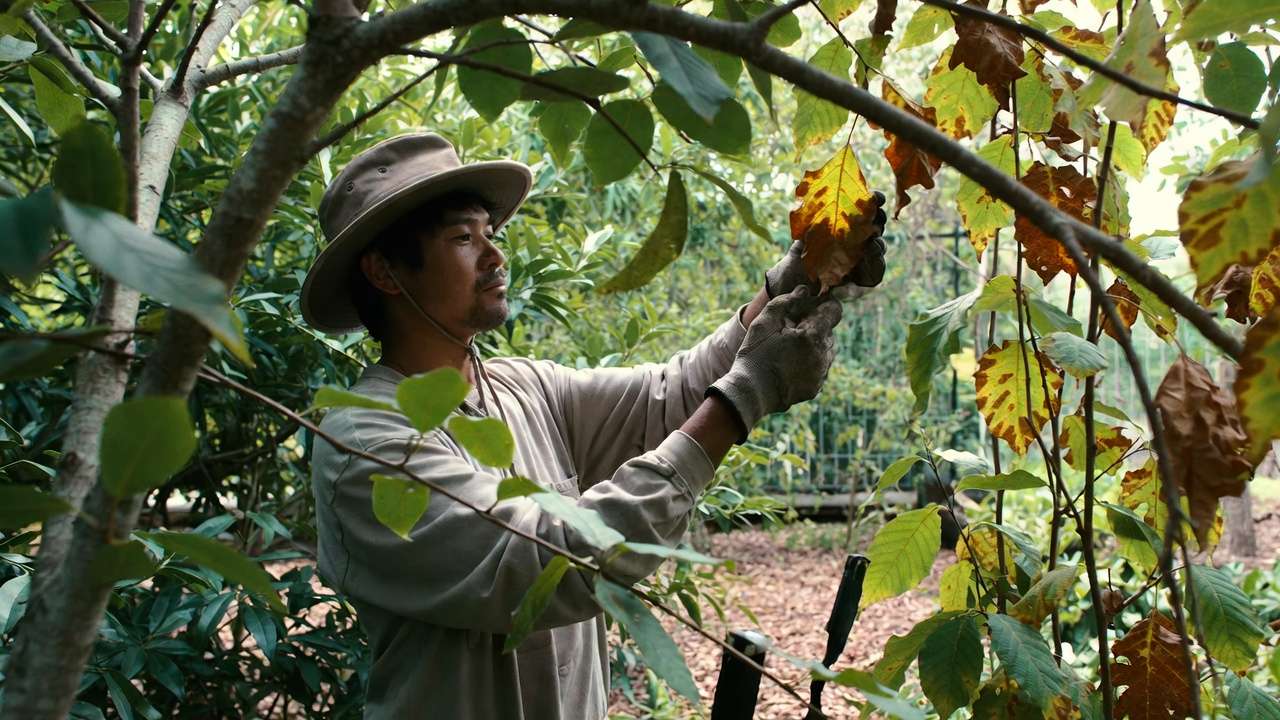
- Note timing & pattern — Sudden? Gradual? Which branches/leaves (old/young, interior/exterior)?
- Check symptoms — Spots, wilting, discoloration, curling? Green drop vs. yellow?
- Review recent conditions — Watering, weather extremes, location changes, fertilizers?
- Inspect soil/roots — If feasible, check drainage/moisture
- Compare — Healthy vs. affected parts of same plant?
Quick Diagnostic Table (bookmark this!):
- Fall timing + vibrant color change → Normal seasonal 🍂
- Early summer drop + brown/curled edges → Drought/heat 🔥
- Yellow lower leaves + soggy soil → Overwatering/root rot 💦
- Spots/lesions + drop anytime → Disease/pests 🦠
- Interior needles only, gradual → Normal evergreen renewal 🌲
- Green leaves dropping suddenly → Shock/transplant/pests
- Leaves retained through winter (brown/dry) → Marcescence (often normal in oaks/beeches)
What to Do: Prevention, Fixes, and Recovery Tips 🛠️
- Water wisely — Deep, infrequent soaks; mulch 2–4 inches to retain moisture; avoid shallow daily watering
- Improve soil & drainage — Amend heavy clay; avoid planting in low/wet spots
- Fertilize smartly — Soil test first; balanced slow-release in spring, not late season
- Monitor & treat early — Scout for pests weekly; use neem/horticultural oil for insects; prune diseased parts
- Protect from extremes — Windbreaks, anti-desiccant sprays for evergreens, proper siting
- Support recovery — Light spring fertilizer; consistent care post-stress
- When to call a pro — Widespread dieback, trunk issues, no improvement after fixes—consult certified arborist
Real-Life Examples and Case Studies 📖
- Stressed red maple after hot/dry summer: Early August drop with scorched edges → Deep weekly watering + mulch reversed it; full recovery by next spring
- Indoor ficus benjamina relocated near AC vent: Sudden green drop → Stabilized temperature/humidity; rebound in weeks
- Pin oak with marcescence: Leaves rustled all winter → Normal for species; provided wildlife shelter
Frequently Asked Questions (FAQs) ❓
Q: Is early leaf drop always bad? A: Not necessarily—it’s often protective (e.g., drought response). Persistent or worsening issues need fixing! 😊
Q: Why do some trees drop leaves in spring? A: Normal for live oaks or species renewing after new growth; check for other symptoms.
Q: Can climate change affect leaf timing? A: Absolutely—warmer seasons delay drop, erratic weather causes early/abnormal patterns.
Q: Should I rake fallen leaves? A: Yes for diseased/pest-infested; healthy ones make great mulch/compost for nutrient recycling! ♻️
Q: My evergreen is dropping needles—normal? A: Usually yes (interior older ones); massive/outer drop = stress.
Conclusion: Listen to Your Plants’ Timing 🌳❤️
Leaf drop timing is your plants‘ way of whispering (or shouting!) their needs. Mastering normal vs. abnormal patterns empowers you to catch problems early, reduce worry, and nurture healthier, more resilient trees and plants.
Next time leaves fall unexpectedly, pause, observe the timing, check symptoms, and refer back here. With attentive care, your green companions will reward you with lush growth, beautiful seasons, and lasting beauty. You’ve got this! 🌿✨











