
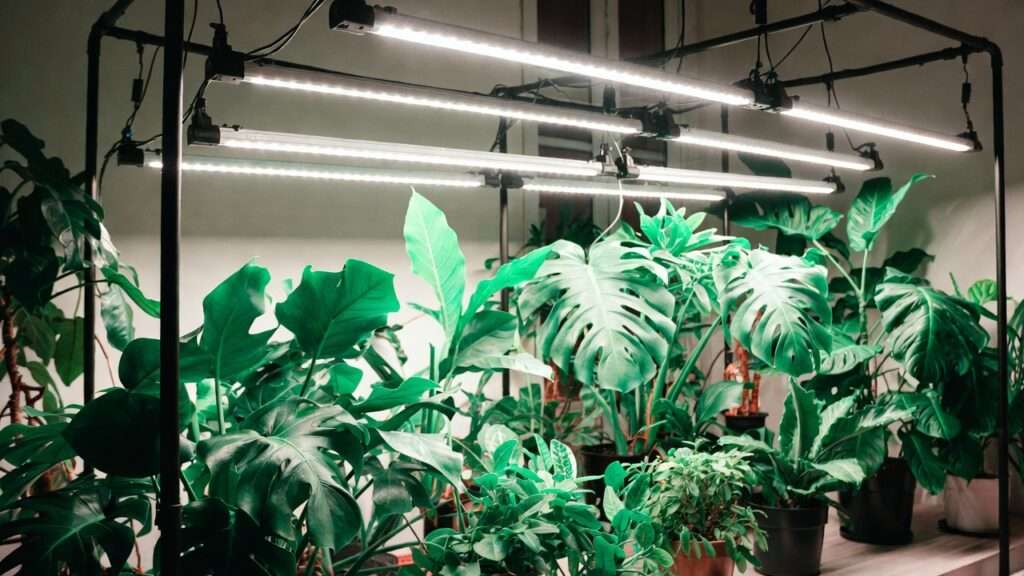
Your Monstera is stretching desperately toward the window like it’s reaching for help, your pothos leaves look pale and yellow-tinged, and that fiddle-leaf fig you love hasn’t pushed out a new leaf in months… 😩 Sound familiar? If you’re an indoor plant parent in a low-light home (especially in places like apartments or northern climates), you’re not alone. The #1 reason houseplants struggle indoors isn’t overwatering or pests—it’s insufficient or mismatched light spectrum.
The good news? Modern LED grow light spectrum for houseplants has evolved dramatically. Forget those old purple “blurple” lights that make your living room look like a sci-fi set. In 2026, the best choice for most houseplants is full-spectrum LED grow lights that mimic natural sunlight with balanced white light (typically 4000K–6500K). These provide the complete photosynthetically active radiation (PAR) range (400–700 nm), including blue for compact growth, red for photosynthesis power, and green for deeper leaf penetration—resulting in healthier, more vibrant plants that actually look natural under room lighting. 🌱
In this ultimate guide, I’ll break down the science, compare spectra, share exact recommendations for popular houseplants, and give you pro tips to fix leggy or slow growth once and for all. Whether you’re a beginner with a few pothos or a collector with a full jungle, the right spectrum can transform your indoor plants from surviving to thriving. Let’s dive in! 🚀
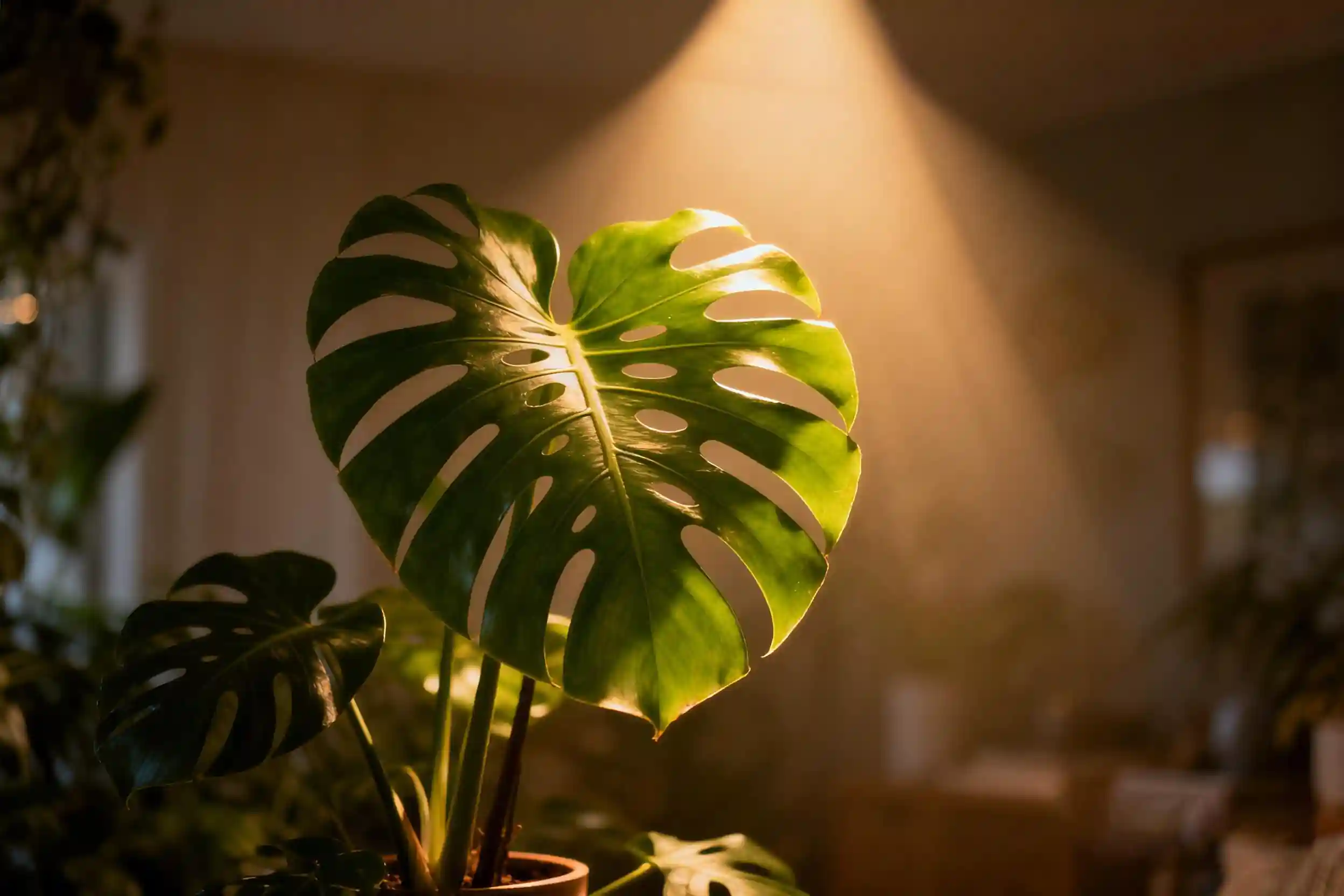
Understanding Grow Light Spectrum: The Science Behind Plant Growth 🧬
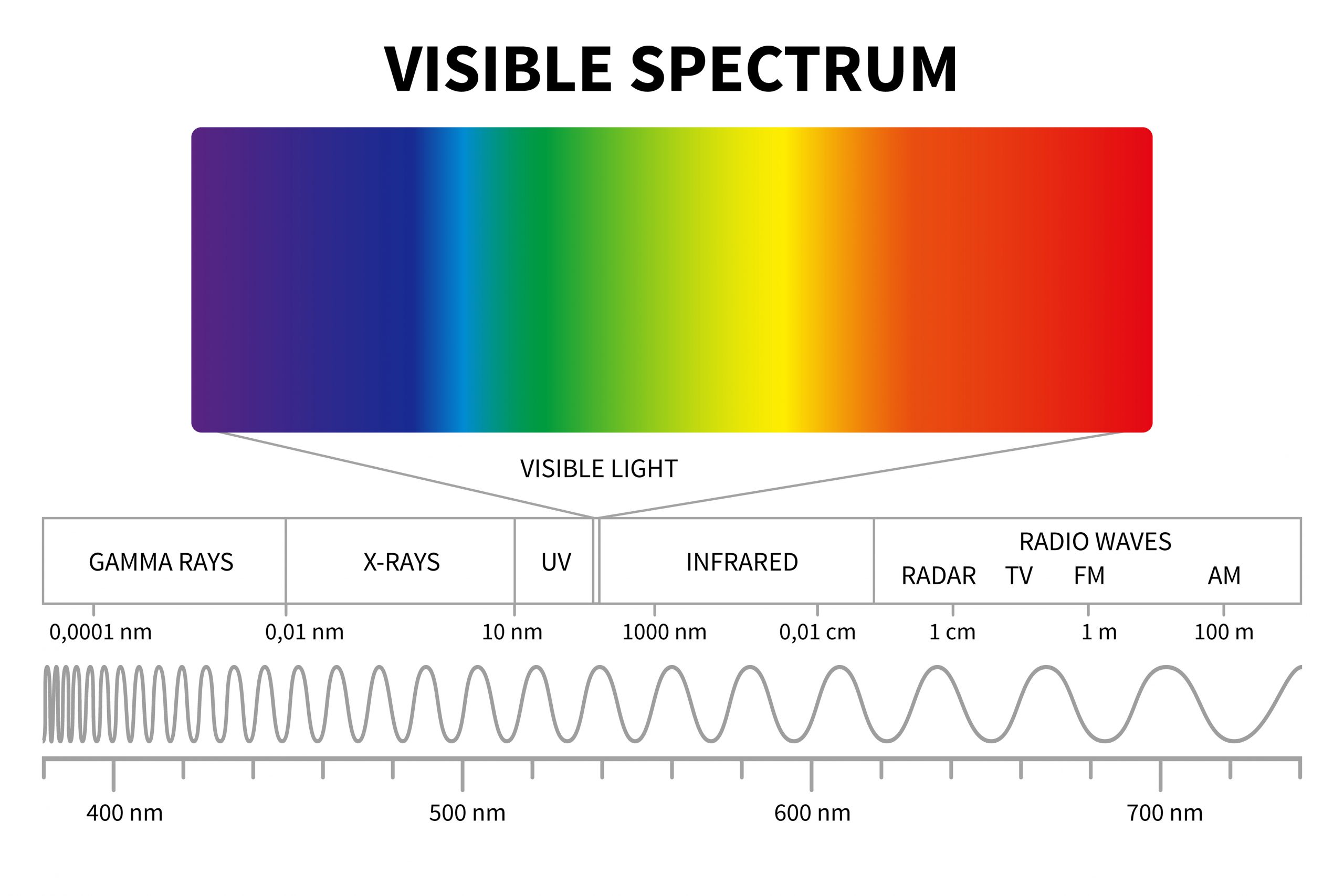
Plants don’t “see” light like we do—they use it as energy through photosynthesis. The key is PAR (Photosynthetically Active Radiation), the wavelengths from 400–700 nm that drive growth. But not all PAR is equal; different colors trigger different responses.
- Blue light (400–500 nm) 💙: Promotes compact, bushy vegetative growth, strong stems, and thick leaves. It prevents leggy stretching and encourages vibrant foliage color. Too little blue = tall, weak plants reaching for more light.
- Green light (500–600 nm) 🌿: Often overlooked, but it penetrates deeper into leaves and canopies, boosting overall photosynthesis (especially in dense houseplants like monstera). It also makes plants look more natural under your grow lights.
- Red light (600–700 nm, especially deep red ~660 nm) ❤️: The photosynthesis powerhouse—drives biomass production, flowering, and fruiting in blooming varieties. Red-heavy light helps with elongation in some cases but pairs best with blue for balance.
- Far-red (700–750 nm): Influences stretching and flowering timing (via the Emerson effect), but most houseplant full-spectrum lights include a touch without overdoing it.
The famous McCree Curve (from 1972 research on 22 plant species) shows plants use red and blue most efficiently for photosynthesis, but green contributes too—proving why pure red/blue “blurple” isn’t always ideal for aesthetics or full health.
Full-spectrum white LEDs (often Samsung LM301H diodes or similar) deliver a balanced mix, closely mimicking sunlight for better morphology, color vibrancy, and stress resistance. Studies and grower reports in 2025–2026 confirm full-spectrum outperforms red/blue for typical foliage houseplants.
Full-Spectrum vs. Red/Blue LEDs: Which Is Truly Best for Houseplants in 2026? ⚖️
Red/blue LEDs (the classic purple glow) were revolutionary for efficiency—they target chlorophyll absorption peaks, saving energy and excelling in commercial setups with supplemental sunlight. Pros: High efficacy (up to 3+ μmol/J), great for flowering. Cons: Plants often look washed out or purple-tinted, green light is missing (less penetration), and morphology can suffer (more stretching without balanced blue/green).
Full-spectrum white LEDs win for home use in 2026. They appear as soft daylight (4000K warm-neutral to 6500K cool), blend seamlessly into decor, provide broader benefits (better secondary metabolites, natural appearance), and support all growth stages without tweaks.
Quick Comparison Table:
- Full-Spectrum White (4000–6500K): Best overall for houseplants • Natural look 😍 • Balanced growth • Green penetration • Ideal for foliage & low-flower needs
- Red/Blue “Blurple”: Efficient for targeted growth • Cheaper upfront • Purple aesthetic • Can cause pale leaves or stretch
- Warm White (2700–3500K): More red-heavy • Good for flowering • Less blue = potential legginess
For 90% of houseplants (pothos, monstera, snake plants), full-spectrum is the clear winner.
Recommended LED Grow Light Spectrum for Popular Houseplants 🌱
Tailor spectrum slightly by plant type:
- Low-Light & Foliage Favorites (Snake Plant, ZZ Plant, Pothos, Philodendron): 4000–5000K full-spectrum with moderate blue/red. These tolerate lower intensity but thrive with balanced light for compact growth.
- Medium-Light & Statement Plants (Monstera, Fiddle-Leaf Fig, Rubber Plant): 5000–6500K full-spectrum. Higher blue keeps them bushy; red supports large leaves.
- Flowering Houseplants (Peace Lily, Anthurium, African Violet, Orchids): 4000–5500K with slight red boost if blooming stalls. Full-spectrum handles both veg and flower phases beautifully.

PPFD & DLI: How Much Light Intensity Your Houseplants Actually Need 📏
Spectrum is crucial, but intensity matters just as much. Two key metrics help you dial it in perfectly:
- PPFD (Photosynthetic Photon Flux Density): Measures how many usable photons hit your plant’s leaves per second (μmol/m²/s). Think of it as “light strength” at canopy level.
- DLI (Daily Light Integral): Totals those photons over a day (mol/m²/day). It’s like the plant’s daily “light dose.”
For most houseplants (not full-sun lovers like succulents or veggies), aim for these ranges:
- Low-light tolerant (ZZ, snake plant, pothos): 50–150 μmol/m²/s PPFD → DLI 4–10 mol/m²/day
- Medium-light (monstera, philodendron, rubber plant): 150–300 μmol/m²/s → DLI 10–20 mol/m²/day
- High-light / flowering (peace lily, anthurium, African violet): 300–600 μmol/m²/s → DLI 20–30+ mol/m²/day (with caution to avoid burn)
These targets come from horticultural research and real grower data—far more accurate than vague “bright indirect” advice. In a typical home, north-facing windows deliver ~10–50 μmol/m²/s on average; east/west can hit 100–200 briefly. Supplemental full-spectrum LEDs bridge the gap beautifully.
Pro Tip: Use a free smartphone app like Photone (with a diffuser card for accuracy) to measure PPFD right at leaf level. Adjust light height/duration until you’re in the sweet spot—no guesswork!
Top Full-Spectrum LED Grow Light Recommendations for Houseplants (2026 Picks) 🛒
Here are practical, well-reviewed options that deliver true full-spectrum light (high CRI >90, balanced 4000–6500K, strong red peaks around 660 nm) suited for home use. Prices approximate as of early 2026:
- Budget Clip-On / Gooseneck (e.g., similar to Leoter or GooingTop models) ~$20–40 Great for single plants or shelves. 10–20W full-spectrum bar/clip lights with adjustable arms. Excellent for pothos, snake plants, or small monstera. Natural white glow, low heat.
:strip_icc()/bhg-gooingtop-led-grow-light-sarah-dreier-08-6885a9e563aa40508a03d48102e704f7.jpeg)
- Mid-Range Panel / Bar (e.g., BAVIHOR or similar 200W-equivalent full-spectrum panels) ~$30–80 Hangable or stand-mounted for multiple plants. 4000–6500K sunlike spectrum, high efficiency Samsung-style diodes. Perfect for medium collections (monstera, fiddle-leaf figs). Even coverage, dimmable options.

- Premium Full-Spectrum (e.g., Spider Farmer SF series mini or Barrina T5/T8 links) ~$80–200+ Professional-grade with adjustable spectrum sliders (more blue/red if needed), high PPFD output, and excellent build. Ideal for serious collectors or flowering houseplants. Look for: >2.5–3.0 μmol/J efficacy, 5-year warranty.
Key shopping checklist:
- Full-spectrum (not just “grow” or purple)
- 4000–6500K color temp
- High CRI (>90) for true plant colors
- Dimmable + timer compatibility
- Low heat output (LEDs run cool anyway)
Always check recent reviews for diode quality—brands evolve fast!
Common Mistakes with LED Grow Light Spectrum (And How to Fix Them) 🚫
Even with good lights, pitfalls happen:
- Using regular household bulbs → Wrong spectrum (mostly green/yellow for humans). Fix: Switch to dedicated full-spectrum grow LEDs.
- Too much blue only → Plants get squat and overly compact. Balance with red/green via full-spectrum.
- Over-relying on old blurple → Pale leaves, poor penetration. Upgrade to white full-spectrum for natural results.
- Wrong distance → Too close burns leaves; too far causes stretch. Start 12–24″ away, adjust based on PPFD readings.
- No seasonal tweaks → Plants slow in winter. Increase duration to 14–16 hrs or add slight blue boost for “spring” simulation.
Spot issues early: Leggy growth = more light/intensity; bleached tips = too intense/close; dark green but slow = possibly too much red/low blue.
Expert Tips & Pro Hacks for Maximum Results 🌟
- Layer lighting → Combine overhead full-spectrum bars with side clip-ons for even coverage on bushy plants.
- Photoperiod → 12–16 hours/day for foliage; 10–14 for flowering types. Use smart plugs/timers.
- Supplement natural light → Place near east/west windows + LEDs for 4–6 extra hours.
- Watch for success signs → New leaves unfurling, deeper color, stronger stems. Warning: Yellow lower leaves (normal aging) vs. overall pale (light issue).
- Rotate plants → Every 1–2 weeks for symmetrical growth.
- Clean leaves → Dust blocks light—wipe gently monthly.
With these, your indoor jungle will explode with growth! 🌱
Frequently Asked Questions (FAQ) ❓
What is the best color temperature for houseplant LED grow lights? 4000–6500K full-spectrum white—mimics daylight, balances blue/red/green for foliage health and natural appearance.
Do I need UV or far-red for houseplants? Usually no—most houseplants thrive without supplemental UV (which can stress them). Far-red is in many full-spectrum lights already and helps slightly with flowering, but overdoing it causes excess stretch.
Can full-spectrum lights make my plants flower indoors? Yes, especially peace lilies, anthuriums, or African violets—provide consistent high DLI (20+) and slight red emphasis if needed.
How long should I run grow lights each day? 12–16 hours for most foliage; adjust down for low-light plants or if combining with window light.
Are expensive full-spectrum lights worth it over cheap blurple ones? For home aesthetics, plant health, and longevity—yes. Blurple saves upfront but often leads to poorer results and ugly purple rooms.
Conclusion – Wrapping It All Up 🌱💚
The LED grow light spectrum you choose can be the single biggest difference between houseplants that merely survive and those that genuinely thrive indoors. After years of observing indoor jungle transformations (and seeing countless before-and-after photos from fellow plant lovers), one truth stands out in 2026: full-spectrum LED grow lights — delivering balanced, sun-like white light in the 4000–6500K range — are almost always the best choice for the vast majority of popular houseplants.
They provide:
- Strong blue wavelengths for compact, healthy vegetative growth 💙
- Deep red peaks for efficient photosynthesis and vibrant color ❤️
- Valuable green light for better canopy penetration and a natural appearance 🌿
- Overall plant morphology that looks and feels like it’s growing in bright natural daylight 😍
No more living with that harsh purple glow, no more pale or leggy growth from mismatched spectra, and far fewer disappointments when new leaves finally appear. Whether you’re nursing a single pothos on your desk, curating a dramatic monstera corner, or coaxing blooms from a peace lily, a quality full-spectrum setup (combined with proper PPFD/DLI targets and consistent photoperiod) unlocks the indoor potential most of us dream about.











