
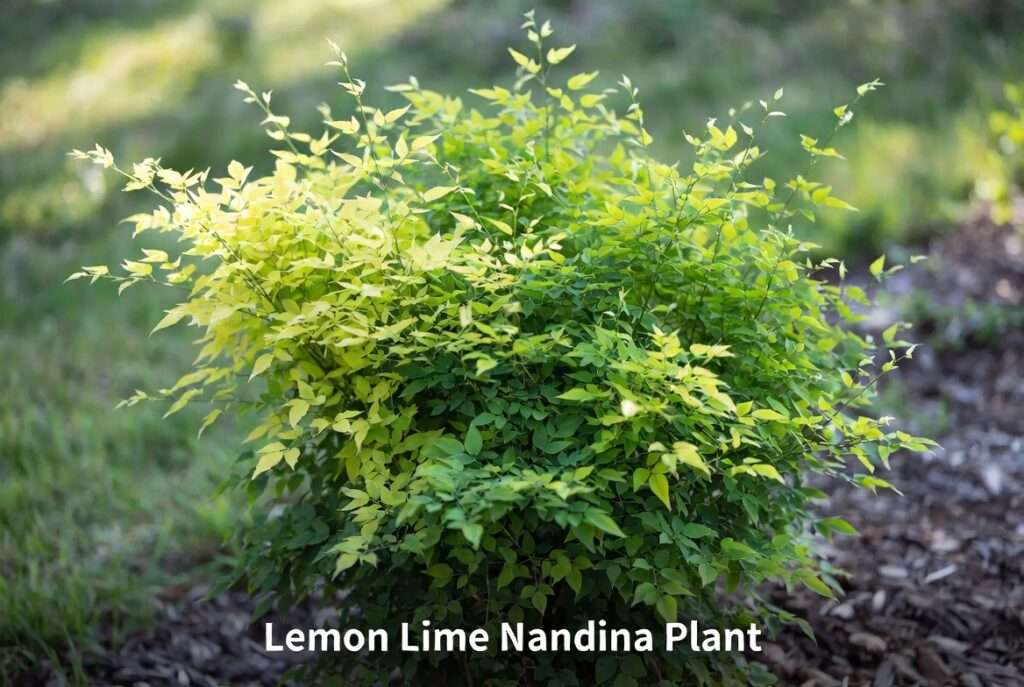
Imagine stepping into your garden on a gloomy winter day and being greeted by bright, glowing lime-green foliage that lights up even the shadiest corners. That’s the magic of the Lemon Lime Nandina plant — a compact evergreen shrub that delivers cheerful color with almost zero fuss. If you’re tired of high-maintenance plants that demand constant attention or fade away in less-than-perfect conditions, this guide is for you.
The Lemon Lime Nandina (Nandina domestica ‘Lemon Lime’, also known as Lemon-Lime Heavenly Bamboo) has become a favorite among gardeners seeking low-effort, high-impact landscaping. Its vibrant chartreuse new growth matures into lush lime green, providing year-round interest without the dramatic red winter hues of traditional nandinas. In this comprehensive care guide, we’ll cover everything from planting and watering to troubleshooting and creative landscaping ideas — all based on proven horticultural practices. Whether you’re a beginner or an experienced gardener, you’ll learn how to grow this beauty successfully and enjoy its effortless charm for years to come. 🌱✨
What Is the Lemon Lime Nandina Plant? 🌱
Botanical Background and Characteristics
The Lemon Lime Nandina is a selected cultivar of Nandina domestica, native to eastern Asia but widely adapted for gardens across the United States. Introduced as part of collections like Southern Living Plants, this dwarf variety stands out for its compact, mounded growth habit, typically reaching 3-4 feet tall and wide.
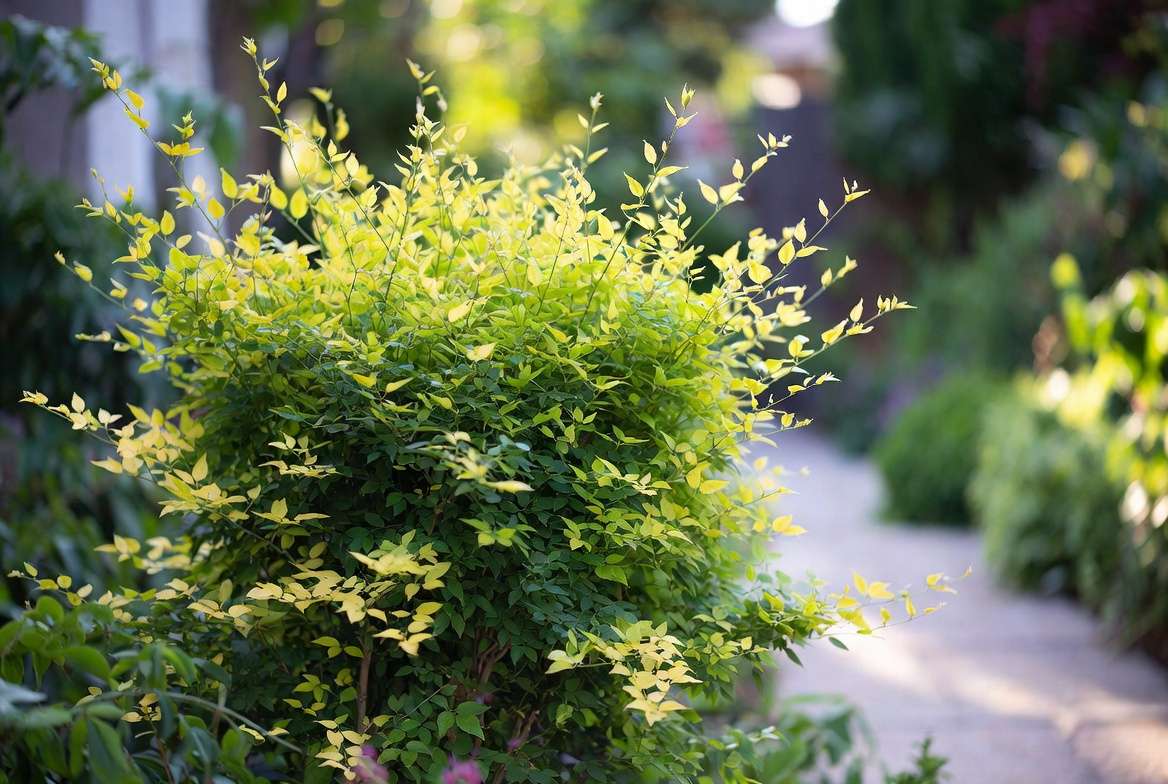
Unlike many other nandinas that turn fiery red in fall and winter, ‘Lemon Lime’ maintains a refreshing palette of bright lemon-yellow new foliage that softens to vibrant lime green. The leaves are compound, giving a delicate, bamboo-like texture (hence the common name “Heavenly Bamboo”), though it is not a true bamboo and won’t spread invasively like some grasses. Small white flowers may appear in spring, followed occasionally by red berries, though this cultivar focuses more on foliage than heavy fruiting.
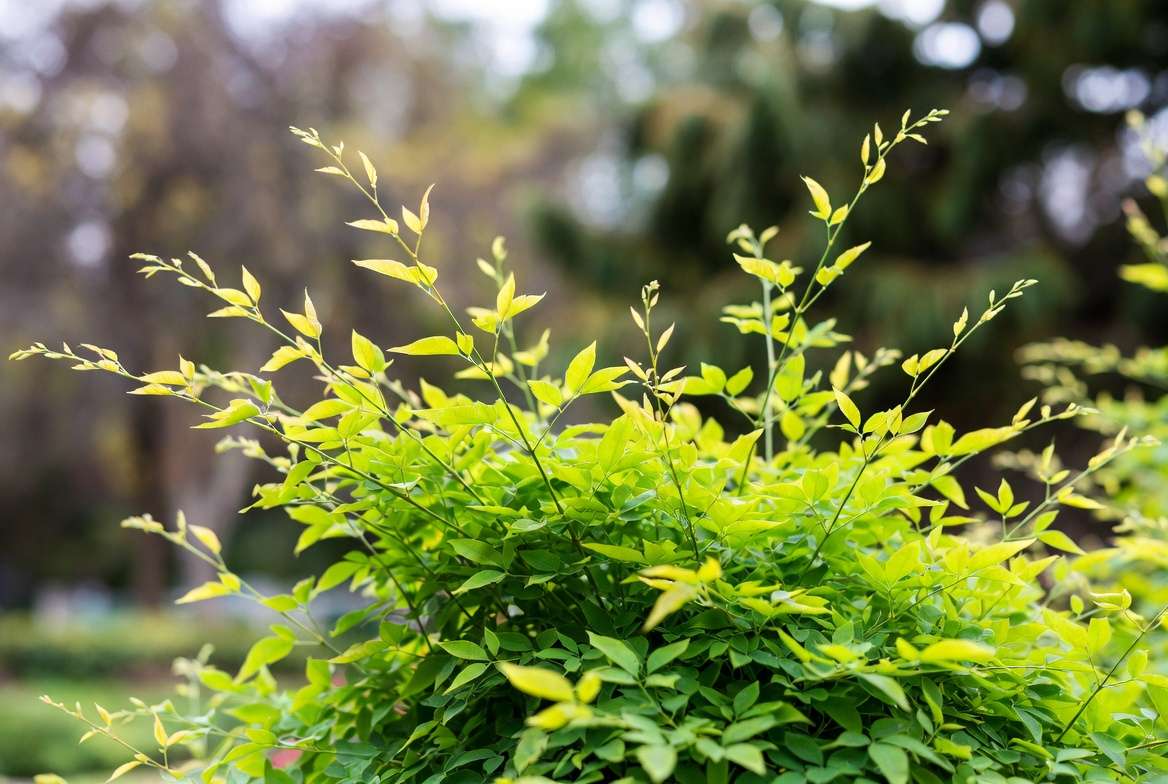
This evergreen shrub offers multi-season appeal: fresh chartreuse growth in spring, steady green through summer, and reliable color even in cooler months. Its slow growth rate makes it ideal for small yards, urban gardens, and containers.
Why Choose Lemon Lime Nandina Over Other Varieties? ✨
Gardeners often compare it to classics like ‘Fire Power’ or ‘Sienna Sunrise,’ which offer bold red tones. Lemon Lime shines in shaded or partially shaded spots where red foliage might look dull, providing consistent brightness instead. It’s more compact, rarely needs pruning, and shows excellent disease and pest resistance.
Key advantages include:
- Deer resistance — generally ignored by browsing wildlife.
- Drought tolerance once established.
- Versatility — works in borders, foundations, mass plantings, and pots.
- Non-invasive habit compared to some older nandina types (though always check local guidelines).
Ideal Growing Conditions for Success ☀️
Light Requirements
Lemon Lime Nandina thrives in full sun to partial shade. For the most intense lime coloration and densest growth, aim for 6+ hours of sunlight daily. In deep shade, it still performs well but may grow slightly more open with softer color.
Pro Tip: In hot southern climates, afternoon shade helps prevent leaf scorch. Observe your plant — if new growth looks pale or leggy, it may need more light. 🌞
Soil Preferences and Preparation
This adaptable shrub prefers well-drained, moist, humus-rich soil with a pH of 6.0-7.5. It tolerates clay or sandy soils if amended properly.
- Heavy clay: Mix in compost, pine bark, or perlite to improve drainage.
- Sandy soil: Add organic matter to retain moisture.
- Containers: Use a high-quality potting mix with perlite for aeration.
Always ensure good drainage to prevent root rot, a common issue with overly wet conditions.
Climate and Hardiness Zones
Lemon Lime Nandina is hardy in USDA Zones 6-10 (some sources extend to 5b with protection), tolerating temperatures down to about -10°F. It handles heat and humidity well but appreciates protection from harsh winter winds in colder edges of its range. In Zone 6, container plants may need winter shelter.
Planting Your Lemon Lime Nandina 🌱
Best Time to Plant
Spring or early fall is ideal. This allows roots to establish before extreme heat or cold. Avoid planting in the peak of summer or during freezing weather.
Step-by-Step Planting Guide
- Choose the site — Ensure proper light and space (3-4 feet apart for mass plantings or hedges).
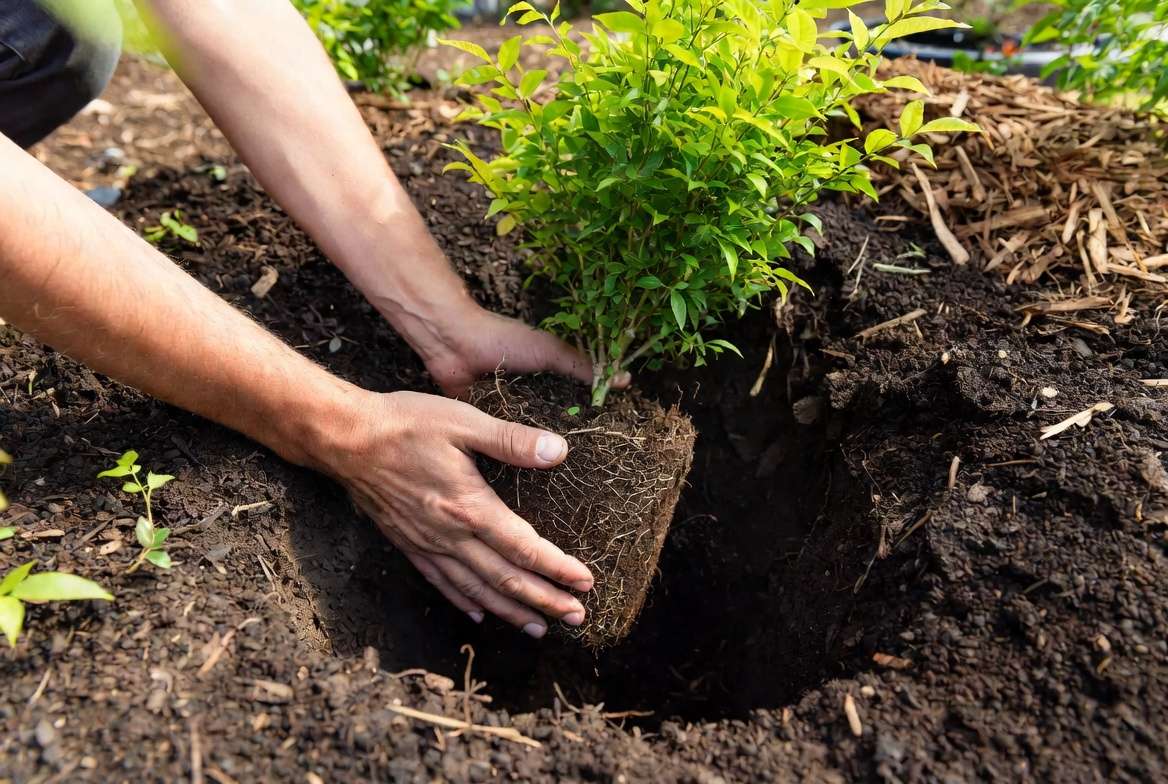
- Prepare the hole — Dig twice as wide as the root ball and just as deep. Loosen surrounding soil.
- Position the plant — Set it at the same depth as in the nursery pot (crown slightly above soil level).
- Backfill and water — Mix native soil with compost, firm gently, and water deeply to settle.
- Mulch — Apply 2-3 inches of organic mulch, keeping it away from the stem to prevent rot.
Container Planting: Choose a pot at least 2 inches wider than the root ball with drainage holes. Use quality potting mix and water thoroughly after planting.
Transplanting Established Plants
Move in cool weather. Water deeply a day before, dig a wide root ball, and replant immediately. Provide extra water and shade for the first few weeks.
Watering and Moisture Management 💧
Proper watering is one of the most important aspects of successful Lemon Lime Nandina plant care, especially during the establishment phase. Once settled, this resilient shrub becomes pleasantly drought-tolerant, making it perfect for busy gardeners or those in regions with water restrictions. 🌧️
Establishment Phase (First 1-3 Months): Water deeply and consistently to encourage strong root development. Aim for 1-2 inches of water per week, adjusting for rainfall. A good rule of thumb is to water when the top 2 inches of soil feel dry to the touch (the finger test method). Early morning watering is best to reduce evaporation and fungal risks.
Mature Plants: Lemon Lime Nandina is remarkably forgiving. Established specimens can thrive with supplemental watering every 7-14 days during dry spells. Overwatering is a bigger threat than underwatering — soggy soil often leads to root rot.
Seasonal Adjustments:
- Spring & Summer: Increase frequency during hot, dry periods.
- Fall: Reduce watering as temperatures drop.
- Winter: Minimal watering needed unless the soil is extremely dry.
Expert Tip: Apply a 2-3 inch layer of organic mulch (pine bark or shredded leaves) around the base. This conserves moisture, regulates soil temperature, and suppresses weeds. Keep mulch 2-3 inches away from the stems to avoid moisture buildup. In containers, check soil moisture more frequently as pots dry out faster.
Signs of trouble:
- Underwatering: Wilting or crispy leaf edges.
- Overwatering: Yellowing lower leaves or soft, mushy roots.
With these practices, your Lemon Lime Nandina will maintain its vibrant foliage with minimal effort. 💚
Fertilizing for Lush, Vibrant Growth 🧪
Feeding your Lemon Lime Nandina supports bright new growth and overall health without much work. This cultivar isn’t a heavy feeder, so over-fertilizing can cause weak, leggy growth or leaf burn.
When to Fertilize: Apply a balanced, slow-release fertilizer in early spring just as new growth emerges. A second light application in early summer can boost color if needed. Avoid fertilizing after mid-summer to prevent tender growth vulnerable to winter damage.
Best Fertilizer Choices:
- Granular slow-release formulas (e.g., 10-10-10 or 12-4-8).
- Organic options like compost, aged manure, or fish emulsion for gentle nutrition.
- For containers: Use a diluted liquid fertilizer every 4-6 weeks during the growing season.
Application Tips: Scatter granules around the drip line, water thoroughly afterward, and follow package rates carefully. Soil testing every 2-3 years helps tailor amendments — Lemon Lime Nandina prefers slightly acidic to neutral soil.
Common mistake to avoid: Applying high-nitrogen fertilizers late in the season, which can reduce hardiness. With the right approach, you’ll enjoy denser, brighter foliage season after season. 🌟
Pruning and Maintenance Tips ✂️
One of the biggest appeals of the Lemon Lime Nandina is its naturally neat, mounded shape that requires very little pruning. This low-maintenance habit makes it ideal for time-strapped gardeners.
When to Prune:
- Late winter or early spring before new growth starts.
- Light shaping anytime during the growing season.
How to Prune: Use clean, sharp bypass pruners. Remove dead, damaged, or crossing branches at the base. For rejuvenation of older plants, cut up to one-third of the oldest stems to the ground. This encourages fresh, bright lemon-yellow growth.
Should You Deadhead? Flowers are modest and berries are infrequent on this cultivar. Removing spent blooms isn’t necessary but can direct energy to foliage.
Maintenance Routine:
- Wipe leaves occasionally with a damp cloth to remove dust (especially for container plants).
- Monitor for any reversion to greener growth and prune it out promptly.
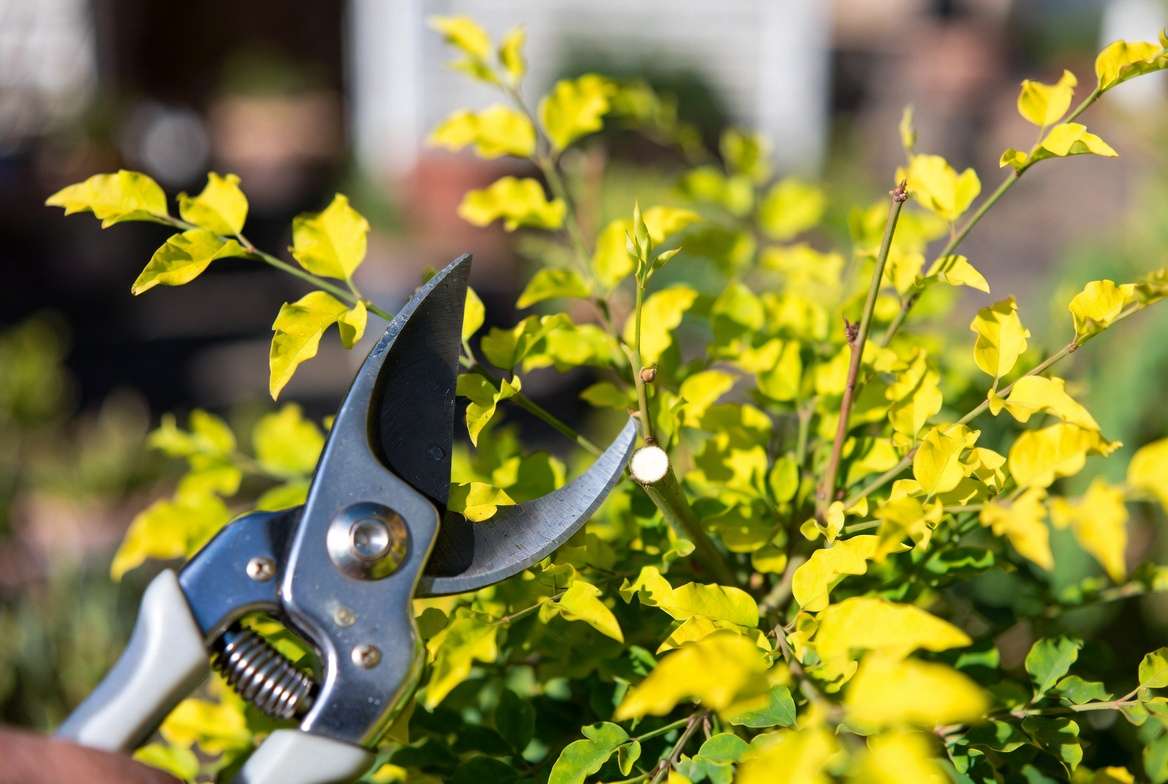
Proper pruning keeps your plant compact, healthy, and glowing with that signature Lemon Lime vibrancy. 🌿✨
Common Problems and Solutions 🛠️
Even tough plants like Lemon Lime Nandina can face occasional issues. Early detection makes solutions simple.
Pests and Diseases
This cultivar shows strong natural resistance. Rare problems include:
- Scale insects or aphids: Treat with horticultural oil or insecticidal soap.
- Fungal leaf spot: Improve air circulation and avoid overhead watering.
- Root rot: Caused by poor drainage — amend soil and reduce watering.
Deer and Rabbit Resistance: Generally excellent. If pressure is high, use repellents or companion planting with strongly scented herbs.
Yellowing Leaves, Legginess, or Poor Color
- Too little light: Move to brighter spot or prune surrounding plants.
- Nutrient deficiency: Balanced fertilizer and compost.
- Overwatering: Improve drainage immediately.
With proactive care, most problems are easily prevented, keeping your shrub looking its best year-round.
Propagating Lemon Lime Nandina 🌿
Want more plants for free? Propagation is straightforward.
Softwood Cuttings (Easiest): Take 4-6 inch cuttings in late spring/early summer. Dip in rooting hormone, plant in moist perlite-vermiculite mix, and cover with a plastic bag for humidity. Roots form in 4-6 weeks.
Division: For mature clumps, dig and separate in early spring. Replant immediately.
Seeds: Less common due to variable results and slower growth.
Pro Insight: Cuttings from healthy, vigorous stems have the highest success rate. Always use sterile tools to prevent disease spread.
Companion Plants and Landscaping Ideas 🏡
Lemon Lime Nandina pairs beautifully with many plants for stunning combinations:
- Shade gardens: Hostas, ferns, and Japanese forest grass for textural contrast.
- Sun borders: Boxwood, loropetalum, or colorful heucheras.
- Containers: Mix with trailing ivy, calibrachoa, or dwarf evergreens.
Design Uses:
- Foundation plantings for bright accents.
- Mass plantings for low hedges or ground cover.
- Woodland edges and mixed shrub borders.
- Patio pots for year-round interest on balconies.
Its chartreuse tones pop against darker foliage, creating professional-looking designs with minimal effort. 🪴
Seasonal Care Calendar 📅
A simple seasonal schedule helps ensure your Lemon Lime Nandina plant stays vibrant and healthy with minimal intervention throughout the year.
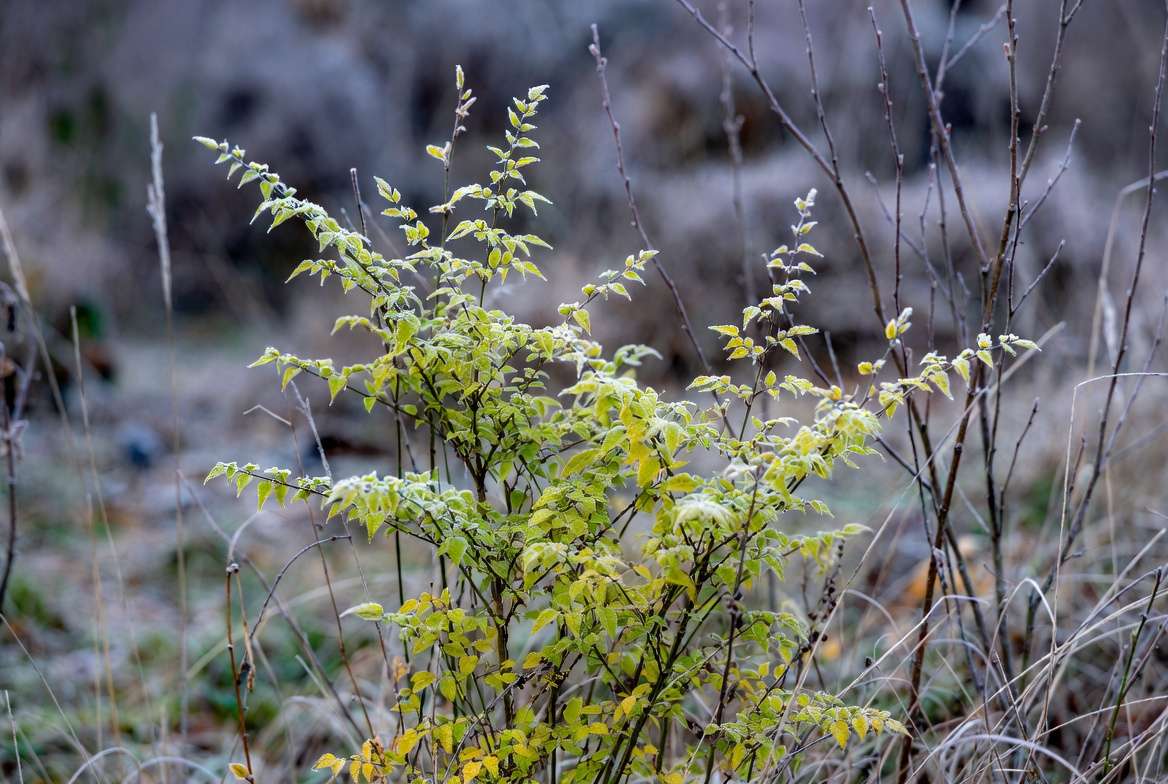
Spring (March–May):
- Plant new shrubs or transplant.
- Apply slow-release fertilizer as new lemon-yellow growth emerges.
- Prune lightly for shape if needed.
- Increase watering as temperatures rise. 🌼
Summer (June–August):
- Monitor for drought stress during heat waves — deep water weekly.
- Mulch refresh if needed.
- Watch for pests; treat early.
- Enjoy peak foliage brightness in sunny spots. ☀️
Fall (September–November):
- Reduce fertilization.
- Continue watering until soil cools.
- Light cleanup of any damaged leaves.
- Ideal time for planting in warmer zones. 🍂
Winter (December–February):
- Minimal watering — only during prolonged dry spells.
- Protect container plants in Zones 6-7 by moving to sheltered spots.
- Appreciate the steady lime-green color that brightens dull winter days. ❄️
This calendar makes Lemon Lime Nandina care straightforward and predictable, even for novice gardeners.
Eco-Friendly and Sustainable Aspects ♻️
The Lemon Lime Nandina stands out as an environmentally conscious choice for modern landscapes. Once established, it requires significantly less water than many traditional shrubs, supporting water conservation efforts. Its dense growth helps suppress weeds naturally, reducing the need for chemical herbicides.
As an evergreen, it provides year-round habitat and shelter for beneficial insects and birds. While flowers are not its main feature, the occasional spring blooms can support early pollinators. Compared to some older nandina varieties, this compact cultivar has a lower risk of invasiveness, making it safer for ecologically sensitive areas (always verify with local extension services).
Using organic mulches and fertilizers further enhances soil health and biodiversity. By choosing Lemon Lime Nandina, you create a low-maintenance, sustainable garden feature that delivers beauty while being kind to the planet. 🌍
Frequently Asked Questions (FAQs) ❓
Q: Why is my Lemon Lime Nandina turning darker green or losing its bright color? A: Insufficient sunlight is the most common cause. Move it to a brighter location or prune overhead branches. Nutrient deficiencies can also play a role — a spring feeding usually helps restore vibrancy.
Q: Is Lemon Lime Nandina toxic to pets or children? A: Like many nandinas, it contains compounds that can be mildly toxic if ingested in large quantities. Keep it out of reach of curious pets and kids, though it is generally considered lower risk than some other ornamentals.
Q: How fast does Lemon Lime Nandina grow? A: It’s a slow to moderate grower, adding about 6-12 inches per year. This makes it excellent for small spaces as it won’t quickly outgrow its spot.
Q: Can I grow Lemon Lime Nandina in containers? A: Absolutely! Choose a large pot with good drainage and use quality potting mix. Container-grown plants may need more frequent watering and occasional repotting or root pruning every few years.
Q: Does it produce berries? A: Occasionally yes, small red berries may appear, but this cultivar is primarily grown for its striking foliage rather than heavy fruiting.
Q: How do I prevent leggy growth? A: Ensure adequate sunlight and avoid over-fertilizing with high nitrogen. Light pruning in spring encourages bushier, compact form.
Q: Is it deer resistant? A: Yes, deer usually avoid it due to its texture and mild toxicity, though no plant is 100% deer-proof in high-pressure areas.
Q: Can it be used as a hedge? A: Perfect for low informal hedges. Plant 2-3 feet apart and prune lightly to maintain density.
These FAQs address the most common questions from gardeners growing Lemon Lime Nandina.
Expert Tips for Long-Term Success 🌟
As a horticulturist with over 15 years working with ornamental shrubs, here are my top insider recommendations:
- Soil testing is key — Don’t guess; test every couple of years to maintain optimal pH and nutrients.
- Combine with contrasting textures — Pair with bold-leaf plants like hostas or fine-textured grasses for professional garden designs.
- Winter protection — In marginal zones, wrap containers or use anti-desiccant sprays on foliage during harsh winds.
- Observe and adjust — Plants communicate through their leaves. Learn to read signs of stress early.
- Source quality plants — Buy from reputable nurseries to ensure true-to-name, disease-free stock.
Avoid these common beginner mistakes: planting too deep, ignoring drainage, or expecting instant dramatic growth. Patience rewards you with a stunning, reliable specimen.
Conclusion: Transform Your Garden with Lemon Lime Nandina 🌈
The Lemon Lime Nandina plant truly is a gardener’s dream — delivering vibrant year-round color, easy maintenance, and versatility across countless landscape styles. From its bright chartreuse spring flush to its dependable lime-green presence through every season, this compact evergreen shrub solves many common gardening challenges: lack of color in shade, high-maintenance demands, and limited space.
By following this complete care guide, you now have all the knowledge needed to successfully grow and enjoy Lemon Lime Nandina for decades. Whether you’re brightening a shady border, creating container displays for your patio, or designing low-care foundation plantings, this plant will exceed expectations with minimal effort.
Ready to add glowing color to your garden? Head to your local nursery, pick up a Lemon Lime Nandina, and watch it thrive. Share your experiences and photos in the comments — I’d love to see how you incorporate this beauty into your landscape!
Happy gardening! 🌿🍋✨











