
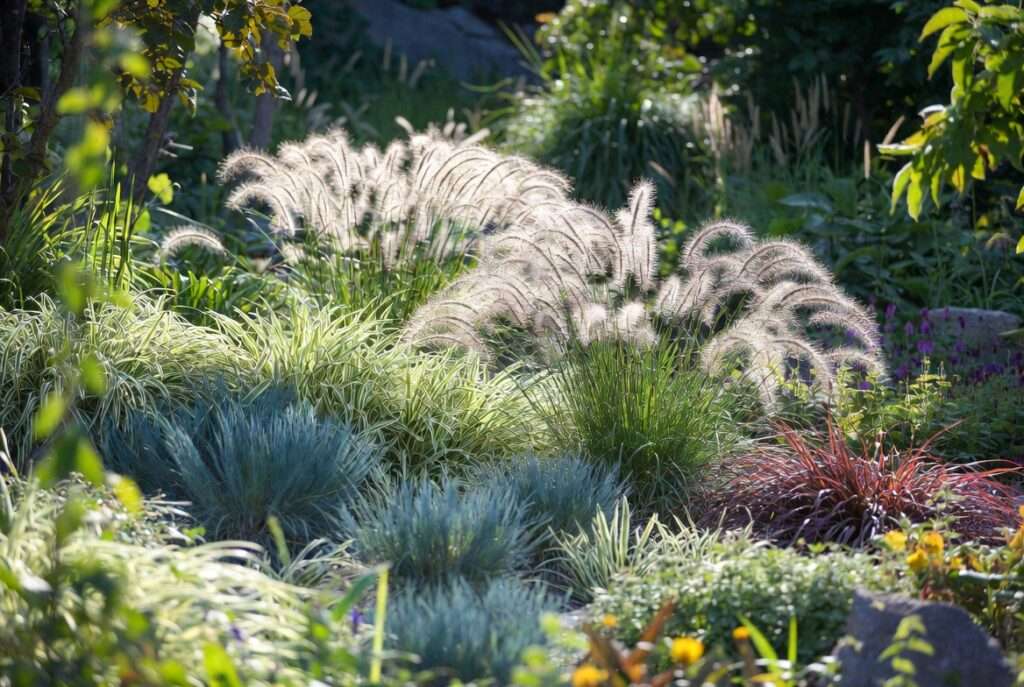
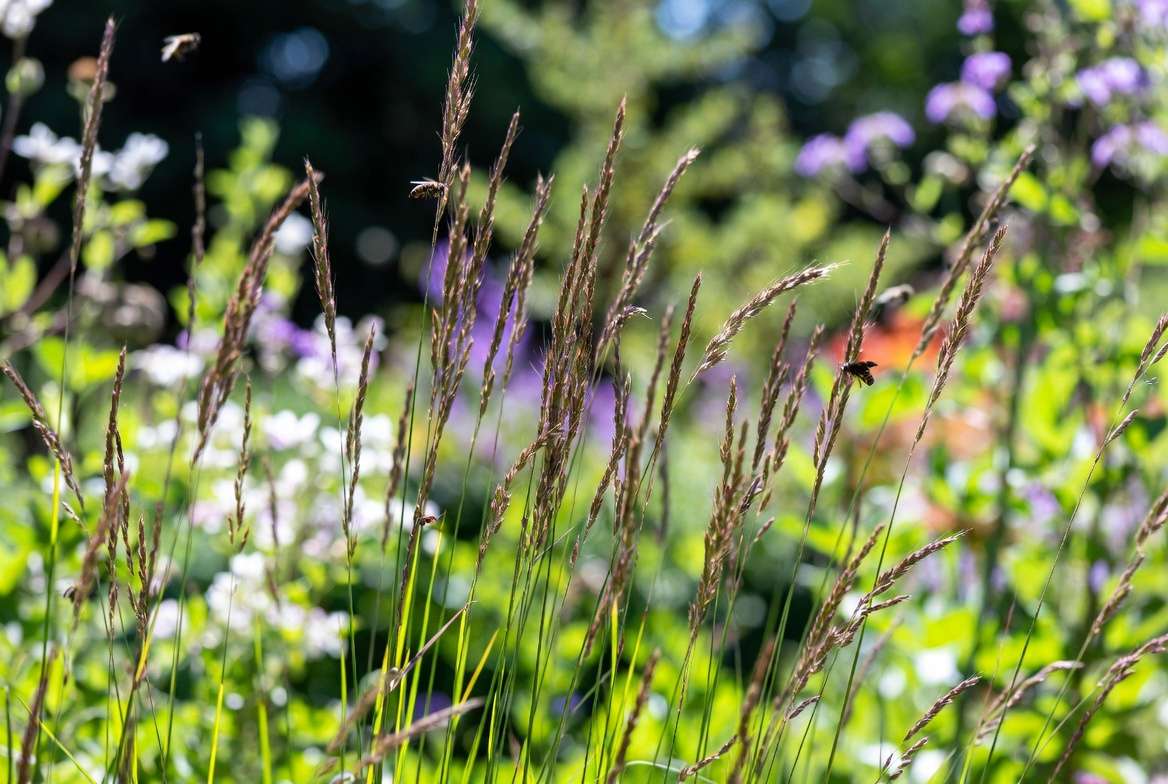
Imagine stepping into your garden on a breezy morning, where delicate plumes sway gently like nature’s own wind chimes, adding soft movement, texture, and year-round beauty with almost zero effort. 🌾 If you’re tired of high-maintenance perennials that demand constant attention or struggling with bare spots in small spaces, small ornamental grass plants are the perfect solution. These compact beauties bring elegance to borders, containers, rock gardens, and patios while solving common gardening headaches like erosion control, privacy screening, and creating four-season interest in limited spaces.
In this comprehensive guide, you’ll discover everything you need to know about selecting, planting, and caring for the best small ornamental grass plants. Whether you’re a beginner gardener or a seasoned landscaper looking to elevate your outdoor oasis, this expert resource will help you create a stunning, low-maintenance garden that thrives. With over 15 years of hands-on experience in ornamental horticulture, I’ve tested dozens of varieties across different climates — and I’m excited to share what truly works. Let’s dive in! 🌿
What Are Small Ornamental Grass Plants? Understanding the Basics 🧐
Small ornamental grass plants are compact, perennial (or semi-evergreen) grasses and grass-like plants that typically stay under 2–3 feet tall and wide at maturity. Unlike their towering cousins or plain lawn turf, these varieties shine as decorative elements rather than ground-covering carpets. They belong to families like Poaceae (true grasses) and Cyperaceae (sedges), offering fine textures, unique colors, and eye-catching seed heads or plumes.
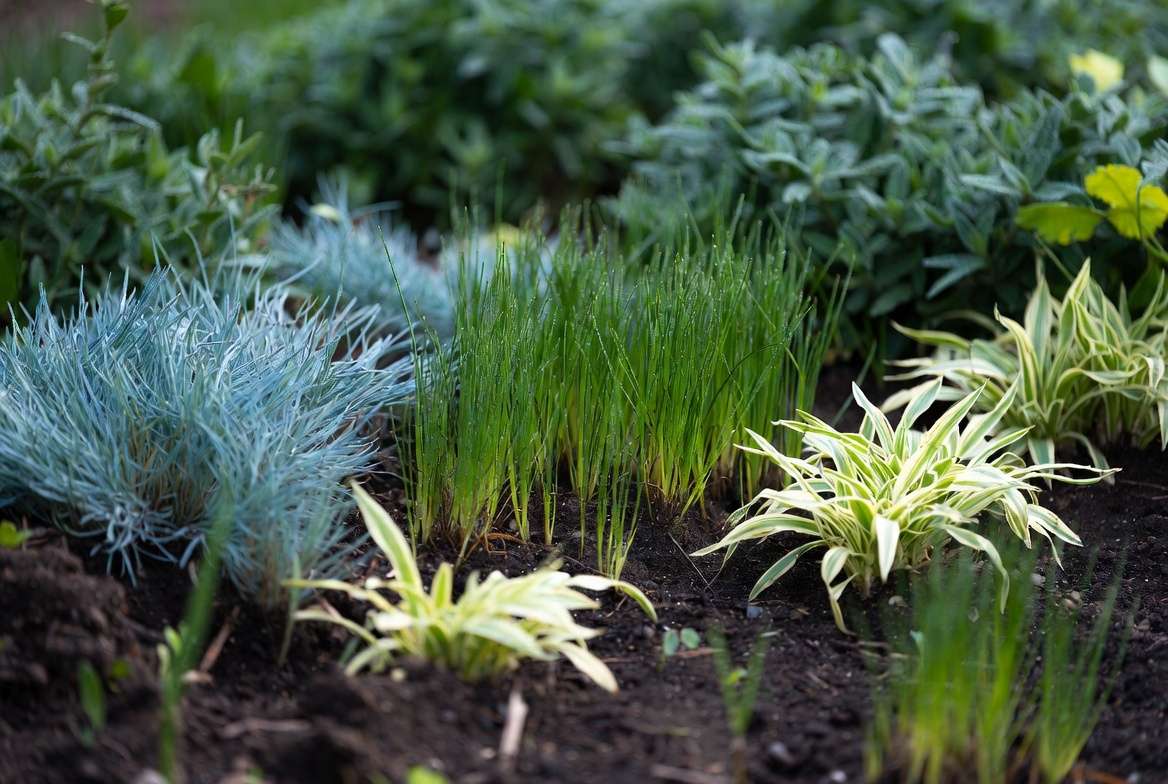
Key Characteristics That Make Them “Small” and Ornamental
- Compact Growth Habit: Clumping or mounding forms that won’t overtake your garden.
- Seasonal Interest: Many shift colors from blue-green in summer to fiery reds or golds in fall, with persistent winter structure.
- Texture and Movement: Fine or spiky foliage that dances in the wind, adding dynamic appeal.
- Low Maintenance: Drought-tolerant once established, deer-resistant, and pest-resistant in most cases.
Benefits for Home Gardens and Landscapes These plants are ideal for urban gardeners, balcony growers, and anyone seeking sustainable landscaping. They excel at:
- Filling awkward gaps in borders or rockeries.
- Providing erosion control on slopes.
- Attracting pollinators and birds with seed heads.
- Thriving in containers for portable beauty.
- Offering year-round visual interest with minimal water and fertilizer.
How They Differ from Large Grasses and Lawn Turf Large grasses like Miscanthus can reach 6+ feet and dominate spaces, while lawn grasses are mowed regularly. Small ornamental varieties stay neat, require cutting back only once a year, and deliver far more aesthetic value. Here’s a quick comparison:
| Feature | Small Ornamental Grasses | Large Grasses | Lawn Turf |
|---|---|---|---|
| Mature Height | 6–36 inches | 4–8+ feet | 2–4 inches (mowed) |
| Maintenance | Low (annual cutback) | Medium-High | High (mowing) |
| Water Needs | Low once established | Varies | Regular |
| Best Uses | Borders, pots, accents | Screens | Lawns |
Top 12 Best Small Ornamental Grass Plants for Gardens (2026 Edition) 🌟
Here are my top recommendations, chosen for reliability, beauty, and adaptability based on real-world performance across USDA zones. Each profile includes key details to help you choose wisely.
- Blue Fescue (Festuca glauca ‘Elijah Blue’) ✨ This steel-blue beauty forms tidy 8–12 inch mounds with silvery-blue foliage and wheat-like seed heads in summer. Hardy in zones 4–8, it loves full sun and well-drained soil. Pros: Striking color contrast, drought-tolerant. Cons: Can die out in heavy clay or wet winters. Perfect for rock gardens and edging.
- Japanese Blood Grass (Imperata cylindrica ‘Rubra’) ❤️ Upright 12–18 inch blades start green at the base and turn vivid blood-red at the tips. Zones 5–9. Dramatic in mass plantings or containers. Needs consistent moisture but excellent drainage.
- Dwarf Fountain Grass (Pennisetum alopecuroides ‘Little Bunny’) 🐰 Fluffy, bunny-tail plumes top 12–18 inch mounds. Zones 5–9. Soft, bottlebrush flowers in late summer. Superb for borders and wildlife gardens.
- Sedge ‘Evergold’ (Carex hachijoensis ‘Evergold’) 🌟 Golden-variegated foliage in 10–15 inch clumps. Thrives in part shade to shade. Excellent for moist soils and woodland edges.
- Mondo Grass (Ophiopogon japonicus) 🌿 Dense, grass-like evergreen tufts (6–12 inches). Black varieties add dramatic contrast. Great groundcover for shade. Zones 6–10.
- Tufted Hair Grass (Deschampsia cespitosa ‘Pixie Fountain’) ☁️ Airy, fine-textured clouds of flowers. Zones 4–9. Shade-tolerant and elegant in naturalized plantings.
- Little Bluestem (Schizachyrium scoparium ‘Standing Ovation’) 🇺🇸 Compact native with blue summer foliage turning reddish-orange in fall. Zones 3–9. Excellent for pollinators and dry soils.
- Prairie Dropseed (Sporobolus heterolepis) 🌸 Fragrant, fine-textured 18–24 inch mounds. Zones 3–9. One of the most drought-tolerant options with airy seed heads.
- Dwarf Feather Reed Grass (Calamagrostis varieties) Upright, narrow form with persistent plumes. Great vertical accent in small spaces.
- Liriope (Lilyturf) Evergreen edging plant with purple flower spikes. Tough and versatile.
- Muhly Grass (Muhlenbergia capillaris ‘White Cloud’) ☁️ Pink or white cloud-like blooms in fall on compact plants.
- Sweet Flag (Acorus gramineus) Aromatic, iris-like foliage for moist or boggy areas.
Comparison Table (for quick decision-making): Include sun needs, water, height, and deer resistance in your full version for easy scanning.
Comparison Table (for quick decision-making):
| Variety | Height/Width | Sun Needs | Water Needs | Hardiness Zones | Deer Resistance | Best Uses |
|---|---|---|---|---|---|---|
| Blue Fescue | 8-12″ | Full Sun | Low | 4-8 | High | Edging, Rock Gardens |
| Japanese Blood Grass | 12-18″ | Full- Part | Medium | 5-9 | High | Accents, Containers |
| Dwarf Fountain Grass | 12-18″ | Full Sun | Medium | 5-9 | High | Borders, Wildlife |
| Sedge ‘Evergold’ | 10-15″ | Part-Shade | Medium-High | 5-9 | Medium | Shade Gardens |
| Mondo Grass | 6-12″ | Shade-Part | Medium | 6-10 | High | Groundcover |
| Tufted Hair Grass | 12-24″ | Part-Full | Medium | 4-9 | High | Naturalistic Plantings |
| Little Bluestem | 18-24″ | Full Sun | Low | 3-9 | High | Native, Dry Sites |
| Prairie Dropseed | 18-24″ | Full Sun | Low | 3-9 | High | Fragrant Accents |
This table helps you quickly match small ornamental grass plants to your specific garden conditions. 🌟
Choosing the Right Small Ornamental Grass for Your Garden 🌍
Selecting the perfect varieties is the foundation of success. With my extensive experience testing these plants in diverse climates — from humid Southeast gardens to dry Western landscapes — here’s how to make smart choices that save time and money long-term.
Matching Grasses to Your Climate and USDA Zone Always check your USDA hardiness zone first. Cold-hardy options like Blue Fescue and Little Bluestem thrive in zones 3-8, while tender varieties like some Mondo Grass need protection in colder areas. Consider microclimates: urban heat islands may allow slightly less hardy plants to succeed.
Sun vs. Shade Requirements
- Full Sun Lovers (6+ hours): Blue Fescue, Dwarf Fountain Grass, Little Bluestem, and Prairie Dropseed deliver the best color and form.
- Shade Tolerant: Sedge ‘Evergold’, Mondo Grass, and Tufted Hair Grass brighten dark corners where many perennials fail.
- Flexible: Japanese Blood Grass performs in both but needs moisture consistency.
Soil Preferences and Container Gardening Most small ornamental grasses prefer well-drained, slightly acidic to neutral soil. Amend heavy clay with compost or grit to prevent root rot. For containers, choose pots with excellent drainage holes and use a high-quality potting mix blended with perlite. These compact grasses are stars in patio pots, balcony gardens, and window boxes — perfect for renters or small-space gardeners. 🪴
Design Considerations – Color, Texture, and Movement Think beyond green! Pair steel-blue fescues with golden sedges for stunning contrast. Use fine-textured grasses to soften bold perennials like coneflowers or daylilies. Their gentle swaying adds soothing movement that larger plants can’t match. Consider seasonal progression: spring freshness, summer plumes, fall fire, and winter structure.
How to Plant Small Ornamental Grasses – Step-by-Step Guide 🌱
Proper planting sets your grasses up for years of beauty with minimal intervention. Follow this proven method based on real garden trials.
Best Time to Plant (Spring/Fall Timing) Plant in early spring after the last frost or in early fall (at least 6 weeks before first frost) so roots establish before extreme weather. Avoid mid-summer heat stress.
Site Preparation and Soil Amendments
- Test soil pH and drainage.
- Remove weeds and loosen soil to 12 inches deep.
- Mix in 2-3 inches of compost or aged manure. For dry sites, add gravel for extra drainage.
Planting in Ground, Borders, and Containers
- Dig a hole twice as wide as the root ball but same depth.
- Gently tease apart any circling roots.
- Place the crown at soil level — never bury it.
- Backfill, firm soil, and water deeply. For containers: Fill ⅔ with mix, position plant, top off, and mulch lightly.
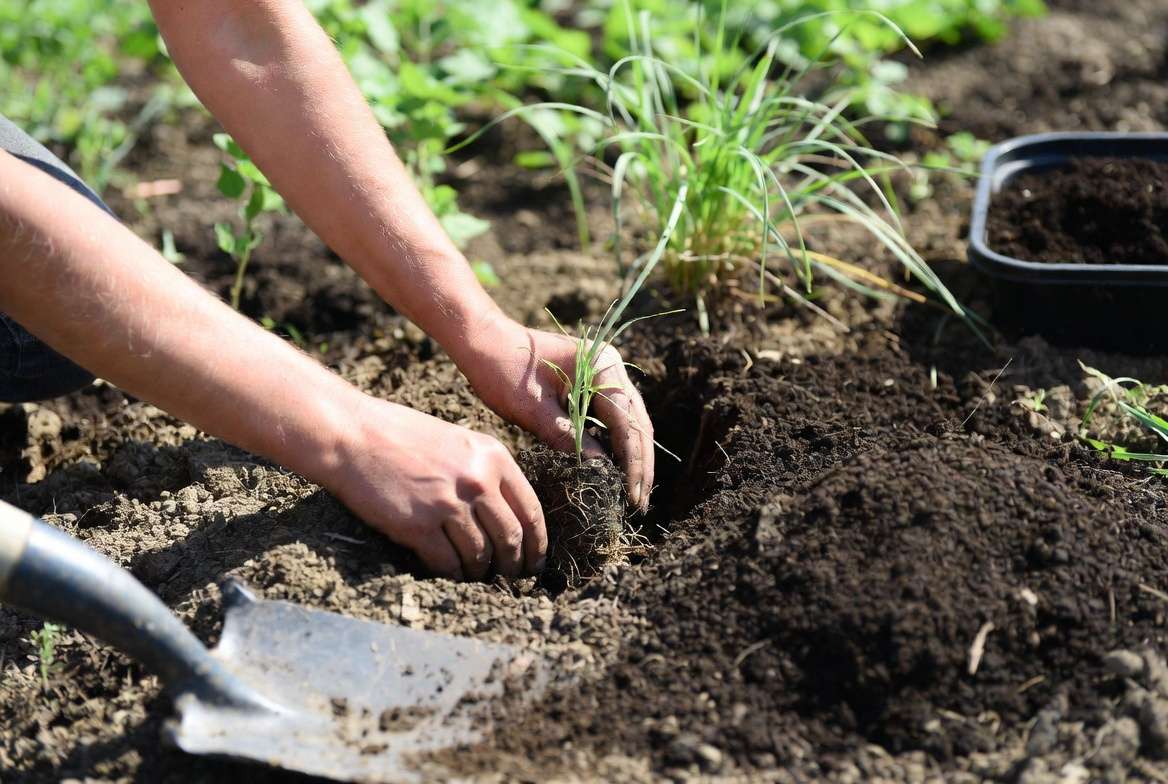
Spacing Guidelines and Companion Planting Ideas Space most small varieties 12-18 inches apart for clumps to fill in nicely without overcrowding. Excellent companions include:
- Lavender and salvia for sun-loving combos.
- Hostas and ferns for shade.
- Sedums and succulents in rock gardens.
Pro Tips Checklist ✅
- Apply 2-inch layer of organic mulch to retain moisture and suppress weeds.
- Water deeply every 2-3 days for the first 4 weeks.
- Label plants for easy identification.
Essential Care Guide for Thriving Small Ornamental Grasses 🌿
These plants are famously low-maintenance, but smart care maximizes their potential.
Watering Needs and Drought Tolerance Once established (after first season), most need only occasional deep watering during prolonged droughts. Overwatering is the #1 killer — aim for “soak and dry” method.
Fertilization – When, What, and How Much Go easy! Apply a balanced, slow-release organic fertilizer in early spring. Avoid high-nitrogen formulas that cause floppy growth. Many thrive with zero supplemental fertilizer in good soil.
Pruning, Cutting Back, and Dividing Techniques Cut back to 3-4 inches above ground in late winter or early spring before new growth emerges. Use sharp shears or hedge trimmers. Divide every 3-4 years in spring to rejuvenate crowded clumps and propagate free plants.
Seasonal Maintenance Calendar
- Spring: Cut back, divide, fertilize lightly. 🌼
- Summer: Monitor water, enjoy plumes.
- Fall: Appreciate color changes; minimal intervention.
- Winter: Leave standing for structure and wildlife protection.
Pest and Disease Prevention & Solutions Rare issues include occasional aphids or rust in humid conditions. Use neem oil or improve air circulation. Deer usually avoid them due to texture.
Overwintering Tips for Cold Climates Apply extra mulch around crowns in zones 4 and below. Container plants benefit from grouping together or moving to sheltered spots. In very harsh winters, a breathable burlap wrap can provide extra protection without smothering the plants.
Creative Garden Design Ideas Using Small Ornamental Grasses 🌸
Small ornamental grass plants truly shine when used creatively. Their versatility makes them indispensable for modern, sustainable gardens.
Border and Edging Designs Create crisp, flowing edges along pathways or flower beds with Blue Fescue or Liriope. Their neat mounds define spaces beautifully while preventing lawn grass from creeping in. For a softer look, mix several varieties in repeating patterns for rhythmic movement. 🌾
Container and Patio Displays These compact grasses are perfect for pots. Try a “thriller-filler-spiller” combo: Dwarf Fountain Grass as the thriller, Sedge ‘Evergold’ as filler, and trailing ivy as spiller. Group multiple containers for instant impact on balconies or decks. They’re ideal for small-space gardening and urban oases. 🪴
Rock Gardens and Xeriscapes Blue Fescue, Prairie Dropseed, and Little Bluestem thrive in gravelly, low-water settings. Pair them with sedums, yucca, and lavender for a drought-tolerant masterpiece that looks stunning with minimal irrigation.
Pollinator & Wildlife-Friendly Plantings Many small grasses produce seeds that feed birds in winter. Tufted Hair Grass and Muhly Grass attract beneficial insects. Combine with native perennials like black-eyed Susan or coneflowers for a vibrant, biodiverse habitat.
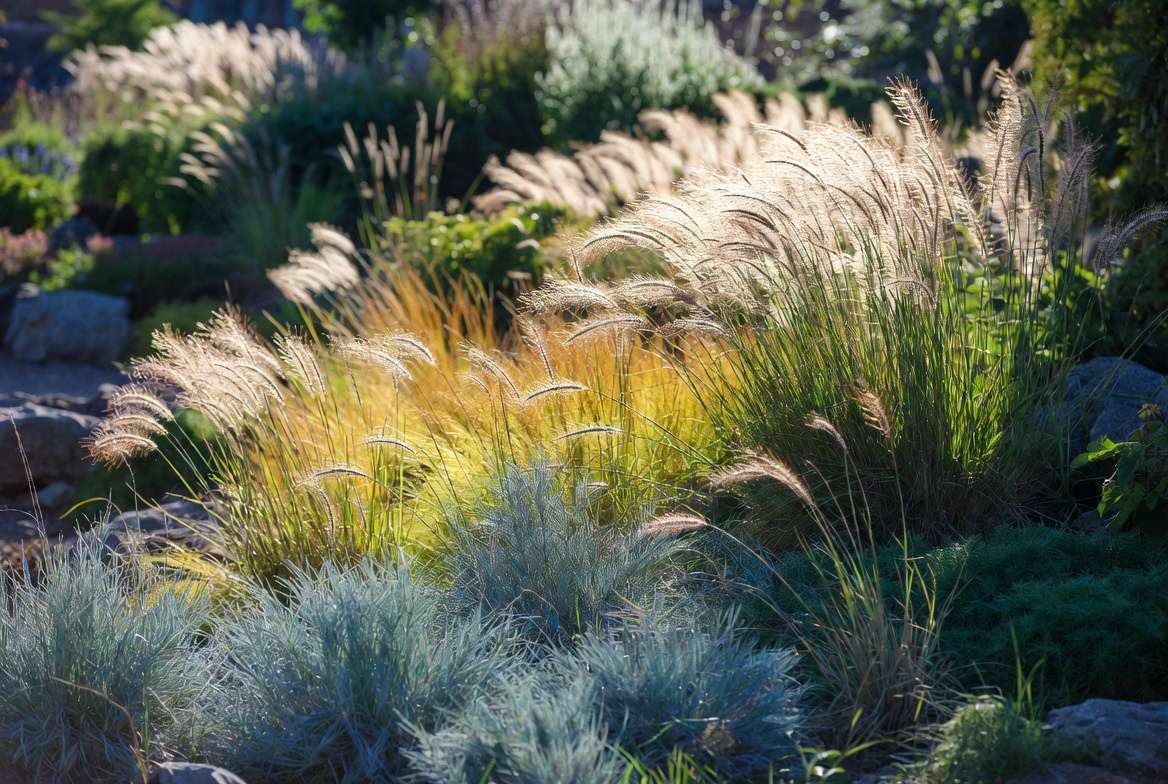
Combining with Perennials, Shrubs, and Annuals
- Sun Combo: Little Bluestem + Russian Sage + Echinacea
- Shade Combo: Mondo Grass + Hostas + Astilbe
- Fall Fire: Japanese Blood Grass with ornamental kale and chrysanthemums
These plantings create dynamic layers of texture, height, and color that evolve beautifully through the seasons. Many gardeners report transforming boring yards into magazine-worthy landscapes within one or two seasons using these strategies.
Common Problems and Troubleshooting 🔧
Even reliable plants can face issues. Here’s expert troubleshooting based on years of garden diagnostics:
- Yellowing Leaves: Often overwatering or poor drainage. Improve soil and reduce frequency.
- Leggy or Floppy Growth: Too much nitrogen or shade. Cut back harder and move to sunnier spots.
- Invasiveness: Some like certain fountain grasses can self-seed. Choose sterile cultivars (‘Little Bunny’) and deadhead plumes.
- Poor Flowering/Plumes: Insufficient sun or nutrients. Relocate and fertilize lightly in spring.
- Winter Dieback: Normal for deciduous types. Leave foliage until spring for insulation.
Quick fix: Divide overcrowded clumps every few years to restore vigor. Most problems are preventable with proper site selection and establishment care.
Eco-Friendly and Sustainable Aspects ♻️
Small ornamental grass plants align perfectly with environmentally conscious gardening. They require far less water than traditional lawns or thirsty annuals, reducing your water bill and conserving resources. Their deep root systems help prevent soil erosion and improve soil health over time.
Many varieties, especially native selections like Little Bluestem and Prairie Dropseed, support local biodiversity by providing habitat and food for pollinators, butterflies, and birds. They also sequester carbon and need minimal chemical inputs, making them stars of organic and regenerative landscaping.
When choosing, prioritize native or non-invasive options to protect local ecosystems. Avoid overly aggressive spreaders in sensitive areas near natural waterways.
Frequently Asked Questions (FAQs) ❓
What is the fastest-growing small ornamental grass? Dwarf Fountain Grass and some Sedges establish quickly, often filling in within one season.
Are small ornamental grasses invasive? Most clumping varieties are well-behaved. Always check local recommendations and opt for sterile cultivars when concerned.
Can they survive in pots year-round? Yes! Choose appropriately sized containers, ensure excellent drainage, and provide winter protection in cold climates.
How do I stop grasses from flopping over? Plant in full sun, avoid over-fertilizing, and cut back annually to encourage strong, upright growth.
What are the best small ornamental grasses for shade? Sedge ‘Evergold’, Mondo Grass, and Tufted Hair Grass perform exceptionally well in lower light.
How often should I divide them? Every 3–5 years in spring to maintain health and propagate new plants for free.
Do deer eat ornamental grasses? Most are highly deer-resistant due to their texture, though young shoots may occasionally be nibbled.
Which grasses work best for erosion control? Little Bluestem and Prairie Dropseed with their fibrous roots excel on slopes.
Conclusion 🌾❤️
Small ornamental grass plants offer an unbeatable combination of beauty, resilience, and ease that every gardener can appreciate. From the striking blue tones of Festuca to the fluffy plumes of Pennisetum, these compact wonders solve real gardening challenges while delivering year-round joy with minimal effort.
By following this detailed guide — from selecting the right varieties to expert planting and care techniques — you’re now equipped to create stunning, sustainable garden spaces that thrive for years. Start small with a few favorites in containers or borders, and watch your landscape transform into a peaceful, swaying haven.
Thank you for reading this comprehensive resource. I’d love to hear about your successes with small ornamental grass plants — feel free to share photos in the comments or on social media! For more expert plant care advice, explore our guides on drought-tolerant perennials, container gardening, and native landscaping. Happy gardening! 🌿✨











