
Imagine stepping into your backyard in spring, lovingly planting that heirloom rose bush or cherished apple tree you’ve dreamed about for years—only to watch it wilt under relentless heatwaves, battle surprise late frosts, or struggle with pests that never used to appear this far north. 😢🌹
If this sounds familiar, you’re not alone. Long-term climate changes affecting gardening are transforming our gardens and tree care routines faster than most of us expected. Warmer winters, erratic rainfall, intense droughts, and shifting seasons are no longer future problems—they’re reshaping what thrives in our soil right now.
The good news? With the right knowledge and tools, your garden can not only survive but thrive for decades to come. In this comprehensive, science-backed guide, you’ll discover exactly how these changes are impacting your plants and trees, plus practical, proven strategies to future-proof your green space. Whether you’re a backyard hobbyist, urban balcony gardener, or proud tree steward, these climate-smart gardening tips will help you solve real challenges and enjoy bountiful blooms and harvests year after year. 🌱✨
Drawing from the latest USDA data, IPCC insights, and real-world gardener experiences, this guide is designed to give you actionable steps that actually work in 2026 and beyond. Let’s dig in and turn climate worry into confident, resilient gardening! 🌿
What Exactly Are Long-Term Climate Changes? The Science Every Gardener Needs to Know 🌡️
Long-term climate changes affecting gardening stem from decades of rising global temperatures, altered weather patterns, and increasing atmospheric CO₂. These aren’t just “bad summers”—they’re systemic shifts that affect everything from soil health to pollinator cycles.
The Big Five Drivers Affecting Your Backyard • Rising average temperatures & longer growing seasons — Summers are hotter and longer, but winters are milder, throwing off traditional planting calendars. • Changing precipitation patterns — More intense droughts in some regions paired with sudden heavy rains and flooding in others. • Extreme weather spikes — Heat domes, polar vortex surprises, and super-storms are becoming more frequent. • Elevated CO₂ levels — While this can boost some plant growth initially, it often reduces nutritional quality in vegetables and fruits. • Shifting USDA Plant Hardiness Zones — The 2023 USDA Plant Hardiness Zone Map (the first update since 2012) shows many areas have warmed by half a zone or more, with zones effectively shifting northward as winters get less cold.
Timeline – What Has Already Changed Since 2000 & What’s Coming by 2050 Since 1990, average temperatures have risen noticeably, leading to more “heat emergency days” (above 95°F). By 2050, many regions in the U.S. are projected to feel like current conditions 300–500 miles south—think Washington, D.C., gardens resembling today’s Georgia climate, with triple the number of scorching days. Pests and diseases are migrating northward faster than ever, thanks to milder winters.
These shifts create “phenological mismatches”—plants bloom too early, only to get hit by late frosts, while pollinators arrive out of sync. Understanding this science is the first step to becoming a climate-smart gardener.
How Long-Term Climate Changes Are Already Hitting Your Plants and Trees 🥀🌳
The impacts are real, visible, and hitting both delicate flowers and mature investment trees.
Direct Impacts on Common Garden Plants Tomatoes, roses, and hydrangeas are suffering from heat stress—leaves wilt, fruit fails to set, and sun-scald ruins harvests. Earlier springs mean plants leaf out or bloom before the last frost date, leading to heartbreaking losses. Elevated CO₂ makes some vegetables grow bigger but less nutritious, while erratic rain causes root rot or nutrient lock-up in compacted soils.
Tree-Specific Challenges (Your Investment Is at Risk) Mature maples, oaks, and fruit trees face drought-induced dieback, with roots struggling in drier soils. Invasive pests like the emerald ash borer are expanding their range, and diseases such as sudden oak death are moving north. Warmer, wetter conditions also increase root rot risks during heavy downpours.
Hidden Effects You’re Probably Missing Declining pollinator populations mean fewer bees and butterflies for fruit set. Warmer soils lock up essential nutrients, and longer pollen seasons worsen allergies for gardeners. These subtle changes compound over years, turning once-reliable gardens into frustrating puzzles.
But here’s the hopeful part—knowledge is power. Let’s move from problems to proven solutions! 🌟
Proven Adaptation Strategies That Actually Work in 2026 and Beyond 🌿🔧
This is the heart of climate-smart gardening. These strategies go far beyond basic advice—they’re regenerative, practical, and tested by real gardeners facing the same long-term climate changes affecting gardening.
Strategy 1 – Choose Climate-Resilient Plants & Trees Ditch outdated varieties and embrace future-proof options. Top recommendations include:
- Natives & tough performers: Black gum (black tupelo), hackberry, scarlet oak, and red maple for trees—these show low vulnerability in warming climates.
- Drought-tolerant stars: Lavender, desert willow, salvia, yarrow, and purple coneflowers that laugh at heat and dry spells.
- New cultivars: Look for heat- and drought-resistant tomatoes (like ‘Solar Fire’) and apples bred for changing zones.
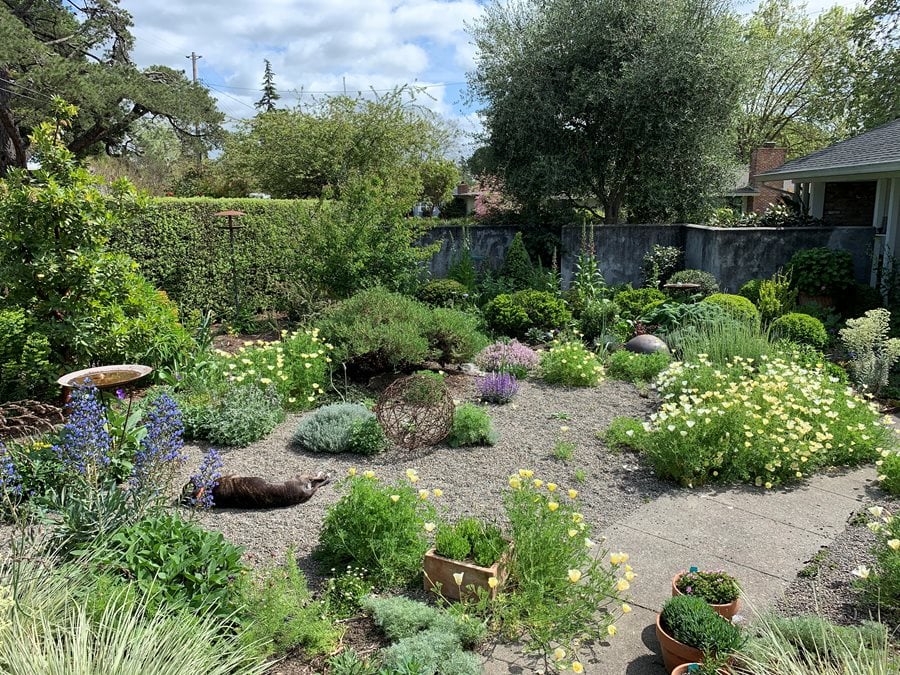
Native plants win because they’re already adapted to local extremes and support pollinators better. Check your updated USDA zone and choose varieties rated for one zone warmer than your current one for extra insurance.
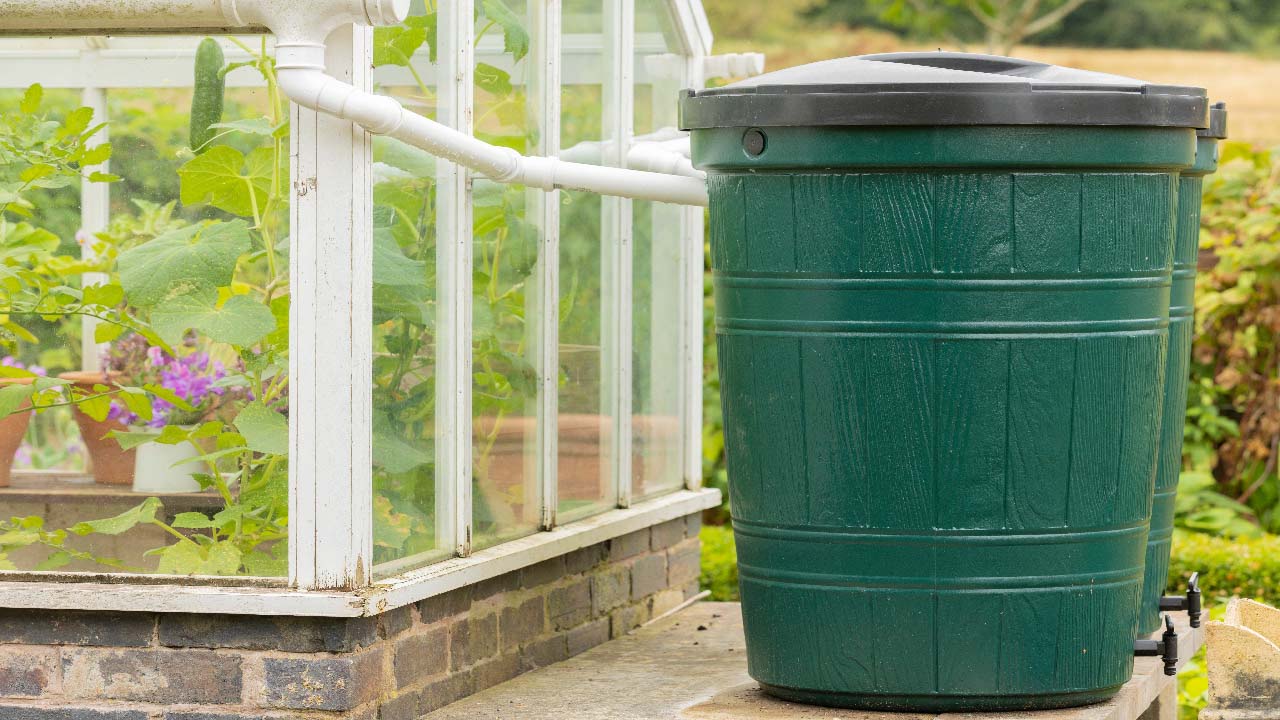
Strategy 2 – Master Water Wisdom in a Changing Climate Install rainwater harvesting barrels (they pay for themselves in one dry season!) and upgrade to smart drip irrigation with soil moisture sensors. Mulch 3–4 inches deep using wood chips, straw, or compost— it cools soil, retains moisture, and feeds microbes. In flood-prone areas, raised beds with excellent drainage are lifesavers.
Strategy 3 – Build Living Soil That Withstands Extremes Adopt no-dig and regenerative horticulture: layer compost, plant cover crops (clover in winter, buckwheat in summer), and inoculate with mycorrhizal fungi. Biochar improves water-holding capacity during droughts. Healthy soil is your garden’s best defense against climate swings.
Strategy 4 – Protect Trees & Shrubs from Temperature Swings Wrap young trunks in burlap or tree guards, apply anti-transpirant sprays during heatwaves, and use shade cloth for tender plants. Adjust pruning to new phenology—prune after (not before) new growth patterns. Create windbreaks and microclimates with strategic evergreen plantings.
Strategy 5 – Outsmart New Pests & Diseases Before They Strike Switch to Integrated Pest Management 2.0: encourage beneficial insects, use biological controls (like neem or beneficial nematodes), and monitor with free apps like iNaturalist. Early detection is key as warmer conditions speed up pest life cycles.
Real-Life Success Stories – Gardeners Who Adapted and Thrived 📸
Theory is great, but nothing inspires like seeing real people succeed. Here are three gardeners who turned climate challenges into beautiful, productive spaces.
Case Study 1: Texas Gardener Who Switched to Desert-Adapted Edibles In Austin, Texas, Maria Rodriguez faced increasingly brutal summers with 100+°F days and multi-year droughts. She replaced thirsty lawns and traditional veggies with a xeriscape featuring native black-eyed Susans, prickly pear cactus, agave, and drought-tolerant edibles like tepary beans, okra, and desert-adapted tomatoes. By adding deep mulch and rainwater barrels, her water bill dropped 60%, and she now harvests year-round. The result? A vibrant, low-maintenance oasis that supports local pollinators and withstands extreme heat.
Case Study 2: New England Apple Orchard That Beat Zone Creep In Vermont, Tom Ellis noticed his old heirloom apples blooming too early and getting zapped by late frosts. He gradually replanted with later-blooming, disease-resistant varieties like ‘Honeycrisp’ and ‘Liberty,’ added windbreaks of hardy evergreens, and implemented regenerative soil practices. Despite warmer winters and new pest pressures, his orchard now produces reliably—proving that thoughtful variety selection and protection can keep classic fruit trees viable even as zones shift.

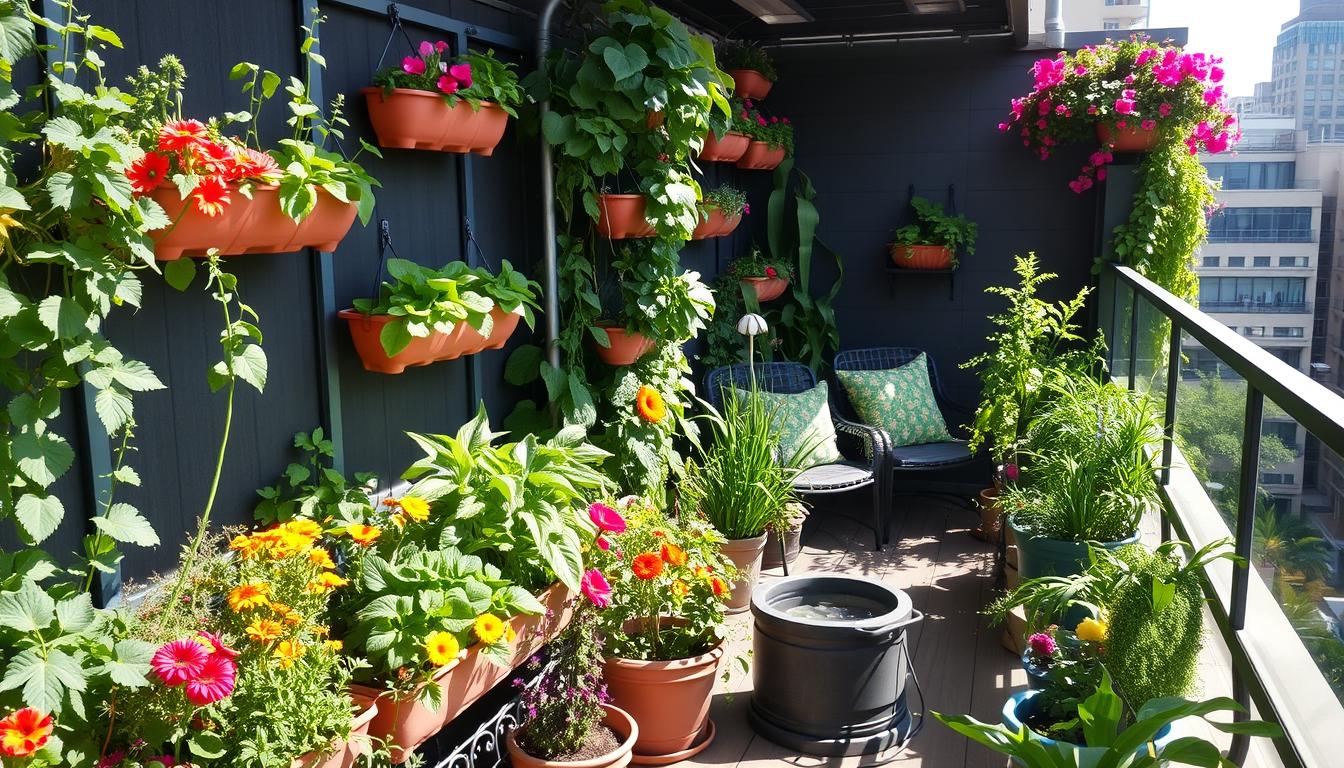
Case Study 3: Urban Balcony Tree Grower in Seattle (Small-Space Focus) Lena Kim, in a high-rise apartment, worried about container trees suffering from heatwaves and irregular rain. She switched to dwarf, heat-tolerant varieties (like columnar apples and figs), installed self-watering pots with moisture sensors, and used reflective mulches to reduce soil temperature. Her tiny balcony now yields fresh fruit and provides shade—showing even urban gardeners can adapt successfully.
These stories prove adaptation isn’t just possible—it’s rewarding! 🌟
Tools, Tech & Resources Every Serious Gardener Should Have in 2026 🛠️
Stay ahead with these essentials:
- Climate-tracking apps: Gardenize, ClimateCheck, or the free USDA Plant Hardiness Zone Map tool for zone updates.
- Soil test kits: MySoil or extension-service kits—test pH, nutrients, and organic matter annually.
- Smart irrigation: Rachio or Orbit B-hyve controllers that adjust based on weather data.
- Recommended reads: “The Resilient Gardener” by Carol Deppe, “Climate-Wise Gardening” resources from extension services.
- My personal “Climate-Ready Garden Toolkit” checklist — printable PDF with plant lists, mulch guides, and seasonal tasks (link in bio or comments!).
Expert Insights – What Leading Horticulturists Are Saying Right Now 🧠
Dr. Jessica Walliser (entomologist & author): “Focus on building soil ecology first—healthy mycorrhizal networks help plants handle stress better than any quick fix.”
USDA Forest Service tree specialists emphasize: “Select trees with wide native ranges; they’re more genetically equipped for change.”
Royal Horticultural Society climate team: “Phenology is shifting 2–3 weeks earlier in many places—adjust pruning and planting dates accordingly to avoid mismatches.”
Key takeaway: Prevention through ecology beats reaction every time.
Common Mistakes Gardeners Make When Facing Climate Change (And How to Avoid Them) ⚠️
- Ignoring zone updates → Always check the 2023+ USDA map before buying.
- Overwatering during heat → Use deep, infrequent watering instead.
- Sticking to old favorites → Experiment with resilient cultivars gradually.
- Neglecting soil life → Avoid tilling; build layers instead.
- Planting too densely → Allow airflow to reduce fungal risks.
- Skipping mulch → Bare soil heats up and dries fast—mulch saves water.
- Waiting for “perfect” conditions → Start small changes now!
Your 30-Day Climate-Adaptation Action Plan 📅
Week 1: Assess your current zone & soil; order a test kit. Week 2: Inventory plants—flag vulnerable ones; research 3–5 resilient replacements. Week 3: Add mulch everywhere (3–4 inches) and install a rain barrel if possible. Week 4: Plant cover crops or natives; download monitoring apps; prune strategically.
Seasonal calendar tip: Shift spring tasks 1–2 weeks earlier and fall tasks later in warming zones.
FAQ Section ❓
Will my garden zone change in the next 10 years? Many areas already have—check the latest USDA map. Expect gradual northward shifts of 50–150 miles by mid-century.
Are native plants really better in a changing climate? Yes—they’re adapted to local extremes, support pollinators, and require less water/fertilizer.
How do I protect mature trees from drought? Deep water (slow drip 1–2x/week), mulch widely, and avoid lawn competition near roots.
Can raised beds help with flooding? Absolutely—elevate 12–18 inches with excellent drainage gravel at the base.
What’s the best way to deal with new insect pests? Monitor early, encourage beneficials (ladybugs, lacewings), and use targeted organic controls.
Do I need to change my watering schedule permanently? Likely yes—focus on soil moisture over calendar days; sensors help.
How does elevated CO₂ actually affect my vegetables? Growth may increase, but protein, zinc, and iron often decrease—diversify diet and varieties.
Should I start a food forest now? Yes! Layered perennials are highly resilient to extremes.
Conclusion: Your Garden Can Still Flourish – Here’s the Hopeful Truth 🌈
Long-term climate changes affecting gardening are real and ongoing—but they don’t have to end your joy in growing plants and trees. By choosing resilient varieties, building living soil, mastering water, and staying observant, you can create a garden that’s not just surviving but truly thriving.
Small actions today compound into big resilience tomorrow. Start with one change this week—your future self (and your plants!) will thank you. 🌿✨
What adaptations have you tried? Share in the comments—I’d love to hear your success stories and tips! Don’t forget to check our related guides on drought-tolerant trees and regenerative soil techniques.











