
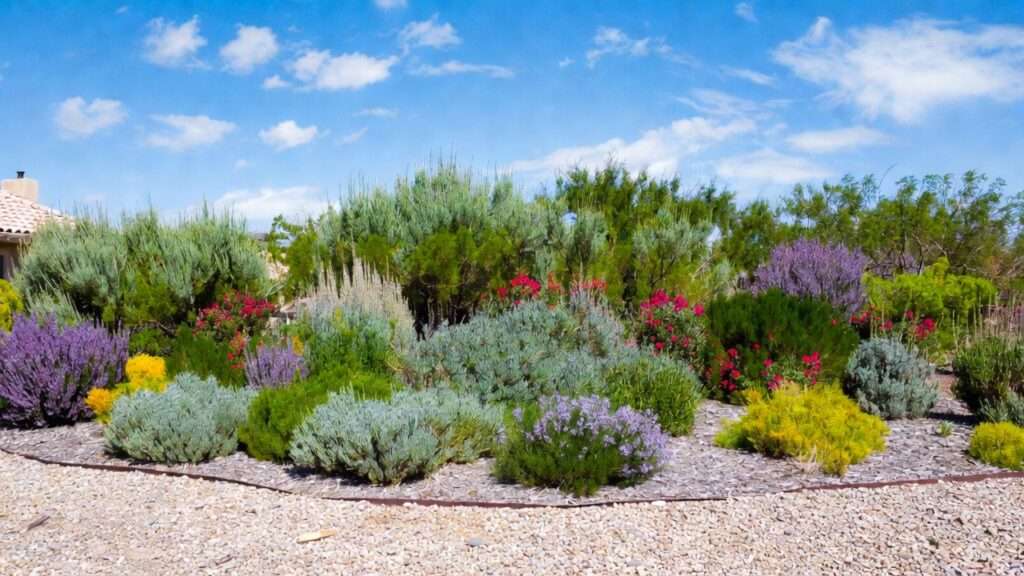
Imagine stepping into your backyard on a scorching summer day and seeing vibrant colors, buzzing pollinators, and lush textures — all without the guilt of a skyrocketing water bill or hours spent dragging hoses. That’s the magic of a well-maintained xeriscaped yard — a beautiful, sustainable landscape that thrives on minimal water and effort. 🌵✨
Many homeowners install xeriscapes expecting “zero maintenance,” only to face wilting plants, persistent weeds, or uneven growth because they miss key ongoing care steps. The good news? Xeriscaping isn’t zero-maintenance — it’s smart maintenance. With the right habits, your low-water garden can stay stunning year after year, saving 50–75% on irrigation while boosting biodiversity and property value.
As a horticulturist with over 10 years specializing in water-wise landscapes and native plant communities, I’ve helped hundreds of homeowners transform thirsty lawns into resilient oases. In this comprehensive guide, you’ll get seasonal checklists, pro watering strategies, mulch mastery tips, common mistake fixes, and more — everything to keep your xeriscaped yard healthy, gorgeous, and truly low-effort. Let’s dive in and make your yard the envy of the neighborhood! 🌸
Why Xeriscape Maintenance Is Different (and Easier) Than Traditional Yards 📊
Traditional turf lawns demand weekly mowing, frequent shallow watering, heavy fertilization, and constant weed battles. Xeriscapes flip the script:
- Watering → Deep, infrequent sessions (or rainfall reliance once established) vs. daily sprinkles
- Mowing → Rare or none (ornamental grasses/prunings 1–2× per year) vs. weekly cuts
- Fertilizer → Minimal or none (natives thrive in lean soil) vs. regular applications
- Weeds → Suppressed by dense planting + thick mulch vs. endless pulling/spraying
The real payoff hits in years 2–3: plants root deeply, soil biology improves, and maintenance drops dramatically. Patience in year 1 pays off with effortless beauty later. 💚
Seasonal Maintenance Checklist: Year-Round Success Calendar 🌞🍂❄️🌸
Follow this expert calendar tailored for xeriscapes — adjust slightly for your local climate (e.g., hotter Southwest vs. milder temperate zones).
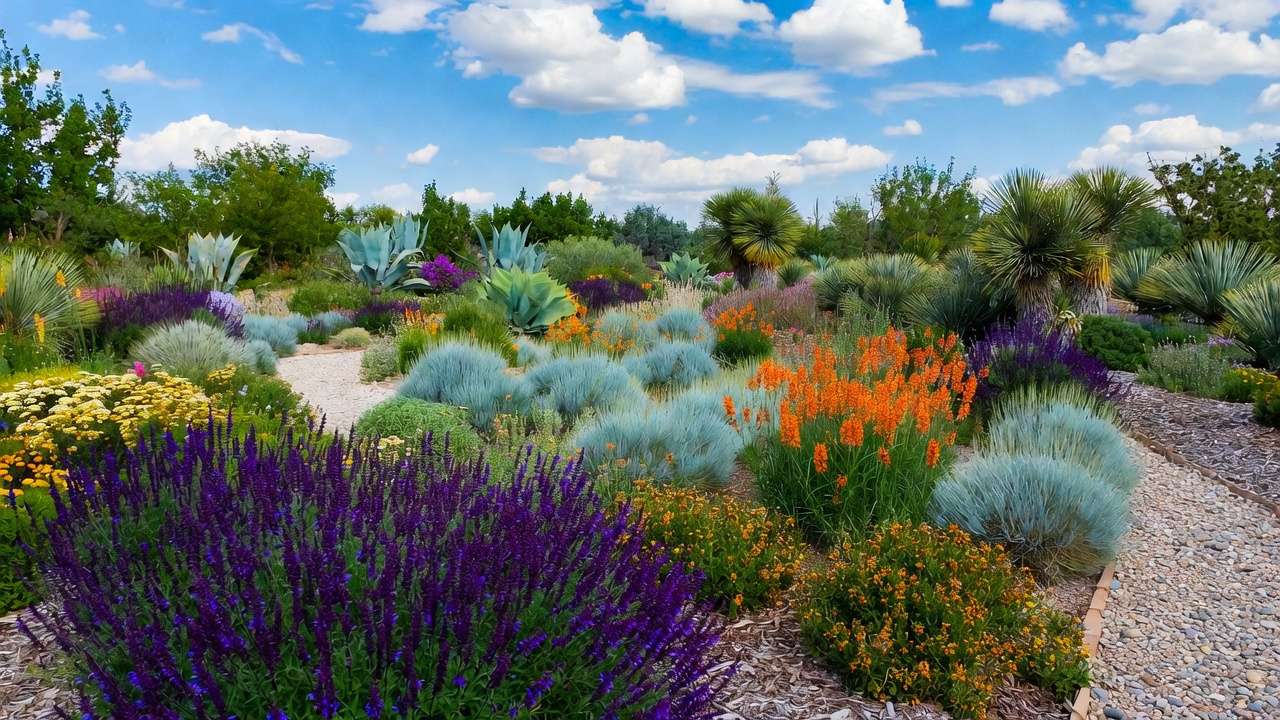
Spring Maintenance Tips for Xeriscaped Yards 🌷
Spring wakes up your garden! Focus on reset and prevention.
- Clear winter debris: Gently rake fallen leaves, twigs, and dead annuals without disturbing soil structure.
- Cut back perennials and ornamental grasses: Trim to 6–12 inches above ground for fresh growth (wait until new shoots appear to avoid cold damage).
- Inspect irrigation: Test drip lines, emitters, and smart controllers for leaks or clogs — replace faulty parts now.
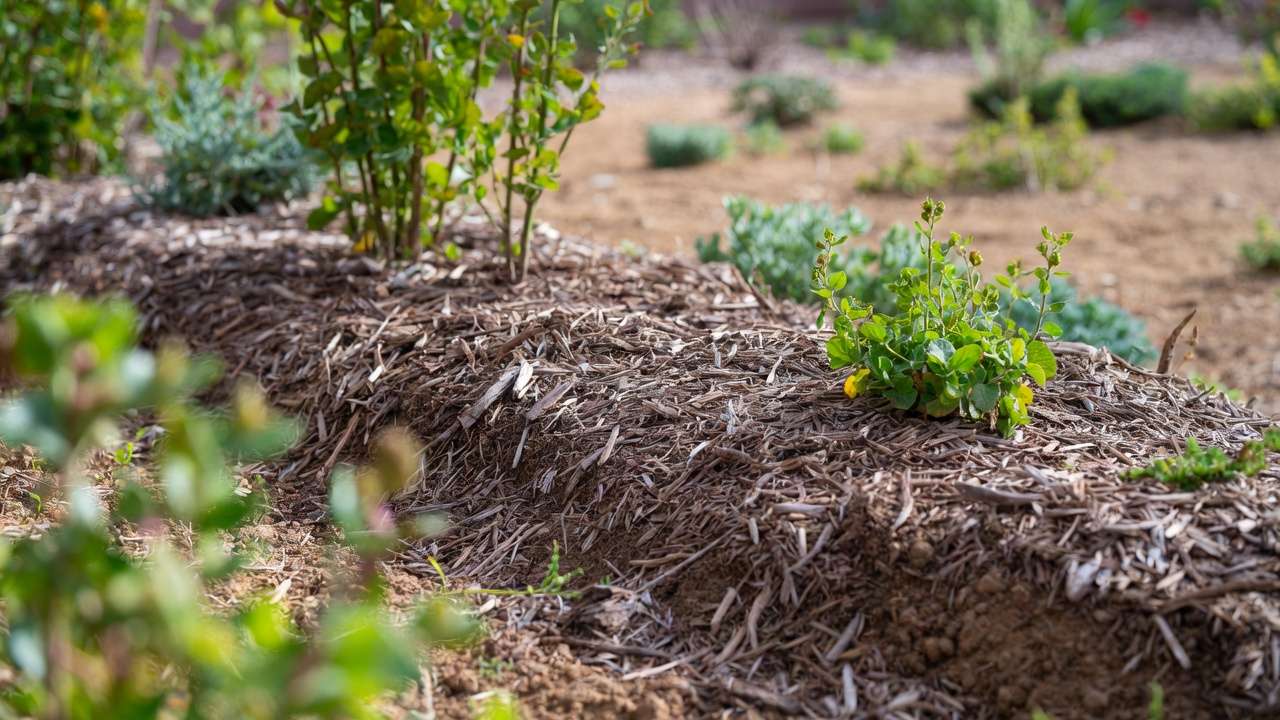
- Refresh mulch: Top up to 3–4 inches (keep it away from plant stems to prevent rot). Use organic (bark, wood chips) or inorganic (gravel) based on your style.
- Weed patrol begins: Pull early weeds by hand — they’re easiest now when soil is moist.
- Light feeding (only if needed): Apply slow-release, low-nitrogen organic fertilizer sparingly around heavy feeders like young trees.
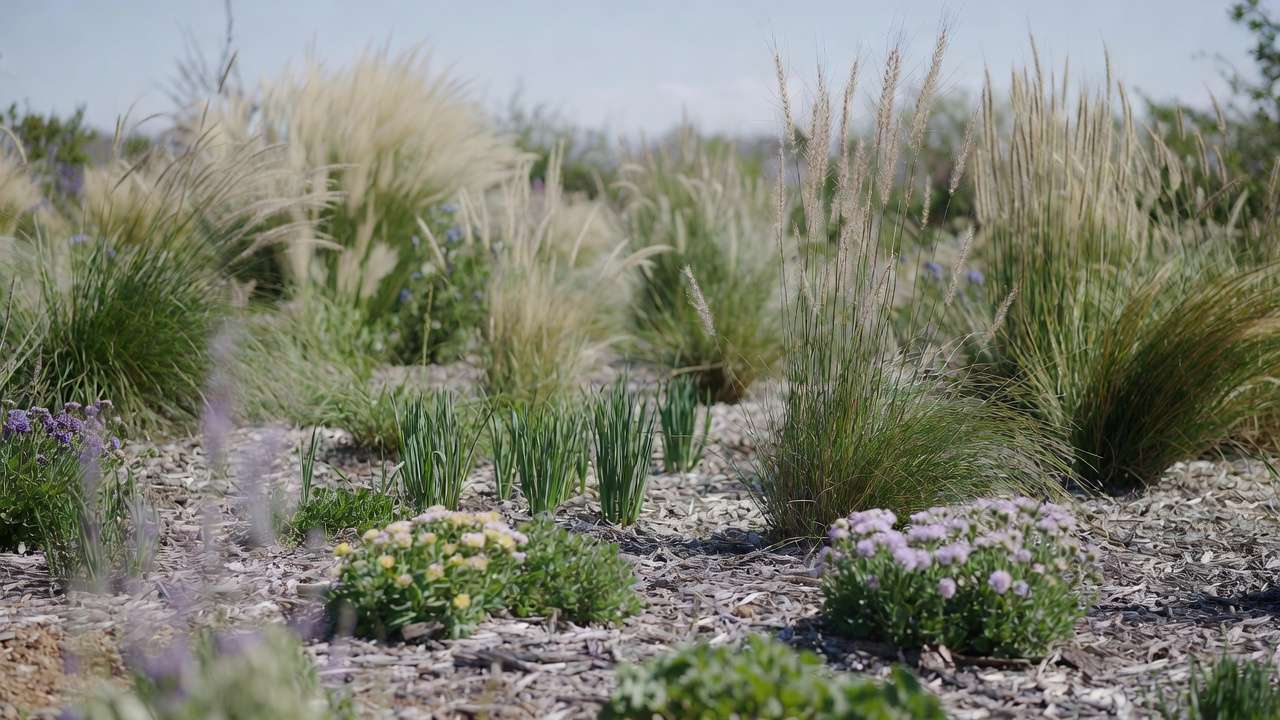
Pro tip: Spring is ideal for dividing overcrowded perennials or adding new drought-tolerant plants! 🌱
Summer Care: Surviving Heat & Drought 🔥
Summer tests your xeriscape — but done right, plants look amazing.
- Water deeply & infrequently: Established plants often need watering every 7–21 days (depending on soil, heat, and region). Use a soil probe or screwdriver to check 6–8 inches deep — water only when dry.
- Monitor stress signs: Wilting in morning = thirst; afternoon wilting = normal dormancy for many natives. Yellow leaves or tip burn? Check for over/underwatering.
- Deadhead selectively: Snip spent blooms on rebloomers (salvia, gaura) to encourage more flowers without excess growth.
- Pest & disease watch: Look for aphids or powdery mildew on crowded spots — hose off or use neem oil sparingly. Most xeric plants resist pests naturally.
- Shade young plants: Use temporary shade cloth during extreme heat waves for new additions.
Keep foot traffic minimal on hot days to avoid compacting soil. Your yard should feel like a cool refuge! ☀️
Fall Preparation: Setting Up for Winter Success 🍁
Fall builds resilience for the next year.
- Final deep watering: Give a good soak before dormancy sets in (especially evergreens and trees).
- Adjust mulch for winter: Add extra organic mulch around roots for insulation against freeze-thaw cycles.
- Prune strategically: Remove dead/damaged branches; shape summer bloomers lightly. Avoid heavy cuts that stimulate tender growth.
- Collect seeds/divide: Harvest seeds from natives or divide perennials for free expansion.
- Clean irrigation: Drain lines if freezing temperatures occur in your area.
Fall chores prevent bigger spring problems — think of it as tucking your garden in! 🛌
Winter Maintenance: Low-Effort Protection ❄️
Winter = rest time for most xeriscapes.
- Minimal intervention: Remove only heavy debris or snow-bent branches.
- Protect vulnerables: Wrap young trees or use burlap screens against drying winds.
- Plan ahead: Sketch improvements, order seeds, or research new natives while resting.
- Avoid walking on frozen soil to prevent compaction.
Your xeriscape practically maintains itself here — enjoy the structure of grasses and evergreens against snow! ❄️🌾
Watering Wisely: The #1 Maintenance Skill 💦
Watering mistakes cause most xeriscape failures. Master this for thriving plants.
- Establishment phase (first 1–2 years): Water deeply 1–2× per week in summer, tapering as roots grow.
- Mature phase: Many natives need supplemental water only during prolonged dry spells (e.g., every 2–4 weeks in hot regions, less in cooler/wetter ones).
- Tools that win: Drip irrigation or soaker hoses deliver water directly to roots, reducing evaporation by up to 50%. Add rain/freeze sensors for automation.
- Read your plants: Probe soil, check leaf turgor (does it bounce back when squeezed?), observe color changes.
- Overwatering red flags: Mushy roots, fungal spots, leggy growth. Fix by reducing frequency and improving drainage.
Rule of thumb: Deep + infrequent encourages drought-tolerant roots. 🌧️→🌵
Mulch Mastery & Weed Control Without Chemicals 🌱🚫
Mulch is your xeriscape’s best friend!
- Best types:
- Organic (shredded bark, wood chips, pine needles): Pros — retains moisture, decomposes to feed soil, natural look. Cons — needs refreshing every 1–2 years.
- Inorganic (gravel, decomposed granite, river rock): Pros — permanent, excellent drainage, tidy appearance. Cons — doesn’t add nutrients, can heat up soil in full sun.
- Apply 3–4 inches thick, keeping it 2–3 inches from stems.
- Weed strategy: Layer mulch → plant densely to shade soil → hand-pull survivors. Avoid pre-emergents unless necessary — they harm beneficial microbes.
Thick mulch cuts watering needs by 25–50% and slashes weeding time! 🪨🍂
Pruning, Deadheading & Shaping for Beauty & Health ✂️
Proper pruning keeps plants compact, healthy, and blooming.
- When NOT to prune: Avoid late summer/fall cuts that force tender growth before frost.
- Techniques: Thin shrubs (remove old stems at base) instead of shearing into balls — shearing creates dense outer growth that demands more water.
- Examples: Cut lavender/salvia back by 1/3 after bloom; renewal-prune older rosemary; shape grasses in late winter.
- Deadhead wisely: For continuous bloomers, yes; for seed-head lovers (coneflowers), leave for birds!
Prune thoughtfully — less is more in xeriscapes. 🌿
Soil, Fertilizer & Amendments: Less Is More 🪴
Xeric plants evolved in lean soils — over-fertilizing causes weak, thirsty growth.
- Test soil first if issues arise (pH, nutrients).
- Fertilize sparingly: Slow-release organic in spring only for young/fast-growers.
- Amendments: Add compost at planting; top-dress lightly annually if organic mulch is used.
Healthy soil = resilient plants with minimal inputs. 🌍
Troubleshooting: Common Xeriscape Maintenance Mistakes & Fixes ⚠️
Avoid these pitfalls I’ve seen repeatedly:
- Overwatering young plants → Root rot. Fix: Reduce frequency, improve drainage.
- Under-mulching/wrong type → Weeds/evaporation. Fix: Apply thick layer, choose regionally appropriate.
- Shearing plants → Weak, water-hungry growth. Fix: Thin selectively.
- Ignoring irrigation checks → Uneven health. Fix: Monthly inspections.
- Planting too densely → Competition/disease. Fix: Space per mature size.
- No establishment watering → Plant loss. Fix: Consistent deep soaks first year.
Spot it early, correct quickly — your yard bounces back fast! 🔧
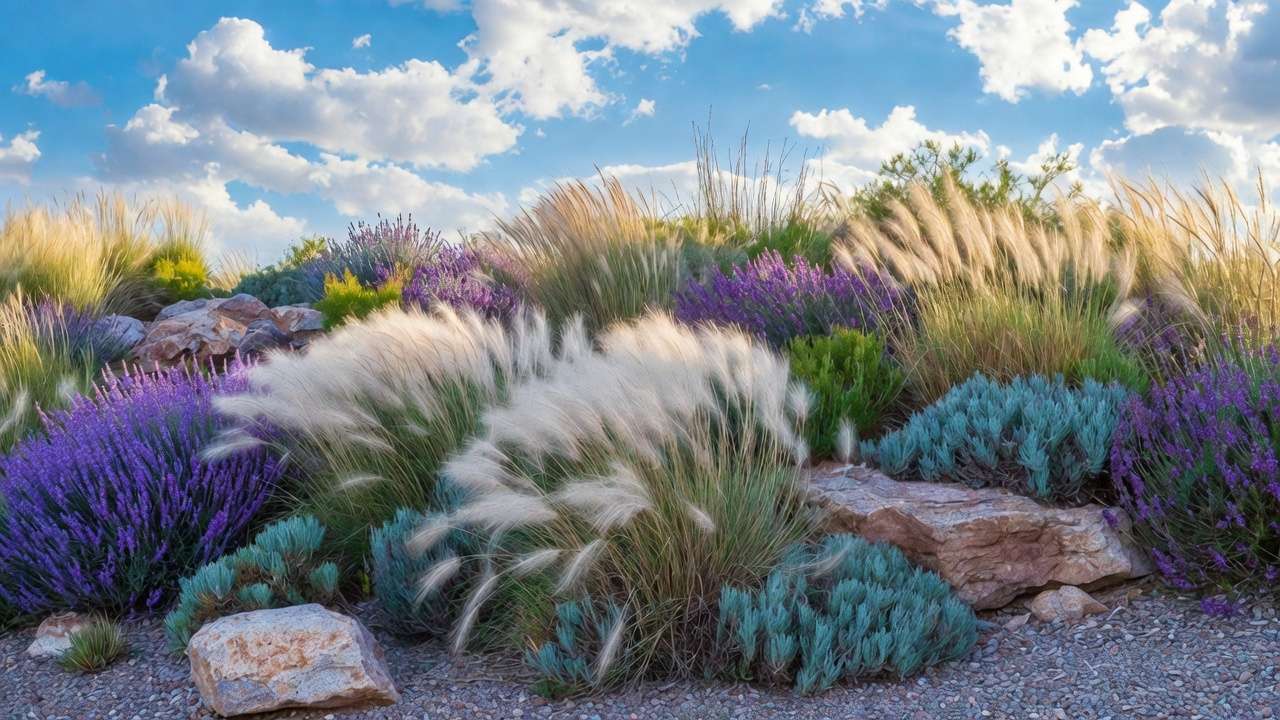
Enhancing Your Xeriscape: Pro Tips for Extra Beauty & Function ✨
- Boost pollinators: Add nectar-rich natives (bee balm, penstemon).
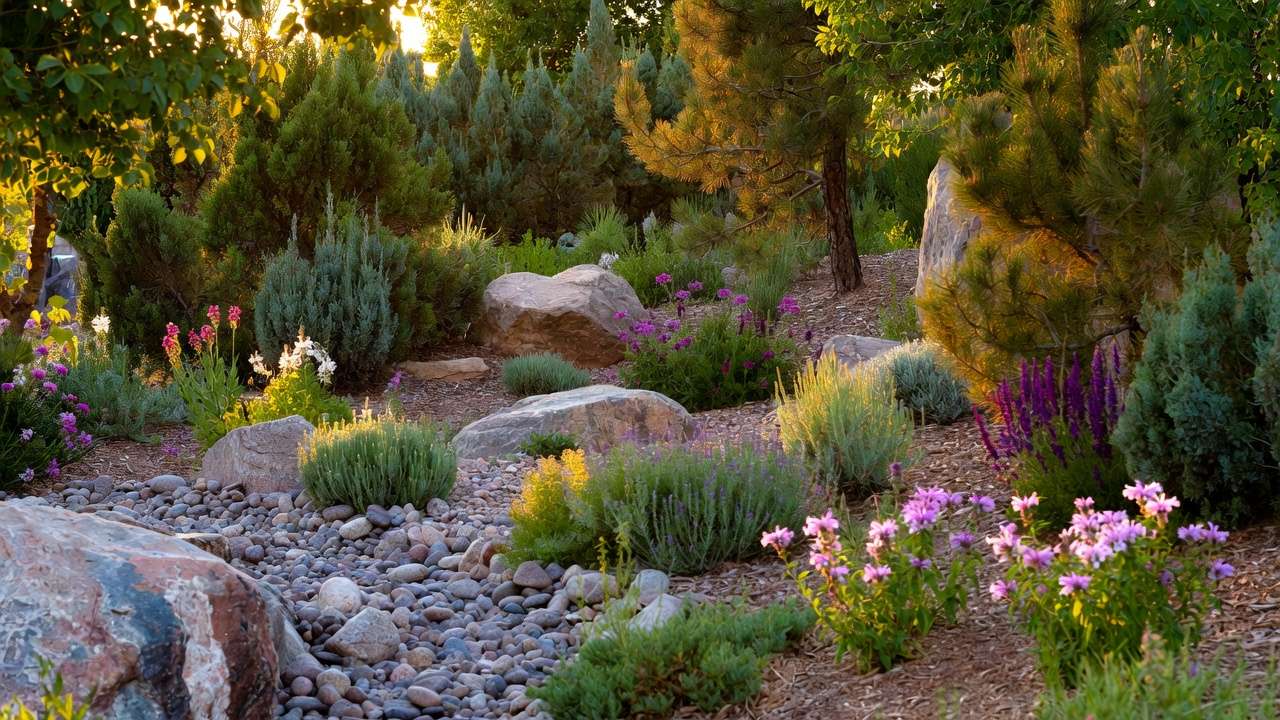
- Focal points: Incorporate boulders, sculptures, or dry streambeds.
- Year-round interest: Mix evergreens, colorful bark, winter seed heads.
- Budget upgrades: Swap turf islands for groundcovers like creeping thyme.
Small tweaks = big wow factor without extra water! 🦋
Tools & Supplies Every Xeriscape Owner Should Have 🛠️
- Soil probe/moisture meter
- Bypass pruners & loppers
- Drip irrigation kit + timer
- Thick gloves & knee pad for weeding
- Wheelbarrow for mulch
Keep it simple — quality tools last! 🔧
Frequently Asked Questions (FAQ) ❓
How often should I water an established xeriscape? Every 10–30 days in summer (less in cooler/wetter areas), deeply to 8–12 inches. Adjust for rain and observe plants.
Is xeriscaping really zero maintenance? No — low maintenance! Expect occasional weeding, pruning, and checks, but far less than lawns.
Can I add color without increasing water use? Yes! Choose drought-tolerant bloomers like yarrow, gaura, lantana, and Russian sage.
What if weeds keep coming back? Thicken mulch, plant denser, pull early. Persistence wins!
Do xeriscapes attract more pests? Usually fewer — natives resist better. Monitor and use eco-friendly controls if needed.
(And more as readers ask!) 📝
Conclusion: Enjoy Your Thriving, Water-Wise Oasis 🌍💚
A beautifully maintained xeriscaped yard isn’t just about saving water — it’s about creating a sustainable, joyful space that gives back to you and the planet. With patience during establishment and these smart, seasonal habits, the effort fades while the beauty grows.
Start small this weekend: Refresh mulch in one bed, check your drip system, or add a pollinator plant. Your future self (and lower water bill) will thank you! Share your progress or questions in the comments — I’d love to see your thriving oasis. 🌟











