
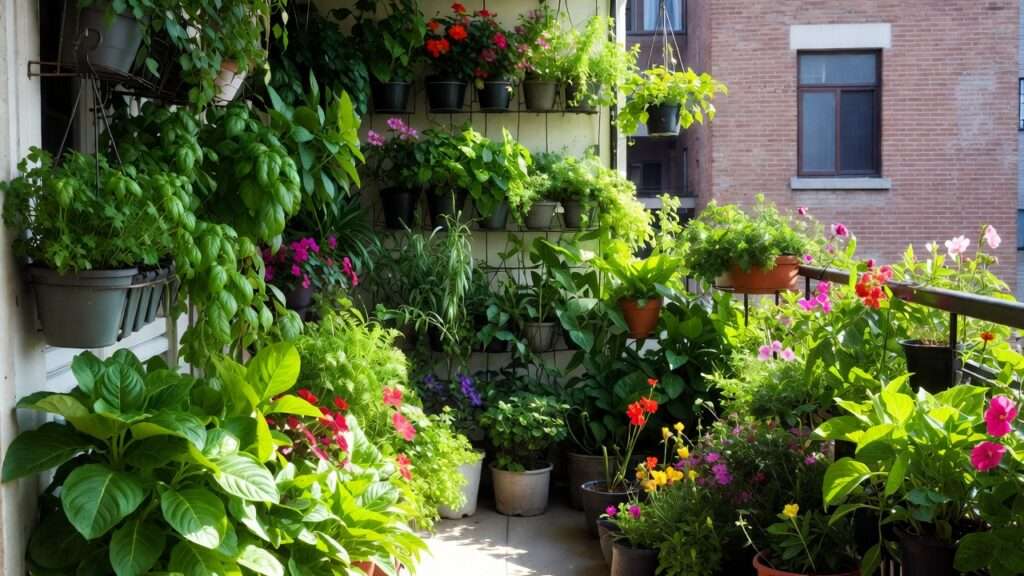
Imagine stepping out onto your tiny apartment balcony — once a barren slab of concrete — and being enveloped by vibrant green leaves, fragrant herbs brushing against your legs, juicy cherry tomatoes ready for picking, and colorful flowers cascading over railings. 😍 Fresh air, a touch of nature, and homegrown produce right at your fingertips, all in a space barely big enough for a chair and table.
For millions in urban areas like apartments and high-rises, this dream feels out of reach due to limited square footage, weight concerns, wind exposure, and tricky sunlight. But here’s the good news: maximizing small balcony gardens is not only possible — it’s highly rewarding and achievable with smart, expert strategies. Vertical gardening, clever container choices, and balcony-optimized plant selections can turn even a 4×6 ft space into a productive, lush oasis that boosts your mental well-being, provides fresh ingredients, and adds privacy from neighbors.
As a horticulturist with over 15 years specializing in urban container and small-space gardening, I’ve helped countless city dwellers create thriving balconies that yield herbs, veggies, and ornamentals year-round. In this comprehensive guide, we’ll cover everything from safety assessments to advanced hacks — going deeper than typical advice with real calculations, plant comparisons, common pitfalls, and sustainable tips. Let’s transform your limited space into a green sanctuary! 🌱
1. Assess Your Balcony: The Foundation of Success 🏗️
Before adding a single pot, thorough evaluation prevents costly mistakes like structural issues or dying plants.
Evaluate Sunlight, Wind, and Microclimate ☀️🌬️ Track sunlight for a full week: Use a free sun calculator app or note hourly shadows. Most balconies get 4–8 hours; south-facing offers full sun (6+ hours), ideal for fruiting crops, while north-facing suits shade lovers. Wind is a balcony killer — strong gusts dry soil fast and snap stems. Observe patterns and plan windbreaks (e.g., trellised climbers or screens). Microclimates matter too: Corners trap heat, railings create shade pockets. Match plants accordingly for success.
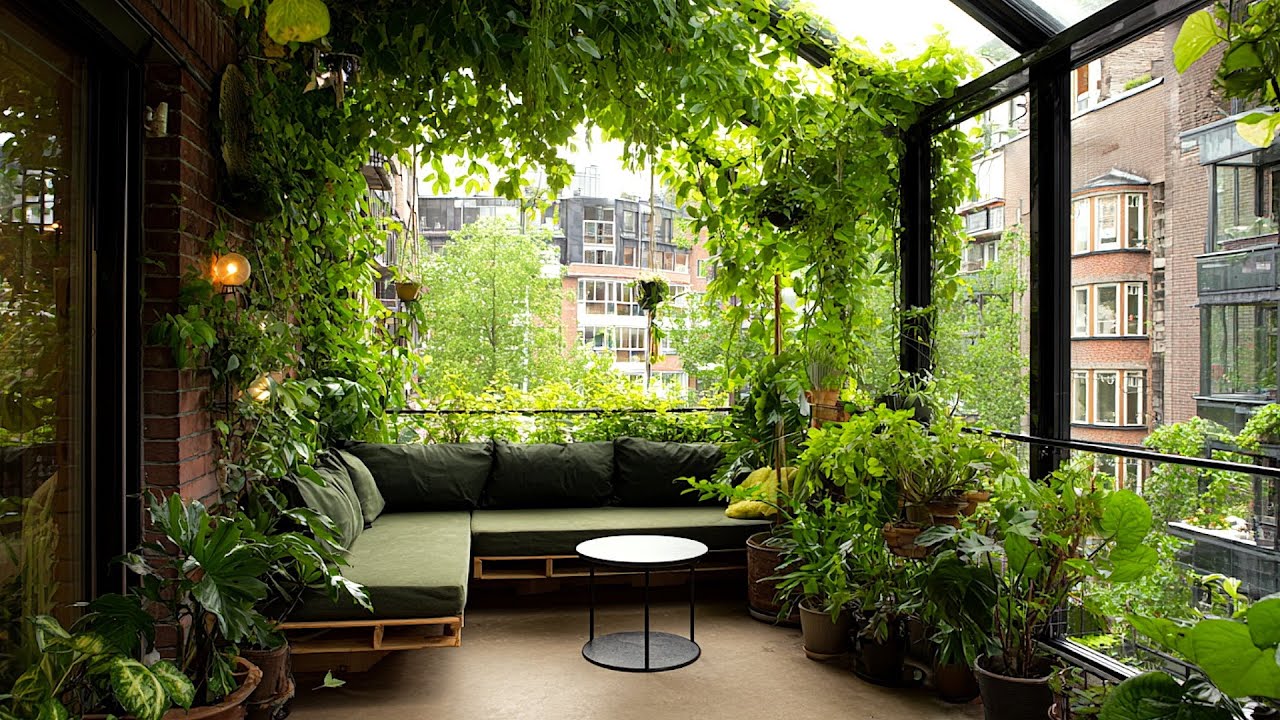
Weight Limits and Safety First ⚖️ This is non-negotiable for safety. Residential balconies typically support 50–100 lbs per square foot (check your building’s specs or consult management/engineer). Wet potting mix weighs ~10–15 lbs per gallon; a 5-gallon pot filled can exceed 40–50 lbs. Distribute weight evenly — avoid clustering heavy pots in one spot. Use lightweight containers (resin, fabric grow bags) and spread loads with dunnage (wood blocks) or decking. Secure rail-hung planters to prevent falls. Always prioritize safety over aesthetics!
Measure Your Usable Space (Floor, Railings, Walls, Ceiling) 📏 Sketch a quick diagram: Measure floor area, railing length/height, wall space, and ceiling clearance. A typical small balcony might offer:
- Floor: 20–40 sq ft
- Railings: 10–20 linear ft for over-rail planters
- Walls: 50–100 sq ft vertical potential This inventory reveals hidden growing zones — often doubling or tripling effective space.
2. Smart Space-Maximizing Strategies 🌱📈
The secret to maximizing small balcony gardens? Think in 3D — vertical is king!
Go Vertical – The #1 Way to Multiply Your Growing Area ↑ Vertical gardening turns walls and railings into prime real estate. Install wall-mounted pockets, modular living walls, or simple trellises for climbers like pole beans, cucumbers, or morning glories. Hanging baskets from ceilings add layers; macramé holders bring boho charm. These methods increase growing area by 2–5x without floor crowding.
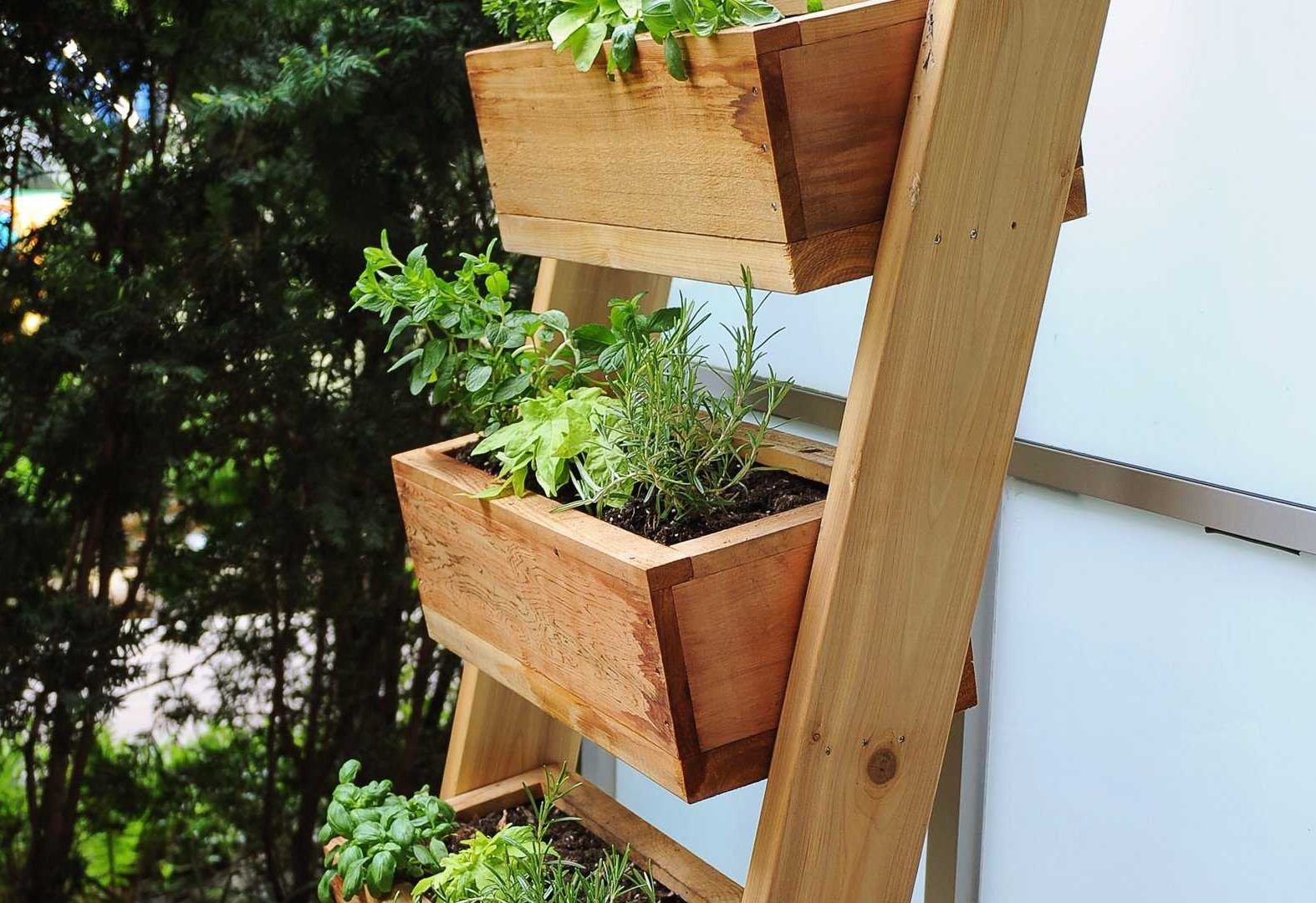
Railing and Over-the-Rail Planters 🚪 Over-the-rail boxes are space-savers — they hang outside, freeing floor space. Choose adjustable clamps or secure hooks; add trailing plants like strawberries or petunias for a cascading effect. Pros: Excellent sun exposure, easy access. Cons: Wind vulnerability — use ties and wind-resistant varieties.
Tiered Stands, Shelves, and Foldable Furniture 🪑 Multi-tiered plant stands create “layers” — bottom for shade plants, top for sun-lovers. Foldable shelves attach to walls; rolling carts allow repositioning for sun. Combine with compact bistro sets to keep the balcony functional.
3. Choosing the Right Containers and Soil Setup 🪴
Containers define success in small spaces.
Best Containers for Small Balconies Prioritize lightweight, durable options: Self-watering resin pots reduce watering chores; fabric grow bags promote air-pruning for healthier roots and weigh less than terracotta. Size guide: Herbs need 6–8″ depth; tomatoes/peppers require 12–18″ minimum for roots. Match pot size to plant — too small stresses roots, too large wastes space/weight.
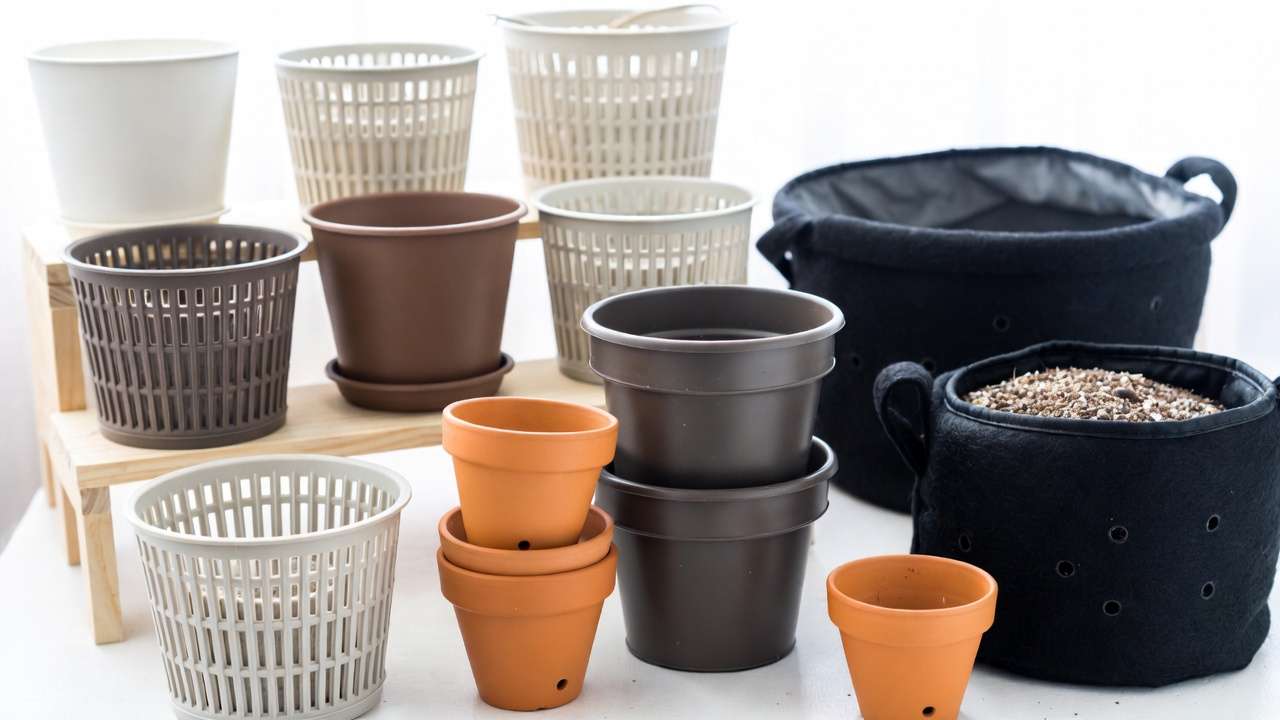
Drainage, Weight, and Mobility Hacks 💧 Drill extra drainage holes; add saucers but elevate pots slightly to avoid waterlogging. Use casters on heavy pots for easy moving. For weight reduction, mix perlite or vermiculite into soil.
Premium Potting Mix Recommendations 🌱 Never use garden soil — it compacts and harbors pests. Opt for high-quality, soilless mixes with good drainage (e.g., peat/coco coir + perlite + vermiculite). Add slow-release fertilizer and water-retaining crystals for balcony extremes.
4. Best Plants for Small Balcony Gardens (Sun/Shade Breakdown) 🌞🌑
Plant selection is where most balcony gardeners either thrive or fail. The key is choosing compact, high-yield, container-friendly varieties that match your balcony’s light, wind, and temperature conditions. Below are proven performers I’ve recommended (and grown myself) in urban settings across climates similar to many tropical/subtropical regions.
Top Compact, High-Yield Plants That Thrive in Containers
Full Sun Favorites (6+ hours direct sunlight) ☀️ These love heat and bright light — perfect for south- or west-facing balconies.
- Herbs: Basil (Genovese or Thai varieties), thyme, oregano, cilantro, chives — harvest frequently to encourage bushy growth.
- Fruiting Vegetables: Cherry tomatoes (‘Sweet 100’, ‘Tiny Tim’, ‘Patio Choice Yellow’), mini bell peppers, dwarf eggplants, hot chili peppers.
- Berries: Strawberries (everbearing types like ‘Seascape’ or ‘Albion’) — they trail beautifully over edges.
- Edible Flowers: Nasturtiums (both flowers and leaves edible), calendula.
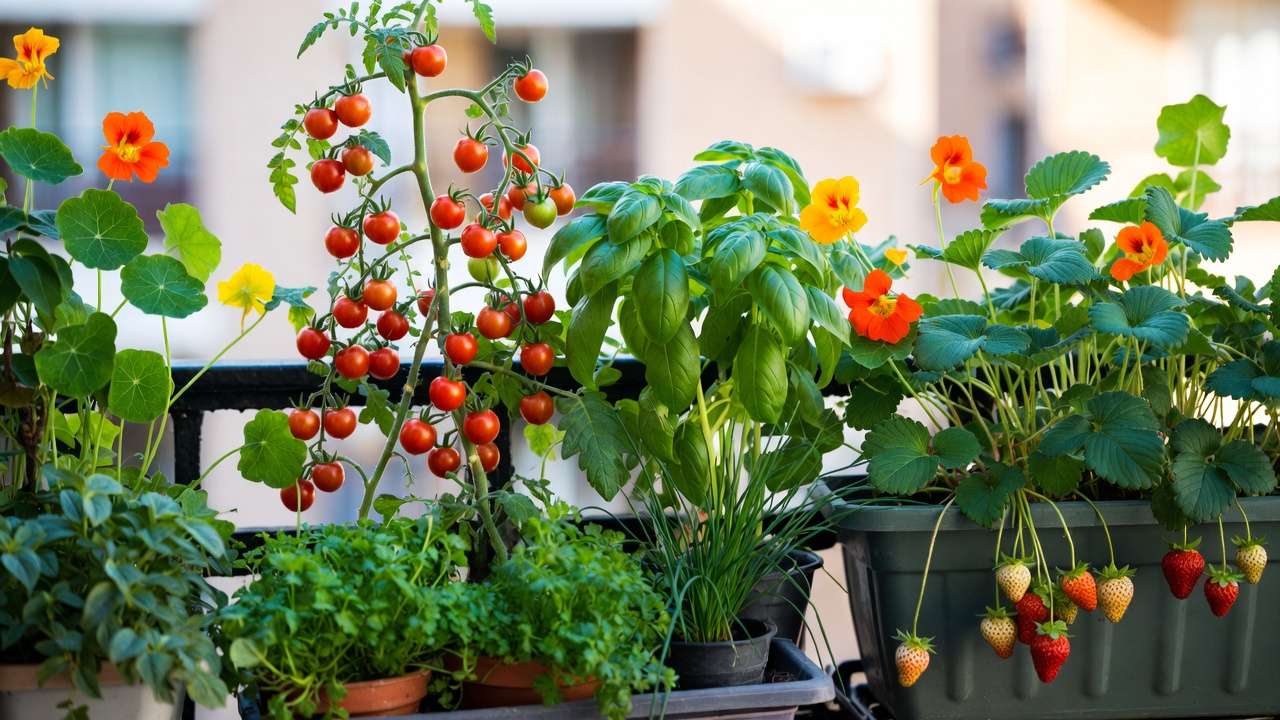
Shade & Part-Shade Winners (4 hours or less direct sun) 🌿 North- or east-facing balconies can still burst with life using these shade-tolerant stars.
- Leafy Greens: Lettuce (loose-leaf varieties), spinach, Swiss chard, kale (dwarf ‘Lacinato’), arugula.
- Herbs: Mint (grows vigorously — contain it!), parsley, chives, lemon balm.
- Ornamentals: Impatiens, begonias (wax and tuberous), ferns, coleus for bold color.
- Fruit Options: Dwarf blueberries (acid-loving mix required), some raspberry varieties in deep pots.
Vertical Climbers & Trailers 🌿 These make the most of height and railing space:
- Pole beans (‘Blue Lake’), peas (‘Sugar Snap’), cucumbers (‘Spacemaster’ or bush types), grape vines (mini varieties).
- Ornamental: Morning glory, sweet potato vine, clematis (compact types), ivy, jasmine for fragrance.
Here’s a quick comparison table to help you choose:
| Plant | Light Needs | Yield Potential | Maintenance Level | Best For | Emoji Rating |
|---|---|---|---|---|---|
| Cherry Tomato | Full sun | High | Medium | Fresh eating/snacking | 🍅🍅🍅🍅 |
| Basil | Full sun | High | Low | Cooking, pesto | 🌿🌿🌿🌿 |
| Strawberries | Full sun | Medium-High | Low-Medium | Trailing, desserts | 🍓🍓🍓 |
| Lettuce | Part shade | Medium | Low | Salads, succession | 🥬🥬🥬 |
| Pole Beans | Full sun | Very High | Medium | Vertical productivity | 🫛🫛🫛🫛 |
| Mint | Part shade | High | Very Low | Teas, mojitos | 🌱🌱🌱🌱 |
| Nasturtium | Full sun | Medium | Low | Edible flowers & leaves | 🌼🌼🌼 |
Pick 5–8 varieties to start — diversity prevents total loss if one struggles.
5. Planting and Layout Ideas That Maximize Every Inch 🎨
Great design turns a cramped balcony into an efficient, beautiful garden.
Proven Balcony Layouts for Maximum Impact
- Corner Oasis — Cluster taller plants (trellised climbers) in corners, medium pots on tiered stands in the center, trailing plants over railings. Creates depth and privacy.
- Railing Border — Line the entire railing with over-the-rail boxes or adjustable planters; fill with cascading flowers/herbs. Floor stays open for seating or more pots.
- Full-Wall Green Screen — Cover one long wall with modular living wall pockets or a sturdy trellis system. Ideal for wind-blocking and maximum vertical yield.
- Zoned Functional Layout — Divide into zones: one corner for edibles, one for ornamentals, central area for a small bistro set surrounded by low pots.
Companion Planting Examples
- Tomatoes + basil + marigolds (repels pests, improves flavor)
- Nasturtiums near veggies (trap aphids)
- Lettuce under taller plants (shade protection in hot climates)
Seasonal Rotation and Succession Planting 🔄 In regions with distinct seasons, plan ahead:
- Early spring → cool-season greens (lettuce, spinach, peas)
- Late spring/summer → heat-lovers (tomatoes, peppers, beans)
- Fall → quick crops (radishes, kale, Asian greens) Succession planting: Sow new lettuce every 2–3 weeks for continuous harvest. Rotate pots seasonally to follow sun patterns.
6. Essential Care Tips for Thriving Balcony Plants 💦🛠️
Balconies present unique challenges — heat reflection, rapid drying, limited root space — but these expert routines keep plants happy.
Watering, Fertilizing, and Pest Management in Tight Spaces
- Watering: Check soil daily (finger test: top 1–2 inches dry = water). Morning is best to reduce evaporation. Install drip irrigation kits or self-watering pots for consistency during travel.
- Fertilizing: Use liquid organic fertilizer (fish emulsion, seaweed) every 10–14 days during growth. Slow-release granules at planting reduce workload.
- Pest Management: Inspect undersides of leaves weekly. Neem oil or insecticidal soap for aphids/whiteflies. Introduce beneficial insects (ladybugs) if possible. Strong winds help deter many pests.
Pruning and Training for Compact Growth ✂️ Pinch tops of herbs/tomatoes for bushiness. Train climbers with soft ties to trellises. Regular deadheading (flowers) and harvesting encourages more production.
Common Mistakes to Avoid (and How to Fix Them) ❌
- Overcrowding → Solution: Thin seedlings ruthlessly; give each plant its recommended spacing.
- Wrong pot size → Solution: Upsize when roots circle pot bottom.
- Ignoring drainage → Solution: Always add 1–2 inches of gravel or broken pottery at bottom.
- Mismatched plant needs → Solution: Group similar light/water plants together.
- Forgetting wind protection → Solution: Add burlap screens or position taller plants as natural barriers.
7. Bonus: Advanced Hacks & Sustainability Tips ♻️
Once your balcony garden is established, these next-level strategies take it from good to exceptional — while keeping things eco-friendly and budget-conscious.
Rainwater Collection & Water Conservation Many urban balconies allow small collection systems. Use a 5–10 gallon food-grade bucket or slim rain barrel tucked in a corner, fitted with a simple downspout diverter from any overhang. Add a fine mesh screen to keep debris out. This harvested rainwater (chlorine-free) is perfect for acid-loving plants like blueberries or ferns. Bonus: reduces your tap water bill and supports sustainable gardening practices.
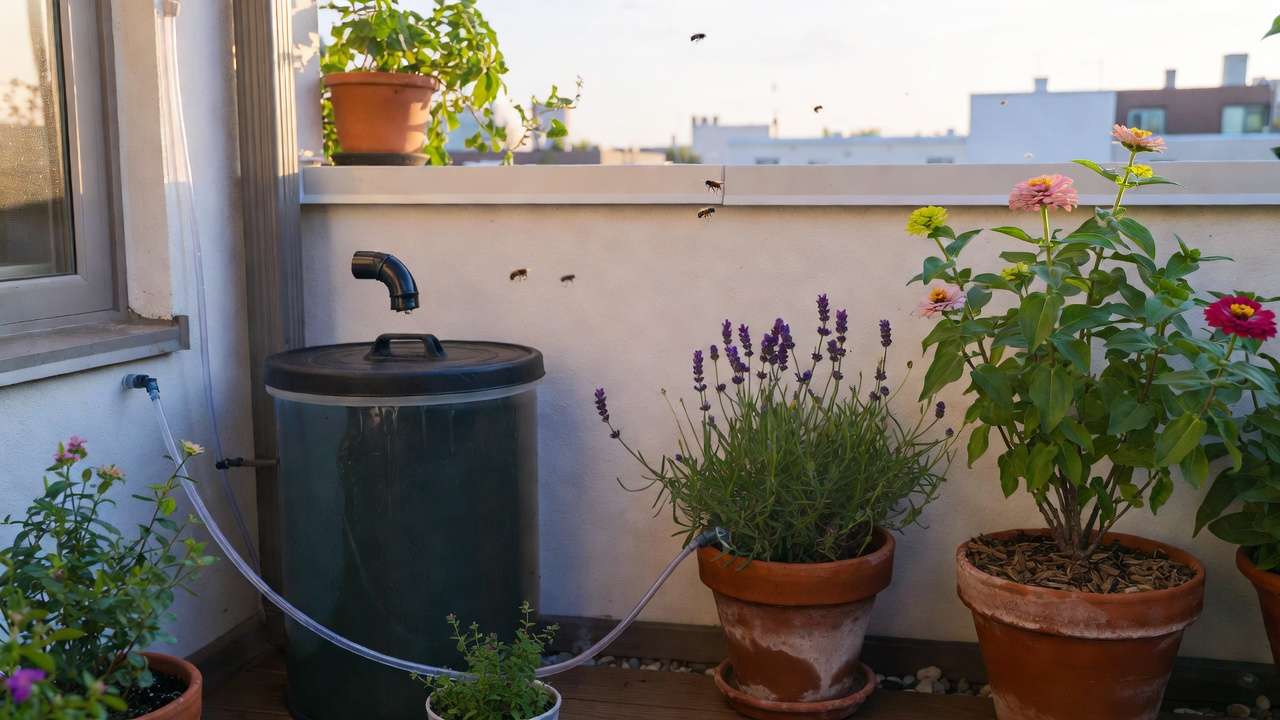
Boosting Pollinators in Urban Settings Even on the 10th floor, bees, butterflies, and hoverflies will visit if you invite them. Include nectar-rich flowers:
- Lavender, salvia, zinnias, marigolds, lantana
- Herbs in bloom (basil, oregano, chives) Plant in clusters rather than single pots to create visible “landing zones.” Avoid broad-spectrum pesticides — stick to neem oil or hand-picking when needed.
Budget vs. Premium Setup Comparison
| Category | Budget-Friendly Option | Premium Upgrade | Why It’s Worth It (Sometimes) |
|---|---|---|---|
| Containers | Recycled plastic buckets, fabric grow bags | Self-watering resin or ceramic glazed pots | Less frequent watering, better root health |
| Soil Mix | Generic potting mix + 30% perlite | Organic coco coir + vermiculite + worm castings | Superior drainage, nutrients, longer-lasting |
| Vertical Structure | DIY bamboo stakes + twine, dollar-store netting | Modular living wall system or powder-coated trellis | More durable, aesthetic, higher weight capacity |
| Irrigation | Hand watering + saucers | Battery-operated drip kit or ollas | Saves time, prevents over/under-watering |
| Fertilizer | Compost tea (homemade) | Liquid seaweed + fish emulsion blend | Faster results, balanced micronutrients |
Start budget and upgrade gradually as you see what works for your specific balcony conditions.
Year-Round Protection Hacks
- Heat waves — Move pots to shadier spots or use shade cloth clipped to railings. Mulch soil surface with straw or bark to retain moisture.
- Winter (in mild climates) — Wrap pots in bubble wrap or burlap to insulate roots. Group pots together for mutual warmth. Bring tender herbs indoors on cold nights.
- Monsoon/Heavy Rain — Elevate pots on pot feet or bricks; ensure excellent drainage to prevent root rot.
Conclusion: Turn Your Balcony into Your Personal Green Sanctuary 🌳❤️
You now have the complete roadmap to maximizing small balcony gardens — from safety checks and smart vertical layouts to plant picks, care routines, and sustainable upgrades. The biggest secret? Start small, observe closely, and iterate.
Begin with just 4–6 pots of easy winners (basil, cherry tomatoes, lettuce, strawberries) arranged vertically and on a tiered stand. Within weeks you’ll harvest your first salad or handful of herbs — and that small success will fuel your motivation to expand.
Your balcony isn’t “too small” anymore — it’s a high-value piece of real estate for growing food, beauty, privacy, and joy. Urban gardening isn’t about having a big space; it’s about using every clever inch intelligently.
I’d love to hear from you: What’s the biggest challenge on your balcony right now? Drop a comment below with your balcony size, sunlight hours, or a photo of your current setup — I’ll reply with personalized tips! 🌱
Happy gardening, and here’s to lush, productive tiny oases everywhere! 🌼🍅
FAQs (Boost SEO & Engagement) ❓
How much weight can my balcony hold for plants? Most residential balconies safely support 50–100 lbs per square foot (live load). Always check your building’s specifications or consult management. Distribute weight evenly, use lightweight containers, and never exceed 60–70% of the rated capacity to leave a safety margin.
What if my balcony gets very little sun? You can still succeed! Focus on shade-tolerant plants: lettuce, spinach, kale, mint, parsley, ferns, impatiens, begonias, and coleus. Even 2–4 hours of indirect light can produce beautiful foliage and some harvests. Reflective surfaces (white walls/pots) can bounce extra light to plants.
Can I grow vegetables successfully on a small balcony? Absolutely — many people harvest 10–30 lbs of produce annually from balconies under 50 sq ft. Prioritize compact, high-yield varieties (cherry tomatoes, dwarf peppers, bush beans, strawberries, leafy greens) and use vertical space aggressively.
How do I protect plants from strong winds? Install windbreaks: trellised climbers, burlap or bamboo screens, or position taller pots/plants as natural barriers. Choose wind-resistant plants (thyme, oregano, succulents, compact marigolds). Secure hanging baskets and rail planters with extra ties. Water more frequently on windy days as soil dries faster.
Best low-maintenance plants for beginners? Top picks: succulents (aloe, echeveria, sedum), snake plant, pothos (trailing), ZZ plant, mint, chives, oregano, marigolds, petunias, and geraniums. They forgive irregular watering and need minimal fertilizer.











