
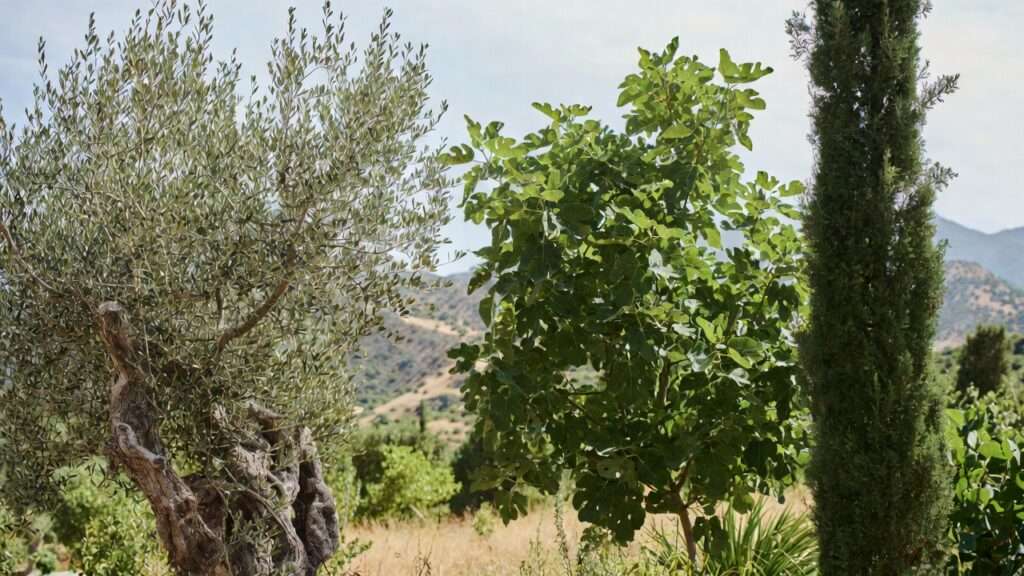
Imagine stepping into your backyard on a scorching summer afternoon and finding cool, dappled shade under silvery leaves that shimmer like they’ve been kissed by the Mediterranean sun — all while your water bill stays refreshingly low. 🌞 That’s the promise of the right Mediterranean climate tree options!
In regions with hot, dry summers and mild, wet winters (think California, southern Europe, parts of Australia, South Africa, Chile, and similar USDA zones 8–11), traditional lush lawns and thirsty trees often struggle. Water restrictions, rising costs, and climate shifts make low-water gardening not just smart — it’s essential.
The good news? Mediterranean natives and adapted species are built for this exact challenge. With deep taproots, small or waxy leaves, silvery foliage to reflect heat, and natural drought defenses, these trees thrive on neglect once established. They deliver shade 🌳, fruit 🍑, structure, wildlife support, and that timeless, romantic Mediterranean aesthetic — gnarled trunks, aromatic blooms, evergreen backbone — without constant pampering.
In this ultimate guide, we’ll explore the top drought-tolerant tree choices for low-water gardens, complete with in-depth reviews, pros/cons, planting secrets, care calendars, design ideas, and troubleshooting tips from years of expert observation in Mediterranean-style landscapes. Whether you’re redesigning a dry yard, creating a sustainable oasis, or battling summer heat, you’ll find reliable picks here that solve real problems like high irrigation needs, poor soil tolerance, and lack of year-round interest. Let’s turn your garden into a resilient, beautiful haven! 🚀
Understanding Mediterranean Climates & Why Tree Selection Matters 🌡️💧
A true Mediterranean climate features long, hot, dry summers (often little to no rain from May to September) paired with cool, wet winters. Rainfall concentrates in fall through spring, while summers bring intense sun, low humidity, and occasional heat waves. Soils tend to be well-drained, often alkaline, rocky, or sandy — perfect for plants that hate “wet feet.”
These conditions create tough challenges for gardeners:
- Summer drought stress → Many trees wilt, drop leaves, or die without supplemental water.
- Water restrictions → Municipal limits force smarter choices.
- Poor soil & drainage issues → Heavy clay or compaction leads to root rot.
- Heat & wildfire risk → Trees need fire-resistant traits in some areas.
- Establishment phase → Young trees need careful watering before they toughen up.
Choosing adapted Mediterranean climate tree options flips these problems into advantages. Once established (usually 2–3 years), they require deep, infrequent watering — sometimes just rainfall — slashing maintenance and supporting biodiversity with nectar, berries, and habitat. They also embody sustainable landscaping: lower resource use, resilience to climate change, and that effortless, sun-drenched elegance we love. 🌱
Quick climate zone reference:
- USDA zones → Typically 8–11 (some hardy to 7 with protection).
- Sunset zones → Often 4–24 for similar conditions.
- Check your microclimate: Coastal areas stay milder; inland spots get hotter extremes.
Key Characteristics to Look for in Drought-Tolerant Mediterranean Trees 🌲
The best performers share survival superpowers honed over millennia:
- Evergreen foliage → Provides year-round privacy, structure, and windbreaks (vs. deciduous trees that go bare in winter).
- Deep or wide-spreading roots → Access moisture far below the surface.
- Small, thick, waxy, or silver-gray leaves → Reduce transpiration and reflect intense sun.
- Aromatic oils/resins → Deter pests and conserve water.
- Slow to moderate growth → Less demand for nutrients and water early on.
- Bonus traits → Edible fruit, wildlife value (birds love berries), fire resistance (thick bark, low resins in some), non-invasive roots.
Avoid thirsty exotics or poorly adapted species — they demand constant care and often fail spectacularly in dry summers.
Top 12 Mediterranean Climate Tree Options: In-Depth Reviews 🌳🍋
Here are standout, proven choices grouped by use. Each includes mature size, zones, key pros/cons, and practical notes.
Evergreen Structural & Shade Trees 🌳
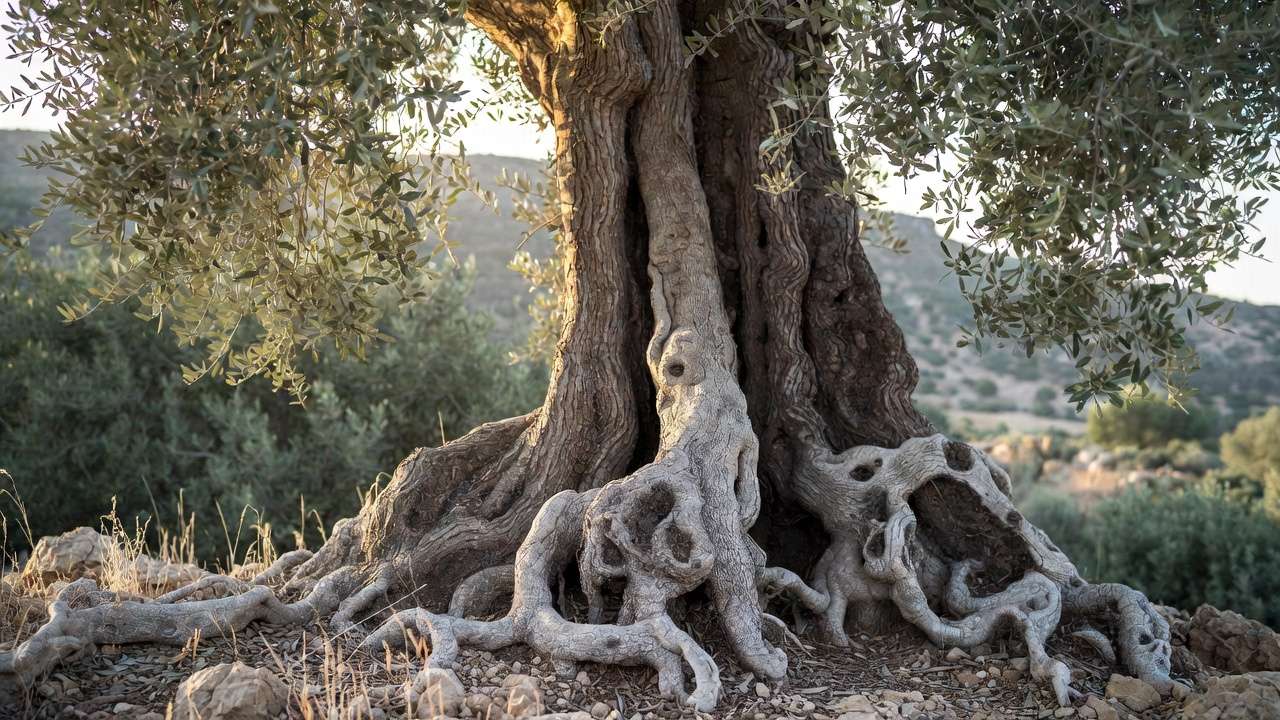
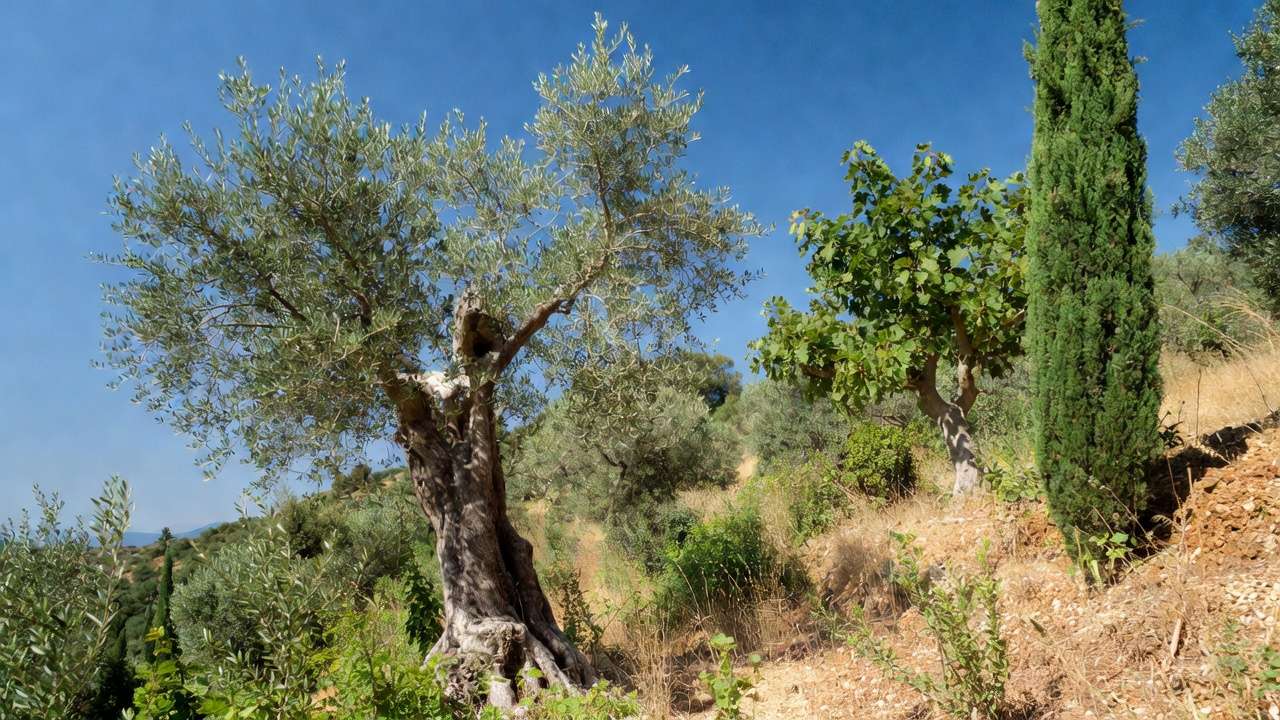
- Olive Tree (Olea europaea) – The iconic Mediterranean classic 🍈 Mature size: 20–30 ft tall/wide (dwarfs available). Zones: 8–11. Pros: Silvery foliage glows in sun, twisted trunks add character, extremely drought-tolerant once established, long-lived (centuries!), fruit or fruitless cultivars. Cons: Needs chill hours for heavy fruiting; young trees vulnerable to overwatering/root rot. Care notes: Full sun, well-drained soil. Water deeply weekly first year, then taper off. Prune lightly for shape. Popular cultivars: ‘Arbequina’ (compact, fruiting), ‘Little Ollie’ (dwarf, non-fruiting). Perfect for patios or groves.
- Holm Oak / Evergreen Oak (Quercus ilex) – Ultimate drought-proof shade giant Mature size: 40–60+ ft. Zones: 7–10. Pros: Dense canopy for deep shade, tough as nails, tolerates poor soil/alkaline, wind-resistant. Cons: Slow-growing; large at maturity. Care notes: Plant in fall for root establishment. Minimal water after year 2.
- Cork Oak (Quercus suber) – Beautiful bark + eco-benefits Mature size: 30–50 ft. Zones: 8–10. Pros: Striking corky bark, excellent shade, supports biodiversity. Cons: Slower establishment. Care notes: Loves gravelly soils; mulch with bark chips.
- Italian Cypress (Cupressus sempervirens) – Dramatic vertical accent Mature size: 40–60 ft tall, narrow (10 ft wide). Zones: 7–11. Pros: Iconic exclamation-point shape, ultra-drought-tolerant, great for screens/privacy. Cons: Can suffer in high humidity/wet winters. Care notes: Full sun, no heavy pruning needed.
- Stone Pine / Umbrella Pine (Pinus pinea) – Pine nuts + umbrella canopy Mature size: 40–80 ft. Zones: 8–11. Pros: Flat-topped crown for Mediterranean look, edible nuts, wind-tolerant. Cons: Drops needles/pine cones. Care notes: Space widely; tolerates sandy soils.
Fruiting & Ornamental Trees 🍑
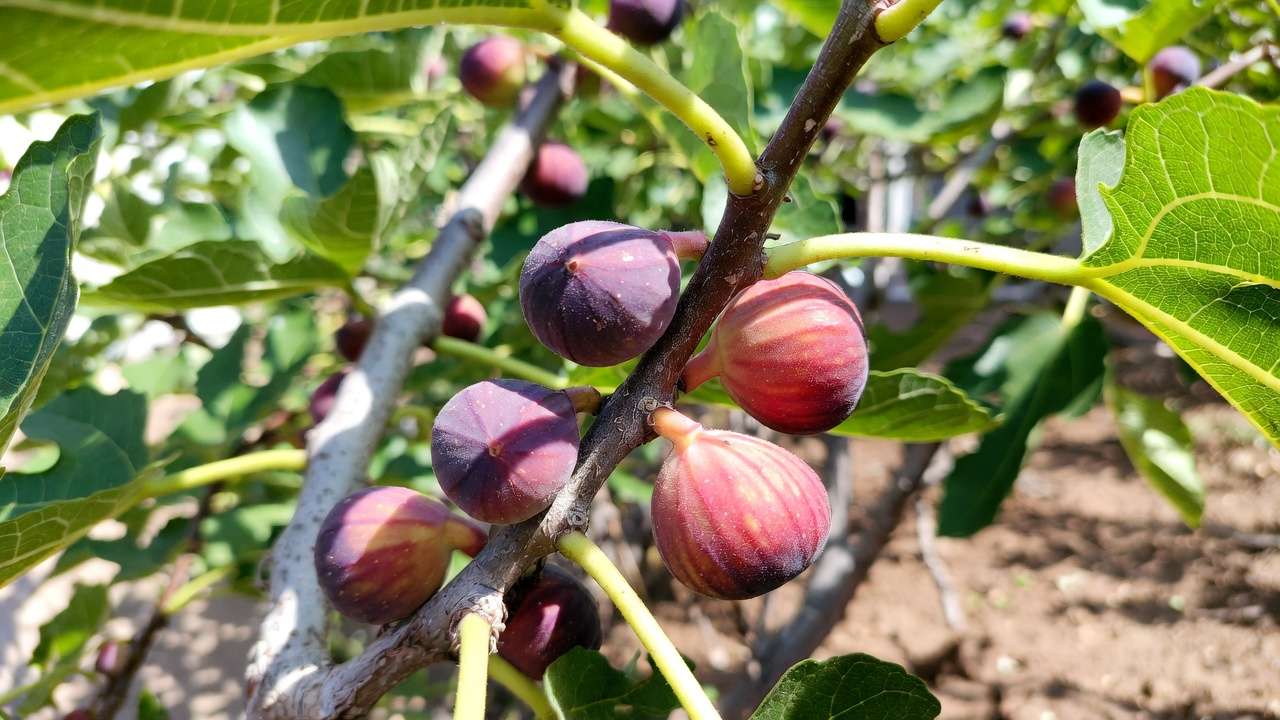
- Fig Tree (Ficus carica) – Easy, delicious, heat-loving Mature size: 10–30 ft. Zones: 7–10. Pros: Prolific sweet figs, broad shade, very drought-tolerant once rooted. Cons: Can be invasive in wet areas; needs protection from hard freezes. Care notes: Prune in winter; mulch heavily.
- Pomegranate (Punica granatum) – Vibrant blooms + antioxidant-rich fruit Mature size: 10–20 ft. Zones: 8–11. Pros: Showy red flowers, juicy fruit, ultra-tough in heat/drought. Cons: Thorny branches. Care notes: Full sun for best fruiting.
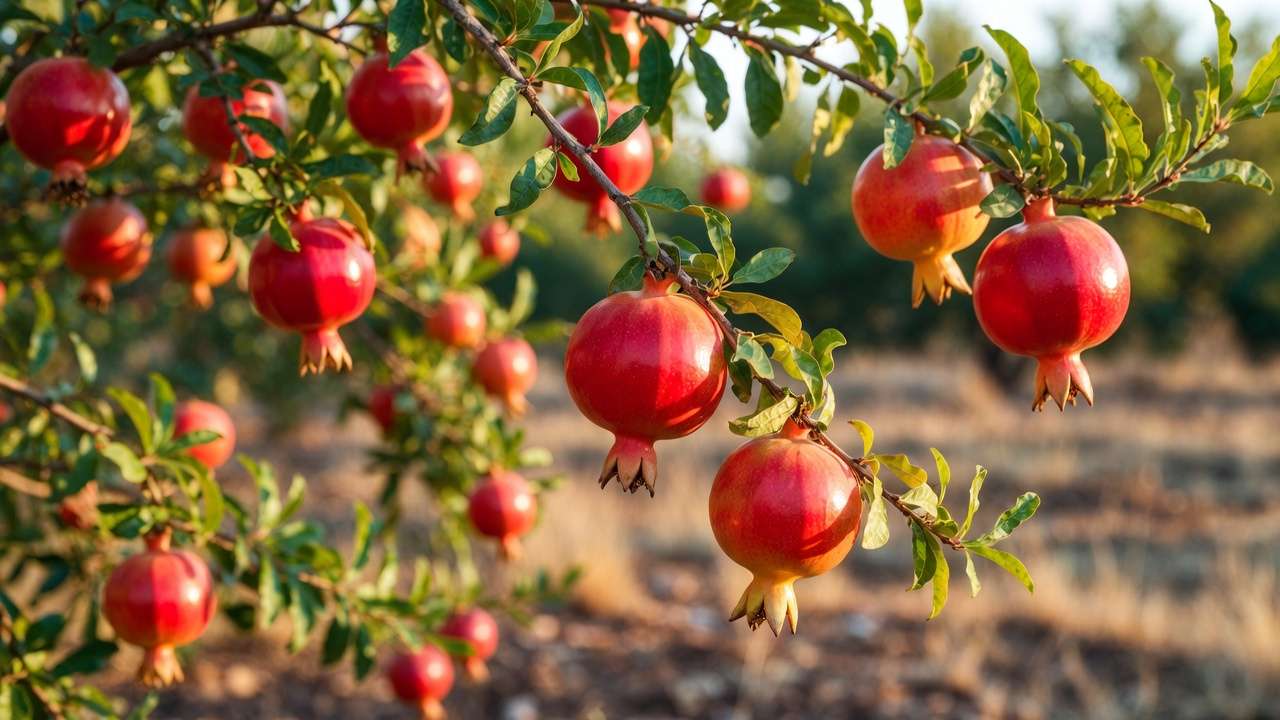
- Strawberry Tree (Arbutus unedo) – Year-round interest with strawberry-like fruit Mature size: 10–30 ft. Zones: 7–10. Pros: White flowers, red fruit, peeling bark — all seasons! Cons: Slow growth. Care notes: Tolerates shade better than most.
- Citrus (hardy varieties like Meyer Lemon) – For milder microclimates Mature size: 10–20 ft. Zones: 9–11 (protect in 8). Pros: Fragrant blooms, fresh fruit. Cons: Needs frost protection. Care notes: Well-drained soil key.
Unique & Specialty Picks ✨
- Bay Laurel (Laurus nobilis) – Aromatic kitchen herb tree Mature size: 20–40 ft (prunable). Zones: 8–11. Pros: Edible leaves, dense evergreen.
- Chaste Tree (Vitex agnus-castus) – Lavender-like blooms, ultra-tough Mature size: 10–20 ft. Zones: 6–9. Pros: Purple spikes attract pollinators.
- Mediterranean Fan Palm (Chamaerops humilis) – Palm elegance without high water Mature size: 10–20 ft. Zones: 8–11. Pros: Compact, wind-tolerant.
How to Choose the Right Tree for Your Specific Needs 🌳🔍
Selecting from these Mediterranean climate tree options becomes easier when you match the tree to your garden’s goals, space, and conditions. Here’s a practical decision framework:
Use this quick-reference table to narrow options:
| Your Priority | Top Tree Recommendations | Why It Fits Best | Key Considerations |
|---|---|---|---|
| Maximum shade & cooling | Holm Oak, Stone Pine, Olive | Dense, broad canopies provide deep relief from heat | Allow space for mature spread (20–60+ ft) |
| Edible harvest & productivity | Fig, Pomegranate, Olive (fruiting varieties), Strawberry Tree | Reliable yields with minimal fuss after establishment | Figs & pomegranates fruit heavily in heat |
| Privacy screen or windbreak | Italian Cypress, Holm Oak | Tall/narrow or dense evergreen forms | Cypress for vertical drama; oaks for width |
| Small yard, patio, or container | Dwarf Olive (‘Little Ollie’), Strawberry Tree, Chaste Tree, Mediterranean Fan Palm | Compact growth, prunable | Use large pots with excellent drainage |
| Coastal/salty soil tolerance | Olive, Stone Pine, Mediterranean Fan Palm | Handle wind, salt spray, sandy soils | Avoid sensitive fruit trees in exposed spots |
| Fastest privacy/structure | Italian Cypress, Chaste Tree | Moderate to quick growth once rooted | Figs grow fast but deciduous in cold snaps |
| Wildlife & pollinator support | Pomegranate, Strawberry Tree, Chaste Tree | Flowers attract bees; fruit feeds birds | Bonus: Aromatic foliage deters some pests |
| Fire-resistant landscaping | Olive, Holm Oak, Cork Oak | Thick bark, low-resin foliage | Check local fire codes; mulch sparingly |
Pro tip: Start with 1–3 trees that solve your biggest pain point (e.g., no shade = Holm Oak first). Plant in groups for impact and microclimate benefits — trees help each other retain soil moisture. Always confirm your exact USDA zone and microclimate (coastal vs. inland) before buying. Local nurseries or extension services offer region-tuned advice.
Planting & Establishment Guide: Set Your Trees Up for Success 🌱💧
The first 1–3 years are make-or-break for drought-tolerant trees — get this right, and they’ll reward you with near-zero maintenance later. Mediterranean species hate “wet feet” but need consistent moisture while roots develop deep.
Best planting time → Fall (October–December) in mild-winter areas for natural rain to help roots establish before summer heat. Early spring works in colder zones to avoid frost damage to new transplants.
Soil prep essentials:
- Test drainage: Dig a 12-inch hole, fill with water — it should drain in 1–4 hours.
- Amend minimally: Add compost or aged manure only if soil is compacted; most prefer lean, well-drained conditions. Avoid heavy clay without raised beds or mounds.
- pH sweet spot: 6.5–8.0 (slightly alkaline is ideal for olives, figs, etc.).
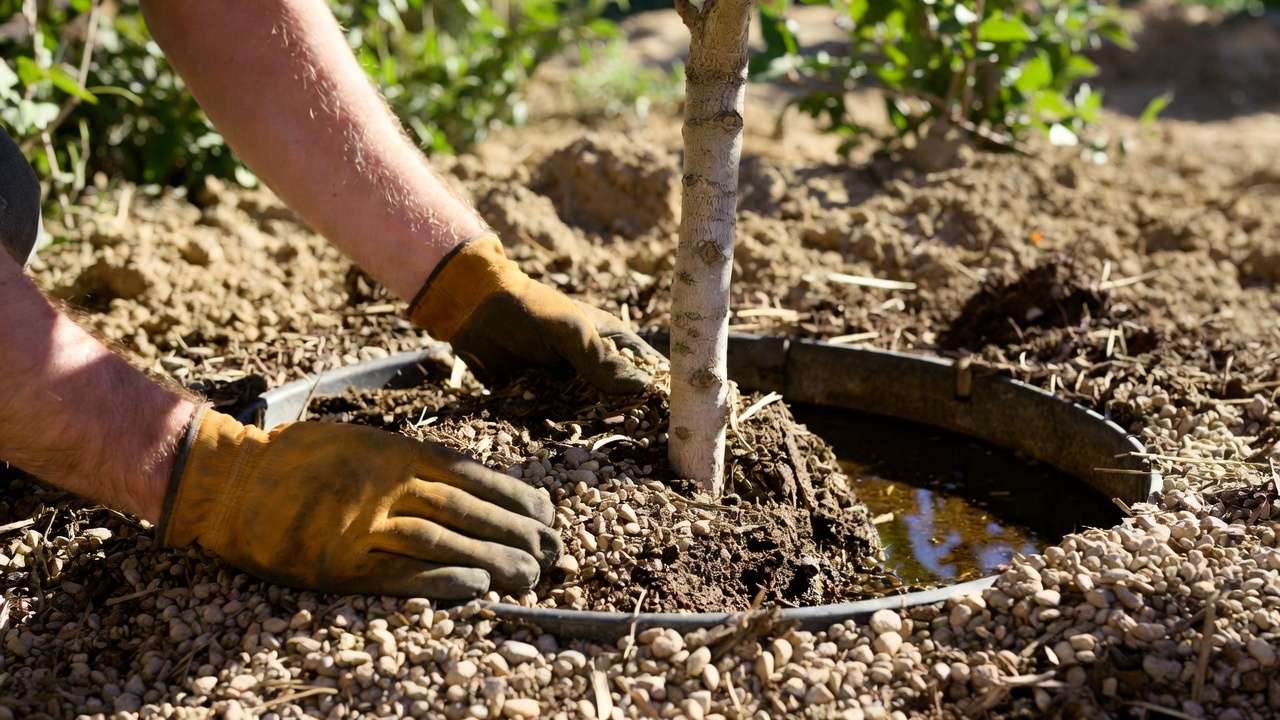
Step-by-step planting:
- Dig wide, not deep: Hole 2–3× wider than root ball, same depth as container (keep root flare visible at soil level — never bury it!).
- Loosen roots gently if circling; tease apart pot-bound ones.
- Place tree, backfill with native soil (minimal amendments), firm gently — no stomping!
- Build a watering basin: 3–4 ft diameter ring of soil around trunk to direct water to roots.
- Mulch 2–3 inches deep (gravel, decomposed granite, or bark) but keep 2–4 inches clear of trunk to prevent rot. Gravel mimics Mediterranean look and suppresses weeds.
- Water deeply immediately: Soak root zone thoroughly (20–30 gallons for 15-gallon tree).
Establishment watering schedule (adjust for rainfall):
- Year 1: Deep soak every 7–10 days in summer (more if extreme heat/no rain); let top 4–6 inches dry between waterings.
- Year 2: Every 10–14 days, tapering as roots deepen.
- Year 3+: Deep infrequent (monthly or less) — rely on natural rainfall in wet season; supplement only during prolonged drought.
- Technique: Slow drip or soaker hose for 30–60 minutes to encourage deep roots over shallow ones.
Expert insight: Overwatering during establishment is the #1 killer — soggy soil causes root rot in olives, figs, and pomegranates. Always check soil moisture 6–8 inches down before watering.
Ongoing Care Tips for Low-Water Success ✂️🌿
Once established, these trees are famously low-maintenance — here’s how to keep them thriving:
Pruning calendar:
- Late winter/early spring (before new growth): Shape olives, figs, pomegranates; remove dead/crossing branches.
- Light summer trim: For Italian Cypress or bay laurel to maintain form.
- Avoid heavy pruning in fall — invites disease.
Fertilizing → Minimal! Use slow-release organic (e.g., 10-10-10 or compost tea) once in spring for fruit trees. Many (olives, oaks) need none after year 2.
Pest & disease watch:
- Olive fruit fly, scale, or anthracnose: Monitor; use neem oil or horticultural soap early.
- Fig rust or root rot: Ensure drainage; avoid overhead watering.
- Natural fixes: Beneficial insects, proper spacing, and healthy soil prevent most issues.
Winter protection (marginal zones 8a/lower):
- Wrap young trunks in burlap if freezes expected.
- Mulch thicker around base.
- Move potted citrus indoors or cover during cold snaps.
Long-term: These trees improve with age — gnarled olives and corky oaks become garden heirlooms!
Design Ideas: Incorporating Mediterranean Trees into Your Garden 🌿🏡
Mediterranean climate tree options shine brightest when styled thoughtfully — their silvery foliage, textured bark, and sculptural forms create that effortless, sun-soaked elegance. Here are proven design concepts to inspire your low-water landscape:
- Classic Mediterranean Courtyard Grove Plant a small cluster of Olive trees (mix fruiting and dwarf non-fruiting) with underplantings of lavender, rosemary, and santolina. Add gravel paths and terracotta pots for authentic charm. The olives provide dappled shade and a focal point, while the herbs release fragrance when brushed. Perfect for patios or small urban yards. 🍈🌸
- Dramatic Vertical Accents Use Italian Cypress as living exclamation points along driveways, property lines, or to frame a view. Pair with low silvery groundcovers (e.g., lamb’s ear or artemisia) and a few rounded Pomegranate or Strawberry Trees for contrast. This creates structure without heavy water use — ideal for narrow spaces or modern minimalist gardens. 🌲
- Edible Mediterranean Oasis Combine Fig, Pomegranate, and hardy Citrus (in milder spots) in a sunny corner. Underplant with drought-tolerant perennials like gaura, verbena, or catmint. Add a simple bench or hammock — you’ll have fresh fruit, buzzing pollinators, and cooling shade all summer long. Bonus: Figs love heat and reward you with multiple crops! 🍑🍋
- Modern Gravel Garden Surround a specimen Cork Oak or Stone Pine with decomposed granite mulch, succulents (aloe, agave), and ornamental grasses. The pine’s umbrella canopy floats above low plants, creating layers of texture and movement. This style is ultra-low maintenance and wildfire-smart in dry regions.
- Small-Space & Container Magic Dwarf Olive, Chaste Tree, or Mediterranean Fan Palm in large terracotta or concrete pots look stunning on balconies, rooftops, or tiny patios. Group 2–3 pots at varying heights for depth. Water sparingly once established — these trees forgive occasional neglect beautifully.
Pro tip: Use warm earth tones (ochre, terracotta, sandy beige) in hardscaping and pots to echo the trees’ natural palette. Repeat silvery foliage throughout for cohesion.
Common Mistakes to Avoid + Expert Troubleshooting 🚫🌱
Even drought-tolerant trees can struggle if common pitfalls trip you up. Here are the biggest ones — and how to fix them:
- Overwatering after establishment → The #1 killer. Roots rot in soggy soil. Fix: Always check soil 6–8 inches deep before watering. Established trees often need water only every 3–6 weeks in summer.
- Planting too deep or in poor drainage → Buried root flares or heavy clay suffocate roots. Fix: Keep graft union/root flare exposed; mound soil if drainage is slow.
- Choosing the wrong variety for your microclimate → Tender citrus in zone 8a or high-chill olives in frost-free areas. Fix: Research cultivars (e.g., ‘Manzanillo’ olive for low-chill regions).
- Ignoring young-tree care → Skipping deep watering in years 1–2 leads to shallow roots and heat stress later. Fix: Commit to a tapering schedule — deep and infrequent wins.
- Heavy fertilization → Forces soft, thirsty growth. Fix: Stick to light organics or skip entirely for most species.
Quick troubleshooting: Yellow leaves? Usually overwatering or poor drainage. Wilting despite water? Check for root-bound pots or compacted soil. Sparse fruit? Increase sun exposure or thin branches for better air circulation.
Frequently Asked Questions (FAQ) ❓
Which Mediterranean climate tree grows the fastest for quick shade or privacy? Italian Cypress and Fig are among the quickest once established — figs can put on 2–4 ft/year in ideal conditions, while cypress grows steadily upward.
How much water do established olive trees really need? Very little — often just 1–2 deep soakings per month in summer after year 3, depending on rainfall and soil. Many mature olives survive on rainfall alone in true Mediterranean zones.
Are these trees safe near pools or septic systems? Most have non-aggressive roots (e.g., Olive, Pomegranate, Strawberry Tree). Italian Cypress and Stone Pine are safe choices. Avoid figs near septic fields — they can seek water aggressively.
What’s the best non-fruiting olive cultivar for low mess? ‘Little Ollie’, ‘Montra’, or ‘Swan Hill’ — they produce minimal or no fruit, reducing cleanup.
Can I grow these in containers long-term? Yes! Dwarf olives, Chaste Tree, Strawberry Tree, and Mediterranean Fan Palm thrive in large pots (20+ gallons) with excellent drainage. Repot every 3–5 years and fertilize lightly.
Do any of these attract too many birds or create heavy leaf drop? Stone Pine drops needles/cones seasonally; figs are deciduous in cold winters. Fruiting varieties (pomegranate, fig) attract birds — a bonus for wildlife lovers, or use netting if needed.
How fire-resistant are these trees? Olive, Holm Oak, and Cork Oak rank high due to thick bark and low-resin foliage. Keep mulch light and prune lower branches for defensible space in fire-prone areas.
What if my winters get colder than zone 8? Choose hardier picks like Chaste Tree (to zone 6), Fig (zone 7 with protection), or Strawberry Tree. Wrap young trunks and mulch heavily during cold snaps.
Final Thoughts & Next Steps 🌟
The right Mediterranean climate tree options transform challenging dry gardens into resilient, low-water havens of beauty, shade, and even edible bounty — all with far less effort than traditional landscapes. Start with one or two that match your biggest need (shade? fruit? privacy?), plant them properly this fall or next spring, and give them consistent care for the first couple of years. After that, they’ll largely take care of themselves — and you’ll enjoy a garden that feels timeless and sustainable.
Which of these drought-tolerant beauties are you most excited to try? Drop your favorite in the comments below — I’d love to hear your plans! 🌳 For more tree care guides, regional adaptations, and seasonal tips, subscribe or explore our other low-water gardening articles. Happy planting — your future oasis awaits! 🌿☀️











