
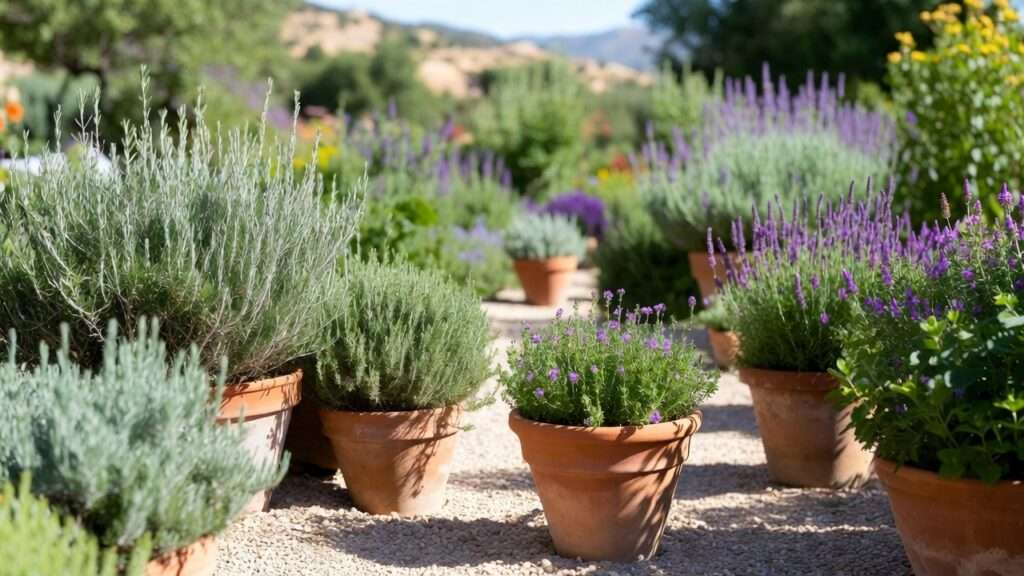
Picture this: You step outside your door, brush your hand against a bush of rosemary, releasing its piney, invigorating scent into the warm air. Nearby, silvery lavender sways gently, buzzing with happy bees, while low mats of thyme release their earthy aroma underfoot. This isn’t a far-off vacation in Provence or Tuscany—it’s your own backyard (or balcony!) transformed into a fragrant, sun-soaked Mediterranean herb garden. 🌞🍃
A Mediterranean herb garden brings the essence of the sun-drenched Mediterranean region right to your home: aromatic herbs like rosemary, thyme, oregano, sage, and lavender that thrive in hot, dry conditions with minimal fuss. These plants deliver fresh flavors for your cooking, natural beauty year-round, and a low-maintenance lifestyle that’s perfect for busy gardeners, home cooks, or anyone craving a touch of effortless elegance outdoors. Whether you’re dreaming of a sprawling backyard oasis or a compact balcony setup, this guide offers 15 stunning ideas plus expert planting, design, and care advice to help you create your own aromatic paradise. Let’s turn inspiration into reality! 🌱❤️
Why Choose a Mediterranean Herb Garden? Benefits & Appeal ❤️
Mediterranean herbs aren’t just pretty—they’re incredibly practical and rewarding. Here’s why so many gardeners (including myself, after 15+ years working with drought-tolerant plants and edible landscapes) fall in love with them:
- Low-maintenance & drought-tolerant — Once established, these hardy perennials need little watering, making them ideal for water-wise gardening and hot summers. 💧
- Culinary goldmine — Harvest fresh sprigs for authentic Italian pasta sauces, Greek salads, roasted meats, herbal teas, and more—far superior to store-bought dried versions. 🍲
- Sensory delight → The combination of fragrant foliage, colorful blooms (purple lavender waves!), and textured leaves creates a relaxing, multi-sensory retreat that attracts pollinators like bees and butterflies. 🐝💜
- Health & sustainability perks — Homegrown herbs are free of pesticides, packed with antioxidants, and reduce your grocery footprint. Many offer medicinal benefits too, like calming lavender or digestive thyme. 🌍
- Year-round structure & beauty — Evergreen options like rosemary and sage provide winter interest, while perennials return stronger each season. ❄️☀️
In short, a Mediterranean herb garden solves real problems: it cuts maintenance time, boosts home cooking, enhances mental well-being through nature, and looks stunning with very little effort.
Essential Mediterranean Herbs to Grow 🌿 Top Picks & Their Uses
To build an authentic Mediterranean herb garden, focus on these classic, easy-to-grow stars. They share similar needs: full sun, well-drained soil, and minimal fertilizer.
- Rosemary (Rosmarinus officinalis) — Woody, evergreen shrub with needle-like leaves. Use for roasting potatoes, meats, and breads. Choose upright ‘Tuscan Blue’ for height or trailing ‘Prostratus’ for ground cover. 🌿
- Lavender (Lavandula angustifolia or stoechas) — Iconic purple blooms and calming scent. English lavender is hardier; French/Spanish types add flair. Perfect for teas, baking, sachets, or simply enjoying the aroma. 💜🐝
- Thyme (Thymus vulgaris or citriodorus) — Low-growing, creeping varieties make excellent ground cover. Lemon thyme adds citrus notes to fish and veggies; common thyme shines in soups and marinades. 🍲
- Oregano (Origanum vulgare or onites) — Bold, peppery flavor essential for pizzas, salads, and Mediterranean dishes. It spreads enthusiastically in sunny spots—great for filling gaps! 🇮🇹
- Sage (Salvia officinalis) — Velvety gray-green leaves with earthy taste. Ideal for stuffing, teas, and even smudging rituals. Purple or tricolor varieties add visual pop. 🧡
- Marjoram (Origanum majorana) — Sweeter, milder oregano cousin. Delicate for sauces, dressings, and herbal butters. 🌸
- Bonus classics — Bay laurel (Laurus nobilis) for soups and stews; chives for mild onion flavor; lemon verbena for refreshing teas.
Pro expert tip: Group herbs by water needs (all these prefer dry conditions) and companion plant for natural pest control—lavender and rosemary deter many insects!
15 Stunning Mediterranean Herb Garden Ideas 💡🌸
Here are 15 inspiring designs ranging from grand to petite, each with practical tips to adapt to your space.
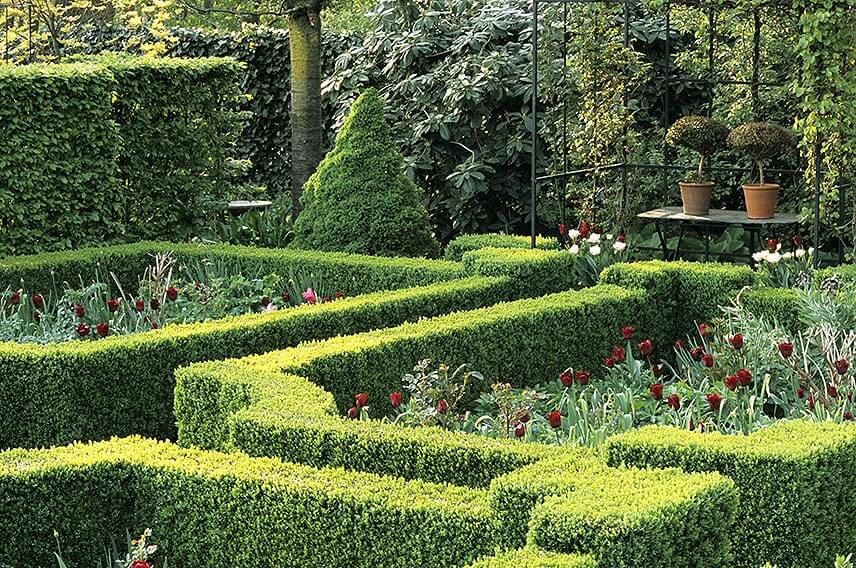
- Classic Knot Garden — Create geometric patterns with clipped low hedges of rosemary and thyme, filled with gravel paths and lavender accents for a formal, timeless look. 🌀
- Terracotta Pot Paradise — Cluster various-sized terracotta pots on patios or steps, overflowing with rosemary, thyme, and oregano. Easy to rearrange seasonally! 🏺
- Raised Bed Layout — Build simple raised beds with stone or wood borders; plant taller rosemary as a fragrant backdrop, fronted by low thyme and sage. 📏

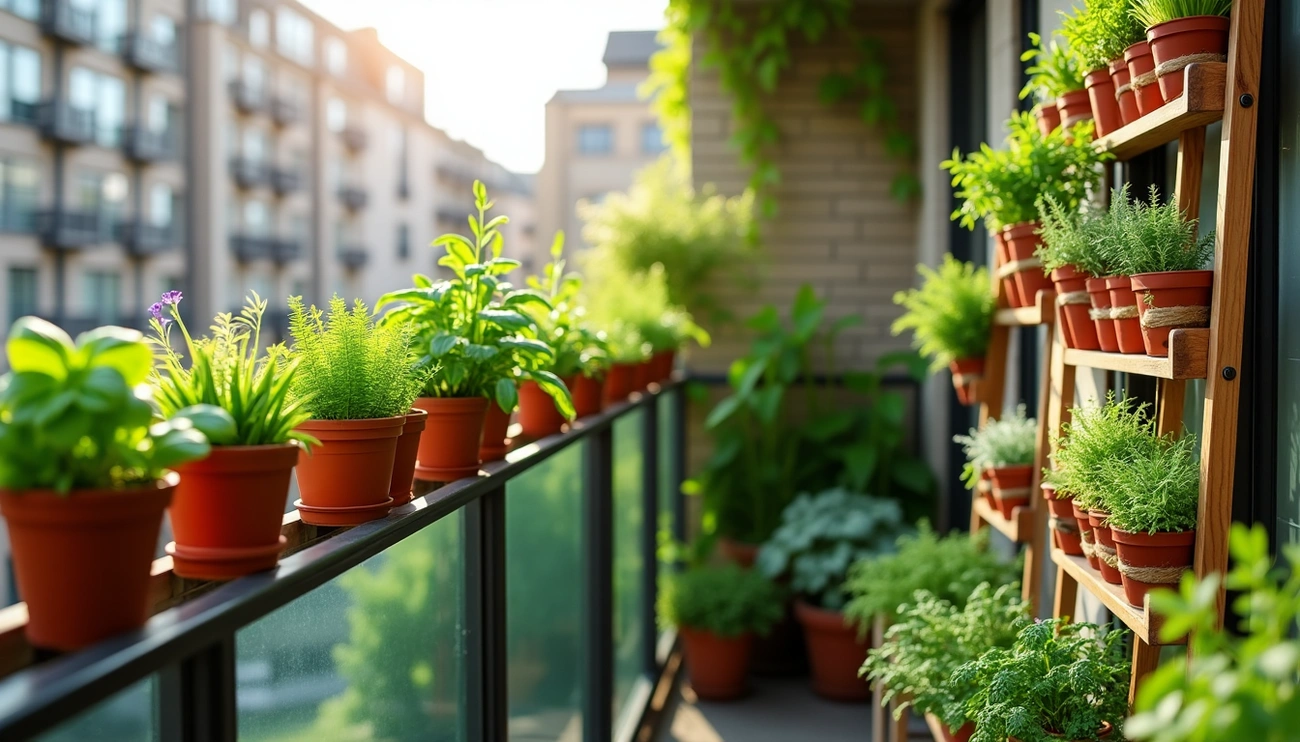
- Vertical Herb Wall — Use wall pockets, shelves, or hanging planters for balconies—perfect for small spaces with cascading thyme and trailing rosemary. 📈
- Spiral Herb Garden — Build a stone spiral (Hügelkultur-inspired) for excellent drainage; plant moisture-loving herbs at the bottom and drier ones at the top. 🌀
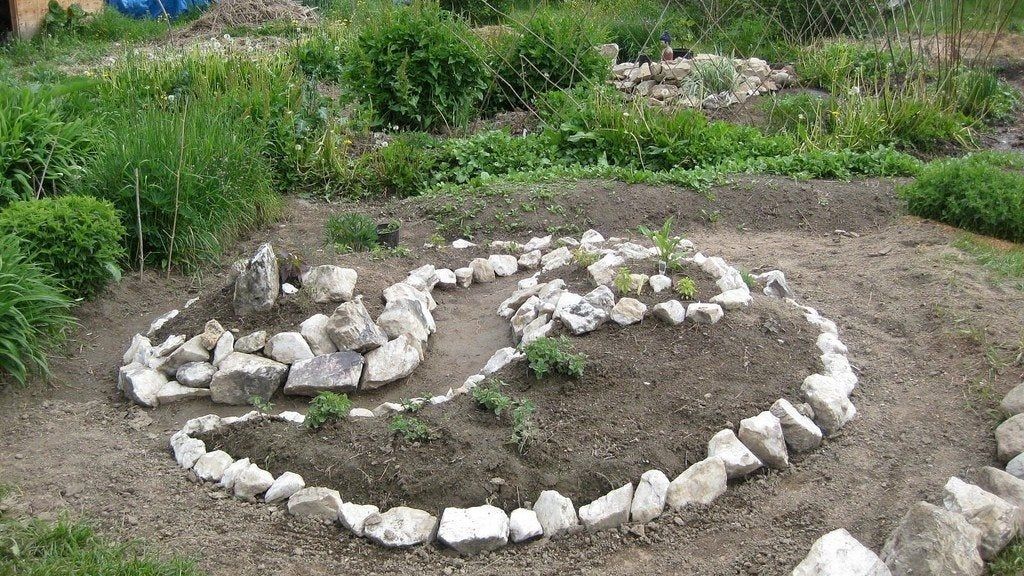
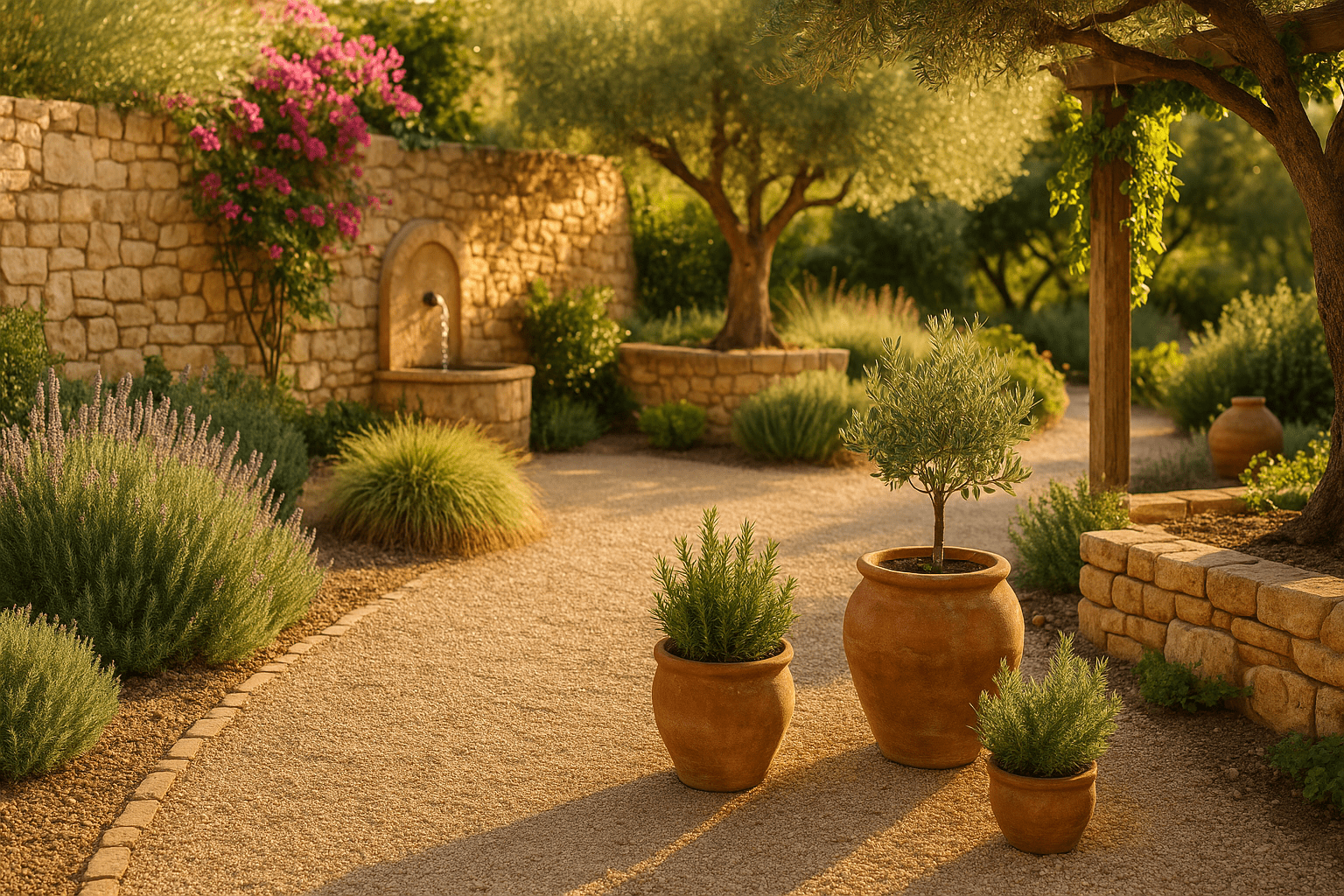
- Gravel Pathway Oasis — Line winding gravel paths with borders of lavender and rosemary for that classic Mediterranean countryside feel. The gravel improves drainage while the herbs release fragrance as you walk by. Add stone stepping stones for charm. 🛤️
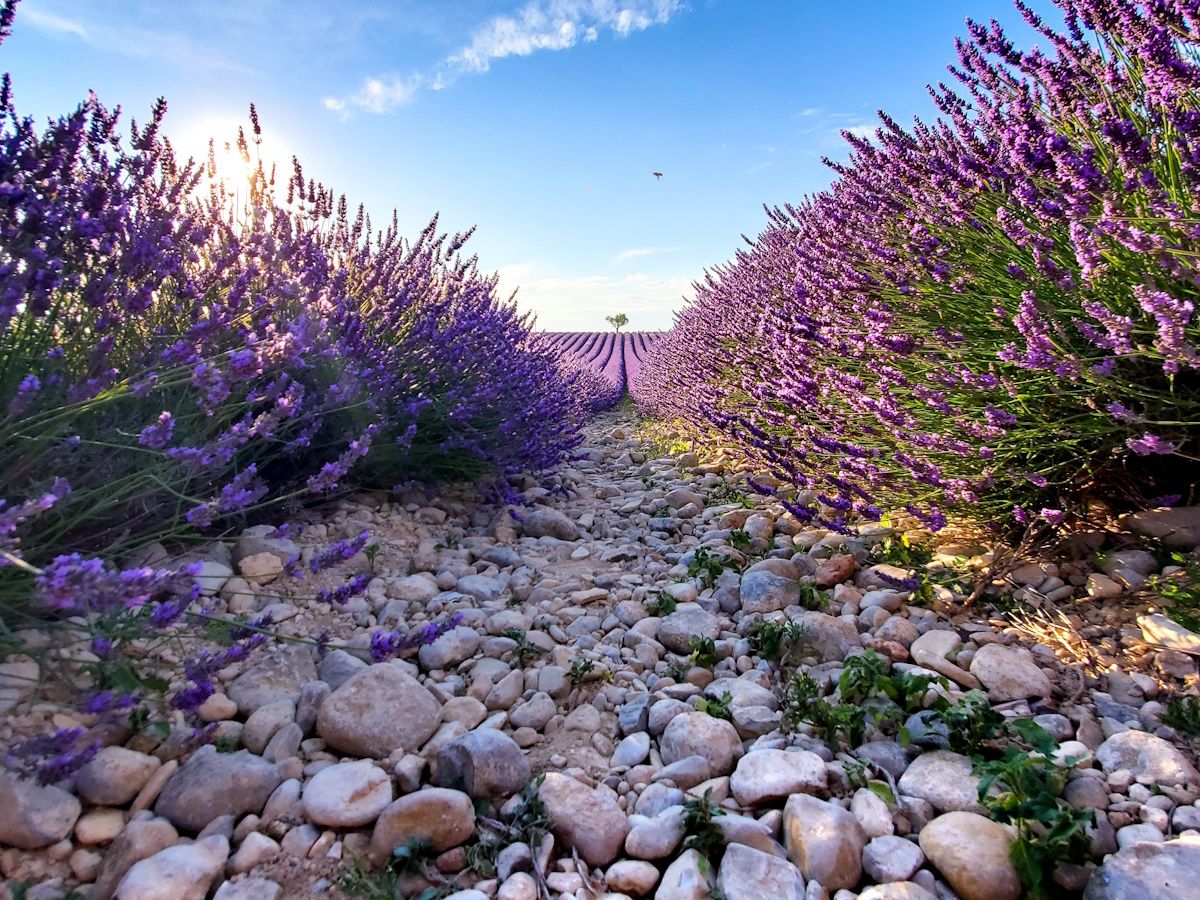
- Container Collection on a Sunny Deck — Mix terracotta and glazed pots of varying heights on a deck or patio. Plant rosemary in tall pots as focal points, thyme spilling over edges, and sage in the middle for texture. Easy to move for winter protection! 🪴

- Courtyard Retreat with Central Fountain — Surround a small bubbling fountain with herb beds or potted lavender, sage, and marjoram. The water sound adds tranquility, and the enclosed space traps warmth and scents perfectly. ⛲
- Kitchen Doorway Garden — Place large pots or a narrow raised bed right outside your kitchen door for quick snips while cooking. Prioritize high-use herbs like oregano, thyme, and rosemary here. 🚪
- Rock Garden Integration — Tuck Mediterranean herbs among natural rocks or boulders for superb drainage and a rugged, authentic look. Rosemary and sage love the heat reflected from stones. 🪨
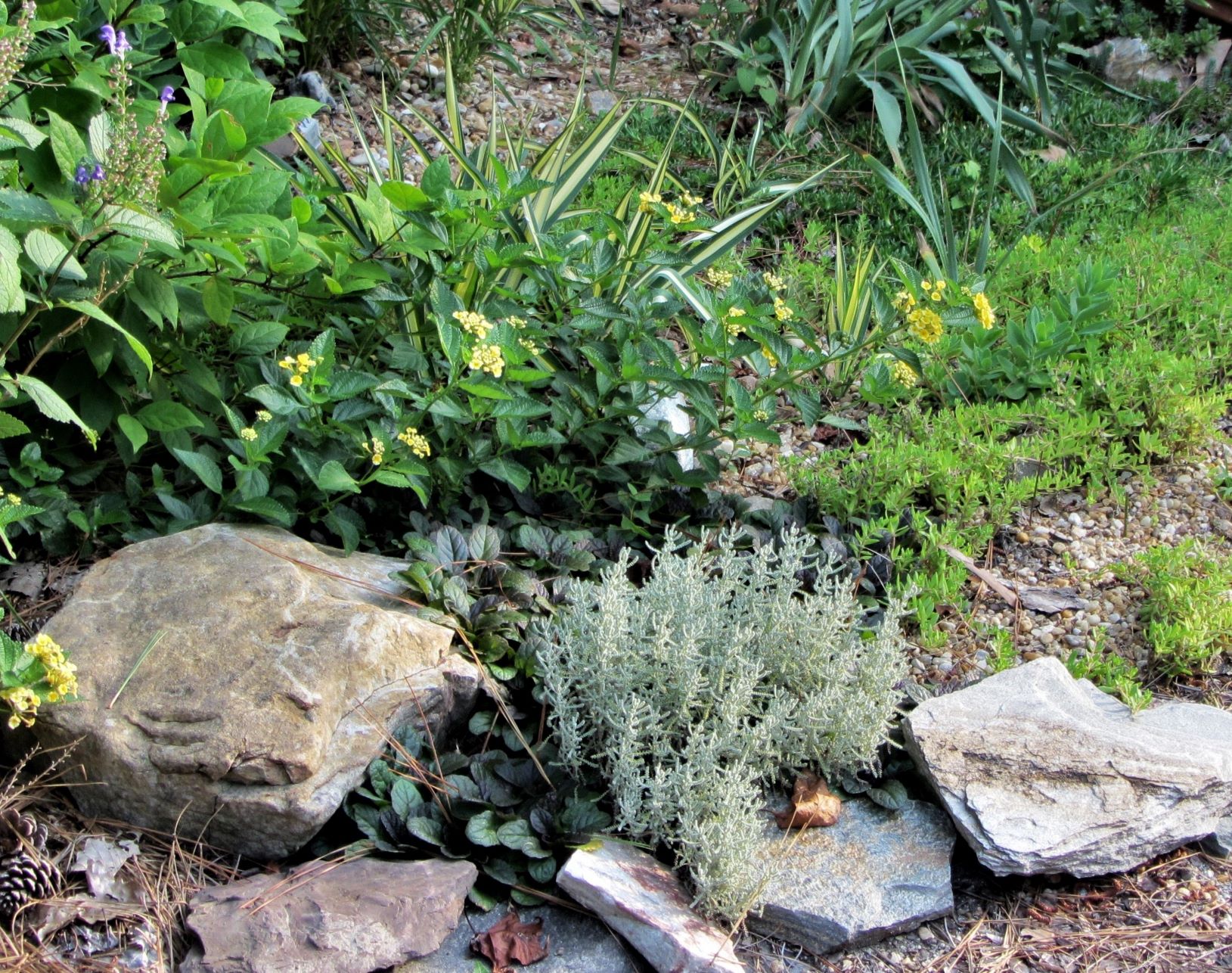
- Pergola-Accented Space — Under a pergola draped with grape vines, underplant with low-growing thyme, oregano, and chives. The dappled shade keeps things cooler in hot climates. 🌿
- Balcony Mediterranean Escape — Use rail planters and hanging pots overflowing with cascading thyme, oregano, and trailing rosemary. Add a small bench for a mini escape! 🌅
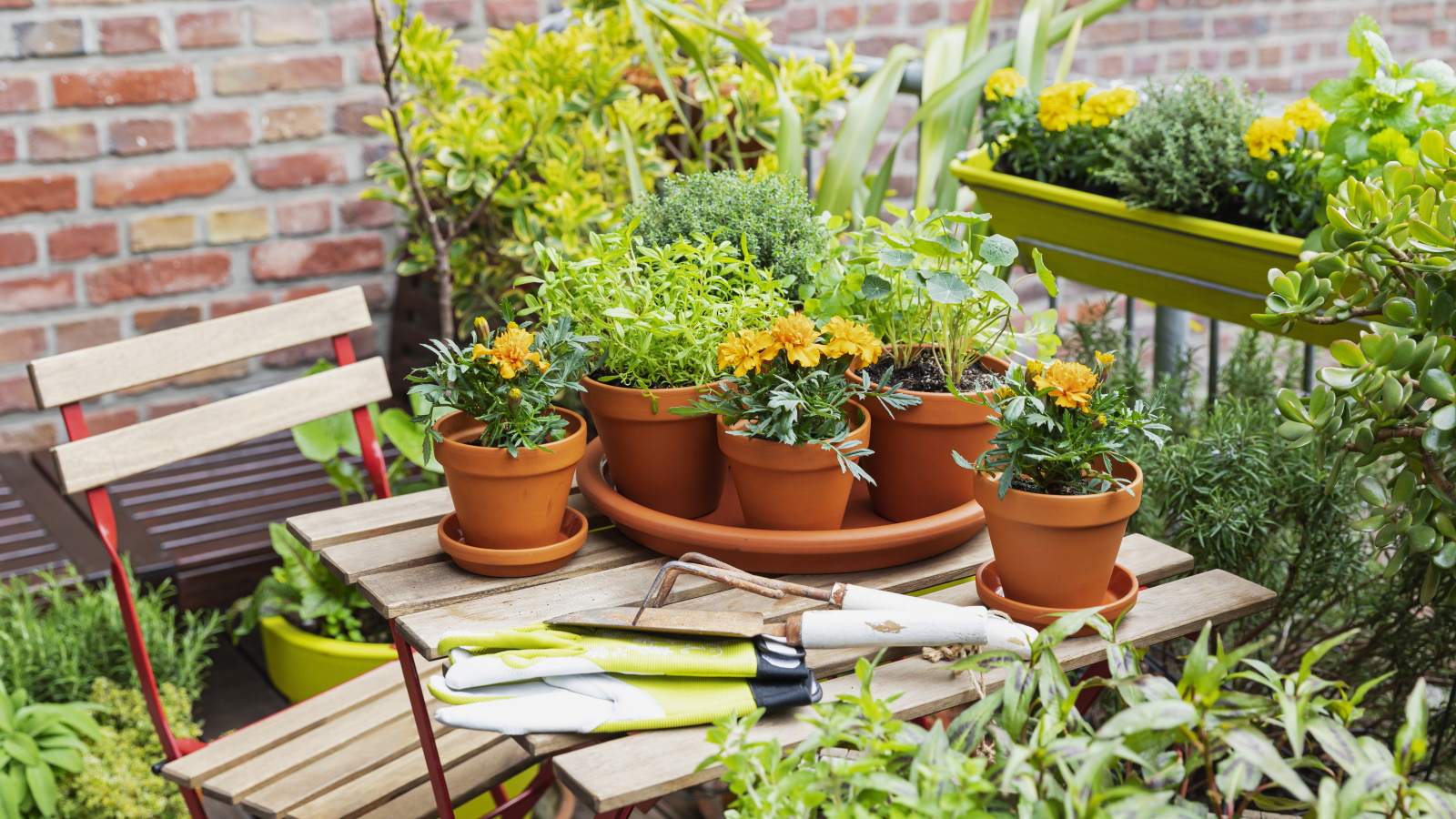
- Evergreen Border Design — Plant rosemary and sage as low, clipped hedges along pathways or property lines for year-round structure and fragrance. 🌳
- Sensory Herb Maze — Design simple winding paths (even in a small bed) lined with different fragrant herbs. Great for kids or mindful walks! 🌀
- Mixed Border with Citrus Trees — Pair herbs with dwarf lemon or orange trees for full Mediterranean authenticity. Herbs act as understory plants, loving the same sunny, dry conditions. 🍋
How to Design Your Own Mediterranean Herb Garden Step-by-Step 🛠️
Ready to bring one of these ideas to life? Follow this proven process based on years of designing and maintaining drought-tolerant gardens.
1. Choose the Perfect Location
Select a spot with full sun (at least 6–8 hours daily), protection from strong winds, and excellent drainage. South- or west-facing areas work best. Avoid low-lying spots where water pools.
2. Soil Preparation & Amendments
Mediterranean herbs hate wet feet! Amend heavy soil with coarse sand, gravel, or perlite to improve drainage. Aim for slightly alkaline pH (6.5–7.5). Skip rich compost—use gritty, lean mixes instead. Test soil if unsure.
3. Layout & Planting Ideas
Sketch your design on paper. Place taller herbs (rosemary, bay) at the back or center; medium ones (sage, lavender) in the middle; low-growers (thyme, oregano) at edges or as ground cover. Space plants generously—they spread! Companion plant lavender near roses to deter pests.
4. Hardscaping Elements
Incorporate authentic touches: gravel mulch, terracotta pots, stone walls, olive jars, or wrought-iron accents. These elements retain heat and echo the Mediterranean aesthetic.
5. Watering & Maintenance Tips
Water deeply but infrequently to encourage deep roots. Once established (after 1–2 seasons), many need watering only during prolonged dry spells. Mulch with gravel or pebbles to suppress weeds and retain moisture.
Care Guide: Keeping Your Herbs Thriving Year-Round 🌱📅
- Watering — Water new plants weekly until roots establish, then taper off. Always check soil 2–3 inches down—if dry, water thoroughly. Overwatering causes root rot! 💧
- Pruning & Harvesting — Harvest regularly (morning is best for flavor) by snipping above leaf nodes to encourage bushy growth. Never remove more than 1/3 at once. Prune woody herbs like rosemary in spring for shape. ✂️
- Pest & Disease Control — These plants are naturally pest-resistant due to strong scents. Watch for aphids or spider mites; blast with water or use neem oil. Good airflow prevents fungal issues like powdery mildew.
- Winter Protection — In zones 7 and below, mulch roots heavily or move pots indoors. Hardy varieties (English lavender, common rosemary) survive light frosts. ❄️
- Propagation — Take 4–6 inch cuttings in late spring/summer, dip in rooting hormone, and plant in gritty mix. Rosemary and lavender root easily this way—free new plants!
Common Mistakes to Avoid & Pro Expert Insights 👨🌾
- Mistake #1: Planting in heavy, clay soil → Solution: Use raised beds or containers with drainage holes.
- Mistake #2: Over-fertilizing → These herbs produce stronger flavors in lean soil; fertilize sparingly (once in spring with low-N organic option).
- Mistake #3: Poor drainage in pots → Always add pot feet or gravel layer at bottom.
- Mistake #4: Watering too often → Let soil dry out between waterings—mimic their native dry-summer habitat.
Expert insight: “The secret to thriving Mediterranean herbs is ‘tough love’—less water, less fertilizer, more sun. They reward neglect with better flavor and longevity!” 🌿
FAQs About Mediterranean Herb Gardens ❓
Q: Can I grow these in cold climates? A: Absolutely! Choose cold-hardy varieties (e.g., ‘Munstead’ lavender, ‘Arp’ rosemary) and grow in pots for easy indoor overwintering. ❄️
Q: How much space do I need? A: Start tiny—a 4×4 ft bed, a few large pots, or even a windowsill herb collection yields plenty for home use!
Q: Are they pet-safe? A: Most are non-toxic (rosemary, thyme, sage are fine), but keep large amounts of lavender away from cats, as it can cause mild upset. 🐱
Q: Best herbs for absolute beginners? A: Rosemary, thyme, and oregano—they’re forgiving, drought-tolerant, and hard to kill!
Q: How do I make my garden more pollinator-friendly? A: Lavender, oregano blooms, and chives attract bees and butterflies—plant in masses for maximum impact. 🐝
Conclusion: Bring the Mediterranean Magic Home 🌍❤️
A Mediterranean herb garden is more than plants—it’s a lifestyle upgrade: fresher meals, beautiful low-maintenance landscapes, stress-relieving scents, and a connection to nature. With these 15 stunning ideas, detailed steps, and proven care tips, you have everything needed to create your own fragrant haven, no matter your space or experience level.
Pick one idea that excites you most, start small, and watch it grow. Your kitchen (and your senses!) will thank you. 🌿🍃
Which design inspires you the most? Drop a comment below—I’d love to hear your plans or see photos of your progress! Happy gardening! 🌱✨











