Are you tired of coddling high-maintenance ornamental trees that wilt at the first sign of summer heat? Homeowners and landscapers constantly struggle to find striking, multi-seasonal focal point trees that can survive drought and poor soil without constant babying. Enter the Mexican Buckeye tree (Ungnadia speciosa). With its stunning pink spring blooms, golden fall foliage, and virtually zero-maintenance personality, it is the ultimate landscaping secret for warm, dry climates. Whether you are transitioning to a water-wise garden or simply want an architectural specimen that thrives on neglect, this comprehensive care guide will ensure your tree flourishes for decades. 🌸
🌿 What is a Mexican Buckeye Tree? (The Basics)
Despite its common name, the Mexican Buckeye (Ungnadia speciosa) is not a true buckeye at all. It actually belongs to the Sapindaceae (soapberry) family, making it a distant relative of the lychee and the golden rain tree.
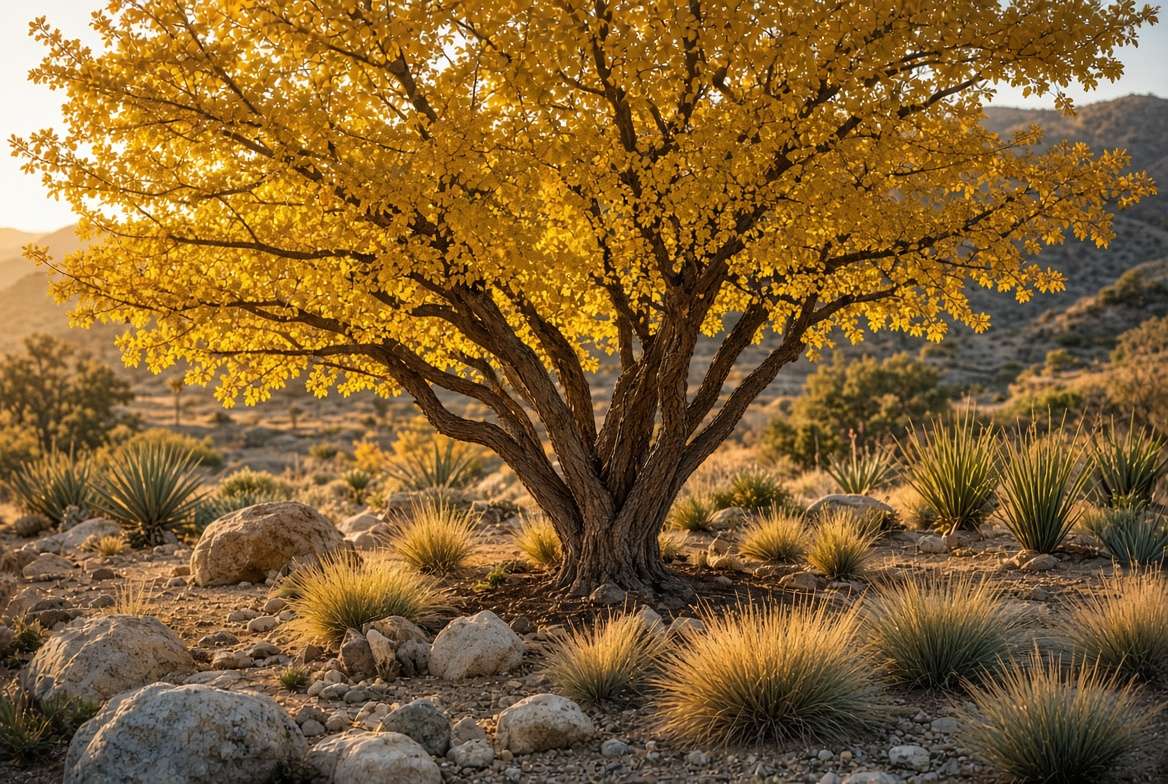
Rooted deep in the rugged terrains of Texas, New Mexico, and northern Mexico, this native beauty has evolved to withstand extreme heat and prolonged dry spells. Its natural habitat consists of limestone canyons, rocky ravines, and arid desertscapes. 🏜️ This harsh background explains its incredible resilience and why it requires so little intervention once established in a home landscape.
✨ Key Characteristics & Appearance
The visual appeal of the Mexican Buckeye transitions beautifully throughout the seasons, ensuring your yard always has an eye-catching focal point:
-
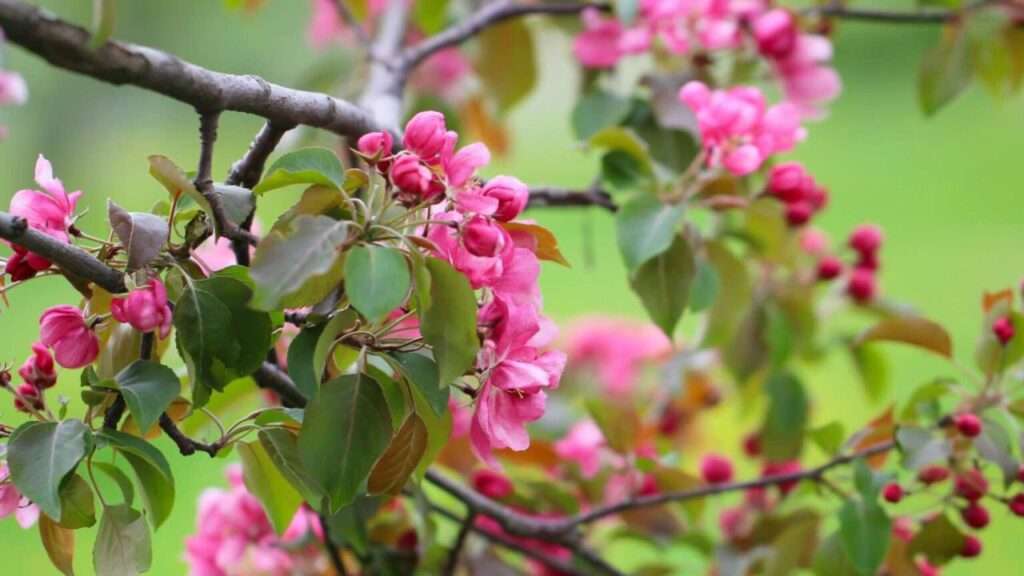
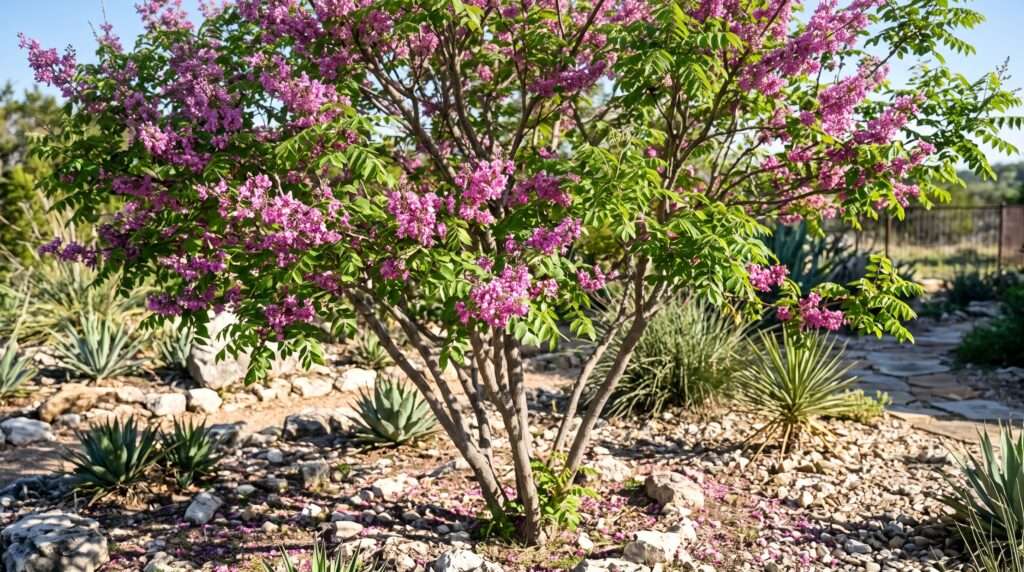
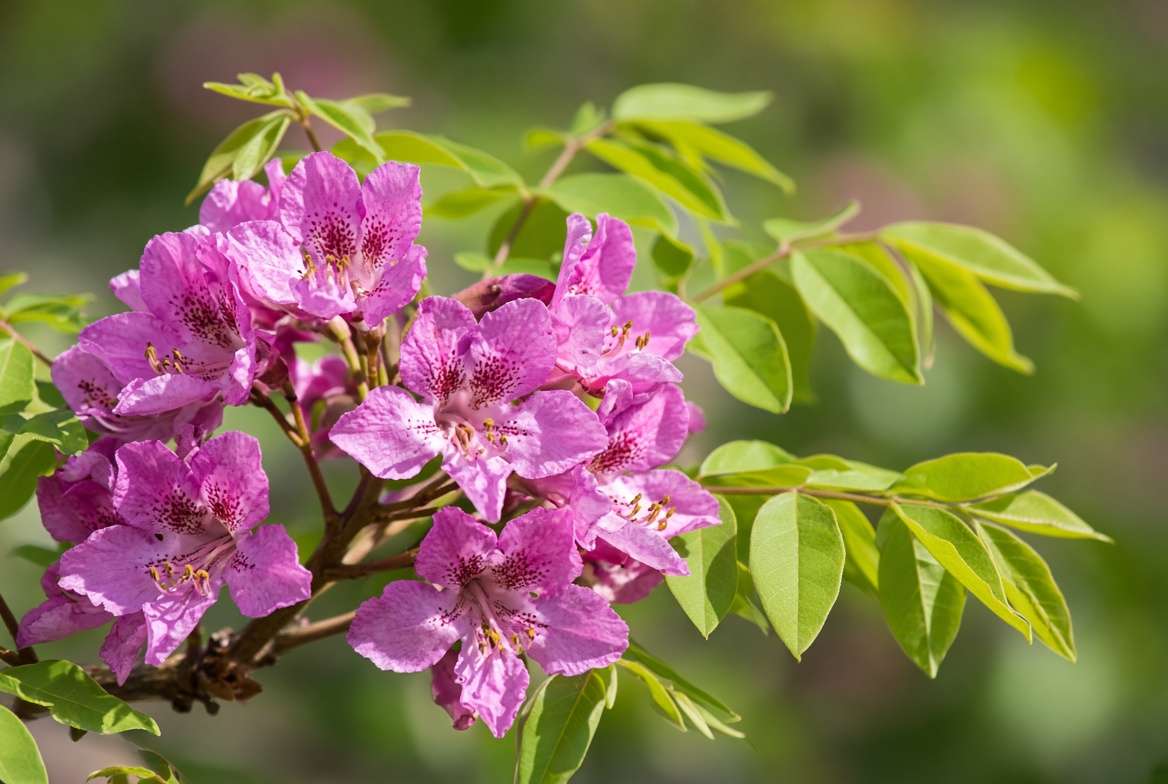
Spring: Just before or exactly as the new leaves begin to unfurl, the tree erupts into clusters of vibrant, fragrant pink to purplish flowers. The sweet scent is renowned for drawing in early-season pollinators.
-
Summer: The foliage fills in to form a lush, rounded canopy. The leaves are pinnately compound, meaning multiple small leaflets are attached to a central stem, providing excellent, airy dappled shade that won’t completely block out the sun for understory plants.
-
Fall: As temperatures drop, the lush green canopy transforms into a brilliant, luminescent golden yellow, rivaling the fall color of many traditional northern shade trees. 🍂
-
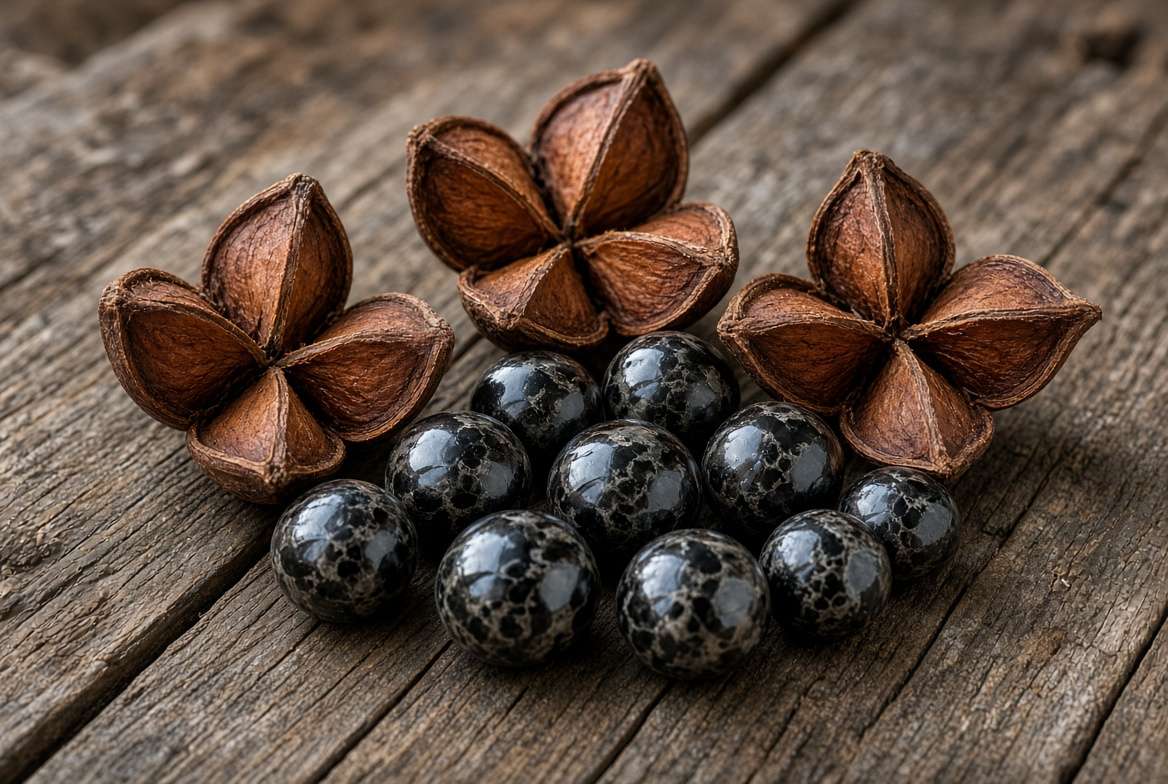
Winter: Even when bare, the tree offers incredible architectural interest. Unique, tri-lobed woody seed pods hang suspended from the pale grey branches, resembling miniature, rustic ornaments throughout the winter months.
🔍 Mexican Buckeye vs. Texas Redbud vs. Ohio Buckeye
Because of their similar bloom times and colors, the Mexican Buckeye is frequently confused with the Texas Redbud. However, a quick glance at the foliage gives it away: Redbuds have distinct, heart-shaped leaves, while the Mexican Buckeye features compound, multi-leaflet foliage.
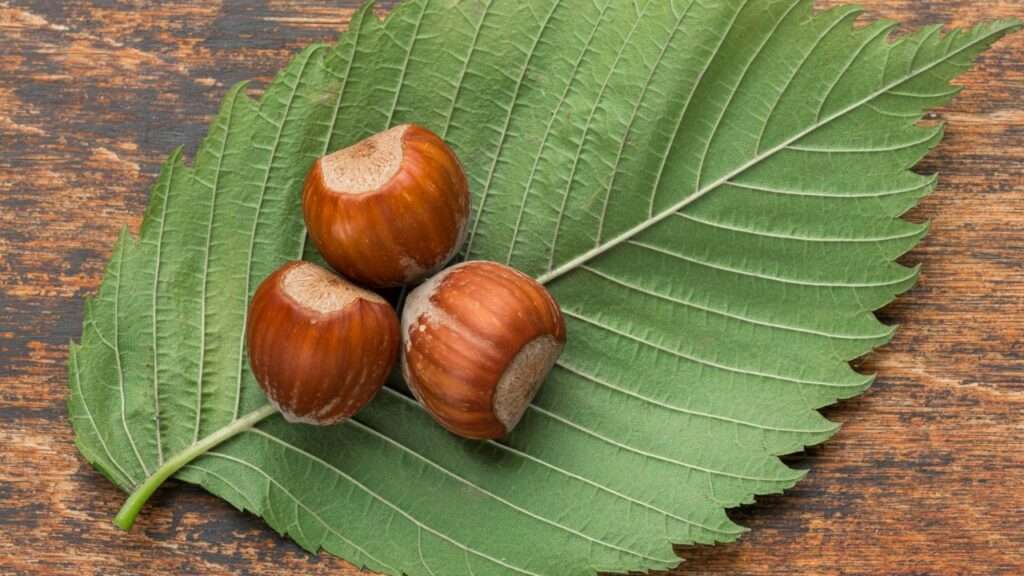
More importantly, it is crucial to distinguish it from the true Ohio Buckeye (Aesculus glabra). While both produce dark, shiny seeds housed in pods, true buckeyes prefer moist, temperate climates and rich soils, whereas the Mexican Buckeye is a desert-adapted survivor.
🏆 Top 5 Reasons to Plant a Mexican Buckeye in Your Yard
If you are on the fence about adding this ornamental stunner to your property, here are the top reasons arboriculturists and landscape designers highly recommend it:
1. Ultimate Drought Tolerance 💧 Once established, this tree is a xeriscaping champion. Its deep taproot system allows it to seek out moisture deep underground, meaning it can survive intense summer heat waves and prolonged droughts purely on occasional rainfall. It is the perfect anchor plant for water-wise gardens.
2. Multi-Season Visual Interest 🌸 Many ornamental trees are “one-hit wonders” that bloom for two weeks and look utterly mundane the rest of the year. The Mexican Buckeye offers a dynamic visual display across all four seasons, from its rosy spring blossoms and lush summer canopy to its golden autumn leaves and structural winter seed pods.
3. Perfect Size for Urban Yards 🏡 Finding a tree that won’t outgrow its welcome is challenging. Reaching a mature height of only 15 to 30 feet, with a similar spread, it is perfectly scaled for small urban lots, courtyard gardens, or planting under utility lines where large shade trees would become a liability.
4. Magnet for Pollinators 🦋 The early spring blooms are a vital nectar source. Planting this tree actively supports local ecology by drawing in bees, butterflies, and other beneficial pollinators at a time of year when few other plants are flowering.
5. Deer Resistance 🦌 For homeowners living in rural areas or near woodland edges, deer browsing can decimate young trees. Fortunately, the foliage and seeds of the Mexican Buckeye are highly unpalatable to deer, allowing you to plant it confidently without surrounding it in unsightly wire fencing.
📖 Comprehensive Care & Growing Guide
While this tree is famously tough, giving it the right start is critical for long-term health and vigorous blooming.
☀️ Choosing the Right Location (Sunlight & Space)
To coax the most prolific spring blooms and the brightest autumn foliage, plant your tree in a location that receives full sun (at least 6 to 8 hours of direct sunlight daily). It can absolutely tolerate partial shade—particularly in the hottest afternoon hours in deep southern zones—but expect a slightly looser canopy and fewer flower clusters.
Because it naturally grows as a multi-trunked, wide-spreading large shrub or small tree, ensure you give it adequate breathing room. Space it at least 10 to 15 feet away from structural foundations, fences, or other large trees to allow its canopy to expand naturally.
🪨 Soil Requirements & Preparation
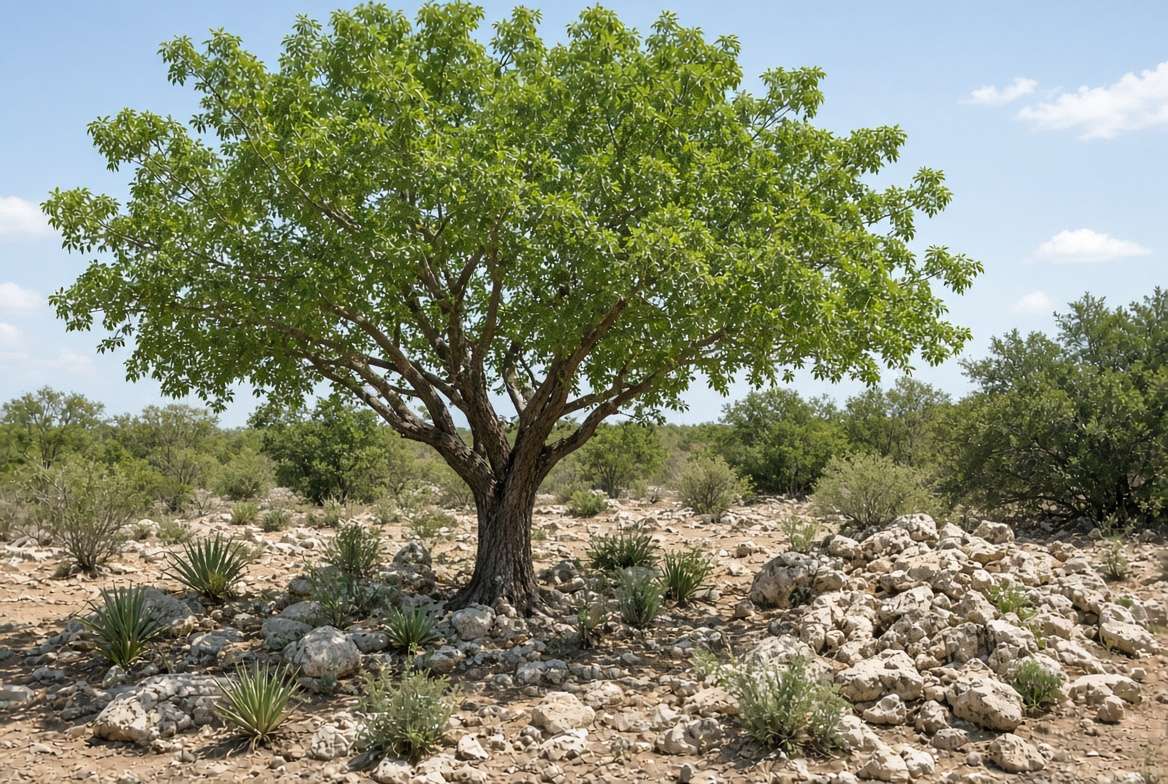
If there is one rule for growing a Mexican Buckeye, it is this: drainage is non-negotiable.
Native to rocky, limestone-heavy hillsides, this tree detests “wet feet.” It thrives in poor, alkaline, sandy, or rocky soils that would starve other ornamentals.
Expert Tip: If you live in an area with heavy, compacted clay soil, you must amend the site before planting to prevent root rot. Dig the planting hole twice as wide as the root ball and mix in generous amounts of coarse sand, expanded shale, or perlite to improve aeration and drainage. Consider planting the tree on a slight mound or berm to ensure water flows away from the trunk.
🚿 Watering Needs (Establishment vs. Mature)
The First Year: During its first growing season, the tree requires consistent moisture to establish its deep root system. Water deeply once a week during the spring and summer. The goal is to soak the soil down to the root zone, encouraging the roots to grow downward rather than staying near the surface.
Mature Trees: Once established (typically after 12 to 18 months), you can essentially put away the hose. The tree will thrive on natural rainfall. Supplemental watering is only necessary during extreme, months-long droughts, at which point a deep, slow soak once a month is more than sufficient.
🪴 Fertilizing for Maximum Blooms
When it comes to feeding desert-adapted native plants, less is almost always more. In its natural rocky habitat, the Mexican Buckeye thrives in lean, nutrient-poor soil. Applying heavy, nitrogen-rich synthetic fertilizers will actually harm the tree, leading to floppy, weak foliage growth at the direct expense of those beautiful spring flowers.
The Best Approach: Skip the chemical fertilizers entirely. Instead, apply a light, one-inch layer of high-quality organic compost over the root zone in early spring, just before the new growth begins. This provides a slow, gentle release of trace minerals and mimics the natural breakdown of leaf litter in a forest setting.
🛠️ Planting, Pruning, and Propagation
Proper installation and early structural pruning dictate the lifelong health of your landscaping trees. Here is how the experts handle it.
🌱 Step-by-Step Planting Instructions
When to Plant: The absolute best time to plant your Mexican Buckeye tree is in the fall. Fall planting allows the root system to settle and expand through the mild winter months without the immediate stress of summer heat. Early spring is the second-best option.
-
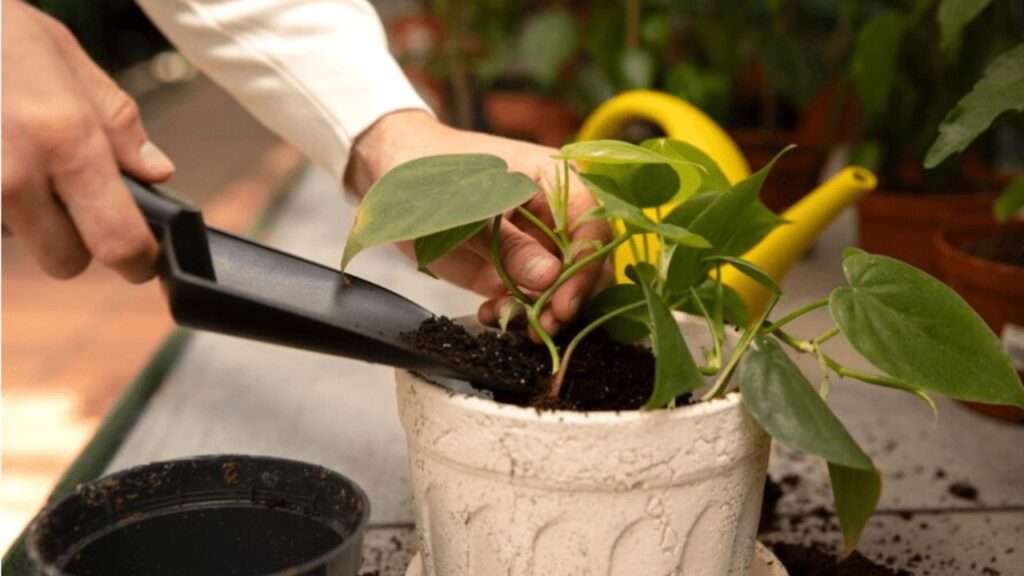
Dig the Hole: Dig a hole that is two to three times wider than the nursery pot, but exactly the same depth. Planting too deep is the number one cause of tree failure. The trunk flare (the widened base where the trunk meets the roots) must sit just above the soil line.
-
Inspect the Roots: Gently massage the root ball to loosen circling roots. If they are tightly bound, make a few shallow vertical slices with a sterile knife to encourage outward growth.
-
Backfill and Settle: Place the tree in the hole and backfill with the native soil. Do not add rich potting soil to the hole; this creates a “bathtub effect” where water pools in the amended soil and rots the roots. Water halfway through backfilling to remove air pockets, then finish filling.
-
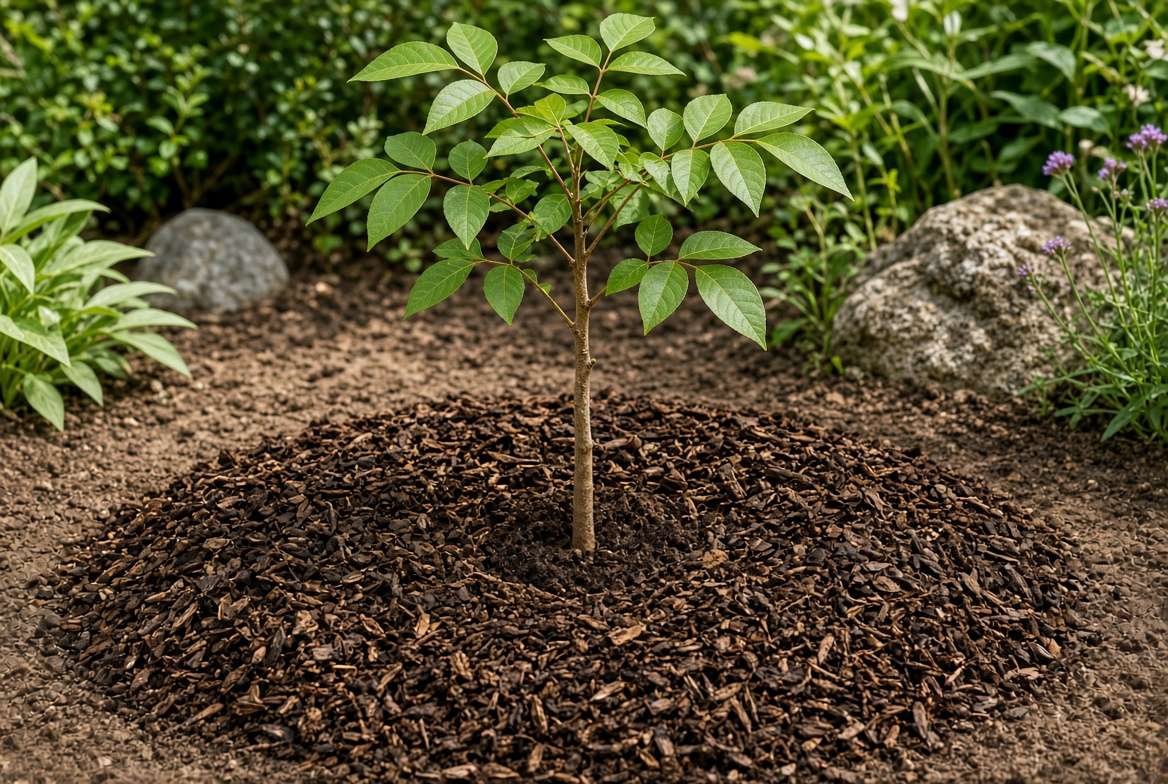
Apply Mulch: Apply a 2- to 3-inch layer of organic hardwood mulch in a wide ring around the tree to retain moisture and suppress weeds.
-
Crucial Warning: Avoid the dreaded “mulch volcano” (piling mulch up against the trunk). Keep all mulch at least 3 to 4 inches away from the bark to prevent fungal decay and pest infestations. 🌋
-
✂️ Pruning for Shape and Health
The Mexican Buckeye naturally wants to grow as a large, multi-stemmed, thicket-like shrub. How you prune it depends entirely on your aesthetic goals for your yard:
-
For a Tree Shape: If you want a traditional, single-trunk small tree, you must begin training it while it is young. Select the straightest, most vigorous central leader and cleanly prune away the competing lower stems. You will need to routinely remove basal suckers (new shoots sprouting from the base) every year to maintain this form.
-
For a Shrub/Screening Form: Let it grow naturally! Simply step back and allow the multiple trunks to develop. This form is excellent for creating privacy screens or naturalized woodland borders.
General Pruning Tips: Always prune in late winter while the tree is fully dormant, just before the spring buds swell. Remove any dead, diseased, or crossing branches that rub against each other, as friction wounds invite disease.
🌰 How to Propagate from Seeds
Growing a Mexican Buckeye from seed is a rewarding project for patient gardeners. The tree produces distinctive three-lobed, reddish-brown woody capsules that pop open in the fall to reveal dark, glossy, marble-like seeds.
-
Harvesting: Collect the seeds in late autumn once the pods turn brown and split open naturally.
-
Scarification: The seeds have an incredibly hard outer coat designed to survive harsh desert conditions. To help water penetrate, carefully rub one side of the seed with medium-grit sandpaper until you see a slight color change, being careful not to damage the embryo inside.
-
Cold Stratification: Place the scarified seeds in a ziplock bag with a handful of slightly damp sphagnum moss or sand. Store the bag in the refrigerator for 60 to 90 days. This mimics the chill of winter, signaling to the seed that it is safe to wake up.
-
Sowing: After stratification, plant the seeds one inch deep in well-draining potting mix and keep them in a warm, sunny spot. Germination usually occurs within two to four weeks. 🌱
⚠️ Safety, Pests, and Troubleshooting
While it is a rugged survivor, no plant is completely immune to environmental challenges. Here is what you need to know to keep your landscape and your family safe.
🚫 Are Mexican Buckeye Seeds Toxic?
Safety Warning: Yes. Despite their attractive, shiny appearance (which can look like tempting nuts to small children), the seeds of the Mexican Buckeye are toxic if ingested by humans, dogs, cats, or horses. They contain a mildly poisonous compound that can cause severe gastrointestinal distress, nausea, and neurological symptoms. 🐕
If you have curious toddlers or pets that tend to chew on yard debris, you may want to meticulously rake up the dropped seed pods in the fall, or plant the tree in an inaccessible part of the garden.
🐛 Common Pests & Diseases
One of the greatest joys of cultivating this species is its phenomenal resistance to pests and diseases. You will rarely, if ever, need to spray chemicals on this tree.
-
Pest Pressure: It is generally left completely alone by borers, aphids, and caterpillars.
-
Fungal Issues: The only occasional issue is leaf spot, a minor fungal infection that causes harmless brown spots on the foliage. This typically only occurs during unusually wet, humid spring seasons. Because leaf spot is purely cosmetic and does not harm the long-term health of the tree, fungicidal treatments are rarely recommended or necessary. Just ensure the tree has good air circulation.
❓ Frequently Asked Questions (FAQs)
How fast does a Mexican Buckeye tree grow? It is considered a moderate grower, typically adding 12 to 24 inches of height per year under optimal conditions. Growth may slow down in highly compacted soils or during severe, unwatered droughts. 📈
Can you grow a Mexican Buckeye in a container? Yes, but only temporarily. Due to its vigorous, deep taproot, it will quickly outgrow a standard pot. If you must use a container, choose a very large, deep planter (at least 20+ gallons) with massive drainage holes, and use a cactus/citrus potting mix. You will eventually need to transplant it into the ground for it to reach its mature size.
Why isn’t my Mexican Buckeye blooming? The two most common culprits are insufficient sunlight and immaturity. Trees grown from seed may take 4 to 5 years to produce their first significant flush of blooms. If your tree is mature but flowerless, assess the canopy above it; if nearby shade trees have overgrown and cast it in deep shade, it simply won’t have the energy to produce flowers.
Are the roots invasive? No. Unlike willows or silver maples, the Mexican Buckeye relies on a deep vertical taproot rather than aggressive, shallow surface roots. It is generally safe to plant 10 to 15 feet away from patios, sidewalks, and foundations without fear of the roots cracking the concrete. 🧱
💚 Bringing It All Together
Choosing the right tree for your landscape is a generational decision. If you live in a region plagued by blistering summers, sparse rainfall, and rocky soil, fighting against nature by planting delicate ornamentals is a recipe for frustration.
The Mexican Buckeye tree offers a rare combination of breathtaking multi-season beauty and ironclad resilience. From the cheerful pollinator-magnet pink blossoms in the spring to the brilliant golden foliage in the fall, it proves that a low-maintenance, water-wise yard does not have to sacrifice color or character. By following the simple planting and care guidelines outlined above, you can enjoy a spectacular architectural focal point that asks for almost nothing in return.
Have you successfully added drought-tolerant native trees to your xeriscape? Do you have questions about siting a Mexican Buckeye in your specific yard? Drop your thoughts and questions in the comments below—we love helping our community grow greener, tougher gardens! 🌻