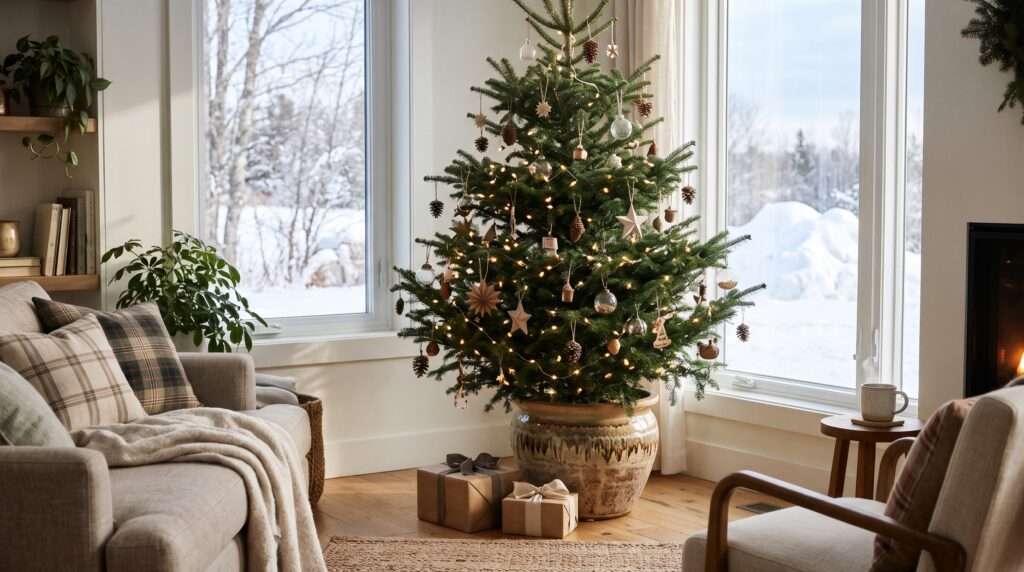
Imagine starting a beautiful, sustainable family tradition: instead of dragging a dry, brittle conifer to the curb every January, you step into your yard to plant a memory that will grow alongside your family for generations. The eco-friendly magic of a living holiday tree is undeniable, but it comes with a steep learning curve. Bringing live potted xmas trees into a modern, artificially heated home is highly disruptive to their natural lifecycle and can easily trigger fatal heat stress or transplant shock.
If you want your living tree to survive the holiday season and thrive in your landscape, you cannot treat it like a traditional cut tree. This comprehensive guide provides arborist-backed, step-by-step instructions on how to select, acclimate, nurture, and ultimately plant your living holiday tree so it flourishes long after the ornaments are packed away. 🌟
Choosing the Perfect Live Potted Xmas Tree for Your Climate 🌲
Selecting the right tree is the foundation of this entire process. A living Christmas tree is a permanent landscaping investment masquerading as a temporary holiday decoration. Your primary goal is to choose a species that will survive your local environment year-round.
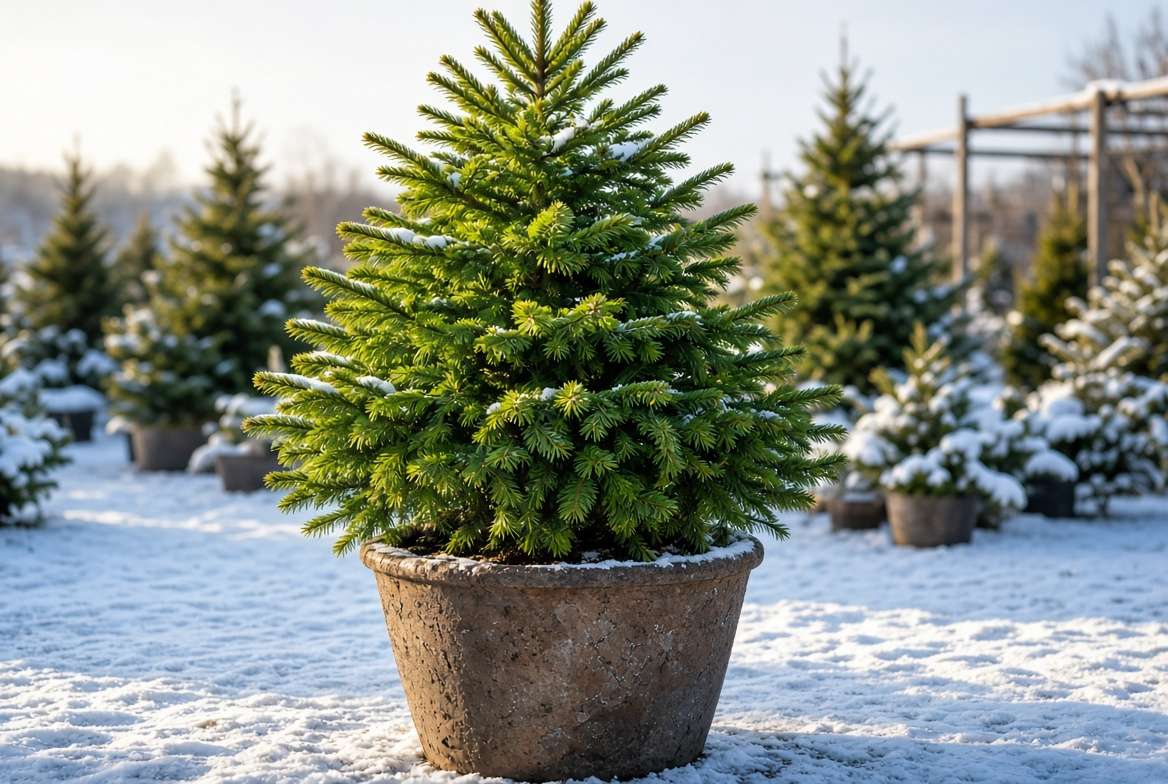
Hardiness Zones Matter 🗺️
Unlike a cut tree that is simply chosen for its aesthetics, a living tree must be biologically compatible with your specific USDA Hardiness Zone. If you live in a hot, humid Zone 8 climate, a Balsam Fir (which prefers cold, mountainous regions) will struggle to survive its first summer in your yard, no matter how perfectly you cared for it indoors. Conversely, certain southern pines will perish in a freezing Zone 4 winter.
Before heading to the nursery, identify your exact growing zone and cross-reference it with the native hardiness of the conifers you are considering. Always purchase a tree that is rated for at least one zone colder than your current location, as trees kept in containers are more vulnerable to root freezing than those established in the ground.
Best Tree Varieties for Potted Holidays 🪴
Not all evergreens adapt well to the temporary stress of indoor living. Here are the top performers for a potted holiday experience:
-
Norway Spruce (Picea abies): A phenomenal choice for colder climates. It features a classic, pyramidal holiday shape, strong branches for heavy ornaments, and a fast growth rate once planted in the yard.
-
Colorado Blue Spruce (Picea pungens): Known for its striking silvery-blue foliage, this incredibly hardy tree tolerates dry indoor air slightly better than other varieties and thrives in full sun once transplanted outdoors.
-
Balsam Fir & Fraser Fir (Abies balsamea / Abies fraseri): These are the iconic, heavily scented darlings of the holiday season. While they look and smell incredible, they are highly sensitive to warm indoor temperatures and require strict adherence to the time limits discussed later in this guide.
-
Dwarf Alberta Spruce (Picea glauca ‘Conica’): If you live in an apartment, have limited space, or want a tabletop tree, this slow-growing, densely packed miniature evergreen is perfection.
What to Look for at the Nursery 🛒
Expert Arborist Tip: Never buy a living tree blindly. The health of a potted conifer lies beneath the soil. When shopping, gently rock the trunk. If the tree feels excessively loose, the root system is underdeveloped, or the root ball is severely compromised.
Examine the drainage holes at the bottom of the nursery pot. If thick, woody roots are wrapping in a tight circle or protruding heavily from the bottom, the tree is root-bound and will struggle to establish itself outdoors. Run your hand lightly over a branch—the needles should be pliable, supple, and bright green. If a shower of brown needles falls to the ground, walk away.
The Crucial Acclimation Phase (Don’t Skip This!) 🌡️
The single biggest mistake well-intentioned plant lovers make is hauling a freezing, dormant tree directly from a snowy nursery lot into a 72°F (22°C) living room.
Moving from Freezing to Toasty 🥶➡️😌
Evergreen trees enter a state of deep winter dormancy to survive freezing temperatures. This dormancy is governed by temperature and light. When you bring a dormant tree into a warm, brightly lit house, you are biologically tricking the plant into thinking it is spring.
If the tree “wakes up” and pushes out new, soft green growth indoors, taking it back outside into the freezing January weather will immediately kill that new growth and potentially shock the tree to death. Your goal is to keep the tree asleep while it visits your living room.
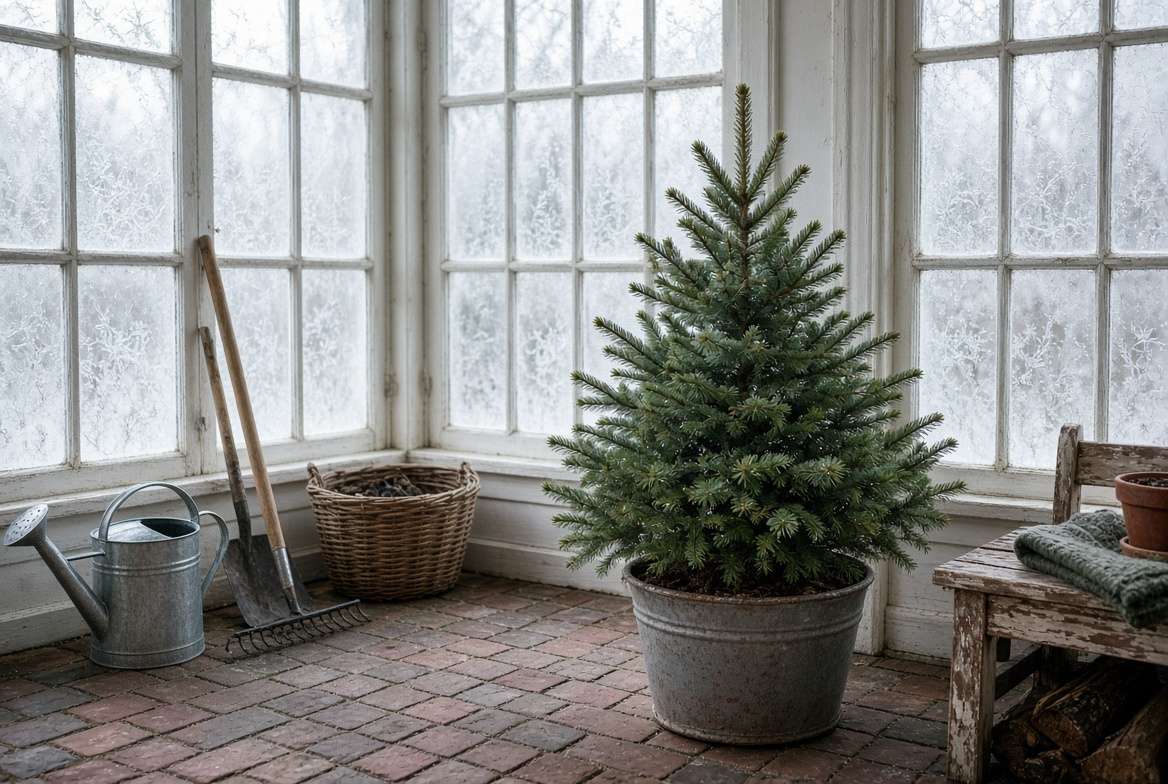
The 3-Step Transition Strategy 🗓️
To prevent thermal shock, you must introduce the tree to indoor temperatures gradually over a period of about a week.
-
Step 1: The Midway Point (Days 1–4). Place the newly purchased tree in an unheated but sheltered environment, such as an attached garage, a three-season porch, or a bright shed. This intermediate zone protects it from harsh winds while slowly raising its baseline temperature.
-
Step 2: Hydration Check. While in the garage, check the soil moisture. The root ball should be damp but never soggy. If the top two inches of soil are dry, water it thoroughly until liquid drains from the bottom of the pot.
-
Step 3: The Indoor Move. After 3 to 4 days in the transitional space, carefully move the tree indoors. Choose a cool, draft-free day to make the final move into your home to minimize sudden temperature swings.
Indoor Survival Guide: Caring for Live Potted Xmas Trees 💧
Once your living conifer has successfully crossed the threshold into your home, the clock starts ticking. Indoor environments are historically hostile to outdoor evergreens. Homes are drastically warmer, and central heating strips moisture from the air, creating a desert-like microclimate that can quickly dehydrate your tree.
The “Golden Rule of Time” ⏳
Expert Insight: If there is one rule you must follow to guarantee your tree’s survival, it is the strict time limit. A living Christmas tree should remain indoors for a maximum of 7 to 10 days.
Pushing this boundary to two or three weeks is the most common reason these trees die. Prolonged exposure to ambient room temperatures will inevitably break the tree’s winter dormancy. Once the tree begins pushing out new, pale green growth, it loses its cold hardiness. Returning a prematurely awakened tree to the freezing outdoors will result in severe tissue damage or death. To maximize your enjoyment, time the tree’s indoor arrival just a few days before Christmas.
Perfect Placement in Your Home 🛋️
Where you place your tree is a matter of life and death for the plant. Keep it as far away as possible from active heat sources, including:
-
Fireplaces and wood stoves
-
Radiators and baseboard heaters
-
Forced-air heating vents
-
South or west-facing windows that receive intense, magnified afternoon sunlight
Opt for the coolest room in the house, ideally away from direct drafts. Always place a heavy-duty, waterproof drip tray or saucer underneath the nursery pot. Potted trees are heavy, and moisture seeping through a cracked saucer will ruin hardwood floors or carpet in a matter of days.
Watering and Humidity: Finding the Sweet Spot 🧊
Conifers transpire (lose water) rapidly through their needles in dry, heated air. The root ball must remain consistently moist—but never waterlogged. Sitting in stagnant water deprives the roots of oxygen and invites root rot.
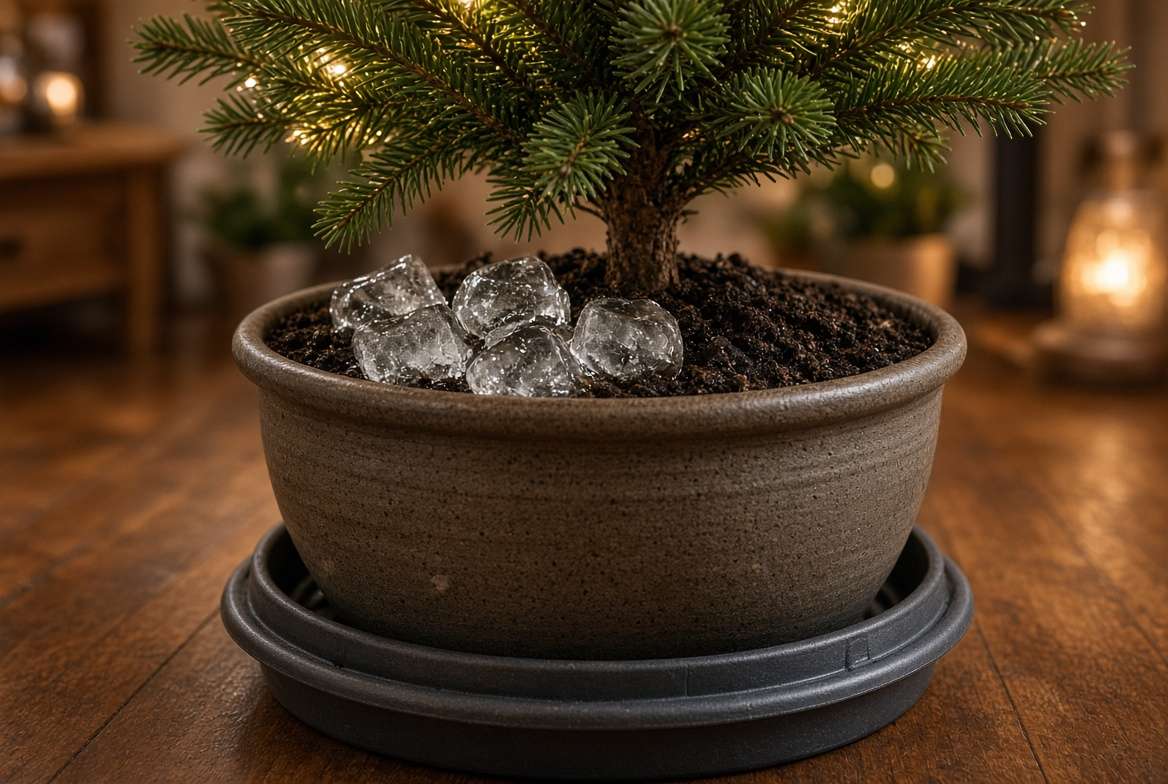
The Ice Cube Method: To prevent water from pooling or running straight down the sides of dried-out potting soil, use the ice cube trick. Place a layer of ice cubes over the surface of the soil each morning. As they slowly melt, they provide a steady, gradual drip of hydration that the root ball can easily absorb without flooding the drip tray.
Boosting Humidity: To combat the dry air, set up a cool-mist humidifier near the tree. Alternatively, fill a spray bottle with distilled water and lightly mist the needles every morning. This tiny boost in ambient humidity significantly reduces the risk of needle drop and desiccation.
Decorating Without Damaging 🎀
Dressing up your living tree requires a gentler touch than decorating a standard cut fir. Remember, this tree is a living organism, and its branches, needles, and central leader (the top tip) are vital for its future growth.
Choosing the Right Lights 💡
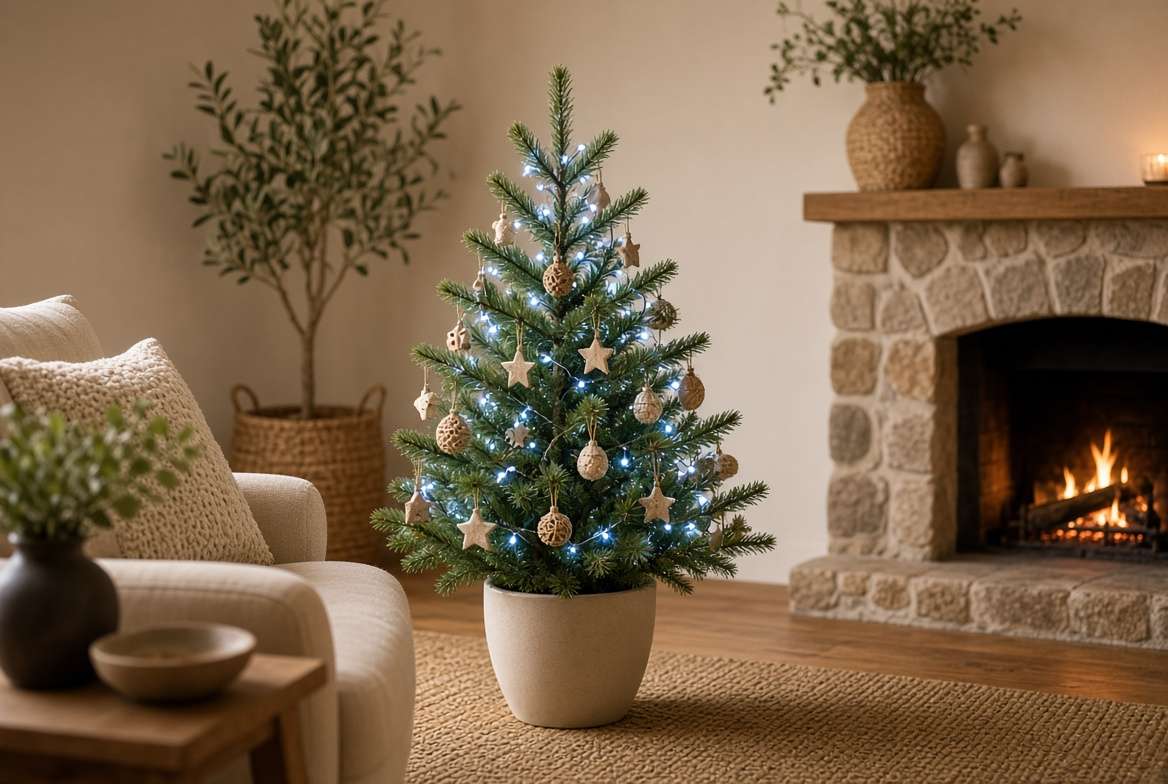
You must strictly use LED string lights. Traditional incandescent bulbs radiate a surprising amount of heat. When wrapped tightly around the branches of a living conifer, incandescent lights act like miniature ovens, scorching the needles and rapidly dehydrating the surrounding foliage. LEDs remain cool to the touch, ensuring the tree stays dormant and hydrated.
Ornament Etiquette 🪩
When hanging ornaments, prioritize lightweight decorations. Heavy glass baubles can permanently bend or snap tender lateral branches.
-
Do not cut the central leader: Never prune the top vertical branch to fit an angel or star. This will permanently alter the tree’s natural growth habit and ruin its mature shape.
-
Skip the artificial snow: Avoid flocking sprays, artificial snow, or heavy tinsel. These chemical coatings clog the stomata (the microscopic pores on the needles), suffocating the tree and blocking future photosynthesis.
Moving the Tree Back Outside (Reverse Acclimation) 🏡
Just as you slowly introduced the tree to the warmth, you must now safely reintroduce it to the cold. Rushing this step is a recipe for severe thermal shock.
The Un-Decorating and Rest Period 💤
Carefully remove all lights and ornaments, ensuring you don’t strip needles or snap twigs in the process. Once bare, move the tree back into your unheated transitional space—the garage, shed, or enclosed porch.
Leave it in this sheltered environment for another 3 to 4 days to harden off. Check the soil moisture one last time, ensuring the root ball is adequately hydrated before it faces the freezing temperatures, as winter winds can be incredibly drying.
How to Plant Your Live Christmas Tree in the Yard 🪴
The final and most rewarding step is transitioning your holiday centerpiece into a permanent landscape fixture.
Preparing the Hole (Ideally in Late Fall!) ⛏️
Pro Tip: If you live in a region where the ground freezes solid in the winter, you must plan ahead! Dig the planting hole in November, long before the ground turns to concrete.
-
Dig the hole twice as wide as the nursery pot, but no deeper.
-
Store the excavated soil in buckets or wheelbarrows inside your garage so it remains unfrozen and workable for backfilling in January.
-
Cover the open hole with a piece of plywood or a thick layer of mulch to keep snow out and prevent tripping hazards.
If you didn’t pre-dig the hole and the ground is frozen, keep the tree in its pot in a sheltered, unheated spot out of the wind (like against the north wall of your house). Pack the pot with straw or mulch to insulate the roots, and water lightly on mild days until spring thaws the ground.
The Step-by-Step Planting Process 📋
-
Remove the Container: Gently slide the tree out of its plastic pot. If the root ball is wrapped in burlap, carefully cut away any wire baskets and peel the burlap down so it sits below the soil line. Synthetic burlap must be removed completely.
-
Inspect and Tease the Roots: If you spot long roots circling the outside of the soil ball, gently loosen and tease them outward with your fingers. This prevents the tree from eventually girdling (strangling) itself as it grows.
-
Position the Root Flare: The “root flare” is the point where the trunk widens at the base to meet the roots. This flare must sit slightly above ground level. Planting a tree too deep is a guaranteed death sentence, as it causes the lower trunk to rot.
-
Backfill and Water: Backfill the hole with the native soil you stored in the garage. Do not add heavy fertilizers, as dormant trees cannot process them. Water the area deeply to settle the soil and eliminate subterranean air pockets.
Winter Mulching and Protection 🍂
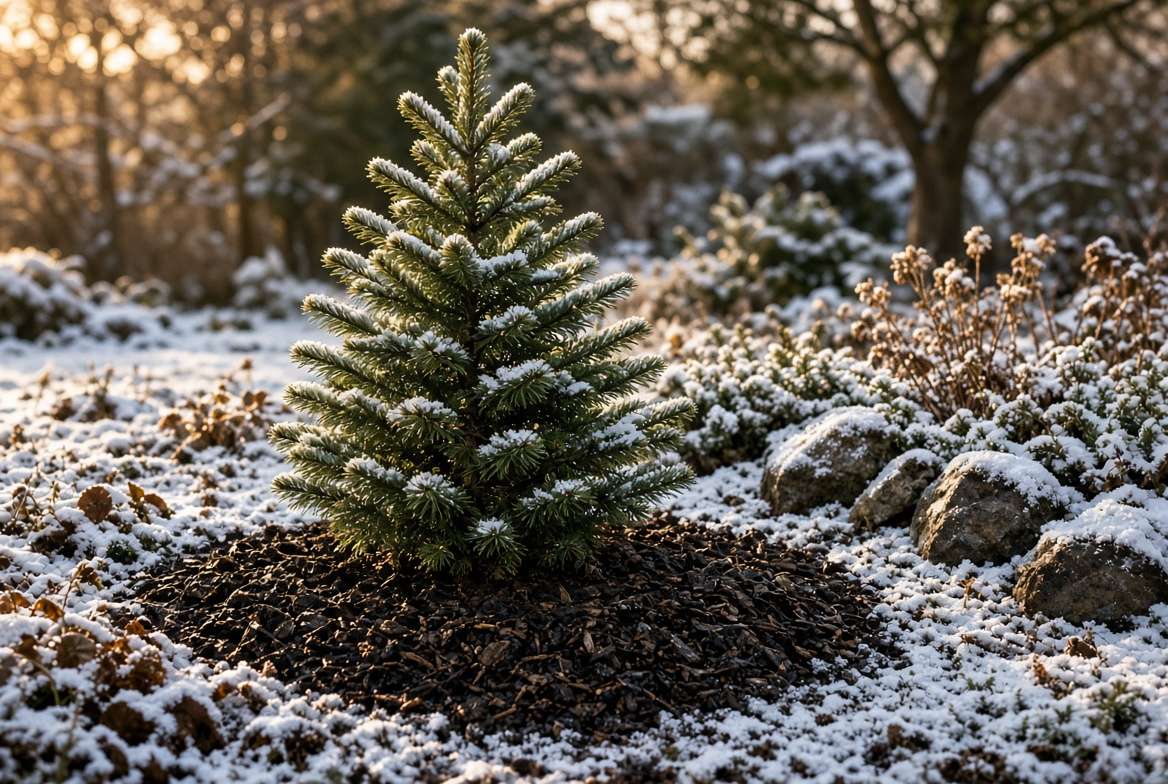
Apply a 3-to-4 inch layer of organic mulch (like wood chips, shredded bark, or pine needles) over the entire root zone to insulate the soil and retain moisture. Keep the mulch pulled a few inches away from the actual trunk to prevent bark rot.
If your yard is exposed to harsh, sweeping winter winds, consider spraying the foliage with a protective anti-desiccant spray or constructing a simple burlap screen around the tree to deflect the wind until spring.
5 Common Mistakes That Kill Living Christmas Trees ❌
Even experienced gardeners can make fatal errors during the busy holiday season. Avoid these pitfalls:
-
Overstaying the Welcome: Keeping the tree indoors for more than 10 days triggers premature spring growth, ruining its cold tolerance.
-
The Watering Extremes: Neglecting to water leads to crispy, dying needles, while leaving the pot sitting in a flooded saucer rots the roots.
-
Proximity to Heat: Placing the tree right next to a heating vent or blazing fireplace instantly bakes the foliage.
-
Ignoring Hardiness Zones: Buying a tree that isn’t biologically capable of surviving your local outdoor winter climate.
-
Planting Too Deep: Burying the root flare under mounds of soil starves the root system of oxygen.
Frequently Asked Questions (FAQs) ❓
Can I keep my live potted xmas tree in a pot year-round? Yes, but only for a few years. Trees meant for landscaping will eventually outgrow standard nursery containers. While you can step them up to larger pots annually, their root systems ultimately need the unrestricted space of the open ground to survive long-term.
What happens if my tree starts growing new green tips indoors? This means the tree has broken dormancy. If this happens, you cannot plant it outside until all danger of frost has passed in the spring. You must keep it in a cool, sunny indoor room or a heated greenhouse for the remainder of the winter, treating it like a very large houseplant.
How often should I water my tree while it’s in the house? Check the top inch of soil daily. If it feels dry to the touch, it’s time to water. The ice cube method works brilliantly for providing steady, daily moisture without the risk of overwatering.
Can I leave the tree in the pot outside until spring to plant it? Yes, if the ground is frozen. However, roots in a pot are highly vulnerable to freezing temperatures because they lack the insulation of the earth. Place the pot against a sheltered wall, wrap the container heavily in bubble wrap, burlap, or straw, and surround it with a thick mound of mulch to protect the root system until the spring thaw.
Conclusion: A Holiday Tradition That Grows With You 💚
Successfully keeping live potted xmas trees alive indoors and transitioning them to your yard is an incredibly rewarding horticultural achievement. It transforms a fleeting, consumable holiday decoration into a permanent, living monument that benefits local wildlife, improves air quality, and adds immense value to your landscape.
By respecting the tree’s need for dormancy, limiting its time in your heated home, and following proper planting techniques, you are setting the stage for decades of growth. Imagine looking out your window ten years from now at a towering, magnificent evergreen, knowing it was once the tiny, twinkling centerpiece of your family’s holiday celebration.
Ready to expand your gardening skills? Don’t forget to bookmark this guide, and be sure to check out our extensive resources on selecting the best organic fertilizers for your new evergreen companions this coming spring! 🌿✨