
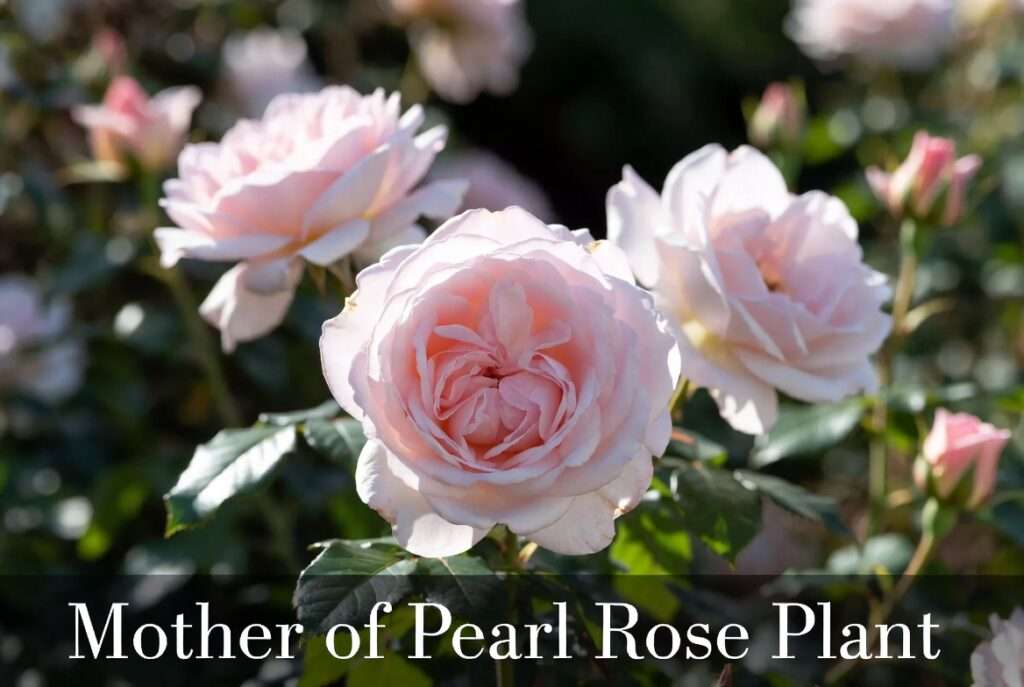
Have you ever dreamed of a rose that delivers elegant, pearl-like blooms in soft pink-apricot hues week after week, while standing strong against disease and tough weather? The mother of pearl rose plant (Rosa ‘Meiludere’) might just be your perfect garden companion. This stunning Grandiflora rose enchants gardeners with its luminous flowers, reliable repeat blooming, and impressive resilience.
Whether you’re a beginner hoping for your first successful rose or an experienced gardener seeking a low-maintenance variety that shines in beds, borders, or containers, this comprehensive guide is designed for you. With over 15 years of hands-on experience cultivating roses in varied climates, I’ve helped countless enthusiasts turn struggling plants into garden showstoppers. In this guide, you’ll discover proven strategies to plant, nurture, and troubleshoot the mother of pearl rose plant for abundant, long-lasting beauty. 🌷
The Mother of Pearl rose, introduced by the renowned French breeder Meilland in 2006, stands out for its excellent black spot resistance, adaptability from cooler zones to hot humid regions, and prolific flowering from spring through fall. Its large, full blooms (typically 3.5–4.25 inches across with 26–40 petals) feature a delicate pearlescent glow that makes them ideal for cutting gardens and romantic bouquets. Best of all, this rose rewards attentive care with minimal fuss, making it an outstanding choice for modern gardeners who want beauty without constant battle against pests and diseases.
In the sections ahead, we’ll cover everything from selecting healthy plants to advanced bloom-boosting techniques and organic solutions for common challenges. By the end, you’ll have the knowledge and confidence to grow thriving Mother of Pearl roses that become the highlight of your landscape. Let’s dive in! ✨
Understanding the Mother of Pearl Rose Plant
What Makes This Rose Special?
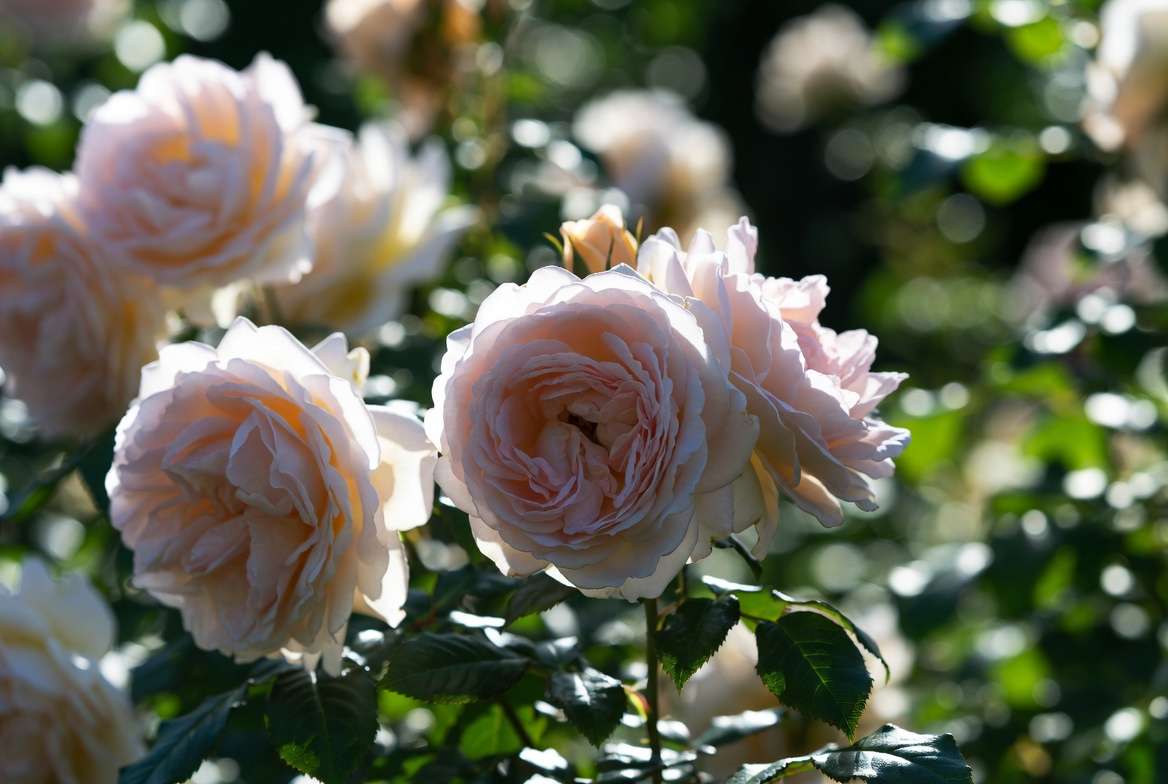
The Mother of Pearl rose plant is a Grandiflora — a class known for combining the elegant bloom shape of Hybrid Teas with the hardiness and repeat-flowering ability of Floribundas. Bred by Alain Meilland, this variety (patent PP18707) delivers clusters of large, perfectly formed flowers in soft pale pink with subtle apricot and cream undertones. The petals often show deeper rose-pink reverses, creating a beautiful luminous effect, especially when backlit by morning sun.
Key Characteristics:
- Bloom Size & Form: 3.5–4.25 inch double blooms with 26–40 petals
- Fragrance: Light, delicate scent (not overpowering, making it great for those sensitive to strong rose perfumes)
- Foliage: Semi-glossy, dark green, dense leaves that stay clean and healthy
- Growth Habit: Upright, bushy, reaching 3–4.5 feet tall and 2–4 feet wide
- Bloom Cycle: Prolific repeat bloomer in flushes from spring to frost
Gardeners love this variety because it performs reliably across USDA Zones 5b–10, thriving in both cooler northern gardens and hot, humid southern climates. Its strong disease resistance, particularly to black spot, sets it apart from many traditional roses that require heavy spraying.
Ideal Growing Zones and Climate Adaptability
The mother of pearl rose plant shows remarkable versatility. It is winter-hardy down to Zone 5 and tolerates heat and humidity exceptionally well. In cooler climates, it provides steady color through shorter seasons, while in warmer zones it offers near-continuous blooming with proper care. This adaptability makes it an excellent choice for gardeners facing challenging conditions. 🌍
Comparison with Similar Roses
Compared to classic Hybrid Tea roses, Mother of Pearl offers better disease resistance and more abundant flowering. Unlike many Floribundas, its blooms are larger and more elegantly shaped. It outperforms many pink shrub roses in terms of black spot resistance and overall vigor, making it a smarter long-term investment for your garden.
Choosing and Planting Your Mother of Pearl Rose
Where to Buy Healthy Plants
Success starts with quality stock. Look for own-root plants when possible, as they tend to be more resilient and true-to-type over time. Reputable nurseries offering potted or bare-root roses in spring and fall are ideal. Check for strong canes, healthy green foliage, and no signs of pests or disease. Avoid bargain plants that appear stressed or leggy.
Best Planting Time and Location
Plant in early spring after the last frost or in fall (at least 6 weeks before first frost) for best root establishment. Choose a site with full sun — at least 6–8 hours of direct sunlight daily. Good air circulation helps prevent fungal issues.
Pro Tip 💡: In hotter regions, provide afternoon shade to prevent petal scorch while maintaining overall sun exposure.
Step-by-Step Planting Guide
- Soil Preparation: Work in compost or well-rotted manure to create rich, well-draining soil with a pH of 6.0–6.5.
- Spacing: Plant 3–4 feet apart for good airflow.
- Planting Depth: Set the graft union (if grafted) 1–2 inches below soil level in colder zones for protection.
- Water Thoroughly: Soak the root zone deeply after planting and apply 2–3 inches of organic mulch.
Container Growing Tips: Use a large pot (at least 15–20 gallons) with excellent drainage. Mother of Pearl adapts well to containers on patios or balconies.
This thorough planting approach gives your mother of pearl rose plant the strongest possible start, reducing future problems significantly.
Essential Mother of Pearl Rose Care Routine
Consistent, thoughtful care is what transforms a good rose into an outstanding performer. The mother of pearl rose plant responds beautifully to a structured routine that supports strong roots, healthy foliage, and continuous blooming. Here’s exactly how to care for it throughout the seasons. 🌱
Soil and Mulching Best Practices
Mother of Pearl thrives in rich, loamy soil that drains well but retains moisture. Aim for a slightly acidic pH between 6.0 and 6.5. Before planting, amend heavy clay or sandy soils with generous amounts of compost, aged manure, and perlite for improved structure.
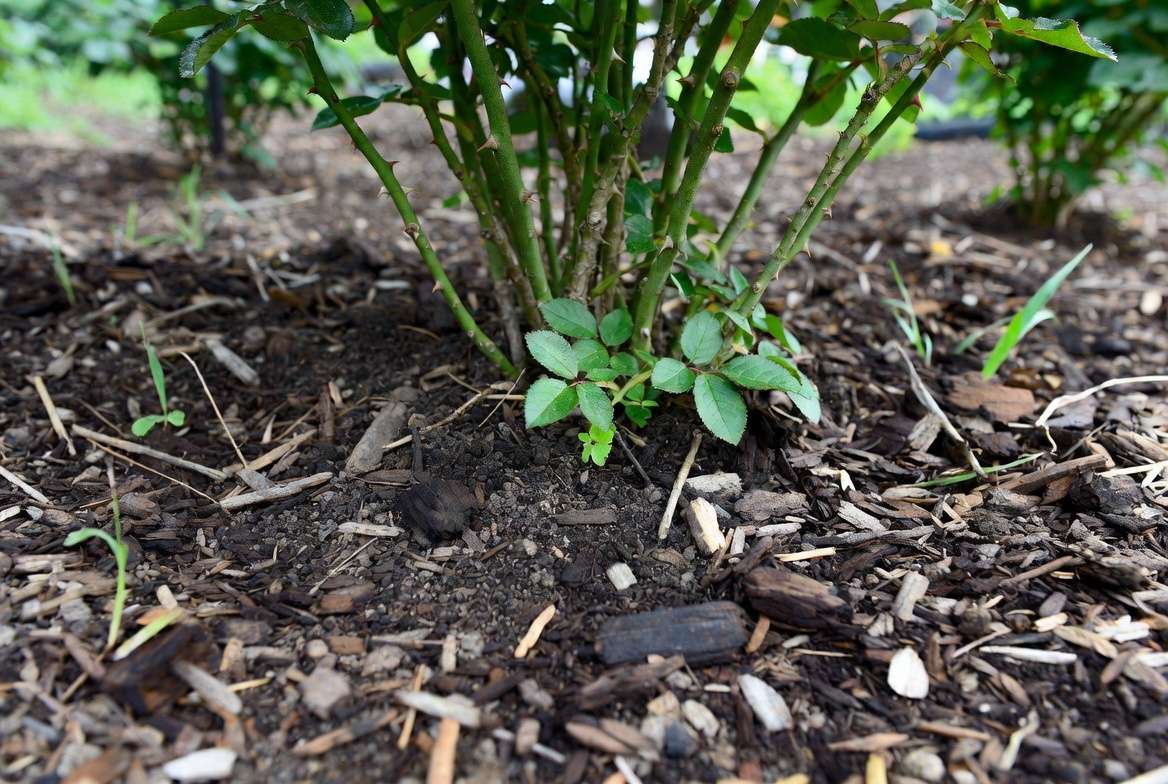
Apply 2–3 inches of organic mulch (pine bark, shredded leaves, or cocoa hulls) around the base of the plant, keeping it 2 inches away from the canes. Mulching conserves moisture, regulates soil temperature, suppresses weeds, and slowly feeds the soil as it breaks down. Replenish mulch twice a year — early spring and late fall — for best results.
Watering Schedule for Healthy Roots
Deep, infrequent watering is far better than shallow daily sprinkles. Newly planted roses need consistent moisture for the first 4–6 weeks. Once established, provide 1–1.5 inches of water per week, adjusting for rainfall and heat.
- Morning watering is ideal to allow foliage to dry before evening, reducing disease risk.
- Use soaker hoses or drip irrigation to deliver water directly to the root zone.
- Signs of underwatering: Wilting leaves and smaller blooms.
- Signs of overwatering: Yellowing lower leaves and root rot.
In hot summers, check soil moisture by inserting your finger 2–3 inches deep. If it feels dry, it’s time to water deeply.
Fertilizing for Abundant Blooms
Proper nutrition is one of the most important bloom secrets for the mother of pearl rose plant. Feed your roses with a balanced, rose-specific fertilizer (such as 10-10-10 or 12-6-6 formula) every 4–6 weeks during the growing season.
Recommended Schedule:
- Early spring (as buds swell): High-nitrogen formula for strong foliage growth.
- Late spring through summer: Switch to bloom-boosting fertilizer higher in phosphorus and potassium.
- Stop fertilizing 6–8 weeks before your first expected frost to help the plant harden off for winter.
Organic gardeners can use alfalfa meal, kelp extract, fish emulsion, and compost tea. These options improve soil biology and provide slow-release nutrients that support long-term plant health. Always water thoroughly after fertilizing to prevent root burn. ✨
Pruning Techniques for Shape and Vigor
Pruning encourages fresh growth and more flowers. For Mother of Pearl:
- Early Spring Pruning: Remove dead, damaged, or crossing canes. Cut back healthy canes by about one-third to an outward-facing bud. This creates an open vase shape that improves air circulation.
- Deadheading: Remove spent blooms just above the first set of five leaflets to stimulate new flower buds quickly.
- Rejuvenation: Every 3–4 years, remove 1–2 oldest canes at the base to keep the plant vigorous.
Use sharp, clean bypass pruners and disinfect them between cuts to prevent disease spread.
Sunlight, Temperature & Winter Protection
This variety loves full sun but appreciates some protection from intense afternoon heat in zones 8–10. In colder zones (5–6), mound 8–12 inches of soil or mulch around the base in late fall after the ground freezes. Remove the mound gradually in spring.
The mother of pearl rose plant is notably cold-hardy and heat-tolerant compared to many hybrid teas, making it forgiving for gardeners in variable climates.
Bloom Secrets – How to Get More Flowers 🌹
One of the biggest reasons gardeners fall in love with the Mother of Pearl rose is its generous blooming habit. Here are proven techniques to maximize flower production:
Advanced Flowering Tips
- Strategic Deadheading: Don’t just snap off the flower — cut to a strong five-leaflet leaf. This directs energy into new buds faster.
- Nutrient Tweaks: A mid-season application of Epsom salts (1 tablespoon per gallon of water) helps produce larger, more vibrant blooms by supporting magnesium levels.
- Consistent Moisture: Bloom size and quality drop dramatically during drought stress. Maintain even soil moisture for the biggest, longest-lasting flowers.
Encouraging Repeat Blooms All Season
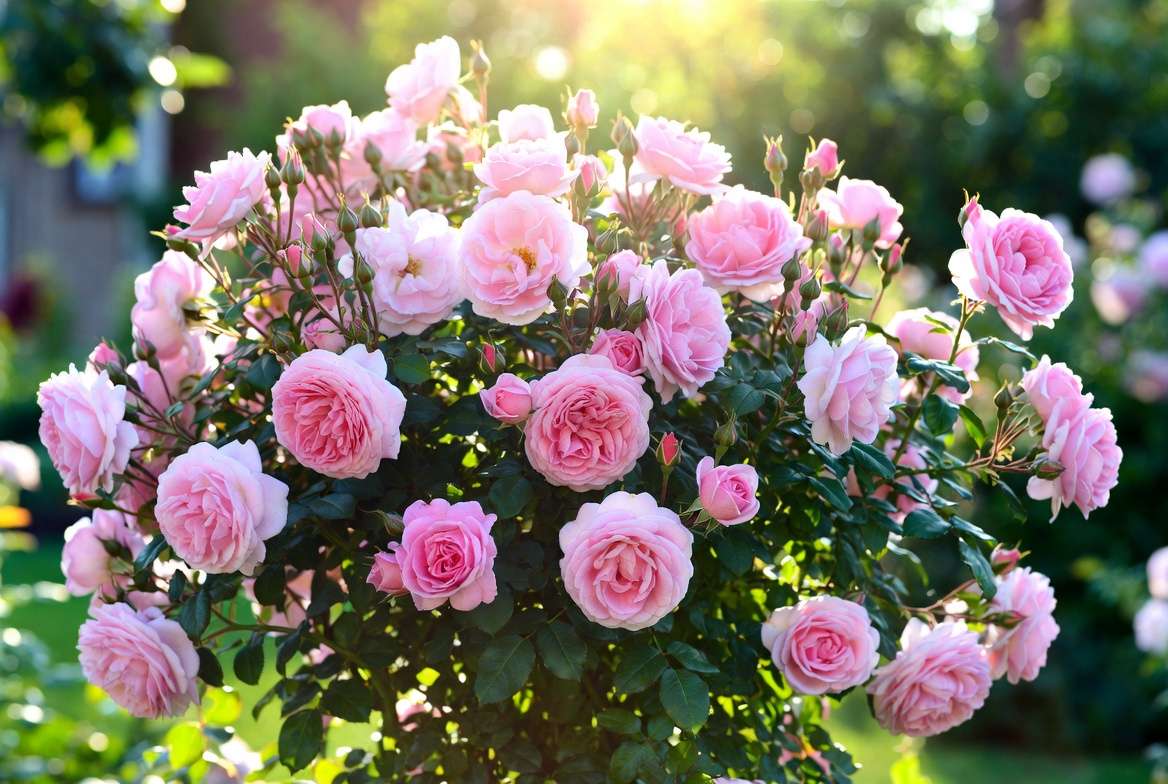
Mother of Pearl is a true repeat bloomer. By removing faded flowers promptly and maintaining a steady feeding and watering schedule, you can enjoy multiple flushes from late spring until frost. In warmer climates, it may bloom almost continuously with proper care.
Companion Planting for Better Performance
Pair your mother of pearl rose plant with:
- Lavender, catmint, or salvia (deter aphids and add beautiful contrast)
- Garlic or chives (natural pest repellents)
- Alliums (improve overall rose health through companion chemistry)
These combinations create a more resilient ecosystem and turn your rose bed into a stunning pollinator garden.
Expert Insight: After years of trialing dozens of rose varieties, I’ve found that Mother of Pearl consistently ranks among the top performers for reliable color and disease resistance when given these bloom-boosting conditions.
Common Problems and Solutions
Even tough roses like Mother of Pearl can face challenges. Early identification and organic solutions keep problems manageable.
Pest Issues and Organic Controls
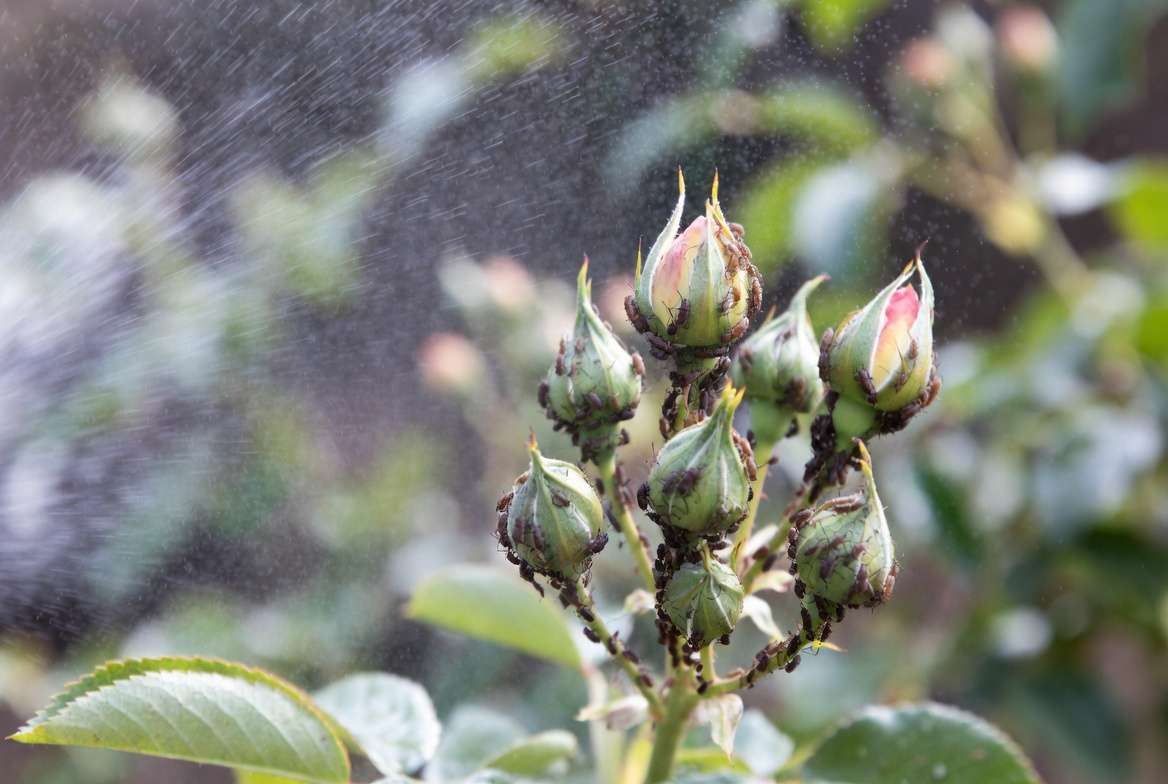
- Aphids: Small green or pink insects that cluster on new growth. Blast them off with a strong spray of water or use insecticidal soap/neem oil.
- Japanese Beetles: Hand-pick in the morning and drop into soapy water. Apply milky spore to lawns for long-term control.
- Spider Mites: Look for fine webbing and stippled leaves. Increase humidity and use neem oil sprays.
Disease Management
Thanks to its strong genetics, Mother of Pearl shows excellent black spot resistance. However, in extremely humid conditions:
- Powdery Mildew: White powdery coating on leaves. Improve air circulation and apply sulfur-based fungicides preventatively.
- Rust: Orange spots on leaf undersides. Remove affected leaves and avoid overhead watering.
Prevention is always better than cure — good spacing, morning watering, and healthy soil go a long way.
Nutrient Deficiencies and Environmental Stress
- Yellow Leaves: Often nitrogen deficiency or overwatering. Adjust feeding and check drainage.
- Poor Blooming: Usually caused by insufficient sun, improper pruning, or potassium shortage.
- Leggy Growth: Indicates too much shade or excessive nitrogen.
Create a seasonal problem calendar: Watch closely in spring for new growth pests, summer for heat stress, and fall for preparation against winter damage.
Propagation, Advanced Tips & Design Ideas
How to Propagate Mother of Pearl Roses
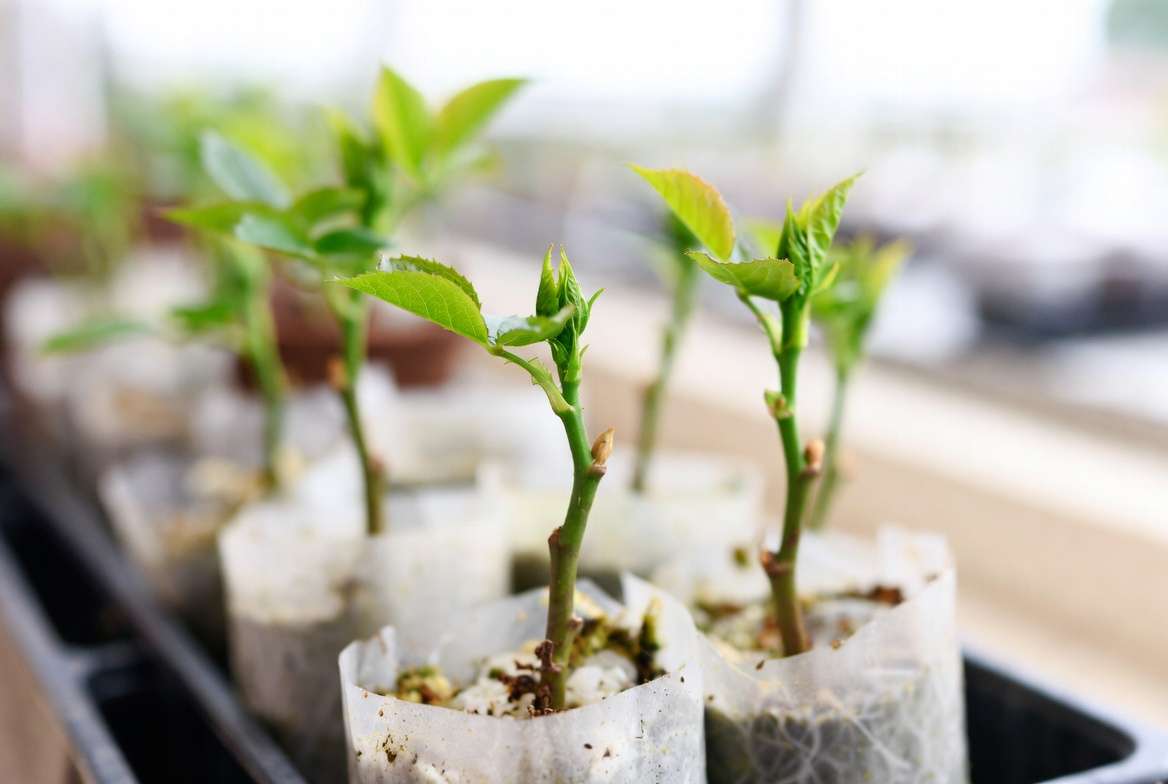
Take 6–8 inch semi-hardwood cuttings in early summer. Dip in rooting hormone, plant in moist perlite/vermiculite mix, and keep under high humidity. Roots typically form in 4–6 weeks. This is a rewarding way to multiply your favorite plants.
Using Roses in Garden Design
The upright habit and soft pink tones of Mother of Pearl make it incredibly versatile:
- Mixed borders with perennials
- Formal rose gardens
- Large containers on terraces
- Cutting gardens for fresh bouquets
- Mass plantings for dramatic impact
Sustainable & Organic Rose Growing
Focus on building healthy soil life rather than quick fixes. Compost teas, beneficial insects, and minimal intervention create gardens where Mother of Pearl roses truly flourish with less work over time.
Conclusion
Growing the mother of pearl rose plant offers one of the most rewarding experiences in home gardening. With its luminous blooms, strong disease resistance, and adaptable nature, it brings elegance and joy to gardens across many climates. By following this detailed care guide — from smart planting and consistent maintenance to bloom-enhancing secrets and proactive problem-solving — you’ll enjoy healthy, floriferous roses season after season.
Start with one plant and watch it become the star of your landscape. Your garden (and local pollinators) will thank you!
Share your Mother of Pearl rose experiences in the comments below. Which tip are you most excited to try? For more expert rose care guides, explore our other articles on disease-resistant roses and container gardening. Happy growing! 🌸✨
FAQs
Is the Mother of Pearl rose fragrant? It has a light, pleasant fragrance — not overpowering, making it suitable for most gardeners.
How fast does the mother of pearl rose plant grow? It establishes quickly and reaches mature size (3–4.5 ft) within 2–3 seasons with good care.
Can it grow in pots? Yes! It performs very well in large containers with proper drainage and regular feeding.
Why are my blooms not opening fully? This is often due to heat stress, inconsistent watering, or thrips. Increase shade slightly and monitor moisture.
Is Mother of Pearl deer resistant? Roses are generally deer favorites, but its vigorous growth helps it recover quickly if browsed.











