
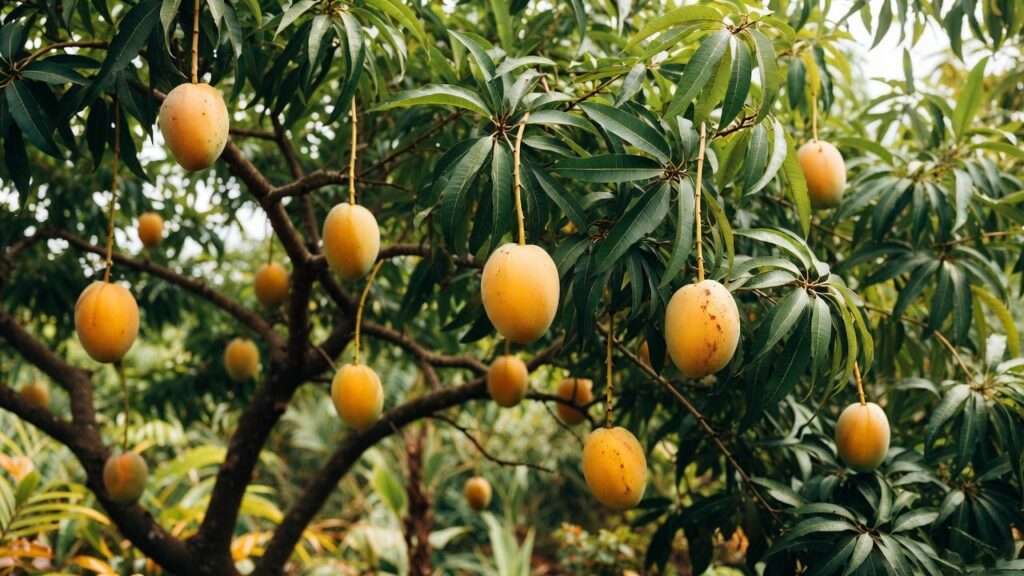
Imagine biting into a perfectly ripe mango that’s so sweet and juicy it tastes like honey with subtle floral notes—completely smooth, with no annoying fibers getting stuck in your teeth. That’s the magic of the Nam Doc Mai mango tree, one of Thailand’s most prized varieties. If you’ve ever dreamed of harvesting your own premium, fiberless mangoes right in your backyard or even on a patio, this ultimate guide is for you. Whether you’re in a tropical climate or growing in containers, we’ll cover everything you need to successfully cultivate the Nam Doc Mai mango tree and enjoy bountiful, mouthwatering fruit at home. 🌺
As a horticulturist with years of experience growing tropical fruits in subtropical regions like South Florida and consulting with nurseries across the US, I’ve seen firsthand how rewarding (and achievable) it is to grow this exceptional variety. Let’s dive in and turn your space into a personal mango paradise!
Why Choose the Nam Doc Mai Mango Tree? 🏆
The Nam Doc Mai (also spelled Nam Dok Mai, meaning “flower water” in Thai) stands out among hundreds of mango varieties for its unparalleled eating quality. Originating from Thailand, where it’s considered the king of dessert mangoes, this cultivar has been cultivated for centuries and remains Thailand’s top commercial and home-grown favorite.
Origins and Unique Characteristics 🌍
- Thai Heritage: Introduced to Florida in the 1970s, Nam Doc Mai traces its roots to central and eastern Thailand. Variations like Nam Doc Mai #4 are popular for their compact growth and enhanced productivity.
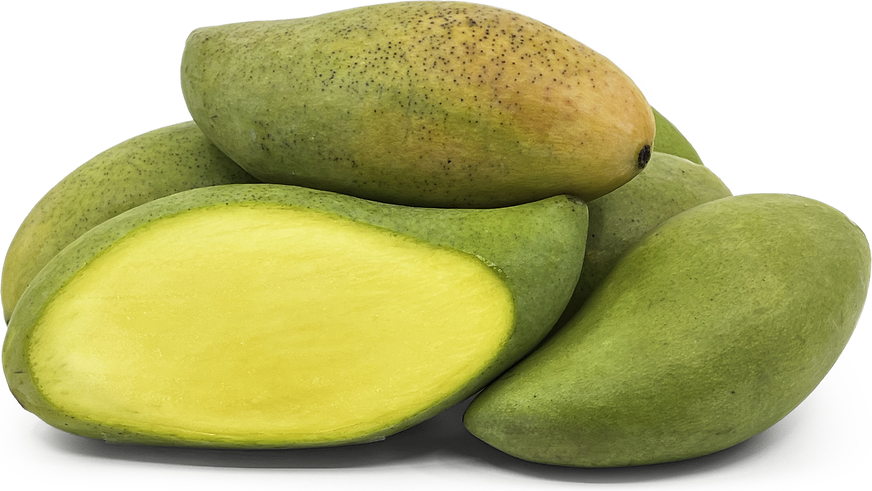
- Fruit Profile: Elongated, sigmoid (S-shaped) fruits weigh 12-20 ounces, with smooth, golden-yellow skin that may show a slight pink blush. The flesh is buttery-soft, completely fiberless, juicy, and incredibly sweet (17-22 Brix levels), with aromatic floral and honey-like flavors.
- Polyembryonic Seeds: Seeds produce true-to-type trees, making propagation reliable.
Benefits for Home Gardeners 🏡
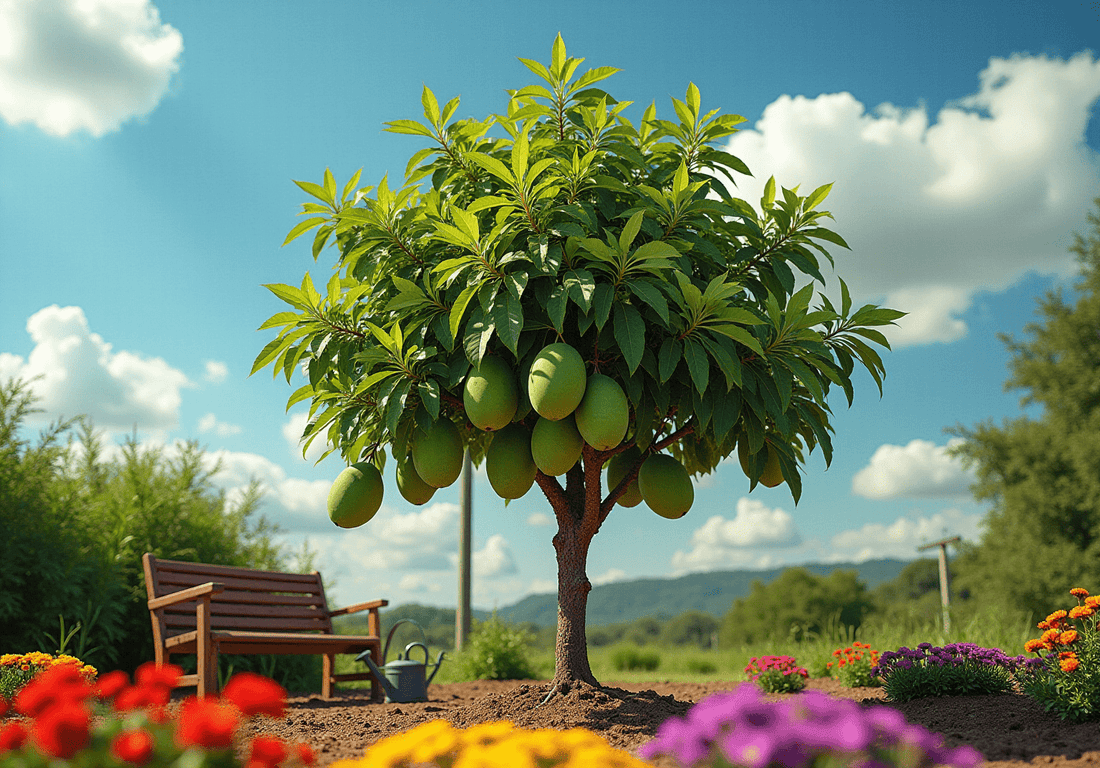
- Compact Size: Semi-dwarf habit (10-15 feet pruned; up to 25 feet unpruned), ideal for small yards, patios, or containers.
- Prolific Producer: Often bears multiple flushes per year, with potential for extended harvests. Grafted trees can fruit in 2-3 years.
- Disease Resistance: Good tolerance to anthracnose; moderate resistance to other common issues.
- Self-Fertile: Produces fruit alone but yields improve with cross-pollination or pollinators.
Compared to common grocery store mangoes (often fibrous and less flavorful), homegrown Nam Doc Mai delivers superior taste and freshness—perfect for fresh eating, smoothies, or Thai classics like mango sticky rice.
Selecting and Planting Your Nam Doc Mai Mango Tree 🌱
Success starts with the right tree and proper planting.
Choosing a Healthy Tree 🛒
- Go Grafted: Always choose grafted Nam Doc Mai trees from reputable nurseries (e.g., those following UF/IFAS guidelines). They fruit faster (2-3 years) and stay true-to-type, unlike seed-grown trees (6-10 years).
- Look for #4 Variety: This semi-dwarf version is more compact and productive for home growers.
- Signs of Health: Sturdy trunk, green leaves, no pests or damage. Opt for 3-7 gallon pots for established starts.
Ideal Climate and Location ☀️
- USDA Zones: Thrives in 9b-11; protect from frost below 30°F (-1°C). In cooler areas (zone 9a or below), grow in containers and move indoors.
- Sunlight: Full sun—6-8+ hours daily for optimal flowering and fruiting.
- Wind Protection: Shelter from strong winds to prevent branch damage.
Soil Requirements and Planting Steps 🕳️
- Soil Type: Well-draining sandy loam, pH 5.5-7.5. Avoid heavy clay to prevent root rot.
- Amendments: Mix in compost or organic matter for fertility and drainage.
- Planting Process:
- Dig a hole twice as wide and as deep as the root ball.
- Plant in spring after last frost.
- Position graft union above soil line.
- Space in-ground trees 10-15 feet apart.
- Water thoroughly and mulch to retain moisture.
For urban gardeners, this variety excels in large pots (more on that later!).
Essential Care for Thriving Growth 💧
Consistent care ensures vigorous growth and heavy fruit set.
Watering Schedule 🚰
- Young Trees: Keep soil consistently moist (but not soggy) for the first 1-2 years—deep water 2-3 times weekly.
- Established Trees: Drought-tolerant; water deeply every 1-2 weeks during dry periods. Reduce in winter.
- Pro Tip: Inconsistent watering causes fruit splitting, especially during heavy rains. Use drip irrigation for even moisture.
Fertilization Strategies 🌿
Mangoes are moderate feeders—over-fertilizing leads to vegetative growth over fruit.
- Young Trees: Use balanced NPK (e.g., 10-10-10) 3-4 times/year.
- Fruiting Trees: Switch to high-potassium (e.g., 6-6-12) to boost blooms and fruit.
- Schedule:
Age/Stage Frequency Recommended Fertilizer Amount (per tree) First Year Every 2 months Balanced (8-8-8 or similar) 1/4-1 lb 2-5 Years 3-4 times/year High-K (e.g., 0-0-50 for fruit) 1-3 lbs Mature 3 times/year Organic + micronutrients 3-5 lbs - Organic Options: Compost, fish emulsion, or manure tea. Include micronutrients (zinc, manganese) for better yields.
- Expert Insight: From UF/IFAS recommendations, avoid late-season nitrogen to prevent frost-sensitive new growth.
Pruning for Shape and Productivity ✂️
- When: Late winter/early spring, after harvest.
- How: Remove dead/diseased branches, thin crowded areas for airflow, and tip-prune to encourage bushy growth.
- Goal: Keep tree 10-15 feet tall with open canopy—improves light penetration and reduces disease.
- Tip: Regular tipping creates a “mango bush” habit, ideal for easy harvesting.
Flowering, Fruiting, and Harvesting 🍈
The most exciting part of growing a Nam Doc Mai mango tree is watching it burst into bloom and set fruit—often multiple times a year in ideal conditions. With proper care, you can enjoy extended harvests of those premium, fiberless mangoes right from your tree.
Understanding the Bloom Cycle 🌸
Nam Doc Mai is known for its prolific and sometimes erratic flowering, which sets it apart from many mango varieties that fruit once annually.
- Typical Timing: In subtropical areas like Florida, main bloom occurs February-April, with harvest in June-July. However, this variety often produces off-season flushes, leading to fruit ripening from May through September (or even year-round in truly tropical climates).
- Triggers for Flowering: Cool nights (below 65°F/18°C) followed by warming temperatures, combined with adequate moisture stress (slight dry period) before bloom. Avoid heavy pruning or nitrogen fertilizer in fall to encourage buds.
- Panicle Appearance: Long, pinkish-white flower clusters (panicles) emerge at branch tips, carrying hundreds of tiny flowers.
Pollination Tips 🐝
Although self-fertile, Nam Doc Mai benefits greatly from cross-pollination for heavier fruit set.
- Natural Pollinators: Attract bees, flies, and butterflies with nearby flowering plants (e.g., basil, marigolds).
- Hand Pollination: For container trees or low-pollinator areas, gently shake panicles or use a soft brush to transfer pollen.
- Fruit Set Rate: Only 1-5% of flowers typically develop into fruit—normal for mangoes. Thinning overloaded branches prevents breakage.
When and How to Harvest 👋
Timing is everything for peak flavor—pick too early, and sweetness suffers; too late, and fruit may drop or attract pests.
- Harvest Season: Primarily summer, but extended with multiple flushes.
- Maturity Signs:
- Skin turns golden-yellow with possible pink blush.
- Fruit softens slightly near the stem.
- Strong aromatic fragrance.
- Stem end dries and shrinks (abscission layer forms).
- Picking Method: Use pruners to cut stem 1-2 inches above fruit (leaving a “handle” prevents sap burn). Avoid pulling to prevent damage.
- Post-Harvest: Allow to ripen fully at room temperature (2-7 days). Store ripe fruit in fridge up to 1 week.
Maximizing Yield: Pro Tips from Experts 📈
- Fruit Thinning: Remove excess small fruits (keep 1-2 per panicle) for larger, sweeter mangoes.
- Protect from Pests/Birds: Use organza bags or netting during ripening.
- Multiple Crops: In warm climates, induce off-season bloom with potassium nitrate sprays (under expert guidance).
Common Problems and Solutions 🛡️
Even with its good resistance, no mango tree is immune to issues. Early detection and preventive care keep your Nam Doc Mai thriving.
Pests to Watch For 🐛
- Common Culprits:
- Scale insects and mealybugs (white cottony masses on leaves/stems).
- Aphids (curled new growth).
- Mango fruit flies (stings on ripening fruit).
- Mites (bronzed leaves).
- Controls:
- Horticultural oils or neem for soft-bodied pests.
- Beneficial insects (ladybugs).
- Sanitation: Remove fallen debris.
- For fruit flies: Bait traps early.
Diseases and Prevention 🦠
Nam Doc Mai has excellent anthracnose resistance compared to varieties like Tommy Atkins, but monitoring is key.
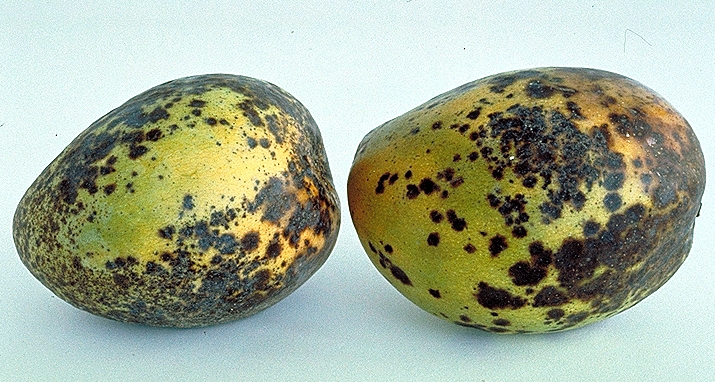
- Anthracnose: Black lesions on leaves, flowers, or fruit (especially in humid conditions).
- Powdery Mildew: White coating on buds—common during cool, dry springs.
- Other: Root rot (overwatering), bacterial black spot.
- Prevention Strategies:
- Promote airflow with pruning.
- Avoid overhead watering.
- Copper-based fungicides preventively during bloom (follow labels).
- Good nutrition strengthens resistance.
Other Issues 🌧️
- Fruit Splitting: From irregular watering—maintain consistent moisture during development.
- Nutrient Deficiencies: Yellow veins (iron/manganese)—apply chelated micronutrients.
- Cold Damage: Leaf drop below 30°F—use frost cloth or move pots indoors.
Growing Nam Doc Mai in Containers (Condo Mango Guide) 🪴
One of the best features of Nam Doc Mai #4 is its suitability for container culture—perfect for patios, balconies, or colder climates.
- Pot Size: Start with 15-25 gallons; upgrade to 30-50+ as tree matures. Use terracotta or lightweight plastic with drainage holes.
- Soil Mix: Fast-draining: 50% potting soil, 30% perlite/pumice, 20% compost.
- Care Adjustments:
- Water more frequently (check top 2 inches).
- Fertilize monthly during growing season.
- Prune aggressively to maintain 6-10 feet height.
- Overwinter indoors or in greenhouse if temperatures drop below 40°F.
- Yield Potential: Container trees produce 50-100+ fruits annually with excellent care.

Advanced Tips for Expert-Level Success 🔬
Once you’ve mastered the basics, these advanced techniques can elevate your Nam Doc Mai mango tree to championship-level productivity and health. Drawing from years of working with tropical fruit enthusiasts and referencing resources like the University of Florida’s IFAS extension and Thai agricultural practices, these tips help serious growers achieve exceptional results.
Propagation (Grafting for True-to-Type Trees) 🌿
While Nam Doc Mai can be grown from seed (polyembryonic, often true-to-type), grafting ensures identical premium fruit quality and faster production.
- Veneer or Cleft Grafting: Most common method—use healthy scions from proven trees onto vigorous rootstock (e.g., Turpentine or local seedlings).
- Best Time: During warm, humid months when sap is flowing.
- Success Rate Boosters: Keep grafts shaded, maintain high humidity (use bags), and apply sealant.
Companion Planting 🐞
Create a guild around your tree to improve soil health, attract pollinators, and deter pests naturally.
- Recommended Companions:
- Legumes (beans, peanuts) for nitrogen fixation.
- Herbs like basil, lemongrass, or comfrey for pest repulsion and mulch.
- Flowering plants (marigolds, nasturtiums) to draw beneficial insects.
- Ground covers (sweet potato, clover) to suppress weeds and retain moisture.
- Avoid: Tall competitors or heavy feeders like corn.

Seasonal Care Calendar 📅
Follow this subtropical (e.g., Florida/Thailand-like) schedule—adjust for your local climate.
| Month/Season | Key Tasks | Notes/Tips |
|---|---|---|
| Jan-Feb (Winter) | Prune, apply dormant spray, protect from frost | Light fertilizer if growth resumes |
| Mar-Apr (Spring) | Fertilize for bloom, monitor panicles, hand pollinate if needed | Watch for powdery mildew |
| May-Jun (Early Summer) | Thin fruit, consistent watering, pest checks | Peak flowering/early fruit set |
| Jul-Aug (Summer) | Harvest main crop, water deeply during dry spells | Mulch heavily for moisture |
| Sep-Oct (Fall) | Light prune, reduce nitrogen, prepare for off-season flush | Micronutrient spray if deficiencies |
| Nov-Dec (Late Fall) | Minimal watering, protect young trees from cold | Plan for next year’s amendments |
Real Grower Stories and Insights 🌟
Many home growers report 100-300 fruits per mature tree annually. One Florida enthusiast shared: “My potted Nam Doc Mai #4 produced over 50 mangoes in its third year—sweeter than any imported!” Consistent care and patience are key.
Frequently Asked Questions ❓
Here are answers to the most common questions from mango growers:
- How long until my Nam Doc Mai mango tree fruits? Grafted trees typically fruit in 2-4 years; seed-grown in 6-10 years.
- Can I grow it in a pot long-term? Yes! The #4 variety thrives in containers with proper pruning and care—many achieve full production.
- Why is my fruit splitting? Usually from irregular watering. Maintain even soil moisture during fruit development.
- What’s the cold tolerance? Mature trees handle brief dips to 28-30°F; young trees need protection below 40°F.
- Do I need two trees for pollination? No—it’s self-fertile, but a second variety nearby boosts yields.
- How tall will it get? Unpruned: 20-30 feet. Regular pruning keeps it 10-15 feet for easy management.
- Best fertilizer for fruiting? Switch to low-nitrogen, high-potassium formulas during bloom/fruit set.
- Why no flowers yet? Common causes: Too much nitrogen, insufficient sun, or young age. Induce with cool nights and dry stress.
- Is it resistant to diseases? Excellent against anthracnose; still monitor for others in humid conditions.
- How to store harvested mangoes? Ripen at room temp, then refrigerate ripe ones up to a week. Freeze puree for longer.
Conclusion 🎉
Growing a Nam Doc Mai mango tree at home is one of the most rewarding experiences in tropical gardening—delivering basket after basket of the world’s finest, fiberless, honey-sweet mangoes straight from your own space. With the right selection, consistent care, and a bit of patience, you’ll be savoring that melt-in-your-mouth perfection season after season.
Start your journey today—plant that tree, follow this guide, and soon you’ll understand why Nam Doc Mai is beloved worldwide. Happy growing! 🌴✨











