
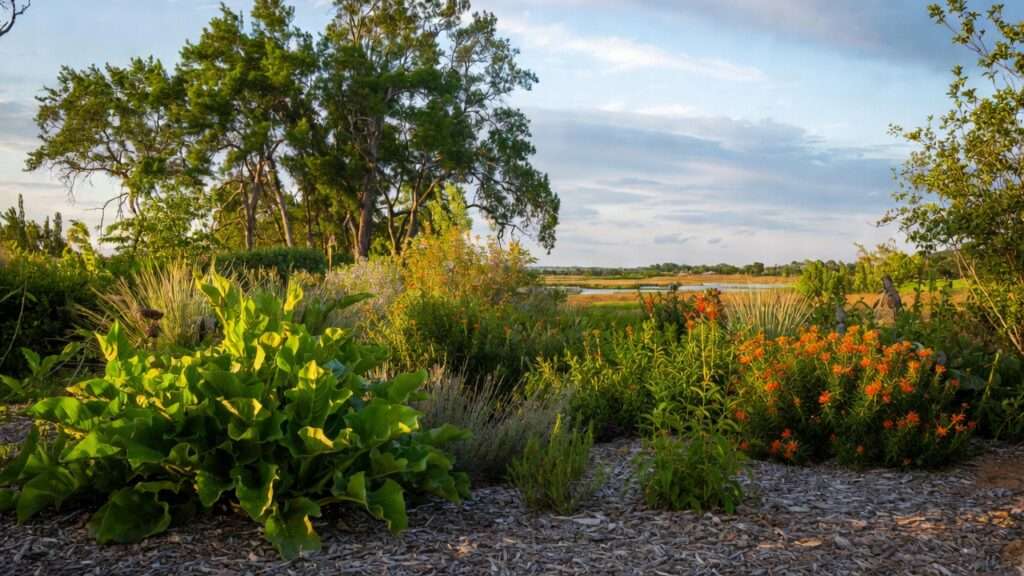
Are you tired of sky-high water bills, endless weekend mowing sessions, and a yard that feels more like a chore than a sanctuary? 😩 In an era of climate challenges and declining biodiversity, many homeowners are discovering a simple yet powerful solution: native plants for sustainable yards. By replacing thirsty turf grass and exotic ornamentals with plants that have evolved right in your local ecosystem, you can slash maintenance time, conserve precious water, nurture wildlife, and create a beautiful, resilient landscape that practically takes care of itself. 🌱
Experts like entomologist Dr. Doug Tallamy, author of Bringing Nature Home and co-founder of Homegrown National Park, emphasize that native plants form the foundation of healthy food webs. They support far more insects (especially caterpillars) than non-natives—key food for birds and other wildlife—while requiring minimal inputs once established. Research shows that yards with native plants can support hundreds of times more biodiversity, reduce water use by 50-75%, and even help combat climate change through better carbon storage and stormwater management. 🌍🐦
In this comprehensive guide, we’ll walk you through everything you need to transform your yard into a thriving, low-maintenance oasis. Whether you’re starting small or going all-in, you’ll gain the tools, plant recommendations, design principles, and real-world inspiration to make it happen—saving money, time, and the planet along the way. Let’s dive in! 💚
Why Native Plants Are the Key to Truly Sustainable Yards 🌱
What Exactly Are Native Plants?
Native plants are species that have occurred naturally in a specific region for thousands of years, co-evolving with local soils, climate, insects, birds, and other wildlife. Unlike exotic or ornamental plants imported from other continents, natives are perfectly adapted to your area’s rainfall patterns, temperature extremes, pests, and diseases. This adaptation is what makes them so sustainable—no constant babying required!
The Science Behind Native Plants: Evolutionary Partnerships
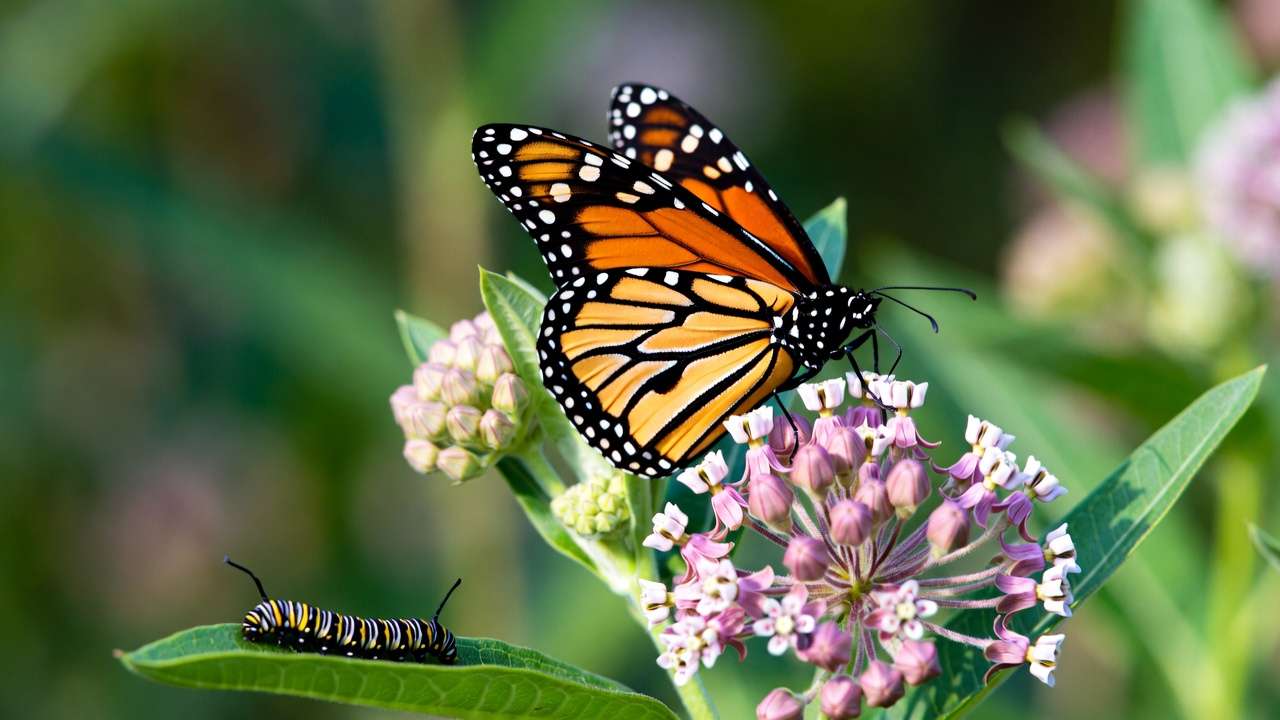
Dr. Doug Tallamy’s groundbreaking research reveals a startling fact: About 90% of herbivorous insects (like caterpillars) specialize in native plants. These insects are the base of the food chain—feeding birds, bats, lizards, and more. For example, oak trees (a keystone genus) can support over 500 caterpillar species in many regions, while a non-native ginkgo might host just five. Without enough caterpillars, common backyard birds like chickadees struggle to raise their young—one brood needs thousands! 🐛→🐦
By planting natives, you’re not just beautifying your space; you’re restoring broken ecological links that modern lawns have disrupted.
Top Benefits Backed by Experts
- Massive Water Savings & Drought Resistance 💧: Once established (usually after 1-2 years), most native plants need little to no supplemental watering—perfect for water-wise yards. Studies from Audubon and university extensions show reductions of 50-75% in irrigation compared to traditional lawns.
- Lower Maintenance 🛠️: Say goodbye to frequent mowing, fertilizing, and pesticide applications. Natives thrive without chemicals, reducing runoff that harms local waterways.
- Enhanced Biodiversity & Wildlife Support 🦋🐝: Attract pollinators (bees, butterflies), birds, beneficial insects, and even small mammals. Tallamy notes that even modest native plantings can dramatically increase wildlife sightings.
- Soil Health, Erosion Control & Stormwater Management 🌧️: Deep root systems improve soil structure, prevent erosion, and filter pollutants—ideal for rain gardens or sloped yards.
- Carbon Sequestration & Climate Resilience 🌳: Long-lived natives like trees and shrubs store carbon effectively while withstanding extreme weather better than many exotics.
- Healthier Yards for Families 👨👩👧: Fewer toxins mean safer play spaces for kids and pets.
These aren’t hypotheticals—organizations like the National Audubon Society, Lady Bird Johnson Wildflower Center, and Homegrown National Park back them with decades of data.
Assessing Your Yard: The Foundation for Success 🗺️
Success starts with understanding your site—skip this, and even the best plants may struggle.
Site Analysis Checklist
- Sun exposure: Full sun (6+ hours), part shade, or full shade?
- Soil type/texture: Clay, sandy, loamy? Test drainage by digging a hole and seeing how fast water disappears.
- Slope and microclimates: Wet low spots? Dry, windy hills?
- Existing plants/invasives: Identify and plan to remove aggressive non-natives like English ivy or privet.
Tools & Simple Tests
Grab a soil pH test kit (most natives prefer slightly acidic to neutral) and do a percolation test. No fancy tools needed—just observe after rain!
Determining Your Ecoregion/Plant Hardiness Zone
Use free resources like the USDA Plant Hardiness Zone Map, Lady Bird Johnson Wildflower Center’s Native Plant Database, or Homegrown National Park’s Ecoregion Finder (enter your ZIP code for tailored keystone plant lists). These tools ensure “right plant, right place” success. 🔍
Step-by-Step Guide to Designing Your Native Plant Landscape 🌸
The beauty of native plant landscaping lies in its simplicity: mimic nature’s patterns, and the plants do most of the work. Follow these core principles to create a yard that’s stunning, functional, and wildlife-friendly.
Principle 1: Right Plant, Right Place
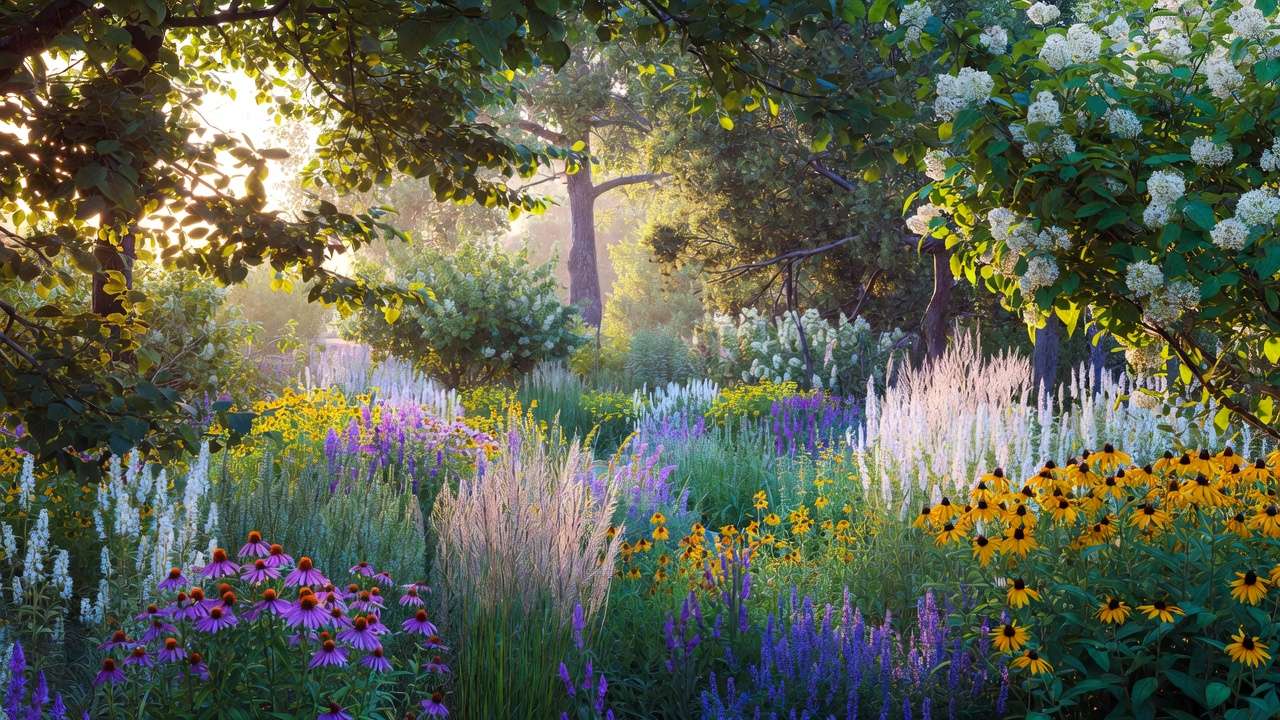
Always match plants to your site’s exact conditions—sun, soil, moisture, and space. This is the #1 rule for zero-fail, low-maintenance success. For example, don’t plant a sun-loving prairie species in deep shade; it will struggle and require extra care. Use tools like the Lady Bird Johnson Wildflower Center database or Homegrown National Park’s keystone finder to search by your ZIP code and conditions. This ensures plants thrive with minimal intervention. 🌞🌳
Principle 2: Layering for Natural Beauty & Function
Nature doesn’t grow in flat monocultures—your yard shouldn’t either. Build vertical layers for maximum ecological benefit and visual interest:
- Canopy trees → Tall natives like oaks, maples, or serviceberries provide structure, shade, and keystone support (oaks host hundreds of caterpillar species!).
- Understory shrubs → Mid-level plants like dogwoods, viburnums, or elderberries add blooms, berries, and bird habitat.
- Perennials & groundcovers → Fill the floor with coneflowers, bee balm, or wild strawberries for color and pollinator food.
- Grasses & sedges → Add movement and texture with little bluestem, switchgrass, or Pennsylvania sedge.
Layering creates habitat diversity, suppresses weeds naturally, and looks intentional rather than “wild.”
Principle 3: Create Diversity & Drifts
Plant in groups (3–7+ of the same species) rather than one-offs. Drifts mimic natural patterns, make a stronger visual impact, and give pollinators easier access to food sources. Aim for 70%+ native coverage to truly boost biodiversity—research from Dr. Tallamy shows even small increases yield big wildlife gains. Mix bloom times for continuous interest and nectar. 🐝
Principle 4: Incorporate Year-Round Interest
Sustainable yards shine all seasons:
- Spring: Ephemerals like trillium, bloodroot, or Virginia bluebells.
- Summer: Bold bloomers such as black-eyed Susan, coneflower, or blazing star.
- Fall: Asters, goldenrods, and berry-laden shrubs for late-season color and bird food.
- Winter: Evergreen structures (e.g., inkberry holly), seed heads for birds, and bark interest from birches or red osier dogwood.
This keeps your yard dynamic and supports overwintering insects.
Principle 5: Reduce Lawn Gradually
Don’t rip out your entire lawn at once—start small to build confidence and avoid overwhelm. Convert 20–50% first: edges around trees, a front-yard bed, or a sunny corner meadow. Use sheet mulching (cardboard + mulch) to smother grass organically—no digging required! Over time, expand as you see the benefits. Many homeowners report cutting mowing time in half within a season. ✂️➡️🌿
Design Styles to Inspire
- Pollinator Meadow → Sunny open area with grasses and wildflowers (e.g., little bluestem + butterfly weed + coneflower).
- Woodland Edge → Shady borders with ferns, hostas alternatives like foamflower, and understory shrubs.
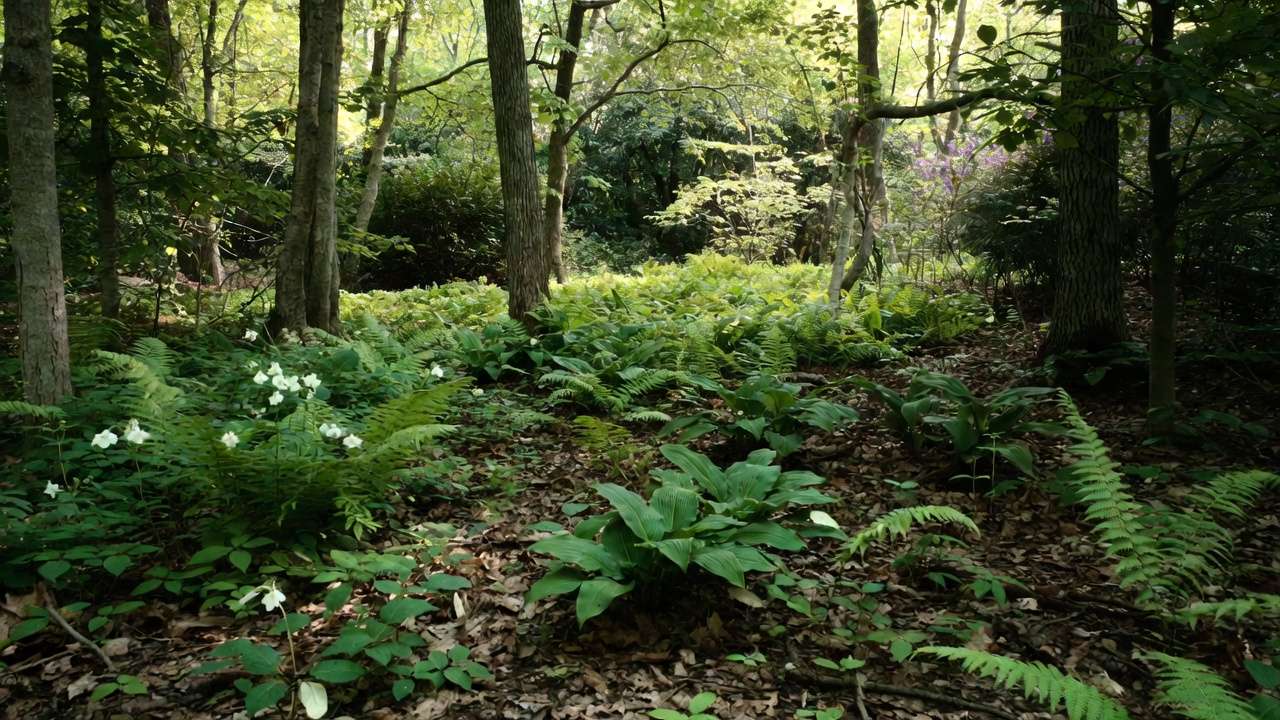
- Rain Garden/Buffer → Low spots with moisture-loving natives like cardinal flower, joe-pye weed, and swamp milkweed to manage runoff.
- Formal Front Yard → Structured beds with native evergreens, perennials, and dwarf trees for curb appeal.
- Small-Space/Container Options → Balconies or patios with pots of bee balm, mountain mint, or dwarf natives—perfect for urban yards! 🏡
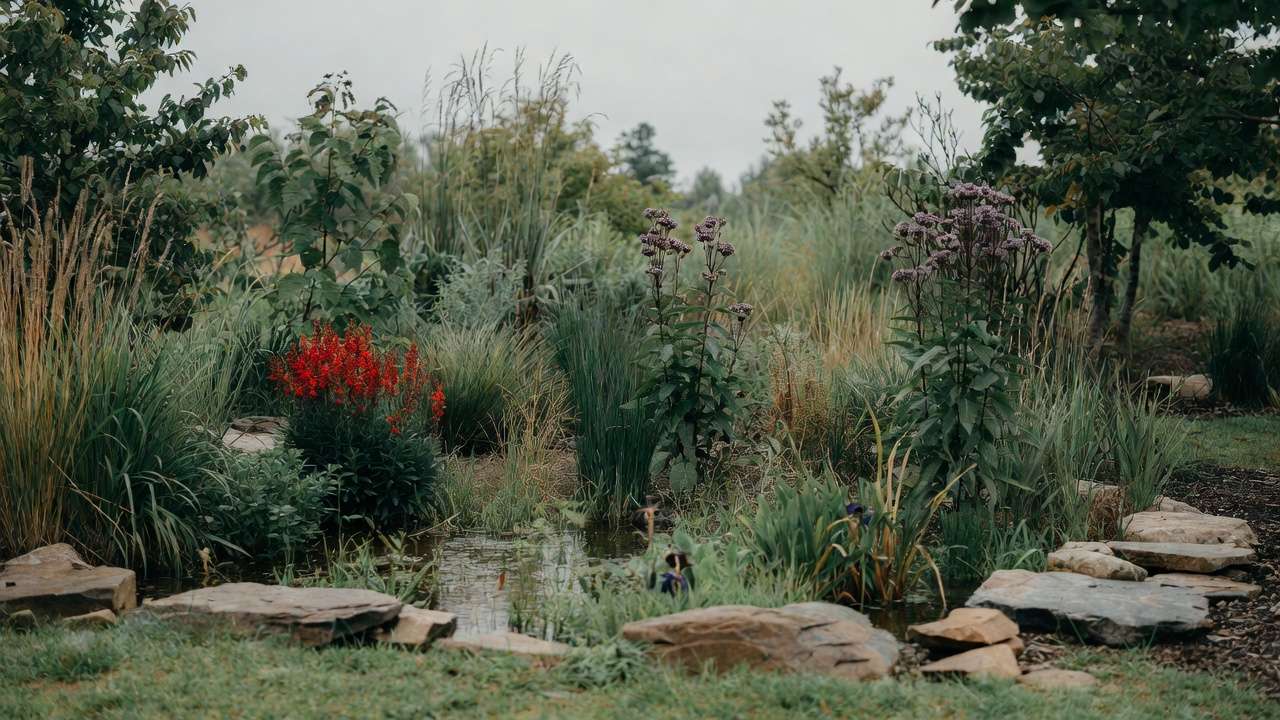
These styles prove native landscapes can fit any aesthetic, from cottage-garden cozy to modern minimalist.
Must-Have Native Plants for Sustainable Yards 🌼
While exact recommendations vary by region (always check your local ecoregion via USDA zones or Lady Bird Johnson tools), here are widely adaptable, high-impact natives. Prioritize keystone species from Dr. Tallamy’s research—they support the most insects and wildlife.
- Keystone Stars:
- Oaks (Quercus spp.) — Top of the list, hosting 500+ caterpillar species in many areas.
- Willows (Salix spp.), Cherries/Plums (Prunus spp.) — Excellent for specialists.
- Goldenrods (Solidago spp.), Asters — Late-season pollinator magnets.
- Low-Maintenance, Drought-Tolerant Stars:
- Butterfly weed (Asclepias tuberosa) — Bright orange, monarch host, thrives in dry sun.
- Purple coneflower (Echinacea purpurea) — Long-blooming, tough as nails.
- Black-eyed Susan (Rudbeckia hirta) — Cheerful yellow daisies, self-seeds gently.
- Little bluestem (Schizachyrium scoparium) — Ornamental grass with fall color.
- Yarrow (Achillea millefolium) — Flat-topped blooms, aromatic foliage.
- Seasonal Highlights:
- Spring ephemerals: Virginia bluebells, Dutchman’s breeches.
- Summer bloomers: Bee balm (Monarda), blazing star (Liatris).
- Fall/winter: Beautyberry (Callicarpa americana) for purple berries, switchgrass for structure.
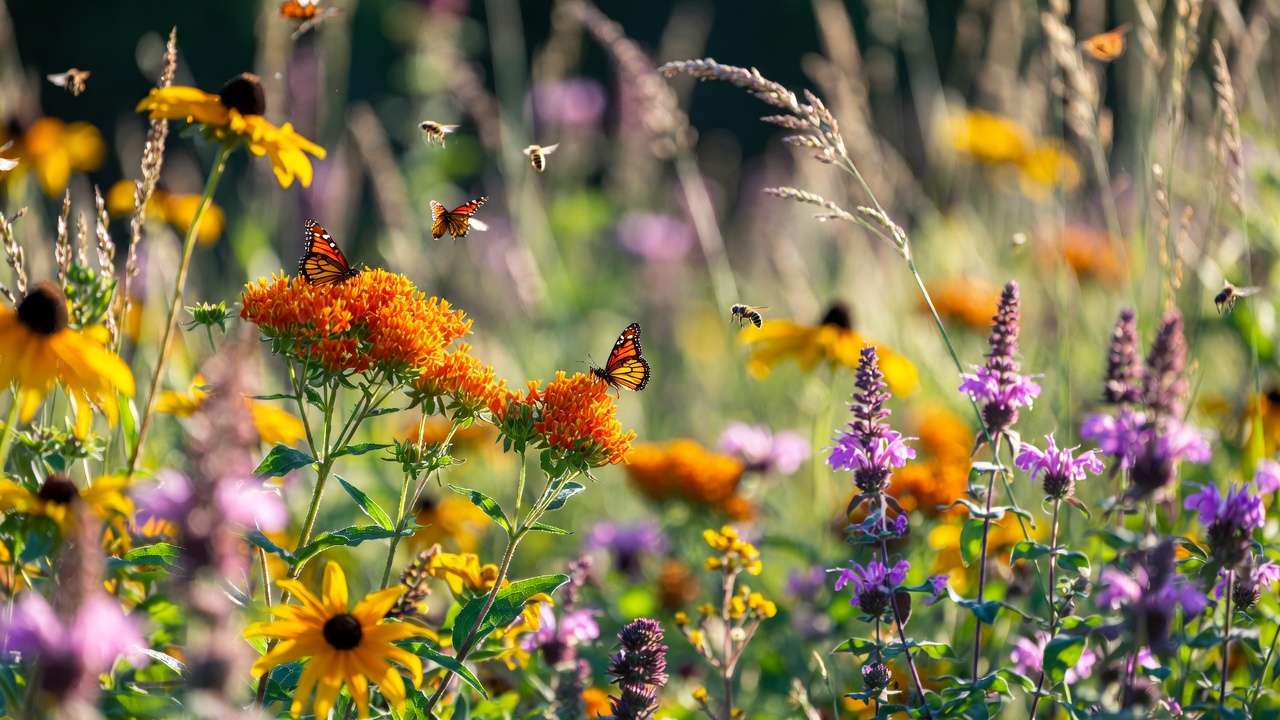
Sample Plant Palettes by Condition
- Sunny & Dry → Butterfly weed, black-eyed Susan, coneflower, little bluestem, yarrow.
- Shady & Moist → Foamflower, wild ginger, ferns, coral bells (Heuchera), Virginia sweetspire.
- Pollinator-Focused → Milkweeds, goldenrods, asters, joe-pye weed, mountain mint.
Source plants from reputable native nurseries (avoid big-box “natives” that may be cultivars with low wildlife value). Seed mixes work great for larger areas—look for regional ecotypes.
Planting and Establishment: From Groundbreaking to Thriving 🛠️🌱
The most common reason native plantings fail is improper planting or expecting instant results. Natives are tough once established, but they need thoughtful care in year one (and sometimes year two). Follow these expert-recommended steps for near-guaranteed success.
Best Timing for Planting
Fall (late August to early November in most regions) is ideal in the Northern Hemisphere. Cooler temperatures reduce stress, autumn rains help establishment, and roots grow strongly before winter dormancy. Spring planting works too (especially in cooler climates), but you’ll need more supplemental watering during hot summers. Avoid mid-summer unless you can water consistently.
Site Preparation: Do It Right the First Time
Healthy soil = healthy plants. Skip heavy tilling (it destroys soil structure and brings weed seeds to the surface). Instead:
- Remove existing turf/invasives — Mow low, then use sheet mulching: Lay cardboard or 6–8 layers of newspaper directly over grass, overlap edges, wet thoroughly, and cover with 4–6 inches of mulch (shredded leaves, wood chips, or compost). This smothers grass without chemicals in 4–8 weeks.
- Amend minimally — Most natives prefer lean, undisturbed soil. Only add compost if soil is extremely poor; avoid high-nitrogen fertilizers (they favor weeds over natives).
- Mark your design — Use garden hoses or string to outline beds and drifts before mulching.
Pro tip: Leave some bare soil patches—many native bees nest in the ground and need open areas.
Planting Techniques That Set Plants Up for Success
- Dig holes twice as wide as the root ball but no deeper (plant at the same depth it was in the pot).
- Gently tease apart pot-bound roots.
- Backfill with native soil (no fancy potting mix).
- Water deeply right after planting to settle soil and eliminate air pockets.
- Space plants according to mature size—crowding early looks nice but leads to competition later.
Mulching Wisely
Use 2–4 inches of organic mulch (shredded leaves are best—they mimic forest floor and feed soil microbes). Keep mulch away from stems to prevent rot. Native leaf litter is free, eco-friendly, and full of beneficial fungi and insects. Skip dyed mulches—they add unnecessary chemicals.
First-Year Care: The Critical Establishment Phase
- Watering schedule — Water deeply (1 inch) once or twice per week for the first growing season if rainfall is inadequate. Taper off in year two as roots deepen. Use a soaker hose or watering can to target roots, not leaves.
- Weed control — Hand-pull weeds while small; mulch helps suppress them. Avoid herbicides—natives are sensitive too!
- No fertilizing — Natives evolved in low-nutrient soils; extra fertilizer encourages leggy growth and weeds.
By year two, most natives need almost no supplemental water or care except occasional weeding of invasives.
Long-Term Maintenance Tips
- Prune minimally and only when needed (late winter/early spring for most shrubs/trees).
- Leave seed heads and stems through winter—birds and overwintering insects rely on them.
- Let fallen leaves stay—they become free mulch and habitat.
- Divide perennials every 4–6 years if clumps get too dense.
With this approach, your yard becomes largely self-sustaining after the initial investment of time.
Real Results: Case Studies & Success Stories 🌟
Real transformations inspire action. Here are a few documented examples:
- Virginia Audubon-Certified Backyard — A suburban homeowner in Fairfax County replaced half their lawn with layered natives (oaks, serviceberry, coneflower, little bluestem). Within three years: water use dropped 60%, chickadees raised two successful broods (previously zero), and monarch caterpillars appeared on butterfly weed. Certified Wildlife Habitat by National Wildlife Federation.
- Small Urban Front-Yard Makeover (Chicago) — A 400 sq ft front strip converted to native perennials and grasses. Neighbors initially worried about “messiness,” but tidy drifts and seasonal blooms won them over. Pollinator sightings increased 400%, and the owner reports almost no maintenance beyond occasional weeding.
- Rain Garden Success (Pacific Northwest) — A sloped yard prone to erosion planted with swamp milkweed, cardinal flower, and red osier dogwood. Result: No more runoff into the street during storms, plus frequent visits from hummingbirds and swallowtail butterflies.
These stories come from programs like Homegrown National Park map entries, Audubon at Home, and university extension reports—real people seeing measurable ecological and practical wins.
Overcoming Common Challenges & Myths 🚀
- Myth: “Native plants look messy” — Truth: With intentional design (drifts, layers, clean edges), native landscapes can be as polished as any traditional garden. Many designers now specialize in “formal native” styles.
- Dealing with deer — Plant deer-resistant natives (e.g., mountain mint, yarrow, bluestem) or use temporary fencing during establishment.
- Invasive species pressure — Regular monitoring and hand-pulling during the first few years keeps invasives at bay.
- Slow establishment — Natives often put energy into roots first—be patient! Blooms and wildlife often explode in years 2–4.
- HOA/neighbor concerns — Share resources (e.g., Audubon certification, water savings data) and start with a small, attractive bed to demonstrate beauty.
- Budget-friendly strategies — Buy small plugs/seedlings, propagate from divisions, use seed bombs/mixes, or join native plant swaps.
Measuring Success: Track Your Yard’s Impact 📊💚
One of the most rewarding parts of a native plant landscape is watching the transformation unfold. Measuring progress keeps you motivated and provides concrete evidence of your positive impact.
Simple Ways to Monitor Progress
- Wildlife Journal — Keep a notebook or use a free app (e.g., iNaturalist) to log sightings of birds, butterflies, bees, moths, and other creatures. Take quick photos and note dates—many people are amazed at how quickly wildlife appears.
- Pollinator Counts — Spend 5–10 minutes on a sunny day counting insects on blooms. Repeat monthly to track increases.
- Water Meter Checks → Compare irrigation bills before and after conversion—many homeowners see 50%+ reductions after the establishment phase.
- Biodiversity Baseline → Use free tools like iNaturalist or eBird to record species in your yard over time. Compare year 1 vs. year 3.
Certification Programs for Extra Motivation
- National Wildlife Federation Certified Wildlife Habitat — Meet criteria (food, water, cover, places to raise young, sustainable practices) and get a sign for your yard.
- Audubon at Home — Similar backyard habitat certification with regional focus.
- Homegrown National Park — Map your yard on their interactive map to join a national movement (over 200,000 participants and counting!).
Seeing your yard light up on these maps and receiving certification stickers creates a wonderful sense of accomplishment.
The Community Ripple Effect
Your project often inspires neighbors. Share photos on local gardening groups, host a small “yard tour,” or simply let the beauty speak for itself. Many communities now have native plant incentives, rebates for rain gardens, or reduced water rates for low-irrigation landscapes—check your local municipality or extension office.
Frequently Asked Questions (FAQ) ❓
How much can I really save on water and maintenance? Most people report 50–75% less irrigation after establishment, and mowing/fertilizing/pesticide costs drop dramatically—often to near zero. Exact savings depend on yard size, climate, and how much lawn you convert.
Do native plants attract pests or look weedy? No more than any garden. Natives attract beneficial insects that control pest populations naturally. With good design (drifts, layers, clean edges), they look intentional and beautiful—not messy.
Can I keep some lawn or non-native plants? Absolutely! Many people keep a small play area or favorite ornamental while gradually increasing natives. Even 30–50% native coverage makes a huge ecological difference.
What if I have poor soil, heavy shade, or deer problems? There are natives for every condition—shade lovers like foamflower and ferns, tough dry-soil species like yarrow and bluestem, and deer-resistant options like mountain mint. Start small, observe what thrives, and adjust.
How do I find plants truly native to my exact area? Use these free tools:
- Lady Bird Johnson Wildflower Center Native Plant Database (search by state/county)
- USDA Plant Hardiness Zone Map + local extension services
- Homegrown National Park Keystone Species Finder (ZIP code-based) Shop at native plant nurseries or sales hosted by conservation groups for local ecotypes.
Conclusion: Your Yard, Your Part in a Healthier Planet 🌳💚
Switching to native plants for sustainable yards isn’t just landscaping—it’s restoration. You’re creating a low-maintenance, water-saving, wildlife-supporting haven that looks beautiful year-round while helping reverse biodiversity loss, one backyard at a time.
Start small: Pick one corner, one bed, or even a few pots. Plant a keystone tree, a cluster of coneflowers, some little bluestem. Watch what happens. Within a season or two, you’ll likely see more butterflies, hear more birds, spend less time working, and feel the quiet pride of knowing your yard is part of the solution.
Nature is resilient and ready to come back when given the chance. Your sustainable yard can be the spark. Ready to begin? Grab that shovel, choose your first native, and let the transformation start today. You’ve got this! 🌱✨











