
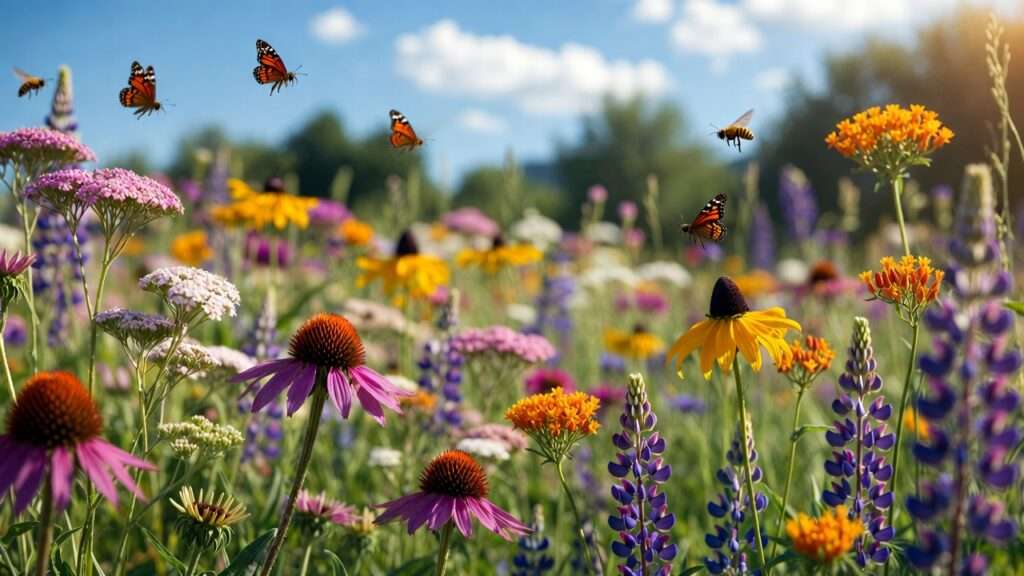
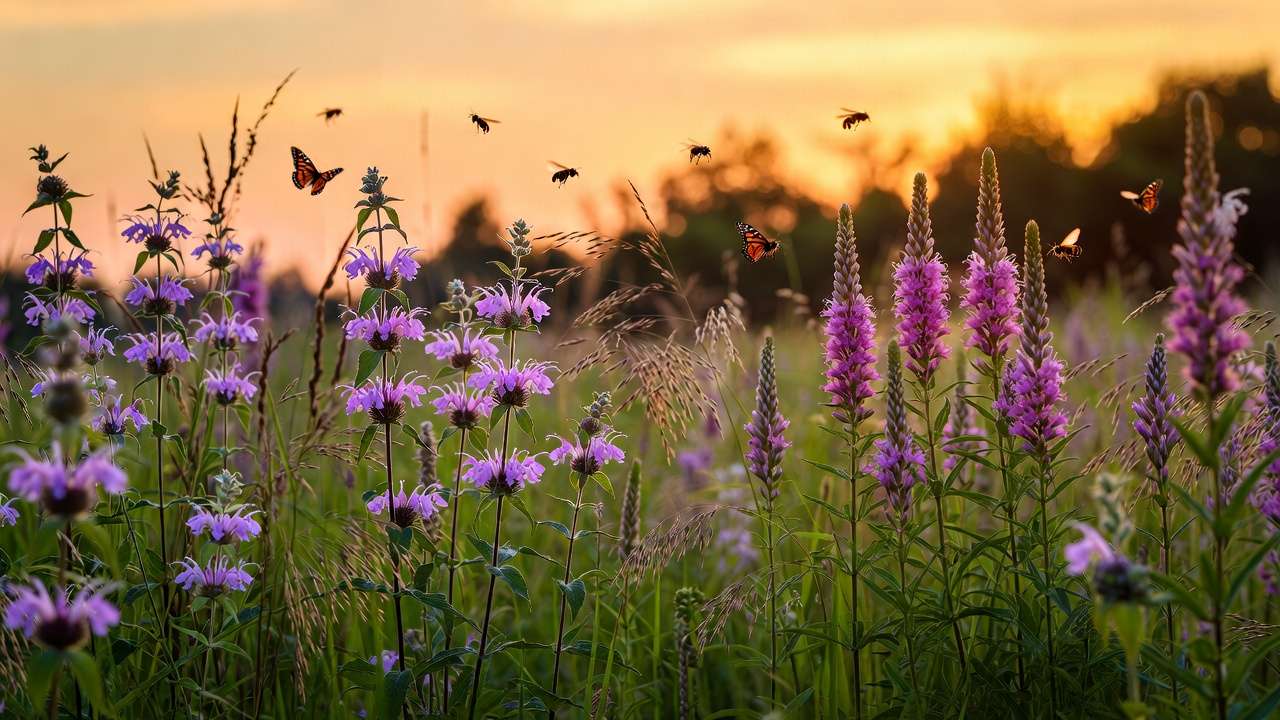
Imagine stepping outside to a sea of vibrant colors swaying gently in the breeze — butterflies dancing from bloom to bloom 🦋, bees humming happily, and not a single sprinkler in sight. Your once-thirsty lawn is now a low-maintenance, eco-friendly meadow that saves water, supports wildlife, and looks stunning year-round. In an era of increasing droughts, water restrictions, and climate challenges, native wildflowers for xeriscape meadows offer the perfect solution: beautiful, resilient landscapes that thrive with minimal care once established.
As a plant care expert with years of experience designing sustainable gardens, I’ve seen firsthand how these native-powered meadows transform properties while slashing water use by 70-90% after the first couple of years. They replace high-maintenance turfgrass, boost biodiversity, and create habitats for pollinators and birds — all while delivering waves of seasonal color. If you’re tired of watering bills, constant mowing, or boring monoculture lawns, this comprehensive guide is for you. We’ll cover the best native wildflowers suited for xeriscape-style meadows, region-specific picks, step-by-step planting instructions, maintenance secrets, and real-world tips to ensure success. Let’s turn your yard into a thriving, drought-tolerant paradise! 🌿✨
Why Choose Native Wildflowers for Xeriscape Meadows? 🌿
Native plants are nature’s smart choice for water-wise landscaping. Evolved over millennia in your local climate, soils, and weather patterns, they develop deep root systems that access moisture far below the surface — making them naturally drought-tolerant and resilient during dry spells.
Here are the key advantages:
- Water Conservation — Once established (typically after 1–2 years), these meadows need little to no supplemental irrigation, even in hot summers.
- Low Maintenance — Forget weekly mowing, fertilizing, or pesticide applications. Natives outcompete many weeds and resist pests/diseases better than exotics.
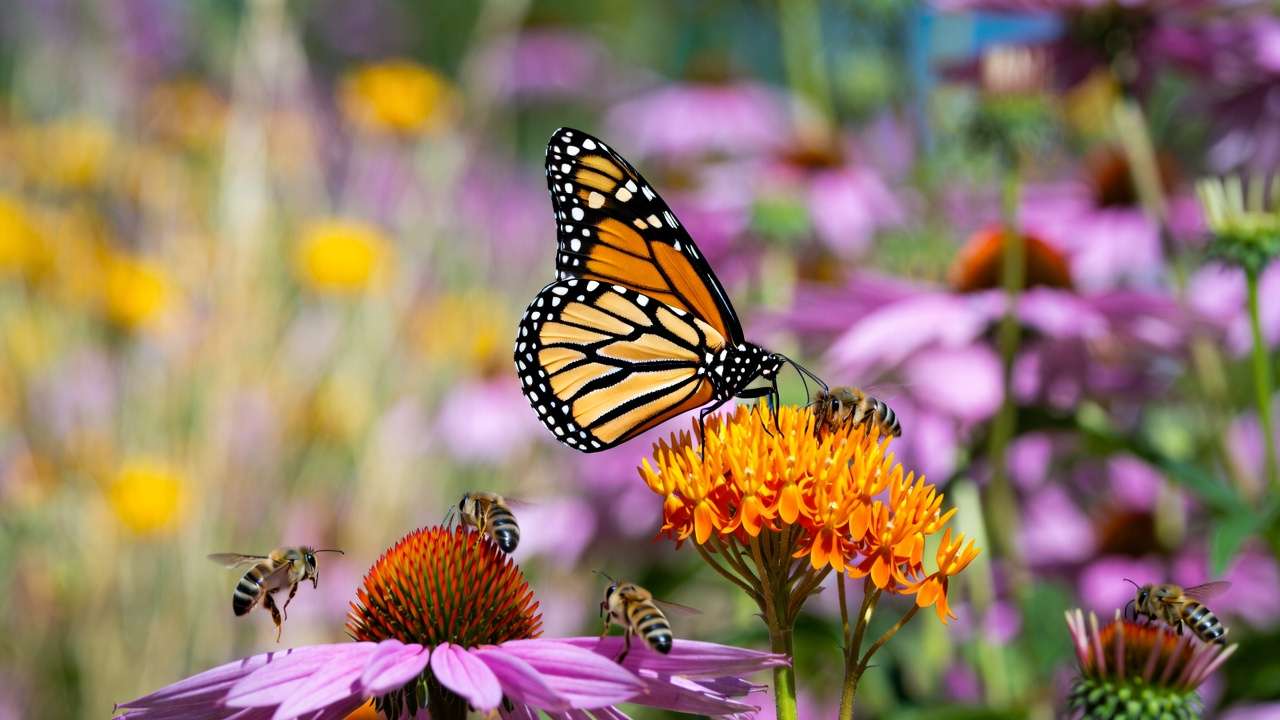
- Pollinator & Wildlife Support — Provide nectar, pollen, seeds, and host plants for native bees, butterflies (including monarchs), hummingbirds, and songbirds.
- Ecological Benefits — Improve soil health, prevent erosion, filter stormwater runoff, sequester carbon, and enhance biodiversity in your neighborhood.
- Year-Round Beauty — Seasonal blooms create dynamic color shifts, while seed heads and grasses add winter interest and texture.
By choosing natives over non-native ornamentals, you’re not just gardening — you’re restoring a piece of the local ecosystem. Studies from organizations like the Xerces Society show that native plantings can support up to 4x more wildlife than exotic alternatives.
Understanding Your Region: The Key to Xeriscape Success 🗺️
Success starts with matching plants to your ecoregion and USDA hardiness zone. What thrives in the arid Southwest may struggle in the humid Midwest — always prioritize species native to your specific area for the best drought tolerance and performance.
Use free tools like the Lady Bird Johnson Wildflower Center database, USDA PLANTS, or your local cooperative extension to verify natives. Here’s a quick regional overview of top performers for xeriscape meadows:
- Eastern / Midwest (Zones 3–7): Focus on prairie-style plants that handle variable moisture but excel in dry summers. Favorites include Purple Coneflower, Black-Eyed Susan, and Butterfly Weed.
- Western / Southwestern (Zones 4–10): Lean toward desert-adapted species like Blanket Flower, California Poppy, and various penstemons for extreme heat and low rainfall.
- Southern / Plains (Zones 6–9): Heat-loving picks such as Indian Blanket (Gaillardia pulchella), Lantana (where native), and coreopsis varieties shine.
- Northeast / Mid-Atlantic (Zones 4–8): Bee Balm, Blazing Star, and New England Aster provide reliable color in cooler, sometimes wetter conditions with good drainage.
Pro tip: Consult local native plant societies or Xerces Society regional guides for hyper-local lists — they often include seed sources and community projects. 🌍
Top Recommended Native Wildflowers for Xeriscape Meadows ⭐
Here are my curated top picks — a mix of forbs (flowering perennials) and complementary grasses for structure, all proven drought-tolerant once established. I’ve grouped them by bloom season for continuous interest.
Early Season Bloomers (Spring–Early Summer) 🌷
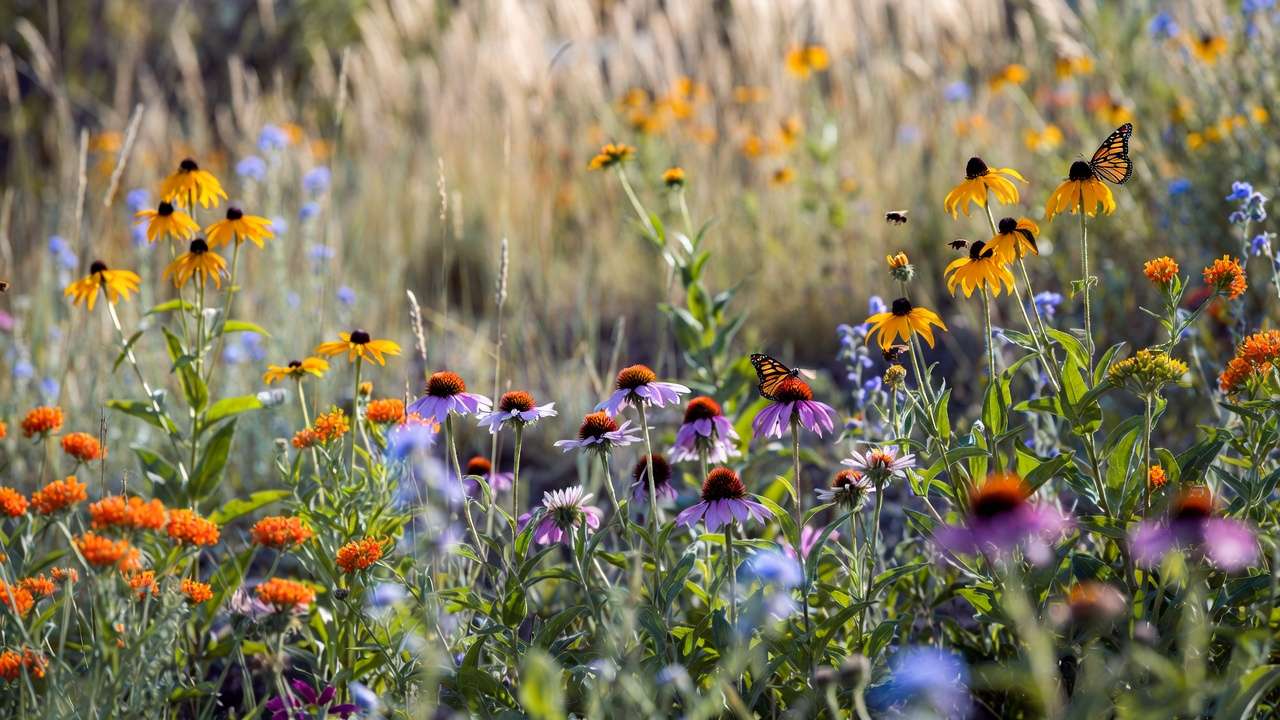
- Butterfly Weed (Asclepias tuberosa) — Bright orange clusters, essential monarch host plant, taproot for deep water access. Height: 1–2 ft. Zones: 3–9. Full sun, dry soil. Wildlife value: High for butterflies/bees. Why xeriscape-perfect: Extremely drought-resistant after year 1. 🔥🦋
- Blue Flax (Linum lewisii) — Delicate sky-blue flowers, reseeds gently for natural spread. Height: 1–2 ft. Zones: 4–9.
- Lanceleaf Coreopsis (Coreopsis lanceolata) — Sunny yellow daisies, fast-growing, deer-resistant. Height: 1–3 ft. Zones: 4–9.
Mid-Season Stars (Summer Peak) ☀️
- Purple Coneflower (Echinacea purpurea) — Iconic pink-purple daisy, long-blooming, medicinal properties. Height: 2–4 ft. Zones: 3–9. Attracts bees, goldfinches love seeds.
- Black-Eyed Susan (Rudbeckia hirta) — Classic golden-yellow with dark centers, prolific self-seeder. Height: 1–3 ft. Zones: 3–9. Super tough and showy.
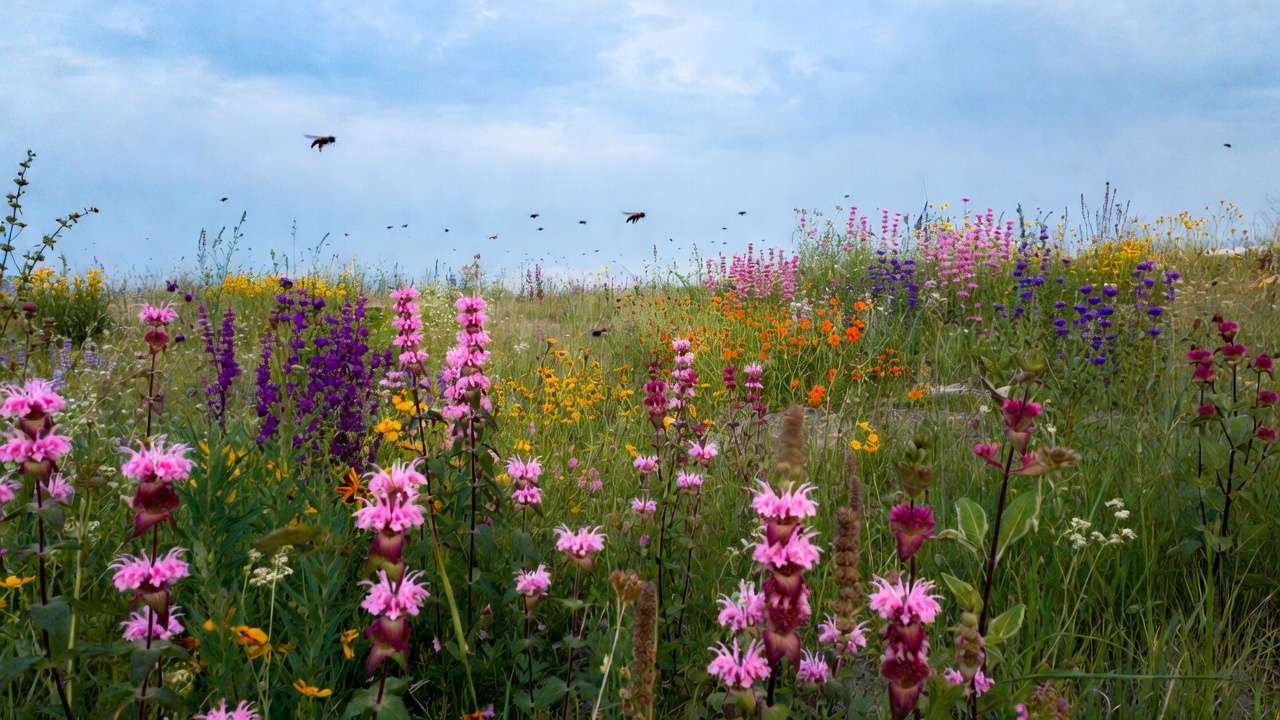
- Wild Bergamot / Bee Balm (Monarda fistulosa) — Lavender tubular blooms, minty fragrance, hummingbird favorite. Height: 2–4 ft. Zones: 3–9.
- Blazing Star (Liatris spicata) — Tall purple spikes, blooms top-down, pollinator magnet. Height: 2–4 ft. Zones: 3–9.
Late Season Closers (Fall Color & Interest) 🍂
- New England Aster (Symphyotrichum novae-angliae) — Purple daisy clouds for late-season bees. Height: 3–6 ft. Zones: 3–8.
- Goldenrod (Solidago spp., select non-allergenic natives like S. rugosa) — Yellow plumes, misunderstood allergy culprit (it’s ragweed!), vital for fall pollinators. Height: 2–5 ft.
Essential Grasses for Structure & Drought Tolerance 🌾
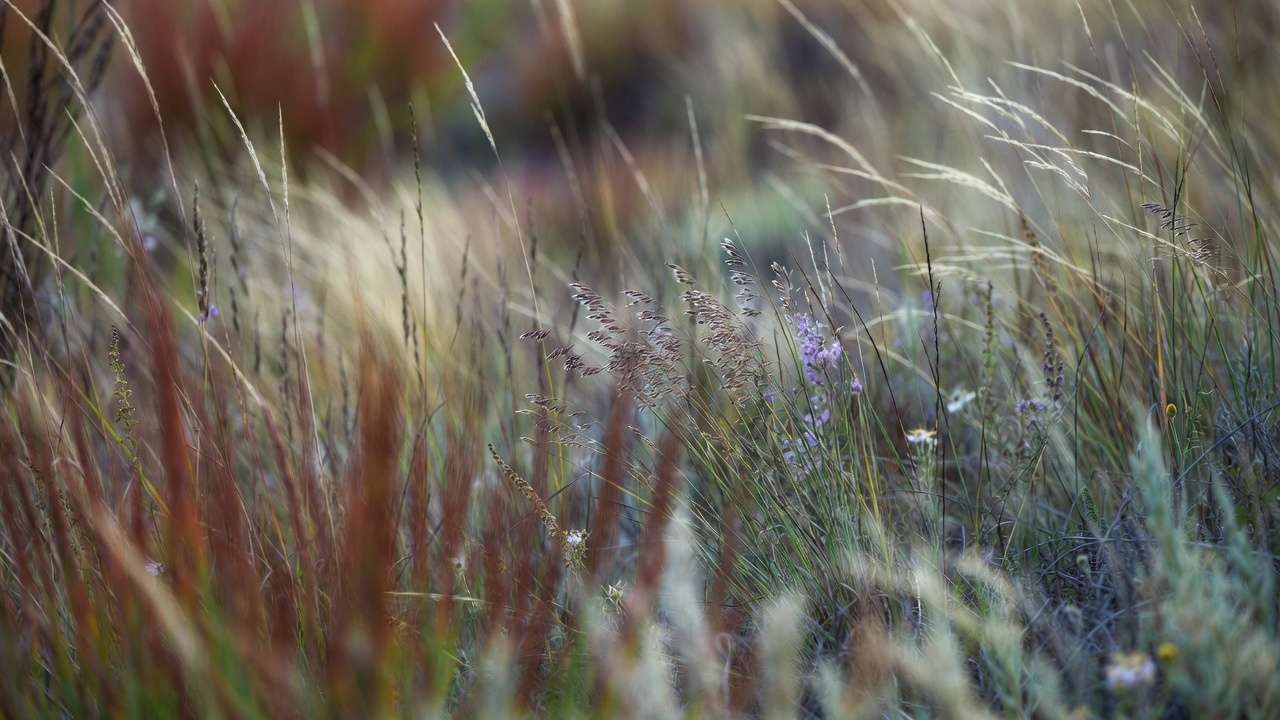
- Little Bluestem (Schizachyrium scoparium) — Blue-green summer foliage turns fiery red in fall. Height: 2–4 ft. Zones: 3–9.
- Side-Oats Grama (Bouteloua curtipendula) — Delicate oat-like seed heads, ultra-drought-tolerant. Height: 1–3 ft.
- Prairie Dropseed (Sporobolus heterolepis) — Fine-textured, golden fall color, sweet scent when warm.
These species form balanced mixes: aim for 60–70% grasses and 30–40% forbs to mimic natural prairies and control weeds naturally.
How to Design & Plant Your Xeriscape Meadow (Step-by-Step Expert Guide) 🛠️
Creating a successful xeriscape meadow is more art than science — but follow these proven steps, and you’ll avoid most beginner pitfalls. The goal is a balanced, self-sustaining community of plants that looks intentional yet wild.
- Site Selection & Evaluation Choose a spot with full sun (at least 6–8 hours daily) — most prairie and meadow natives demand it. Ensure well-drained soil; avoid low-lying areas that stay soggy after rain. Slopes are actually ideal — they shed water quickly and showcase the waving grasses beautifully. Measure your area accurately; even a small 200–400 sq ft patch makes a dramatic impact.
- Soil Preparation (Keep It Simple!) Natives thrive in lean, unamended soil — rich garden soil actually encourages weeds and weakens deep-rooted natives.
- Test your soil pH and texture (most prefer slightly acidic to neutral, 6.0–7.5).
- Remove existing turf using one of these low-impact methods:
- Smothering (preferred): Cover lawn with cardboard or 8–12 layers of newspaper, then 4–6 inches of mulch (wood chips, straw, or compost). Wait 4–8 weeks.
- Solarization: Cover with clear plastic for 6–8 weeks in summer heat.
- Avoid heavy tilling if possible — it brings up weed seeds. Lightly rake or scarify the surface just before seeding.
- Seeding vs. Plugs: Which Method Is Best?
- Seeding (best for areas >400 sq ft): Most cost-effective and creates the most natural look over time. Use a regionally appropriate native seed mix (60–70% warm-season grasses, 30–40% forbs). Seeding rate: typically 8–15 lbs per acre (adjust for smaller areas).
- Plugs / Transplants (best for small spaces or faster results): Instant color and quicker establishment, but more expensive. Plant in drifts of 5–15 plants per species for natural grouping.
- Planting Timing & Technique
- Best time: Fall (September–November in most zones) — roots establish over winter with cool weather and natural rainfall. Spring (March–May) works too, but requires more watering during establishment.
- Seeding method: Mix seed with coarse sand or vermiculite for even distribution. Broadcast by hand or use a drop spreader on calm days. Lightly rake or roll seed into soil (¼ inch deep max — most need light to germinate). Cover very lightly with weed-free straw if erosion is a concern.
- Plug method: Dig holes twice the width of the root ball, plant at same depth, water deeply.
- Establishment Watering & Weed Management First growing season: Water deeply but infrequently (1 inch per week if no rain) to encourage deep roots. Keep soil consistently moist (not soggy) for the first 4–6 weeks after germination. Hand-pull or spot-treat aggressive weeds — avoid broad-spectrum herbicides. Mow high (4–6 inches) 2–3 times in year 1 to suppress annual weeds and encourage strong forb growth.
Maintenance Tips for Long-Term Xeriscape Success 🌱
The beauty of a mature native meadow is how little it asks of you after year 2–3.
- Year 1–2 Maintenance
- Weekly weeding patrols (focus on invasives like crabgrass, bindweed, thistle).
- Mow at 4–6 inches whenever annual weeds reach 12 inches tall (this prevents seeding).
- Water during prolonged dry spells (more than 3–4 weeks without rain).
- Year 3 and Beyond
- Annual cleanup: Cut or burn (where permitted) in late winter/early spring before new growth. Leave stems standing through winter — they provide habitat for overwintering insects and seed for birds.
- Mowing rotation trick: Divide your meadow into thirds. Mow one section each year on a 3-year cycle. This creates diverse habitat stages and protects pollinators.
- Watering: Only during extreme drought. Most established meadows survive on rainfall alone.
- Fertilizer: None needed — over-fertilizing favors weeds.
- Common Challenges & Fixes
- Weed invasion → Increase grass percentage in future overseeding; mow strategically.
- Deer browsing → Plant extra milkweed and monarda (deer-resistant); use temporary netting in year 1.
- Patchy establishment → Overseed thin spots in fall; plugs fill gaps quickly.
Real-World Examples & Case Studies 📸
- Midwest Prairie Revival — A suburban Chicago homeowner replaced ¼ acre of lawn with a mix heavy in Little Bluestem, Purple Coneflower, and Black-Eyed Susan. After year 3, water use dropped 85%, and the yard hosted 17 butterfly species (documented via iNaturalist).
- Southwest Desert Meadow — In Albuquerque, NM, a Xeriscape Demonstration Garden used Blanket Flower, Desert Marigold, and Side-Oats Grama. The result: zero supplemental water after establishment and constant hummingbird visitors.
- Small-Space Success — A 10×20 ft front yard in Pennsylvania transformed with plugs of Bee Balm, Blazing Star, and Prairie Dropseed. Neighbors now ask for tours!
(These examples show what’s possible — your results will vary by region, but the principles remain the same.)
Bonus: Pollinator & Wildlife Boosting Hacks 🦋
- Include at least one milkweed species (Butterfly Weed in most regions) for monarch caterpillars.
- Add tall structural plants (e.g., Joe-Pye Weed where native) for vertical drama and late nectar.
- Leave seed heads standing — goldfinches, chickadees, and sparrows feast on them all winter.
- Create “messy beauty”: Don’t deadhead everything; decaying stems shelter ladybugs, lacewings, and solitary bees.
Frequently Asked Questions (FAQ) ❓
How much water do xeriscape meadows really save? After establishment, 70–90% less than traditional lawns — often just rainfall.
Can I start small if I have limited space? Absolutely! Even a 100 sq ft bed or border strip creates huge impact. Begin with plugs for instant gratification.
Are native meadows messy or weedy-looking? Not when designed well. The first 1–2 years can look rough, but by year 3 they become intentional, dynamic beauty.
What’s the best seed source for regional natives? Look for suppliers certified by Wild Ones, state native plant societies, or Prairie Moon Nursery, Ernst Seeds, or local conservation districts.
How do I deal with invasive grasses taking over? Hand-pull early, increase native grass density, and mow strategically in year 1–2.
Conclusion: Start Your Drought-Tolerant Meadow Journey Today! 🌟
You now have the expert roadmap: the best native wildflowers for xeriscape meadows, region-specific guidance, detailed planting steps, low-maintenance secrets, and real inspiration to make it happen.
Start small, source plants from reputable native nurseries, match species to your ecoregion, and be patient during establishment — the payoff is a vibrant, water-wise landscape that supports wildlife, saves money, and brings joy every season.
Ready to begin? Check your USDA zone, browse local native plant sales, and mark your calendar for fall planting. Your future meadow (and the pollinators) are waiting! 💚











