
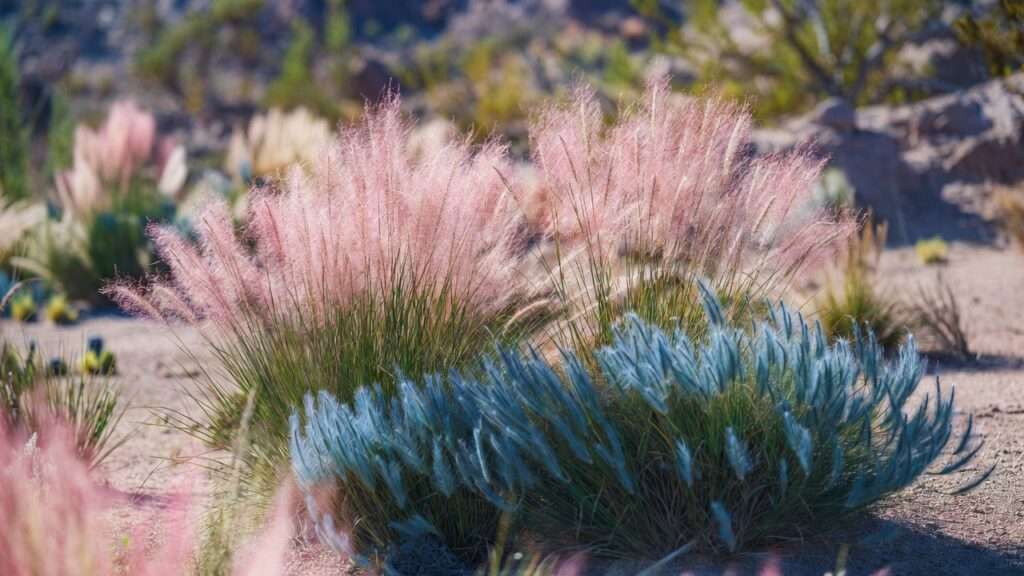
Imagine stepping into your yard during a scorching summer and seeing waves of graceful, swaying grasses that look lush and vibrant — without a sprinkler in sight. In dry climates where water is precious and heat is relentless, ornamental grasses for dry climates are true heroes. These resilient plants add movement, texture, color, and year-round interest to xeriscape gardens, desert landscapes, and water-wise yards while slashing irrigation needs and supporting local ecosystems. 💧✨
Whether you’re dealing with arid Southwestern deserts, high-plains droughts, or Mediterranean-style dry spells, the right drought-tolerant ornamental grasses transform challenging spaces into stunning, low-maintenance oases. Once established, most require little to no supplemental water, resist pests and diseases, control erosion, and provide habitat for birds, butterflies, and pollinators. 🌿🐦
In this comprehensive guide — drawing from years of landscape experience, native plant expertise, and real-world performance in tough conditions — we cover the absolute best ornamental grasses for dry climates. You’ll find detailed profiles of top performers, expert selection tips, planting secrets, maintenance calendars, design inspirations, and troubleshooting advice. Let’s turn your dry landscape into a thriving, beautiful retreat! Ready to save water and gain wow-factor? Let’s get started. 🚀
Why Ornamental Grasses Excel in Dry Climates 🌍🔥
Ornamental grasses aren’t just pretty — they’re built for survival in harsh, water-scarce environments. Here’s why they outperform many traditional plants in dry climates:
- Deep, extensive root systems reach moisture far below the surface, making them incredibly drought-tolerant once established.
- Narrow leaves and efficient photosynthesis (especially in warm-season C4 types) minimize water loss through transpiration.
- Low fertilizer needs and natural pest/disease resistance reduce maintenance and chemical use.
- Erosion control and soil stabilization — perfect for slopes, windy sites, or poor soils.
- Wildlife benefits — seed heads feed birds, foliage shelters insects, and plumes attract pollinators.
- Fire-wise qualities in many species (low fuel load when properly spaced).
In xeriscape design, these grasses pair beautifully with succulents, agaves, yuccas, salvias, and native perennials for sustainable beauty. A common myth? “All grasses need lots of water.” Not these arid-adapted selections! We prioritize proven performers in USDA Zones 5–11, focusing on heat, drought, wind, and poor soil tolerance. 🌞🏜️
Top 12+ Best Ornamental Grasses for Dry Climates 🌟
Here are the standout choices, selected for exceptional drought tolerance, visual impact, and adaptability. Each includes key specs, why it thrives in dry conditions, pros/cons, and ideal uses.
Pink Muhly Grass (Muhlenbergia capillaris / ‘Undaunted’ Ruby Muhly) 🌸 Botanical name: Muhlenbergia capillaris (or reverchonii cultivars) Height/width: 2–4 ft tall and wide USDA zones: 5–10 (best 6–9) Key features: Fine green foliage turns into breathtaking clouds of pinkish-red plumes in fall — one of the most dramatic displays! Why perfect for dry climates: Native to the Southeast and Southwest U.S., highly drought-, heat-, humidity-, and salt-tolerant; thrives in poor, well-drained soils. Pros: Showstopper in autumn, low maintenance, deer-resistant. Cons: Plumes fade to tan in winter. Best uses: Mass plantings, borders, accents; companions like Russian sage or black-eyed Susan.
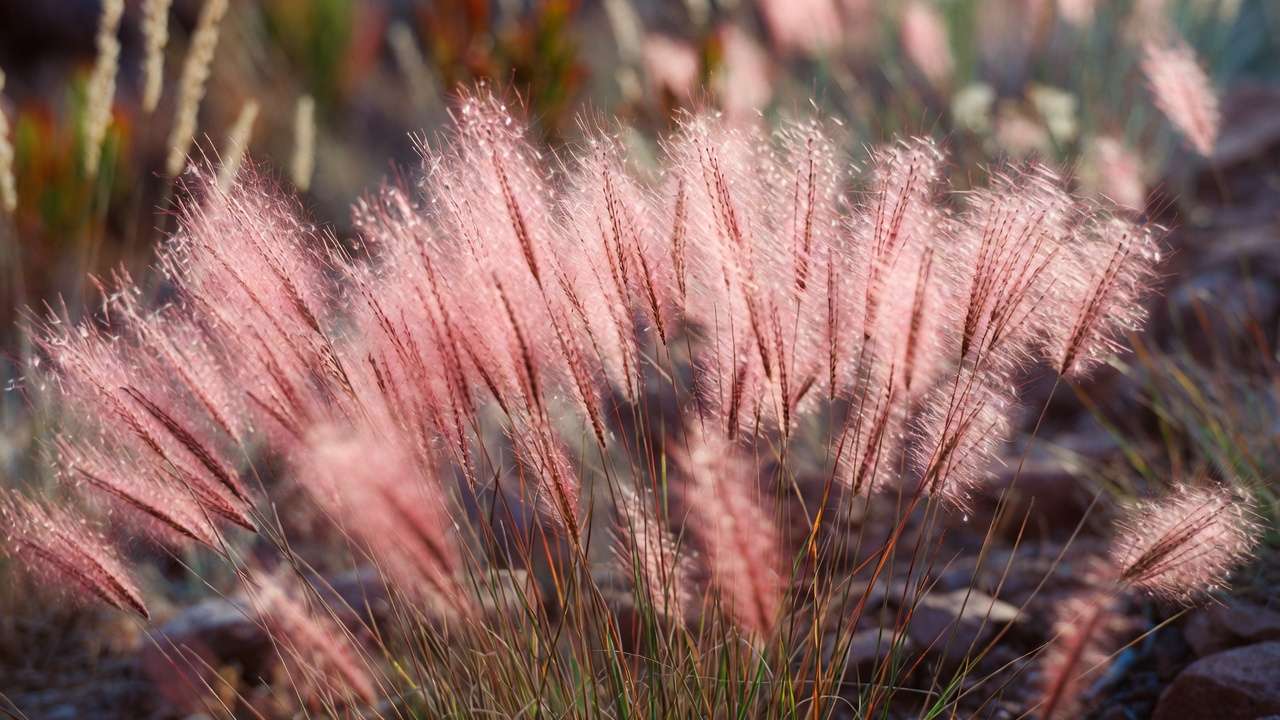
Blue Fescue (Festuca glauca ‘Elijah Blue’ or ‘Beyond Blue’) ❄️ Height/width: 8–12 inches tall, 10–12 inches wide Zones: 4–9 Features: Striking icy-blue mounds stay compact and evergreen-ish. Why it thrives: Extremely drought-tolerant once established; loves hot, sunny, well-drained spots. Pros: Year-round color, great for edging/containers. Cons: May brown in extreme heat/humidity without good drainage. Best uses: Rock gardens, front borders, xeriscape accents.
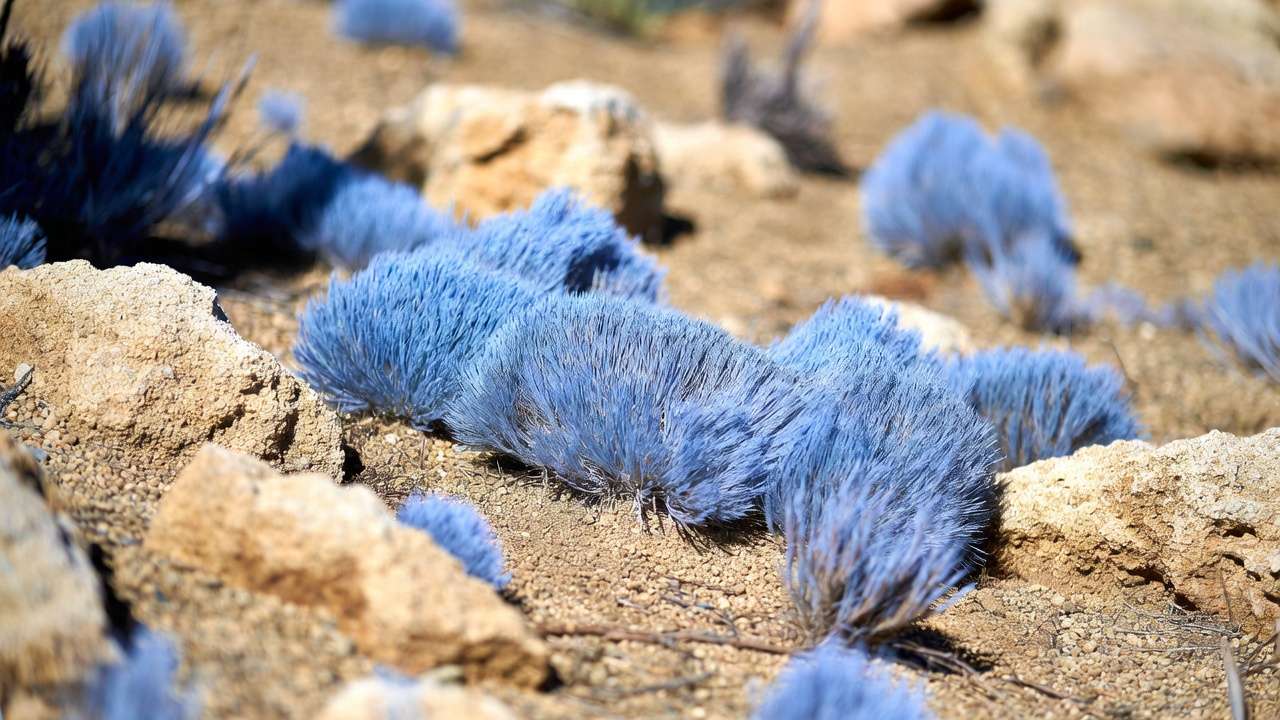
Little Bluestem (Schizachyrium scoparium) 🔥 Height/width: 2–4 ft Zones: 3–9 Features: Slender blue-green stems turn copper-red in fall with fluffy seed heads. Why perfect: Native prairie grass; ultra-drought-tolerant with deep roots. Pros: Four-season interest, wildlife-friendly. Cons: Can flop if too fertile. Best uses: Meadows, naturalized areas, mixed borders.
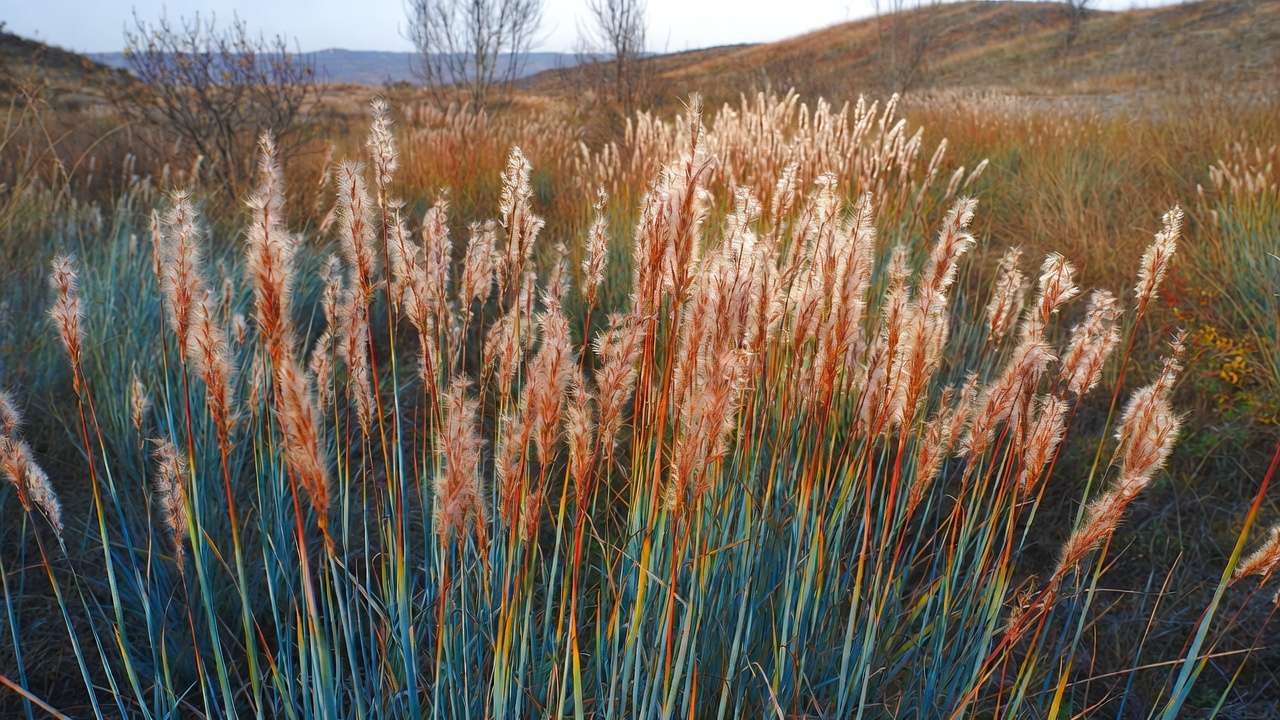
Blue Grama (Bouteloua gracilis ‘Blonde Ambition’) 🌾 Height/width: 1–2 ft Zones: 3–10 Features: Horizontal “eyelash” seed heads in chartreuse turning blonde. Why it thrives: Extremely low-water native; handles heat and poor soil. Pros: Unique look, minimal care. Cons: Dormant in extreme drought. Best uses: Lawns alternative, groundcover, dry meadows.
Deer Grass (Muhlenbergia rigens) 🦌 Height/width: 3–5 ft Zones: 6–11 Features: Tough, arching fountain shape. Why perfect: California/Southwest native; excellent for slopes and heat. Pros: No winter cutback needed, erosion control. Cons: Large mature size. Best uses: Screens, back borders, dry slopes.
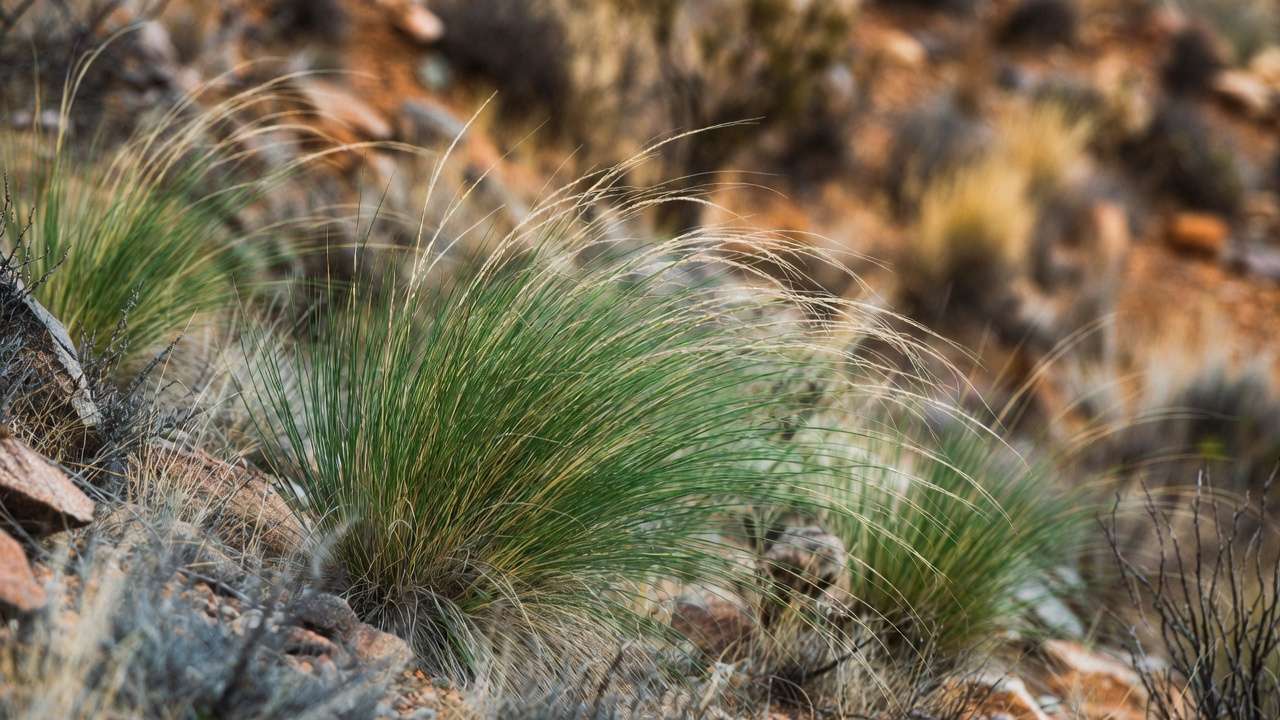
Switchgrass (Panicum virgatum cultivars like ‘Northwind’ or ‘Shenandoah’) 🌬️ Height/width: 3–6 ft Zones: 5–9 Features: Upright airy form, fall color shifts. Why it thrives: Deep roots, tolerates dry to moist. Pros: Wildlife habitat, vertical accent. Cons: Can spread in ideal conditions. Best uses: Backdrops, privacy screens.
- Big Bluestem (Andropogon gerardii) 🦃 Height/width: 4–8 ft Zones: 4–9 Features: Turkey-foot seed heads, blue-green to red fall tones. Why perfect: Prairie native with massive drought tolerance. Pros: Tall drama, soil builder. Cons: Needs space. Best uses: Naturalistic plantings, large borders.
- Blue Oat Grass (Helictotrichon sempervirens) 🔵 Height/width: 2–3 ft Zones: 4–9 Features: Metallic blue blades, evergreen appeal. Why it thrives: Loves dry, sunny, well-drained sites. Pros: Year-round structure. Cons: Avoid wet winters. Best uses: Rock gardens, focal points.
- Feather Reed Grass (‘Karl Foerster’) ✒️ Height/width: 4–5 ft Zones: 4–9 Features: Strict upright plumes early in season. Why perfect: Reliable in heat/drought once established. Pros: Vertical interest, low mess. Cons: Less native appeal. Best uses: Formal borders, screens.
- Mexican Feather Grass (Nassella tenuissima) 🪶 Height/width: 1–2 ft Zones: 7–10 Features: Wispy, flowing texture. Why it thrives: Self-seeds gently in dry areas. Pros: Airy elegance. Cons: Can be weedy in some regions — check locally. Best uses: Soft edges, mass drifts.
- Giant Sacaton (Sporobolus wrightii) 🏜️ Height/width: 5–8 ft Zones: 6–11 Features: Massive, heat-proof Southwest native. Pros: Tough as nails. Cons: Very large. Best uses: Large-scale xeriscapes.
- Bonus picks — Prairie Dropseed (delicate texture), Indian Grass cultivars (golden fall), Side-oats Grama (unique seed heads) for regional variety. 🌿
Quick Comparison Table: Top Drought-Tolerant Ornamental Grasses 📊
Here’s a handy side-by-side to help you compare at a glance (based on mature size in average dry conditions):
| Grass Name | Height/Width | USDA Zones | Foliage Color | Peak Interest Season | Water After Establishment | Deer Resistance | Best For |
|---|---|---|---|---|---|---|---|
| Pink Muhly Grass | 2–4 ft | 5–10 | Green → Pink plumes | Fall | Very low | High | Drama, mass plantings |
| Blue Fescue | 8–12 in | 4–9 | Icy blue | Year-round | Very low | Moderate | Edging, containers |
| Little Bluestem | 2–4 ft | 3–9 | Blue-green → Copper | Fall/Winter | Extremely low | High | Native meadows |
| Blue Grama (‘Blonde Ambition’) | 1–2 ft | 3–10 | Green → Blonde lashes | Summer/Fall | Extremely low | High | Groundcover, lawns alt. |
| Deer Grass | 3–5 ft | 6–11 | Green arching | Year-round | Very low | High | Slopes, screens |
| Switchgrass | 3–6 ft | 5–9 | Green → Reddish | Late summer/Fall | Low | Moderate | Backdrops, wildlife |
| Big Bluestem | 4–8 ft | 4–9 | Blue-green → Red | Fall/Winter | Extremely low | High | Tall prairie effects |
| Blue Oat Grass | 2–3 ft | 4–9 | Metallic blue | Year-round | Very low | High | Rock gardens, focal |
| Feather Reed Grass (‘Karl Foerster’) | 4–5 ft | 4–9 | Green → Tan plumes | Early summer–Fall | Low | Moderate | Upright structure |
| Mexican Feather Grass | 1–2 ft | 7–10 | Fine green | Year-round | Very low | Moderate | Airy drifts (check invasiveness) |
| Giant Sacaton | 5–8 ft | 6–11 | Green arching | Summer/Fall | Very low | High | Large-scale xeriscapes |
This table highlights how these grasses vary in scale, season of wow, and toughness — perfect for matching your specific dry-climate needs! 🌿
How to Choose the Right Ornamental Grass for Your Dry Climate 🗺️🔍
Selecting the perfect grass starts with understanding your site’s quirks — dry climates aren’t one-size-fits-all!
- Match your USDA zone & microclimate — Desert Southwest (Zones 8–11) favors heat-lovers like Giant Sacaton or Deer Grass; high-plains or cooler dry areas (Zones 5–7) suit Little Bluestem or Blue Grama. Check local extension services for regional winners.
- Warm-season vs. cool-season — Warm-season types (Muhlenbergia, Bouteloua, Schizachyrium) explode in summer heat and go dormant in winter; cool-season (Festuca, Helictotrichon, Calamagrostis) green up early and handle moderate dry spells better in transitional zones.
- Size & growth habit — Dwarf options like Blue Fescue work in small yards or pots; tall giants like Big Bluestem create privacy or windbreaks.
- Color & texture goals — Crave blue tones? Go Blue Oat or Fescue. Pink drama? Pink Muhly. Golden fall? Little Bluestem or Switchgrass. Winter structure? Feather Reed or Deer Grass.
- Eco-priority — Choose natives first (e.g., Little Bluestem, Blue Grama) — they support pollinators, resist local pests, and need even less water long-term. Avoid potentially invasive types like certain fountain grasses in your region.
Pro tip: Visit a local native plant nursery or botanic garden to see these grasses in real dry conditions — photos don’t capture how they move in the breeze! 🐝
Planting & Establishment Tips for Success in Dry Conditions 🕳️🌱
The first year is key — give them a strong start so they become truly drought-proof.
- Best planting time — Spring (after last frost) or early fall for root development before extreme heat or cold.
- Soil prep — Excellent drainage is non-negotiable! Amend heavy clay with coarse sand, gravel, or compost. Most prefer lean, sandy/loamy soil — avoid rich fertilizers.
- Planting technique — Dig holes twice the pot width, same depth. Water deeply after planting. Space according to mature size (e.g., 2–3 ft for Muhly, 1–2 ft for Fescue).
- Initial watering — Deep soak 1–2 times/week for the first 4–8 weeks, then reduce to every 10–14 days. By year 2, most need little to none except in severe droughts.
- Mulching magic — Apply 2–3 inches of gravel, decomposed granite, or rock mulch. It conserves moisture, suppresses weeds, reflects heat, and looks xeriscape-chic.
- Sun & site — Full sun (6+ hours) is essential for tight form and best color. Avoid low spots where water pools.
With good establishment, these grasses laugh at dry spells that wilt lawns and perennials. 💪
Maintenance Guide: Keep Them Thriving with Minimal Effort 📅✂️
These grasses are famously low-fuss — here’s a seasonal roadmap:
- Spring — Cut back warm-season types to 4–6 inches in late winter/early spring (before new growth). Cool-season may need light tidy only.
- Summer — Monitor for extreme heat stress (rare); deep water only if prolonged drought. No fertilizing needed — it causes floppy growth.
- Fall — Enjoy peak color and plumes! Leave seed heads for birds.
- Winter — Many provide structure and interest; cut back in spring.
Pests/diseases? Virtually none — occasional aphids or rust in humid microclimates are easily hosed off. Divide clumps every 3–5 years in spring for rejuvenation and free plants.
Common mistake: Over-pruning or shearing into balls — let them keep their natural shape for best movement and health! 🌬️
Design Ideas: Stunning Xeriscape & Dry Garden Inspirations 🎨🏡
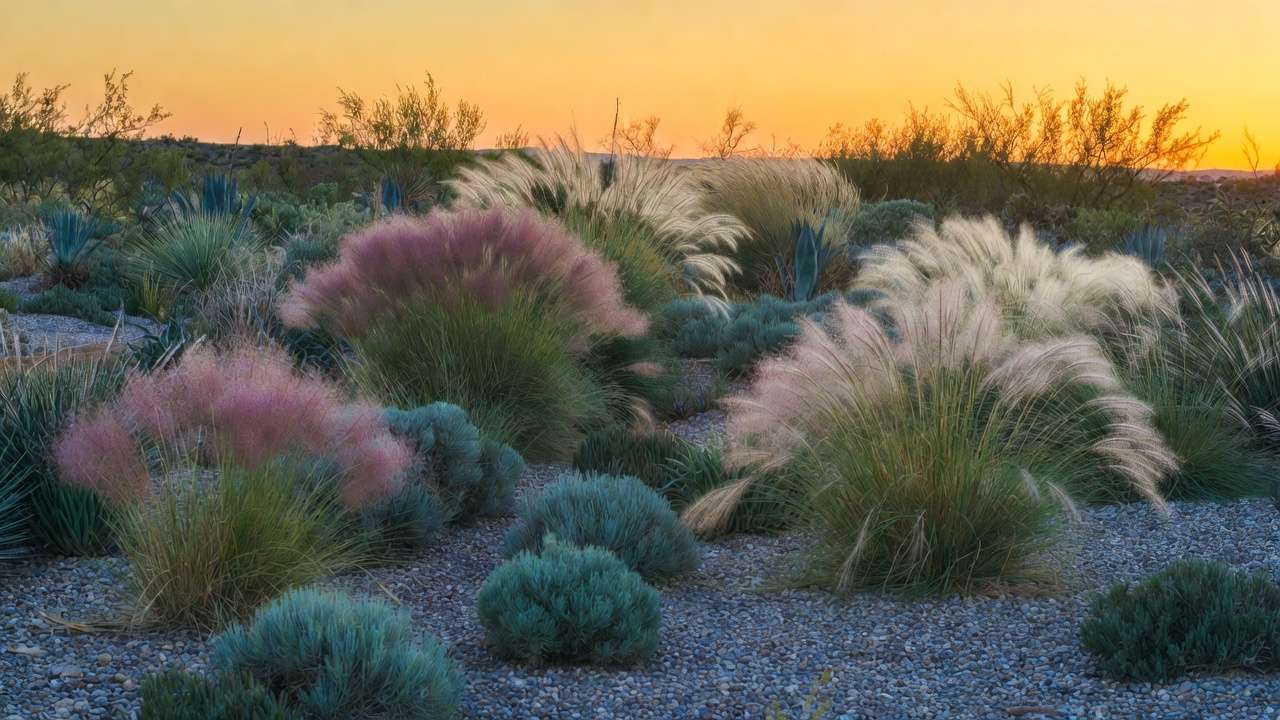
- Mass plantings — Drift Pink Muhly for pink fog or Blue Grama for meadow vibes.
- Mixed borders — Pair Blue Fescue with agaves/succulents, Little Bluestem with salvias/penstemons, Deer Grass with yuccas for texture contrast.
- Curb appeal — Upright Feather Reed as sentinels; wispy Mexican Feather for soft edges.
- Slopes & erosion — Deer Grass or Giant Sacaton anchor soil while looking elegant.
- Containers/patios — Compact Blue Fescue or Blue Grama in pots with gravel mulch.
- Four-season show — Spring green → Summer texture → Fall color/plumes → Winter skeletons.
Visualize swaying grasses catching golden light — pure magic in a water-wise yard! 📸
Common Mistakes to Avoid in Dry Climates 🚫
- Overwatering post-establishment — Causes rot and weak roots.
- Planting in shade or poor drainage — Leads to floppy, diseased plants.
- Ignoring local invasiveness — Mexican Feather can self-seed aggressively in some areas.
- Skipping natives — Exotics often need more care in true arid zones.
Frequently Asked Questions (FAQs) ❓
Which ornamental grass is the most drought-tolerant? Blue Grama, Little Bluestem, and Giant Sacaton top the list — natives built for extreme dry spells.
Do these grasses stay green all year? Warm-season types brown in winter dormancy but provide structure; cool-season like Blue Oat stay greener longer.
Are they deer-resistant? Most yes — especially natives like Muhly, Bluestem, and Deer Grass.
Can I grow them in containers? Absolutely! Use well-draining pots; Blue Fescue and Mexican Feather excel here.
How do I overwinter in colder dry zones? Leave standing for insulation; mulch crowns if below Zone 5.
Best for hot, windy conditions? Deer Grass, Switchgrass, and Giant Sacaton handle wind and heat like champs.
Conclusion & Final Expert Thoughts 💚
These ornamental grasses for dry climates are more than plants — they’re sustainable solutions that deliver beauty, resilience, and eco-benefits with almost no ongoing effort. Start with 2–3 favorites suited to your zone and soil, plant properly, then step back and enjoy the transformation.
Your dry yard doesn’t have to be barren — it can be a dynamic, water-smart haven. Head to a local nursery, pick up some of these proven performers, and watch your landscape thrive. What’s your favorite from the list? Share your dry-climate gardening wins below — I’d love to hear! 🌿✨











