
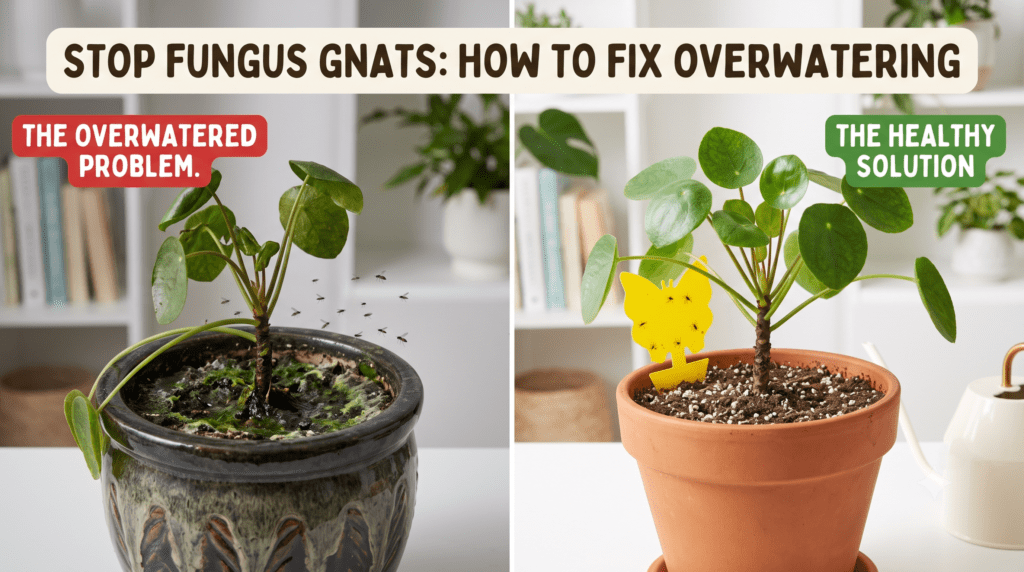
Picture this: you are finally sitting down on your favorite sofa to relax with a fresh cup of coffee, taking a moment to admire your beautiful indoor plants. Suddenly, a tiny, erratic black bug flies directly into your face—and then another hovers over your mug. Annoying, right? It is a highly relatable, incredibly frustrating scenario that almost every plant enthusiast has experienced at least once.
If you are currently batting away tiny flies while reading this, take a deep breath. First and foremost, you are not alone, and having a bug-infested indoor jungle absolutely does not mean you are a “bad plant parent.” In fact, it usually means you care just a little too much.
However, we need to address the hard truth: those flying nuisances are just a symptom of a deeper environmental problem in your plant’s pot. The core issue you are facing is almost always overwatering leading to fungal gnat issues. When we give our houseplants too much water and too little drainage, we inadvertently create the ultimate breeding ground for these pests.
In this comprehensive, skyscraper-level guide, we are going to dive deep into exactly what you are dealing with. We will cover how to accurately identify the pest, the best methods to eradicate the current swarm of adults and larvae, how to fix your soggy soil, and the foolproof watering strategies you need to implement to ensure these tiny menaces never return. Let’s get your home back! 🏡💚
Understanding the Enemy: What Are Fungus Gnats? 🔬🍄
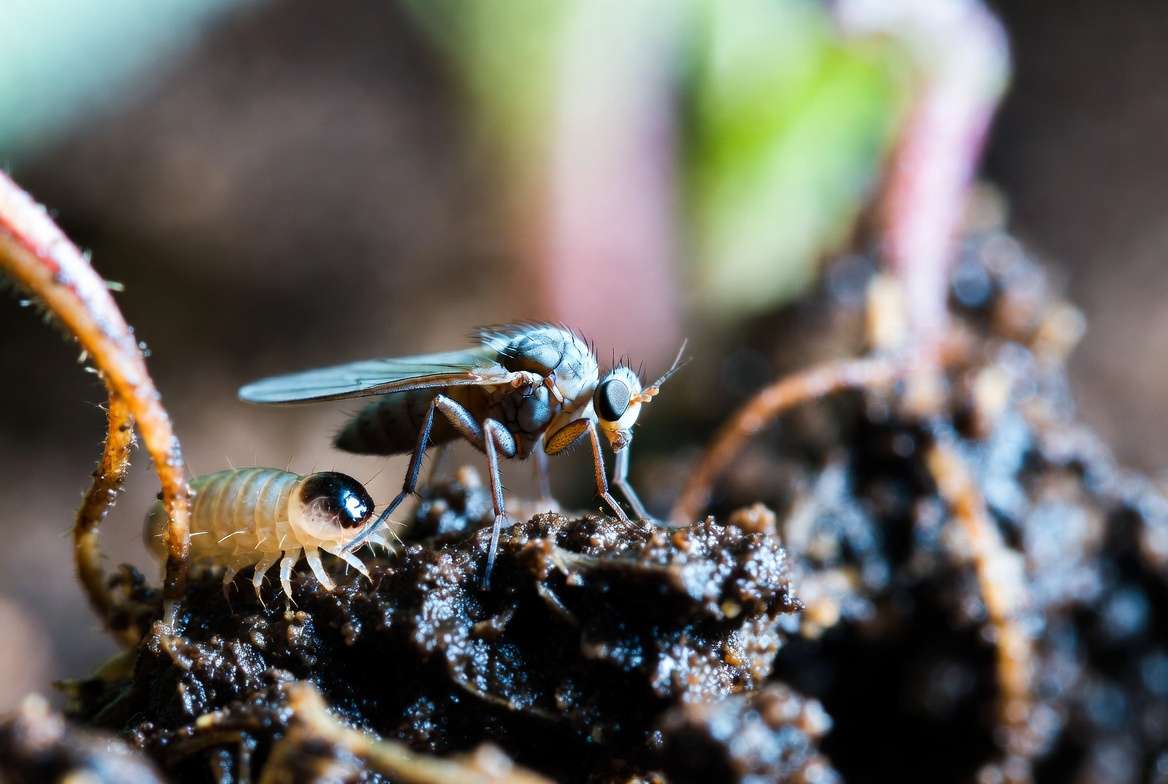
To defeat the enemy, you must first understand it. Fungus gnats (most commonly species within the Bradysia genus) are tiny, dark-colored flies that hover around the soil of houseplants. While they might look like tiny mosquitoes, they do not bite humans or pets.
As an indoor gardener, understanding their biology is your first line of defense. The flying adults you see are annoying, but they only live for about a week. Their sole purpose in that short time is to mate and lay eggs. A single adult female can lay up to 200 eggs in the top layer of moist potting soil.
The Life Cycle 🔄
-
Egg: Laid in moist, organic-rich soil. They hatch in about 3 to 6 days.
-
Larva: This is the most destructive phase. The translucent, worm-like larvae (with tiny black heads) live in the soil for 1 to 2 weeks. They feed on fungi, algae, and organic matter. If the fungal buffet runs out, they will start chewing on your plant’s delicate root hairs.
-
Pupa: After gorging themselves, they pupate in the soil for about 3 to 7 days.
-
Adult: The pupa emerges as a flying adult, ready to start the cycle all over again.
Fungus Gnats vs. Fruit Flies 🪰🍎
A common mistake plant owners make is treating their plants for fruit flies when they actually have fungus gnats (or vice versa). Here is a quick breakdown to help you accurately identify your pest so you do not waste time on the wrong treatment:
| Feature | Fungus Gnats 🪴 | Fruit Flies 🍎 |
| Appearance | Black/dark grey, mosquito-like, long legs. | Tan/brown, rounded bodies, red eyes. |
| Flight Pattern | Erratic, weak flyers, hover near soil. | Strong flyers, dart around quickly. |
| Location Found | Around houseplants, windowsills, soil surface. | Near kitchens, trash cans, rotting fruit. |
| Attracted To | Moisture, soil fungi, decaying plant roots. | Fermenting sugars, overripe produce, alcohol. |
Why Overwatering is the Root of the Problem 💧🚫
Now that you know what they are, we need to talk about why they are in your home. The simple answer is moisture. But the biological answer is a bit more complex.
The Biology of Wet Soil:
Potting soil is largely made up of organic matter, such as peat moss, compost, and bark. When you water your plants too frequently, this organic matter stays perpetually wet. This constant moisture causes the organic material to break down prematurely, creating a thriving ecosystem of fungi, mold, and algae within the soil. Remember the larval diet we mentioned earlier? By keeping the soil wet, you are essentially opening up an all-you-can-eat buffet for fungus gnat larvae.
The Oxygen Deprivation Factor:
Furthermore, soggy, compacted soil suffocates your plant’s roots. Roots need oxygen just as much as they need water. When the air pockets in the soil are entirely filled with water, the roots begin to rot (a condition aptly named root rot). Rotting, decaying roots are a secondary food source for fungus gnat larvae, creating a vicious cycle of plant decline and pest multiplication.
Phase 1: Eradicating the Current Swarm (Immediate Action) ⚔️🦟
To successfully reclaim your indoor jungle, you must take a multi-pronged approach. You cannot simply kill the flying adults and expect the problem to go away, because hundreds of eggs are waiting to hatch in the soil. Conversely, treating only the soil means the adults will just lay more eggs. You must attack both the flying adults and the soil-dwelling larvae simultaneously to break the life cycle.
Catching the Adults 🟡🪤
Your first step is to drastically reduce the adult population so they stop laying eggs.
-
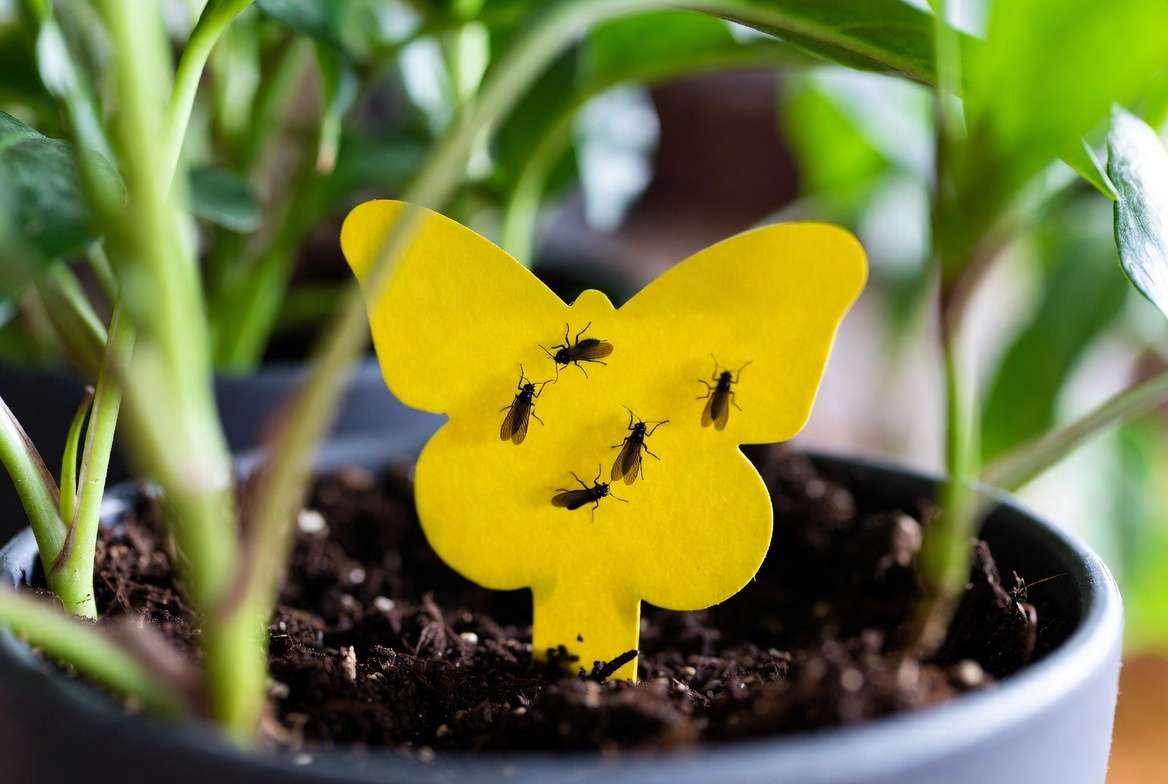
Yellow Sticky Traps: This is the most effective way to catch flying adults. Fungus gnats are highly attracted to the color yellow. Purchase a pack of yellow sticky traps and cut them into smaller squares. Place them directly into the soil of every single plant in your home (even the ones that do not seem infested yet). The gnats will fly toward the yellow color, get stuck to the non-toxic adhesive, and perish.
-
DIY Apple Cider Vinegar Traps: While more effective for fruit flies, a shallow dish of water mixed with a splash of apple cider vinegar and a few drops of dish soap can help catch gnats. The vinegar scent draws them in, and the dish soap breaks the surface tension of the water, causing them to sink and drown. Place these small dishes on the soil surface of heavily infested plants.
Destroying the Larvae 🦠☠️
While the sticky traps work on the adults above ground, you must wage war beneath the soil surface.
-
BTI (Bacillus thuringiensis israelensis): This is the undisputed gold-standard treatment in the houseplant community. BTI is a naturally occurring soil bacterium that is highly toxic to the larvae of flies (including fungus gnats and mosquitoes) but completely harmless to plants, humans, and pets. You can easily find it sold under the brand name “Mosquito Bits.”
-
How to use it: Do not just sprinkle the bits on top of the soil, as they can mold. Instead, make a “BTI Tea.” Soak 4 tablespoons of Mosquito Bits in one gallon of warm water for at least 2 to 4 hours (or overnight). Strain out the bits, and use this infused water for your routine plant watering. As the larvae consume the BTI-infused soil, they die within 24 hours. You must use this method for at least 3 to 4 consecutive watering cycles to catch all hatching eggs.
-
-
Hydrogen Peroxide Soil Drench: If you need an immediate fix using household items, hydrogen peroxide works wonders. It kills larvae and eggs on contact while also providing a much-needed boost of oxygen to suffocating roots.
-
The Recipe: Mix 1 part 3% hydrogen peroxide with 4 parts water. Pour this solution evenly over the soil until it drains out the bottom. You will hear a fizzing sound—this is normal! It is the chemical reaction of the peroxide breaking down into water and oxygen as it destroys the pests.
-
-
Beneficial Nematodes: For severe, greenhouse-level infestations where you have hundreds of plants, consider ordering beneficial nematodes (Steinernema feltiae). These microscopic worms hunt down and consume fungus gnat larvae in the soil. They are highly effective but require specific environmental conditions (like keeping the soil slightly moist, which contradicts our next steps), so they are best reserved for advanced interventions.
Phase 2: Fixing the Soil (Addressing the Overwatering) 🪴🛠️
You can use all the BTI and sticky traps in the world, but if your soil remains a soggy mess, the gnats will eventually return. You have to fix the environment.
The “Wait and See” Method ⏳
The easiest, most immediate action you can take right now is to stop watering. Put down the watering can. Allow the top 2 to 3 inches of your potting soil to dry out completely. Because fungus gnats lay their eggs in the top layer of soil, drying it out creates an inhospitable desert environment. The eggs will desiccate and die, and the adults will look elsewhere to lay new ones.
Repotting Emergency 🚨
Sometimes, a plant has simply been overwatered for too long. If your soil smells sour or like rotten eggs, or if your plant’s leaves are turning yellow and mushy, you likely have severe root rot. In this case, letting it dry out isn’t enough; you must repot.
-
Remove the plant from its soggy pot and gently rinse all the old soil off the roots under lukewarm water.
-
Inspect the roots. Healthy roots are firm and white/tan. Rotted roots are mushy, slimy, and black/brown. Snip off any rotted roots with sterilized shears.
-
Thoroughly wash the plant pot with hot, soapy water to remove any lingering fungus or eggs.
-
Repot the plant using a fresh, aerated soil mix (see below).
Creating a Gnat-Resistant Soil Mix 🪨🌿
Standard commercial potting soils are specifically formulated to hold onto moisture. While this is great for outdoor plants baking in the summer sun, it is a disaster for indoor houseplants. You need to amend your soil to ensure fast drainage.
The “Chunky” Amendment Recipe:
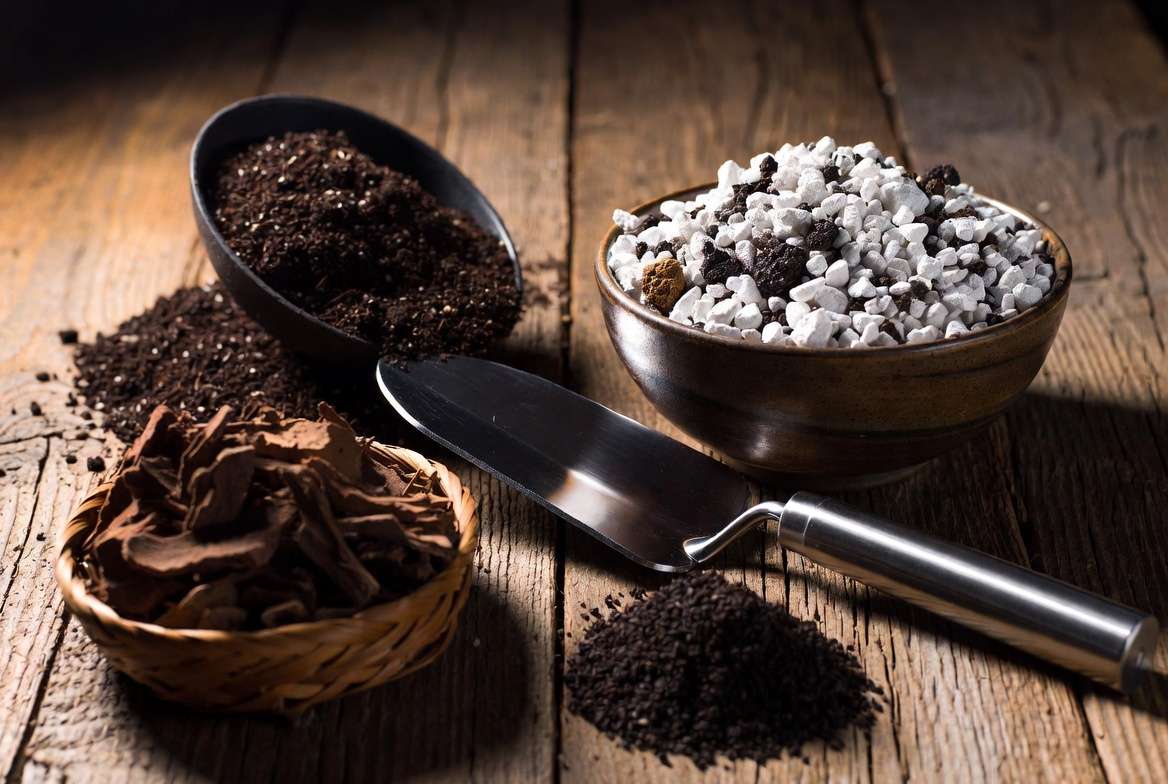
To create an aerated, fast-draining mix that resists fungal growth and root rot, you need to add “chunk” to your soil. A great, universal indoor plant recipe is:
-
40% High-Quality Indoor Potting Soil (This provides the nutritional base).
-
30% Perlite or Pumice (These volcanic rocks create large air pockets, allowing water to drain quickly and oxygen to reach the roots).
-
20% Orchid Bark (Bark chunks mimic the natural forest floor environment for tropical plants and prevent soil compaction).
-
10% Horticultural Charcoal or Worm Castings (Charcoal absorbs impurities, while worm castings provide gentle, organic nutrients).
Top Dressing: A Physical Barrier 🧱
If you want to go the extra mile, you can apply a “top dressing.” By covering the surface of your potting soil with a 1/2-inch layer of coarse horticultural sand, fine gravel, or decorative pebbles, you create a physical barrier. The rough, dry surface prevents adult gnats from accessing the moist soil below to lay their eggs, and traps any emerging adults beneath the surface.
Phase 3: Long-Term Prevention & Better Watering Habits 🗓️🌵
You have killed the bugs. You have fixed the soil. Now, you must fix your habits. The ultimate key to preventing overwatering leading to fungal gnat issues is changing how you interact with your plants.
Ditch the Schedule 🚫📅
The most dangerous thing you can do for your houseplants is to water them on a rigid calendar schedule (e.g., “I water all my plants every Sunday”). Plants are living things, and their water intake fluctuates based on the season, the temperature of your home, the humidity, and how much sunlight they are receiving. Watering them just because it is Sunday is a guaranteed ticket back to gnat city.
How to Truly Check for Moisture ☝️🪵
Instead of a schedule, water your plants on an as-needed basis. But how do you know when they need it?
-
The Finger Test: The simplest method. Push your index finger into the soil up to your second knuckle. If it feels moist or cool, do not water. If it feels completely dry, it is time for a drink.
-
The Chopstick Method: Take a wooden chopstick and push it deep into the pot, then pull it out. Just like baking a cake, if the stick comes out clean, the soil is dry. If it comes out with dark, moist soil clinging to it, hold off on watering.
-
Soil Moisture Meters: These inexpensive gadgets are fantastic tools. Push the metal probes into the root zone to get an instant reading of the moisture levels deep within the pot.
The Bottom-Watering Technique 🛁🌱
If you want to almost guarantee that fungus gnats never return, switch to bottom-watering.
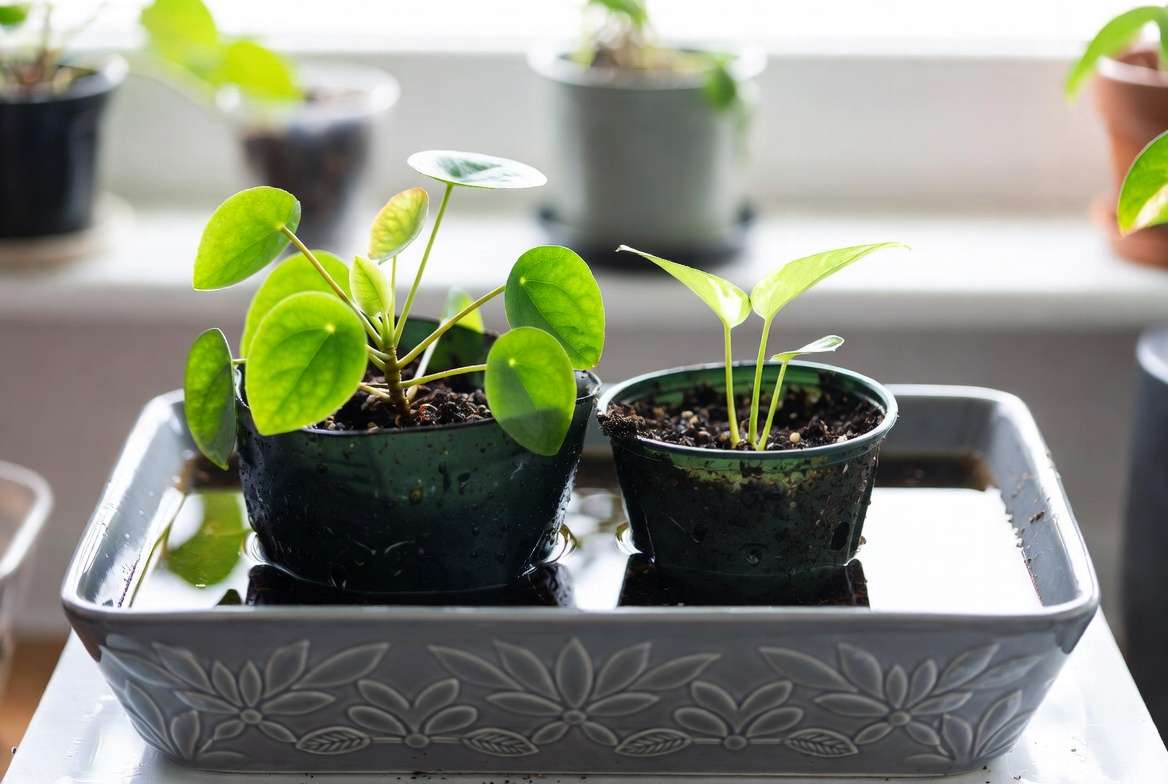
Instead of pouring water over the top of the soil, fill a bowl or your sink with a few inches of water. Place your plant pot (which must have drainage holes!) into the water. Through capillary action, the soil will soak up exactly as much water as it needs from the bottom up. After 15 to 30 minutes, remove the pot and let the excess drain.
Why this works: Bottom watering keeps the top 2 inches of soil bone-dry, effectively eliminating the primary breeding ground for fungus gnats while simultaneously encouraging the plant’s roots to grow downward toward the moisture.
Improving Airflow 🌬️🍃
Fungus gnats are incredibly weak flyers. They cannot navigate in a breeze. Furthermore, stagnant air keeps topsoil moist for days. By placing a small, oscillating fan in your plant room, you accomplish two things: you dry out the top layer of soil rapidly after a watering, and you create wind turbulence that prevents adult gnats from landing and laying eggs.
Expert Q&A: Your Top Fungus Gnat Questions Answered 🙋♀️💡
Even with the best preventative measures, plant owners always have lingering questions. Here are the most common inquiries we see as plant care experts:
Do fungus gnats bite humans or pets?
No, absolutely not. Unlike mosquitoes, fungus gnats do not possess the mouthparts to bite or pierce skin. They are entirely harmless to humans, cats, and dogs. They are strictly an annoyance.
Will fungus gnats kill my houseplants?
The flying adults will not harm your plants at all. However, a severe, unchecked infestation of larvae can be lethal. If the larvae run out of decaying organic matter to eat, they will turn to living plant tissue, stripping the delicate root hairs. This is especially dangerous for vulnerable seedlings, cuttings, and young plants, which can quickly die from root damage.
Can I use Neem Oil on fungus gnats?
Neem oil is a fantastic, natural pesticide for foliar (leaf) pests like spider mites or aphids. However, it is generally ineffective against fungus gnats. Spraying the leaves does nothing, as gnats live in the soil. While you can use a diluted neem oil soil drench, it can sometimes leave a lingering oily residue that actually slows down soil drying time, potentially worsening the overwatering issue. Stick to BTI or hydrogen peroxide for the soil.
Are they coming from my kitchen sink drain?
It is highly unlikely. If you see small flies hovering around your kitchen sink or shower drains, you probably have Drain Flies, not Fungus Gnats. Drain flies have fuzzy, moth-like wings and breed in the decaying sludge of plumbing pipes. Fungus gnats stay strictly near plant soil.
Conclusion: Reclaiming Your Indoor Jungle 🏡💚
Dealing with pest infestations can be overwhelming, but understanding the relationship between the environment and the pest makes all the difference. Remember the golden rule: controlling moisture is the ultimate key to controlling gnats.
By understanding that overwatering leading to fungal gnat issues is a symptom of poor soil aeration and improper watering habits, you can stop treating the symptom and start curing the disease. Implement yellow sticky traps for the adults, BTI treatments for the larvae, amend your soil with chunky perlite or bark, and transition to bottom-watering.
Every single plant parent, from novice beginners to master botanists, deals with these tiny pests at some point. It is simply a rite of passage in the world of indoor gardening! Do not let a temporary swarm discourage you from enjoying your indoor jungle. Take action today, let your soil dry out, and you will be back to enjoying your coffee pest-free in no time. ☕🌿











