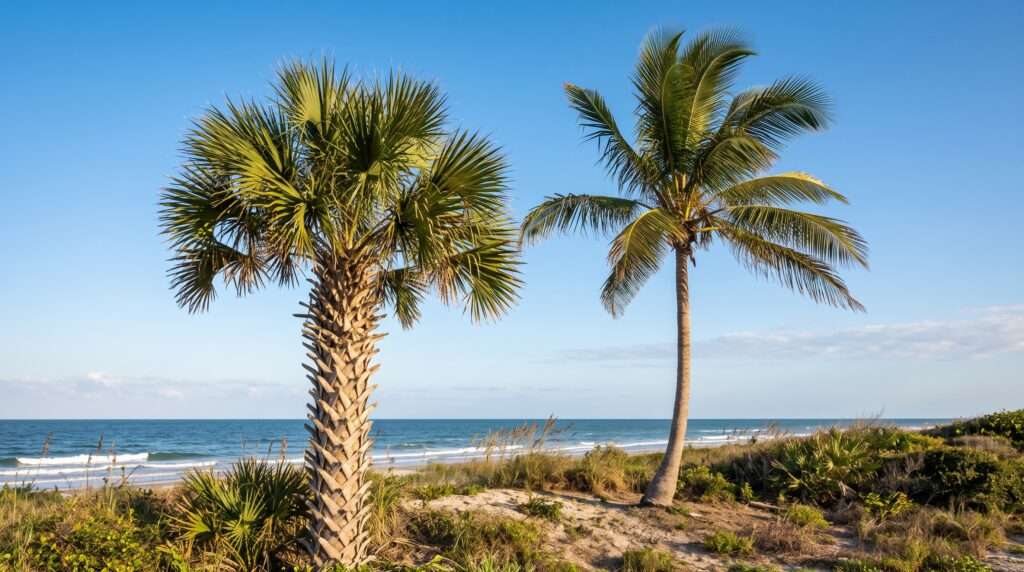
Picture a breezy coastal yard perfectly framed by lush, swaying fronds. You want to recreate that relaxing tropical vibe in your own landscape, but when you head to the local nursery, you are immediately faced with a confusing landscaping dilemma. When planning your garden layout, evaluating a palmetto tree vs palm tree is one of the most critical decisions you will make—yet most homeowners use the terms interchangeably.
This common mix-up leads to costly landscaping mistakes, such as planting a delicate, frost-sensitive species in a cold climate or choosing a towering giant for a small suburban yard. If you plant the wrong tree, a single winter freeze could destroy your expensive landscaping investment.
As plant care specialists and arborists often point out, there is a golden botanical rule to remember: All palmettos are palms, but not all palm trees are palmettos.
Whether you are looking to design a hurricane-resistant coastal garden or simply want to bring a touch of the tropics to a cooler climate, understanding the distinct characteristics of these trees is essential. In this comprehensive guide, we will break down the exact botanical, visual, and care differences to help you choose the perfect tree for your specific USDA hardiness zone and yard size. Let’s dive into the roots of this tropical mix-up! 🌊🪴
1. The Core Botanical Difference: Is a Palmetto Actually a Palm? 🧬
Before we get our hands dirty in the garden, we need to clear up the botanical hierarchy. Both palmettos and palms belong to the Arecaceae plant family, which is a massive group of perennial plants characterized by their lack of secondary growth (meaning they don’t form tree rings like oak or pine trees).
-
The “Palm Tree” Umbrella: Botanically speaking, “palm tree” is a broad umbrella category. It encompasses over 2,600 different species distributed across tropical and subtropical climates worldwide. This massive group includes everything from the towering Coconut Palm (Cocos nucifera) to the elegant Parlor Palm (Chamaedorea elegans) grown in your living room.
-
The “Palmetto” Subgroup: A palmetto is a very specific, specialized subgroup within the palm family. The term primarily refers to palms in the Sabal genus (such as the famous Cabbage Palmetto, Sabal palmetto), alongside a few closely related genera like Serenoa (Saw Palmetto).
Regional vernacular heavily contributes to the confusion. In the southeastern United States—particularly in South Carolina, proudly known as the “Palmetto State”—the native Sabal palmetto grows abundantly. Locals refer to them simply as “palmettos,” treating the word as a distinct category from the imported, exotic “palms” seen in Florida or California resorts. Botanically, however, that resilient South Carolina palmetto is simply a highly adapted, incredibly tough type of palm tree. 🌿🔬
2. Palmetto Tree vs Palm Tree: The 5 Key Differences 🔍
Knowing that palmettos are a subset of palms is great for trivia, but how do you tell them apart in the real world? Here are the five definitive differences that impact how these trees look, grow, and survive in your yard.
Difference 1: Frond (Leaf) Structure and Shape 🌿
The easiest way to identify your tree from twenty feet away is by examining the foliage. Palm leaves (fronds) generally fall into a few distinct architectural categories, and palmettos have a very specific design.
-
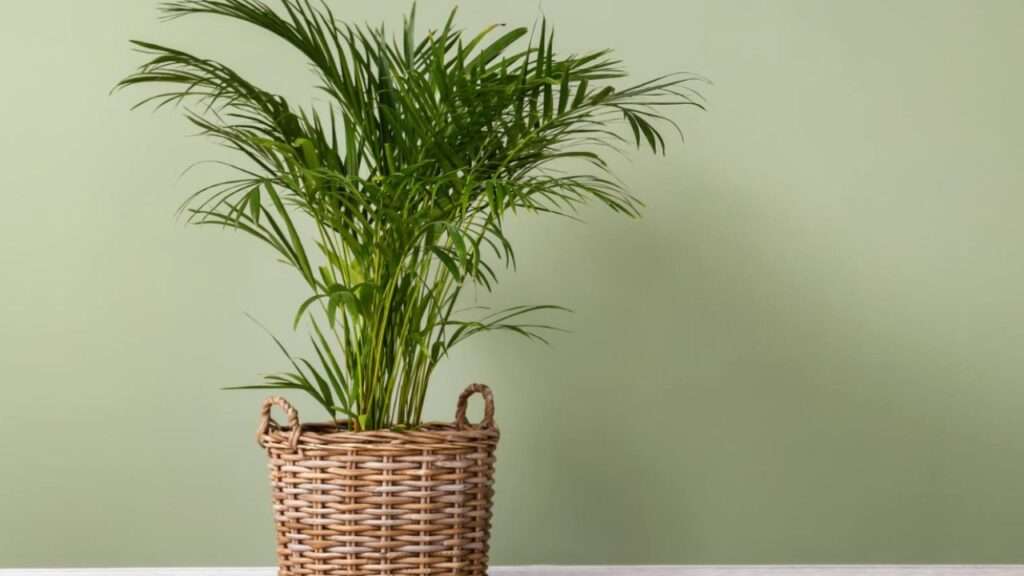
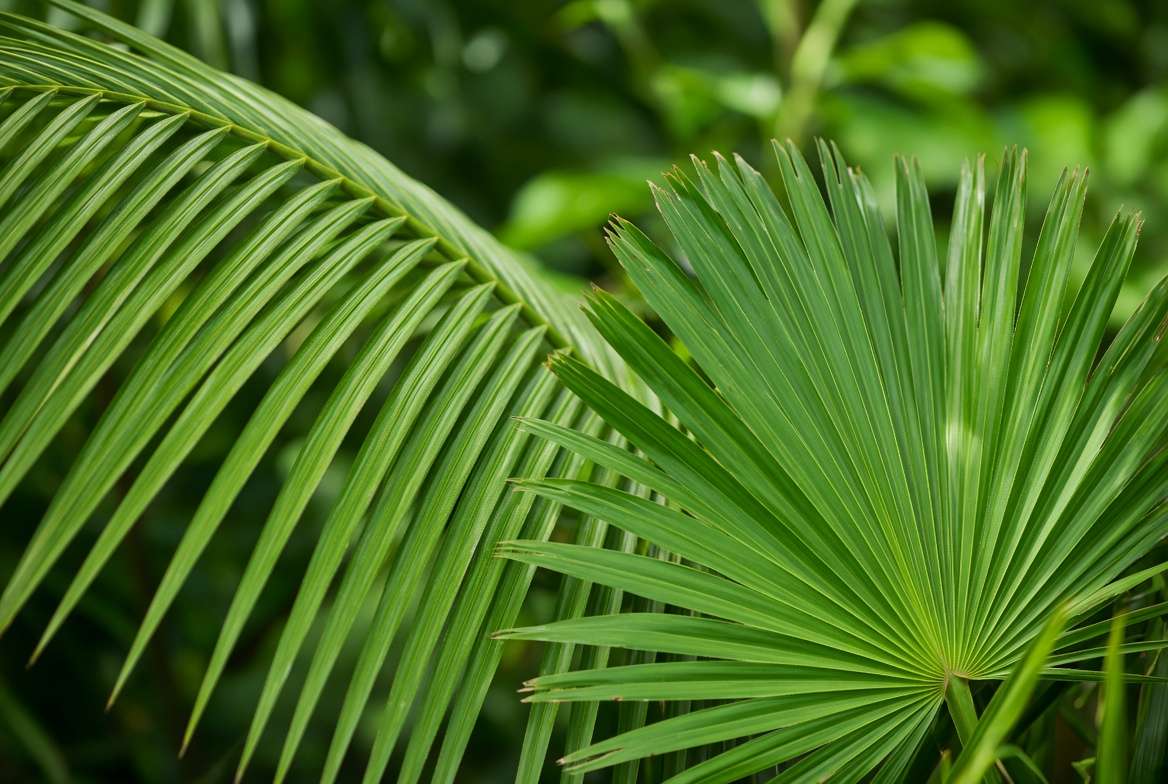
Palm Trees: The broader palm family exhibits massive variety. Many classic, tropical palms feature pinnate leaves. These are “feather-like” fronds where small leaflets attach along a central stem, moving gracefully in the wind. Think of the classic Date Palm, Queen Palm, or Coconut Palm. Others feature standard palmate leaves, which fan out perfectly from a single central point at the end of the stem, resembling an open hand.
-
Palmetto Trees: Palmettos feature a unique hybrid structure known as costapalmate leaves. If you look closely at a palmetto frond, the central stem (the midrib or petiole) doesn’t just stop at the base of the leaf. Instead, it extends deep into the leaf blade itself, acting like a rigid backbone. This structure causes the palmetto leaf to curve, fold, and twist in a highly distinct way, creating a beautifully textured, deeply divided fan shape that is highly resistant to wind damage. 🌬️🍃
Difference 2: Cold Hardiness and Climate Tolerance ❄️
If you are planting outside of a strictly tropical zone, this is the most critical difference you must understand. Climate tolerance dictates life and death for these plants.
-
Palm Trees: Most “true” tropical palms are incredibly sensitive to the cold. Species like the Royal Palm, Coconut Palm, or Areca Palm thrive exclusively in USDA Hardiness Zones 10 through 11. They require high heat, abundant humidity, and absolutely zero frost. A sudden drop below freezing will severely damage their cellular structure, often leading to rapid decay and plant death.
-
Palmetto Trees: Palmettos are the ultimate survivors of the palm world. Because they are native to the southeastern US and the Caribbean, they have evolved to withstand dramatic weather shifts. The Cabbage Palmetto (Sabal palmetto) and the Dwarf Palmetto (Sabal minor) boast exceptional cold hardiness, surviving temperatures well below freezing, ice storms, and even occasional snow. Thriving in USDA Zones 7 through 11, palmettos are the secret landscaping weapon for gardeners in states with colder winters who still demand a lush, tropical aesthetic. ⛄🌴

Difference 3: Trunk Appearance and Growth Habit 🪵
The trunk of a tree tells the story of its growth, and palmettos have a very different narrative than their tropical cousins.
-
Palm Trees: Many popular landscaping palms have beautiful, smooth trunks. For example, the King Palm has a smooth, vibrant green crownshaft, while others feature neat, evenly spaced horizontal rings (leaf scars) left behind when old fronds naturally shed. Some, like the Windmill Palm, are covered in a fuzzy, fibrous burlap-like material.
-
Palmetto Trees: Palmettos are famous for their rugged, textured, “cross-hatched” trunks. As a palmetto grows, it often retains the bases of its old, dead leaves. In arboriculture, these retained leaf bases are called “boots.” A booted palmetto trunk looks incredibly wild and structural. While some homeowners eventually trim or shave these boots for a smoother look, they naturally provide habitat for beneficial wildlife and protect the tree’s core. Additionally, some palmettos—like the Saw Palmetto—don’t grow vertical trunks at all. Instead, they feature subterranean or creeping horizontal stems that form dense, shrubby ground covers. 🪓🦎

Difference 4: Size and Growth Rate 📈
When planning a long-term landscape design, understanding the ultimate mature size and the speed at which your tree will grow is vital. Overcrowding is a common mistake that leads to expensive tree removal down the line.
-
Palm Trees: The size range within the broader palm family is staggering. You have dwarf species that happily live in small pots on your desk, all the way up to towering giants like the Wax Palm or the Mexican Fan Palm, which can skyrocket to over 100 feet tall. Depending on the species and environmental conditions, many tropical palms are incredibly fast growers. A Queen Palm, for instance, can grow up to two feet per year when given optimal fertilizer and water.
-
Palmetto Trees: Palmettos generally have a much more modest canopy and height limit. The tallest of the group, the Cabbage Palmetto, typically tops out between 30 to 60 feet after many decades. Other varieties, like the Dwarf Palmetto (Sabal minor), remain strictly as understory shrubs, rarely exceeding 6 to 10 feet in height. Furthermore, palmettos are notoriously slow growers. A Cabbage Palmetto may take 10 to 15 years just to form a visible trunk above the soil line! This slow growth rate makes them incredibly dense and resilient. 🐢📏
Difference 5: Best Landscaping Uses and Yard Placement 🏡
Because of their differing growth habits, root structures, and environmental tolerances, arborists recommend very different applications for palmettos versus traditional tropical palms.
-
Palm Trees: True tropical palms are the ultimate statement pieces. They are highly favored for framing luxury estates, lining long driveways, or serving as the centerpiece of a lush, resort-style pool enclosure. Their fast growth and tall, slender trunks make them ideal for creating an elevated canopy that won’t block the view of your home’s architecture.
-
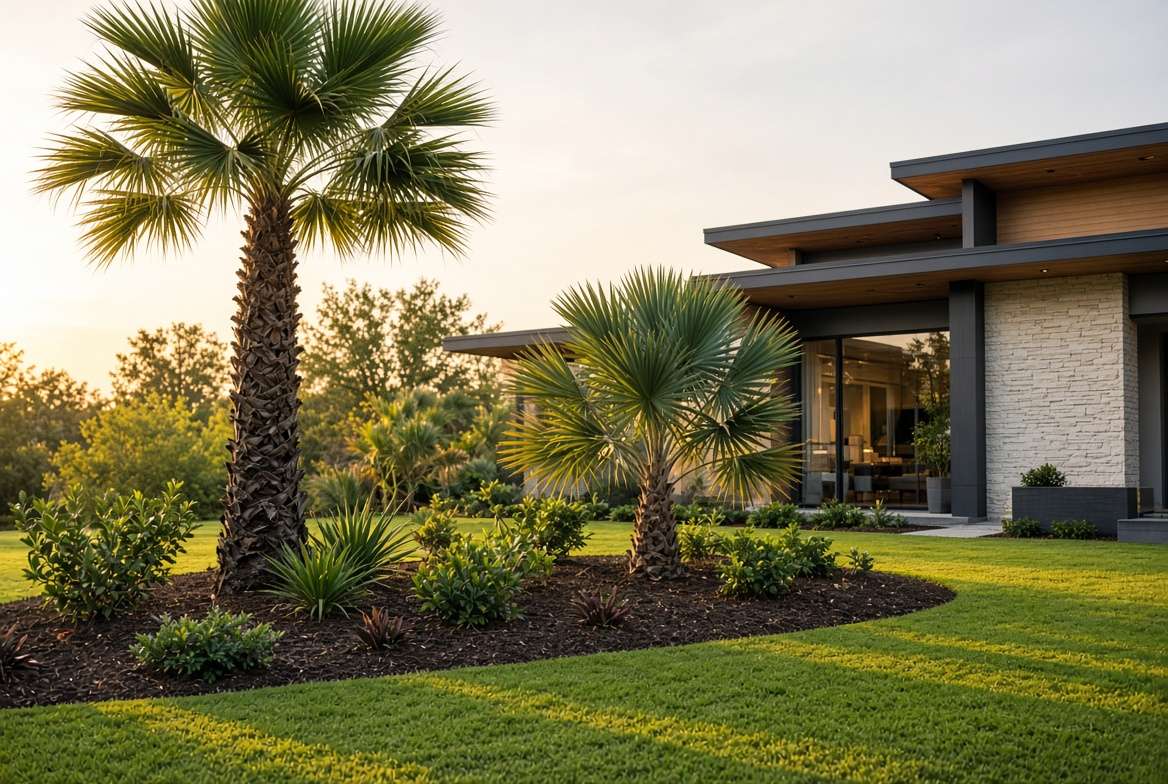
Palmetto Trees: Palmettos are the utilitarian workhorses of the landscaping world. Because of their extreme wind resistance, they are the number one choice for coastal areas prone to hurricanes and tropical storms; a well-rooted palmetto will rarely snap or uproot in high winds. The shorter varieties are perfect for dense understory planting, privacy screens, and native-friendly wildlife gardens, as their fruits and protective fronds provide excellent habitat for local birds and pollinators. 🦅🌪️
3. Popular Varieties to Know Before You Buy 🛒
To help you navigate the garden center like a seasoned horticulturist, here are a few of the most popular varieties of both palms and palmettos.
Top Standard Palm Trees for Home Gardens 🥥
-
Queen Palm (Syagrus romanzoffiana): An incredibly popular, fast-growing choice that offers that classic, feathery, tropical look. It is elegant and inexpensive but highly sensitive to hard frosts and requires regular fertilization to prevent nutrient deficiencies.
-
Pygmy Date Palm (Phoenix roebelenii): A phenomenal dwarf palm that rarely exceeds 10 feet. It features a beautifully textured trunk and soft, graceful fronds. It is the perfect choice for tight patio corners, small tropical gardens, and container planting.
Top Palmetto Trees for Resilient Landscaping 🛡️
-
Cabbage Palmetto (Sabal palmetto): The iconic, tall survivor native to the US Southeast. Known for its boot-covered trunk and rigid, costapalmate leaves, this tree can survive freezes, droughts, and hurricane-force winds with ease.
-
Saw Palmetto (Serenoa repens): A low-growing, clumping champion. Instead of growing upright, its trunk often creeps horizontally along the ground. It is an exceptional, drought-tolerant ground cover that forms impenetrable barriers, making it great for property lines.
4. Which One Should You Plant? (The Decision Matrix) 🤔
Still torn on which tree is best for your yard? Use this quick decision matrix to align your landscaping goals with the right botanical choice:
Choose a Palmetto Tree If:
-
You live in a colder USDA Hardiness Zone (Zones 7–9) where winter freezes are a reality.
-
Your property is coastal or frequently experiences high winds and severe storms.
-
You want to cultivate a native North American landscape that supports local eco-systems.
-
You prefer a low-maintenance, slow-growing tree that won’t outgrow its space quickly.
Choose a Palm Tree If:
-
You live in a true, frost-free tropical zone (Zones 10–11).
-
You want rapid vertical growth to quickly establish a canopy or shade.
-
You desire the classic “feather duster” look with soft, swaying pinnate leaves.
-
You are looking for an indoor houseplant or a decorative patio container plant.
5. Expert Care & Maintenance Guide 🪴
While palm and palmetto care share some similarities, ensuring they thrive requires nuanced horticultural knowledge. Here is how the experts keep these trees vibrant and healthy year-round.
Soil and Watering Needs 💧
Palmettos boast incredible drought tolerance once established. Their native habitats range from swampy marshlands to bone-dry coastal sand dunes, meaning they can adapt to almost any soil condition, including highly saline (salty) soils. Watering deeply but infrequently is key to encouraging a robust root system. Tropical palms, conversely, generally demand richer, well-draining soil and more consistent moisture, especially during their active summer growing season.
The Golden Rule of Pruning ✂️
As a tree care expert, this is the most critical piece of advice: Stop “hurricane pruning” your trees! Many homeowners heavily aggressively prune their palms and palmettos before storm season, stripping them down until only a tiny tuft of green remains at the very top. This is a highly damaging myth. Fronds are the tree’s food factory. By removing green fronds, you starve the tree and actually weaken its trunk, making it more susceptible to snapping in the wind.
The 9 to 3 O’clock Rule: Imagine the canopy of your tree as a clock face. You should never prune any fronds that are sitting above the horizontal 9 o’clock and 3 o’clock line. Only remove fronds that are completely brown, dead, and hanging downward. ⏱️🍂

Common Pests and Diseases 🐛
Both palms and palmettos share a few common enemies. Be on the lookout for the Palmetto Weevil, a large insect that bores into the crown of the tree (often targeting stressed or over-pruned trees). Additionally, Lethal Bronzing Disease is a serious bacterial infection spread by sap-feeding insects. Early signs of distress include the premature yellowing of lower fronds and the drooping or collapsing of the newest spear leaf at the top of the canopy. Prompt diagnosis by a certified arborist is essential if you spot these symptoms.
6. Frequently Asked Questions (FAQs) 🙋♀️
To clear up any lingering confusion, here are the most common questions homeowners ask about the palmetto tree vs palm tree debate:
Is a palmetto tree just a small palm tree? No! While some palmettos (like the Dwarf Palmetto) stay very small, others (like the Cabbage Palmetto) can grow up to 60 feet tall. Palmettos are botanically distinct due to their costapalmate leaf structure and specific genetic genus (Sabal or Serenoa), not just their size.
Do palmetto trees produce coconuts? No, coconuts are exclusively produced by the Coconut Palm (Cocos nucifera). Palmettos produce large clusters of small, dark, berry-like fruits called drupes. While not highly prized for human consumption, these berries are an incredibly valuable food source for local birds and wildlife. 🥥🐦
Can a palmetto tree survive a freeze? Yes! This is their greatest superpower. Native palmettos are incredibly cold-hardy. Established Sabal minor and Sabal palmetto trees can easily survive temperatures dipping down to 10°F (-12°C) or even lower for short periods without sustaining long-term damage.
Are palmetto roots invasive? No. Both palms and palmettos have a fibrous root system. Instead of producing thick, woody, destructive roots that crack foundations or crush pipes (like an oak or maple tree), they produce thousands of thin, spaghetti-like roots. They are generally very safe to plant near pools, patios, and walkways. 🧱🏡
7. Conclusion: Bringing the Tropics Home 🌅
In the ultimate battle of the palmetto tree vs palm tree, there is no single winner—only the right choice for your unique environment.
To summarize the tropical mix-up: a palmetto is simply a rugged, highly resilient, and incredibly cold-hardy sub-category of the broader palm tree family. If you live in a frost-prone or hurricane-heavy region and love a textured, structural trunk with folded costapalmate leaves, the palmetto is your landscaping champion. If you reside in a warm, frost-free paradise and want fast-growing, feathery elegance, a traditional tropical palm will serve you best.
By understanding these five key differences, you can confidently invest in the right tree, avoid costly gardening mistakes, and create the lush, relaxing oasis of your dreams.
What are you planting this season? Are you opting for the rugged resilience of a palmetto or the classic elegance of a tropical palm? Let us know in the comments below, and don’t forget to check out our ultimate guide on The Best Fertilizers for Palm Health to give your new trees the perfect head start! 🌱✨