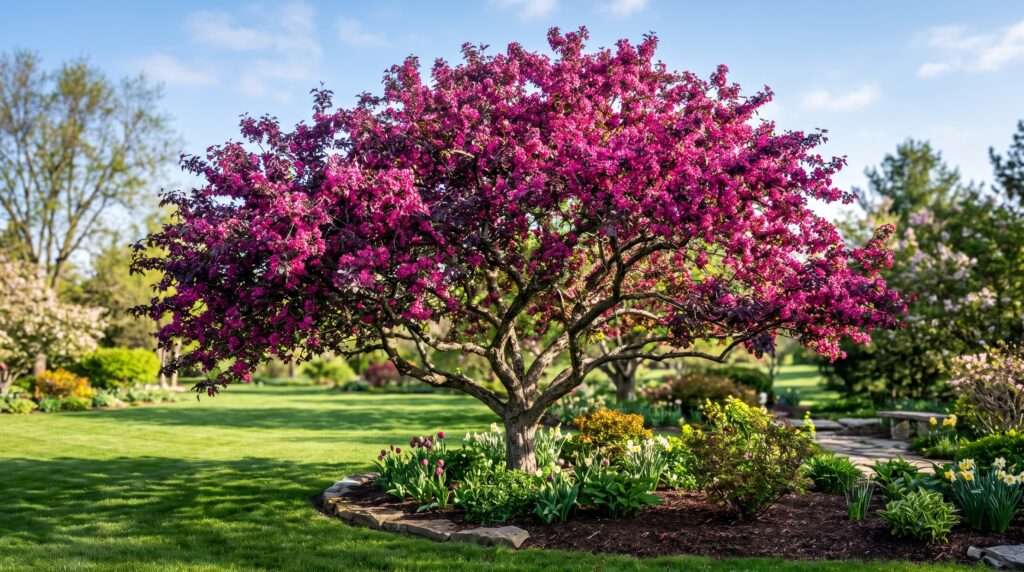
If you are looking to elevate your landscape with a show-stopping ornamental specimen, few choices rival the Royal Raindrops Crabapple Tree (Malus ‘JFS-KW5’). Many homeowners struggle to find a tree that offers continuous visual interest without requiring constant maintenance or succumbing to defoliating diseases. This remarkable cultivar solves those landscape dilemmas beautifully. Known for its breathtaking magenta-pink spring blossoms, deeply lobed purple foliage, and sparkling red autumn berries, it is a masterclass in multi-season appeal.
However, achieving that picture-perfect, magazine-quality look requires more than simply putting a root ball in the ground. Improper planting depth, incorrect pruning timing, and poor soil preparation often lead to lackluster blooms, structural weakness, or fungal issues. This comprehensive guide provides expert, arborist-backed strategies to master the care of your tree, ensuring it remains a vibrant, healthy centerpiece in your garden for decades to come. 🧑🌾
Why Choose the Royal Raindrops Crabapple Tree? 👑🍁
When selecting an ornamental tree, longevity, aesthetic value, and hardiness are paramount. The Royal Raindrops variety stands head and shoulders above older crabapple cultivars for several distinct reasons.
Stunning Multi-Season Visual Appeal 🌸
Most spring-blooming trees offer a brief two-week show before fading into a generic green background. The Royal Raindrops Crabapple, however, is a dynamic performer that shifts its wardrobe with the seasons:
-
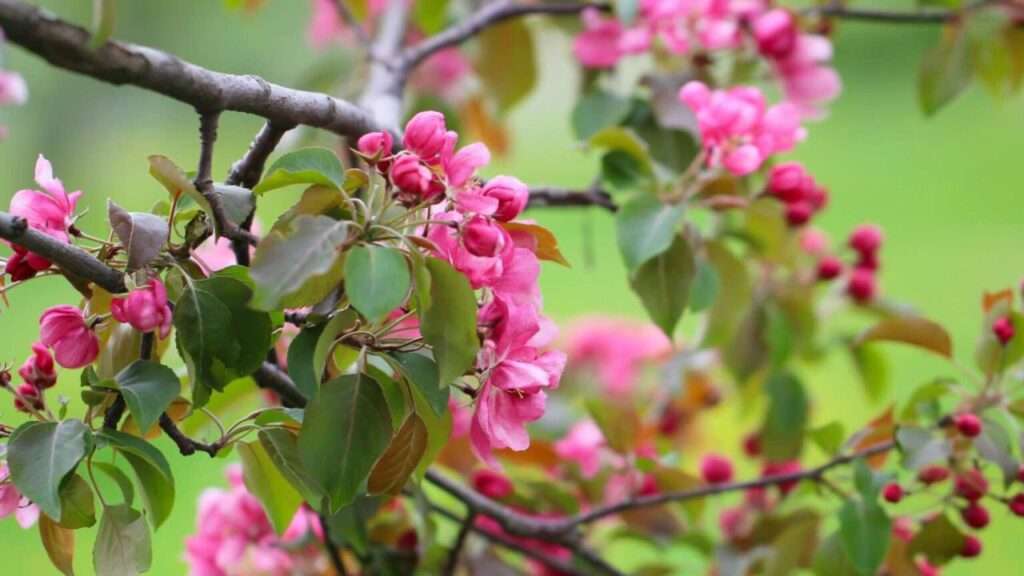
Spring: Branches are completely smothered in clusters of eye-catching, vibrant magenta-pink flowers.
-
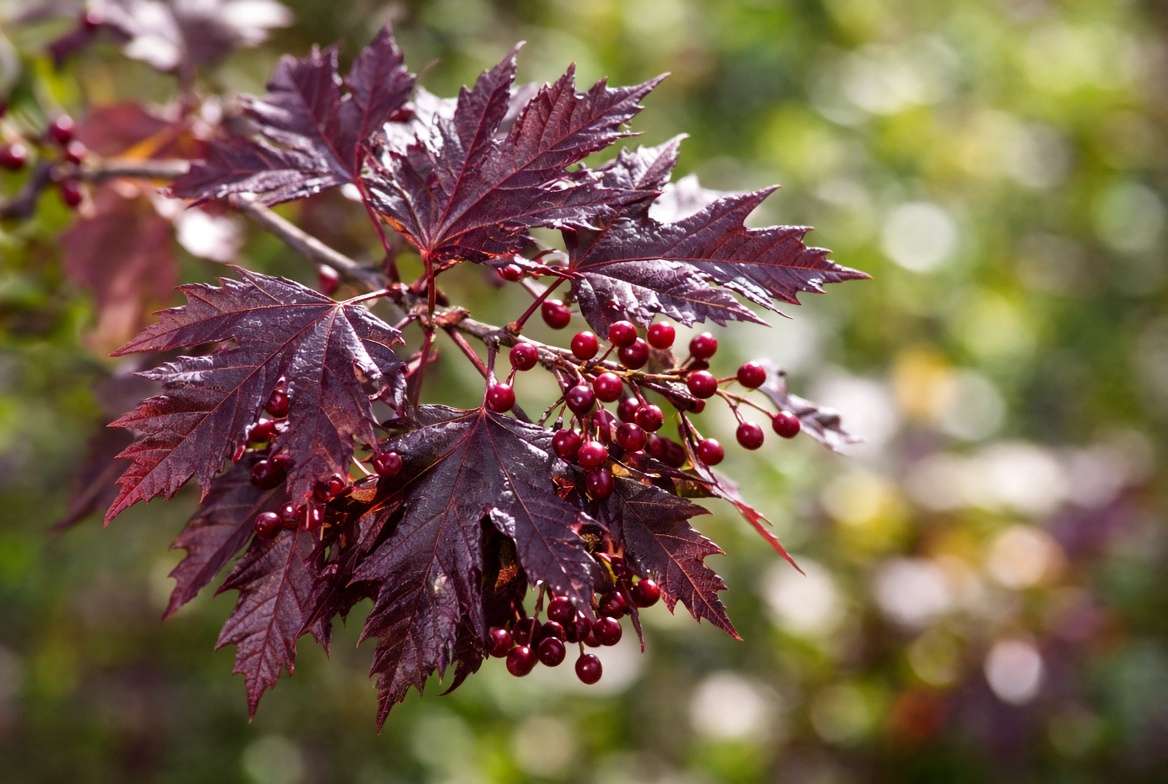
Summer: Unlike traditional crabapples, the foliage emerges as a rich, deep wine-purple. The leaves are uniquely lobed (deeply cut), giving the canopy a delicate, lace-like texture that flutters beautifully in the summer breeze.
-
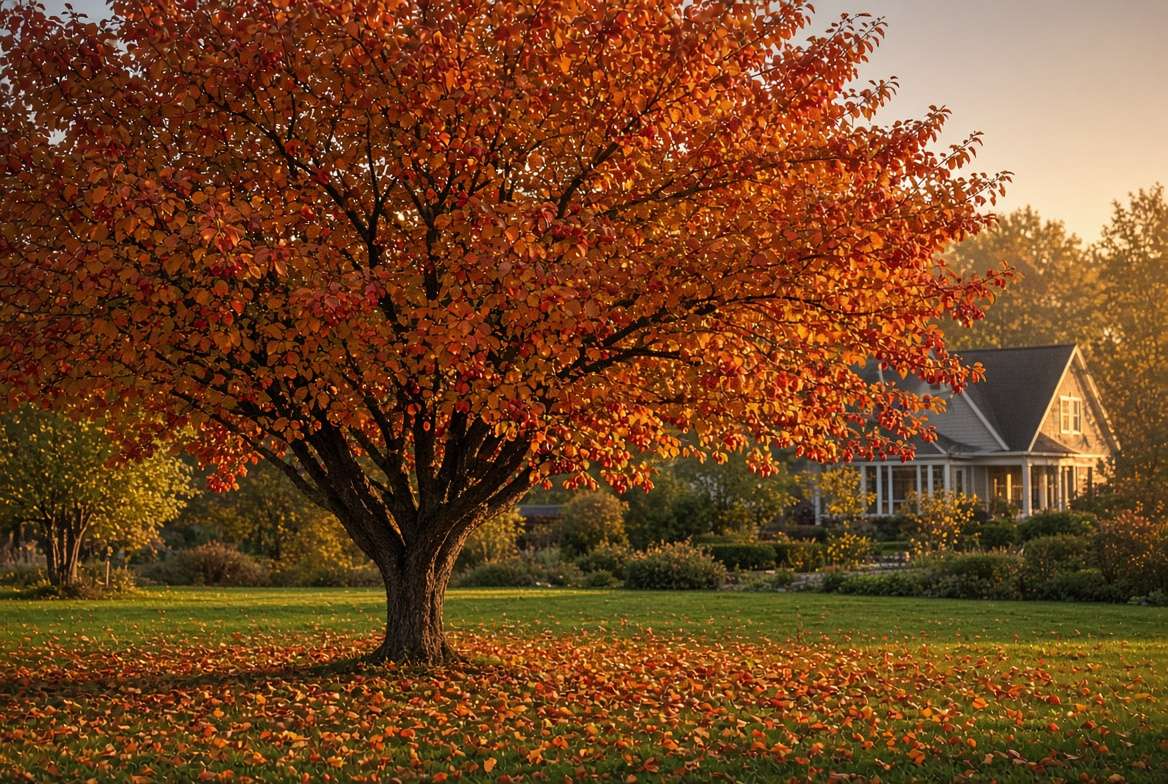
Autumn: The foliage transitions into a fiery display of bronzes, oranges, and brick-reds. Simultaneously, tiny, glistening red pomes (berries) mature, looking like miniature ornaments hanging from the branches.
-
Winter: After leaf drop, the tree’s elegant, upright-spreading silhouette and silvery bark provide striking winter architecture. ❄️
Superior Disease Resistance 🛡️
Historically, crabapple trees have been notorious for their susceptibility to unsightly fungal diseases. By late summer, many older varieties drop their leaves entirely due to infections. Royal Raindrops was selectively bred for outstanding genetic resistance to the most common Malus ailments. It boasts excellent resistance to apple scab, cedar-apple rust, powdery mildew, and fire blight. This means you get a lush, full canopy of pristine purple leaves all summer long without the need for harsh chemical fungicide sprays.
Wildlife Benefits 🐦🐝
Beyond its beauty, this tree is a cornerstone for local micro-ecosystems. The dense spring blossoms are a vital early nectar source for honeybees, bumblebees, and native butterflies. As winter approaches and other food sources dwindle, the persistent, tiny red berries (which cling to the branches well into the snowy months) become a crucial food source for overwintering songbirds, including robins, cedar waxwings, and mockingbirds.
The Expert Guide to Planting for Long-Term Success 🌱
The foundation of a thriving tree is established on planting day. Rushing this process can stunt your tree’s growth for years. By following horticultural best practices, you set your tree up for vigorous root establishment.
Choosing the Perfect Location ☀️
Sunlight is the primary fuel for vibrant foliage and dense blooming. To coax the deepest purple color from the leaves and the maximum number of blossoms, your tree requires full sun—meaning a minimum of 6 to 8 hours of direct, unfiltered sunlight daily. Planting in partial shade will result in muted, greenish-bronze leaves, a sparse floral display, and an increased risk of powdery mildew due to lingering morning dew.
When mapping out the location, account for the tree’s mature size. The Royal Raindrops Crabapple typically reaches a mature height of 15 to 20 feet, with a canopy spread of 12 to 15 feet. Plant it at least 8 to 10 feet away from houses, power lines, and dense competing trees to ensure excellent air circulation.
Soil Preparation and Testing 🌍
While adaptable to a wide range of soil types—including clay, loam, and sandy compositions—this tree thrives best in well-draining, slightly acidic soil with a pH ranging from 5.0 to 6.5.
Before planting, perform a simple percolation test. Dig a hole 12 inches deep and fill it with water. If the water hasn’t drained after 24 hours, your soil is too compacted or heavy in clay. In this case, do not heavily amend the planting hole with organic matter, as this creates a “bathtub effect” where water pools around the roots, leading to root rot. Instead, plant the tree slightly elevated (about 2-3 inches above the surrounding grade) to encourage lateral drainage.
Step-by-Step Planting Process 🛠️
-
Digging the Right Hole: The most common planting mistake is digging too deep. The hole should be two to three times wider than the root ball, but exactly the same depth.
-
Locating the Root Flare: Identify the root flare—the widened base of the trunk where the first main roots branch out. This flare must remain visible above the soil line. Burying the root flare starves the root system of oxygen and invites bark decay.
-
Placing and Backfilling: Gently place the tree in the center of the hole. If it’s balled and burlapped, remove the wire basket and cut away the burlap from the top third of the root ball. Backfill halfway with the native soil, water deeply to eliminate air pockets, and then fill the remainder.
-
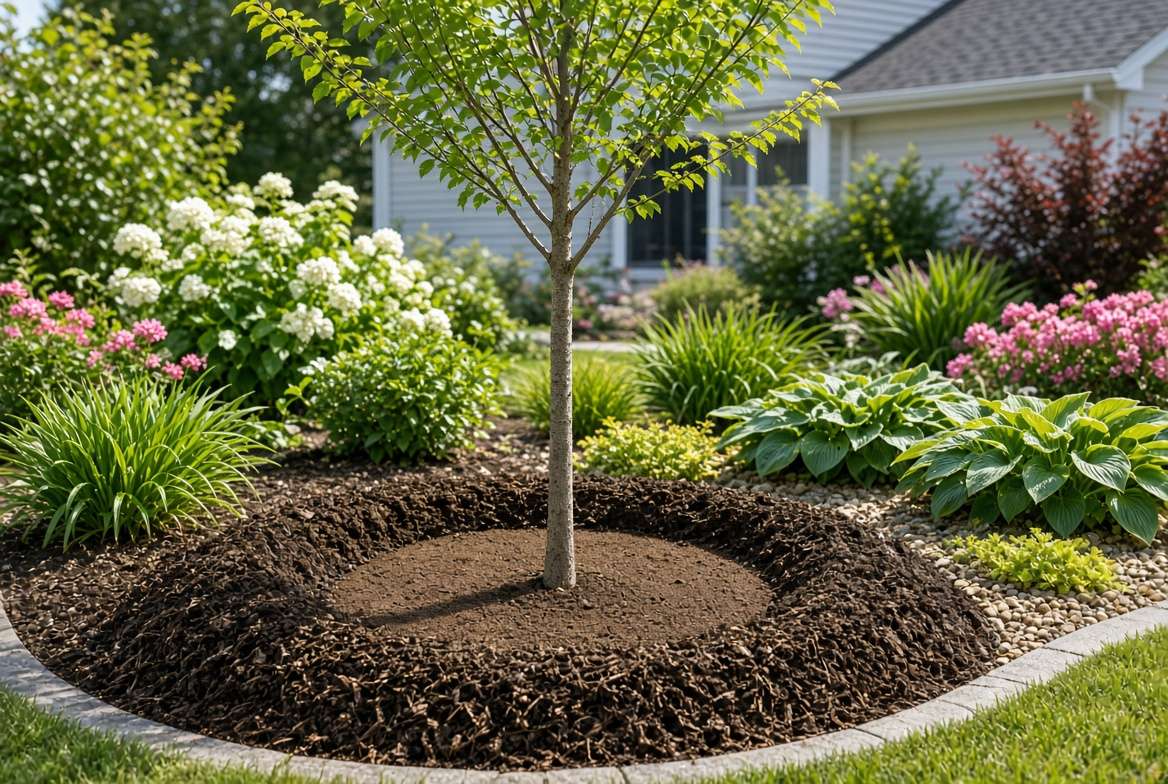
The Mulch Doughnut Method 💡: Apply a 2-to-3-inch layer of organic hardwood mulch around the base to retain moisture and regulate soil temperature. Crucial Expert Tip: Create a “mulch doughnut,” leaving a 3-inch gap of bare soil directly around the trunk. Avoid the dreaded “mulch volcano” (piling mulch against the bark), which traps moisture and invites pests and rot.
Essential Watering and Fertilization Strategies 💧🌿
Once in the ground, proper hydration and nutrition dictate how quickly your tree establishes its canopy and root network.
Watering Needs During Year One (Establishment Phase) 🚿
During its first growing season, the root system is highly localized and vulnerable to drying out. The goal is to encourage roots to dive deep into the surrounding soil.
-
Water the tree deeply once or twice a week, depending on rainfall and heat.
-
Apply 10 to 15 gallons of water per session at the dripline (the outer edge of the canopy), rather than just at the trunk.
-
Use a slow trickle from a garden hose or a tree watering bag to allow the moisture to slowly penetrate the soil profile without running off.
Long-Term Drought Tolerance 🏜️
Once fully established (typically after 2 to 3 years), the Royal Raindrops Crabapple is surprisingly drought-tolerant. Its robust root system can handle short dry spells with ease. However, during periods of extreme, prolonged summer heat with no rain, provide a supplemental deep soaking every 10 to 14 days to prevent leaf scorch and ensure the tree reserves enough energy to develop fruit and next year’s flower buds.
When and How to Fertilize 🍂
Less is more when it comes to fertilizing crabapples. Over-fertilization—particularly with high-nitrogen lawn fertilizers—forces the tree to push out weak, rapid vegetative growth at the expense of its flowers and disease resistance.
-
Timing: If needed, fertilize in late winter or early spring just before new growth emerges.
-
Formula: Use a balanced, slow-release granular tree fertilizer (such as an 11-22-22 or 10-10-10 N-P-K ratio).
-
Application: Broadcast the fertilizer evenly beneath the entire canopy spread, stopping just short of the trunk. If your tree is growing vigorously (more than 6-8 inches of new branch growth per year) and blooming heavily, you can likely skip fertilization altogether, relying simply on the natural breakdown of the organic mulch layer.
Pruning and Shaping Your Royal Raindrops Crabapple ✂️
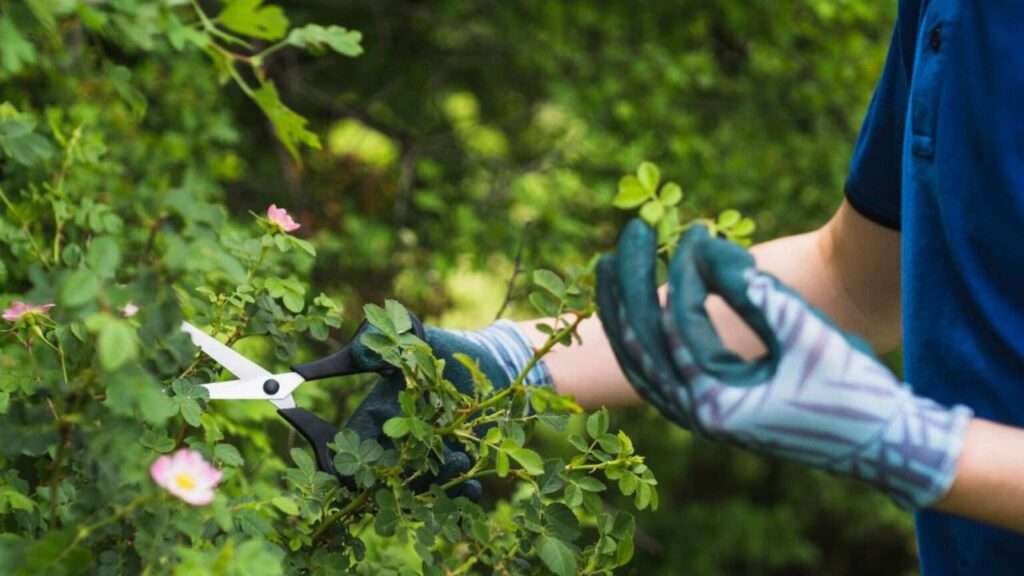
Pruning is where tree care transitions into an art form. While the Royal Raindrops Crabapple naturally develops a visually pleasing, upright, and somewhat rounded canopy, structural pruning is essential to maintain its health, maximize bloom density, and prevent storm damage.
The Best Time to Prune ❄️
The golden rule of pruning crabapple trees is timing. The optimal window is during late winter or early spring (February to March), while the tree is completely dormant and before the sap begins to flow. Pruning during dormancy serves two vital purposes:
-
Without foliage, the tree’s architectural framework is fully visible, making it easier to identify crossing branches or structural flaws.
-
Pruning wounds heal much faster just before the spring growth spurt, and the risk of exposing open cuts to actively spreading fungal spores or boring insects is significantly reduced.
Avoid heavy pruning in late summer or fall, as this can stimulate new, tender growth that won’t have time to harden off before the first winter freeze.
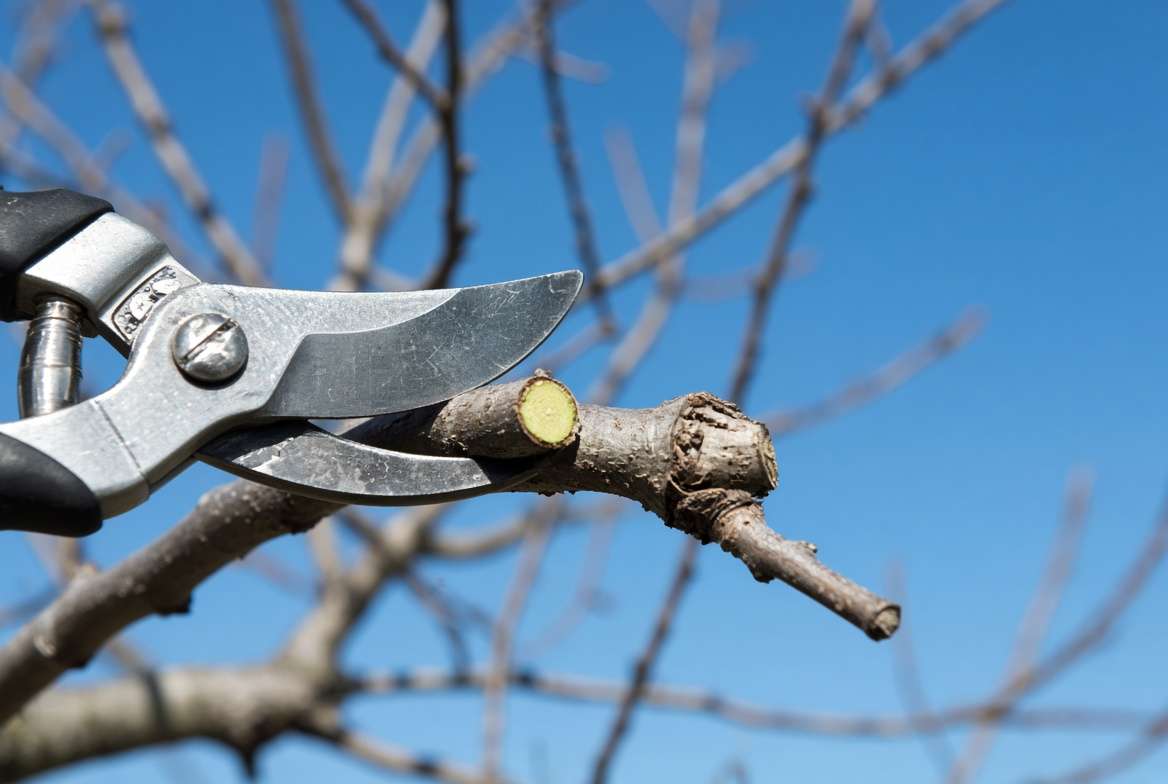
Core Pruning Objectives: The 3 D’s 🪵
Whenever you approach your tree with pruning shears or a saw, always start by addressing the “3 D’s”:
-
Dead Wood: Branches that are brittle, lack green tissue under the bark, or fail to produce buds.
-
Damaged Wood: Limbs broken by wind, heavy snow, or ice. Cleanly cut these back to the nearest healthy lateral branch or the trunk collar.
-
Diseased Wood: Any branches showing signs of cankers, deep splits, or unusual localized discoloration. Be sure to sanitize your pruning tools with a 10% bleach solution or rubbing alcohol between cuts to prevent spreading pathogens.
Thinning the Canopy for Airflow 🌬️
A dense, congested canopy traps moisture and restricts sunlight, creating a perfect microclimate for fungal diseases and reducing the number of flowers on interior branches. Thin out the center of the tree by removing crossing branches that rub against one another (which damages the bark) and branches that grow inward toward the trunk. The goal is to allow a bird to fly straight through the canopy without hitting its wings.
Managing Suckers and Water Sprouts 🚫
Keep a vigilant eye out for parasitic growth:
-
Suckers: Vigorous shoots emerging from the base of the trunk or the root system. Because the Royal Raindrops is typically grafted onto a hardy rootstock, suckers will grow into a completely different, inferior tree if left unchecked.
-
Water Sprouts: Perfectly straight, rapid vertical shoots growing straight up from main horizontal branches. Both suckers and water sprouts siphon crucial energy away from the main canopy and should be pruned off flush with their origin point as soon as you spot them.
Common Pests, Diseases, and Troubleshooting 🐛🛡️
While the Royal Raindrops Crabapple is celebrated for its robust disease resistance, no tree is entirely invincible. Proactive monitoring is the key to preventing minor issues from becoming severe infestations.
Identifying and Treating Japanese Beetles 🪲
These metallic green and copper pests emerge in mid-summer and can skeletonize the beautiful purple foliage in a matter of weeks, leaving only the leaf veins behind.
-
Treatment: For light infestations, hand-pick the beetles early in the morning when they are sluggish and drop them into a bucket of soapy water. Avoid using pheromone beetle traps, as they often attract more beetles to your yard than they catch. For severe outbreaks, horticultural oils or organic Neem oil applied at dusk can act as an effective deterrent.
Managing Aphids and Scale 🐜
Aphids often congregate on tender new spring growth, sucking plant sap and excreting sticky “honeydew,” which can lead to black sooty mold. Scale insects look like tiny, immovable bumps on the twigs and branches.
-
Treatment: A strong blast of water from the hose is usually enough to dislodge aphids. For stubborn scale or severe aphid colonies, apply insecticidal soap or dormant horticultural oil during the late winter to smother overwintering eggs.
Fire Blight and Powdery Mildew 🍂
Though this cultivar is highly resistant, extreme weather conditions can occasionally bypass its defenses.
-
Fire Blight: A devastating bacterial infection that causes branches to look scorched by fire, with the tips curling into a “shepherd’s crook.” If spotted, prune out the infected wood immediately, cutting at least 8 to 12 inches below the visible damage, and destroy the clippings.
-
Powdery Mildew: A white, dusty fungal coating on the leaves, usually triggered by humid, stagnant air. Ensure proper canopy thinning for airflow and avoid overhead watering to keep the foliage dry.
Pro-Tip 📝: The Seasonal Inspection Checklist. Walk around your tree once a month. Inspect the trunk for bark damage, check the undersides of leaves for pests, and assess the soil moisture. Early detection is the easiest pest management strategy!
Seasonal Care Calendar for Year-Round Health 🗓️🍂
To keep your Royal Raindrops Crabapple thriving, follow this easy, season-by-season maintenance rhythm.
Spring: The Awakening 🌱
-
Watering: Ensure the tree receives 1 inch of water per week as buds swell and open.
-
Mulching: Refresh the organic mulch layer to a 2-inch depth, ensuring the root flare is exposed.
-
Observation: Enjoy the magnificent magenta blooms and monitor for early aphids on new shoot tips.
Summer: The Growth Phase ☀️
-
Drought Monitoring: Water deeply during extended dry, hot spells to prevent leaf drop.
-
Pest Patrol: Keep a lookout for Japanese beetles and manually remove them before they can cause severe defoliation.
Fall: The Display 🍁
-
Cleanup: Rake up and dispose of fallen leaves. Do not compost them if they show any signs of fungal spotting, as spores can overwinter and reinfect the tree next spring.
-
Enjoyment: Sit back and admire the brilliant red and bronze foliage paired with the sparkling red berries.
Winter: The Rest Period ❄️
-
Pruning: Conduct your major structural pruning, thinning, and shaping in late February or March.
-
Protection: In areas with heavy snowfall or hungry wildlife, wrap the lower trunk with a protective tree guard to prevent rabbits and voles from chewing the bark, which can girdle and kill the tree. 🐇
Frequently Asked Questions (FAQs) ❓
How big does a Royal Raindrops Crabapple get? When fully mature, this tree reaches a highly manageable height of 15 to 20 feet, with a canopy spread of 12 to 15 feet. Its compact footprint makes it an excellent choice for front yards, patio planting, and smaller urban lots.
Are the berries edible for humans or pets? While technically not toxic, crabapples are highly acidic, tart, and woody, making them unpalatable for raw human consumption. They can cause mild digestive upset in dogs if consumed in massive quantities. However, they are a fantastic, safe food source for local birds.
How fast does this tree grow? The Royal Raindrops Crabapple has a moderate growth rate, typically adding 12 to 15 inches of new growth per year until it reaches its mature size.
Can I grow it in a container? While possible for the first few years in a very large, half-barrel planter, this tree ultimately needs to be planted in the ground to accommodate its root system and reach its full aesthetic potential.
Conclusion 🌟
The Royal Raindrops Crabapple Tree is much more than a fleeting spring spectacle. With its disease-resistant genetics, captivating magenta blooms, deeply lobed purple summer foliage, and wildlife-sustaining winter berries, it is an absolute powerhouse of landscape design. By selecting the perfect sunny location, ensuring proper planting depth, and following a straightforward seasonal pruning and watering regimen, you can cultivate a healthy, structurally sound tree that commands attention in every season.
Whether you are a seasoned gardener or a first-time homeowner looking to make a landscaping impact, this tree is a resilient, stunning investment in your property’s curb appeal.
Have you recently planted a Royal Raindrops Crabapple, or do you have a mature beauty blooming in your yard right now? Share your photos and tree care experiences with us in the comments below! 📸👇