
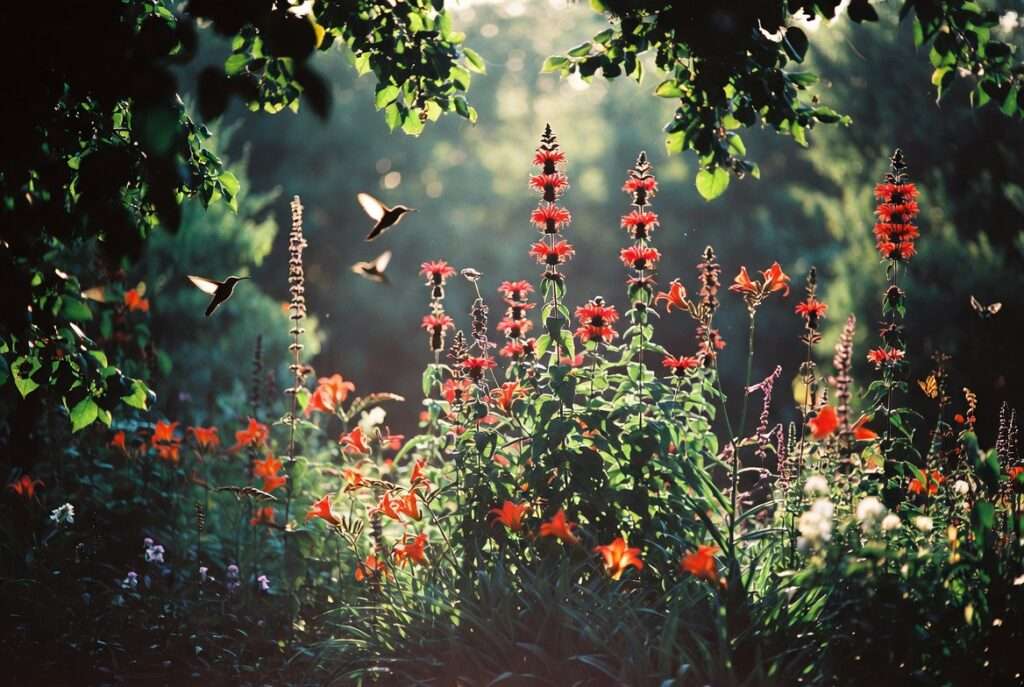
Imagine stepping into your garden on a warm summer morning and being greeted by bold, fiery red blooms that dance in the breeze, returning reliably year after year without the hassle of replanting. Perennial plants with red flowers deliver exactly that magic — vibrant, long-lasting color that transforms ordinary landscapes into breathtaking displays while supporting pollinators and reducing maintenance.
If you’re tired of annual flowers that fade after one season or want to create a striking focal point that boosts curb appeal and biodiversity, this comprehensive guide is for you. With over 15 years of hands-on experience as a horticulturist helping homeowners design thriving gardens, I’ve tested dozens of varieties across different climates and soil types. In this skyscraper guide, you’ll discover the best perennial plants with red flowers, expert planting and care techniques, design inspiration, and troubleshooting solutions that actually work. Let’s dive in and help you build the vibrant garden of your dreams! 🌹
Why Perennial Plants with Red Flowers Are Garden Game-Changers 🏆
Red is one of the most powerful colors in garden design. It evokes passion, energy, and excitement while creating dramatic contrast against green foliage. Perennial plants with red flowers bring this intensity without the constant replanting required by annuals.
The Symbolic and Visual Power of Red in Gardens Red flowers instantly draw the eye, making them perfect as focal points or accents in borders, containers, and cutting gardens. They pair beautifully with silver-leaved plants, purples, and yellows, creating sophisticated color schemes. Beyond aesthetics, red blooms are highly attractive to hummingbirds, butterflies, and bees — essential for a healthy ecosystem.
Environmental and Practical Benefits Many red-flowering perennials are tough, drought-tolerant once established, and excellent for erosion control on slopes. They improve soil structure over time through their root systems and often require less fertilizer than fussy annuals. Home gardeners frequently report significant savings in both time and money after switching to perennials.
Cost and Time Savings Compared to Annuals A single investment in quality perennial plants with red flowers can provide beauty for 5–20+ years. This longevity makes them ideal for busy homeowners who want maximum impact with minimum effort. In my consulting work, clients who incorporated these plants saw their gardens mature beautifully within two to three seasons.
Top 12 Perennial Plants with Red Flowers for Every Garden 🌟
Here’s a carefully curated selection of standout varieties based on performance, availability, and gardener feedback. Each includes key details to help you choose wisely.
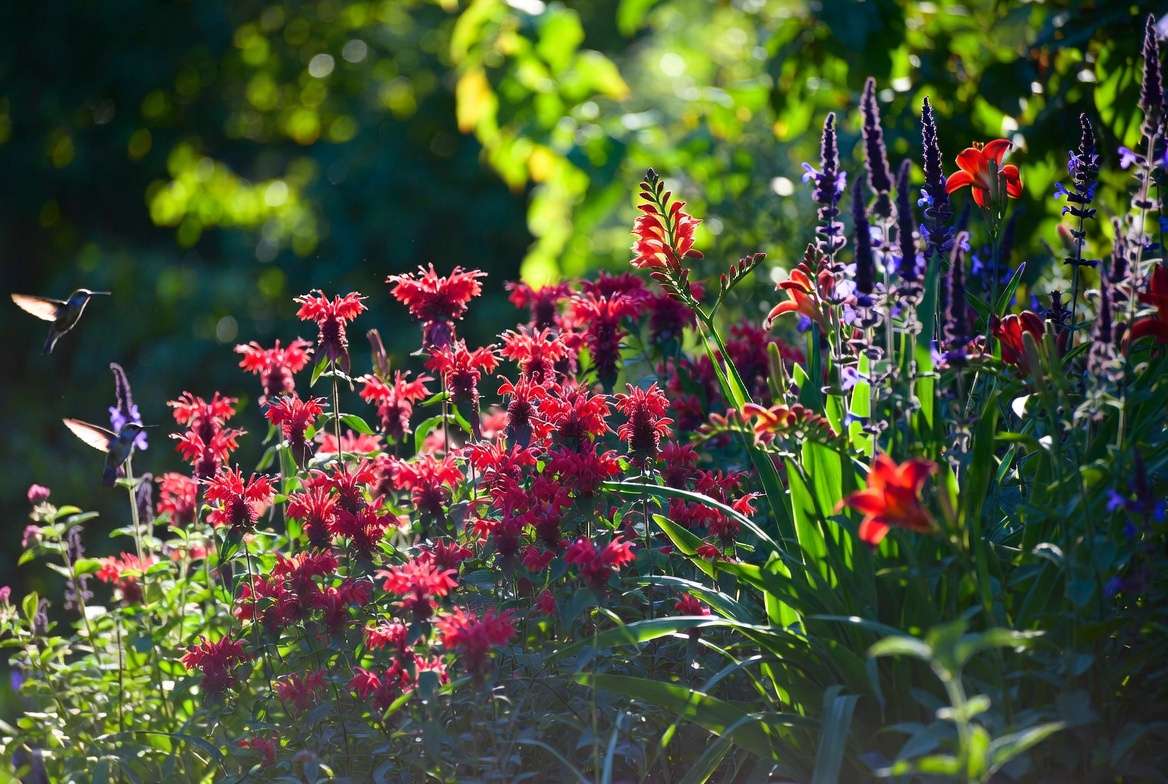
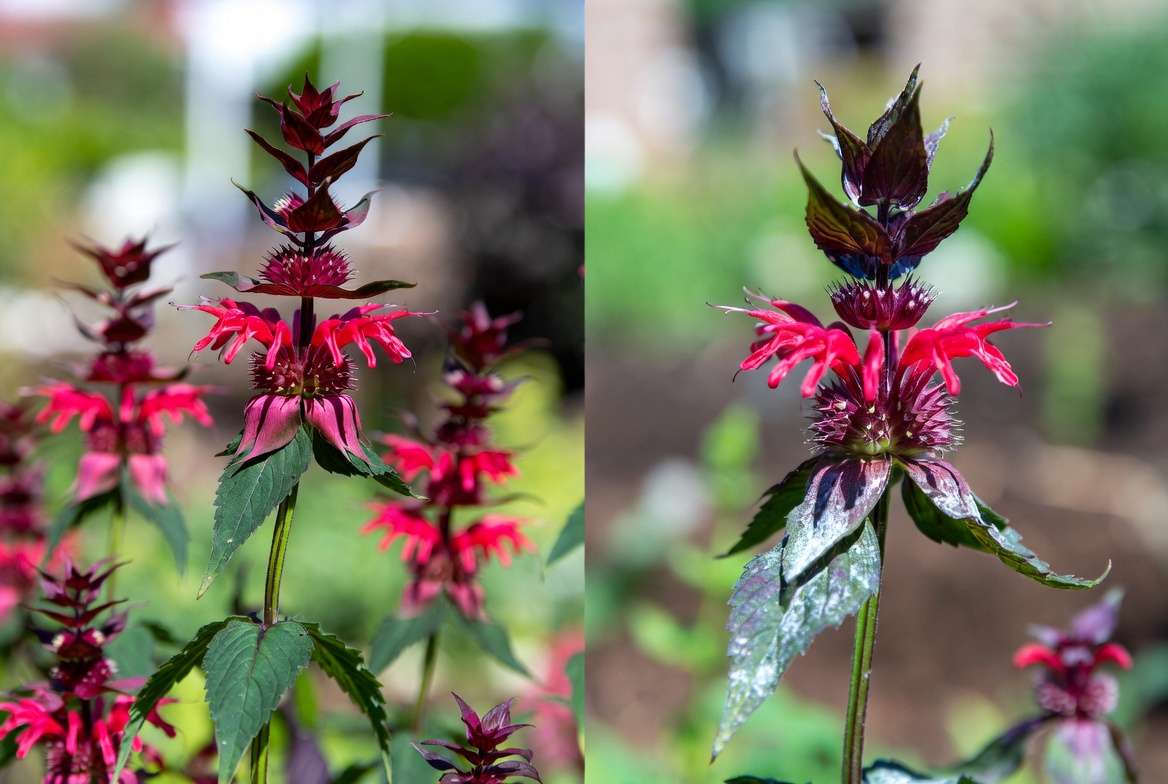
1. Red Bee Balm (Monarda didyma) 🐦 Also known as bergamot, this fragrant native perennial produces shaggy, bright red flower heads in mid-to-late summer. Reaching 3–4 feet tall, it’s a hummingbird favorite and thrives in full sun to partial shade with moist, well-drained soil. Bee balm spreads gently via rhizomes, making it great for naturalizing. Pro tip: Plant mildew-resistant cultivars like ‘Jacob Cline’ for best results in humid climates. Deadhead regularly to extend bloom time.
2. Cardinal Flower (Lobelia cardinalis) 🔥 This moisture-loving beauty features tall spikes of intense scarlet-red flowers that bloom from midsummer into fall. Growing 2–4 feet tall, it prefers full sun to part shade and consistently moist (even boggy) soil. Cardinal flower is perfect for rain gardens or pond edges. Its tubular flowers are specially adapted for hummingbirds. In my experience, it self-seeds modestly in ideal conditions, giving you free new plants each year.
3. Daylily Red Varieties (Hemerocallis ‘Pardon Me’, ‘Red Thunder’) 🌼 Daylilies are incredibly reliable red-flowering perennials. ‘Pardon Me’ offers cherry-red blooms with a yellow throat and reblooms throughout summer. These tough plants tolerate poor soil, drought, and full sun. Each flower lasts just one day, but prolific buds keep the show going for weeks. Divide clumps every 3–4 years to maintain vigor.
4. Peony ‘Red Charm’ 🌷 Nothing beats the lush, fragrant blooms of peonies. ‘Red Charm’ features deep crimson, double flowers on sturdy stems ideal for cutting. These long-lived perennials (often 50+ years) prefer full sun and rich, well-drained soil. Plant the “eyes” 1–2 inches below soil level in fall for spring blooms. Peonies require minimal care once established but benefit from support in windy areas.
5. Coneflower Red Varieties (Echinacea) 🌾 Modern cultivars like ‘Hot Papaya’ or ‘Tomato Soup’ bring bold red-orange tones to the classic coneflower. These drought-tolerant natives bloom from early summer until frost, attracting butterflies and finches with their seed heads. They thrive in average soil and full sun, making them excellent for beginner gardeners and xeriscapes.
6. Crocosmia ‘Lucifer’ ⚡ Also called montbretia, this dramatic perennial sends up arching stems with fiery red-orange flowers in late summer. Growing 3–4 feet tall, it adds exotic flair and works well in borders or as a cut flower. Plant corms in spring in full sun with well-drained soil. It multiplies readily and is deer-resistant in most areas.
7. Salvia ‘Ember’s Wish’ and Other Red-Flowering Salvias 🌿 These heat-loving perennials produce spikes of tubular flowers that hummingbirds adore. ‘Ember’s Wish’ offers vibrant red-orange blooms from summer to frost. Most salvias prefer full sun and well-drained soil, making them excellent for hot, dry climates. They are deer-resistant and bloom more profusely with regular deadheading. Salvia greggii varieties also provide excellent red options for southern gardens.
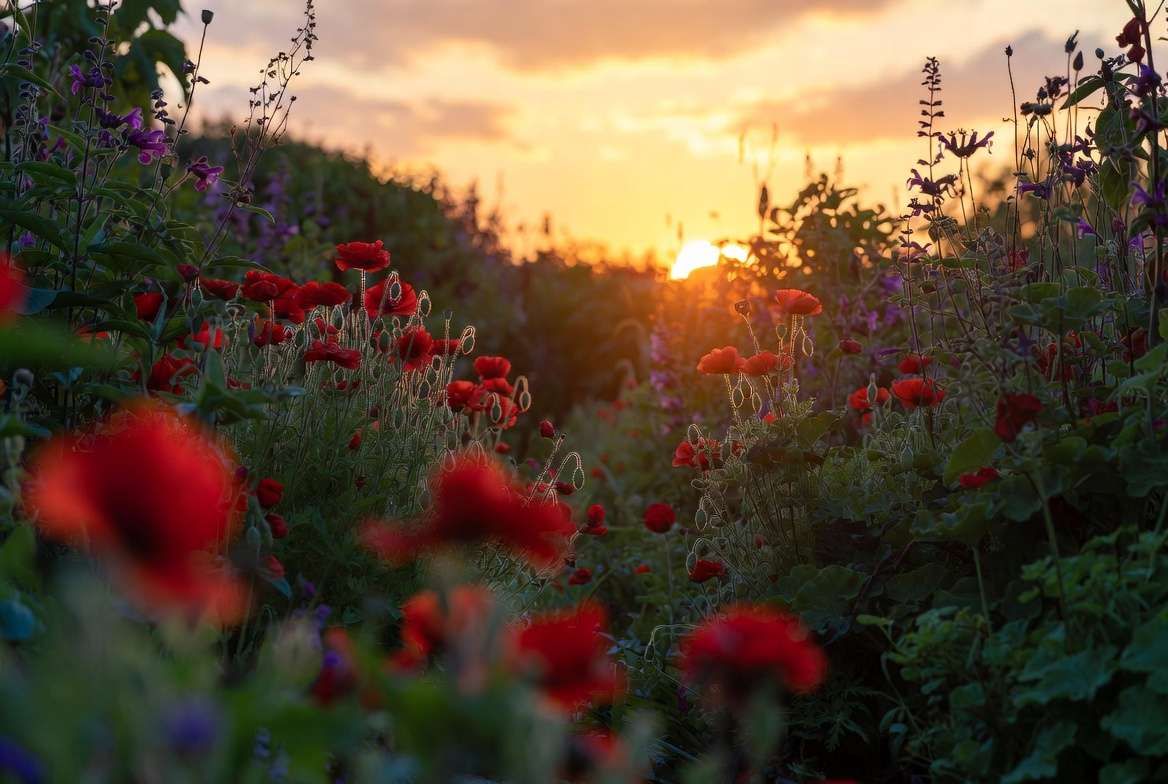
8. Oriental Poppy ‘Brilliant’ 🌺 These early summer showstoppers feature huge, papery scarlet blooms with black centers. Growing 2–3 feet tall, they go dormant after flowering, so pair them with later-blooming perennials to fill the gap. Plant in full sun with excellent drainage. Their dramatic presence makes them a favorite for cottage-style gardens.
9. Heuchera (Coral Bells) with Red Flowers and Foliage 🍁 While primarily grown for foliage, many Heuchera varieties like ‘Firecracker’ produce delicate red bell-shaped flowers on tall stems. They excel in partial shade and add year-round interest with colorful leaves. Perfect for edging paths or containers.
10. Geum ‘Totally Tangerine’ and Red Cultivars 🟠 Geums offer charming, long-blooming flowers on wiry stems. Red varieties provide months of color in sun to part shade. They prefer moist, well-drained soil and benefit from afternoon shade in hot regions.
11. Penstemon ‘Firebird’ (Beardtongue) 🔥 This western native produces spikes of bright red tubular flowers loved by hummingbirds. Drought-tolerant once established, it thrives in full sun and lean soil. Excellent for rock gardens and pollinator borders.
12. Hardy Hibiscus ‘Lord Baltimore’ 🌺 For bold, tropical-looking drama, this perennial hibiscus produces dinner-plate-sized red flowers from midsummer to fall. It grows 4–6 feet tall in full sun with moist, rich soil. Dies back in winter but returns vigorously in spring in zones 5–9.
Each of these perennial plants with red flowers has been chosen for proven performance across various U.S. regions. When selecting, always check your USDA hardiness zone and local microclimate.
How to Choose the Right Perennial Plants with Red Flowers for Your Space 📍
Matching Plants to USDA Hardiness Zones Zone 3–4 gardeners should lean toward Bee Balm, Daylilies, and Peonies. Warmer zones 8–9 can enjoy Crocosmia, Salvia, and Hibiscus with less winter protection.
Sunlight, Soil, and Moisture Requirements Most red perennials prefer full sun (6+ hours), but Cardinal Flower and some Heuchera tolerate shade. Test your soil drainage — poor drainage causes more failures than any other factor.
Garden Style Compatibility
- Cottage gardens: Peonies, Poppies, Bee Balm
- Modern/minimalist: Crocosmia, Salvia
- Wildlife/pollinator: Coneflower, Penstemon, Bee Balm
- Containers: Heuchera, smaller Daylilies, Geum
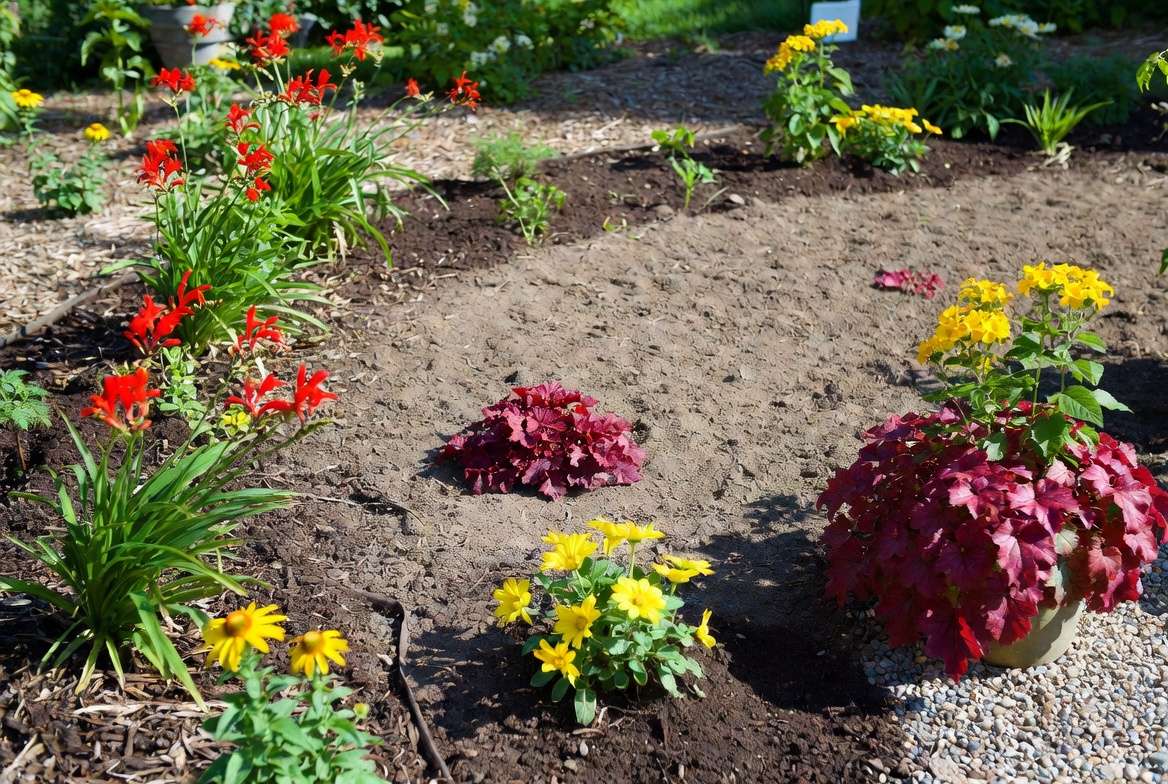
Quick Comparison Table (Visualize this as a clean table in the final published version):
- Height, Bloom Season, Water Needs, Deer Resistance, Pollinator Value
Expert Planting Guide for Perennial Plants with Red Flowers 🪴
Best Time to Plant Fall is ideal in most regions as it allows roots to establish before winter. Spring planting works well if you provide consistent moisture the first season.
Soil Preparation and Amendments Incorporate 2–4 inches of compost. For heavy clay, add gypsum and grit. Most perennials prefer slightly acidic to neutral pH (6.0–7.0).
Step-by-Step Planting Instructions
- Dig a hole twice as wide as the root ball.
- Loosen roots gently.
- Set plant at the same depth as in the nursery pot.
- Backfill and water deeply.
- Apply 2–3 inches of organic mulch, keeping it away from stems.
Spacing and Design Layout Tips Space according to mature size to avoid overcrowding. Use the “odd number rule” for natural-looking groups (3, 5, or 7 plants).
Comprehensive Care Tips to Keep Your Red Perennials Thriving 🌱
Watering Best Practices Deep, infrequent watering encourages strong roots. Established plants often need supplemental water only during prolonged drought.
Fertilizing for Vibrant Blooms Use a balanced, slow-release organic fertilizer in early spring. Avoid high-nitrogen formulas that promote foliage over flowers.
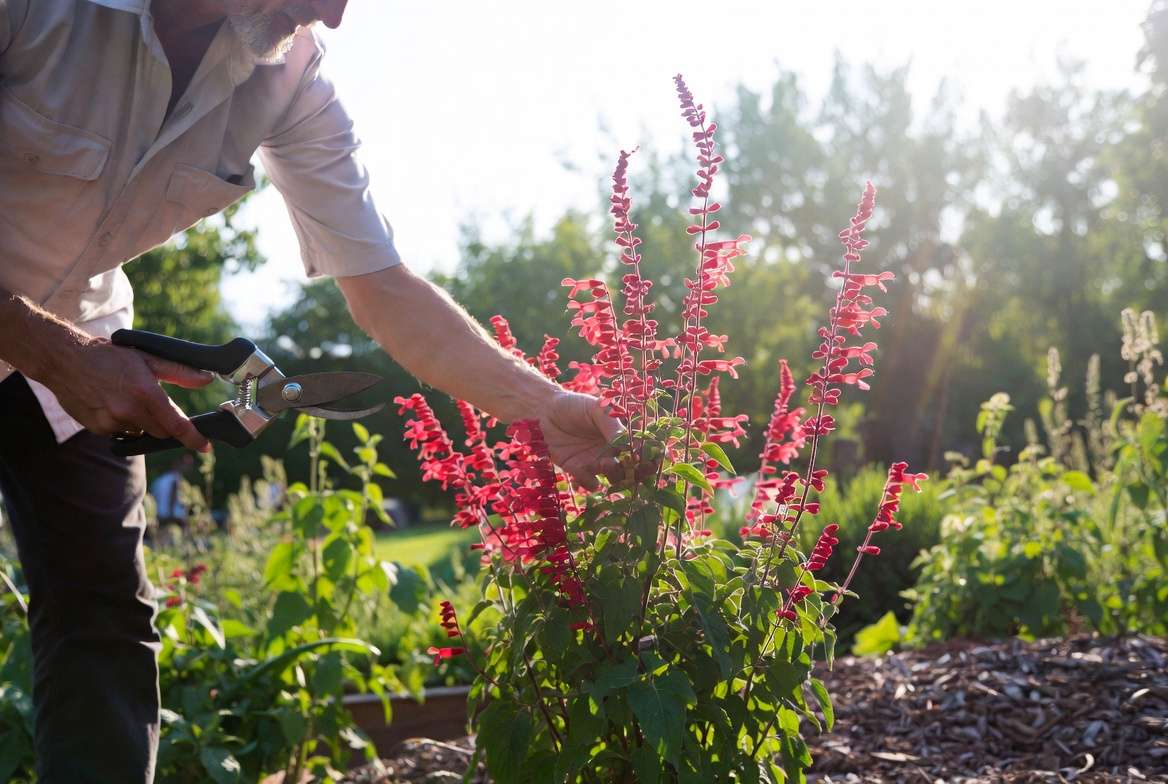
Pruning, Deadheading & Seasonal Maintenance Deadhead spent blooms to encourage reblooming. Cut back foliage in late fall or early spring. Divide overcrowded clumps every 3–5 years.
Mulching and Weed Control Organic mulch conserves moisture and suppresses weeds. Refresh annually.
Overwintering Strategies for Cold Climates Leave foliage until spring for natural protection. Apply extra mulch around crowns in zones 5 and colder.
Common Problems and Expert Solutions 🛠️
Pests
- Aphids: Blast with water or use insecticidal soap.
- Japanese Beetles: Hand-pick in early morning.
- Spider Mites: Increase humidity and use neem oil.
Diseases Powdery mildew on Bee Balm responds well to good air circulation and resistant varieties. Prevent root rot with proper drainage.
Why Blooms Fail and How to Fix It Common causes: insufficient sun, young plants, or over-fertilizing. Patience is key — many perennials bloom more heavily in their second or third year.
Preventive Checklist • Choose right plant for right place • Monitor weekly • Improve soil health annually
Creative Garden Design Ideas Featuring Perennial Plants with Red Flowers 🎨
Monochromatic Red Gardens Combine different shades and textures of red for sophisticated drama.
Stunning Color Combinations Red + purple (Salvia + Echinacea), Red + chartreuse (with Heuchera), Red + silver (with Artemisia).
Container and Small Space Solutions Use bold red perennials in large pots for patios and balconies.
Cutting Garden Setup Dedicate a sunny bed to Peonies, Daylilies, and Crocosmia for beautiful bouquets.
Eco-Friendly & Sustainable Practices 🌍
Choose native or near-native options like Bee Balm and Coneflower. Practice integrated pest management and support local pollinators by avoiding unnecessary pesticides.
Frequently Asked Questions (FAQs) ❓
What are the best perennial plants with red flowers for full sun? Crocosmia ‘Lucifer’, Salvia, Daylilies, and Coneflower excel in full sun.
Do perennial plants with red flowers come back every year? Yes — that’s the definition of perennials! Most return stronger each season with proper care.
Which red perennials are deer resistant? Salvia, Crocosmia, Penstemon, and Poppies are generally deer-resistant.
How do I propagate my favorites? Division in spring/fall works for most. Some (like Bee Balm) also root easily from cuttings.
Conclusion ❤️
Perennial plants with red flowers offer one of the smartest investments for any garden. By choosing the right varieties and following these expert care tips, you’ll enjoy years of stunning color, happy pollinators, and gardening success with less effort. Start small with 3–5 plants this season and watch your garden transform.
Which red perennial are you most excited to try? Share in the comments below, and don’t forget to subscribe for more expert plant care guides. Happy gardening! 🌷🪴











