
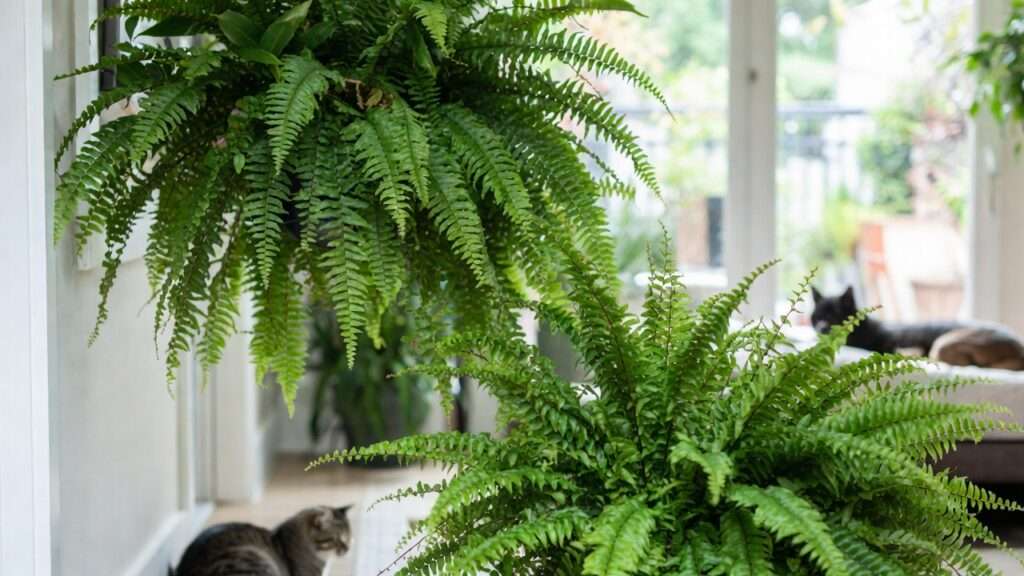
Imagine stepping into your home after a long day, greeted by soft, feathery green fronds that gently sway in the breeze from an open window. The air feels fresher, lighter, and more inviting — and the best part? Your curious cat can bat at the leaves or your playful dog can sniff around without any risk of harm 😺🐶. For pet parents who want cleaner indoor air but refuse to compromise on safety, pet-safe ferns for clean air are the perfect natural solution.
Many popular air-purifying plants — think peace lilies, pothos, or snake plants — come with a hidden danger: they’re toxic to cats and dogs if nibbled. This leaves many of us stuck between healthier air and peace of mind. The good news? True ferns shine as some of the safest, most effective options. Backed by NASA’s famous Clean Air Study and verified non-toxic by the ASPCA, these lush beauties remove harmful volatile organic compounds (VOCs) like formaldehyde and xylene while adding much-needed humidity to dry indoor spaces. As a plant care expert with years of helping pet owners create thriving green homes, I can confidently say ferns are reliable allies for better breathing and happier pets 🌱💚.
In this in-depth guide, we’ll explore the top pet-safe ferns that actually purify your air, dive into the science, share detailed care tips to keep them thriving, compare varieties side-by-side, and offer styling ideas for pet-friendly setups. Whether you’re in a humid bathroom haven or a cozy apartment, these ferns deliver real value — cleaner air, non-toxic foliage, and that calming jungle vibe your home (and your furry friends) will love.
Why Choose Ferns for Air Purification and Pet Safety? 🛡️🌿
Ferns have been quiet superstars in indoor plant collections for decades, but their air-cleaning prowess gained spotlight thanks to NASA’s 1989 Clean Air Study. Researchers tested plants in sealed chambers to mimic space station environments and found certain species excel at filtering common indoor pollutants. Boston Ferns, in particular, ranked among the top performers for removing formaldehyde (from furniture, carpets, and adhesives), xylene (from paints and tobacco smoke), toluene, and benzene.
What makes ferns so effective? Their high transpiration rates — the process where they pull in air through leaves and release moisture — help circulate and filter air naturally. Ferns also boost humidity, countering dry indoor air from heating/AC systems that can irritate respiratory systems (and make pets uncomfortable too!). Studies show indoor air can be 2–5 times more polluted than outdoor air due to VOCs, mold spores, and dust — ferns help combat that gently and naturally.
Pet safety seals the deal: According to the ASPCA’s toxic and non-toxic plant list, true ferns like Boston Fern (Nephrolepis exaltata), Kimberly Queen Fern, Bird’s Nest Fern, and Button Fern are non-toxic to dogs and cats. No worrying about vomiting, drooling, or vet visits from accidental nibbles. (Important note: Avoid imposters like “asparagus fern” — it’s not a true fern and is toxic, causing dermatitis and GI upset.)
As someone who’s cared for hundreds of houseplants in pet-filled homes, ferns offer unmatched balance: effective mild air filtration, humidity support for dry climates or winter months, lush tropical aesthetics, and zero toxicity stress. They’re forgiving for beginners yet rewarding for seasoned growers — ideal for creating a healthier, happier household 🏡✨.
Top Pet-Safe Ferns for Clean Air: The Best Picks Ranked 🌟
Here are the standout varieties, ranked by overall performance in air purification, ease of care, and pet-friendly appeal. Each is ASPCA-verified non-toxic and excels at natural filtration.
Boston Fern (Nephrolepis exaltata) — The Classic Champion 🌿🏆 This feathery favorite tops most lists for good reason. NASA highlighted its exceptional ability to scrub formaldehyde and xylene from the air, thanks to dense fronds that maximize surface area for absorption. Lush, arching leaves cascade beautifully in hanging baskets, creating an instant jungle feel.
- Pet safety: Fully non-toxic — cats and dogs can play or graze harmlessly (ASPCA confirmed).
- Appearance: Long, graceful fronds in vibrant green; matures to 2–3 feet wide.
- Best for: Bathrooms (loves steam!), living rooms with indirect light, or as a statement hanging plant.
Kimberly Queen Fern (Nephrolepis obliterata) — The Elegant, Low-Maintenance Star 👑 A close relative to Boston but more upright and compact, making it easier to place on shelves or floors. It filters toxins effectively and handles slightly lower humidity better than its cousin.
- Pet safety: Safe and non-toxic for cats/dogs.
- Appearance: Stiffer, more erect fronds with a tidy shape; great for modern spaces.
- Best for: Apartments or homes with moderate humidity; less droop means less mess.
Bird’s Nest Fern (Asplenium nidus) — The Unique, Sculptural Beauty 🐦 Unlike feathery types, this one has wide, glossy, wavy leaves forming a nest-like rosette — perfect for adding architectural interest. It thrives in low light and removes airborne pollutants while loving shady corners.
- Pet safety: ASPCA non-toxic.
- Appearance: Bold, bright green “nest” up to 2–4 feet; no frilly edges.
- Best for: Low-light rooms, offices, or as a tabletop focal point.
Button Fern (Pellaea rotundifolia) — The Compact, Forgiving Option 🔘 Smaller and more drought-tolerant than others, with cute round “button” leaflets on wiry stems. It still filters VOCs well and stays petite for tight spaces.
- Pet safety: Non-toxic and hardy.
- Appearance: Delicate, trailing fronds; ideal for small pots or terrariums.
- Best for: Beginners, desks, or shelves where larger ferns won’t fit.
Green Flame Fern — The Vibrant, Textured Choice 🔥 With ruffled, lime-green fronds that look like flames, this variety adds bold color and strong humidity-loving air-cleaning power.
- Pet safety: Confirmed pet-safe.
- Appearance: Crinkly, bright edges for fun texture.
- Best for: Adding pops of color in bathrooms or humid spots.
Honorable mentions include Lady Fern and Holly Fern varieties (true ferns only) — all non-toxic with solid air benefits.
How These Ferns Actually Clean Your Air: The Real Science Explained 🔬🌱
While the idea of plants as “air purifiers” has become popular, let’s ground it in facts. The famous 1989 NASA Clean Air Study (led by Dr. B.C. Wolverton) tested common houseplants in sealed chambers to simulate space station conditions. They found that certain plants, including Boston Ferns, could remove significant amounts of volatile organic compounds (VOCs) like formaldehyde, benzene, trichloroethylene, xylene, and toluene over hours.
Ferns performed particularly well against formaldehyde — a common indoor pollutant released from pressed-wood furniture, carpets, adhesives, paints, and even some fabrics. In the study, plants with high leaf surface area and active root zones (including soil microbes) absorbed and broke down these toxins. Ferns excel here because of:
- Leaf absorption: Stomata on fronds take in gases, where VOCs are metabolized or stored.
- Root zone magic: Microorganisms in the soil around roots play a starring role — they degrade pollutants as air circulates through the potting mix (especially in active systems).
- Transpiration boost: Ferns release moisture, increasing humidity and helping dilute airborne toxins while improving overall air quality.
Other common indoor culprits include:
- Formaldehyde (from building materials and household products)
- Xylene and toluene (from paints, varnishes, and glues)
- Benzene (from tobacco smoke or synthetic fibers)
Ferns help tackle these gently. However, realistic expectations matter: The NASA tests were in small, sealed chambers with high pollutant concentrations — real homes have ongoing sources and ventilation. Plants provide mild, cumulative benefits rather than dramatic overnight changes. Experts (including follow-up studies) note that you’d need dozens of large plants per room for noticeable impact, but even a few ferns contribute meaningfully by:
- Reducing low-level VOCs
- Boosting relative humidity (countering dry air that worsens respiratory issues)
- Filtering dust and mold spores via leaves
Debunking myths: No, houseplants won’t replace HEPA filters or ventilation systems, but they complement them beautifully — especially in pet households where chemical air fresheners or harsh cleaners might be avoided. Ferns offer a natural, low-effort layer of protection, plus that lush, calming greenery we all crave 🌿💨.
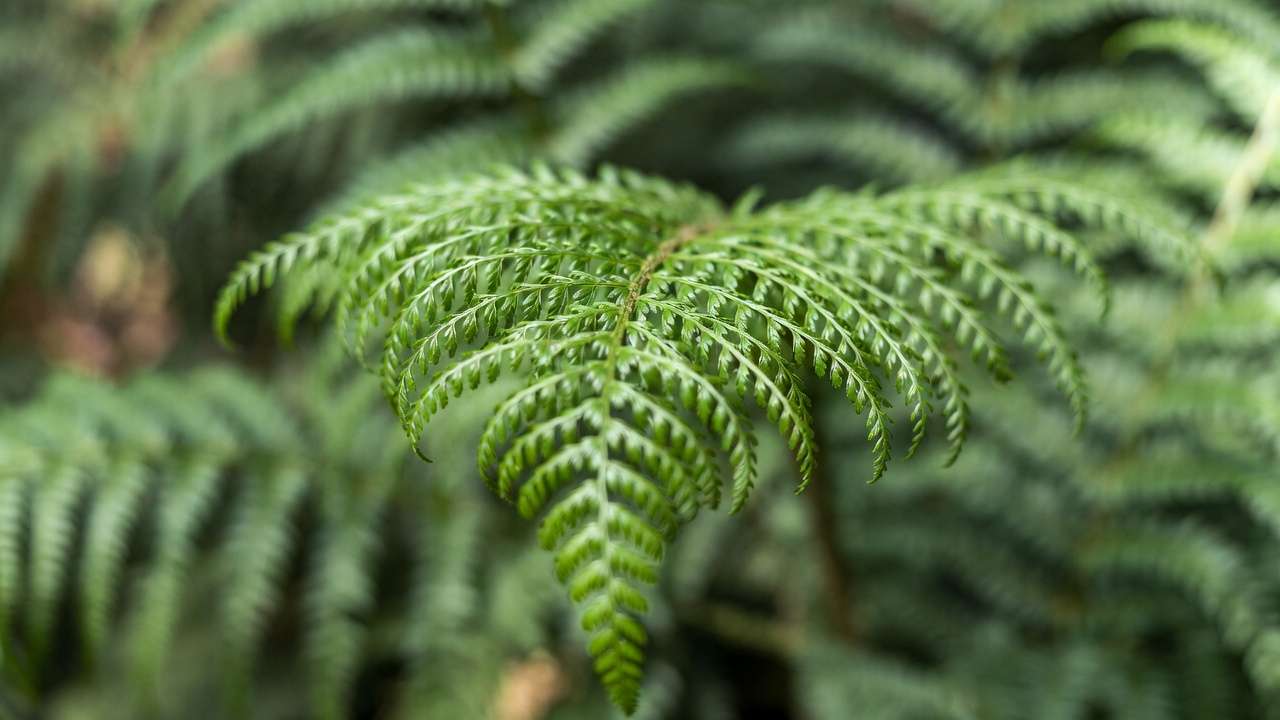
[Image suggestion: A close-up of a Boston Fern’s fronds showing dense leaf structure for air filtration] (Imagine a vibrant green Boston Fern with cascading fronds in soft indirect light — lush and inviting!)
Care Guide: Keep Your Pet-Safe Ferns Thriving (and Air-Cleaning) 💧🌡️
Ferns aren’t high-maintenance divas, but they do have specific needs to stay lush and effective. Here’s the expert breakdown to maximize their air-purifying potential and longevity in your home.
Light Requirements Most pet-safe ferns prefer bright, indirect light — think east- or north-facing windows. Direct sun scorches delicate fronds (causing brown tips), while too little light slows growth and reduces filtration efficiency.
- Boston & Kimberly Queen: Medium to bright indirect.
- Bird’s Nest & Button: Low to medium — great for shadier spots. Pro tip: If your space is dim, supplement with grow lights during winter months.
Watering & Humidity This is the make-or-break factor! Ferns love consistently moist (not soggy) soil and high humidity (50-70% ideal). Dry air = crispy brown edges fast.
- Water when the top inch feels dry — use room-temperature water to avoid shocking roots.
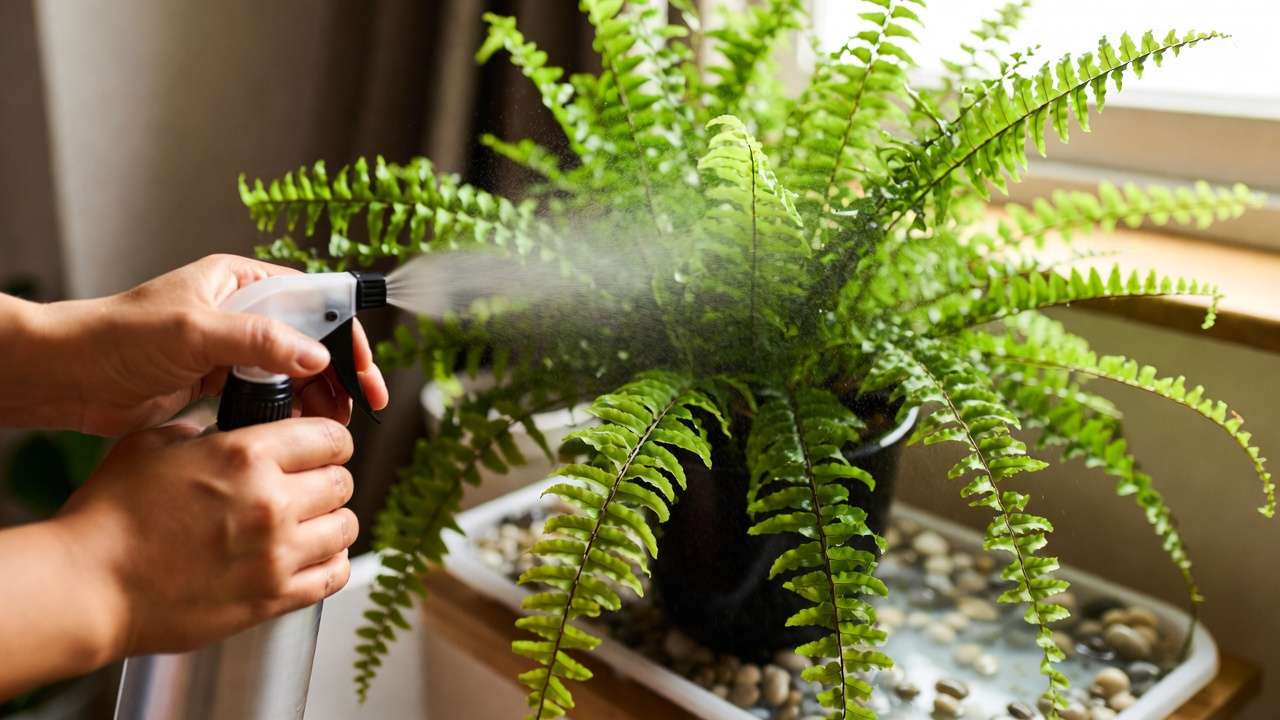
- Boost humidity: Mist daily, use a pebble tray with water, group plants together, or place in naturally humid rooms like bathrooms/kitchens 🛁.
- Overwatering signs: Yellowing fronds or root rot — ensure pots have drainage holes.
Soil and Pots Use a well-draining, peat-based or fern-specific mix (often with perlite or orchid bark for aeration). Avoid heavy garden soil. Hanging baskets or pots with saucers work wonderfully — they allow fronds to drape safely away from playful pets.
Temperature Keep between 60-75°F (15-24°C). Avoid cold drafts, heaters, or sudden swings — ferns are tropical natives at heart.
Fertilizing Feed lightly during spring/summer with diluted balanced houseplant fertilizer (half-strength every 4-6 weeks). Skip in winter when growth slows.
Common Problems & Fixes
- Brown tips: Low humidity or fluoride in tap water — switch to filtered/rainwater and mist more.
- Pests (spider mites, scale): Wipe leaves with soapy water or use neem oil. Check undersides regularly.
- Yellowing fronds: Overwatering or poor drainage — repot if needed.
- Leggy growth: Not enough light — move closer to a window.
Seasonal & Propagation Tips
- Winter: Reduce watering slightly, maintain humidity with humidifiers if needed.
- Propagation: Divide mature plants in spring (Boston/Kimberly Queen) or use spores/offshoots (Bird’s Nest). Easy and rewarding!
With consistent care, your ferns will stay vibrant air cleaners for years — and your pets will enjoy the safe, shady playground 🌱🐾.
Comparison Table: Quick Glance at the Best Pet-Safe Ferns 📊✨
To help you decide which fern fits your home, lifestyle, and pet situation perfectly, here’s a clear side-by-side comparison:
| Fern Type | Air Purification Strength | Pet Safety (ASPCA) | Light Needs | Humidity Preference | Mature Size / Growth Habit | Best For |
|---|---|---|---|---|---|---|
| Boston Fern | Excellent (Top NASA pick) | Non-toxic | Bright indirect | High (60-80%) | 2–3 ft wide, cascading | Bathrooms, hanging baskets, statement piece |
| Kimberly Queen Fern | Very Good | Non-toxic | Medium to bright indirect | Medium-High (50-70%) | 2–4 ft tall, upright & tidy | Apartments, shelves, modern spaces |
| Bird’s Nest Fern | Good | Non-toxic | Low to medium | Medium (50-70%) | 2–4 ft wide, rosette/nest shape | Low-light rooms, offices, tabletops |
| Button Fern | Good | Non-toxic | Medium indirect | Medium (50-65%) | 1–2 ft trailing, compact | Small spaces, beginners, desks |
| Green Flame Fern | Very Good | Non-toxic | Bright indirect | High (60-75%) | 1.5–3 ft, ruffled & vibrant | Humid spots, color accent |
This table makes it easy to match a fern to your specific environment — whether you have high humidity from frequent showers, lower light in a north-facing apartment, or playful pets that love batting at dangling leaves. Pick one (or a few!) and watch your indoor air quality improve naturally 🌱💨.
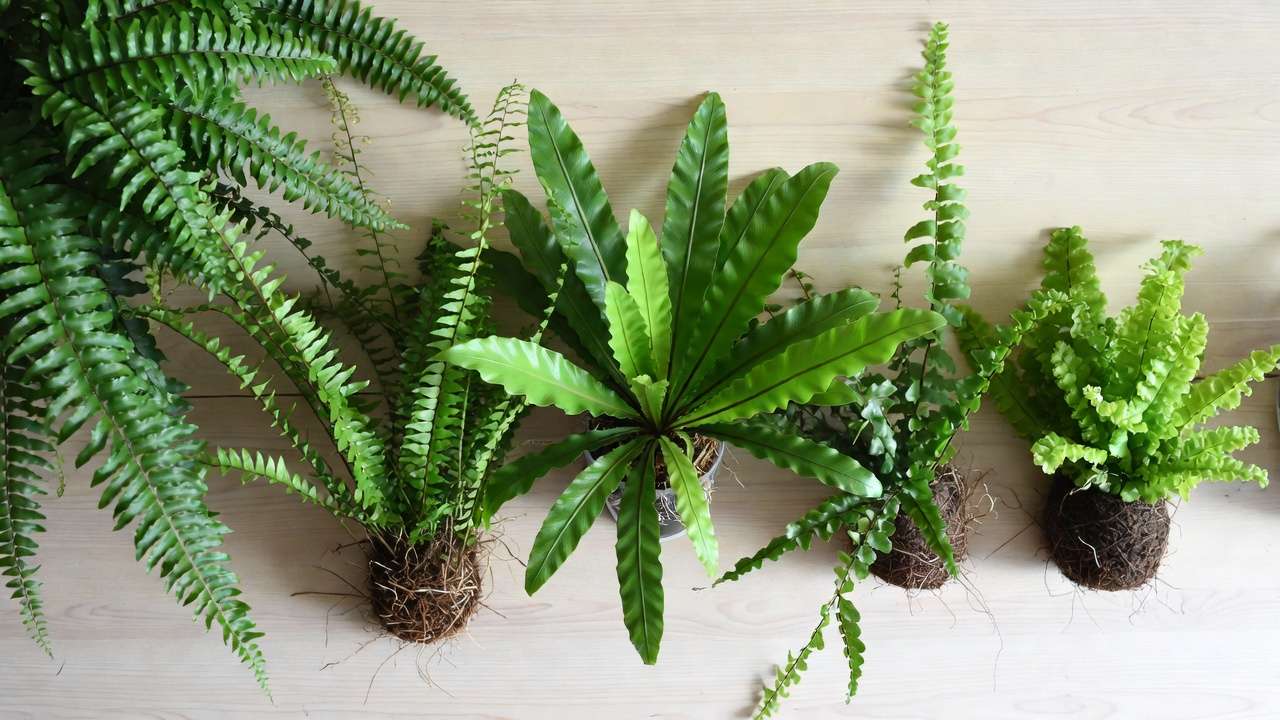
[Image suggestion: A beautiful side-by-side collage of the five main ferns — Boston cascading, Kimberly Queen upright, Bird’s Nest rosette, Button trailing, Green Flame ruffled — all in cozy home settings] (Picture a vibrant gallery of green textures and shapes, each fern looking lush and pet-friendly!)
Styling & Placement Ideas for Pet-Friendly Homes 🏡🐾✨
One of the joys of ferns is how effortlessly they elevate any space while staying safe for curious paws and noses. Here are expert-approved ways to display them:
- Bathroom jungle retreat — The natural steam from showers provides perfect humidity. Hang a Boston or Green Flame Fern above the tub or place a Kimberly Queen on a shelf. Your morning routine instantly feels like a spa day 🛁🌿.
- Hanging baskets for safety — Elevate fronds out of reach from jumping dogs or climbing cats. Boston Ferns look magical trailing from macramé hangers near windows — air cleaning + zero chew risk.
- Living room shelves or plant stands — Use sturdy stands to keep larger Bird’s Nest or Kimberly Queen ferns at mid-level. Combine with other pet-safe plants like spider plants, parlor palms, or calatheas for a full clean-air corner that feels like a mini rainforest.
- Bedroom calm zone — A Bird’s Nest Fern on a nightstand adds gentle humidity and a sculptural touch without overwhelming the space. Low light tolerance makes it ideal here.
- Mix & match ecosystem — Group 3–5 ferns of different sizes and textures together on a plant trolley or windowsill. The collective transpiration creates a microclimate of cleaner, moister air — great for allergies or dry winter skin.
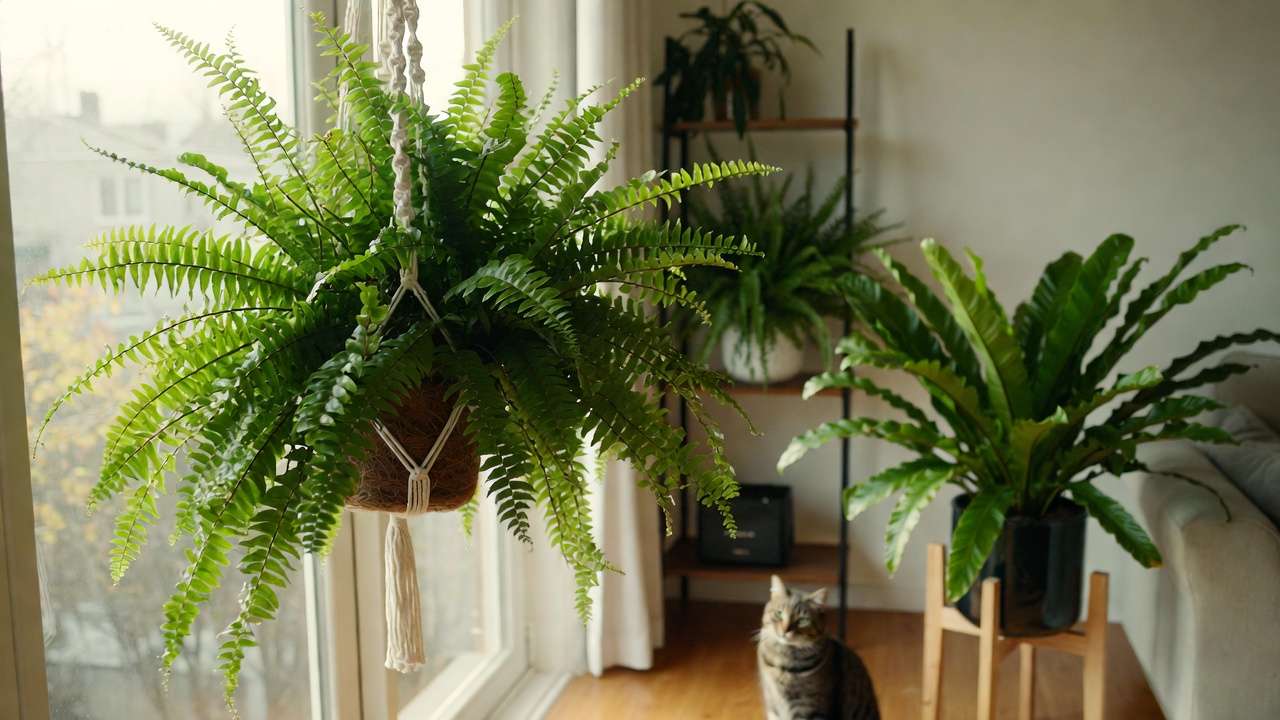
Pro styling tip: Rotate pots every few weeks for even growth, and dust fronds gently with a soft cloth to keep them efficient at trapping dust and pollutants.
Expert Tips & Warnings from a Plant Care Pro ⚠️🌿
After years of working with pet owners and troubleshooting houseplant issues, here are my must-know pointers:
- Avoid the imposters — Asparagus “fern” (Asparagus densiflorus) is not a true fern and is toxic — it causes vomiting and skin irritation in pets. Always double-check the botanical name.
- Start small if you’re new — Begin with a Button Fern or Kimberly Queen; they forgive occasional missed mistings better than a classic Boston.
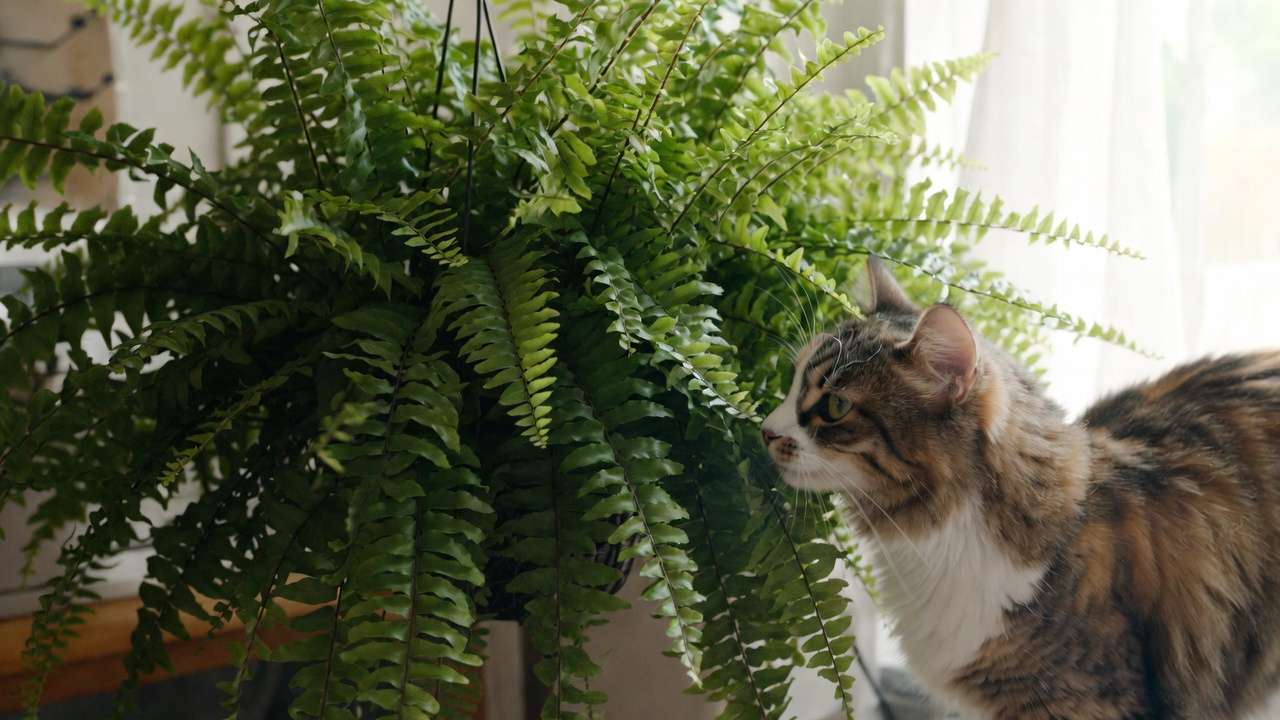
- Pet interaction monitoring — While these ferns are non-toxic, excessive chewing can still cause mild stomach upset from plant fiber. Most pets leave them alone after a curious sniff, but place out of reach if your cat treats everything like a toy 😸.
- Where to buy healthy specimens — Choose reputable local nurseries, trusted online sellers (Etsy, Bloomscape, The Sill), or big-box stores with good plant sections. Look for pest-free, vibrant fronds — avoid wilted or yellowing ones.
- Long-term success secret — Consistency with humidity is key. A small humidifier nearby during dry seasons can make the difference between crispy tips and thriving green clouds.
Frequently Asked Questions (FAQs) ❓🐱🌱
Are all ferns pet-safe? Most true ferns (Nephrolepis, Asplenium, Pellaea genera) are non-toxic per ASPCA. Avoid asparagus fern, holly fern lookalikes that aren’t true ferns, or any plant not clearly labeled safe.
How many ferns do I need to noticeably clean the air? Start with 2–4 medium-to-large ferns per average room. They provide mild, cumulative benefits — best combined with good ventilation and reduced chemical use.
Can ferns survive in low-light apartments? Yes! Bird’s Nest and Button Ferns thrive in lower light. Boston and Kimberly Queen prefer brighter indirect but adapt if you supplement with a grow light.
What if my pet chews on them anyway? Since they’re non-toxic, a small nibble is usually harmless. Watch for excessive chewing (could indicate boredom or diet issues) and redirect with pet-safe toys.
Boston Fern vs. Kimberly Queen: Which is better? Boston for maximum air purification and classic cascading look; Kimberly Queen for easier care, better drought tolerance, and upright tidy shape. Both are excellent!
Do ferns attract bugs indoors? Rarely, but spider mites love dry conditions. Keep humidity up and inspect undersides of fronds monthly — early neem oil or soapy wipe solves most issues.
Can I put ferns outside in summer? Yes, in shade — they love fresh air and natural humidity. Bring them back indoors before temperatures drop below 55°F.
How often should I repot? Every 1–2 years in spring when roots fill the pot. Use fresh fern mix and a slightly larger container.
Are these ferns good for allergy sufferers? Yes — they trap dust on leaves (wipe regularly) and increase humidity to reduce dry-air irritation. No pollen issues like some flowering plants.
What’s the easiest pet-safe fern for beginners? Button Fern or Kimberly Queen — more forgiving of occasional dry spells than Boston.
Conclusion: Transform Your Home with Pet-Safe Ferns Today 🌿💚🐾
Bringing pet-safe ferns into your home is one of the simplest, most beautiful ways to improve indoor air quality without ever worrying about your furry family members. These lush, non-toxic wonders — Boston Fern leading the pack, followed by the elegant Kimberly Queen, sculptural Bird’s Nest, compact Button, and vibrant Green Flame — deliver real, science-backed benefits:
- Gentle removal of common VOCs like formaldehyde and xylene (thanks to NASA-verified filtration abilities)
- Natural humidity boost that combats dry indoor air (perfect for skin, sinuses, and even your pets’ comfort)
- Lush tropical aesthetics that make any room feel calmer, fresher, and more alive
- Complete peace of mind: ASPCA-confirmed non-toxic status means no emergency vet trips from curious nibbles
Unlike many trendy “air-purifying” plants that carry hidden toxicity risks, true ferns let you have the best of both worlds — healthier breathing space and a safe playground for your cats and dogs 😺🐶.
Start small if you’re new to ferns: Pick one forgiving variety like a Kimberly Queen or Button Fern, place it in a spot with indirect light, commit to regular misting or a pebble tray, and watch it thrive. Before long, you’ll likely add more — turning a single plant into a mini green oasis that purifies the air you and your pets share every day.











