
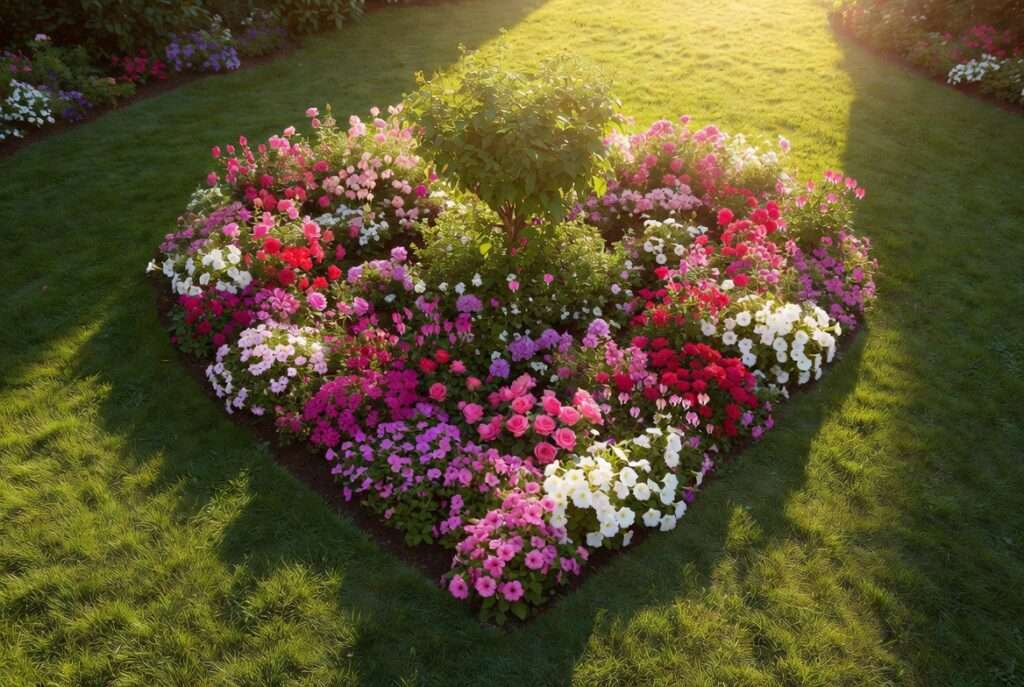
Imagine stepping into your backyard on a sunny morning and being greeted by a vibrant, living heart shape bursting with color—roses nodding in the breeze, pollinators buzzing happily, and a sense of pure joy filling the air. It’s not just a garden bed; it’s a heartfelt statement of love, remembrance, or simple delight in nature. If you’ve ever wanted to plant a heart in your own space, you’re in the right place.
With over 15 years as a certified horticulturist and urban garden designer, I’ve helped hundreds of homeowners turn ordinary yards into extraordinary features. In this comprehensive guide, you’ll discover exactly how to design, plant, and care for a stunning heart-shaped garden that thrives year-round. Whether you have a tiny balcony, a suburban plot, or a spacious backyard, this project solves the real need for a meaningful, low-maintenance garden feature that boosts biodiversity, reduces stress, and becomes the envy of every visitor. Let’s dig in and plant some love! 🌷✨
1. What Is a Heart-Shaped Garden and Why You’ll Fall in Love With It 🌟
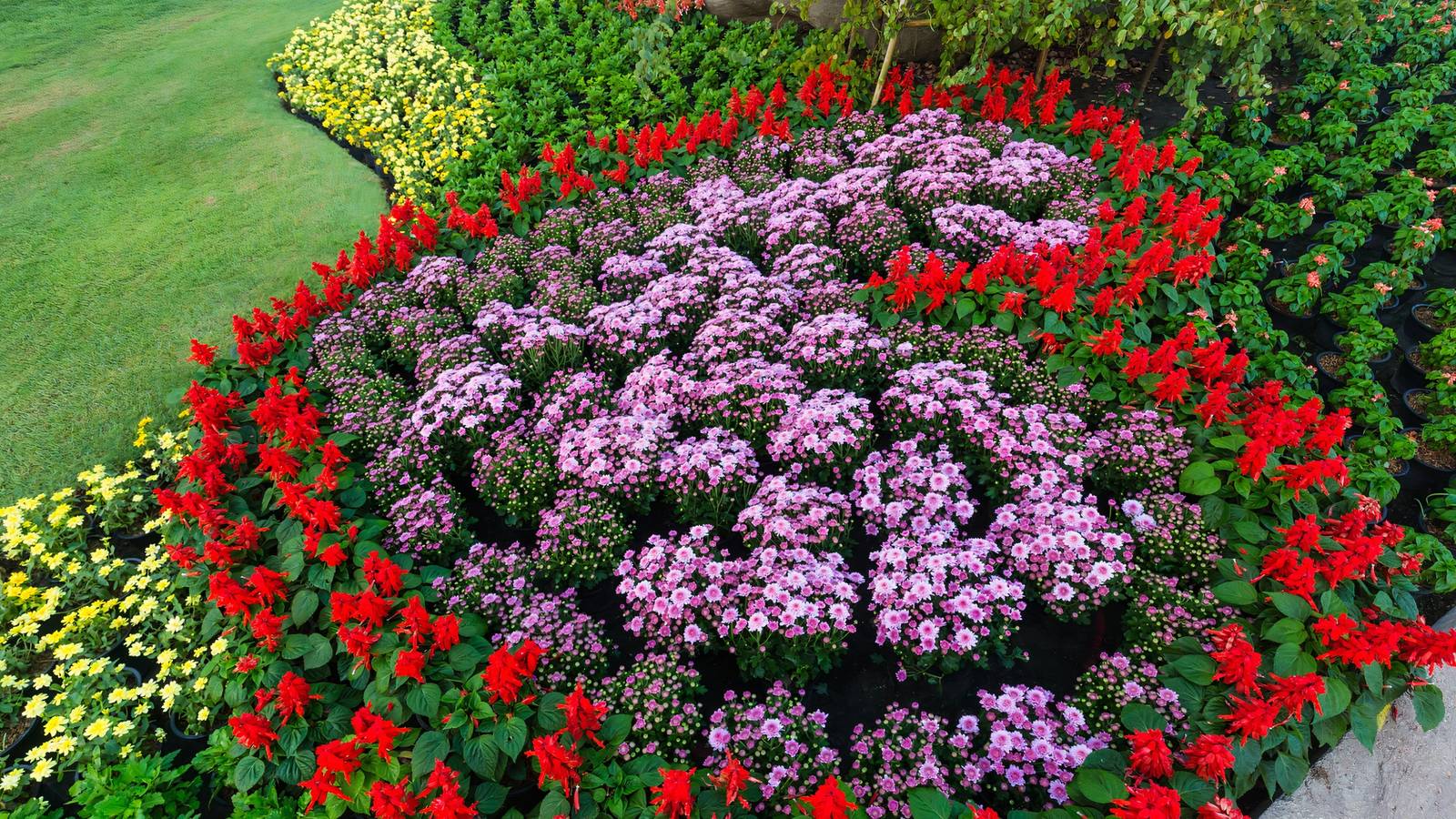
A heart-shaped garden is more than a cute trend—it’s a deliberate design where plants form (or fill) a symmetrical heart outline. From romantic Valentine’s displays to memorial “Heart Gardens” honoring loved ones, this concept has roots in traditional cottage gardens and modern pollinator patches.
Emotional benefits? Immense. Studies from horticultural therapy show that tending shaped gardens lowers cortisol and sparks creativity. Environmentally, it supports local wildlife by creating a concentrated nectar source. Plus, it’s Instagram-worthy without being high-maintenance! ❤️🐝
You’ll enjoy year-round interest: spring blooms, summer color, fall foliage, and winter structure. Ready to create your own? Let’s plan it right.
2. Planning Your Perfect Heart-Shaped Garden 📐🌳
Success starts with smart planning. Skip this step, and your heart might end up lopsided or struggling!
2.1 Choosing the Ideal Location
Pick a spot with 6–8 hours of sunlight daily for most flowering plants (partial shade works for foliage-heavy designs). Ensure good drainage—waterlogged soil is the #1 killer of heart gardens. Visibility matters: place it where you (and guests) can admire it from windows, patios, or paths. Avoid tree roots and underground utilities. Pro tip: Use a simple string line to test sightlines first! 🌞
2.2 Deciding Size & Scale
- Small (3–5 ft wide): Perfect for balconies or patios—use containers or a raised bed.
- Medium (8–12 ft): Ideal for most backyards; fits 20–40 plants comfortably.
- Large (15+ ft): For spacious lawns; creates a dramatic focal point.
Sketch your heart using a garden hose or rope for a natural curve. Budget-friendly tools: sand for outlines, a measuring tape, and graph paper.
2.3 Design Tips for Maximum Wow Factor
Symmetry is key—mirror both sides of the heart. Add a central focal point like a dwarf tree or birdbath. Color schemes? Romantic pinks/reds for passion, soft pastels for calm, or mixed wildflowers for eco-friendly vibes. Incorporate height variation: low groundcovers at the edges, taller perennials inside.
Expert Insight: Always factor in mature plant sizes to avoid overcrowding. A well-planned heart garden can last 5–10 years with proper care! 🌈

3. Selecting the Best Plants and Trees for Your Heart Garden 🌿❤️
This is where your plant-care expertise shines. Choose varieties that naturally support the heart shape through foliage, blooms, or structure.
3.1 Heart-Shaped Leaf Plants & Foliage Stars
These create instant “heart” texture even without flowers:
- Hoya kerrii (Sweetheart Plant): Thick, glossy heart leaves—perfect for containers or borders.
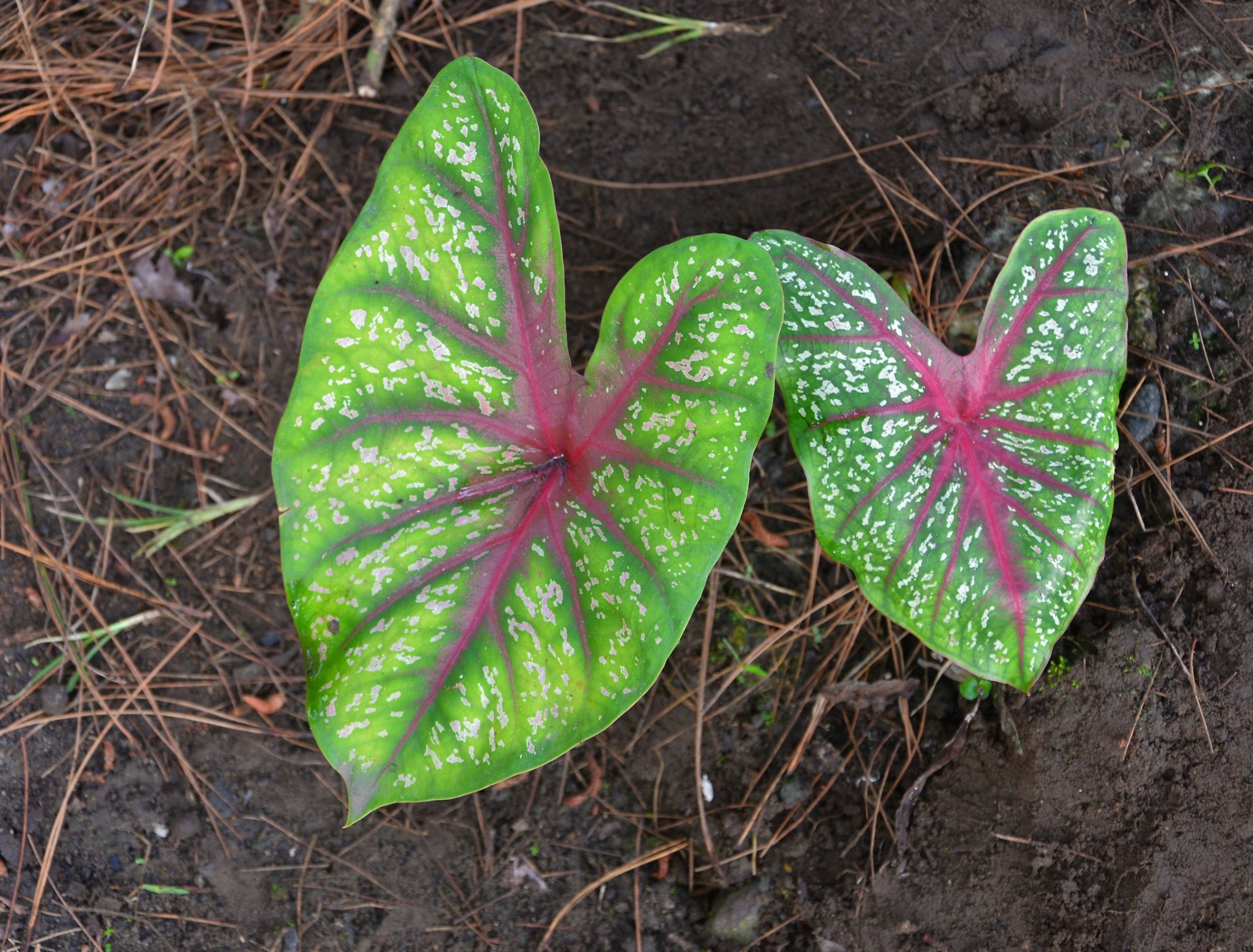
- Caladium (Elephant Ear hybrids): Dramatic pink-veined hearts; loves shade.
- Philodendron (heart-leaf varieties): Trailing or climbing for edges.
- Wild ginger (Asarum): Low-growing native with subtle heart foliage.
3.2 Flowering Plants That Shine in Heart Shapes
- Annuals: Petunias, begonias, and impatiens for quick, bold color.
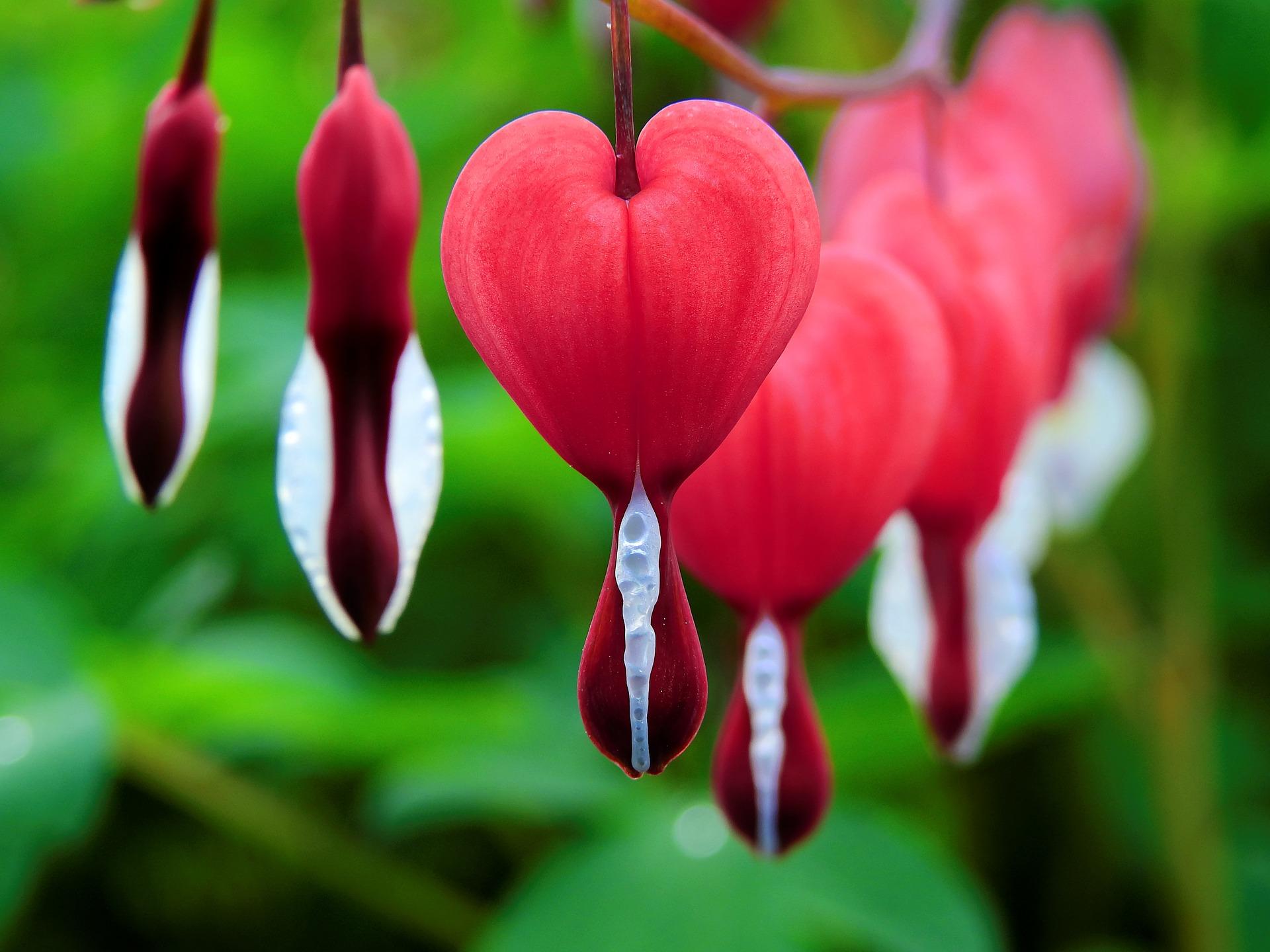
- Perennials: Roses (compact varieties), lavender, salvia, and—my personal favorite—bleeding heart (Dicentra spectabilis) for dangling pink “hearts.”
These bloom in waves, ensuring constant interest.
3.3 Small Trees & Shrubs for Structure & Height
Anchor the center with a dwarf redbud, Japanese maple, or compact evergreen. Prune lightly to maintain the heart silhouette.
3.4 Native & Pollinator-Friendly Picks
Opt for natives like coneflowers, black-eyed Susans, or salvia to attract bees and butterflies. They’re drought-tolerant and require less care—win-win for eco-conscious gardeners! 🐝
Companion Planting Chart (Quick Reference):
| Position | Plant Examples | Benefit |
|---|---|---|
| Edges | Caladium, petunias | Fills outline quickly |
| Center | Dwarf tree, bleeding heart | Focal height & drama |
| Fillers | Lavender, wildflowers | Pollinator support |
4. Step-by-Step: How to Plant a Heart in Your Garden 🛠️🌱
Ready to get your hands dirty? Follow these foolproof steps.
4.1 Tools & Materials You’ll Need
- Rope, garden hose, or sand for outlining
- Shovel, trowel, compost, mulch
- Soil test kit, transplants/seeds
- Watering can or hose with gentle spray
Affordable swaps: Use kitchen string if you’re on a budget!
4.2 Preparing the Site & Soil
Remove grass/weeds (solarize with black plastic for 4–6 weeks if heavy). Test soil pH (aim for 6.0–7.0). Amend with 2–3 inches of compost for nutrient-rich, well-draining earth—crucial for tree roots and perennials.
4.3 Creating the Heart Shape
Lay your hose in a heart outline. Mark with sand or flour. Dig a 6–8 inch border trench for definition.
Pro Tip: For perfect symmetry, fold the template in half and adjust curves.
4.4 Planting Like a Pro
Space plants according to labels (closer for fillers). Plant at the same depth as nursery pots. Water deeply, then mulch 2–3 inches thick to retain moisture and suppress weeds.
My #1 Mistake New Gardeners Make: Overwatering right after planting—let the top inch dry between waterings for strong roots. 🌱

My #1 Mistake New Gardeners Make: Overwatering right after planting—let the top inch dry between waterings for strong roots. 🌱
5. Complete Care Guide: Keep Your Heart Garden Thriving Year-Round 🌦️❤️
Once planted, consistent care transforms your heart-shaped garden from a fresh project into a long-lasting masterpiece. Here’s the expert routine I recommend to every client.
5.1 Watering & Fertilizing Schedule
Newly planted hearts need deep watering 2–3 times per week for the first month to encourage deep roots (especially important for any small trees or shrubs you include). After establishment, water when the top 2 inches of soil feel dry—usually once or twice weekly depending on your climate.
Use a soaker hose along the outline for even coverage. In hot summers, add a layer of organic mulch to retain moisture.
Fertilize sparingly: Apply a balanced, slow-release organic fertilizer in early spring. For flowering displays, switch to a bloom-booster (higher phosphorus) in late spring. Native plant mixes often need little to no extra feeding, making them ideal for low-maintenance hearts.
Pro Tip: Always water in the morning to reduce fungal issues. Over-fertilizing is a common cause of leggy growth that ruins the crisp heart shape! 💧
5.2 Pruning, Deadheading & Shaping
Maintain the heart outline with regular grooming. Deadhead spent flowers on perennials and annuals to encourage continuous blooming.
For shrubs and small trees in the center, prune lightly in late winter or early spring before new growth. Use clean, sharp shears and step back frequently to check symmetry. Trim outer edges slightly inward each season so plants naturally fill the shape without spilling out.
Bleeding hearts and similar perennials benefit from cutting back faded stems to the ground in midsummer—they often produce a second flush of foliage.
5.3 Mulching, Weed Control & Soil Health
Apply 2–3 inches of organic mulch (bark, straw, or compost) around plants, keeping it away from stems to prevent rot. Mulch suppresses weeds, moderates soil temperature, and feeds earthworms—key for healthy tree roots.
Replenish mulch annually in spring. For stubborn weeds inside the heart, hand-pull or use cardboard smothering rather than harsh chemicals. Healthy soil equals fewer problems overall. Test soil every 2–3 years and amend as needed.
5.4 Pest & Disease Prevention
Common issues in heart gardens include aphids on new growth, powdery mildew in humid conditions, and occasional slug damage on foliage plants.
Prevention beats cure: Promote good air circulation by proper spacing, avoid overhead watering, and inspect weekly. Natural solutions I trust include neem oil for soft-bodied insects, insecticidal soap, and beer traps for slugs.
For trees, watch for scale or borers—early detection with sticky traps helps. Companion planting (lavender near roses, for example) naturally deters many pests while supporting pollinators.
Troubleshooting Quick Table:
- Yellow leaves → Check watering or nutrient deficiency
- Sparse blooms → More sun or deadheading needed
- Lopsided shape → Selective pruning + balanced feeding
With these practices, your heart garden will stay vibrant and structurally sound for years.
6. Seasonal Maintenance Calendar 📅🌸
Stay on track with this easy, emoji-filled calendar tailored for heart-shaped gardens:
Spring (Awakening ❤️)
- Clean up winter debris
- Prune shrubs/trees before bud break
- Plant new additions or divide perennials
- Apply fresh mulch and slow-release fertilizer
Summer (Peak Bloom 🌞)
- Water deeply during dry spells
- Deadhead regularly
- Monitor for pests
- Enjoy the show and take photos! 📸
Fall (Preparation 🍂)
- Plant spring bulbs inside the heart for early color
- Cut back faded perennials
- Add compost to recharge soil
- Protect tender plants with extra mulch
Winter (Rest & Protection ❄️)
- Minimal watering (only during thaws)
- Check tree ties and stakes
- Plan next season’s improvements
- Dream about spring blooms
Following this calendar keeps maintenance light—usually under 30 minutes per week once established.
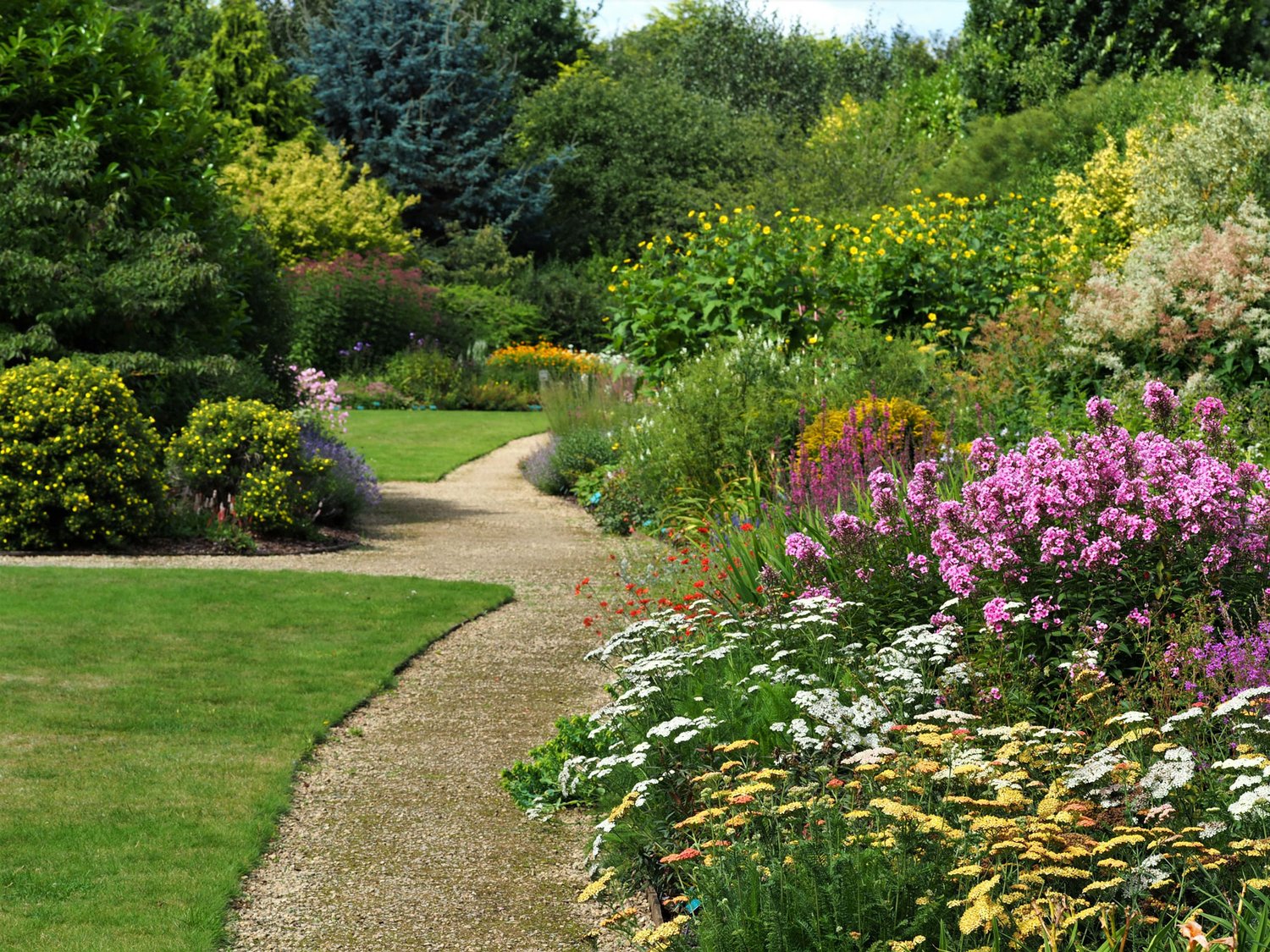
7. Creative Variations & Advanced Ideas ✨🌿
Don’t stop at the basic heart—here are inspiring upgrades that add even more value:
- Wildflower Heart Patch: Use a low-maintenance native seed mix for an eco-friendly meadow look. Perfect for larger spaces and heavy pollinator support.
- Raised-Bed or Container Version: Ideal for patios or poor soil. Heart-shaped raised beds or grouped pots create the same effect with better drainage control.
- Memorial Heart Garden: Plant in memory of a loved one. Add weatherproof garden stones with messages or plant their favorite flowers. Many clients find this deeply healing.
- Edible Heart Garden: Fill with herbs (basil, thyme), strawberries, and compact vegetables. Beautiful and delicious!
- Topiary or Climbing Plant Heart: Train ivy, bougainvillea, or climbing roses over a heart-shaped trellis or arch for vertical drama.

8. Common Mistakes to Avoid & Pro Troubleshooting 🛠️
Even experienced gardeners slip up. Top pitfalls:
- Choosing the wrong location (too shady or wet)
- Overcrowding plants initially
- Ignoring soil preparation
- Inconsistent watering in the first season
If your heart starts losing shape, don’t panic—gentle reshaping in early spring usually fixes it. For bare patches, fill with quick-growing annuals while perennials mature.
9. Frequently Asked Questions ❓❤️
How long does it take for a heart garden to fill in? Most designs look good in the first season and reach full, lush beauty by year two or three with proper care.
Can I plant a heart garden in poor soil? Yes! Heavy amendment with compost and choosing tolerant plants (natives, succulents) make it possible. Raised beds are another great workaround.
What are the best plants for shady heart gardens? Caladium, bleeding heart, hosta, wild ginger, and impatiens thrive in lower light while maintaining the heart theme.
How do I make it last through winter? Mulch heavily, choose hardy perennials and shrubs, and protect any central tree with burlap wraps in extreme cold.
Is it suitable for small spaces or apartments? Absolutely—use a small heart-shaped raised bed, container grouping, or even a window box version with trailing sweetheart plants.
Do heart gardens attract more pollinators? Yes, especially when planted with diverse flowering species. They become mini biodiversity hotspots in your yard.
How much does it cost to plant a heart garden? A small version can start under $50 using seeds and divisions. Medium designs typically run $150–400 depending on plant choices.
Conclusion 🌷❤️
Planting a heart is more than gardening—it’s creating a living symbol of love, beauty, and care right in your own space. By following this detailed guide, you now have the knowledge to design, plant, and maintain a stunning heart-shaped garden that brings joy for years to come.
Remember: start small if you’re new, focus on soil health, and enjoy the process. Your plants will respond to consistent, loving care just as they respond to the shape you give them.
Ready to plant your own heart? Grab your hose, sketch that outline, and get started today. I’d love to see your results—share photos or your favorite plant choices in the comments below!
For more expert plant care and tree care tips, explore my guides on bleeding heart care, dwarf tree pruning, or creating pollinator-friendly landscapes.
Happy gardening—may your heart garden bloom with love and life! 🌱✨











