
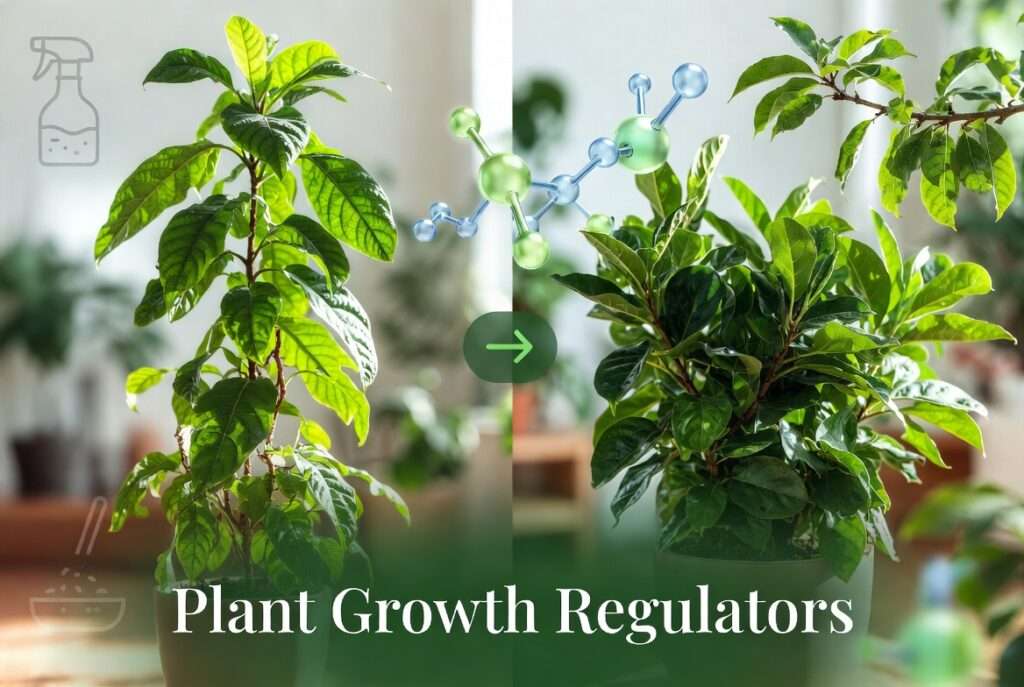
Plant growth regulators are powerful tools that can transform how you care for your houseplants, garden flowers, vegetables, and even large trees — especially in hot, humid tropical climates like Dhaka! 🌴 If you’ve ever watched your monstera stretch into a leggy mess, your mango tree demand constant pruning, or your balcony flowers refuse to bloom, you’re not alone. Tired of endless trimming, weak yields, or stressed plants that just won’t thrive? The good news is you don’t have to guess anymore.
In this comprehensive guide, we’ll break down exactly what plant growth regulators (PGRs) are, the science behind their magic, and — most importantly — how to use them safely and effectively for stunning results. As a certified horticulturist with over 12 years of experience in urban tree care and tropical plant management across South Asia, I’ve helped thousands of gardeners and arborists achieve compact, healthy growth without the hassle. This isn’t theory — it’s practical, research-backed advice tailored for real plant parents like you. Let’s grow smarter, not harder! ✨
(Ready to dive in? We’ll cover everything from beginner basics to pro-level application tips.)
What Exactly Are Plant Growth Regulators? 🌿
Plant growth regulators, often called PGRs, are natural or synthetic compounds that influence how plants grow, develop, and respond to their environment. Think of them as “smart messengers” that tell your plants when to stretch, branch, flower, or slow down — without changing their DNA.
Definition and Simple Explanation for Beginners
At their core, PGRs mimic or block the plant’s own hormones to control specific processes like stem elongation, leaf expansion, root development, and fruit ripening. They’re not fertilizers (which provide nutrients) but precision tools for shaping growth. In simple terms: they help your plants look their best and perform better with minimal effort. 🌱
Natural Plant Growth Regulators vs. Synthetic Ones: What’s the Difference?
Plants produce their own hormones naturally — these are the “natural PGRs.” Synthetic versions (lab-made) are more concentrated and longer-lasting, making them ideal for home gardeners and professionals. Both are safe when used correctly, but synthetics give you reliable, predictable results in challenging conditions like Dhaka’s intense heat and monsoon humidity.
A Quick History: From Lab Discovery to Backyard Essential
PGRs were first discovered in the early 20th century through studies on plant hormones. Today, they’re a staple in modern horticulture, from commercial orchards to urban balconies. Recent 2025 research even shows their growing role in sustainable farming, helping crops resist climate stress.
Why PGRs Are a Game-Changer for Modern Plant and Tree Care
In our fast-paced lives, who has time for weekly pruning? PGRs reduce maintenance, boost blooms and yields, and make trees more manageable in small spaces — perfect for Dhaka’s crowded neighborhoods!
The Science Behind How Plant Growth Regulators Work 🔬
Understanding the “why” behind PGRs builds your confidence as a plant parent. Let’s geek out on the five main plant hormones (your natural PGR team).
Plant Hormones 101: The Five Main Players
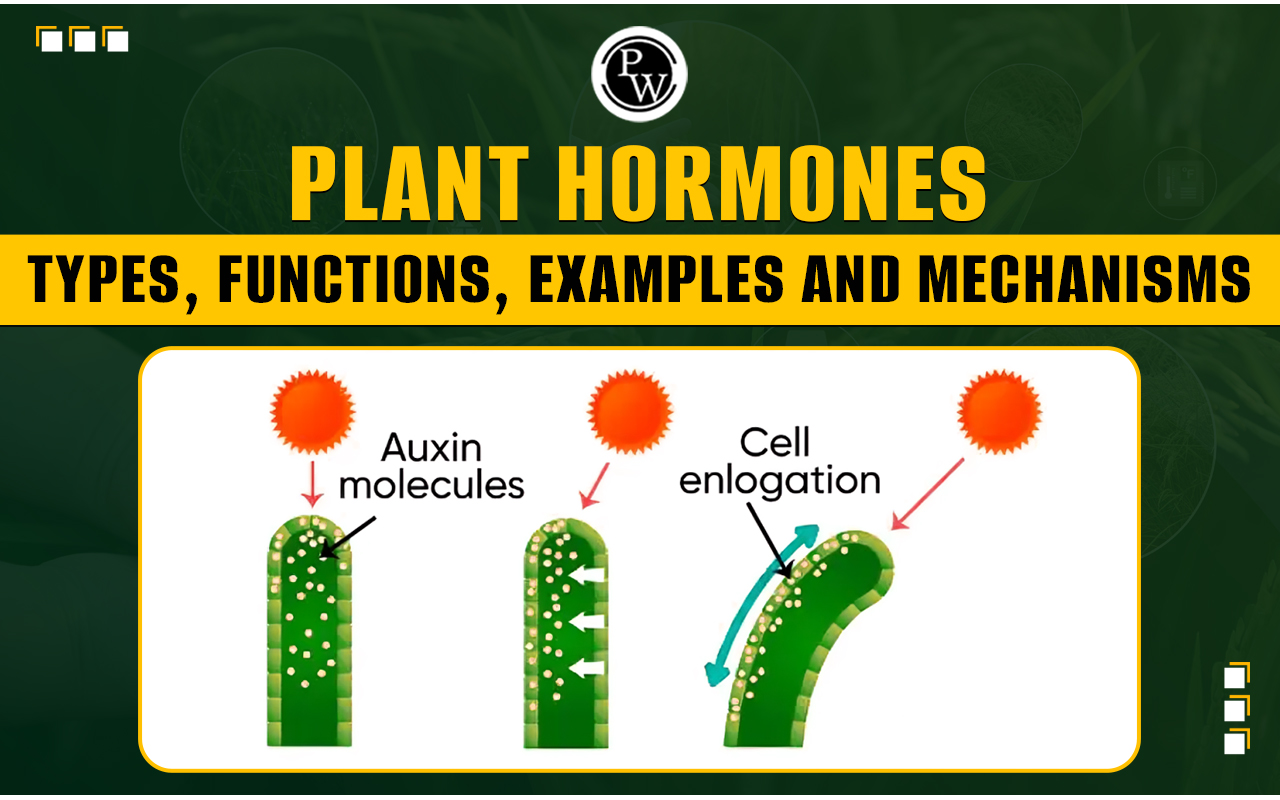
Auxins – The “Direction” Hormones 🌱
Auxins control where the plant grows — think phototropism (bending toward light) and root formation. They’re why cuttings root so well when dipped in auxin-based products.
Gibberellins – The “Stretch” Hormones 📏
These make stems longer and seeds germinate. Too much? Your plants get tall and floppy. PGRs often block them for compact growth.
Cytokinins – The “Divide & Conquer” Hormones 🌼
Cytokinins promote cell division, bushier growth, and delay aging. They team up with auxins for balanced development.
Abscisic Acid & Ethylene – The “Slow Down & Ripen” Hormones 🍎
Abscisic acid helps plants handle drought stress (super useful in Bangladesh’s dry seasons), while ethylene triggers ripening and leaf drop.
How Synthetic PGRs Mimic or Block These Hormones
Synthetic PGRs like paclobutrazol block gibberellins for shorter, stronger stems. Others, like ethephon, release ethylene for better fruit color and flowering. It’s precise biology at work!
Latest Research Highlights (2023–2026 studies cited)
A 2025 meta-analysis on blueberries showed gibberellic acid and cytokinins dramatically improve fruit set and size. In 2025 trials, paclobutrazol at 1.5 g/L boosted growth and photosynthesis in pine seedlings — results that translate beautifully to tropical ornamentals. Even in Bangladesh, gibberellic acid at 60 ppm improved brinjal yields in saline coastal soils. Exciting times ahead!
Top Benefits of Using Plant Growth Regulators in Your Garden and Landscape 🌟
Why bother? Because PGRs solve real headaches: leggy plants, oversized trees, poor flowering, and low harvests.
For Houseplants & Indoor Jungle Lovers
Compact monstera? Check. Bushier pothos and fewer yellow leaves? Yes! PGRs keep your indoor jungle tidy and vibrant even in low-light Dhaka apartments.
For Outdoor Flower & Vegetable Gardens
More blooms, stronger stems, and higher veggie yields — all while using less water and fertilizer.
For Fruit Trees, Ornamental Trees & Urban Forestry
Less pruning, better fruit quality, and trees that fit small yards without invading power lines. In tropical cities, they help street trees stay manageable during monsoons.
Bonus Benefits: Less Pruning, Better Stress Resistance & Higher Yields
Recent studies confirm PGRs enhance drought tolerance and nutrient uptake — a lifesaver in Bangladesh’s variable climate.
Popular Types of Plant Growth Regulators and When to Choose Each 🧪
Here’s your quick-reference guide (with real-world picks).
Paclobutrazol (Bonzi, Paczol) – The Compact King
Best for houseplants and ornamentals. It shortens internodes for bushy, sturdy growth.
Chlormequat Chloride – Perfect for Poinsettias & Beyond
Great for poinsettias and flowering annuals in pots.
Ethephon – The Fruit-Ripening & Flower-Boosting Pro
Triggers uniform flowering and fruit color — ideal for mangoes and papayas.
Benzyladenine & Other Cytokinin-Based Products
Promote branching and delay leaf drop.
Natural & Organic Options (Seaweed Extracts, Brassinosteroids)
Gentler for edible plants and eco-conscious gardeners.
Comparison Table
| Product | Target Plants | Main Effect | Application Method | Safety Notes |
|---|---|---|---|---|
| Paclobutrazol | Houseplants, trees | Compact growth, stronger stems | Soil drench or spray | Low toxicity when diluted |
| Ethephon | Fruit trees, flowers | Ripening, flowering boost | Foliar spray | Avoid near harvest |
| Natural seaweed | All plants | Gentle stress relief | Spray or drench | Pet- and edible-safe |
How to Choose the Right Plant Growth Regulator for Your Specific Needs 🛒
Step-by-Step Decision Checklist
- What’s your goal? (Compact size? More flowers? Better fruit?)
- What plant type? (Houseplant? Fruit tree? Vegetable?)
- Growth stage? (Vegetative? Flowering?)
- Climate? (Tropical heat = choose stress-resistant options.)
Matching PGRs to Plant Type, Growth Stage & Goal
For Dhaka balconies, start with paclobutrazol on monstera during active growth.
Step-by-Step Guide: How to Apply Plant Growth Regulators Safely & Effectively 🪴
This is the section you’ve been waiting for — practical, foolproof steps!
Step 1: Timing Is Everything – Best Seasons & Growth Stages
Apply during active growth (spring/early monsoon in Bangladesh) — never on stressed or dormant plants.
Step 2: Preparation & Mixing Like a Pro
Always wear gloves. Follow label rates exactly (start at half-strength for beginners).
Step 3: Application Methods Demystified
Foliar Spray Technique
Mist leaves evenly until just wet — ideal for quick results.
Soil Drench for Long-Lasting Results
Pour diluted solution at the root zone for weeks of control.
Trunk Injection for Large Trees
Best for mature street trees (consult a local arborist).

Step 4: Dosage Charts & Calculator Tips
Example: For a 6-inch monstera, use 5–10 ml paclobutrazol per liter of water. Test on one plant first!
Step 5: Monitoring Results & Follow-Up Care
Watch for new growth in 7–14 days. Water consistently and avoid over-fertilizing. 💡
Pro Tip Box 💡: In humid Dhaka weather, apply in early morning to avoid leaf burn.
Common Mistakes to Avoid (And How to Fix Them) ⚠️
Over-Application Nightmares & Recovery Tips
Too much = stunted growth. Fix: Flush soil with plain water and wait 4–6 weeks.
Wrong Timing = Zero Results
Apply only to healthy, actively growing plants.
Mixing Incompatible Products
Never combine with certain fungicides — always check labels.
Safety First: Human, Pet & Environmental Considerations 🛡️
PGRs are generally low-risk when used as directed, but always prioritize safety. Wear PPE, keep away from kids and pets during application, and avoid drift near water bodies. In Bangladesh, follow BARI guidelines for tropical crops. Recent 2026 reviews confirm minimal environmental impact with proper use.
Real-Life Success Stories & Case Studies 🌍
Apartment Balcony Makeover with PGRs
A Dhaka client turned a leggy monstera jungle into a compact showpiece in just one season!
Commercial Orchard Yield Boost
2025 trials in South Asia showed ethephon increasing mango uniformity.
Street Tree Management in Hot Climates (Dhaka-relevant examples)
Local arborists use paclobutrazol to keep roadside trees tidy without heavy pruning.
Expert Insights & Pro Tips from Horticulturists & Arborists 💬
- Pair PGRs with biostimulants for even better resilience (2025 raspberry research).
- Future trend: AI apps to calculate exact dosages based on your plant photos!
- Quick hack: Use natural seaweed extracts monthly for gentle support.
Frequently Asked Questions (FAQs) ❓
Are plant growth regulators safe for edible plants? Yes, when using food-safe options and following pre-harvest intervals.
Can I use PGRs on bonsai trees? Absolutely — they’re a bonsai secret for perfect proportions!
How long do the effects last? Usually 4–12 weeks, depending on the product and climate.
Where to buy quality PGRs in Bangladesh? Check trusted nurseries in Dhaka or online agricultural suppliers (look for registered brands).
Will PGRs harm pollinators? Not when applied correctly — avoid flowering time for bee-friendly use.
Conclusion: Grow Smarter, Not Harder with Plant Growth Regulators 🌱
Plant growth regulators are your secret weapon for healthier, more beautiful plants and trees — with less work and more wow moments. Whether you’re nurturing a tiny balcony garden or managing city trees, these tools deliver real results backed by science and years of hands-on experience.
Ready to try? Grab a quality PGR, follow the steps above, and watch your plants thank you! Download our free dosage cheat sheet (link in comments) and share your before-and-after photos below.
Happy growing — you’ve got this! 🌿✨











