
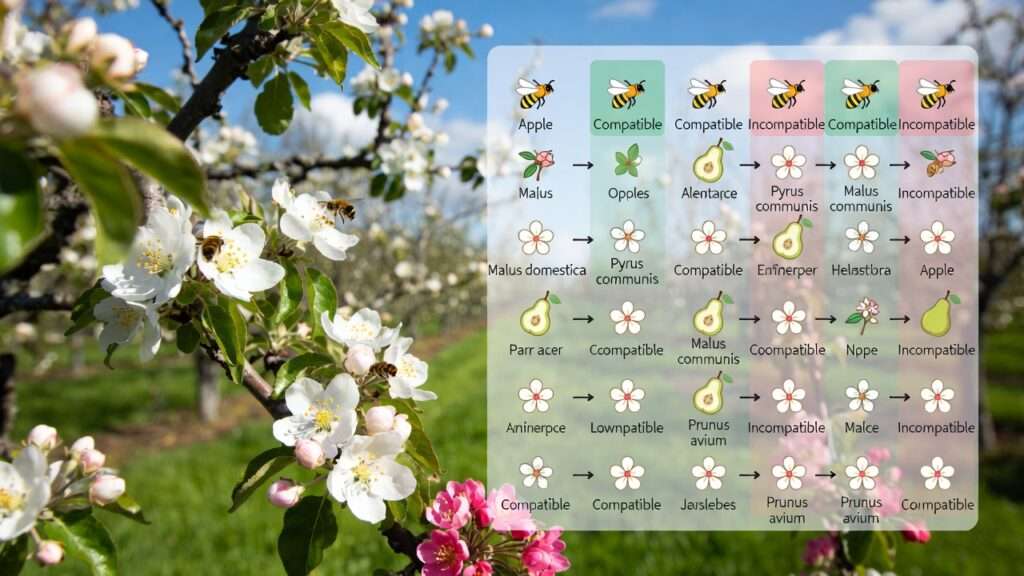
Imagine stepping into your backyard orchard bursting with juicy apples, sweet pears, and plump cherries—only to find tiny yields or empty branches despite vibrant blossoms and healthy trees. 😔 The culprit is often mismatched pollination partners! Many fruit trees require cross-pollination from compatible varieties blooming simultaneously, yet poor pairing leads to disappointing harvests for countless home gardeners.
As a horticulturist with over 15 years of experience in temperate fruit cultivation, including home orchards and small-scale plantings in diverse climates (from cooler northern zones to warmer subtropical areas like parts of Bangladesh), I’ve helped dozens of growers transform sparse trees into abundant producers. In this comprehensive guide, we dive deep into pollination compatibility chart for fruit trees, providing detailed charts, expert insights, and practical solutions to ensure your trees thrive and deliver maximum fruit. Whether you’re planning a new orchard or troubleshooting existing ones, this resource goes beyond basic lists—offering bloom timing overlaps, regional adaptations, pollinator boosts, and real-world examples for superior results. 🐝
Understanding Fruit Tree Pollination Basics 🐝
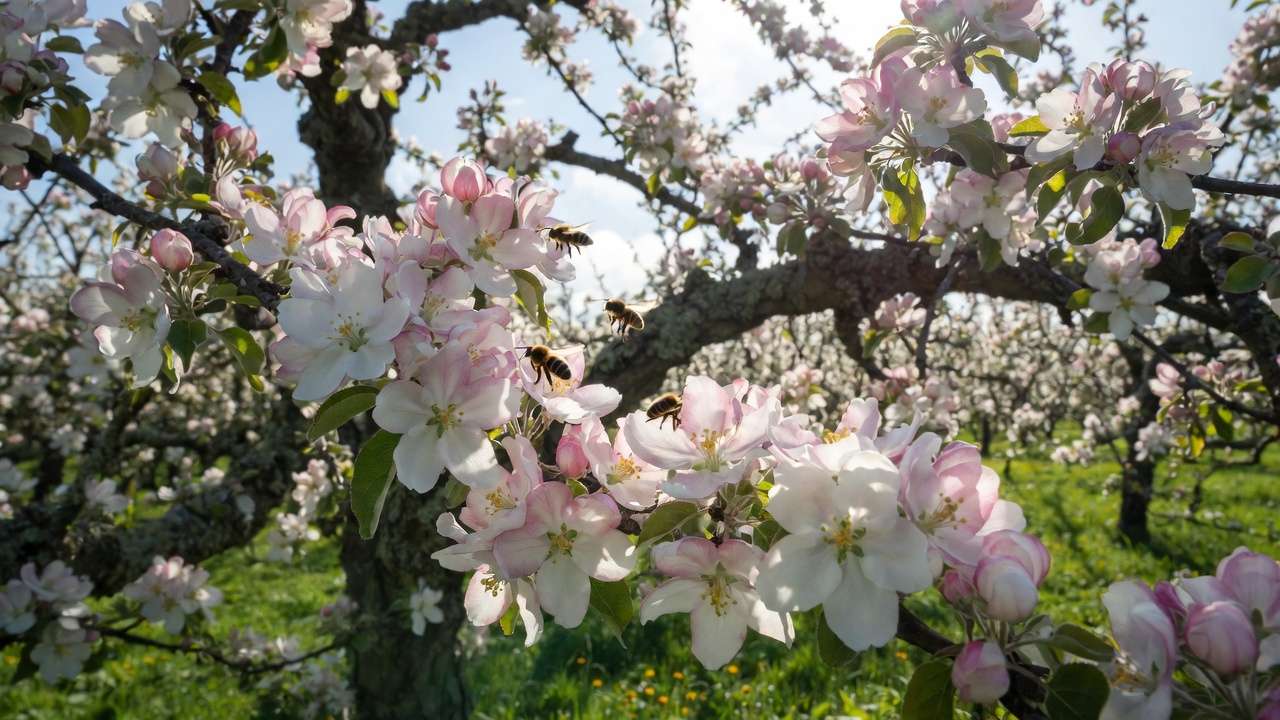
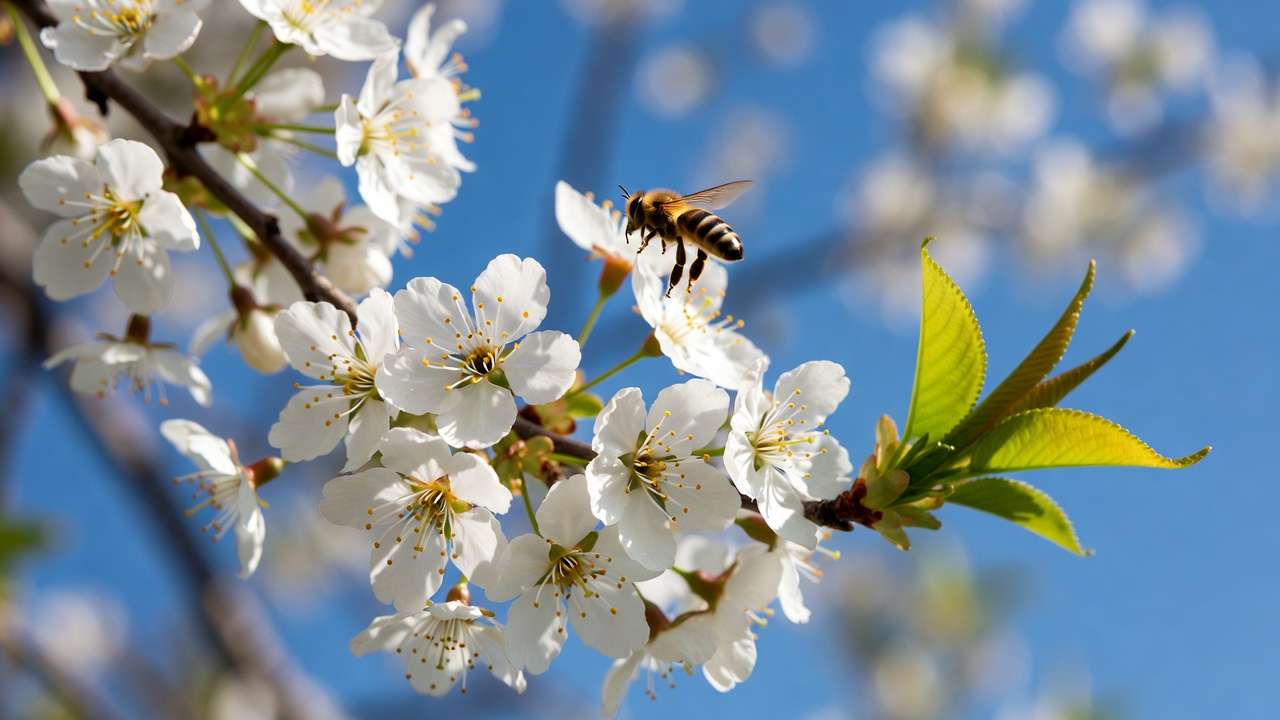
Pollination is the transfer of pollen from the male anther to the female stigma, enabling fertilization and fruit development. For most fruit trees, this relies on insects—primarily bees—since pollen is heavy and sticky, not wind-dispersed like some crops.
- Self-fertile (self-fruitful) varieties produce fruit using their own pollen. Examples include many peaches, tart cherries, and some plums.
- Self-unfruitful (self-sterile) varieties need cross-pollination from a different but compatible variety. This is common in apples, pears, sweet cherries, and Japanese plums.
Key factors for success:
- Bloom time overlap: Trees must flower together (early, mid, or late season).
- Genetic compatibility: Avoid triploids (sterile pollen producers like some apples) or same incompatibility groups (especially in cherries).
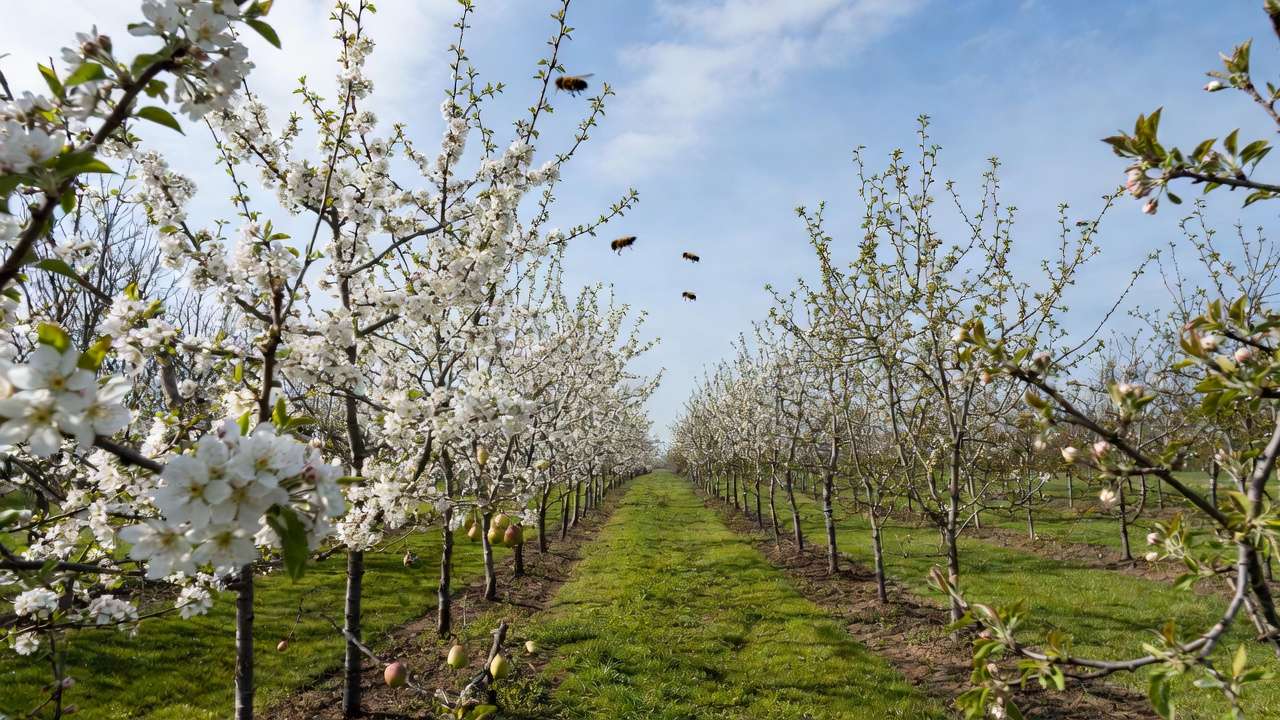
- Proximity: Plant pollinizers 20–100 feet apart for bees to travel efficiently.
- Pollinators: Honeybees, bumblebees, mason bees, and other natives are essential. Weather (cool, rainy springs) or pesticides during bloom can reduce activity.
Cross-pollinated trees often yield 2–3 times more fruit, with better size and quality. In home settings, even partially self-fertile varieties benefit from partners for consistent annual production. 🌟
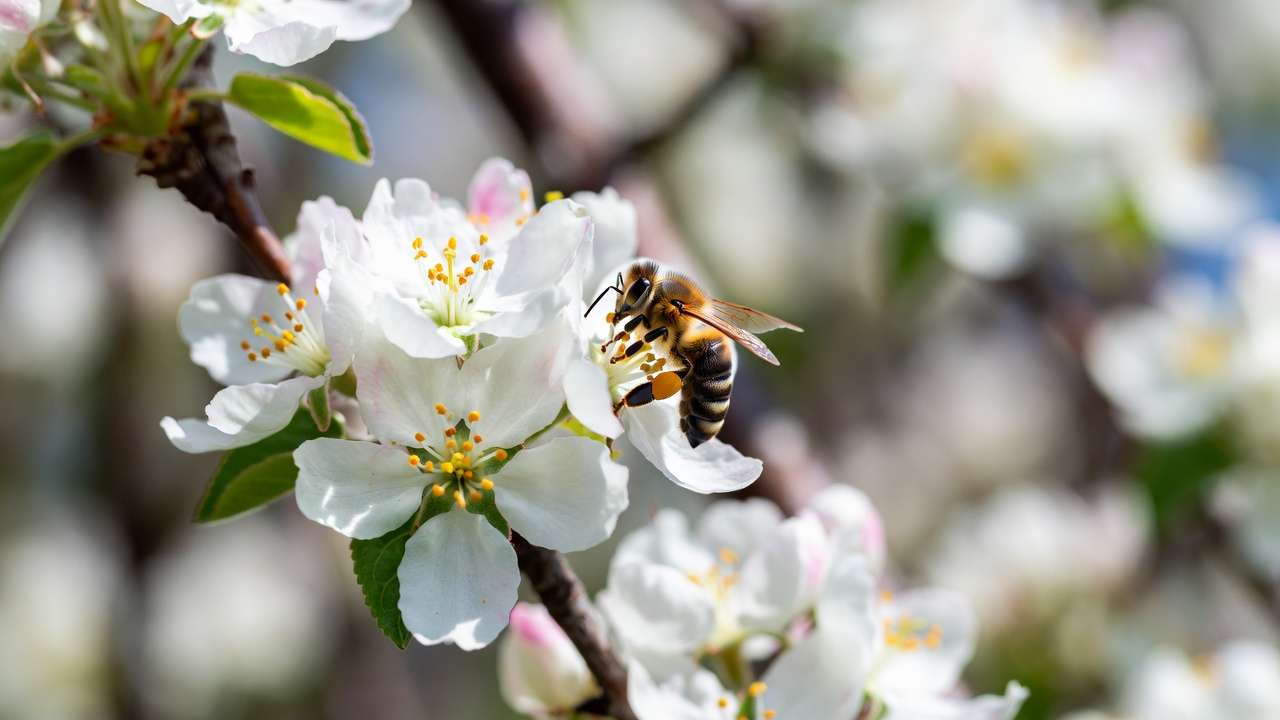
Common Fruit Trees and Their Pollination Needs 🍐🍒
Apples 🍏
Most apples require cross-pollination. Triploid varieties (e.g., Gravenstein, Jonagold, Mutsu) produce no viable pollen and need two compatible diploid pollinizers. Flowering groups (1–6, early to late) help match overlaps.
Popular varieties:
- Early bloomers: Zestar!, William’s Pride
- Mid: Gala, Honeycrisp, Liberty
- Late: Granny Smith, Fuji
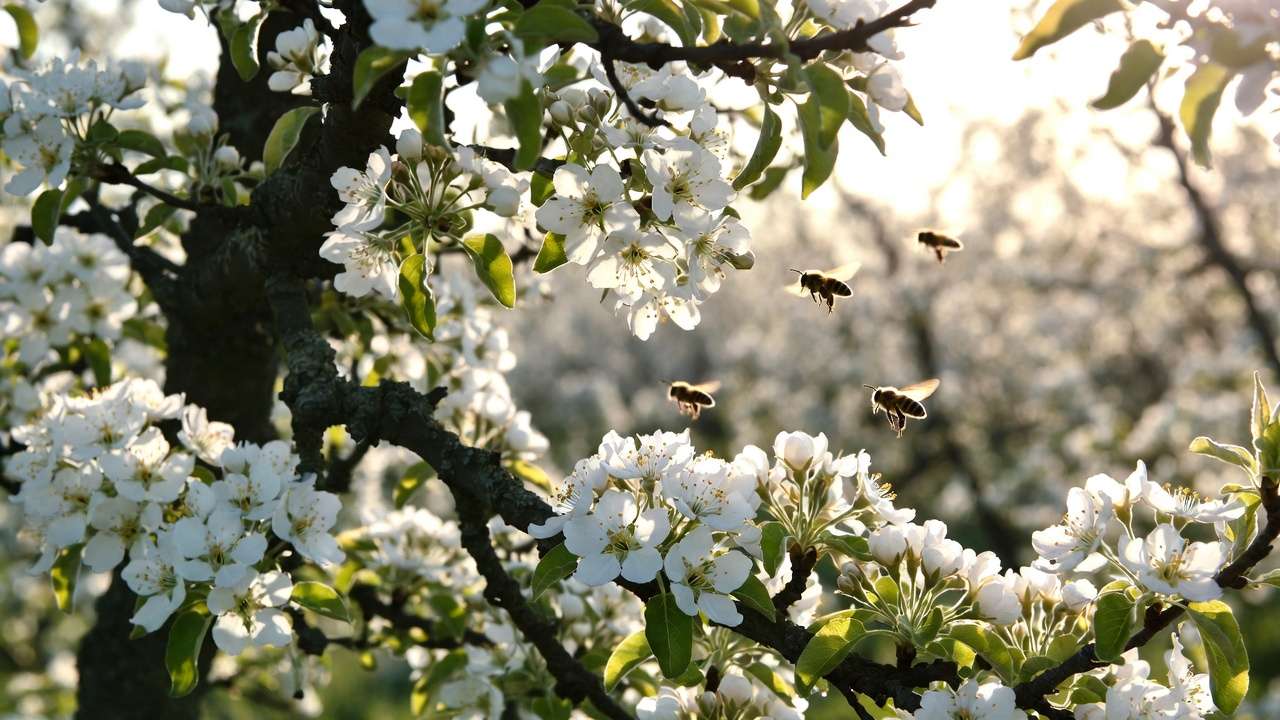
Pears (European & Asian) 🍐
European pears often benefit from cross-pollination, though some are partially self-fertile. Asian pears are mostly self-fertile but yield better with partners; European and Asian can cross if blooms overlap.
- European: Bartlett (early), Bosc (late), Anjou
- Asian: Hosui, Shinseiki, Chojuro
Note: Seckel may not pair well with Bartlett due to specific incompatibility.
Sweet Cherries 🍒
Most are self-unfruitful with strict incompatibility groups (S-alleles). Self-fertile options: Stella, Lapins, Sweetheart.
Common groups:
- Group III (S3S4): Bing, Lambert, Napoleon
- Group II (S1S3): Van, Regina
Plums & Prunes (European vs. Japanese) 🟣
- European (e.g., Stanley, Italian): Often self-fertile or partially so.
- Japanese (e.g., Santa Rosa, Methley): Usually require cross-pollination within type; no cross with European.
Other fruits:
- Peaches/Nectarines: Mostly self-fertile 🌸
- Apricots: Often self-fertile, improved with cross
- Tart Cherries: Self-fertile
The Ultimate Pollination Compatibility Chart for Fruit Trees 📊
Use these tables as quick references. Bloom times vary by climate (earlier in warmer areas like Barisal), so observe local patterns. For unlisted varieties, consult tools like Orange Pippin checker.
Apple Pollination Compatibility Chart 🍏
(Selected popular varieties; focus on diploid unless noted. Triploids in italics—need two others.)
| Variety | Bloom Time | Triploid? | Compatible Pollinizers (examples) | Notes |
|---|---|---|---|---|
| Gala | Mid | No | Golden Delicious, Granny Smith, Honeycrisp, Fuji | Universal partner |
| Honeycrisp | Mid | No | Gala, Fuji, Liberty, Granny Smith | Excellent with early/mid |
| Fuji | Late | No | Gala, Golden Delicious, Granny Smith | Needs mid-late overlap |
| Granny Smith | Late | No | Gala, Honeycrisp, Golden Delicious | Good universal pollinizer |
| Golden Delicious | Mid | No | Most varieties (universal) | Excellent pollen producer |
| Gravenstein | Early | Yes | Needs two: e.g., Gala + Honeycrisp | No pollen of its own |
| Liberty | Mid | No | Gala, Fuji, McIntosh | Disease-resistant choice |
Crabapple Pollinizers (universal for apples due to long bloom): Dolgo, Evereste, Manchurian, Indian Summer, Snowdrift. Plant one for multiple varieties! 🌳
Pear Pollination Compatibility Chart 🍐
(European & Asian; cross possible with overlap.)
| Variety (Type) | Bloom Time | Compatible Pollinizers | Notes |
|---|---|---|---|
| Bartlett (Euro, early) | Early | Anjou, Bosc, Comice, Asian early like Shinseiki | Partial self-fertile |
| Bosc (Euro, late) | Late | Bartlett, Anjou, Comice | Reliable partner |
| Hosui (Asian) | Mid | Shinseiki, Chojuro, Bartlett (early Euro) | Partially self-fertile |
| Shinseiki (Asian) | Early | Hosui, Chojuro, early Euro | Self-fertile but better with cross |
Sweet Cherry Pollination Compatibility Chart 🍒
(Avoid same group; self-fertile in bold.)
| Variety | Group | Compatible Pollinizers | Notes |
|---|---|---|---|
| Bing | III (S3S4) | Van, Rainier, Stella, Lapins | Classic; needs partner |
| Rainier | IX (S1S4) | Bing, Van, Stella, Sweetheart | Yellow; popular home variety |
| Lapins | Self | Self-fertile; pollinates most others | Universal self-fertile |
| Stella | Self | Self-fertile; good for many | Compact options available |
Plum Pollination Compatibility Chart 🟣
(European often self-fertile; Japanese need same type.)
| Variety (Type) | Self-Fertile? | Compatible Pollinizers | Notes |
|---|---|---|---|
| Stanley (Euro) | Yes/Partial | Green Gage, Italian, Damson | Reliable prune |
| Santa Rosa (Jap) | Partial | Shiro, Satsuma, Methley | Fresh eating favorite |
| Methley (Jap) | Yes | Santa Rosa, Shiro | Early Japanese |
Tips for using charts: Prioritize bloom overlap (e.g., early with early/mid). If your variety isn’t listed, check flowering groups or test locally.
Expert Tips to Maximize Pollination Success in Your Orchard 🌱
- Planting strategies: Aim for 1 pollinizer per 8–10 main trees. Use crabapples for apples—versatile and low-maintenance.
- Grafting fixes: Add compatible branches to existing trees for small spaces.
- Boost pollinators: Surround with bee-attractors like borage, lavender, clover. Avoid bloom-time sprays; provide water sources. 🐝
- Troubleshooting: Poor set? Check for frosts, nutrient issues (boron deficiency), or weak bees. Hand-pollinate in low-insect areas with a brush.
Real-Life Examples & Case Studies from Home Growers 🌍
In one backyard setup, a Honeycrisp owner added Gala nearby—yields tripled within two years! In warmer climates (similar to Barisal’s humid subtropical), early-blooming varieties like Zestar! pair well with mid-season for extended overlap despite variable springs.
Small-space win: Espalier compatible pairs or columnar apples (e.g., Scarlet Sentinel with pollinizer).
Advanced Considerations for Serious Fruit Growers 📈
Triploids need extra planning. Cherries’ S-alleles cause strict incompatibility—use universal self-fertiles like Stella. Climate shifts may alter bloom timing; monitor and adapt. Supplement with online tools for precision.
Frequently Asked Questions (FAQs) ❓
- Do I really need two trees, or can one crabapple do the job? Yes—one good crabapple often pollinizes multiple apples!
- What if my trees bloom at different times? No overlap = no pollination. Choose matching groups or add mid-season fillers.
- Are there self-fertile alternatives for small gardens? Yes—Liberty apple, Lapins cherry, Stanley plum.
- How close do pollinizer trees need to be? Ideally 20–50 ft for dwarfs; up to 100 ft.
- Can different fruit types cross-pollinate (e.g., apple + pear)? No—only same species.
- What about hand-pollination in low-bee areas? Use a soft brush on dry days; transfer pollen gently.
Conclusion: Build Your Productive Fruit Tree Paradise Today! 🌳🍎
Mastering the pollination compatibility chart for fruit trees unlocks bountiful harvests. Match varieties by bloom and compatibility, support pollinators, and watch your orchard flourish. Review your trees, plan additions, and soon you’ll enjoy homegrown abundance! Share your successes or questions below—we love hearing from fellow growers. Happy planting! 🚀🌟











