

Imagine stepping into your garden on a sunny morning and being greeted by a lush, fragrant carpet of silvery-green foliage that spills gracefully over rock walls, tumbles down slopes, or trails elegantly from a hanging basket. The air is filled with the unmistakable piney, herbal scent of rosemary—and best of all, this stunning display requires almost no effort from you.
That’s the magic of prostrate rosemary plants (Rosmarinus officinalis ‘Prostratus’ and similar trailing cultivars). These low-growing, spreading varieties of rosemary are the ultimate low-maintenance ground cover for gardeners who want year-round beauty, drought tolerance, and edible landscaping without constant work. 🌱
As a certified horticulturist with over 15 years of experience growing Mediterranean herbs in everything from coastal California gardens to chilly Pacific Northwest zones, I’ve watched prostrate rosemary become one of the most reliable and rewarding plants in my own landscapes and those of my clients. Whether you’re battling erosion on a slope, looking for a deer-resistant border, or simply craving a fragrant, pollinator-friendly addition to your garden, prostrate rosemary delivers.
In this comprehensive guide, you’ll learn everything you need to successfully grow, care for, and enjoy prostrate rosemary plants—from planting and pruning to propagation, pest control, and creative design ideas. By the end, you’ll be ready to transform your garden with this evergreen superstar. Let’s dive in! 💚
What Is Prostrate Rosemary?
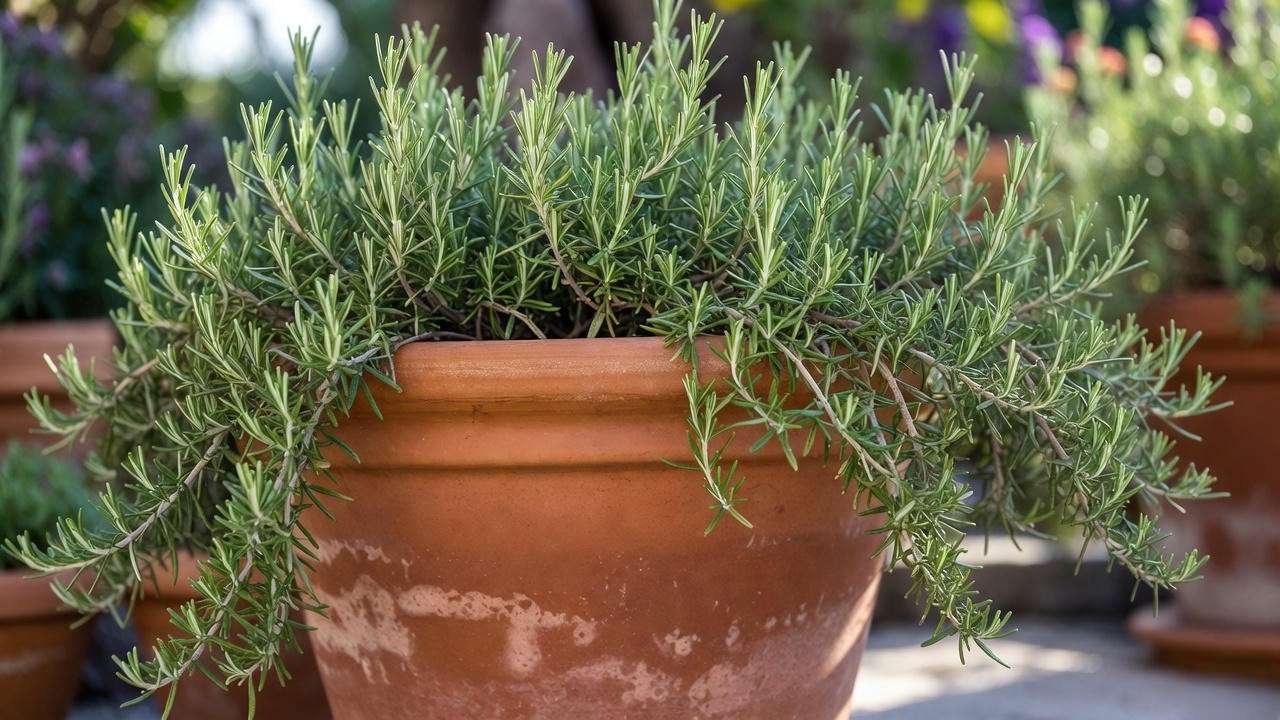
Prostrate rosemary is a low-growing, trailing form of the classic culinary rosemary (Rosmarinus officinalis). Unlike the upright, bushy varieties most people picture, prostrate types naturally spread outward, hugging the ground and cascading over edges—perfect for ground cover, retaining walls, and containers.

Botanical Background & History
Rosemary has been prized for thousands of years. Ancient Greeks and Romans used it for memory enhancement and as a symbol of remembrance, while medieval monks grew it in monastery gardens. The prostrate forms were likely selected over centuries for their ornamental value in Mediterranean landscapes. Today’s popular cultivars trace back to selections from California nurseries in the mid-20th century.
How It Differs from Upright Rosemary
| Feature | Prostrate Rosemary | Upright Rosemary |
|---|---|---|
| Growth Habit | Low, spreading (trailing) | Tall, bushy |
| Mature Height | 6–24 inches | 3–6 feet |
| Mature Spread | 4–8 feet or more | 2–4 feet |
| Best Uses | Ground cover, walls, containers | Hedges, topiaries, specimen plants |
| Maintenance | Minimal pruning | Regular shaping required |
Popular Cultivars to Know
- ‘Prostratus’ – The classic, widely available variety with dense, dark-green needles.
- ‘Santa Barbara’ – Fast-growing, very low (6–12 in.), excellent for erosion control.
- ‘Lockwood de Forest’ – Slightly more upright but still trailing; highly aromatic.
- ‘Trailing Rosemary’ – A generic name often used for any low-growing form.
Why Choose Prostrate Rosemary for Your Garden?
Prostrate rosemary isn’t just pretty—it’s a problem-solver. Here are the top seven reasons gardeners love it:
- Extreme Drought Tolerance – Once established, it thrives with little to no supplemental water.
- Deer and Rabbit Resistance – The strong aroma naturally deters most browsing animals.
- Year-Round Evergreen Interest – Silvery foliage and occasional blue flowers keep the garden looking fresh all year.
- Edible & Aromatic – Harvest fresh sprigs for cooking, teas, or potpourri.
- Erosion Control – Its spreading roots stabilize slopes and prevent soil washout.
- Pollinator Magnet – Bees, butterflies, and hummingbirds adore the tiny blue blooms. 🐝
- Low Maintenance – No deadheading, minimal fertilizing, and rarely needs pruning.

It shines in rock gardens, Mediterranean-style landscapes, xeriscapes, and as a living mulch around other drought-tolerant plants.
How to Plant Prostrate Rosemary
Best Time to Plant
Plant in spring after the last frost or early fall (6–8 weeks before the first frost) so roots can establish before extreme weather. In mild climates (USDA zones 9–11), any time except peak summer heat works.
Choosing the Perfect Location & Soil
- Sunlight: Full sun (6+ hours daily) is essential for dense growth and flowering.
- Soil: Well-drained is non-negotiable—rosemary hates wet feet. Sandy loam or gravelly soil is ideal.
- pH: Slightly alkaline (6.5–7.5) is perfect. Amend heavy clay with coarse sand or gravel.
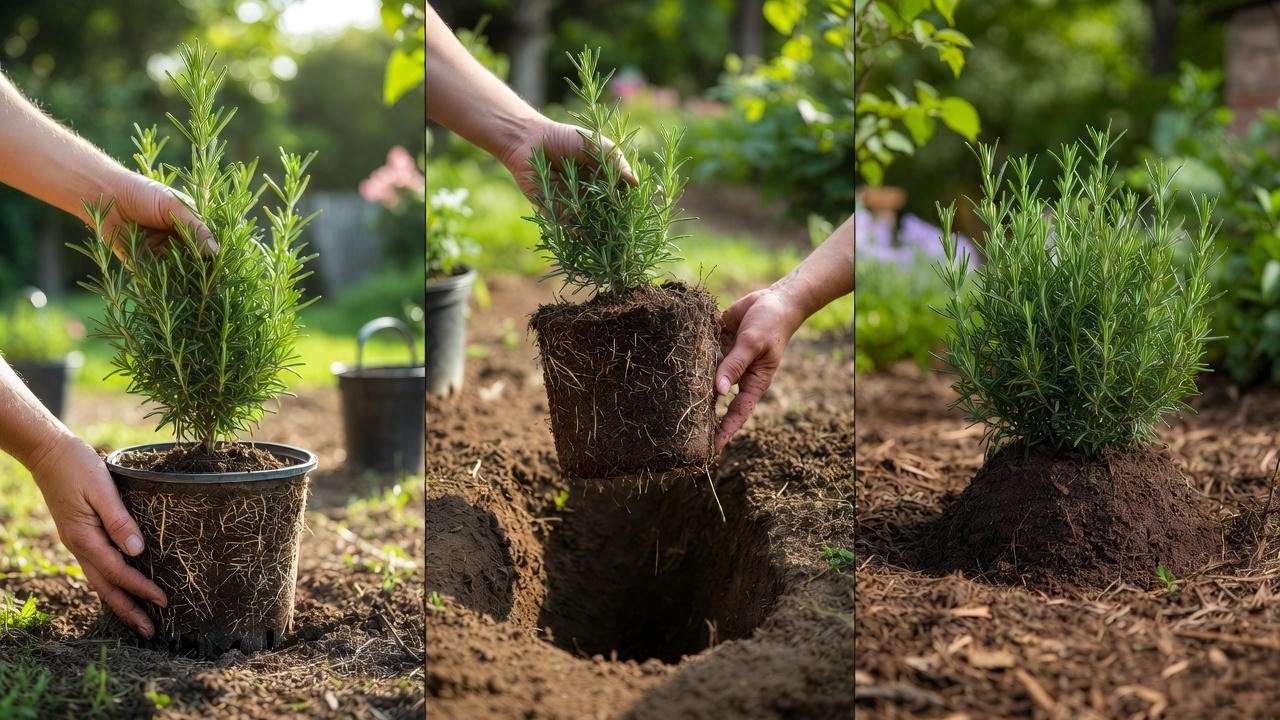
Step-by-Step Planting Guide
- Dig a hole twice as wide as the nursery pot but no deeper.
- Gently remove the plant and loosen any circling roots.
- Set the plant at the same depth it was growing in the pot.
- Backfill with native soil (or a 50/50 mix of garden soil and coarse sand).
- Water thoroughly to settle the soil.
Spacing & Companion Planting Ideas
Space plants 2–4 feet apart depending on how quickly you want coverage. Excellent companions include:
- Lavender
- Salvia
- Thyme
- Sedum
- Agave
- Artichoke
Essential Care Tips for Healthy Prostrate Rosemary
Watering: Less Is More
Newly planted rosemary needs regular watering (every 3–5 days) for the first 6–8 weeks. Once established, water deeply but infrequently—every 2–4 weeks in summer, less in winter. Overwatering causes root rot, the most common cause of failure. 💧
Fertilizing: Keep It Light
Rosemary thrives in lean soil. Apply a single dose of low-nitrogen, slow-release organic fertilizer in early spring. Too much nitrogen produces leggy, weak growth.
Pruning & Shaping for Maximum Beauty
Lightly shear or pinch tips after flowering (late spring/early summer) to encourage bushiness. Avoid cutting into old, woody stems—rosemary doesn’t regrow well from bare wood.
Winter Care & Cold-Hardy Tips
Prostrate rosemary is hardy to USDA zone 8. In zone 7 and below:
- Mulch with gravel or pine needles
- Plant in a protected spot
- Cover with frost cloth during hard freezes ❄️

Common Problems & How to Fix Them
Yellowing Leaves or Root Rot
Cause: Overwatering or poor drainage. Fix: Improve drainage, reduce watering, and treat with a fungicide if needed.
Pests: Aphids, Spider Mites & Mealybugs
Solution: Strong spray of water, insecticidal soap, or neem oil.
Powdery Mildew & Fungal Issues
Cause: Poor air circulation or overhead watering. Fix: Space plants properly, water at the base, and use sulfur-based fungicide if necessary.
Leggy Growth & Poor Flowering
Cause: Too much shade or nitrogen. Fix: Move to full sun and avoid high-nitrogen fertilizers.
Propagation Made Easy
Step-by-Step Stem Cutting Method
- Take 4–6 inch semi-ripe cuttings in late spring or early summer.
- Strip lower leaves and dip in rooting hormone.
- Plant in a well-draining mix (sand + perlite).
- Keep moist and in bright, indirect light—roots form in 4–6 weeks.
Layering Technique
Bend a flexible stem to the ground, nick the underside, cover with soil, and anchor with a stone. Roots form in 2–3 months.
Growing from Seeds
Possible but slow and less reliable—most gardeners prefer cuttings for true-to-type plants.
Creative Ways to Use Prostrate Rosemary in Your Landscape Prostrate rosemary’s versatility makes it a landscape designer’s dream. Its trailing habit allows for creative applications that add texture, fragrance, and functionality to any garden. Here are some inspiring ways to incorporate it:
Ground Cover & Erosion Control
On slopes or banks, plant in staggered rows to form a dense mat that prevents soil erosion while requiring zero mowing. In my experience designing xeriscapes in drought-prone areas, I’ve seen it stabilize hillsides beautifully, blending seamlessly with native grasses.
Hanging Baskets & Wall Cascades
For vertical interest, trail it over retaining walls or from elevated planters. The cascading effect creates a waterfall of green, ideal for patios or balconies. Pro tip: Mix with trailing petunias for a pop of color in summer.
Edible & Aromatic Garden Ideas
In herb gardens or kitchen plots, use it as a border plant. Its edible leaves enhance Mediterranean dishes, and the scent deters pests naturally.
Topiary & Container Displays
Train over wire frames for mini topiaries or let it spill from urns and window boxes. In containers, pair with succulents for a low-water terrarium vibe.
Harvesting & Culinary Uses
Prostrate rosemary isn’t just ornamental—it’s a culinary powerhouse. Harvesting is simple and encourages healthier growth.
When & How to Harvest
Snip fresh sprigs anytime after the plant is established (usually 6 months post-planting). Best time: Morning after dew dries, before flowering for peak flavor. Use sharp scissors to cut 4–6 inches from tips, never more than one-third of the plant.
Best Recipes Featuring Fresh Prostrate Rosemary
- Roasted Vegetables: Toss potatoes and carrots with olive oil, salt, and chopped rosemary—roast at 400°F for 30 minutes.
- Herb-Infused Oil: Steep sprigs in olive oil for a week; perfect for drizzling on salads or bread.
- Rosemary Lemon Chicken: Marinate chicken with minced rosemary, lemon zest, garlic, and olive oil—grill for a fragrant main dish.
Drying & Preserving Tips
Hang bundles upside down in a dry, dark place for 1–2 weeks. Store in airtight jars away from light. For longer shelf life, freeze chopped leaves in ice cube trays with water or oil.
Expert Tips & Pro Secrets
From years of trial and error in diverse climates, here are my go-to insider tips for prostrate rosemary success:
- Seasonal Care Calendar:
- Spring: Prune lightly, fertilize once.
- Summer: Water sparingly; watch for pests.
- Fall: Mulch for winter prep.
- Winter: Minimal care—check for wind damage. 📅
- Organic Pest Control Recipes: Mix 1 tsp neem oil + 1 tsp dish soap in 1 quart water; spray weekly on aphids. For spider mites, use a strong hose blast followed by horticultural oil.
- How to Encourage More Blooms: Ensure full sun and avoid over-fertilizing. Deadhead spent flowers to promote reblooming in mild climates.
- Growing in Pots vs. In-Ground: Pots offer better drainage control but dry out faster—use terracotta for breathability. In-ground plants spread more but need initial weed suppression. What really works? Amend soil with grit for both.
These tips have helped my clients achieve thriving rosemary displays with minimal intervention.
Frequently Asked Questions (FAQs)
Here are answers to the most common queries about prostrate rosemary plants:
- How fast does prostrate rosemary spread? It spreads 1–2 feet per year once established, reaching full size in 2–3 years under ideal conditions.
- Is prostrate rosemary edible? Yes! All rosemary varieties are edible and safe for culinary use.
- Can it survive winter in zone 6? Marginally hardy; protect with mulch and frost cloth, or grow in pots to overwinter indoors.
- How often should I water established plants? Every 2–4 weeks in summer, less in cooler months—let soil dry out completely between waterings.
- Does it attract bees and butterflies? Absolutely! The blue flowers are a magnet for pollinators like honeybees and monarchs. 🐝
- What’s the difference between prostrate and trailing rosemary? They’re often interchangeable terms; “prostrate” emphasizes the low, ground-hugging form, while “trailing” highlights the cascading habit.
- Can I grow it indoors? Yes, in a sunny south-facing window with well-draining soil. Provide good airflow to prevent mildew.
Final Thoughts & Your Next Steps
Prostrate rosemary plants are more than just a ground cover—they’re a low-maintenance, fragrant, and functional addition that solves common garden woes like dry soil, erosion, and lack of pollinators. By following this guide’s planting, care, and design tips, you’ll enjoy a thriving display that enhances your landscape year-round.
Whether you’re a beginner tackling your first herb or an experienced gardener seeking reliable performers, prostrate rosemary delivers consistent results. I’ve seen it transform bland slopes into vibrant oases and simple pots into aromatic showpieces.
Ready to get started? Share your prostrate rosemary success stories or photos in the comments below—I’d love to hear how it fits into your garden! For more inspiration, download my free printable “Prostrate Rosemary Care Cheat Sheet” (link in bio) or explore related guides like “Best Drought-Tolerant Herbs for Beginners.” Happy gardening! 🌿💚











