
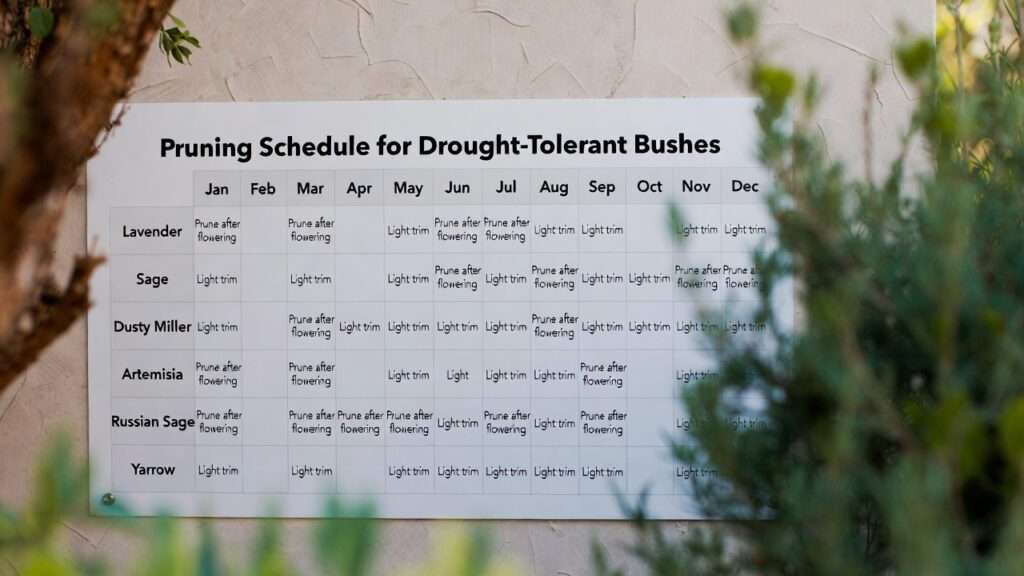
Picture this: Your once-vibrant drought-tolerant bushes looking leggy, sparse, or stressed under the relentless sun, sipping more water than they should just to recover from a bad trim. 😩 Many well-meaning gardeners trigger unnecessary water stress by pruning at the wrong time—stimulating tender new growth right when heat and dryness hit hardest. The good news? With the right pruning schedules for drought-tolerant bushes, you can keep your low-water shrubs compact, healthy, flowering beautifully, and truly water-efficient. 🌵✂️
In regions facing water restrictions or dry spells, proper timing isn’t optional—it’s essential. Done correctly, strategic pruning reduces transpiration (water loss through leaves), improves airflow to prevent fungal issues, maintains natural shape without excess regrowth, and can even cut your supplemental watering needs. According to horticulture experts from university extensions, avoiding heavy cuts during hot, dry periods prevents the plant from wasting precious moisture on recovering shoots. This guide draws from reliable sources like Aggie Horticulture, UC Master Gardeners, and extension services to deliver the most comprehensive, practical advice available—helping you solve the common problem of “when exactly should I prune my drought-tolerant bushes?” for lasting results. Let’s dive in and transform your water-wise garden! 🌱🔥
Why Pruning Matters for Drought-Tolerant Bushes 🌱🔍
Drought-tolerant bushes—like lavender, salvia, ceanothus, rosemary, and Russian sage—are champions of low-water landscapes. They’ve evolved thick leaves, deep roots, or silvery foliage to minimize moisture loss. But improper pruning can undo those adaptations. Here’s why smart pruning is a game-changer:
- Reduces water demand: Thinning dense canopies lowers leaf surface area, cutting transpiration by up to 20-30% in some cases (based on desert landscaping studies). Less foliage means less evaporation stress during droughts.
- Boosts health and disease resistance: Removing dead, diseased, or crossing branches improves air circulation and light penetration, slashing risks of powdery mildew or rot—common in humid pockets even in dry climates.
- Maintains shape and encourages blooms: Controlled cuts promote bushier growth without triggering excessive, water-hungry shoots.
- Extends plant lifespan: Rejuvenation pruning on overgrown specimens revives vigor without shocking the root system.
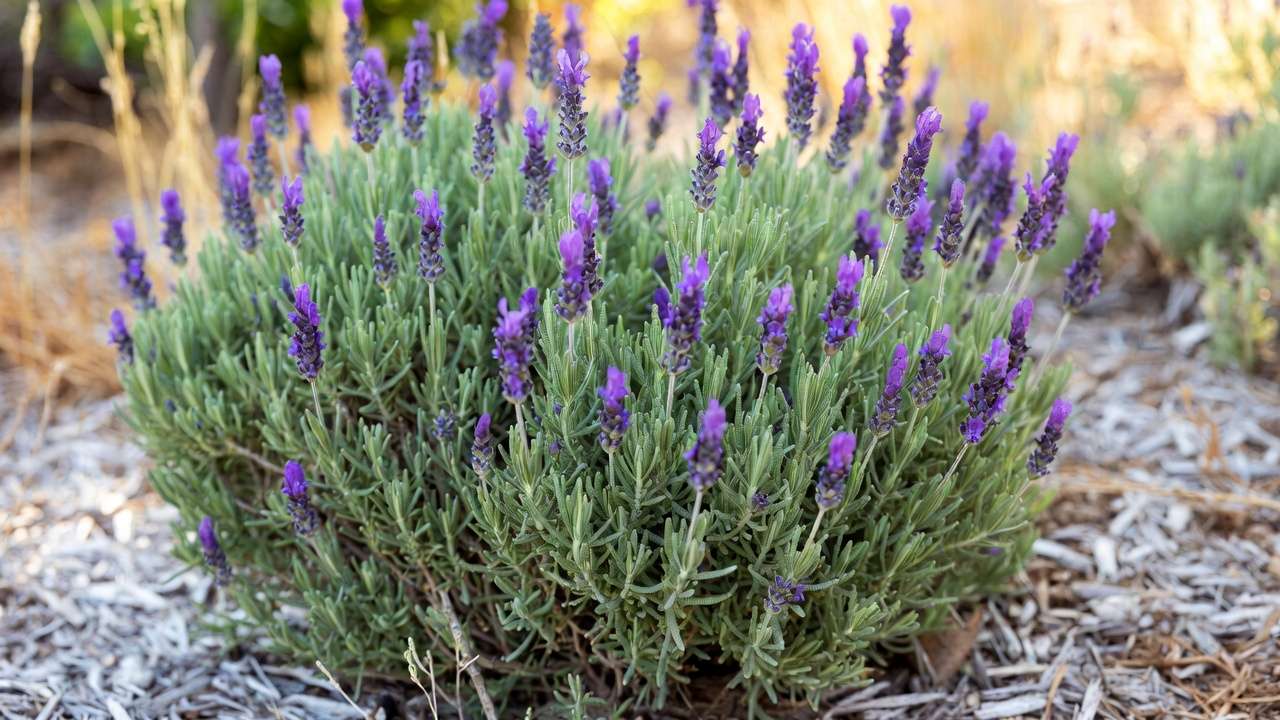
For drought-adapted species, the key rule: Minimize stress during active growth or peak dry seasons. Heavy pruning stimulates new, tender growth that needs more water to establish—exactly what you want to avoid in low-water gardening! 🚫💦 University sources stress that late winter/early spring dormant pruning is safest for most, as plants aren’t actively transpiring much.
Understanding Drought-Tolerant Bushes: Key Types and Their Needs 🏷️🌿
Not all drought-tolerant bushes prune the same way. Timing depends on whether they bloom on old wood (last year’s growth) or new wood (current season’s), plus growth habit.
- Spring bloomers (old wood): e.g., many ceanothus (California lilac), rockrose (Cistus), some early salvias. Prune right after flowering to avoid removing next year’s buds.
- Summer/fall bloomers (new wood): e.g., butterfly bush (Buddleja), Russian sage (Perovskia), blue mist spirea (Caryopteris). These thrive with hard pruning in late winter/early spring.
- Evergreen subshrubs: e.g., lavender, rosemary, germander. Light shaping anytime, but best post-bloom or early spring; avoid cutting into old, bare wood.
- Native arid-adapted: e.g., manzanita (Arctostaphylos), penstemon. Minimal pruning—focus on deadwood removal to preserve natural form.
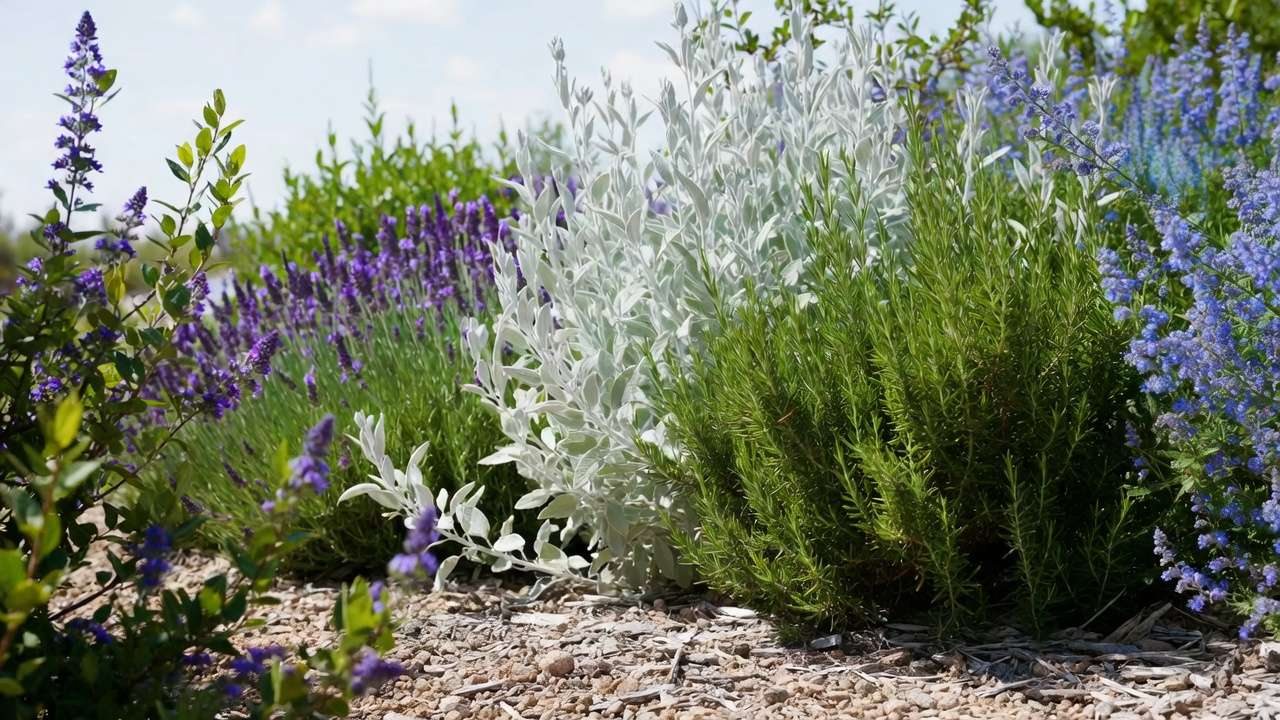
Quick reference list:
- Lavender 🌸 – Subshrub, prune after bloom.
- Russian Sage 🌾 – New wood, hard cut late winter.
- Ceanothus 🌺 – Old wood, light prune post-flower.
- Butterfly Bush 🦋 – New wood, annual hard prune.
- Rosemary 🌿 – Evergreen, tip prune for density.
Tailoring to your bush type prevents lost blooms and wasted water on recovery.
General Pruning Principles for Water-Wise Shrubs ⚖️✂️
Follow these expert-backed rules to prune without stressing drought-tolerant plants:
- The one-third rule — Never remove more than 1/3 of live growth in one session to avoid shock and excessive regrowth.
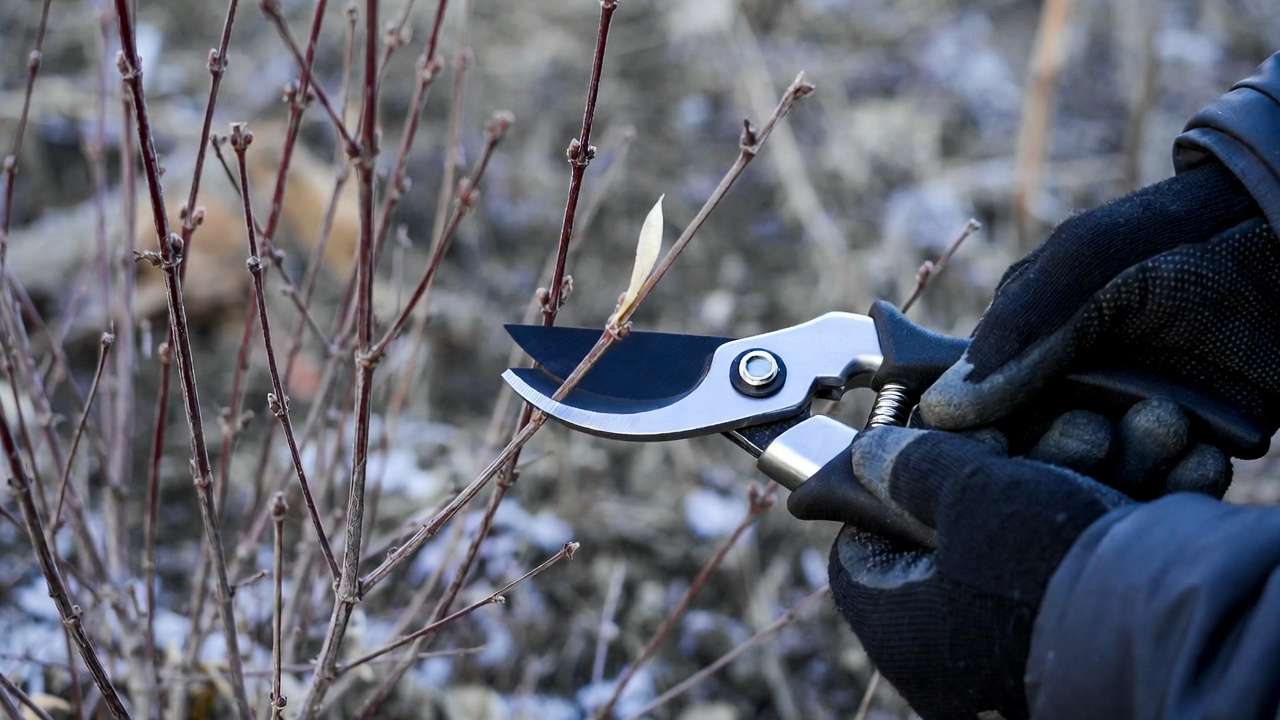
- Tools matter — Use sharp, clean bypass pruners for clean cuts (dull blades tear tissue, inviting disease). Disinfect with alcohol between plants. 🛠️
- Cut types — Favor thinning (remove entire branches to the base) over heading (tip cuts) for better airflow and natural shape. Avoid “lion-tailing” or shearing most natives.
- Timing tips — Prune on cool, dry days. Water deeply 1-2 days before if soil is bone-dry.
- Amount — Light annual maintenance for most; rejuvenation (gradual over 2-3 years) for overgrown ones.
These principles align with low-water best practices from sources like Texas A&M AgriLife and UC ANR.
Seasonal Pruning Schedules: The Ultimate Calendar 📅🌞
The cornerstone of success: Match timing to dormancy and bloom cycles while dodging heat stress.
- Late Winter/Early Spring (Dormant Season – Ideal for Most) ❄️🌱 Best overall for drought-tolerant bushes. Plants are resting, sap flow is low, and cuts heal fast before summer. For new-wood bloomers like Russian sage or butterfly bush, cut back hard (to 12-18 inches) for vigorous, controlled regrowth. Wait post-frost but pre-heat. In mild-winter areas, February-March works perfectly.
- After Spring Flowering (Late Spring/Early Summer) 🌸✂️ Perfect for old-wood spring bloomers (ceanothus, rockrose). Remove spent flowers and shape lightly. Avoid if drought looms—new shoots could desiccate.
- Summer (Hot/Dry Periods – Proceed with Caution!) ☀️🚫 Limit to light deadheading, removing spent blooms, or selective thinning of dead branches. Heavy cuts now force thirsty regrowth during peak evaporation—big no-no for water savings!
- Fall (Post-Bloom or Pre-Dormancy) 🍂🔧 Minimal intervention: Clean up dead/diseased wood. Avoid major cuts that stimulate growth vulnerable to winter damage.
Pro tip: Create a visual month-by-month chart for your zone—late winter green lights for most, summer red flags!
Step-by-Step Pruning Techniques for Drought-Tolerant Bushes 🛠️📋
- Prepare — Assess overall health. Deep-water 1-2 days prior if possible (even drought-tolerant need establishment help).
- Remove the 3 Ds — Dead, damaged, diseased first—always!
- Thin interior — Cut crossing/rubbing branches at their origin for airflow.
- Shape naturally — Follow the plant’s form; step back often. No flat-top shearing for most drought types.
- Rejuvenate if needed — For leggy older bushes, prune 1/3 each year over 3 seasons, or hard-cut in dormancy if healthy.
- Aftercare — Apply 2-3 inches mulch (keep away from stems), water deeply but infrequently post-prune, watch for wilting.
These steps ensure minimal stress and maximum resilience.
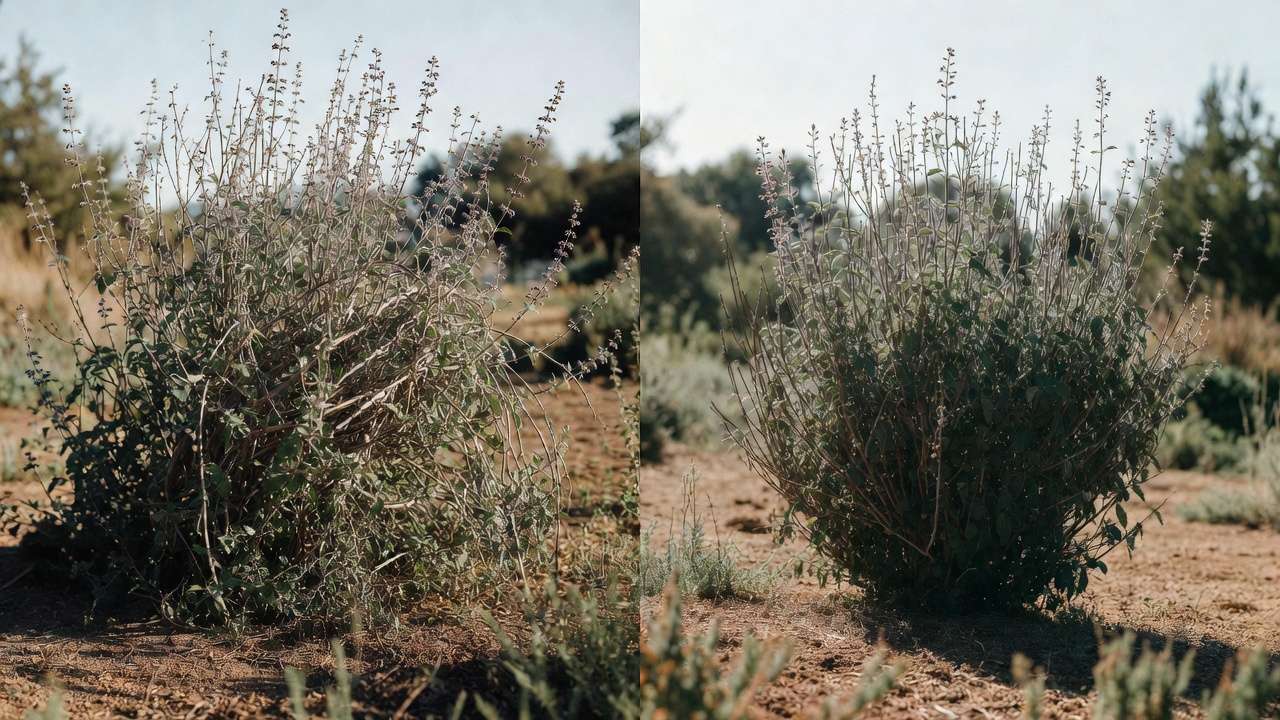
Common Mistakes to Avoid with Drought-Tolerant Bushes ❌💧
Even experienced gardeners can unintentionally harm their water-wise plants. Here are the most frequent errors — and exactly how to avoid them:
- Pruning during or immediately after a drought Cutting back when the plant is already stressed forces it to use stored energy and limited water to produce new shoots that may burn or die. Solution: Wait until you see signs of recovery (new green growth after rain or irrigation) or until the next dormant season.
- Heavy pruning in summer or during heat waves ☀️🚫 Summer cuts stimulate soft, water-hungry growth precisely when evaporation is highest. New shoots often wilt, sunburn, or require extra watering — defeating the purpose of drought-tolerant landscaping.
- Over-pruning / removing too much live wood Taking off more than ⅓ of the canopy in one go shocks the plant, weakens the root system, and reduces its ability to withstand dry spells. Rule of thumb: If it looks like a drastic haircut, wait or spread it over 2–3 years.
- Pruning old-wood bloomers at the wrong time Cutting ceanothus, rockrose, or early-flowering salvias in late winter removes next year’s flower buds. Fix: Always prune these immediately after they finish blooming.
- Shearing plants into formal shapes ✂️🚫 Repeated shearing (especially on lavender, rosemary, salvia, and natives) creates dense outer shells with bare centers. This reduces airflow, traps humidity, and makes plants more prone to fungal issues even in dry climates.
- Using dull or dirty tools Torn cuts invite pathogens; dirty blades spread disease between plants. Best practice: Sharpen tools regularly and wipe blades with 70% alcohol between each shrub.
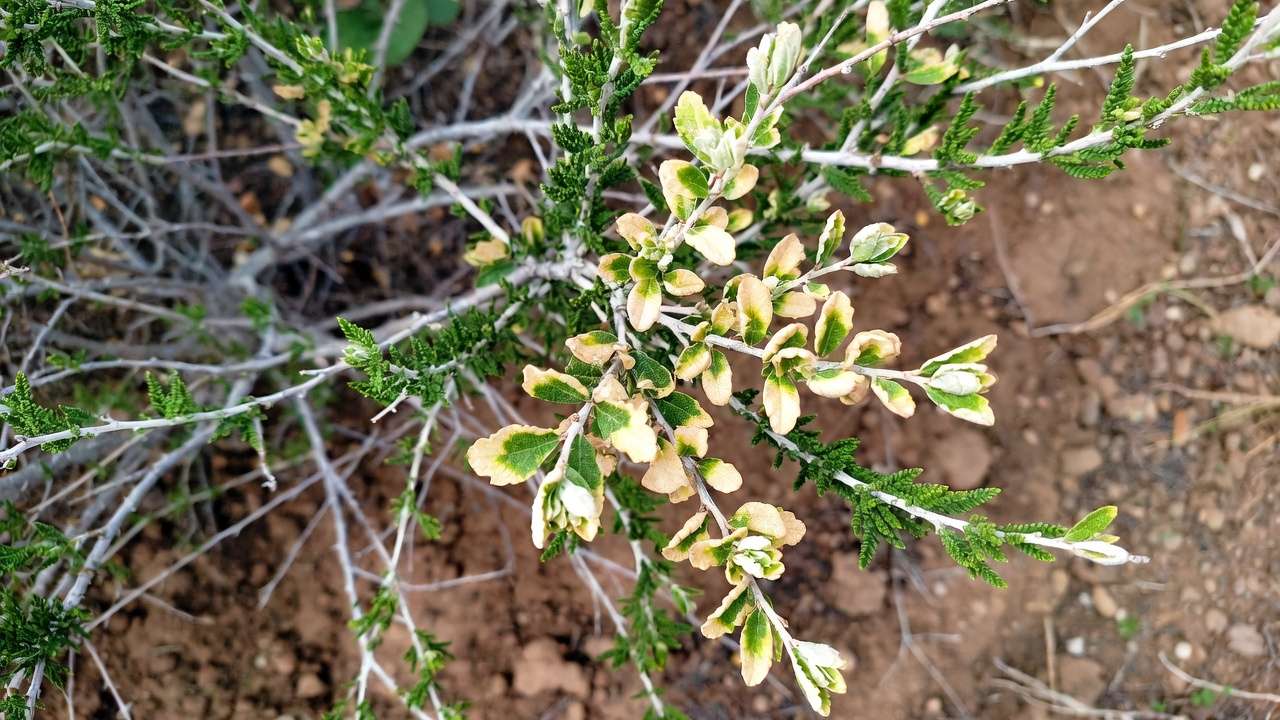
Avoiding these mistakes is one of the fastest ways to improve the health and water efficiency of your drought-tolerant bushes.
Specific Pruning Guides for Popular Drought-Tolerant Bushes 🌟🌿
Here are detailed, season-by-season recommendations for some of the most commonly grown drought-tolerant shrubs and subshrubs:
Lavender (Lavandula spp.) 🌸
- Best time: Immediately after flowering (late spring to early summer)
- How: Shear lightly — remove spent flower stalks and about 1–2 inches of soft growth. Never cut into old, leafless wood.
- Frequency: Annually after bloom + light tidy in late winter if needed
- Goal: Maintain compact shape and prevent woodiness
Russian Sage (Perovskia atriplicifolia) 🌾
- Best time: Late winter / very early spring (before new growth)
- How: Cut entire plant back to 12–18 inches above ground (hard prune).
- Frequency: Every year
- Goal: Encourage strong, upright stems and abundant late-summer blooms
Ceanothus (California Lilac) 🌺
- Best time: Right after spring flowering (May–June)
- How: Light shaping only — remove up to ⅓ of oldest stems, thin crowded areas, maintain natural arching form.
- Frequency: Annually or every other year
- Goal: Preserve next year’s buds while keeping size in check
Butterfly Bush (Buddleja davidii) 🦋
- Best time: Late winter / early spring
- How: Cut back hard to 12–24 inches from ground (depending on variety).
- Frequency: Annually
- Goal: Produce long, flower-laden new stems
Rosemary (Salvia rosmarinus) 🌿
- Best time: After flowering (spring/early summer) or light tidy in early spring
- How: Tip prune regularly to encourage bushiness; never cut into old bare wood.
- Frequency: Light trimming 2–3 times per year
- Goal: Dense, aromatic foliage
Manzanita (Arctostaphylos spp.) 🍎
- Best time: Late winter or right after bloom (if flowering)
- How: Minimal — remove only dead, damaged, or crossing branches.
- Frequency: As needed (many need very little)
- Goal: Preserve beautiful natural form and peeling bark
Sage / Garden Sage (Salvia officinalis & hybrids) 🌿
- Best time: After flowering or early spring
- How: Shear lightly to shape; remove up to ⅓ of old stems to rejuvenate.
- Frequency: 1–2 times per year
- Goal: Prevent legginess and encourage fresh aromatic leaves
Penstemon (Beardtongue) 🌸
- Best time: After flowering or early spring for basal cut-back
- How: Cut spent stems to basal rosette; hard prune every 2–3 years in late winter.
- Frequency: Annually for blooms, occasional rejuvenation
- Goal: Extend flowering and maintain vigor
These tailored schedules help you get the best performance from each variety while using the least possible water.
Expert Tips and Insights from Horticulturists 🌟🧠
- “The single biggest mistake I see with drought-tolerant plants is pruning in summer. Wait for dormancy whenever possible — your water bill and the plants will thank you.” — Adapted from advice by UC Master Gardeners and Texas A&M AgriLife Extension
- Pair pruning with thick organic mulch (2–4 inches) to dramatically reduce soil evaporation after cuts.
- In very arid regions (low rainfall + high evaporation), consider “deferred pruning”: skip a year if the plant looks stressed, then prune lightly the following dormant season.
- For Mediterranean-climate gardeners: mimic natural cycles — many drought natives self-prune via summer dieback. Remove only what is clearly dead after the dry season ends.
- Regional adjustment tip: In USDA zones 9–11 with mild winters, you can sometimes push light pruning into December–January. In colder zones 6–8, wait until February–March after the worst freezes pass.
FAQs: Your Pruning Questions Answered ❓💬
Can I prune drought-tolerant bushes in summer? Only very lightly — deadheading spent blooms or removing a few dead branches is usually safe. Avoid any major shaping or thinning.
How often should I prune drought-tolerant bushes? Most need light annual maintenance. Heavy rejuvenation pruning is typically done every 3–7 years, depending on species and growth rate.
What if my bush looks dead after a drought? Wait! Scratch the bark gently — if you see green underneath, the plant is alive. Delay pruning until you see new growth (often after the next good rain or irrigation).
Is it okay to shear lavender and rosemary into balls or boxes? Not recommended long-term. Shearing creates dense outer growth and bare centers. Instead, prune selectively to maintain a natural, slightly rounded shape.
Will hard pruning kill my ceanothus or manzanita? Yes, if you cut into old wood. These species often resent heavy cuts — stick to light shaping after bloom.
Can pruning actually save water? Absolutely. Thinning reduces leaf area and transpiration, while preventing weak, thirsty regrowth keeps overall water demand lower.
What’s the best tool for pruning small-leaved drought plants? Sharp bypass hand pruners for most cuts; long-handled loppers for thicker stems. Keep them razor-sharp for clean cuts.
Conclusion: Prune Smart for a Thriving, Water-Wise Garden 🌳💚
Congratulations — you’ve just unlocked the single most powerful maintenance skill for keeping drought-tolerant bushes beautiful, healthy, and genuinely low-water throughout the year! 🌵✨
By following pruning schedules for drought-tolerant bushes that respect dormancy cycles, bloom timing, and seasonal stress patterns, you avoid the most common pitfalls that force extra watering, weaken plants, or ruin next season’s flowers. Instead, your shrubs reward you with:
- Compact, naturally shaped growth that looks intentional and tidy
- Stronger disease resistance thanks to better airflow and light
- Maximum blooms without excess vegetative growth
- Noticeably lower supplemental water use — especially valuable during dry summers or under water restrictions
- Longer plant lifespan and fewer replacements over time
The golden rules to remember forever:
- Late winter/early spring is your safest, most forgiving window for the majority of drought-tolerant varieties (especially new-wood bloomers).
- Right after spring flowering is the magic moment for old-wood bloomers — never before.
- Summer = hands off for anything beyond light deadheading or removing clearly dead bits.
- Less is more — never remove more than ⅓ of live growth in a single session, and always prioritize thinning over shearing.
- Aftercare matters — mulch, deep-but-infrequent watering immediately after pruning, and patience while the plant redirects energy.
Mastering these principles turns what many gardeners see as a chore into one of the most satisfying (and water-saving) parts of low-maintenance landscaping. Your garden will not only survive dry spells — it will thrive in them.
Ready to put this knowledge to work? Grab your sharp pruners on the next cool, dry day this late winter or early spring, assess each bush carefully, and make those intentional cuts. Then step back and enjoy the results: healthier plants, more flowers, lower water bills, and the quiet pride of working with nature instead of fighting it. 🌿💧
Have you tried any of these pruning timings already? Which drought-tolerant bush are you planning to tackle first? Drop a comment below — I’d love to hear your garden stories, questions, or before-and-after photos! Your water-wise landscape journey starts (or levels up) right now. Happy pruning! ✂️🌱











