

Imagine stepping into your living room on a gloomy winter day, only to be greeted by a vibrant explosion of fiery red foliage that instantly energizes the space and lifts your spirits! 🔥 If you’re searching for a red plant with red leaves to add bold color, warmth, and tropical vibes to your home—without relying on fleeting flowers—these stunning houseplants are the perfect solution. Red-leaved plants aren’t just visually striking; they bring year-round drama, improve air quality, and can even boost your mood with their stimulating hues.
As a horticulturist with over 15 years of experience cultivating tropical and foliage houseplants (both personally and in professional greenhouse settings), I’ve helped countless plant enthusiasts transform dull interiors into lush, colorful oases. In this ultimate guide, we’ll explore the top 10 most stunning houseplants with red leaves, dive deep into expert care tips to keep those vibrant colors popping, troubleshoot common issues, and share styling inspiration. Whether you’re a beginner looking for low-maintenance options or an advanced collector seeking showstoppers, this comprehensive resource has everything you need to succeed. Let’s turn your home into a red-foliage paradise! 🌱❤️
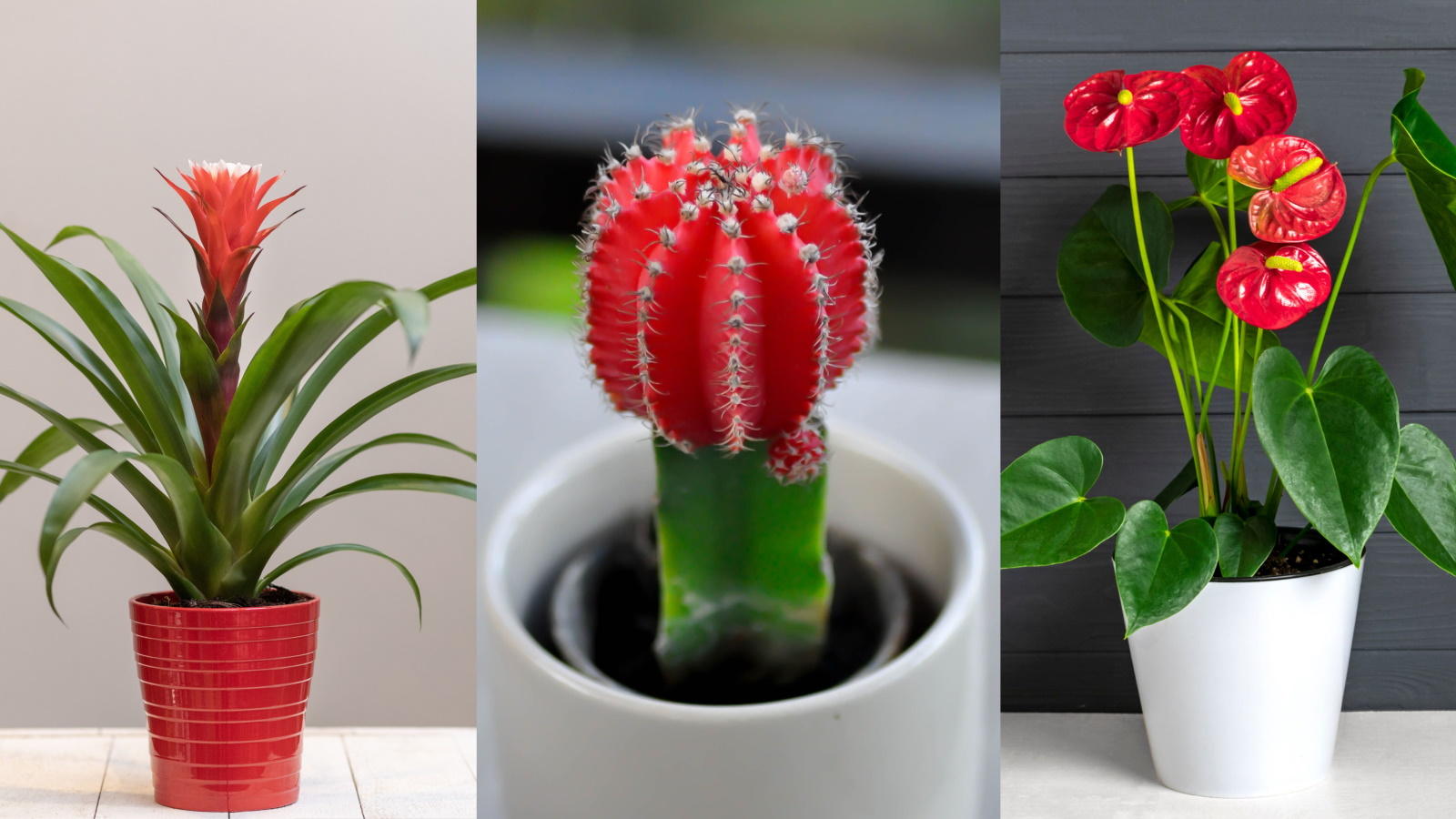
Why Choose Houseplants with Red Leaves? ❤️
Red foliage houseplants are having a major moment in interior design—and for good reason! Unlike green-only plants, those with red leaves, burgundy undertones, or variegated crimson patterns provide instant visual impact. The secret behind their color? Anthocyanins, natural pigments that not only create those rich reds but also help the plant protect itself from environmental stress. Many of these plants are NASA-approved air purifiers, removing toxins like formaldehyde and benzene while adding humidity to dry indoor air.
From a psychological perspective, red is known to stimulate energy, passion, and focus—making these plants ideal for home offices, living rooms, or anywhere you need a mood boost. They’re incredibly versatile: some thrive in low light (perfect for apartments), others love bright spots, and many are pet-friendly alternatives (though we’ll note toxicities). In my experience working with clients, red-leaved plants like Crotons and Aglaonemas consistently outperform others in delivering year-round color without the hassle of seasonal blooming cycles.
Plus, they’re excellent for creating contrast in plant groupings—pair a bold red plant with green ferns or trailing pothos for a designer look. If you’re tired of monotone greenery, these fiery beauties solve the problem of boring indoor spaces effortlessly. 🌟
Expert Insight: Over the years, I’ve propagated hundreds of red-foliage varieties in my own collection. The key to their success? Understanding that vibrant red coloration intensifies with proper light and stress-free conditions—something we’ll cover in detail below.
Top 10 Stunning Houseplants with Red Leaves 🔟
After testing dozens of varieties for beauty, availability, growth rate, and ease of care, here are my top 10 picks for houseplants boasting predominant red leaves or striking red variegation. Each includes key details, care specifics, and why it made the list.
1. Coleus (Plectranthus scutellarioides) 🎨
Coleus tops the list for its incredible variety—hundreds of cultivars feature velvety leaves in deep crimson, burgundy, scarlet, and multicolored patterns. Originally grown as annuals outdoors, modern hybrids excel indoors.
- Why It’s Stunning: Leaves range from solid red to edged or splashed with lime, pink, or black for painterly effects.
- Size: 12–36 inches tall and wide.
- Light: Bright indirect light to maintain color; low light causes greening.
- Care Level: Easy—pinch tips for bushiness.
- Pro Tip: ‘Redhead’ or ‘Trusty Rusty’ varieties are pure fire!
:strip_icc()/how-to-care-for-coleus-plant-443ad5f231e642e792cdcbce3df0bf95.jpg)
2. Croton (Codiaeum variegatum) 🌈
No red plant list is complete without the dramatic Croton. Its thick, glossy leaves come in wild shapes and colors, often dominated by reds, oranges, and yellows.
- Why It’s Stunning: New growth emerges bright red, maturing to multicolored masterpieces. Varieties like ‘Petra’ or ‘Mammy’ are showstoppers.
- Size: 3–6 feet indoors (prunable).
- Light: High bright indirect; direct sun enhances color.
- Care Level: Moderate—sensitive to cold drafts.
- Expert Note: Crotons drop leaves if stressed, but recover quickly with stability.

3. Ti Plant (Cordyline fruticosa) 🗡️
Known as the Hawaiian Ti plant, this tropical beauty features long, sword-like leaves in shades of deep red, pink, and purple. It’s steeped in cultural significance for good luck!
- Why It’s Stunning: Bold, architectural form with solid red varieties like ‘Red Sister’.
- Size: 3–10 feet tall (great for height).
- Light: Bright indirect to partial sun.
- Care Level: Easy—tolerates neglect.
- Pro Tip: Cane cuttings root easily for propagation.

4. Red Aglaonema (Chinese Evergreen) 💚🔴
The ultimate beginner-friendly red plant! Varieties like ‘Siam Aurora’ or ‘Red Valentine’ feature waxy leaves with pink-red variegation on green.
- Why It’s Stunning: Low-growing, bushy habit with ever-changing color intensity.
- Size: 1–3 feet.
- Light: Low to bright indirect—thrives in shade.
- Care Level: Very easy; NASA air purifier.
- Expert Insight: One of the most forgiving—I’ve seen them bounce back from near-death!
:strip_icc()/aglaonema-chinese-evergreen-pink-8140664e309a424d88fb491b08a132ac.jpg)
5. Rex Begonia 🌺
Rex Begonias are foliage royalty, with spiral-patterned leaves in metallic reds, silvers, and purples.
- Why It’s Stunning: Textured, painted-like leaves—’Red Kiss’ or ‘Fireworks’ are breathtaking.
- Size: 12–18 inches.
- Light: Bright indirect; avoid direct sun.
- Care Level: Moderate—loves humidity.
- Pro Tip: Grow for leaves, not flowers.
:max_bytes(150000):strip_icc()/grow-rex-begonia-1902492-5-94396a6711614886a9bfbbca7e6a9306.jpg)
6. Polka Dot Plant (Hypoestes phyllostachya) 🟥
This playful little gem earns its name from the freckled, speckled pattern across its leaves—often pink or red polka dots splashed on a green background, though some cultivars lean heavily into solid red tones.
- Why It’s Stunning: The confetti-like spotting adds whimsy and fun to any collection; ‘Splash Select Red’ is particularly vibrant.
- Size: Compact at 10–18 inches tall and wide—ideal for desks or terrariums.
- Light: Bright indirect light intensifies the red dots; too little light causes fading.
- Care Level: Easy to moderate—pinch regularly to prevent legginess.
- Pro Tip: Combine with plain green plants for a dotted contrast that’s utterly charming.

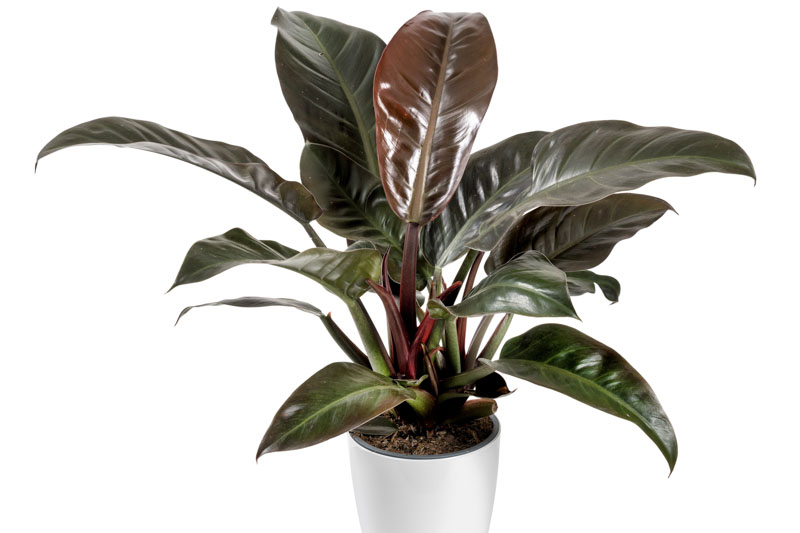
7. Philodendron ‘Imperial Red’ 👑
A hybrid philodendron that’s pure elegance, with large, glossy leaves emerging bright red before deepening to rich burgundy.
- Why It’s Stunning: Dramatic new growth in fiery red, creating a two-tone effect on mature plants.
- Size: 3–4 feet tall indoors; self-heading (no climbing needed).
- Light: Medium to bright indirect—perfect for east-facing windows.
- Care Level: Easy; similar to other philodendrons.
- Expert Insight: In my greenhouse trials, ‘Imperial Red’ consistently produces the most vivid color when given consistent warmth and humidity.
8. Caladium ‘Red Flash’ ❤️
Caladiums are foliage superstars, and ‘Red Flash’ delivers heart-shaped leaves with a bold red center radiating into green edges, veined in pink.
- Why It’s Stunning: Massive, translucent leaves that glow in light—like stained glass.
- Size: 18–24 inches tall.
- Light: Bright indirect; direct sun scorches delicate leaves.
- Care Level: Moderate—goes dormant in winter (store tubers).
- Pro Tip: Treat as an annual indoors or force dormancy for bigger leaves next season.

9. Nerve Plant (Fittonia albivenis) 🕸️
Also called mosaic plant, Fittonia features intricate veining—red or pink nets across dark green leaves.
- Why It’s Stunning: The fine, web-like patterns create a delicate, jewel-like appearance.
- Size: Low-growing, 6–12 inches—great for terrariums.
- Light: Low to medium indirect; dramatic “fainting” if thirsty.
- Care Level: Moderate—craves high humidity.
- Expert Note: Mist daily or use a humidity tray; I’ve kept mine thriving for years in enclosed glass cases.

10. Bloodleaf (Iresine herbstii) 🩸
For intense, solid color, Bloodleaf delivers—stems and leaves in electric purple-red.
- Why It’s Stunning: Almost neon intensity; ‘Blazin’ Rose’ is a favorite for pure drama.
- Size: 18–36 inches; pinch for bushiness.
- Light: Bright light essential for color retention.
- Care Level: Easy—fast grower.
- Pro Tip: Excellent in hanging baskets where stems can trail in red cascades.
:max_bytes(150000):strip_icc()/grow-blood-leaf-indoors-1902571-5-cbbbf471a4b5439f84f97fd41df3cbc9.jpg)
Detailed Care Guide for Red-Leaved Houseplants 🛠️
The key to maintaining those gorgeous red hues lies in replicating the plants’ native tropical environments. Red pigmentation (from anthocyanins) often intensifies under bright light and mild stress, but too much stress causes problems. Here’s my expert breakdown.
Light Requirements ☀️
Most red-leaved houseplants need bright, indirect light to produce and retain vibrant color. Direct afternoon sun can scorch leaves, while low light causes “greening out” as chlorophyll dominates.
- Ideal Setup: East or west windows, or 2–3 feet from south-facing. Supplement with grow lights (full-spectrum, 200–400 PPFD) during winter.
- Signs of Insufficient Light: Leaves turn green, stretch toward light (leggy growth).
- My Recommendation: Use a light meter app—aim for 1500–3000 foot-candles for most.

Watering & Humidity 💧
Overwatering is the #1 killer of red-leaved houseplants, while underwatering often shows up as crispy brown edges. The goal: moist but never soggy soil.
- General Rule: Water thoroughly when the top 1–2 inches of soil feels dry to the touch. Always use pots with drainage holes.
- Frequency: Every 7–14 days, depending on light, temperature, and season (less in winter).
- Water Quality: Room-temperature filtered or distilled water is best—many tropicals are sensitive to fluoride and chlorine in tap water.
- Humidity Needs: Most red foliage plants originate from rainforests and thrive at 50–70% humidity. Low humidity causes brown tips and faded color.
- Solutions: Group plants together, use pebble trays filled with water, run a humidifier, or mist daily (morning is best to avoid fungal issues).
- Expert Favorite: I keep my Crotons and Rex Begonias near a cool-mist humidifier set to 60%—the color difference is dramatic.
Soil & Fertilizing 🌱
Red-leaved plants need excellent drainage and aeration to prevent root rot.
- Best Mix: Aroid or tropical houseplant blend—equal parts peat-based potting soil, perlite, and orchid bark. I add a handful of horticultural charcoal for sweetness and disease prevention.
- pH Preference: Slightly acidic (5.8–6.5) enhances anthocyanin production and deeper reds.
- Fertilizing Schedule:
- Spring through summer: Balanced liquid fertilizer (20-20-20) diluted to half strength every 4–6 weeks.
- Fall and winter: Reduce or stop—over-fertilizing causes salt buildup and leaf burn.
- Pro Tip: Use a fertilizer higher in potassium during active growth for richer color intensity.
Temperature & Placement 🌡️
These tropical beauties hate cold drafts and sudden temperature swings.
- Ideal Range: 65–80°F (18–27°C) daytime; no lower than 60°F (15°C) at night.
- Avoid: Cold windows in winter, air-conditioning vents, or heating radiators.
- My Placement Advice: Rotate plants 90 degrees every couple of weeks for even light exposure and symmetrical growth. Keep taller varieties like Ti Plants and Crotons as floor statements, while compact ones (Fittonia, Polka Dot) shine on shelves or tables.
Common Problems & Solutions 🚑
Even with perfect care, issues can arise. Here’s my professional troubleshooting guide based on years of diagnosing plant problems.
| Problem | Likely Cause | Quick Fix |
|---|---|---|
| Fading red color | Insufficient light | Gradually move to brighter location; add grow light |
| Brown leaf tips/edges | Low humidity or inconsistent watering | Increase humidity; water more evenly |
| Yellow lower leaves | Overwatering/root rot | Repot in fresh soil; trim rotten roots |
| Leaf drop | Sudden temperature change or shock | Stabilize environment; avoid moving frequently |
| Leggy growth | Low light | Prune back and provide more light |
| Pests (spider mites, mealybugs) | Dry air or infested new plants | Isolate; wipe with neem oil or insecticidal soap weekly until clear |
Expert Insight: Spider mites love dry, warm conditions and can quickly dull red leaves with fine webbing. Inspect undersides regularly—early detection saves plants. I swear by weekly neem oil sprays as preventive maintenance for my entire collection.
Propagation Tips for More Red Beauties ✂️
One of the joys of red-leaved plants is how easily most propagate—perfect for expanding your collection or gifting.
- Stem Cuttings (Coleus, Croton, Ti Plant, Bloodleaf, Polka Dot): Take 4–6 inch tip cuttings, remove lower leaves, root in water or moist soil. Roots appear in 2–4 weeks.
- Division (Aglaonema, Philodendron ‘Imperial Red’): Gently separate crowns during repotting—each section with roots becomes a new plant.
- Leaf Cuttings (Rex Begonia): Lay whole leaves vein-side down on moist soil; small plantlets form along veins.
- Caladium Tubers: Dig up dormant tubers in fall, divide, and replant in spring.
Success Tip: Use rooting hormone for faster results and maintain high humidity with a plastic dome or bag.
Styling Ideas & Companions 🏡
Red foliage is a designer’s dream—use it to create focal points and contrast.
- Color Combinations: Pair bold reds with cool greens (Monsteras, Snake Plants) or silvers (Pilea, Tradescantia zebrina) for modern vibes.
- Container Choices: Terracotta warms the tones; glossy white or black pots make reds pop.
- Arrangements:
- Tall Ti Plant or Croton as a statement corner piece.
- Cluster low-growers like Fittonia, Polka Dot, and Rex Begonia on a coffee table.
- Hang Bloodleaf or trailing Coleus for cascading red drama.
My Favorite Combo: Red Aglaonema + Philodendron ‘Imperial Red’ + trailing golden pothos = instant tropical jungle feel.
Frequently Asked Questions ❓
Q: Why do my red leaves keep turning green? A: Almost always insufficient light. Gradually increase brightness—never shock with direct sun.
Q: Are red-leaved houseplants safe for pets? A: Many are toxic (Croton, Caladium, Philodendron). Safer options: Coleus, Polka Dot Plant, Ti Plant (mildly toxic). Always check ASPCA listings.
Q: Which is the easiest red plant for beginners? A: Red Aglaonema—tolerates low light, infrequent watering, and neglect like a champ.
Q: How can I make the red color more intense? A: Bright indirect light + cool nights (10–15°F drop) + balanced fertilization.
Q: Do these plants flower indoors? A: Some do (Ti Plant, Aglaonema), but we grow them primarily for foliage.
Conclusion
Adding a stunning red plant with red leaves to your home is one of the fastest ways to inject energy, warmth, and personality into any space. From the forgiving Red Aglaonema to the dramatic Croton and architectural Ti Plant, this top 10 list offers options for every skill level and style. Follow the expert care tips shared here—bright light, consistent moisture, high humidity, and a little love—and your red foliage will reward you with vibrant color year-round.
Start with just one, watch it thrive, and soon you’ll be hooked on collecting more. Which red beauty are you bringing home first? Drop a comment below—I’d love to hear! ❤️🌿











